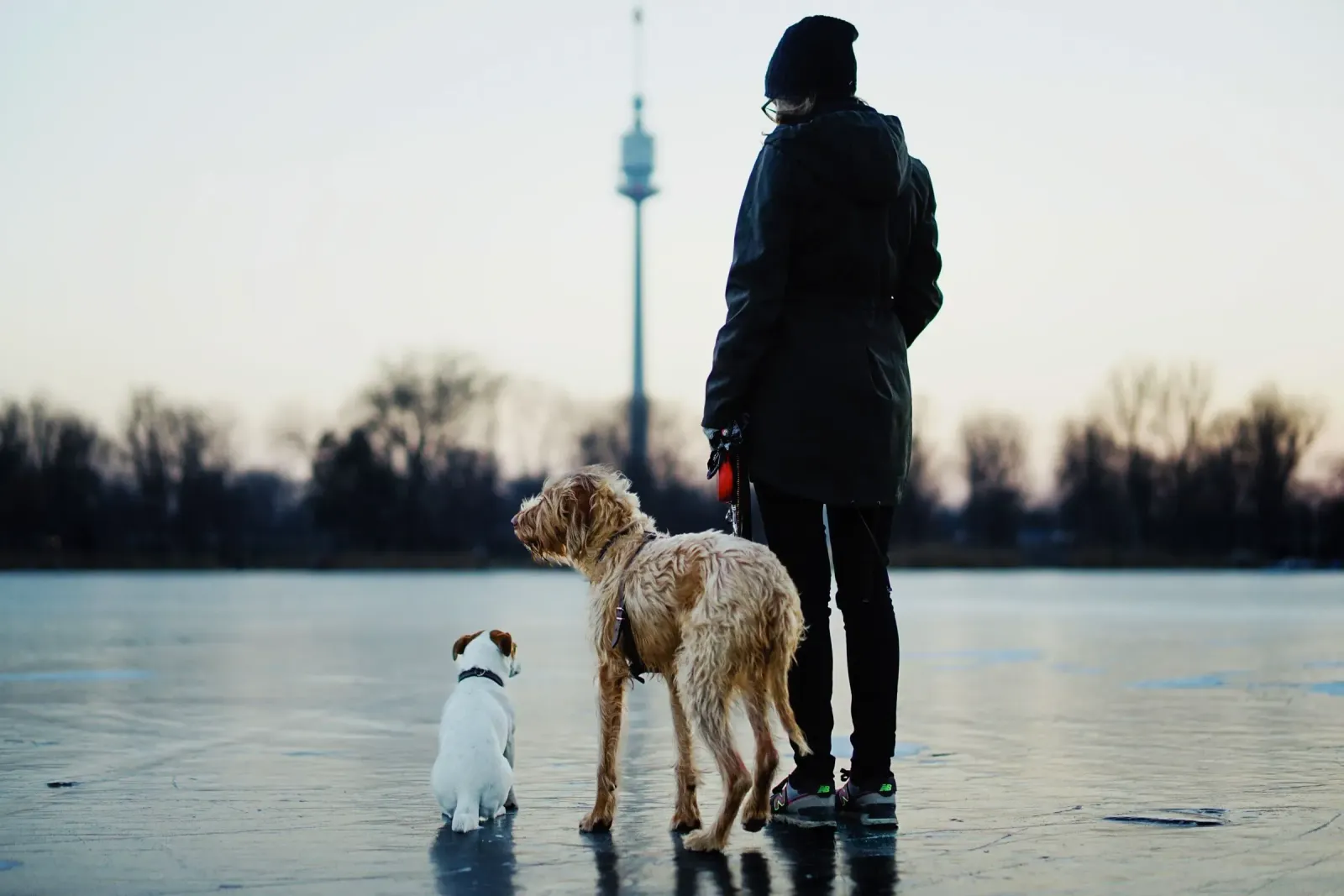
Vienna skyline at sunset with the Prater giant ferris wheel

40 shelters that take in dogs, from Vienna to the Tyrol, and everything you need to know to adopt from one.

40 shelters

Shelter data © OpenStreetMap contributors

Search a town or use your location. Every shelter gets directions, a phone number and its website, with no ratings and no ads.

40 shelters in 9 states. Pick a city or a state.

Every shelter has its own rules, but most adoptions in Austria go like this.

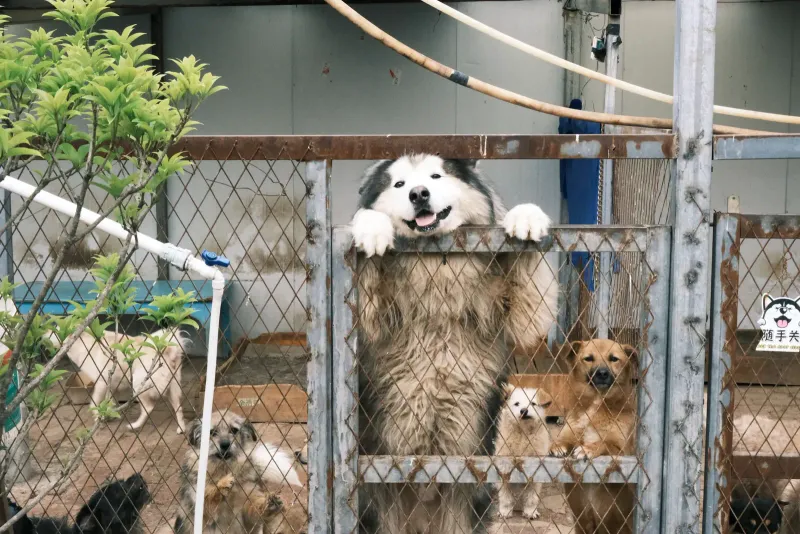
  1. A big fluffy shelter dog standing up at its enclosure fence with smaller dogs beside it

    Pick a shelter and book a visit

    Many Austrian shelters work by appointment, some only on certain afternoons. Call first and ask how adoption works.

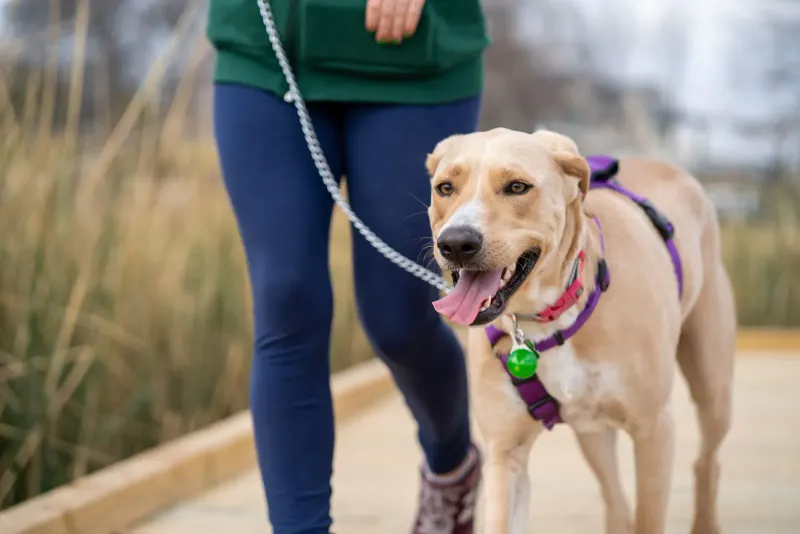
  2. A person on a walk with a happy tan rescue dog on a leash

    Meet the dog more than once

    Staff ask about your home, your days and other pets. Families and people living alone are both welcome.

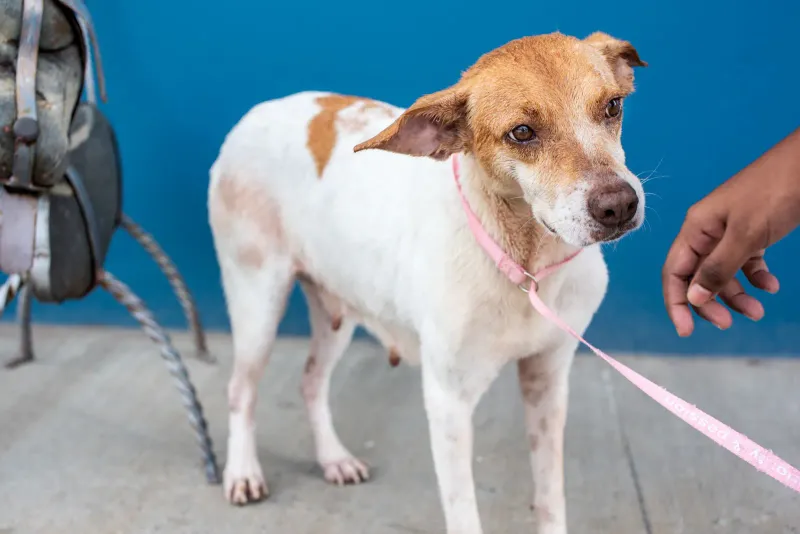
  3. Shelter dog on a pink leash with a visitor hand reaching outAsk: fees differ by shelter, so call and ask

    Sign the contract, pay the fee

    Fees differ by shelter. Ask what is included, such as vaccination, chip and neutering.

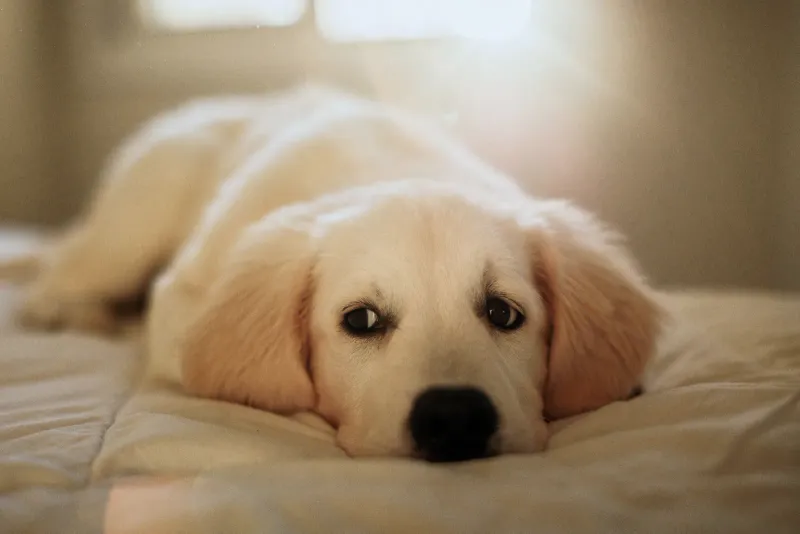
  4. Golden puppy resting on a white bed3 years: no Hundeabgabe in Vienna after adopting from TierQuarTier Wien

    Register the dog

    Dog tax is set by each municipality. In Vienna you register within 14 days.

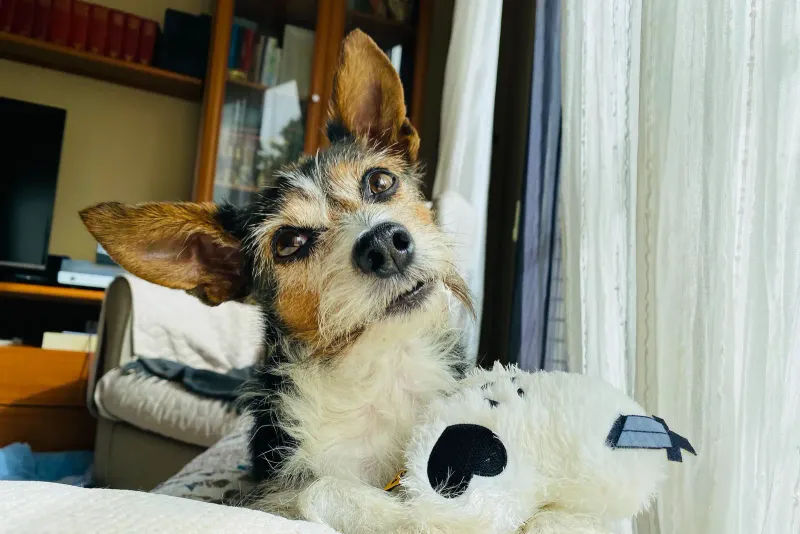
  5. A small terrier resting on a bed by a window with a plush toy

    Settle in together

    The first weeks are quiet: a calm corner, short walks, one routine. A dog's full character can take weeks to show.

We read each shelter's own pages and list only what they say there. It is not a ranking: just a good first call in each city.

TierQuarTier Wien

Süßenbrunner Straße 101, 1220, Wien

The city of Vienna's own shelter under a service contract, run by a non-profit company. Tierschutzhaus Vösendorf, just south of the city, is the second option.

Checked on the shelter's own website, 13 Nov 2026

Good to know

  • Run by Good for Vienna gemeinnützige GmbH, a non-profit company
  • Describes itself as the shelter of the city of Vienna, working under a contract with the authority
  • Room for 150 dogs and 300 cats, opened in 2015
  • Dog adoption Tue to Fri by appointment, Sat 13:00 to 16:00 without appointment
  • Hundeabgabe waived for 3 years after adopting a dog from the shelter

Sources: tierquartier.at.

Tierschutzhaus Vösendorf (Tierschutz Austria)

Triester Straße 8, 2331, Vösendorf

Long-established animal welfare association whose shelter lies just south of Vienna, in Lower Austria.

Checked on the shelter's own website, 13 Nov 2026

Good to know

  • Run by Tierschutz Austria, the former Wiener Tierschutzverein, founded in 1846
  • Calls itself the largest shelter in Austria
  • Adoption always by appointment, Wed to Sun 13:30 to 17:00
  • Dogs are neutered, chipped and vaccinated before adoption

Sources: tierschutz-austria.at.

Vienna's city shelter is a modern building opened in 2015, and the biggest shelter in Austria sits just south of the city limit.

Also in and around Wien

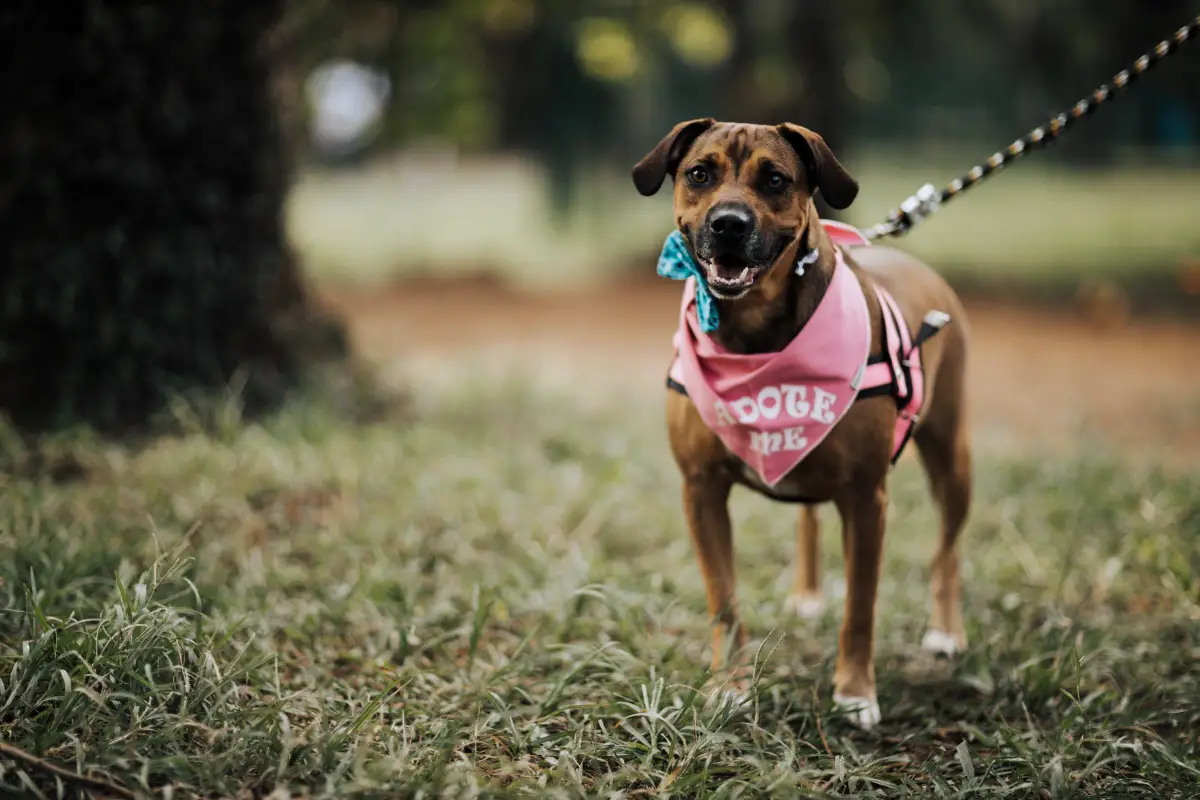
Happy brown rescue dog in a pink Adopt Me bandana on a lead in a park

A Tierheim is a shelter that cares for lost, seized and given-up animals and finds them new homes. In Austria most are run by animal welfare associations, some by non-profit companies.

Shelters need a licence from their state, so the rules and the people to ask differ from state to state. Towns must care for found animals, and many hand this to a shelter.

9states, each licensing its own shelters

The adoption fee is a contribution to the dog's care. It differs by shelter and is often set case by case, so ask what it covers.

  • Askeach shelter sets its own fee
  • 3 yearsno Hundeabgabe in Vienna after adopting from TierQuarTier Wien
  • 14 daysto register a dog with the city of Vienna
  • + yearly dog tax, set by your municipality
  • + liability insurance where required
  • + food and vet care
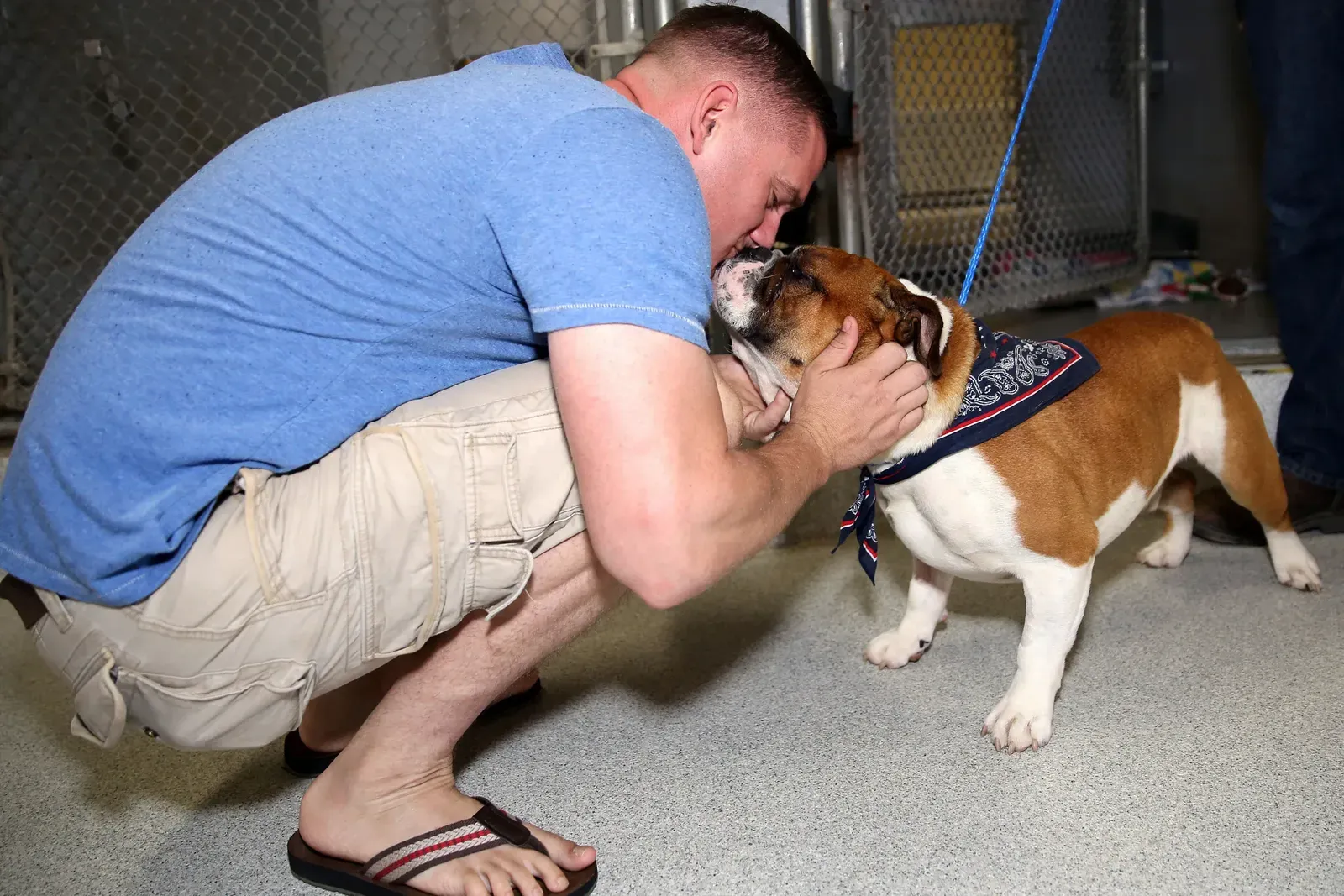
A man crouching to greet a bulldog at a shelter

A shelter visit is closer to a conversation than a shopping trip. Staff will ask about your home, your days and who lives with you; the questions help match the right dog to you.

  • Meet the dog more than once, on a walk if you can
  • Bring everyone who will live with the dog
  • Ask how the dog is with people, dogs and cats
  • Read the contract and keep a copy
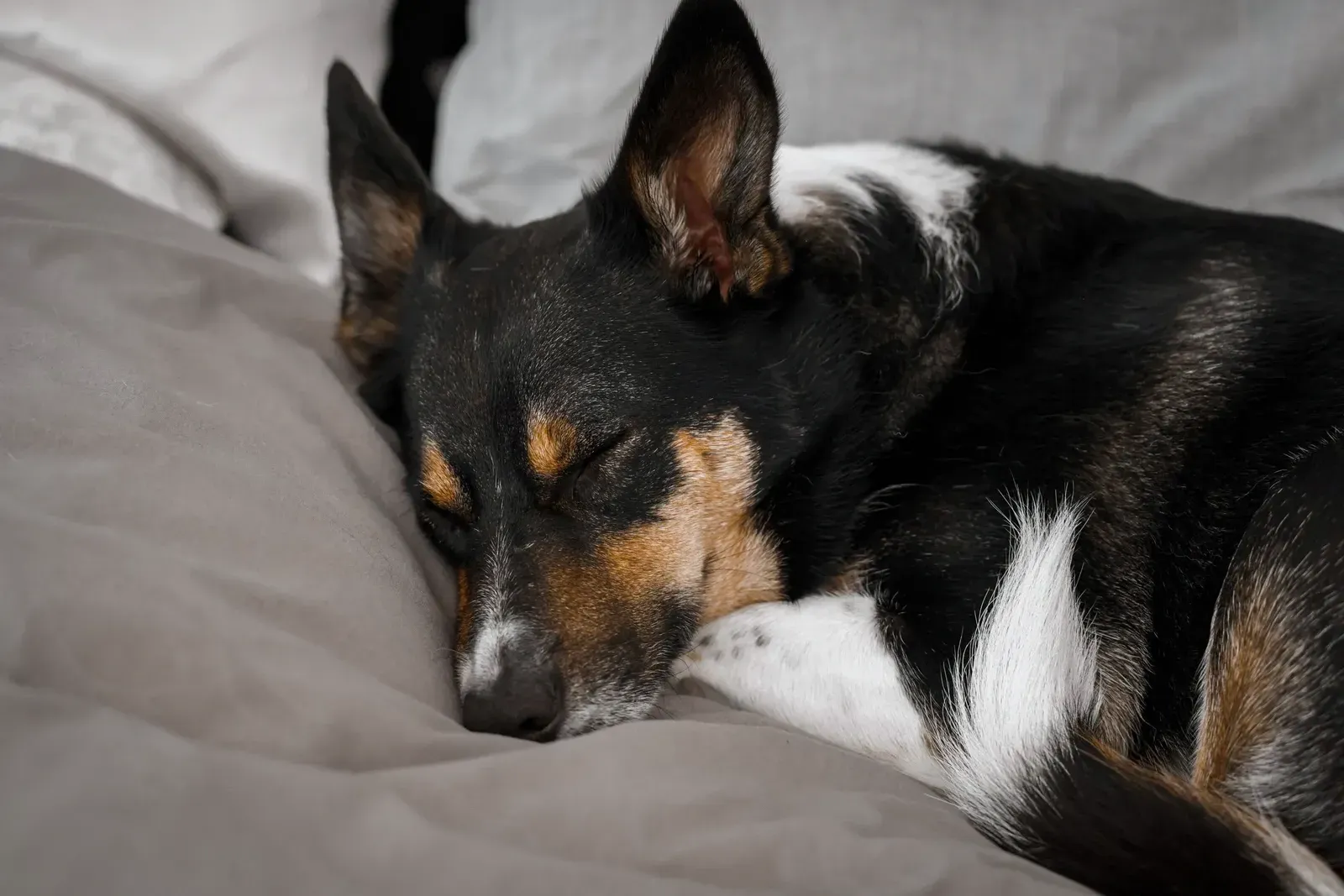
Black and tan dog curled up asleep on a grey bed

A shelter dog has just left a busy place. Keep the first days quiet and let the dog set the pace; it can take weeks before you see its full character.

  • A quiet resting place, chewables put away
  • Garden and balcony checked, landlord asked
  • One simple routine and short walks on a lead
  • A local vet and the dog's vaccination record
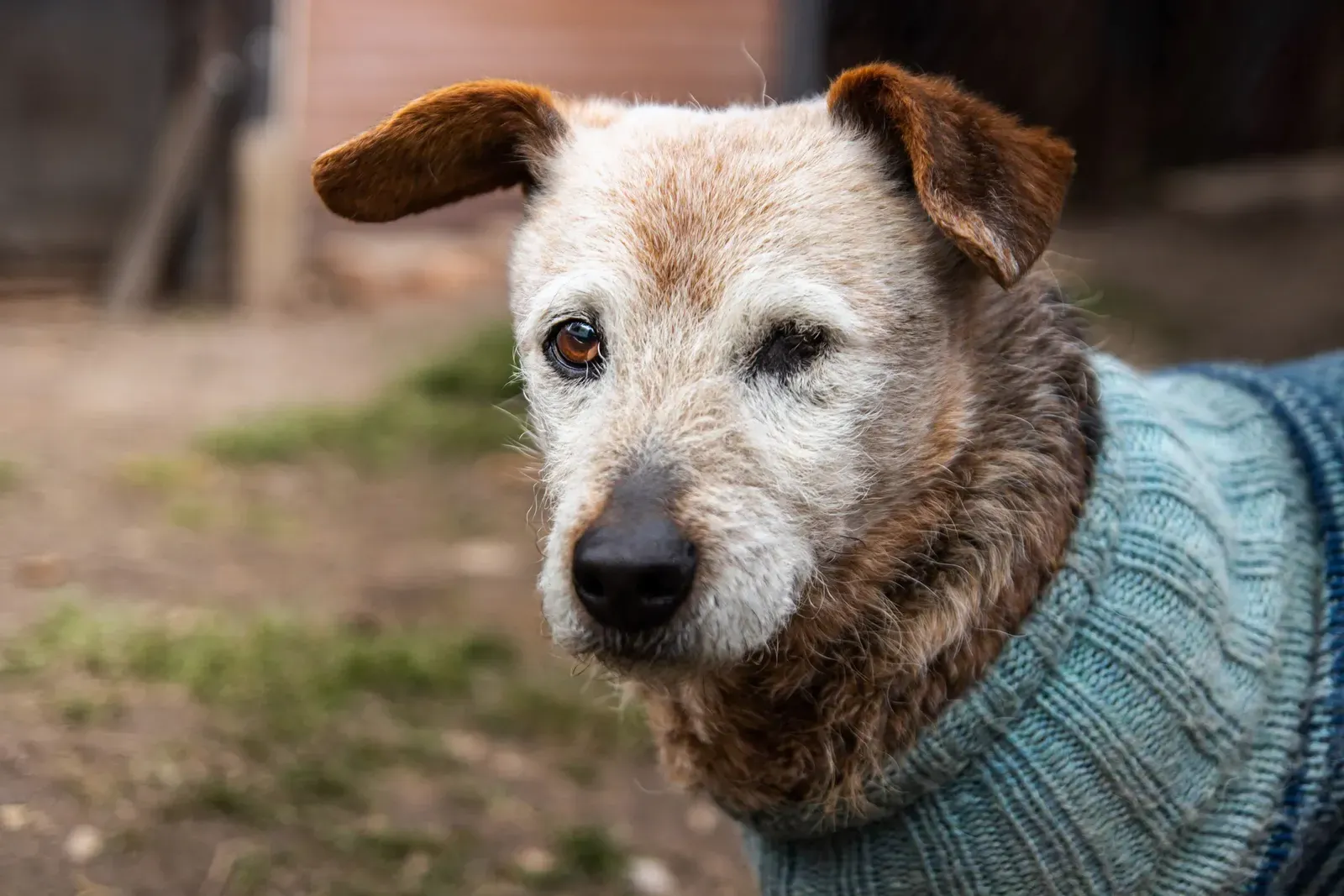
Grey-muzzled senior dog wearing a knitted blue sweater

Older dogs are often calm and house trained, and they tend to wait longest for a home. Some Austrian groups place dogs from other countries too: ask where the dog came from, which health checks were done and whether you get its papers.

Read our adopting a dog guide

Austria has shelters in every state, from big city houses to small regional ones, and this page lists 40 of them on a map and by state. Use the finder to see which are closest, then read how adoption works, what to prepare and where the five biggest cities stand.

A Tierheim is an animal shelter that cares for lost, seized and given-up animals and finds them homes. In Austria most are run by animal welfare associations, called Tierschutzvereine, and some by non-profit companies. Shelters need a licence from their state under the Animal Welfare Act, so the rules and the people to ask differ from state to state.

Local authorities must care for found animals, and many hand this task to a shelter. Vienna's arrangement is a good example: the city has a contract with the company that runs TierQuarTier Wien, and that shelter does not take private surrenders.

There is no national list of Austrian shelters. Ours comes from open map data and has not been checked shelter by shelter, except for the cities above. Small and regional shelters can be missing.

Adoption fees differ between shelters and are often set by the shelter case by case. Ask by phone what the fee is and what it covers. Shelter dogs are usually vaccinated and chipped before they leave, and many are neutered.

Running costs come on top: the Hundeabgabe, which each municipality sets (consumer guides give around 120 EUR for a first dog in Vienna, check the city website), liability insurance where required, food and vet care.

A shelter visit is closer to a conversation than a shopping trip. Staff will ask about your home, your daily routine, who lives with you, how long the dog would be alone and what experience you have. These questions are not a test. They help the shelter match the right dog to the right home, and your answers help you decide too.

You will usually meet a dog more than once. A first visit often means walking the dog on the shelter grounds or nearby, and later visits may include a longer walk away from the kennel. Some shelters ask you to bring everyone in the household, and a dog you already own, so that the dogs can meet on neutral ground. Take your time: a dog that seems shy in a kennel often behaves quite differently outside.

Adoption contracts differ, but most cover the same ground. The dog stays registered and microchipped in your name, you provide veterinary care, you do not sell or breed the dog, and you bring the dog back to the shelter if you can no longer keep it. Some shelters allow a short trial period and some run a home check before or after the handover. Read the contract, ask about anything unclear and keep a copy.

Older dogs are often calm and already house trained, and they tend to wait longest for a home. Many shelters are glad to talk through what an older dog needs. Dogs that came from other countries can be lovely companions as well. Ask the shelter where the dog came from, what is known about its history, which health checks were done and whether you will get its papers. Our adopting a dog guide has a longer section on adopting from abroad.

Before the dog arrives, set up a quiet resting place, put away anything chewable, check that the garden or balcony is secure and agree who walks and feeds the dog and when. Landlords usually need to agree, so ask early.

A shelter dog has just left a busy place, and the first days are often quiet. Keep visitors few, stick to a simple routine, offer short walks on a lead and let the dog set the pace. It can take weeks before the dog shows its full character. Register with a local vet soon after arrival, and ask the shelter for the dog's vaccination record and any notes on food or medicine. If something worries you, call the shelter: most are happy to help after the adoption.

Can foreigners and expats adopt a dog in Austria?

Yes, shelters place dogs with adopters of any nationality. Be ready to show where you live and, if you rent, that your landlord agrees.

Do I need an appointment to visit a Tierheim?

Mostly yes, at least for adoption talks. Several shelters have a few open afternoons a week. Call ahead.

Is dog insurance compulsory in Austria?

In Vienna every dog needs liability insurance, with a minimum cover of 725,000 EUR. Other states differ, so check with your state or municipality.

Do I pay Hundeabgabe for a shelter dog?

Usually yes, but not always. Adopting a dog from TierQuarTier Wien waives it for 3 years. Ask your municipality about other shelters.

Can I adopt a dog from another country?

Some groups place dogs from other countries. Ask about vaccinations, travel-disease tests and papers.

Do I need to speak German?

Not always, but it helps. A short message in German or a German-speaking friend makes the first contact easier.

Can I take a dog for a trial walk before I decide?

Most shelters encourage walks. Ask what yours offers, and plan several visits before you sign the contract.

What if the adoption does not work out?

Tell the shelter early. Many contracts ask you to return the dog to the shelter rather than rehome it yourself, and staff would rather hear from you than see the dog passed on.

40 shelters in 9 states. The list may be incomplete: please call before you visit.

Burgenland 2
Kärnten 5
Niederösterreich 14
Oberösterreich 6
Salzburg 2
Steiermark 4
Tirol 3
Vorarlberg 2
Wien 2

Ready to meet a shelter dog?

Find the shelters near you, call ahead, and take your time getting to know each other.

Find a shelter near you

Google draws the interactive map. The list of shelters comes from OpenStreetMap, made by volunteers, and is shared under the Open Database Licence (ODbL), which asks us to say so: © OpenStreetMap contributors. It may miss a shelter: if one is missing or has closed, tell us and we will fix it.

Wishlist