The dog family tree, also called the dog breed family tree or the dog ancestry tree, is a map of how dog breeds descend from one another, built from DNA.
Explore the family tree
Click a family to open its page.
Inferred family (not in the DNA study)
Tap a + to open a branch. There are 29 families inside.Click a + to open a branch. There are 29 families inside.
Late Pleistocene wolfopenextinct · 29 families · 654 breeds
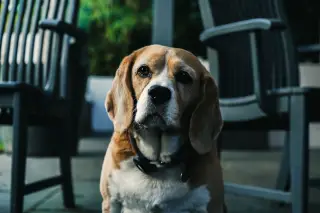
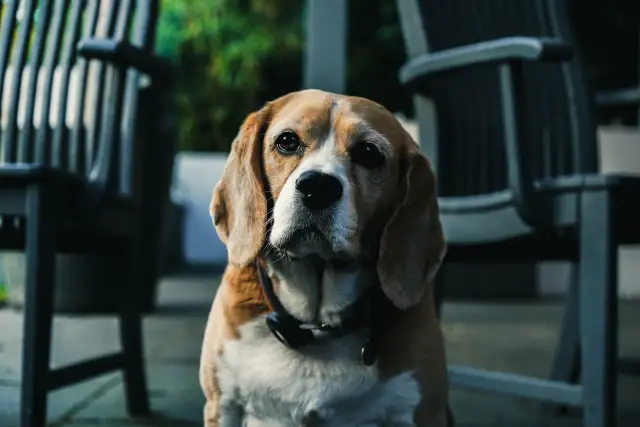
The largest family: dogs that follow a trail by nose. It includes packs of foxhounds, coonhounds, basset-type dogs and many regional French hounds. One in six is extinct.
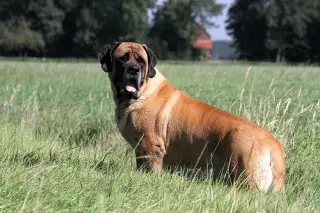
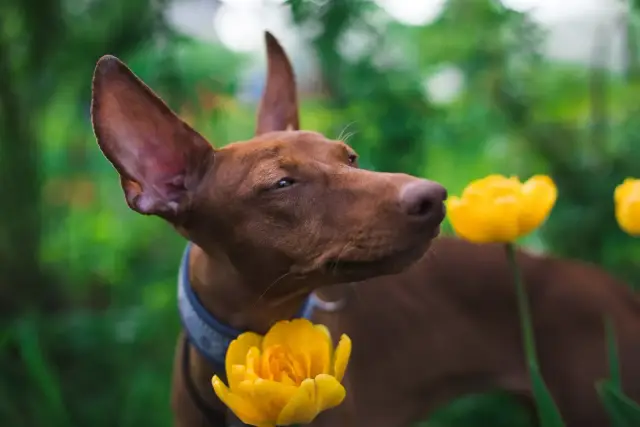
Sighthounds, mountain dogs and livestock guardians from southern Europe, the Middle East and Africa. It holds both slim runners and heavy guard dogs, so kennel clubs split it over several groups.
Dogs bred to hunt vermin and go to ground, mostly from Britain and Ireland. The Terrier clade is not the same thing as a kennel club's Terrier group: some "terriers" by name sit in other families.
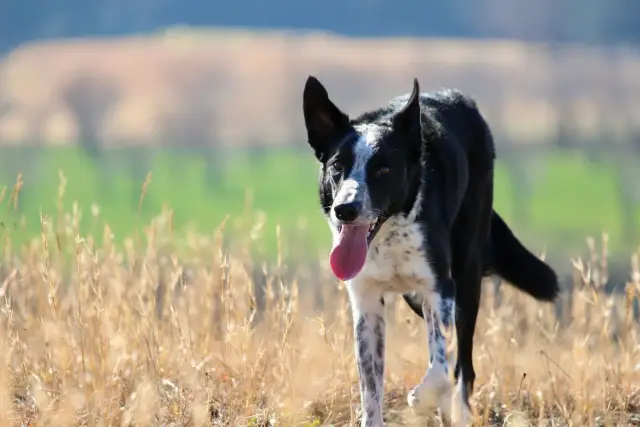
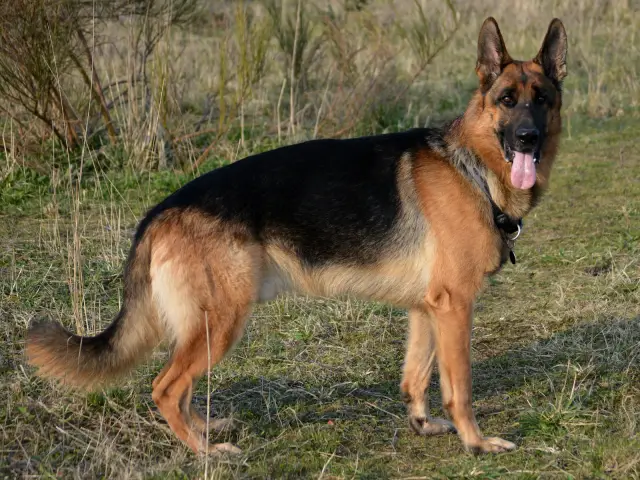
British herding dogs and the places their dogs were taken, joined with a set of sighthounds. The name is a regional label from the 2017 study, not a job.
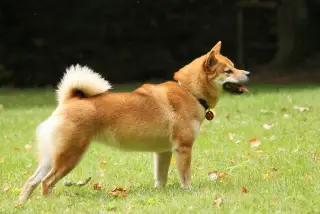
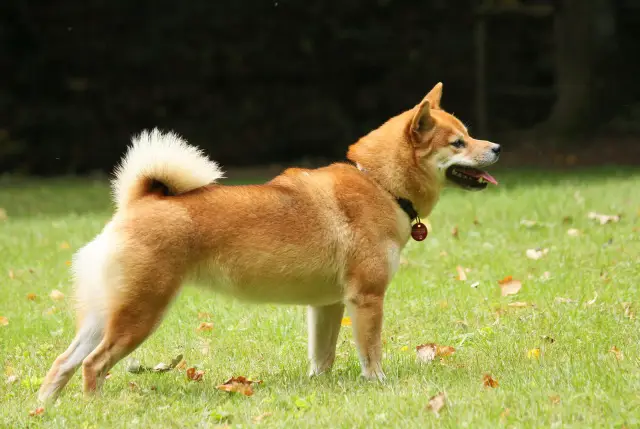
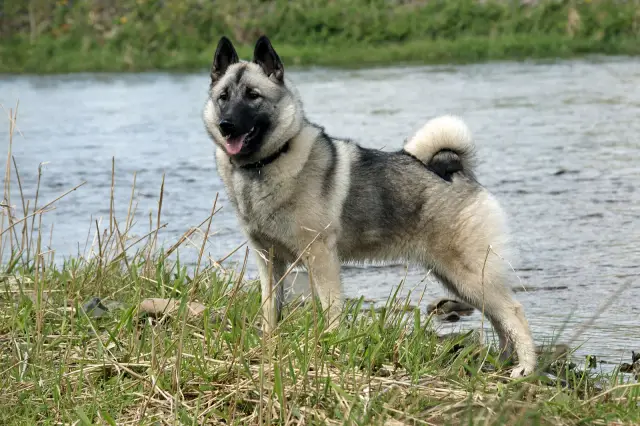
Spitz-type dogs from Asia and the Arctic with thick coats, curled tails and prick ears, from sled dogs to Japanese breeds. Its main parent in the tree is East Eurasian dogs, with Arctic dogs as a second parent.
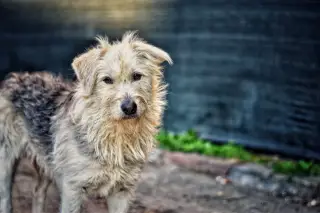
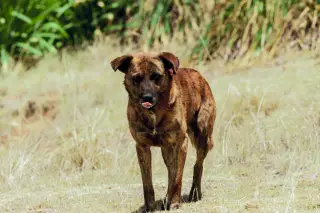
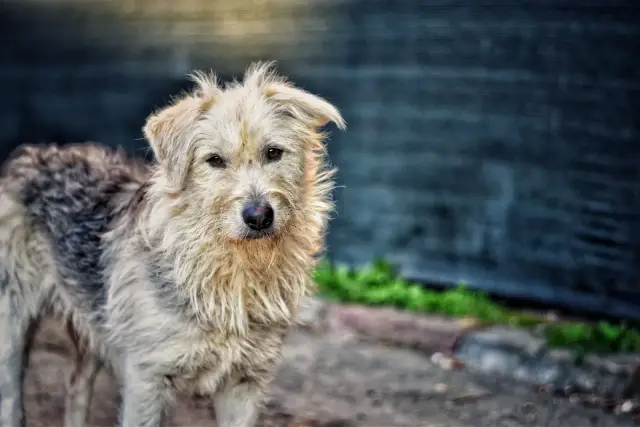
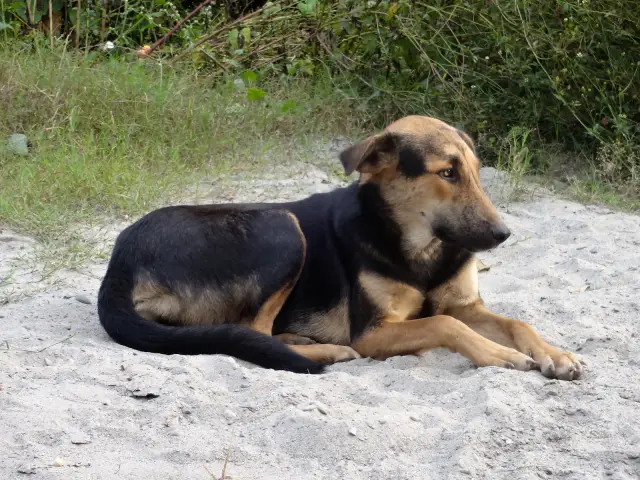
Free-breeding local dogs, shaped mostly by the places they live and not by breeders. They hang straight off Domestic dog in the tree because no study in the data has placed them in a lineage. Inferred family.
A mixed family of breeds from the Americas, plus several European herders. It has two parents in the tree (see the next section). Six of its 15 breeds are extinct.
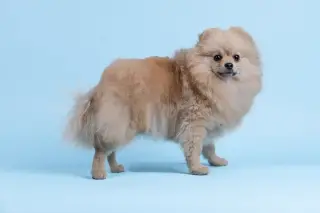
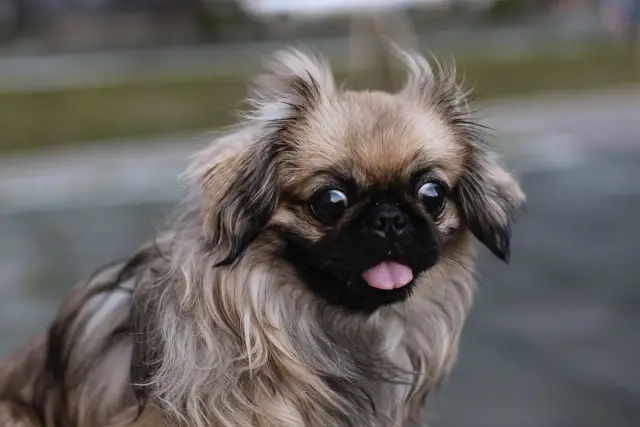
Small companion dogs from East and Central Asia, with flat faces and long silky coats in several breeds. Six of the seven were DNA-tested in the study.
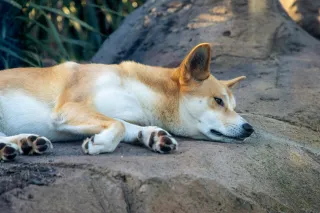
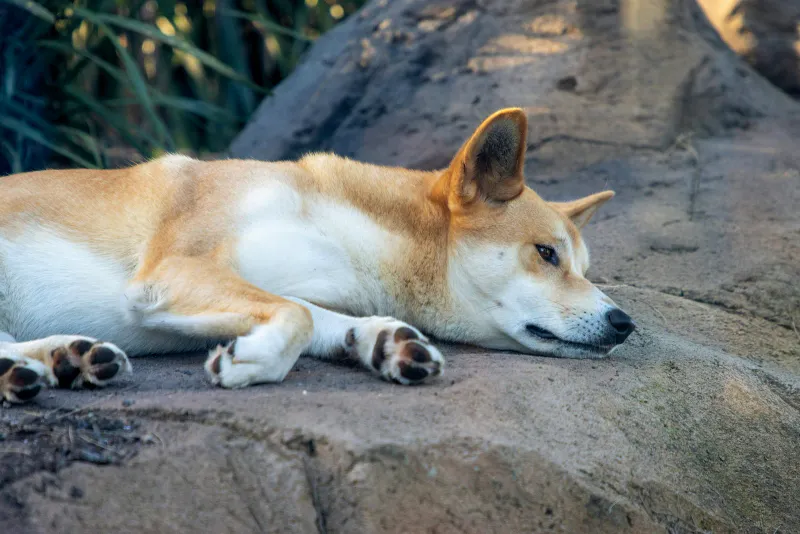
The dingo and its relatives, including island dogs that people carried across the Pacific. Most of the family is extinct. This is an inferred family, placed in the East Eurasian lineage because dingoes reached Australia from island Southeast Asia, carried by people.
All dogs descend from one Ice Age wolf population, so every family sits on a single tree. It splits into two big lineages, East and West Eurasian, and the split is very uneven.
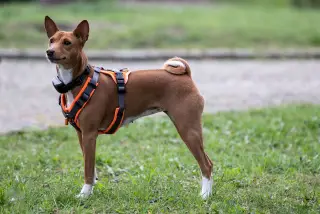
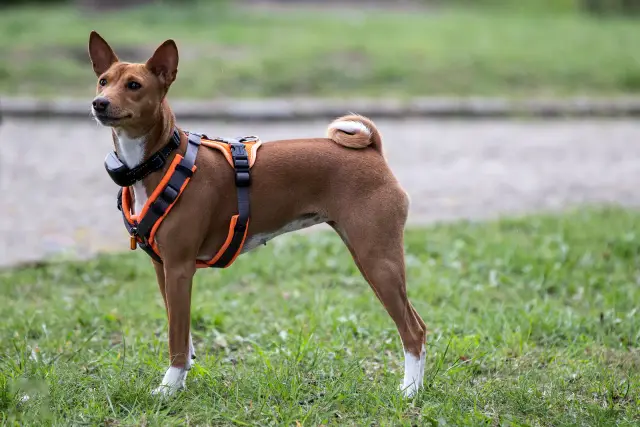
Outside the European branch: sighthounds like the Saluki and guardians like the Kangal. The Basenji sits alone in Ancient Basal, a family of one.
European
22 families · 499 breeds
A branch of the West Eurasian lineage with about 3 in 4 of all breeds. Many took shape in the Victorian breed boom, when dog shows and stud books began.
Outside the lineages
2 families · 30 breeds
Pariah and village dogs make up 25 of them, wolfdog hybrids 5. No DNA study has placed any yet.
The Dog Family Tree article shows how scientists build it and why some families have two parents.




 The full storyDog Breed Family Tree: How All Dog Breeds Are Related
 ArticleThe first known dog on every continent
 Find a shelter near you