What is the New World family?
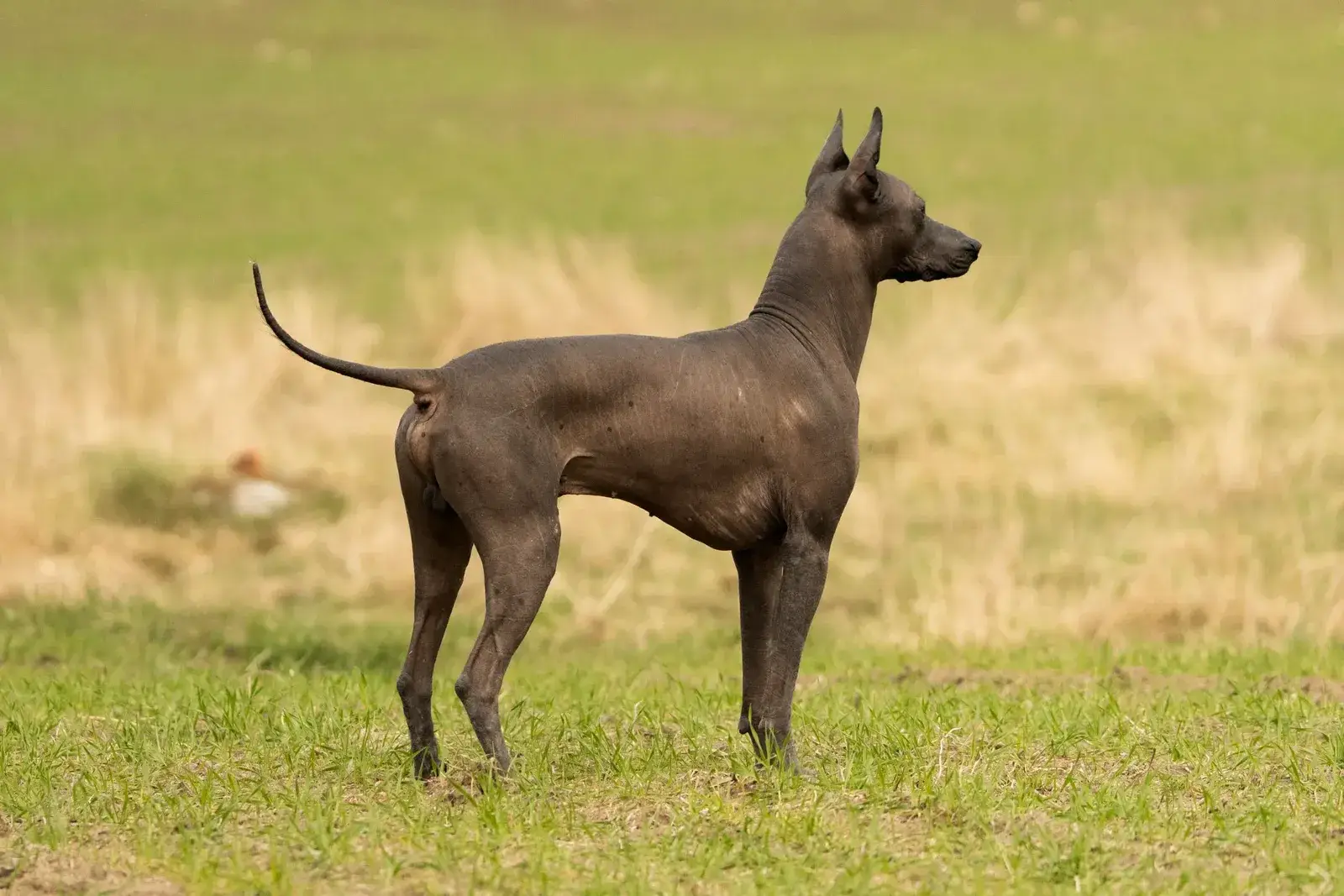
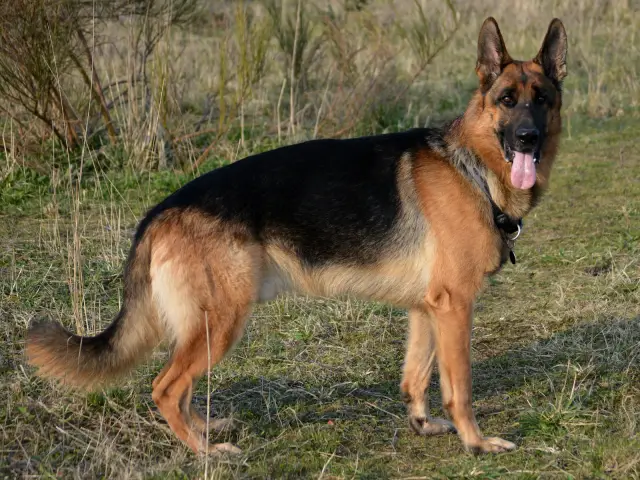
The New World family is a group of 15 breeds that includes some of the oldest dogs of the Americas and some very European ones. On one side are the Xoloitzcuintle, the Peruvian Hairless Dog and a string of lost native dogs from Canada to Tierra del Fuego. On the other are the German Shepherd, the Berger Picard and the Cane Paratore, herding dogs from Germany, France and Italy. The name looks wrong for half of them, and this page explains why it is there.
 Save
 GuideIs your dog suited to therapy work?How to make your dog a therapy dog: temperament checklist, first training steps, how Pet Partners, TDI and Pets As Therapy assess dogs, and welfare limits.
In this atlas a family is a branch of the dog family tree found by comparing genomes. It is a genetic idea, not a kennel club label. The New World family is the one most likely to make a reader stop and ask: how did a German Shepherd end up here? The honest answer has two parts, a statistical one and a historical one, and both are given below.
Quick facts about the New World family
| Fact | Answer |
|---|---|
| Family type | Genetic clade (Parker et al. 2017) |
| Parents | European dogs and Ancient American dogs |
| Breeds in this atlas | 15 (9 living, 6 extinct) |
| Breeds with DNA tested in the study | 6 (5 with strong support, 1 with weak support) |
| Main homelands | Canada (3), Peru (2) and Mexico (2); eight other countries have one each |
| Typical size | Medium (7 of 15). Also 4 small, 3 large and 1 toy |
| Shared look | None. Hairless dogs, wool-coated dogs and shepherds all sit here |
| Core job | Companion, hunting and herding, depending on the breed |
 GuideDog hybrids: what dogs can and cannot breed withCan dogs breed with wolves, coyotes, jackals or foxes? Wolfdogs, coydogs, the Sulimov dog and Dogxim explained, with chromosomes and DNA studies.
Family or group: what is the difference?
In this atlas, "family" always means a DNA clade. "Group" is used only for kennel club groups such as the FCI Group 1 (sheepdogs and cattle dogs) or the AKC Herding Group. The German Shepherd is in the herding group by job and in the New World family by DNA, and both statements are true.
 GuideDogs in myth around the worldFrom Anubis and Cerberus to Fenrir, Xolotl and the Tiangou: how cultures across the world imagined dogs as guardians, guides and monsters.
Six of the 15 breeds were sampled by Parker et al. (2017) and fall into the New World clade: the Xoloitzcuintle, Peruvian Hairless Dog, Berger Picard, Cane Paratore, German Shepherd and Chinook. The other nine are placed here by written history and archaeology, so those placements are best estimates. Six of those nine are extinct, so they can never be tested on living dogs.
Where does the New World family sit in the tree?
It has two parents in the atlas data, which is rare. One is European dogs, which holds the herders and the Chinook line. The other is Ancient American dogs, the branch for dogs that lived in the Americas before European ships arrived. The family is a meeting point: breeds with roots in one, the other or both. See the dog family tree for the whole picture.
 GuideDogs of Japan: the native breeds and their storiesJapanese dog breeds explained: the six Nihon Ken, the Chin, Tosa, Japanese Spitz and Terrier, Hachiko, wartime near-extinction, DNA and who they suit.
Within the family there are two loose clusters. The first is the American dogs: the hairless dogs of Mexico, Ecuador, Peru and Bolivia, the Argentine Pila and the extinct native dogs of North and South America. The second is the European-style herders and their descendants: the German Shepherd, Berger Picard, Cane Paratore and the Chinook, which Arthur Walden built in the United States in the 1900s.
Why is it called "New World"?
Parker and colleagues built a family tree of 161 breeds from 1,346 dogs and found 23 supported clades. One of them was labelled New World because the authors saw signs of New World dog ancestry in some modern breeds, which they described as the first time this had been proposed. Press coverage of the paper says the Xoloitzcuintle and the Peruvian Hairless Dog clustered together, and the authors suggested they may keep genes from dogs that came to the Americas with the first people. They also said it was unclear which of the genes in these hairless dogs came from Europe and which from America.
 GuideLivestock guardian dogs: what they do and who they suitWhat livestock guardian dogs do, how they differ from herding dogs, 40 LGD breeds by country, the DNA evidence, and whether they make good pets.
The label is a hint about the signal, not a verdict on each breed. The atlas data for the German Shepherd says the clade's admixture signal centres on that breed. The word "New World" tells you where the study thought the signal pointed. It does not say that a Berger Picard has Aztec ancestors.
What is the history of the New World dogs?
 GuideBanned and restricted dog breeds by countryWhich dog breeds are banned or restricted, country by country: UK, Ireland, France, Germany, Denmark, Norway, Spain, Australia and more.
Before 1500: dogs from Siberia
Ní Leathlobhair and colleagues (2018, Science) sequenced ancient and modern American dogs. They found that the dogs of the Americas formed their own lineage, which came from Siberia with people more than 9,000 years ago, and was not made from North American wolves. For a longer story, see first dogs on every continent.
The atlas records place several of the native breeds in this period:
- Salish Wool Dog (about 500 CE to 1800): kept by the Coast Salish peoples for its wool-like hair.
- Chiribaya Dog (about 900 to 1350): named for the Chiribaya culture of southern Peru, in whose burials mummified dogs were found.
- Techichi (about 800 to 1000): the small dog kept by the Toltecs, as the Nahuatl name says.
- Tahltan Bear Dog (about 1000 to 1900): used by the Tahltan people of north-west British Columbia to hunt bears.
- Fuegian Dog (about 1000 to 1900): kept by the peoples of Tierra del Fuego.
The hairless dogs of the Andes and Mexico are also placed here, with dates that are broad estimates in the atlas data: the Xoloitzcuintle from about 1000 BCE, the Peruvian Hairless Dog from about 750 CE, and the Ecuadorian Hairless Dog and Khala from about 500 CE.
1500 to 1900: contact and replacement
After 1500, European dogs arrived with settlers, and the native population shrank fast. Ní Leathlobhair et al. found that the dogs of the pre-contact lineage were almost completely replaced, leaving a minimal genetic legacy in modern dogs. That fits the atlas's extinct list: the Hare Indian Dog (Canada, about 1500 to 1800, kept by the Dene Hare people for coursing) and the Salish Wool Dog both vanish from the record in the 1800s.
Meanwhile, European herding dogs were being shaped at home. The Berger Picard and Cane Paratore are dated in the atlas data from about 1500, with the modern breed types fixed by about 1900 to 1925.
1899 to today: shepherds, sled dogs and rescue
Max von Stephanitz founded the German Shepherd club in 1899, which is the start date for that breed in the atlas data. See the German Shepherd article for the full story. In 1917 Arthur Walden began the Chinook in the United States, using a Greenland Dog named Ningo and crosses to other dogs. And in the 1950s the Xoloitzcuintle was rescued in Mexico after it had become rare. See the Xoloitzcuintle article.
Who are the members of the New World family?
Here are all 15 breeds in the atlas data. The 6 breeds with DNA tested in the study come first. The other 9 are placed by history and are hidden until you choose to show all 15. "Appeared" is the period in which the breed took shape, as best the atlas records can say.
 GuideHow to adopt a dog from a shelter or rescueHow to adopt a dog from a shelter or rescue: the process, costs in general terms, choosing a dog, the first weeks and what if it does not work out.
| Breed | Country | Status | Size | Appeared | DNA-tested |
|---|---|---|---|---|---|
| Xoloitzcuintle | Mexico | Living | Medium | 1000 BCE to 1956 | Yes (Parker 2017) |
| Peruvian Hairless Dog | Peru | Living | Medium | 750 CE to 2001 | Yes (Parker 2017) |
| Berger Picard | France | Living | Large | 1500 to 1925 | Yes (Parker 2017) |
| Cane Paratore | Italy | Living | Medium | 1500 to 1900 | Yes (Parker 2017) |
| German Shepherd | Germany | Living | Large | 1899 | Yes (Parker 2017) |
| Chinook | United States | Living | Large | 1917 to 2013 | Yes (Parker 2017) |
| Ecuadorian Hairless Dog | Ecuador | Living | Small | 500 CE to 1900 | By history |
| Khala | Bolivia | Living | Medium | 500 CE to 1900 | By history |
| Salish Wool Dog | Canada | Extinct | Medium | 500 CE to 1800 | By history |
| Techichi | Mexico | Extinct | Toy | 800 CE to 1000 | By history |
| Chiribaya Dog | Peru | Extinct | Medium | 900 CE to 1350 | By history |
| Fuegian Dog | Chile | Extinct | Small | 1000 to 1900 | By history |
| Tahltan Bear Dog | Canada | Extinct | Small | 1000 to 1900 | By history |
| Argentine Pila | Argentina | Living | Small | 1500 to 1900 | By history |
| Hare Indian Dog | Canada | Extinct | Medium | 1500 to 1800 | By history |
Who descends from whom, and which ties are strongest?
Two kinds of evidence are used. One is written history. The other is DNA: how many megabases (Mb, millions of DNA letters) two breeds share in matching stretches. A larger number means a closer shared ancestry, though it can also reflect a recent split or crossing. The study cannot say which way genes flowed.
 GuideDog laws by country: tax, insurance and licencesDog tax, compulsory liability insurance, licences, microchips and leash rules in Germany, Austria, Switzerland, Spain, Ireland, the UK, the US and more.
The strongest ties among New World breeds, from the Parker study as recorded in the atlas data:
| Pair | Shared DNA (Mb) | What it tells us |
|---|---|---|
| Cane Paratore and German Shepherd | 124.2 | Two European herding dogs, very close |
| Berger Picard and German Shepherd | 123.9 | Same pattern: French herder, German herder |
| Chinook and German Shepherd | 122.2 | Walden bred his lead dog to German Shepherds |
| Berger Picard and Chinook | 47.4 | Both share segments with the German Shepherd |
| Berger Picard and Cane Paratore | 46.4 | Two shepherds of southern and northern Europe |
| German Shepherd and Xoloitzcuintle | 64.2 | The surprising link between America and Europe |
| German Shepherd and Peruvian Hairless Dog | 35.6 | The same link, in a second hairless breed |
Source: Parker et al. 2017, Cell Reports, shared haplotypes between 161 breeds (1,346 dogs).
The table shows what really holds the clade together. Three European herders and the Chinook all share very large amounts of DNA with the German Shepherd, over 120 Mb each. The two hairless dogs share much less, 64.2 and 35.6 Mb, but the German Shepherd is still their top partner in this family. The German Shepherd is the hub.
The Chinook has a recorded pedigree. Walden bred a Greenland Dog named Ningo to a Mastiff and St. Bernard mix (the Mastiff and St. Bernard parentage is low confidence in the atlas data), and then crossed to German Shepherds, Belgian Sheepdogs and Canadian Eskimo Dogs. Shared segments in the Parker data add the Rough Collie. Its other strong ties are to the Greenland Dog (74 Mb) and the Alaskan Malamute (41 Mb), which sit in Asian Spitz.
The Berger Picard also shares 77.6 Mb with the Bouvier des Flandres, a Belgian herder in Continental Herder. That is a hint that the Picard is a close cousin of the northern European herding dogs, not a separate old line.
Why do European breeds sit in a clade named "New World"?
Three explanations are on the table, and they are not mutually exclusive.
 GuideDogs in science and spaceSpace dogs Laika, Belka and Strelka, Pavlov's dogs, Snuppy the clone, the dog genome and scent detection: what dogs did for science, and what it cost them.
First, the clade is a statistical cluster. The tree groups breeds by shared DNA. Breeds that share large amounts of DNA with one dominant breed end up on a branch with it. The German Shepherd pulls the Picard, the Paratore and the Chinook into one group, and the hairless dogs join because of their own link to the German Shepherd.
Second, Parker et al. reported a signal of admixture with American dogs. The authors proposed that some modern breeds carry New World dog ancestry. How much, and in which breed, is the open question. The clade's name records that suggestion.
Third, later work says the amount is small. Ní Leathlobhair et al. (2018) found that pre-contact dogs left a minimal genetic legacy in modern breeds. Van Asch et al. (2013) used maternal DNA and found a pre-Columbian origin for several native American breeds, including the Chihuahua, the Xoloitzcuintle and the Peruvian Hairless Dog, with at most about 30% European maternal lineages across the American breeds studied. Whole-genome estimates for the Chihuahua and Xolo are lower, in the range of a few percent according to a 2020 ancient-DNA study as reported in the Chihuahua article.
So the best reading is this: the family name points to a real but small American signal, while the strong DNA ties in the family come from European herding dogs. A German Shepherd is not a New World dog. It is the breed that anchors the cluster.
What do New World breeds have in common?
Less than most families. This is the one family where the members do not look alike.
 GuideHow to get an assistance dogHow to get a service dog or assistance dog in the USA, UK, Germany, France, Spain, Italy and the Netherlands: accredited schools, waits, owner-training and travel.
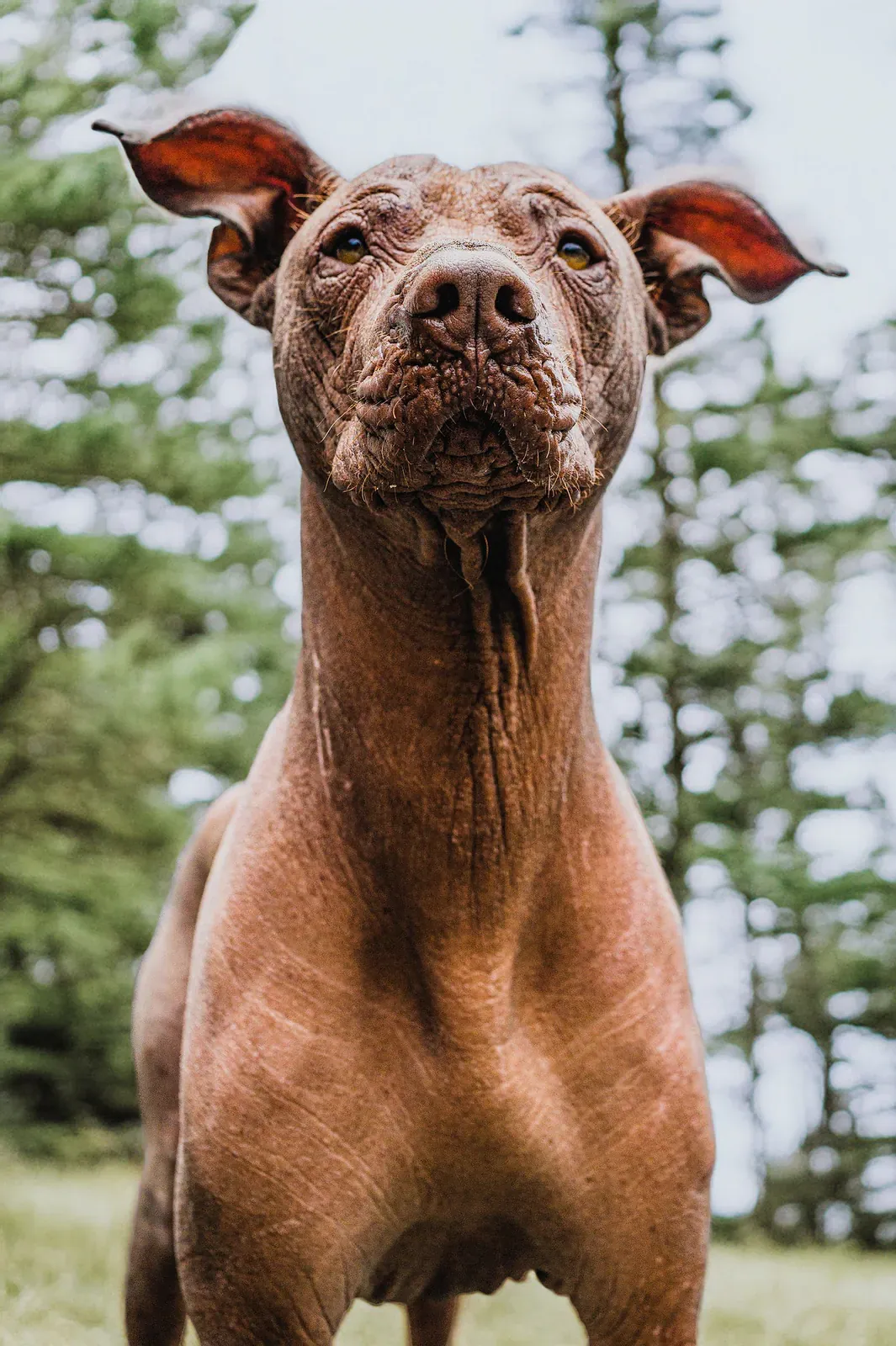
Hairlessness. The Xoloitzcuintle and Peruvian Hairless Dog share the same hairless change, in a gene called FOXI3 (Drögemüller et al. 2008, Science). The names of the Ecuadorian Hairless Dog, Khala and Argentine Pila all point to bare skin as well (khala means "naked" in Quechua and Aymara, and pila means "naked" in the Spanish of northern Argentina). Hairless dogs also tend to lose teeth, because the same gene affects tooth growth (Kupczik et al. 2017, Scientific Reports).
Size. Seven of the 15 are medium and four are small. Only the German Shepherd, Berger Picard and Chinook are large.
Origin. Twelve of the 15 come from the Americas. The other three are the European herders: the Berger Picard, Cane Paratore and German Shepherd.
Work. The native dogs were companions, hunters and in places a source of wool. The European members are herding dogs and, in the Chinook's case, a sled dog.

What health issues are linked to New World breeds?
Most of these dogs live healthy lives. Health depends on the breed, not the family, so only well-documented examples are given.
 GuideService, therapy and emotional support dogs: what's the difference?Service dog vs emotional support dog vs therapy dog: the real differences, your rights in the USA and Europe, and why online certificates mean nothing.
| Condition | What it is | How common | What helps |
|---|---|---|---|
| Missing teeth in hairless dogs | Fewer permanent teeth, from the FOXI3 change | Expected in hairless dogs (Kupczik et al. 2017) | Regular tooth brushing and vet dental checks |
| Sun and skin care in hairless dogs | Sunburn, dryness and clogged pores on bare skin | No study figure found | Sun cover, gentle bathing, vet advice |
| Hips, elbows and back in German Shepherds | Joint and spine conformation problems | See the German Shepherd article for named studies | Hip and elbow scoring, a moderate back slope in the parents |
| Other living breeds | Berger Picard, Cane Paratore, Chinook and the South American hairless breeds | No breed-wide study with prevalence found in the sources used | Ask the breed club which tests apply |
The Xoloitzcuintle article says no study with named prevalence figures was found for the breed, so no "1 in N" numbers are given here either. A short honest table is preferred to a long invented one.
 ArticleThe first known dog on every continentEarliest accepted dog on each continent, from Bonn-Oberkassel to the dingo: dates, sites, how dogs arrived and which breeds carry those first dogs.GuideService, therapy and emotional support dogs: what's the difference?Service dog vs emotional support dog vs therapy dog: the real differences, your rights in the USA and Europe, and why online certificates mean nothing.
Which New World breeds are extinct?
Six of the 15 are extinct in the atlas records. All six are native American dogs, and all are placed by history, not DNA.
 Family storyAlpineRead the family's story: origins, members, DNA
- Techichi (Mexico, about 800 to 1000): the small dog of the Toltecs. A tradition links it to the Chihuahua, but the Chihuahua article calls this a story, not a proven pedigree.
- Chiribaya Dog (Peru, about 900 to 1350): known from mummified dogs in Chiribaya burials.
- Salish Wool Dog (Canada, about 500 to 1800): kept by the Coast Salish peoples for its coat.
- Fuegian Dog (Chile, about 1000 to 1900): a small dog of Tierra del Fuego.
- Tahltan Bear Dog (Canada, about 1000 to 1900): a small bear-hunting dog of British Columbia.
- Hare Indian Dog (Canada, about 1500 to 1800): a medium dog used by the Hare people for coursing.

Are there surprises in the New World family?
- The German Shepherd is the hub, not a guest. The clade is held together by its DNA ties to the breed, over 120 Mb with three others.
- The Chihuahua is not here. It is in American Toy, even though its roots are Mexican.
- Most of the family is gone. Six of 15 are extinct, and the survivors are small populations.
- Old does not mean unmixed. The atlas's Xoloitzcuintle article stresses that the breed was rebuilt from a few dogs in the 1950s, so "a living Aztec dog" is a simplification.
- The Chinook is a modern American breed. It is American, has a recorded pedigree and has Greenland Dog, German Shepherd and Rough Collie in it.
 Family storyAmerican Cur & FeistRead the family's story: origins, members, DNA
 GuideDog Clothes: When Dogs Need Coats, and a Short History of Dog FashionDo dogs need coats in winter? When clothes help, when costumes stress a dog, safe fit, reflective gear, and a short history of dog fashion and dog art.Family storyAmerican Cur & FeistRead the family's story: origins, members, DNA
What does research say about the New World family?
The key paper is Parker et al., "Genomic analyses reveal the influence of geographic origin, migration, and hybridization on modern dog breed development," Cell Reports, 2017. It named the clade and proposed the New World signal. Two later papers frame it. Ní Leathlobhair et al. (2018, Science) showed that pre-contact American dogs were mostly replaced. Manin and colleagues (2025) studied mitochondrial DNA of 70 ancient and modern dogs from Mexico to Chile and Argentina and found that pre-contact dogs in Central and South America came from one maternal line, and that some modern Chihuahuas still carry that maternal DNA.
 Family storyAmerican TerrierRead the family's story: origins, members, DNA
Of the 15 breeds here, only 6 were in the 2017 study, and one of those, the Xoloitzcuintle, has weak support. For the broader picture of how families link up, see the dog family tree.
Which New World breed suits which owner?
This is a guide to type, not a promise for any single dog.
 Family storyAncient American dogsRead the family's story: origins, members, DNA
- Active family wanting a trainable all-rounder. The German Shepherd needs daily exercise, work to do and early socialisation. See its article for the full picture.
- Calm companion with an unusual look. The Xoloitzcuintle comes in three sizes and is often reserved with strangers. Bare-skinned dogs need sun cover and gentle skin care.
- Allergy-minded owners. Hairless dogs shed little hair, but no dog is allergen-free.
- Sled and outdoor fans. The Chinook is a working sled dog from the United States and is rare.
- Herding fans who want something less common. The Berger Picard and Cane Paratore are working shepherds that are rarely seen outside their home countries.
 GuideSmartest dog breeds: what the rankings measure and what they missCoren's smartest dog breeds list, what it measured, what newer dog cognition research says, three kinds of dog intelligence and why smart dogs need work.Family storyAncient American dogsRead the family's story: origins, members, DNA
Fun facts about the New World family
- Xoloitzcuintle comes from the Nahuatl for the god Xolotl and itzcuintli, "dog".
- The Chinook is named after the foundation sire, Chinook, himself named from a Chinook Jargon word for a warm wind.
- The AKC removed the Xolo from its stud book in 1959 because the breed was so scarce, and welcomed it back in 2011 as its 170th breed.
- "Alsatian", the old British name for the German Shepherd, was a post-First World War euphemism.
- Salish Wool Dog, Hare Indian Dog and Tahltan Bear Dog are named after the peoples who kept them.
 Family storyAncient BasalRead the family's story: origins, members, DNA

Related families
- European dogs: parent of the family, home of the herders.
- Ancient American dogs: the other parent, for pre-contact American dogs.
- Continental Herder: Bouvier and Malinois, close DNA cousins of the Berger Picard and German Shepherd.
- Asian Spitz: Greenland Dog and Alaskan Malamute behind the Chinook.
- American Toy: the Chihuahua and the Chinese Crested.
 Family storyArctic dogsRead the family's story: origins, members, DNA

Frequently asked questions
What does New World mean in dog breeds?
It is the name of a DNA clade in Parker et al. (2017), chosen because the authors saw signs of ancestry from dogs of the Americas. It does not mean that every breed in it is American.
Is the German Shepherd a New World dog?
Not by origin. It is German. It sits in the New World clade because its DNA anchors the group and the signal centres on it.
Are Xolos descended from Aztec dogs?
Their maternal line most likely goes back to pre-contact Mexico (Van Asch et al. 2013), but whole-genome ancestry is less clear. The breed was rebuilt in the 1950s.
Which American native dog breeds are extinct?
In the atlas data: the Techichi, Chiribaya Dog, Salish Wool Dog, Fuegian Dog, Tahltan Bear Dog and Hare Indian Dog.
Are there other hairless breeds?
Yes. The Chinese Crested shares the FOXI3 hairless change with the Xolo and Peruvian Hairless Dog, but sits in American Toy.
How many dogs in the Americas have pre-contact ancestry today?
Little. Ní Leathlobhair et al. (2018) found a minimal legacy. Estimates for Mexican breeds are a few percent, and they depend on the method.
Read next
Family storyEuropean dogsRead the family's story: origins, members, DNA Family storyContinental HerderRead the family's story: origins, members, DNA
 Family storyGrey wolfRead the family's story: origins, members, DNA
Sources (8)
- Parker, H. G., et al. (2017). Genomic analyses reveal the influence of geographic origin, migration, and hybridization on modern dog breed development. Cell Reports, 19(4), 697 to 708.
- Ní Leathlobhair, M., et al. (2018). The evolutionary history of dogs in the Americas. Science, 361, 81 to 85.
- Van Asch, B., et al. (2013). Pre-Columbian origins of Native American dog breeds, with only limited replacement by European dogs, confirmed by mtDNA analysis. Proceedings of the Royal Society B.
- Manin, A., et al. (2025). Mitochondrial DNA of ancient and modern dogs from Mexico to southern South America. University of Oxford-led study.
- Drögemüller, C., et al. (2008). A mutation in hairless dogs implicates FOXI3 in ectodermal development. Science.
- Kupczik, K., et al. (2017). The dental phenotype of hairless dogs with FOXI3 haploinsufficiency. Scientific Reports.
- Dogs Atlas breed articles: Xoloitzcuintle, German Shepherd, Chihuahua (internal).
- Breed records in the atlas data (Dogs Atlas, internal data).