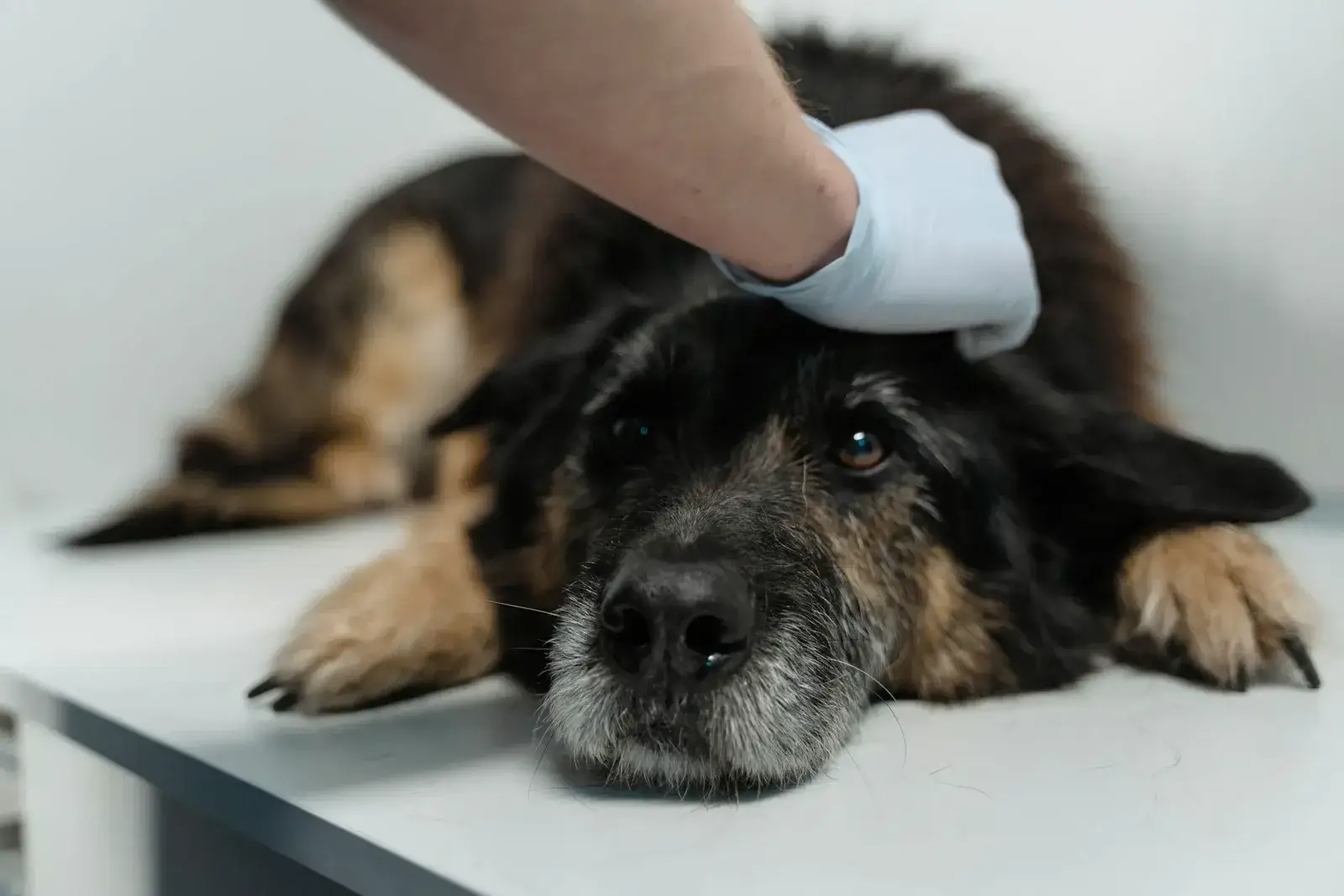
Repeated vomiting, retching with nothing coming up, blood, or a dog that seems unwell is different and needs a vet. This guide starts with the emergency signs, then covers vomiting versus regurgitation, causes, home care and when to book a visit. It is general information. A vet who knows your dog decides what is right.
Is this an emergency?
Call a vet or an emergency clinic now if you see any of these:
 GuideMy Dog Injured His Paw: First Aid and When to See a VetDog paw injury: cut pads, torn nails, grass seeds, hot pavement burns and limping.
- Retching or trying to vomit with nothing coming up, especially with a swollen belly. PDSA says a dog repeatedly trying to vomit without bringing anything up, especially with a bloated tummy, shows symptoms of a twisted stomach (GDV, or bloat). The Merck Veterinary Manual lists nonproductive retching, drooling and restlessness as signs of gastric dilation and volvulus. This can become life-threatening within hours. Do not wait to see if it passes.
- Repeated vomiting, several times in a few hours, or vomiting that goes on for more than about 24 hours (Merck's "when to see a vet" guidance).
- Blood, either bright red streaks or dark material that looks like coffee grounds, which points to bleeding in the digestive tract.
- A possible toxin: chocolate, xylitol, rat poison, human medicines, plants, antifreeze or anything else you are unsure about. Phone the vet or a poison helpline (for example the ASPCA Animal Poison Control Center in the US) at once with the name and amount. Do not wait for symptoms.
- A swallowed object: a sock, toy, corn cob or bone, especially with vomiting that keeps returning, belly pain or no appetite.
- Lethargy or weakness, pale gums, trouble breathing, or collapse.
- Vomiting with diarrhoea, particularly in a puppy. Unvaccinated puppies risk parvovirus (PDSA).
- A belly that is swollen, hard or painful.
- Very young, very old or already ill dogs.
If you are unsure, phone the clinic. They would rather hear from you early.
Bloat in deep-chested dogs
Bloat is when the stomach fills with gas and may twist. Merck lists Great Danes, German Shepherds, Irish and Gordon Setters, Weimaraners, Saint Bernards, Standard Poodles and Basset Hounds among the at-risk breeds, along with fast eating, once-daily feeding and stress. The Great Dane article covers bloat in that breed in more detail. Signs include retching with little or nothing coming up, drooling, restlessness, a swollen belly, pale gums and fast breathing. Any dog with these signs needs an emergency vet.

Vomiting or regurgitation?
The two look alike but mean different things.
 GuideMy Dog Is Coughing: Causes and When to See a VetDog coughing, honking or hacking? Emergency signs, kennel cough, collapsing trachea, heart cough, what to do at home and when to see a vet.
| Vomiting | Regurgitation | |
|---|---|---|
| How | Active, with heaving and belly effort | Passive, quiet, often sudden |
| Warning signs | Drooling, lip licking, pacing, nausea | Often none |
| Contents | Partly digested food, often with bile (yellow or green) | Undigested food, often in a tube shape, little or no bile |
| Timing | Minutes to hours after eating | Often right after eating or drinking |
| Common sources | Stomach and intestines | Throat and oesophagus |
Why it matters: vomiting points toward the stomach, gut, or general illness. Regurgitation points toward the throat or oesophagus, and repeated cases need their own vet check. Tell your vet which one you saw, or film it on your phone.
 GuideMy Dog Is Panting a Lot: Normal or Worrying?Dog panting heavily? Normal vs worrying panting, heatstroke signs and cooling steps, pain, anxiety, Cushing's disease, and when to see a vet.GuideMy Dog Is Coughing: Causes and When to See a VetDog coughing, honking or hacking? Emergency signs, kennel cough, collapsing trachea, heart cough, what to do at home and when to see a vet.
Common causes
Diarrhoea (UK spelling; "diarrhea" in the US) often comes with vomiting. See dog diarrhoea.
 GuideMy Dog Stepped on a Bee: What to DoDog stung by a bee or wasp: emergency signs of an allergic reaction, safe first aid, what not to give, and when to see a vet.
- Eating too fast or too much, or exercise right after a meal.
- Diet change or rich food. A new brand, fat, table scraps. See can dogs eat for foods that upset or harm dogs.
- Scavenging. Rubbish, dead animals, grass, or dirty water. Grass eating often goes with vomiting; see why does my dog.
- Empty stomach. Some dogs bring up yellow foam or bile in the early morning after a long gap between meals.
- Infections. Bacteria, viruses, and parasites. Puppies are most exposed. See ticks and fleas for external parasites.
- Stress or travel sickness.
- Poisons and toxic foods.
- Swallowed objects blocking the gut.
- Other illness such as pancreatitis, kidney or liver disease, and some medicines. A vet sorts these out with tests.
 GuideMy Dog Has Bad Breath: Causes and What to DoDog breath smells? Gum disease is the usual cause, but sweet or ammonia smells can mean illness.GuideMy Dog Stepped on a Bee: What to DoDog stung by a bee or wasp: emergency signs of an allergic reaction, safe first aid, what not to give, and when to see a vet.
What you can do at home
Home care suits an adult dog that vomited once or twice, is bright, and keeps water down.
 GuideMy Dog Has Diarrhea: What Should I Do?Dog diarrhea: emergency signs, common causes, safe home care, what not to give, and when to see a vet.
- Take food away for a few hours if your vet agrees, then offer small, bland meals. Ask your vet what to feed. Do not withhold food from puppies, toy breeds or dogs with diabetes without a vet's advice.
- Offer water in small amounts, often. Gulping a big bowl can bring on more vomiting.
- Rest. No hard exercise or play.
- Watch and note. How many times, what it looked like, timing relative to meals, and anything she or he might have eaten. Take a photo.
- Keep other pets and children away from the vomit and wash hands afterwards.
- Slow eating, if it is a habit, may help. Smaller, more frequent meals can too. Your vet can advise.
 Save
 GuideMale vs Female Dogs: Differences, Myths and NeuteringMale vs female dogs: what research says about size, trainability and affection, marking, mounting, roaming, and the spay or neuter timing decision.GuideMy Dog Has Diarrhea: What Should I Do?Dog diarrhea: emergency signs, common causes, safe home care, what not to give, and when to see a vet.
What not to do
- Do not induce vomiting at home with salt, hydrogen peroxide or anything else. It can cause harm, and for some swallowed things it makes things worse. Only do it if a vet or poison helpline tells you to.
- No human medicines: anti-sickness drugs, antacids, ibuprofen, paracetamol (acetaminophen) or aspirin, unless a vet prescribes them.
- No home remedies without checking first.
- Do not wait out retching with a swollen belly, blood, or a dog that seems unwell.
- Do not push food on a dog that is still being sick.
 GuideWhy Does My Dog Eat Grass? What Studies SayDog eating grass? What a large owner survey found, why dogs do it, when it is normal, when to worry (vomiting, lawn chemicals, toxic plants), what to do.
 GuideMy Dog's Eye Is Red: Causes and When to See a VetRed, weepy or squinting dog eye? Emergency signs, common causes like conjunctivitis and ulcers, what to do at home, what to avoid, and when to see a vet.GuideWhy Does My Dog Eat Grass? What Studies SayDog eating grass? What a large owner survey found, why dogs do it, when it is normal, when to worry (vomiting, lawn chemicals, toxic plants), what to do.
When to see a vet
Book a visit, ideally the same day, if:
 GuideMy Dog Is Lethargic: Causes and When to Call a VetDog tired, weak or not himself? Normal tiredness vs lethargy, emergency signs, common causes, what to note for the vet and what to avoid.
- Vomiting continues beyond 24 hours, or comes back repeatedly.
- Your dog also has diarrhoea, loses appetite or does not drink. See dog not eating or drinking.
- Your dog is a puppy, senior or has a long-term condition.
- Weight loss, lethargy or belly pain go with the vomiting.
- You know or suspect something was swallowed or eaten that should not have been.
Bring a list of what your dog ate, when the vomiting started, how often, and a photo or video if you have one.
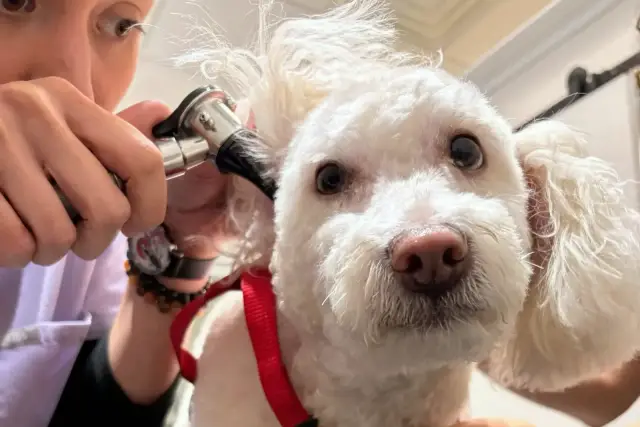 GuideMy Dog Keeps Shaking His Head: Ear Infection GuideDog shaking head, scratching ears or smelly ears? Ear infection signs, causes, ear haematoma, emergency signs, what to do and what to avoid.GuideMy Dog Is Lethargic: Causes and When to Call a VetDog tired, weak or not himself? Normal tiredness vs lethargy, emergency signs, common causes, what to note for the vet and what to avoid.
FAQ
Why is my dog throwing up yellow foam?
Often bile on an empty stomach, such as in the early morning. If it happens often, or with lethargy or poor appetite, see a vet.
How many times can a dog vomit before I worry?
One or two times in a dog that acts normally is common. Repeated vomiting within hours, or more than 24 hours of vomiting, needs a vet.
Why is my dog retching but nothing comes up?
A single bout may pass. Repeated unproductive retching, especially with a swollen belly, can mean bloat and is an emergency.
Should I make my dog throw up if she or he ate something bad?
No. Phone a vet or poison helpline first. Inducing vomiting can do harm.
Can I give my dog human anti-sickness medicine?
No, not unless a vet prescribes it.
Is vomiting with diarrhoea worse?
It raises the risk of dehydration, especially in puppies and small dogs. Call the vet the same day.
Is it normal for a puppy to vomit?
Not often. Puppies dehydrate quickly, and parvovirus is a concern if unvaccinated. Call a vet.
Read next
 Family storyAlpineRead the family's story: origins, members, DNA
 Family storyDroverRead the family's story: origins, members, DNA
 Adopt a dogDog Shelters in GermanyTen big cities checked, how adoption works, what it costs
Sources (5)
- Merck Veterinary Manual, gastric dilation and volvulus in small animals (signs and at-risk breeds).
- Merck Veterinary Manual, "When to See a Veterinarian" table (vomiting or diarrhoea over 24 hours).
- PDSA, Dog Vomiting pet health hub page (repeated unproductive retching and a bloated belly as signs of GDV).
- PDSA, parvovirus in dogs and puppies fact sheet.
- ASPCA Animal Poison Control Center (poison helpline for suspected toxins).