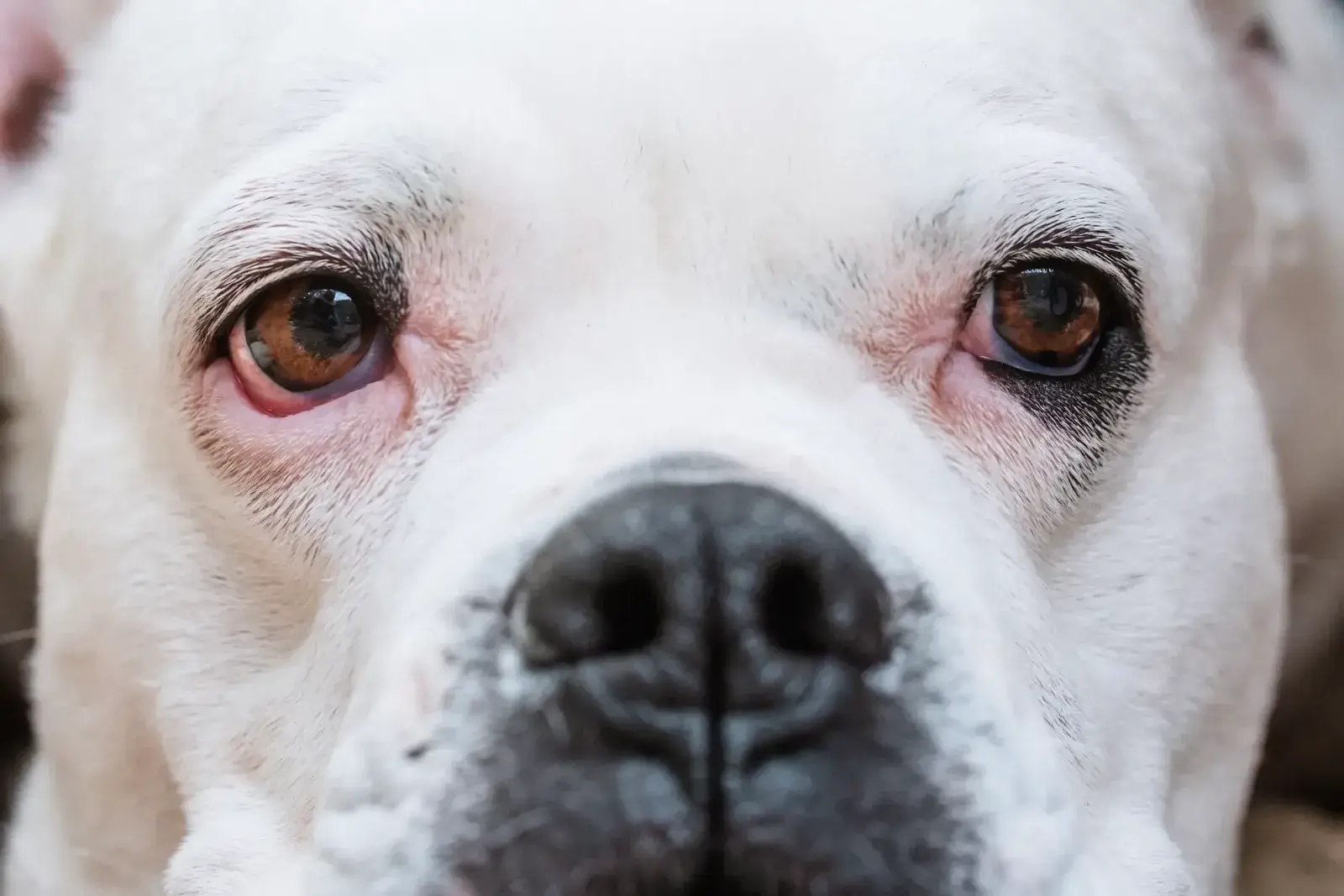
Sometimes it is a bit of dust or a mild allergy that settles fast. Sometimes it is a scratch, an ulcer or raised pressure inside the eye, and those need quick care because eyes can get worse within hours. This guide covers the emergency signs, the usual causes, what you can safely do while you wait and what to avoid. It is general information. A vet who examines your dog decides what is wrong and how to treat it.
Is this an emergency?
PDSA advises contacting a vet as soon as you notice anything wrong with your dog's eyes, because waiting can lead to more serious problems and even loss of sight. Go to a vet or emergency clinic now, and phone ahead, if you see any of these:
 GuideMy Dog Is Lethargic: Causes and When to Call a VetDog tired, weak or not himself? Normal tiredness vs lethargy, emergency signs, common causes, what to note for the vet and what to avoid.
- The eye is bulging, looks bigger than the other one, or seems pushed forward.
- Sudden cloudiness or a change in the colour of the eye.
- Severe pain. The dog holds the eye shut, whimpers, rubs it on the floor, paws at it or hates light.
- An injury, such as a scratch from a cat, a thorn, a bite or a blow to the head, or something stuck in the eye.
- Sudden loss of vision. Your dog bumps into furniture or hesitates on stairs it knew well.
- Signs that look like glaucoma. PDSA describes glaucoma as extremely painful, with a red, cloudy eye that can look bigger than normal. Raised pressure inside the eye can damage sight quickly.
- Blood in the eye, or a red eye that follows a car accident, a fall or a fight.
- A red eye together with being unwell, for example not eating, vomiting or very dull behaviour.
If you are unsure, phone the clinic. A short call costs nothing, and eyes do not forgive a long wait.
 GuideMy Dog Is Panting a Lot: Normal or Worrying?Dog panting heavily? Normal vs worrying panting, heatstroke signs and cooling steps, pain, anxiety, Cushing's disease, and when to see a vet.GuideMy Dog Is Lethargic: Causes and When to Call a VetDog tired, weak or not himself? Normal tiredness vs lethargy, emergency signs, common causes, what to note for the vet and what to avoid.
Common causes
PDSA explains that conjunctivitis, the pink or red look of an inflamed eye, is a sign rather than a single disease. Merck Veterinary Manual describes it as common in dogs, with causes from infections to irritants. The usual suspects:
 GuideHow to Find a Good Dog Groomer: Questions and SignsHow to find a good dog groomer: qualifications, questions to ask, signs of good and poor care, sedation, dryers, mobile groomers and what to check after.
- Conjunctivitis. Inflammation of the thin pink lining around the eye. Typical signs are redness, swelling, watering and discharge. Merck notes that trouble in one eye often points to a foreign body, a blocked tear duct or dry eye, while both eyes red more often points to infection, allergens or irritants.
- Allergies. PDSA notes that dogs with atopy (allergic skin disease) get conjunctivitis much more often than dogs with healthy skin. Itchy, watery eyes in both eyes, often with itchy skin or paws, fit this picture. See dog licking paws for the skin side of allergies.
- Dry eye. PDSA calls dry eye a very common cause of conjunctivitis in dogs. The eye makes too few tears, so it looks red and sticky with thick, stringy discharge.
- Corneal ulcer. A scratch or sore on the clear front of the eye. PDSA warns that ulcers can become very serious if not treated quickly. Squinting, heavy watering and a red, painful eye are the usual signs.
- Something in the eye. Smoke, dust, sand, wind, a grass seed or a cat's claw, all listed by PDSA. Grass seeds are a summer problem, see dog paw injury for how seeds behave.
- Eyelash and eyelid problems. Lashes or folds that rub the surface keep the eye sore and red.
- Cherry eye. A pink or red lump at the inner corner of the eye. It is a gland of the third eyelid that has popped out. It looks alarming but is not usually painful. It still needs a vet.
- Inflammation inside the eye (uveitis) and glaucoma. Less common, more serious, and both can threaten sight.
- Exposure from a flat face. PDSA points out that flat-faced dogs such as the Shih Tzu, Pug and Bulldog have prominent eyes that cannot blink well, which can leave the surface dry and irritated.
Breeds with a higher eye risk
Some breed articles on this site name eye problems from named studies. Eye disorders as a group affect about 1 in 8 Shih Tzu in VetCompass data. Pugs are recorded with corneal disorders more often than average. French Bulldogs and Pekingese have prominent eyes that scratch easily, and Bulldogs are among the breeds where cherry eye is seen. In these dogs, squinting or redness is worth a quick vet visit rather than a wait-and-see.
 GuideMy Dog Keeps Shaking His Head: Ear Infection GuideDog shaking head, scratching ears or smelly ears? Ear infection signs, causes, ear haematoma, emergency signs, what to do and what to avoid.GuideHow to Find a Good Dog Groomer: Questions and SignsHow to find a good dog groomer: qualifications, questions to ask, signs of good and poor care, sedation, dryers, mobile groomers and what to check after.
What you can do at home
Home care is for a mild case in a comfortable dog: slight redness, a little clear watery discharge, normal behaviour, no squinting. It is a short-term holding measure, not a treatment.
 GuideMy Dog Is Coughing: Causes and When to See a VetDog coughing, honking or hacking? Emergency signs, kennel cough, collapsing trachea, heart cough, what to do at home and when to see a vet.
- Look closely in good light. Is it one eye or both? Is the surface clear? Is the dog squinting or holding the eye shut? Note what you see for the vet.
- Wipe the discharge. Use a clean cloth or cotton pad dampened with lukewarm water or plain saline. Wipe from the inner corner outward, with a fresh piece for each eye. Do not press on the eyeball.
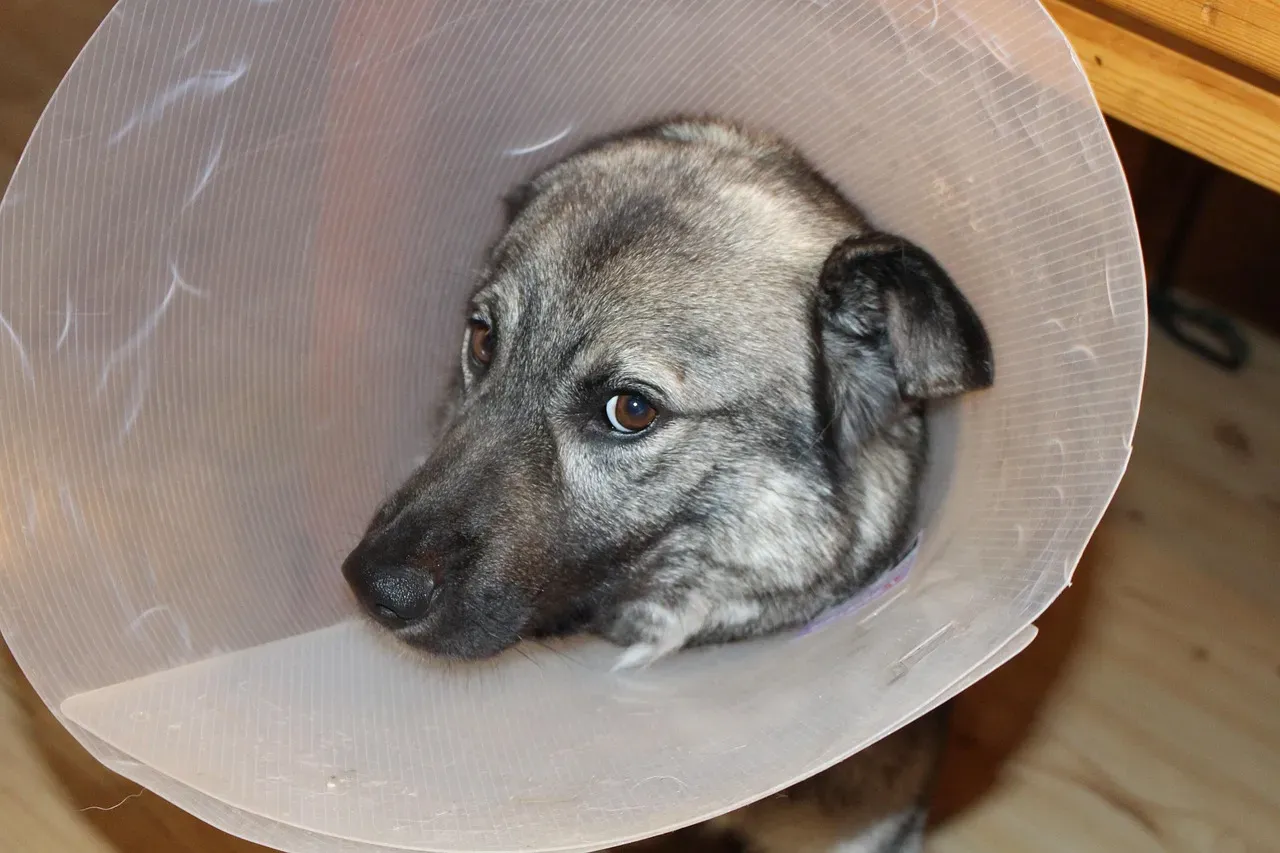
- Stop the rubbing. Pawing or rubbing on carpet can turn a small irritation into an ulcer. A soft cone helps if you cannot watch your dog all the time.
- Keep hair out of the eye. Gently trim or hold back long face hair if it touches the eye.
- Take a photo. Eyes can change fast, and a picture helps your vet judge how quickly things moved.
- Call the vet the same day if there is no clear improvement within a few hours, or sooner if anything looks worse. Do not wait several days hoping it passes.
Walks can stay short and calm. Keep your dog away from dust, smoke, long grass and car windows with wind in the face until the eye is checked.
 Save
 GuideMy Dog Has Bad Breath: Causes and What to DoDog breath smells? Gum disease is the usual cause, but sweet or ammonia smells can mean illness.GuideMy Dog Is Coughing: Causes and When to See a VetDog coughing, honking or hacking? Emergency signs, kennel cough, collapsing trachea, heart cough, what to do at home and when to see a vet.
What not to do
- No human eye drops. Redness-relief drops, steroid drops or leftover drops from an old dog treatment can hide pain, slow healing or make an ulcer worse. Use drops only when a vet has examined the eye and prescribed them.
- No home remedies such as tea bags, salt water rinses from the kitchen, honey, herbal washes or colloidal silver.
- Do not use old medicine. Drops that worked once may be wrong for this problem. A steroid on an ulcer can be harmful.
- Do not rub, press or pull at the eye or the lids.
- Do not wait for days with a squinting or cloudy eye.
- Do not force the eye open if your dog holds it shut in pain. Go to a vet.
- Do not give human painkillers. Ibuprofen, paracetamol (acetaminophen), aspirin and naproxen can seriously harm dogs.
 GuideMy Dog Stepped on a Bee: What to DoDog stung by a bee or wasp: emergency signs of an allergic reaction, safe first aid, what not to give, and when to see a vet.
 GuideDog Pregnancy: Length, Signs and Week by WeekHow long dogs are pregnant, signs of pregnancy, a week by week table, giving birth, false pregnancy and when to call a vet.GuideMy Dog Stepped on a Bee: What to DoDog stung by a bee or wasp: emergency signs of an allergic reaction, safe first aid, what not to give, and when to see a vet.
When to see a vet
Book a visit the same day when:
 GuideMy Dog Has Diarrhea: What Should I Do?Dog diarrhea: emergency signs, common causes, safe home care, what not to give, and when to see a vet.
- The eye is red and your dog is squinting, blinking a lot or pawing at it.
- Discharge is yellow, green, thick or bloody, or the eyelids are swollen.
- Both eyes are red together with sneezing, coughing or a runny nose, which can point to infection. See dog runny nose.
- The eye looks cloudy, blue-grey or dull on the surface.
- A pink lump has appeared in the corner of the eye.
- Redness has lasted more than a day or keeps coming back. PDSA says a dog with repeated conjunctivitis needs investigation to find the reason.
- Your dog is a flat-faced breed or has long face hair and the eye looks sore.
A vet will usually look at the eye with a light and magnification and may test tear production and stain the surface with a dye to find ulcers. Treatment depends on the cause: drops or ointment for infection or dry eye, allergy care, surgery for cherry eye, or urgent care for pressure problems. Bring a note of when the redness started, whether it is one eye or both, and anything your dog could have run into.
Preventing eye trouble
- Check your dog's eyes each day while you brush or cuddle. Know what normal looks like.
- Keep face hair trimmed around the eyes, especially in long-coated breeds.
- Wipe small amounts of sleep crust gently with a damp cloth.
- Keep heads inside the car when you drive. Dust and grit fly fast.
- Check after walks in long grass in summer.
- Keep dogs away from garden chemicals, smoke and sprays.
- Follow your vet's advice for dogs with known dry eye or allergies.
 GuideWhy Does My Dog Eat Grass? What Studies SayDog eating grass? What a large owner survey found, why dogs do it, when it is normal, when to worry (vomiting, lawn chemicals, toxic plants), what to do.
 GuideMy Dog Is Vomiting: Causes and What to DoDog throwing up? Vomiting vs regurgitation, emergency signs like bloat, common causes, safe home care, what not to do, and when to see a vet.GuideWhy Does My Dog Eat Grass? What Studies SayDog eating grass? What a large owner survey found, why dogs do it, when it is normal, when to worry (vomiting, lawn chemicals, toxic plants), what to do.
FAQ
Why is my dog's eye red?
A red eye can come from allergies, an infection, dry eye, a scratch, something stuck in the eye or raised pressure inside it. You cannot tell which at home, so a vet should look at a red eye that does not clear quickly.
Is my dog's red eye an infection?
Maybe, but not always. PDSA notes that red eyes are not always infection. Allergies, dry eye and scratches look similar. Thick coloured discharge is more likely infection, but only a vet can say.
Can dogs get conjunctivitis?
Yes. It is common. PDSA describes it as inflammation of the lining of the eye that nearly always causes red, itchy, weepy eyes, with many possible causes.
My dog is squinting one eye. What does that mean?
Squinting means pain. It often points to a scratch, an ulcer or something in the eye. See a vet the same day.
Can I use human eye drops on my dog?
No. Some drops contain steroids or other ingredients that can harm a damaged eye. Wait for a vet to prescribe drops after an exam.
Is eye discharge normal?
A little clear or crusty sleep in the corners is normal. Thick, yellow, green or bloody discharge, or a lot of watering, is not.
What is cherry eye in dogs?
A pink lump at the inner corner of the eye where a gland of the third eyelid has slipped out of place. It usually needs a vet to correct it. It is more common in some breeds.
How long does a dog eye infection take to clear up?
It depends on the cause and treatment. Many mild cases improve within days once treated, but an ulcer or dry eye can need longer care. Your vet can tell you what to expect.
Can a red eye go away on its own?
A mild irritation from dust may. Do not rely on it. If it is not clearly better in a few hours, or your dog is in pain, call a vet.
Read next
 Family storyAsian ToyRead the family's story: origins, members, DNA
 Family storyToy SpitzRead the family's story: origins, members, DNA
 Family storyAsian SpitzRead the family's story: origins, members, DNA
Sources (3)
- PDSA, "Red Eyes and Swollen Eyes in Dogs" (causes including conjunctivitis, allergy, dry eye, ulcers, glaucoma and flat-faced breeds; advice to contact a vet promptly).
- PDSA, "Conjunctivitis in Dogs" (conjunctivitis as a sign with many causes; atopy and dry eye links).
- Merck Veterinary Manual, pet owner version, "Disorders of the Conjunctiva in Dogs" (conjunctivitis causes in one eye and both eyes).