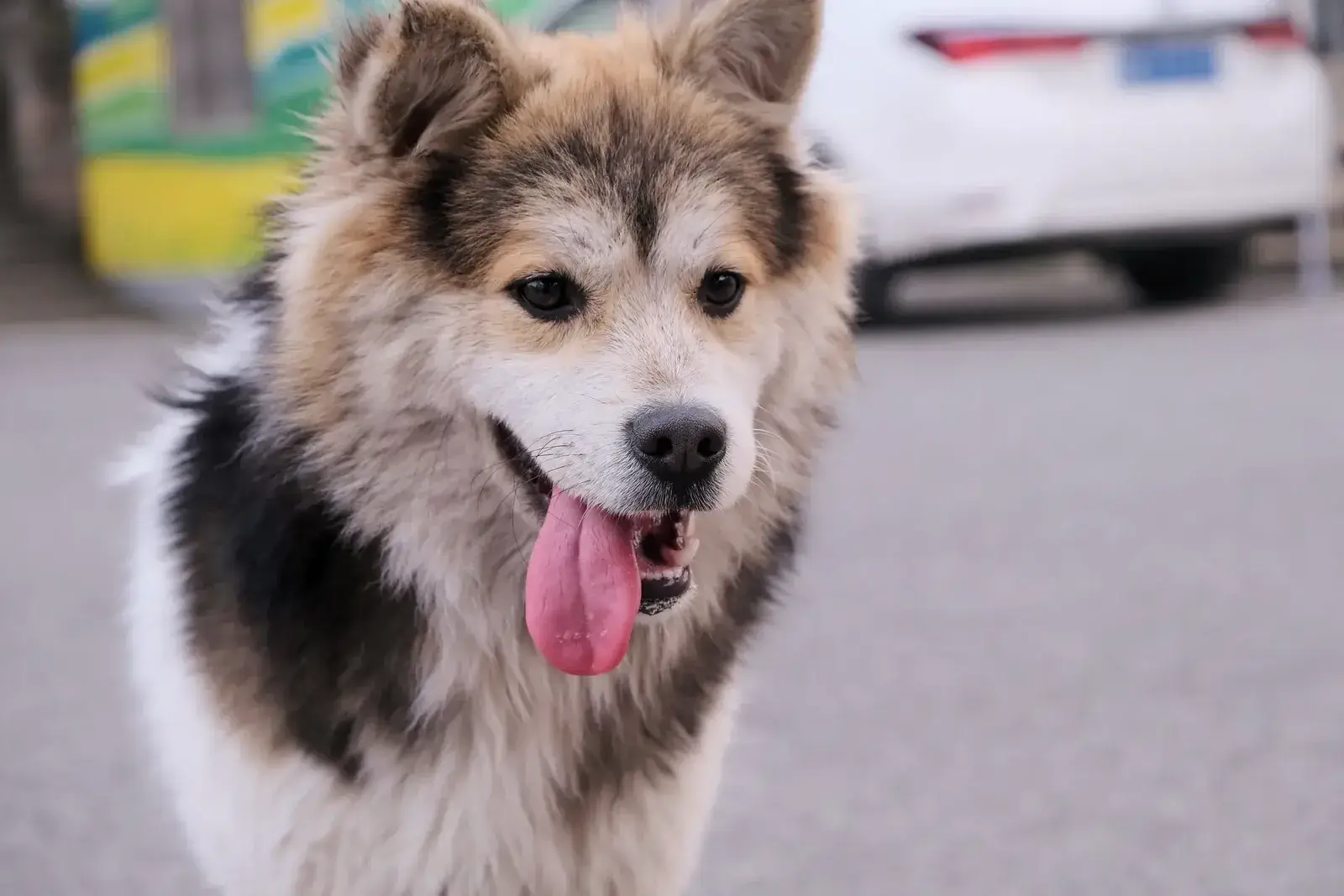
It is the kind that comes out of the blue, will not stop, or looks like effort that worries owners. This guide tells you how to spot normal panting, what to do first if you suspect heatstroke, and what other causes sit behind heavy panting, from pain and worry to hormone problems in older dogs. It is general information. A vet who examines your dog decides what is wrong.
Is this an emergency?
Go to a vet or emergency clinic now, and phone ahead, if you see any of these:
 GuideMy Dog Is Coughing: Causes and When to See a VetDog coughing, honking or hacking? Emergency signs, kennel cough, collapsing trachea, heart cough, what to do at home and when to see a vet.
- Heavy, frantic panting in the heat or after exercise, with drooling, bright red or dark gums, stumbling or a glazed look. This can be heatstroke. Start cooling at once (see the steps below) and go.
- Collapse, seizures, vomiting or bloody diarrhoea after being hot or active.
- Pale, grey or blue gums.
- Struggling to breathe. Noisy or very fast breathing, the neck stretched out, belly heaving, or a dog that cannot lie down or settle.
- Panting with a swollen, hard belly, retching without bringing anything up, or pacing. This can be bloat, which needs urgent care.
- Panting after a poisoning, such as chocolate, rat poison or human medicine. See can dogs eat for common dangers.
- Panting after a trauma, such as a car accident or a fall.
- Panting in a dog that is clearly in pain, crying out, hunched or unwilling to move.
- A dog shut in a hot car or room, even if it seems to recover.
If you are unsure, phone the clinic. They would rather answer a call than see a dog that waited too long.
 GuideMy Dog's Eye Is Red: Causes and When to See a VetRed, weepy or squinting dog eye? Emergency signs, common causes like conjunctivitis and ulcers, what to do at home, what to avoid, and when to see a vet.GuideMy Dog Is Coughing: Causes and When to See a VetDog coughing, honking or hacking? Emergency signs, kennel cough, collapsing trachea, heart cough, what to do at home and when to see a vet.
Heatstroke: what to do right now
PDSA's vet advice says excessive panting can be a warning that a dog is overheating or struggling to breathe, with fast, shallow breaths, low energy and a stretched-out neck as signs to act on. Later signs include red gums, weakness, confusion, vomiting, diarrhoea, collapse and seizures. Organ damage can follow if the temperature stays high.
 GuideDog Clothes: When Dogs Need Coats, and a Short History of Dog FashionDo dogs need coats in winter? When clothes help, when costumes stress a dog, safe fit, reflective gear, and a short history of dog fashion and dog art.
Following RSPCA and PDSA first aid advice:
- Stop all activity and get your dog out of the heat into shade, a cool room or a draught. Take it out of a car or conservatory at once.
- Phone the vet and tell them you are on your way. Keep your voice calm.
- Cool with water, not ice. RSPCA advises cool tap water, and says studies found water at about 15 to 16 degrees Celsius worked best. PDSA warns that ice or very cold water can cause shock. Pour or sponge the water over the body, belly, groin and paws.
- Keep water away from the head. RSPCA warns that water near the head can be breathed in, especially in flat-faced dogs and dogs that are not fully awake.
- Add airflow. A fan or breeze over the wet coat speeds cooling. Do not drape a wet towel over the dog, because it can trap heat. A wet towel under the dog is fine.
- Offer small sips of cool water if your dog wants them. Do not force water.
- Go to the vet even if your dog seems better. PDSA says to seek care regardless of apparent improvement, because the damage inside can show later. Keep cooling on the way if the vet agrees.
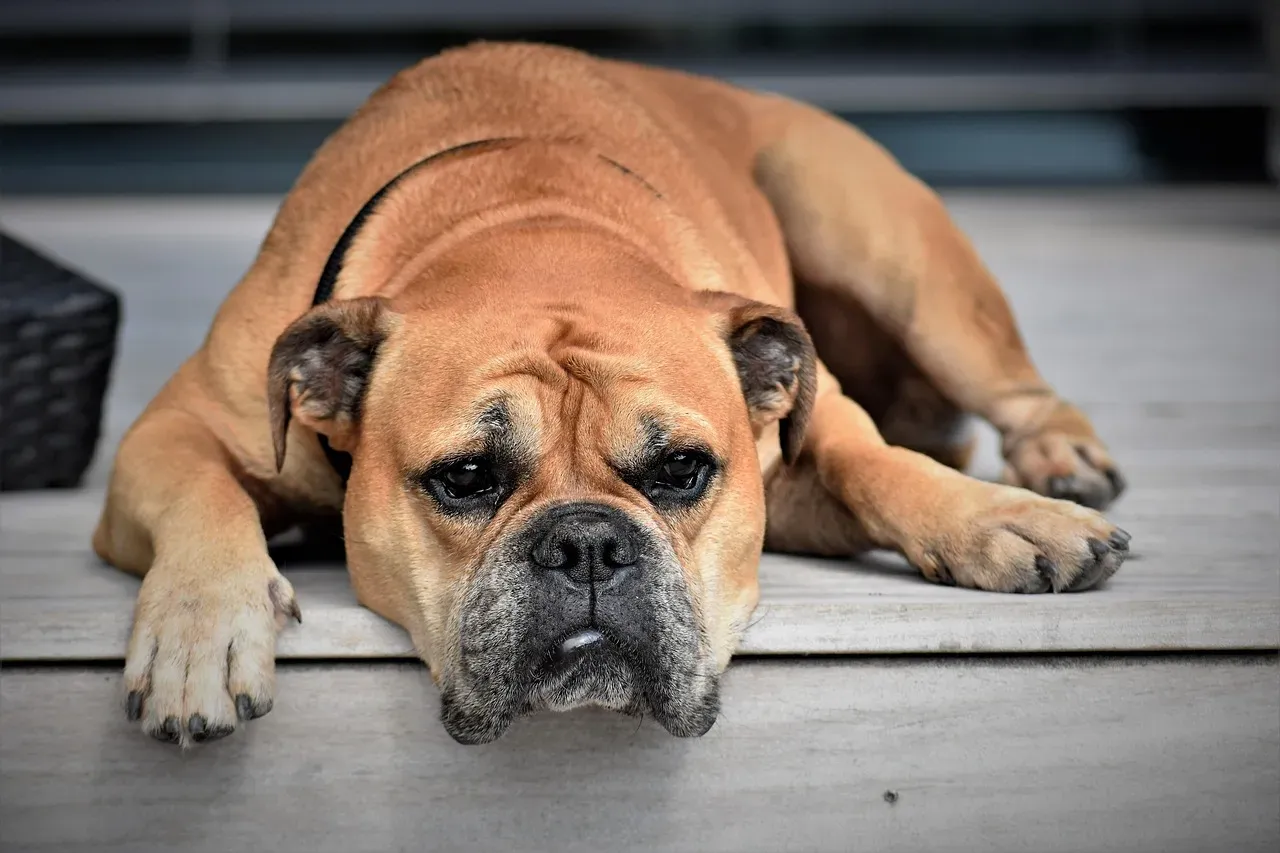
RSPCA notes that very old and very young dogs, dogs with thick coats and flat-faced breeds such as Pugs and Bulldogs are more prone to heatstroke. See Pug, French Bulldog and Bulldog for what their airways mean in practice. Flat-faced dogs cool less well by panting, so keep exercise short and gentle in warm weather.
 GuideMy Dog Keeps Shaking His Head: Ear Infection GuideDog shaking head, scratching ears or smelly ears? Ear infection signs, causes, ear haematoma, emergency signs, what to do and what to avoid.GuideDog Clothes: When Dogs Need Coats, and a Short History of Dog FashionDo dogs need coats in winter? When clothes help, when costumes stress a dog, safe fit, reflective gear, and a short history of dog fashion and dog art.
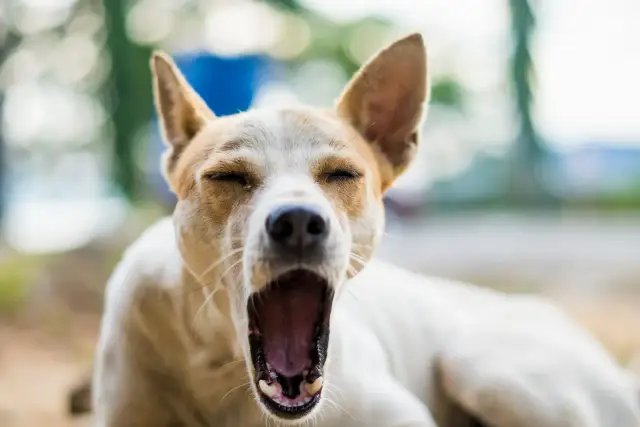
Normal panting vs worrying panting
Usually normal:
 GuideMy Dog Stepped on a Bee: What to DoDog stung by a bee or wasp: emergency signs of an allergic reaction, safe first aid, what not to give, and when to see a vet.
- After exercise, play or excitement, easing within minutes of rest.
- On a warm day or in a warm room, settling in the shade or with water.
- During car rides or at the vet for a few minutes, if your dog is calm again after.
- While waiting for food or a treat.
- Easy, relaxed panting with a loose mouth and a soft body.
Worth attention:
- Panting that starts for no clear reason, at rest, or at night.
- Panting that does not settle within about 10 to 15 minutes of rest in a cool place.
- Panting with a tight, anxious face, restlessness or a dog that cannot get comfortable.
- Panting that is new or has gradually become more frequent.
- Fast, shallow breaths or breathing with effort.
- Panting along with other changes, such as more thirst, more urine, more appetite, weight changes or tiredness.
A simple check is to count breaths while your dog sleeps or rests. PDSA mentions that tracking breathing is useful when you worry, and your vet can tell you what range suits your dog.
 GuideDog Pregnancy: Length, Signs and Week by WeekHow long dogs are pregnant, signs of pregnancy, a week by week table, giving birth, false pregnancy and when to call a vet.GuideMy Dog Stepped on a Bee: What to DoDog stung by a bee or wasp: emergency signs of an allergic reaction, safe first aid, what not to give, and when to see a vet.
Common causes
- Heat and exercise. The usual and most harmless cause.
- Pain. A sore joint, a bad tooth, an injury or after surgery can make a dog pant even at rest. Panting at night in an older dog can mean arthritis pain. See dog paw injury for one source of sore legs.
- Anxiety and stress. Thunder, fireworks, vet visits, car journeys and separation can all trigger panting, often with pacing, shaking, lip licking or hiding.
- Fear and fever. A dog with an infection may pant and seem dull.
- Heart and lung disease. Panting at rest, a cough or tiring easily can point to these.
- Airway disease in flat-faced breeds. Short skulls narrow the airway, so panting is noisier and cooling is less effective.
- Obesity. Extra weight makes breathing and cooling harder.
- Medicines. Some drugs, including steroids, can cause panting. Ask your vet if it started after a new medicine.
- Poisons and toxic foods. Some cause panting along with other signs.
- Pregnancy and heat cycle. Panting can come with restlessness in late pregnancy or around whelping. See dog pregnancy and dog heat cycle.
- Cushing's disease (see below).
 GuideMy Dog Has Diarrhea: What Should I Do?Dog diarrhea: emergency signs, common causes, safe home care, what not to give, and when to see a vet.
Cushing's disease in older dogs
Cushing's disease, or hyperadrenocorticism, is a hormone condition where the body makes too much cortisol. Merck Veterinary Manual says it mostly affects middle-aged to older dogs, roughly 7 to 12 years, and lists panting among the common signs. The manual explains that an enlarged liver can press on the diaphragm and limit how deeply a dog breathes, which can lead to panting. Other signs include more thirst and urination, a bigger appetite, a pot belly, thin skin, hair loss, muscle weakness and tiredness. It is manageable. A vet can test for it and treat it, and many dogs live comfortably with it. Early signs often get put down to age, so mention them at the next check.
 GuideMy Dog Is Vomiting: Causes and What to DoDog throwing up? Vomiting vs regurgitation, emergency signs like bloat, common causes, safe home care, what not to do, and when to see a vet.GuideMy Dog Has Diarrhea: What Should I Do?Dog diarrhea: emergency signs, common causes, safe home care, what not to give, and when to see a vet.
What you can do at home
Home steps suit a bright dog that is not in distress and has panted for an ordinary reason.
 GuideWhy Does My Dog Eat Grass? What Studies SayDog eating grass? What a large owner survey found, why dogs do it, when it is normal, when to worry (vomiting, lawn chemicals, toxic plants), what to do.
- Move to a cool, quiet spot with fresh water.
- Rest. Stop exercise and let your dog settle.
- Offer small drinks often. Do not let a hot dog gulp large amounts.
- Check the environment. Is the room hot, stuffy or sunlit? Is there a car, a stove or a radiator nearby?
- Look for stress. If noise, strangers or travel is the cause, make a quiet den and stay calm. See dog not eating or drinking if stress has also put your dog off food.
- Write down the pattern. When does it happen, how long, and with which signs? A short video helps your vet.
- Plan a vet visit if the panting is new, regular or not linked to heat or exercise.
 Save
 GuideMy Dog Keeps Licking His Paws: Causes and What HelpsDog licking paws all the time: allergies, parasites, injury, yeast and boredom.GuideWhy Does My Dog Eat Grass? What Studies SayDog eating grass? What a large owner survey found, why dogs do it, when it is normal, when to worry (vomiting, lawn chemicals, toxic plants), what to do.
What not to do
- No ice or ice-cold water on an overheated dog. PDSA warns it can cause shock.
- Do not leave your dog in a parked car, not even for a few minutes with the windows open.
- Do not walk or run your dog in the heat of the day. Pavement can burn paws too.
- Do not muzzle a panting dog or hold the mouth shut.
- Do not give human medicines. Ibuprofen, paracetamol (acetaminophen), aspirin and naproxen can seriously harm dogs. Do not give sedatives meant for people.
- Do not wait it out if panting has no clear reason or comes with weakness, gum colour change or collapse.
- Do not push exercise in a flat-faced breed on a warm day.
 GuideDog Is Not Eating or Drinking: What to DoDog not eating or drinking water? Why not drinking is more urgent, causes, puppies and small dogs, home care, and when to call a vet.
 GuideMy Dog Has Bad Breath: Causes and What to DoDog breath smells? Gum disease is the usual cause, but sweet or ammonia smells can mean illness.GuideDog Is Not Eating or Drinking: What to DoDog not eating or drinking water? Why not drinking is more urgent, causes, puppies and small dogs, home care, and when to call a vet.
When to see a vet
Book a visit, ideally the same day, when:
 GuideMy Dog Injured His Paw: First Aid and When to See a VetDog paw injury: cut pads, torn nails, grass seeds, hot pavement burns and limping.
- Panting is new, heavy or frequent, and not linked to heat or exercise.
- It happens at night or at rest.
- It lasts longer than about 15 minutes in a cool place.
- It comes with a cough, noisy breathing or tiring on short walks.
- It comes with more drinking, more urine, hunger or a pot belly.
- Your dog seems in pain, will not lie down, or sleeps badly.
- Panting began after a new medicine.
- Your dog is older, overweight or a flat-faced breed and panting has changed.
- You are not sure whether it is normal.
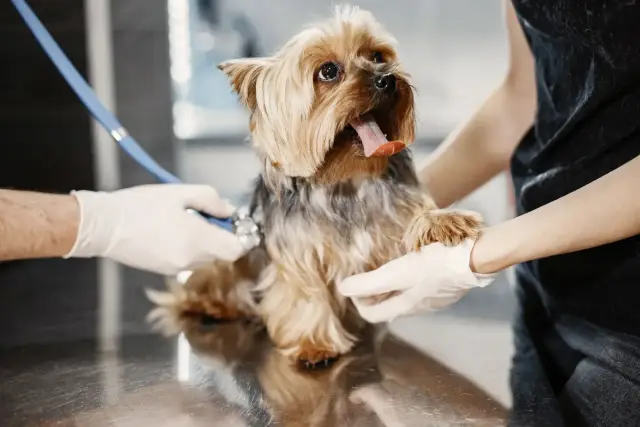
A vet will listen to the heart and lungs, check temperature, gums and weight and may suggest blood tests, X-rays or heart checks. Bring a note of when it started and what else you noticed, and a short video if you can.
 GuideMy Dog Is Lethargic: Causes and When to Call a VetDog tired, weak or not himself? Normal tiredness vs lethargy, emergency signs, common causes, what to note for the vet and what to avoid.GuideMy Dog Injured His Paw: First Aid and When to See a VetDog paw injury: cut pads, torn nails, grass seeds, hot pavement burns and limping.
Preventing heat trouble
- Walk in the cool morning or evening when it is warm.
- Always carry water and offer small drinks.
- Provide shade and a cool room in summer. Shaved or thin coats do not mean a cool dog if the sun is strong, so use shade too.
- Never leave your dog in a car, conservatory or small hot room.
- Keep flat-faced, thick-coated, older and overweight dogs extra cool.
- Keep weight healthy and book regular checks.
- Introduce noises and car trips gradually so your dog stays calm.
 GuideDog Runny Nose: Causes, Discharge Colours and Vet SignsDog nose leaking or sneezing? Clear vs coloured discharge, nosebleed emergencies, causes like allergies and grass seeds, home care, and when to see a vet.
 GuideWinter Care for Dogs: Cold, Paws, Antifreeze and IceWinter care for dogs: how cold is too cold, coats, salt and antifreeze, hypothermia, frostbite, frozen ponds, dark walks and holiday hazards.GuideDog Runny Nose: Causes, Discharge Colours and Vet SignsDog nose leaking or sneezing? Clear vs coloured discharge, nosebleed emergencies, causes like allergies and grass seeds, home care, and when to see a vet.
FAQ
Why is my dog panting so much?
Heat, exercise, pain, worry, illness or a hormone condition can all do it. If there is no clear reason, or it does not settle in a cool place, see a vet.
Why is my dog panting at night?
Pain, anxiety, a warm room, heart problems or Cushing's disease can cause it. If it is new or happens often, see a vet.
What are the signs of heatstroke in dogs?
PDSA lists heavy panting, fast shallow breathing, red gums, weakness, confusion, vomiting, diarrhoea, collapse and seizures. Cool your dog with cool water and go to a vet.
How do I cool down my dog quickly?
Move to shade, wet the body with cool water, add a fan and go to a vet. Do not use ice or very cold water, and keep water away from the head.
Why is my old dog panting a lot?
Arthritis pain, heart or lung disease and Cushing's disease are among the reasons. A vet visit is the best next step.
Is panting always a sign of heat?
No. Dogs also pant from stress, pain or illness.
Why is my dog panting but not hot?
Pain, fear, fever, medicines or illness can do this. See a vet if it is new or continues.
Do flat-faced dogs pant more?
They often pant harder, because their short airways make cooling less effective. Keep them cool and quiet in the heat.
How long should a dog pant after a walk?
A few minutes in a cool place is typical. Panting that does not ease within about 15 minutes needs a call to the vet.
Read next
 Family storyToy SpitzRead the family's story: origins, members, DNA
 Family storySchnauzerRead the family's story: origins, members, DNA
 Family storyAsian ToyRead the family's story: origins, members, DNA
Sources (4)
- RSPCA, "Dog Heatstroke Treatment - Dog First Aid" (cooling with cool tap water, avoiding water near the head, higher-risk dogs).
- PDSA, "Vet Q&A: Is my dog is panting too much?" (excessive panting as a warning sign of overheating or struggling to breathe).
- PDSA, "Heatstroke in dogs" and "First aid for heat stroke" information sheets (signs, cool water not ice, vet visit even if the dog seems better).
- Merck Veterinary Manual, "Cushing Disease (Hyperadrenocorticism)" (age range, panting as a common sign).