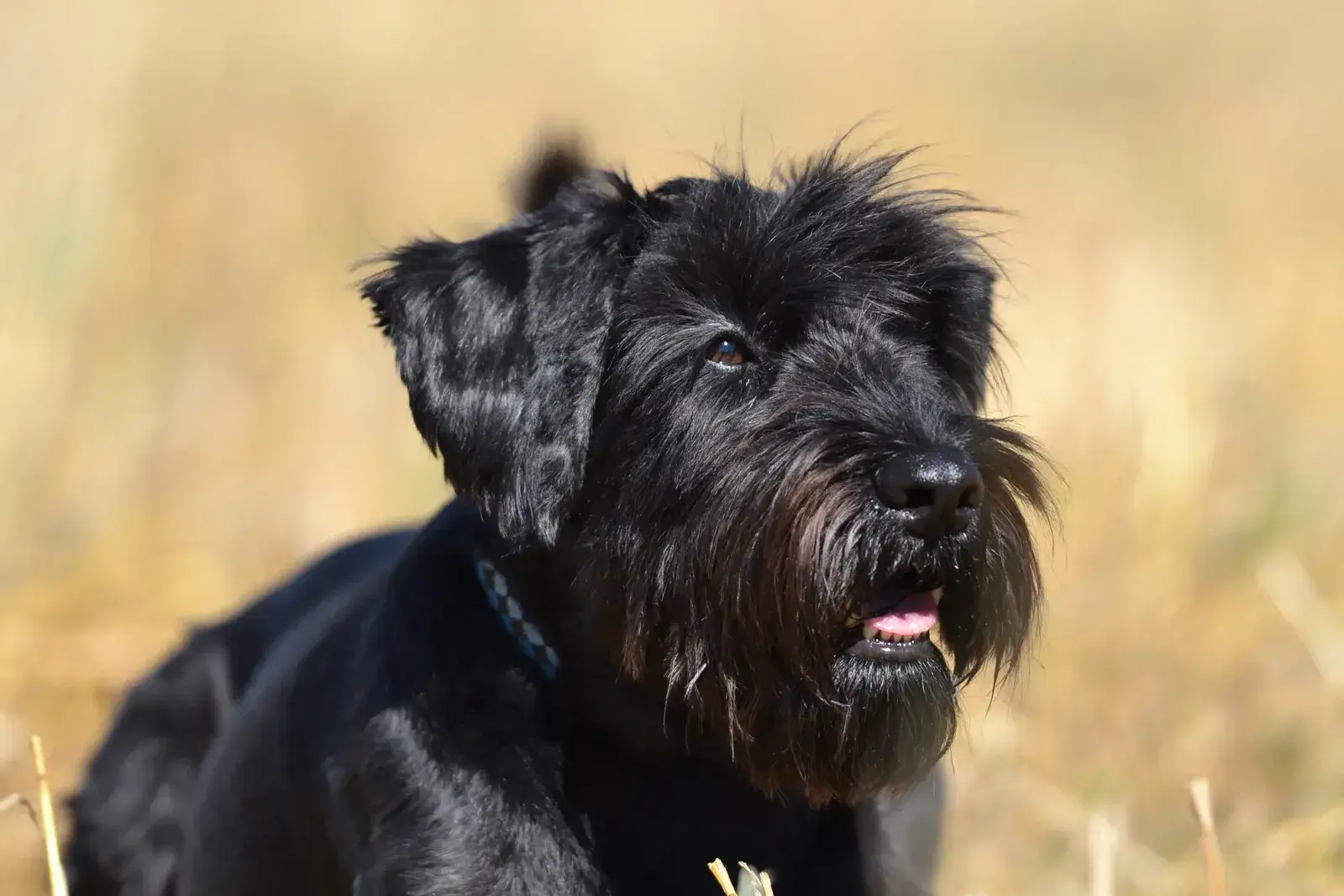
What are the Schnauzer breeds?
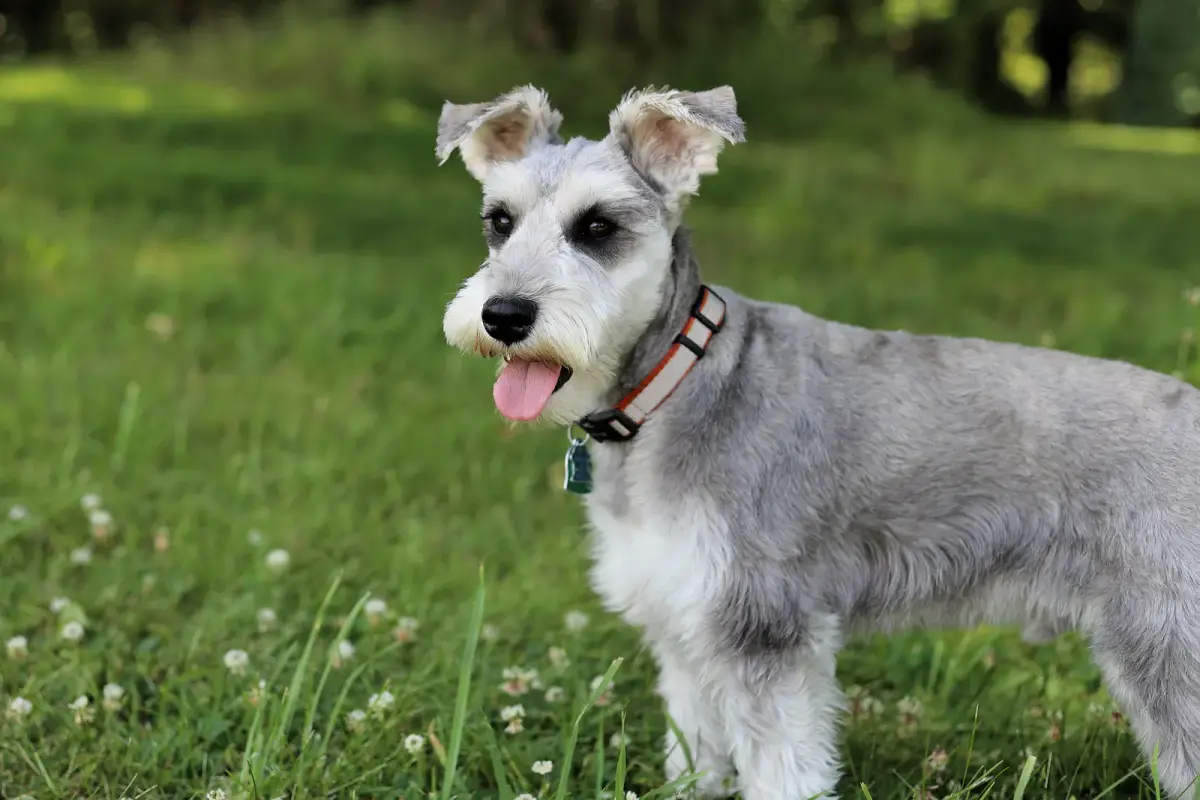
There are three Schnauzers by name: Miniature, Standard and Giant. In the DNA family in this atlas there are two: the Standard Schnauzer and the Miniature Schnauzer. Both are living German dogs with a bearded muzzle and wiry coat. The Giant Schnauzer is a different story, and this page explains why.
 Save
 GuideDog Breeds by Country: Which Nations Made the Most?Dog breeds by country: how many breeds each nation produced in the Dogs Atlas data, from the UK and France to Japan, plus national dogs and families.
In this atlas a family is a branch of the dog family tree found by comparing DNA. It is not the same as a kennel club group. It is a good test of how names and DNA can disagree.
Quick facts about the Schnauzer family
| Fact | Answer |
|---|---|
| Family type | Genetic clade (Parker et al. 2017) |
| Parent | European dogs (see the dog family tree) |
| Breeds in this atlas | 2 (both living) |
| Breeds with DNA tested in the study | 2, strong support |
| Homeland | Germany |
| Typical size | Medium (Standard), small (Miniature) |
| Core job | Farm ratter and guard |
| Strongest tie | Standard and Miniature, 28.3 Mb shared |
 GuideDog laws by country: tax, insurance and licencesDog tax, compulsory liability insurance, licences, microchips and leash rules in Germany, Austria, Switzerland, Spain, Ireland, the UK, the US and more.
Family or group: what is the difference?
In this atlas, "family" means a DNA clade and "group" means a kennel club group. Clubs file the Schnauzers together by name. The FCI puts all three in Group 2, with pinschers. The AKC lists the Standard and Giant in the Working Group and the Miniature in the Terrier Group.
 GuideBanned and restricted dog breeds by countryWhich dog breeds are banned or restricted, country by country: UK, Ireland, France, Germany, Denmark, Norway, Spain, Australia and more.
The DNA does not follow the names. Parker et al. (2017) found the Standard and Miniature in one clade with strong support. The Giant Schnauzer fell elsewhere, in the Drover family with the Rottweiler and Dobermann. A summary in Wikipedia says the same: the Giant sits in a separate clade near the Rottweiler, Dobermann and Black Russian Terrier.
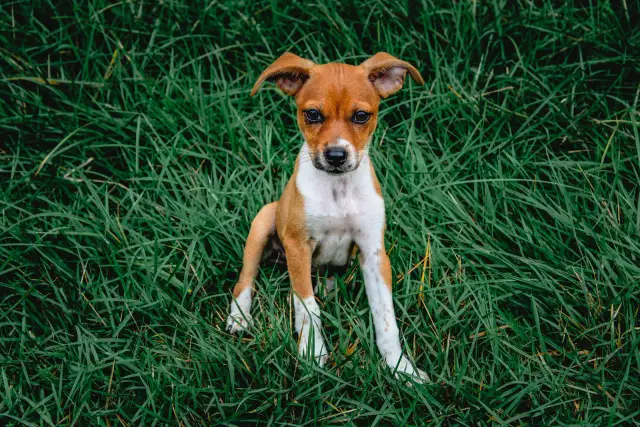
Where the Schnauzer family sits in the tree
The parent is European dogs. A Wikipedia summary of the study says the Standard and Miniature share ancestry with spitz-type dogs, and our DNA ties agree: the Standard shares 12.9 Mb with the Pomeranian and 10.5 Mb with the Keeshond. The Miniature also links to the Pug, with 17.7 Mb.
 GuideSmartest dog breeds: what the rankings measure and what they missCoren's smartest dog breeds list, what it measured, what newer dog cognition research says, three kinds of dog intelligence and why smart dogs need work.
The written record adds the pinschers. The atlas lists the Affenpinscher, Miniature Pinscher and Poodle as possible crosses behind the Miniature, each at low confidence. For the pinscher side, see the Pinscher family.
Names and meanings
- Schnauzer comes from German Schnauze, "snout" or "muzzle", for the bearded face.
- Standard is the middle size. Its German name is Mittelschnauzer.
- Miniature is Zwergschnauzer in German, with Zwerg meaning "dwarf".
- Giant is the Riesenschnauzer, also called the Munich Schnauzer.
 GuideDog hybrids: what dogs can and cannot breed withCan dogs breed with wolves, coyotes, jackals or foxes? Wolfdogs, coydogs, the Sulimov dog and Dogxim explained, with chromosomes and DNA studies.
History of the Schnauzer breeds
 GuideDogs of Japan: the native breeds and their storiesJapanese dog breeds explained: the six Nihon Ken, the Chin, Tosa, Japanese Spitz and Terrier, Hachiko, wartime near-extinction, DNA and who they suit.
Before 1900: farm dogs of southern Germany
The Standard Schnauzer is the oldest. The earliest documented image is an etching from 1812, according to Wikipedia, and in 1832 Johann Baumeister described a southern German rat-catching dog that is thought to be its immediate ancestor. The atlas dates the type from about 1400, with medium confidence.
In 1879 a dog called Schnauzer won a class at a Hanover show as a "Wire-haired Pinscher". Sources disagree on the city, and some say Hamburg. The first stud book followed in 1902 with 248 Standard Schnauzers, as far back as 1880. The breed's mix of old German pinscher stock, Poodle and Wolfspitz is a theory, not a record.
1900 to today: clubs and sizes
The Pinscher Klub was formed in 1895 and merged with a Bavarian Schnauzer club in 1918. The name Schnauzer replaced "rough-haired Pinscher" in 1917, according to Wikipedia. The Miniature appears between 1888 and 1899, from an illustration that shows both sizes. It may be a selection of the smallest Standards, or it may have had crosses with the Affenpinscher or Poodle. The atlas rates the first as medium confidence and the crosses as low. See the Miniature Schnauzer article.
In World War I, Standard Schnauzers served as dispatch carriers and guard dogs, according to breed histories. The Giant was shown first in Munich in 1909 as Riesenschnauzer. It is said to have come from Standard Schnauzers crossed with other large dogs, probably the black Great Dane and the Bouvier des Flandres, but breeders kept their records secret.
Who are the members of the Schnauzer family?
Both breeds. "Appeared" is the period in which the breed took shape.
 GuideDogs in science and spaceSpace dogs Laika, Belka and Strelka, Pavlov's dogs, Snuppy the clone, the dog genome and scent detection: what dogs did for science, and what it cost them.
| Breed | Country | Status | Size | Appeared | DNA-tested |
|---|---|---|---|---|---|
| Standard Schnauzer | Germany | Living | Medium | 1400 to 1880 | Yes (Parker 2017) |
| Miniature Schnauzer | Germany | Living | Small | 1888 to 1899 | Yes (Parker 2017) |
The Giant Schnauzer is in the Drover family by DNA, so it is not in this table.
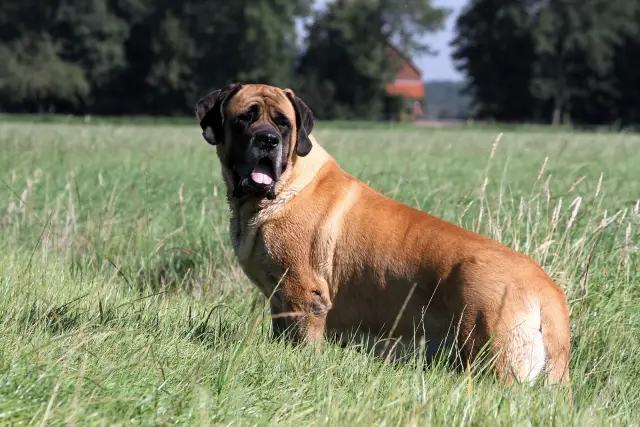
Family tree and DNA ties
The numbers are megabases (Mb, millions of DNA letters) that two breeds share in matching stretches in the Parker study.
 ArticleThe first known dog on every continentEarliest accepted dog on each continent, from Bonn-Oberkassel to the dingo: dates, sites, how dogs arrived and which breeds carry those first dogs.
| Pair | Shared DNA (Mb) | What it tells us |
|---|---|---|
| Standard and Miniature Schnauzer | 28.3 | The Miniature probably came from small Standards |
| Standard and Giant Schnauzer | 24.2 | A real tie, though the Giant sits in another family |
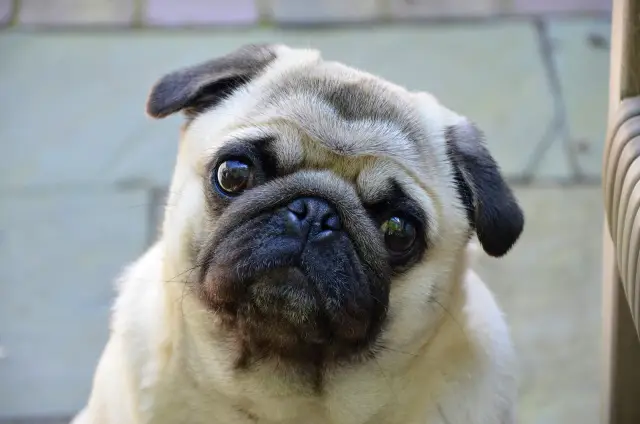
| Miniature Schnauzer and Pug | 17.7 | A distant link outside the family |
| Standard Schnauzer and Pomeranian | 12.9 | Shared spitz-type ancestry |
| Standard Schnauzer and Keeshond | 10.5 | The same spitz link |
Source: Parker et al. 2017, Cell Reports, shared haplotypes between 161 breeds (1,346 dogs).
The pattern is that the Standard is the hub. It is close to the Miniature, and the Giant ties to it nearly as much (24.2 Mb), in line with accounts that the Giant was built from Standard stock and other large dogs.
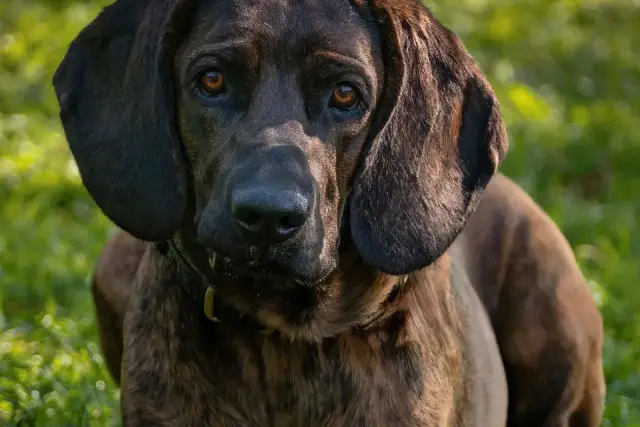
What the Schnauzer breeds share
Look. A rectangular head with a beard and brows, and a hard, wiry coat that sheds little. Standard and Miniature come in salt and pepper and black.
 GuideLivestock guardian dogs: what they do and who they suitWhat livestock guardian dogs do, how they differ from herding dogs, 40 LGD breeds by country, the DNA evidence, and whether they make good pets.
Job. Farm ratters and guards. The Giant is said to have been built for larger farm work.
Temperament. Alert and bold with a watchdog streak. This is a tendency, not a promise.

Health themes
Most dogs in this family live healthy lives. Data is better for the Miniature than the Standard. No health survey exists for the Standard Schnauzer, so the table lists only what the Miniature studies show.
 GuideHow to adopt a dog from a shelter or rescueHow to adopt a dog from a shelter or rescue: the process, costs in general terms, choosing a dog, the first weeks and what if it does not work out.
| Condition | What it is | How common | What helps |
|---|---|---|---|
| Gum disease (Miniature) | Plaque and gum inflammation | About 1 in 6 dogs (17.4%) (O'Neill et al. 2019, VetCompass) | Daily brushing, dental checks |
| Pancreatitis (Miniature) | Inflammation of the digestive gland | Lifetime risk about 1 in 20 (about 5%) in a Science for Animal Welfare review | Low-fat diet, healthy weight, quick vet visit for vomiting |
| Standard Schnauzer | No breed-wide study with prevalence found | Not stated | Ask the breed club which tests apply |
The VetCompass study gave a median life span of 11.6 years for the Miniature, close to the 12.0 years found for all breeds with the same method. The atlas lists 13 to 16 years for the Standard and 12 to 15 for the Miniature, which are record ranges, not study results.
Which Schnauzer breeds suit which owner?
This is a guide to type, not a promise for any dog.
 GuideIs your dog suited to therapy work?How to make your dog a therapy dog: temperament checklist, first training steps, how Pet Partners, TDI and Pets As Therapy assess dogs, and welfare limits.
- Active households wanting a medium dog. The Standard is sturdy, alert and needs daily activity and coat care.
- Smaller homes. The Miniature Schnauzer is a small, bold watchdog.
 ArticleDog Breed Family Tree: How All Dog Breeds Are RelatedThe dog breed family tree from Ice Age wolves to 29 breed families.GuideIs your dog suited to therapy work?How to make your dog a therapy dog: temperament checklist, first training steps, how Pet Partners, TDI and Pets As Therapy assess dogs, and welfare limits.
Fun facts about the Schnauzer breeds
- The name Schnauzer is German for "snout".
- The first Schnauzer stud book (1902) listed 248 dogs.
- The Giant Schnauzer first appeared in Munich in 1909.
- A Wikipedia summary of the DNA study places the Giant with the Rottweiler and Dobermann, not with the other Schnauzers.
 GuideDogs in Legends and Fairy TalesDogs in folklore and fairy tales: Black Shuck, The Tinderbox, Saint Guinefort, Panhu, Greyfriars Bobby, Barry and Old Drum, with legend and history kept apart.
 GuideDog Clothes: When Dogs Need Coats, and a Short History of Dog FashionDo dogs need coats in winter? When clothes help, when costumes stress a dog, safe fit, reflective gear, and a short history of dog fashion and dog art.GuideDogs in Legends and Fairy TalesDogs in folklore and fairy tales: Black Shuck, The Tinderbox, Saint Guinefort, Panhu, Greyfriars Bobby, Barry and Old Drum, with legend and history kept apart.
Related families
- Drover: home of the Giant Schnauzer, Rottweiler and Dobermann.
- Pinscher: the Affenpinscher and Miniature Pinscher, possible crosses behind the Miniature.
- Poodle: a possible cross behind the Miniature.
- Toy Spitz: the Pug, which shares DNA with the Miniature.
 GuideDogs in myth around the worldFrom Anubis and Cerberus to Fenrir, Xolotl and the Tiangou: how cultures across the world imagined dogs as guardians, guides and monsters.
 GuideBest dog breeds for familiesBest dog breeds for families, small homes, allergies, first-time owners and seniors, ranked from our breed ratings, with honest limits and a table.GuideDogs in myth around the worldFrom Anubis and Cerberus to Fenrir, Xolotl and the Tiangou: how cultures across the world imagined dogs as guardians, guides and monsters.
Frequently asked questions
What are the three Schnauzer breeds?
Miniature, Standard and Giant. By DNA, only the first two are in the Schnauzer family.
Is the Giant Schnauzer related to the Standard?
Yes. They share 24.2 Mb. The Giant sits in the Drover family because it is closer to the Rottweiler and Dobermann as a whole.
Is a Miniature Schnauzer a terrier?
By ancestry, no. The AKC puts it in the Terrier Group for its ratting job.
Where does the Schnauzer come from?
Germany. The Standard is the oldest, and the Miniature and Giant were developed from it.
Read next
 Family storyDroverRead the family's story: origins, members, DNA
 Family storySmall SpitzRead the family's story: origins, members, DNA
 Family storyHungarianRead the family's story: origins, members, DNA
Sources (7)
- Parker, H. G., et al. (2017). Genomic analyses reveal the influence of geographic origin, migration, and hybridization on modern dog breed development. Cell Reports, 19(4), 697 to 708.
- O'Neill, D. G., et al. (2019). Miniature Schnauzers under primary veterinary care in the UK in 2013: demography, mortality and disorders. Canine Genetics and Epidemiology.
- Science for Animal Welfare (formerly UFAW), Miniature Schnauzer: pancreatitis and hyperlipidaemia.
- FCI standards for the Standard Schnauzer (182), Giant Schnauzer (181) and Miniature Schnauzer (183).
- Showsight Magazine, Standard Schnauzer and Giant Schnauzer history articles.
- Wikipedia, Schnauzer, Standard Schnauzer and Giant Schnauzer, checked against the sources above.
- Breed records in the atlas data (Dogs Atlas, internal data).