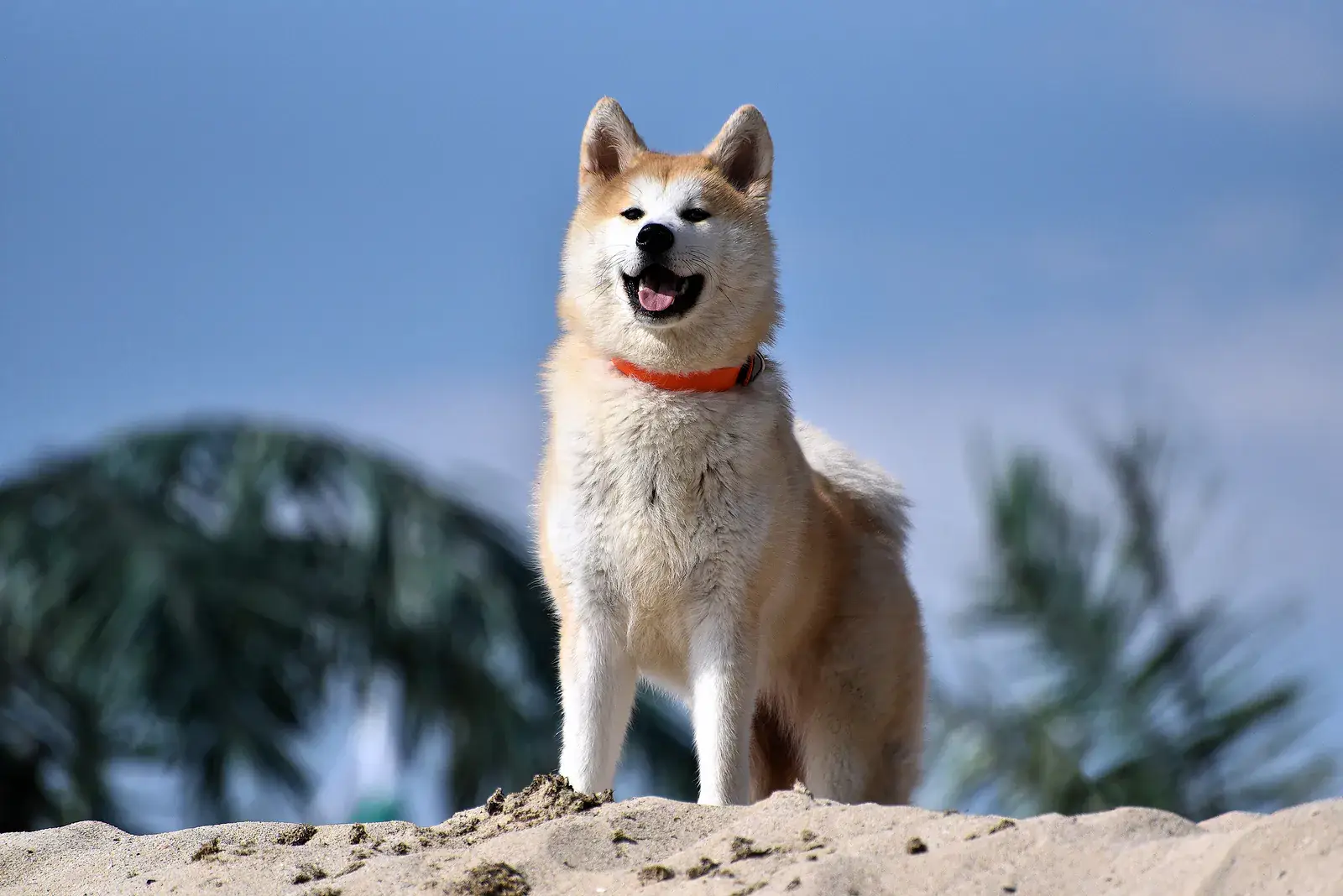
Every breed began somewhere: a Scottish estate, a French hunting pack, a Japanese mountain village, a Mexican courtyard. Added together, those places make a map of dog breeds by country, and the map is lopsided. A handful of nations produced a very large share of the breeds we know.
This article counts them. We went through every breed file in the Dogs Atlas knowledge base, read the country of origin on each, and tallied the results. The numbers below are counts "in the atlas", meaning in our own data of 654 breeds, living and extinct. They are not a count of "all dog breeds in the world", because no such official list exists. Different kennel clubs recognise different breeds, and many local dogs have never been registered by anyone.
If you are looking for a particular nation, jump to British dog breeds, Irish dog breeds, French dog breeds, German dog breeds, Italian dog breeds, Spanish and Portuguese breeds, Hungarian dog breeds, Russian dog breeds, Turkish breeds, Japanese dog breeds, Chinese breeds, American dog breeds, dog breeds from Mexico or Australian breeds. For the bigger picture of how breeds relate, see our dog family tree and first dogs on every continent.
Which country has the most dog breeds?
In the atlas, the United Kingdom has the most: 96 breeds, of which 68 are living and 28 are extinct. France is second with 65, the United States third with 59, and Germany and Spain are tied for fourth with 38 each. Italy follows with 24, then Russia and China with 23 each.
 GuideMale vs Female Dogs: Differences, Myths and NeuteringMale vs female dogs: what research says about size, trainability and affection, marking, mounting, roaming, and the spay or neuter timing decision.
A few points about how the counting works:
- Each breed counts once for every country listed as its origin. A few breeds have two or more countries (the Tornjak, for example, is tied to Bosnia and Herzegovina and Croatia), so the country totals add up to a little more than 654.
- "Extinct" means no population of the breed survives. Old English and Welsh hounds make up a large part of the British extinct list.
- The country is where the breed took shape, not where it is most popular today.
 GuideSmartest dog breeds: what the rankings measure and what they missCoren's smartest dog breeds list, what it measured, what newer dog cognition research says, three kinds of dog intelligence and why smart dogs need work.GuideMale vs Female Dogs: Differences, Myths and NeuteringMale vs female dogs: what research says about size, trainability and affection, marking, mounting, roaming, and the spay or neuter timing decision.
Top 20 countries by number of breeds in the atlas
Below the top 20 come Canada and Croatia (8 each), Greece, Norway and Finland (7 each), the Czech Republic (6), and Austria, Slovakia, South Korea and Poland (5 each). Mexico has 4, which is small in number but large in history, as you will see below.
 GuideDog hybrids: what dogs can and cannot breed withCan dogs breed with wolves, coyotes, jackals or foxes? Wolfdogs, coydogs, the Sulimov dog and Dogxim explained, with chromosomes and DNA studies.
| Rank | Country | Breeds in the atlas | Living | Extinct | Famous examples |
|---|---|---|---|---|---|
| 1 | United Kingdom | 96 | 68 | 28 | Labrador Retriever, Border Collie, Beagle, Bulldog |
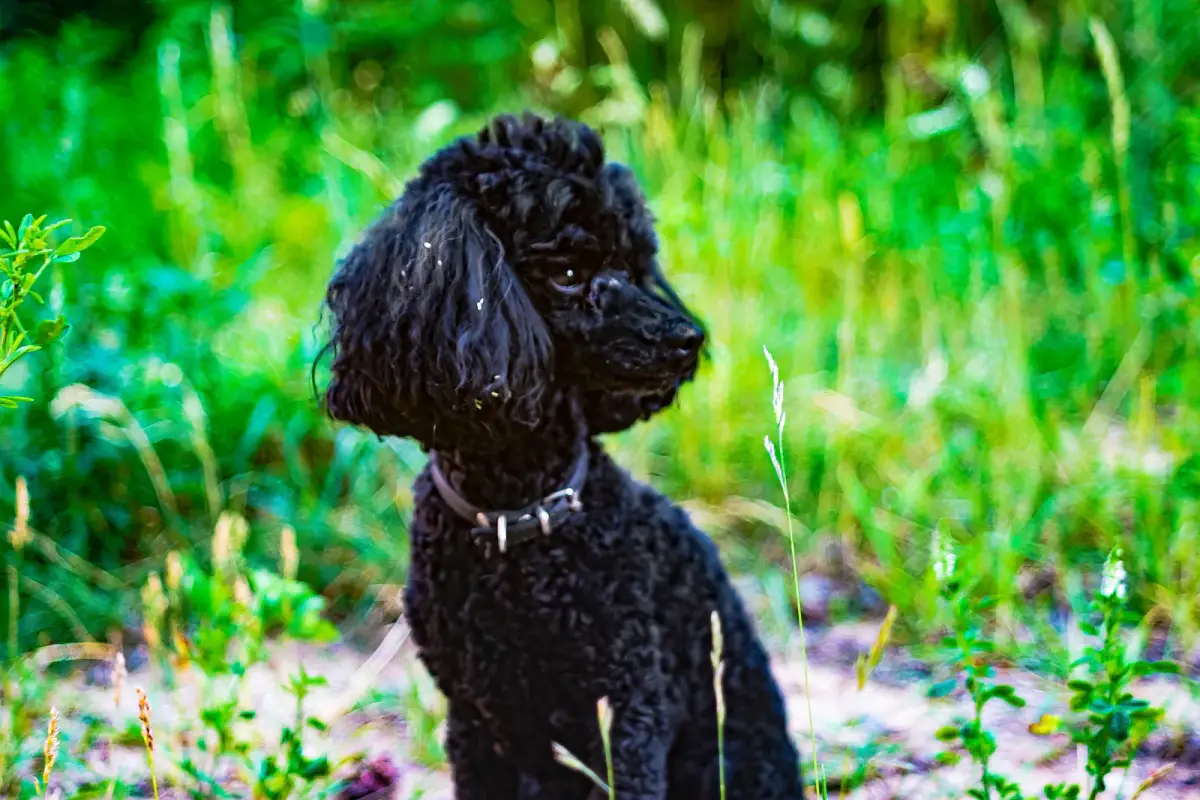
| 2 | France | 65 | 56 | 9 | Poodle, French Bulldog, Brittany, Beauceron |
| 3 | United States | 59 | 57 | 2 | Australian Shepherd, Boston Terrier, Alaskan Malamute, Chesapeake Bay Retriever |
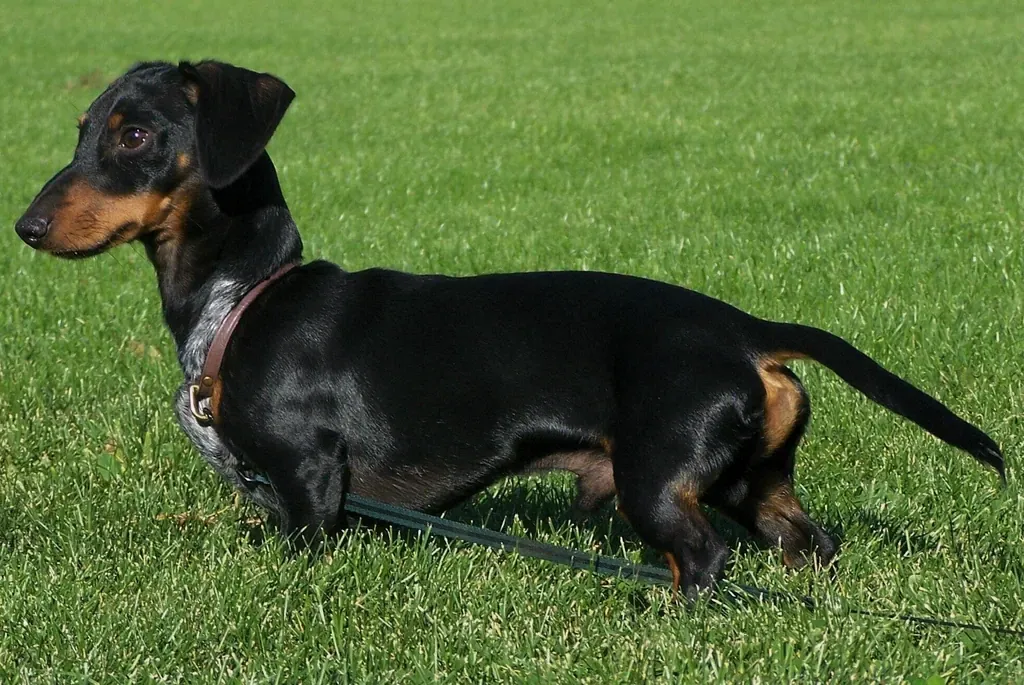
| 4 | Germany | 38 | 35 | 3 | German Shepherd, Dachshund, Rottweiler, Great Dane |
| 5 | Spain | 38 | 36 | 2 | Ibizan Hound, Spanish Mastiff, Galgo Español, Spanish Water Dog |
| 6 | Italy | 24 | 23 | 1 | Cane Corso, Neapolitan Mastiff, Spinone Italiano, Lagotto Romagnolo |
| 7 | Russia | 23 | 21 | 2 | Borzoi, Siberian Husky, Samoyed, Caucasian Shepherd Dog |
| 8 | China | 23 | 22 | 1 | Pug, Pekingese, Shih Tzu, Tibetan Mastiff |
| 9 | India | 18 | 18 | 0 | Indian Pariah Dog, Mudhol Hound, Rajapalayam, Chippiparai |
| 10 | Belgium | 17 | 14 | 3 | Belgian Malinois, Groenendael, Griffon Bruxellois, Schipperke |
| 11 | Switzerland | 14 | 12 | 2 | Bernese Mountain Dog, St. Bernard, Swiss hounds |
| 12 | Australia | 13 | 12 | 1 | Australian Cattle Dog, Australian Kelpie, Dingo, Australian Terrier |
| 13 | Japan | 11 | 11 | 0 | Akita, Shiba Inu, Kai Ken, Japanese Chin |
| 14 | Portugal | 11 | 10 | 1 | Portuguese Water Dog, Estrela Mountain Dog, Portuguese Podengo, Rafeiro do Alentejo |
| 15 | Sweden | 11 | 10 | 1 | Swedish Vallhund, Swedish Lapphund, Jämthund, Drever |
| 16 | Netherlands | 10 | 10 | 0 | Keeshond, Kooikerhondje, Dutch Shepherd, Schapendoes |
| 17 | Turkey | 9 | 9 | 0 | Kangal Shepherd Dog, Akbash, Kars Dog, Aksaray Malaklisi |
| 18 | Brazil | 9 | 9 | 0 | Fila Brasileiro, Brazilian Terrier, Pampas Deerhound, Gaucho Sheepdog |
| 19 | Ireland | 9 | 9 | 0 | Irish Wolfhound, Irish Setter, Kerry Blue Terrier, Irish Water Spaniel |
| 20 | Hungary | 9 | 9 | 0 | Komondor, Vizsla, Puli, Kuvasz |
- United Kingdom 96 breeds, 68 living and 28 extinct
- France 65 breeds
- Germany 38 breeds
- Spain 38 breeds
- Italy 24 breeds
- Russia 23 breeds
- China 23 breeds
- India 18 breeds, all living
- Belgium 17 breeds
- Switzerland 14 breeds
- Japan 11 breeds
- Portugal 11 breeds
- Sweden 11 breeds
- Netherlands 10 breeds
- Turkey 9 breeds
- Ireland 9 breeds
- Hungary 9 breeds
 Save
 Save
 Save
 GuideDogs of Japan: the native breeds and their storiesJapanese dog breeds explained: the six Nihon Ken, the Chin, Tosa, Japanese Spitz and Terrier, Hachiko, wartime near-extinction, DNA and who they suit.GuideDog hybrids: what dogs can and cannot breed withCan dogs breed with wolves, coyotes, jackals or foxes? Wolfdogs, coydogs, the Sulimov dog and Dogxim explained, with chromosomes and DNA studies.
Why some countries made so many breeds
Numbers like 96 or 65 do not appear by accident. Four things show up again and again in the breed files.
 GuideIs your dog suited to therapy work?How to make your dog a therapy dog: temperament checklist, first training steps, how Pet Partners, TDI and Pets As Therapy assess dogs, and welfare limits.
Hunting with packs and estates. Landowners in Britain and France kept packs of hounds, each tuned for a particular quarry, terrain and scent condition. That produced dozens of regional hounds. In the atlas, 35 of France's 65 breeds sit in the scent hound family, and the United Kingdom has 17 scent hounds as well as 29 terriers.
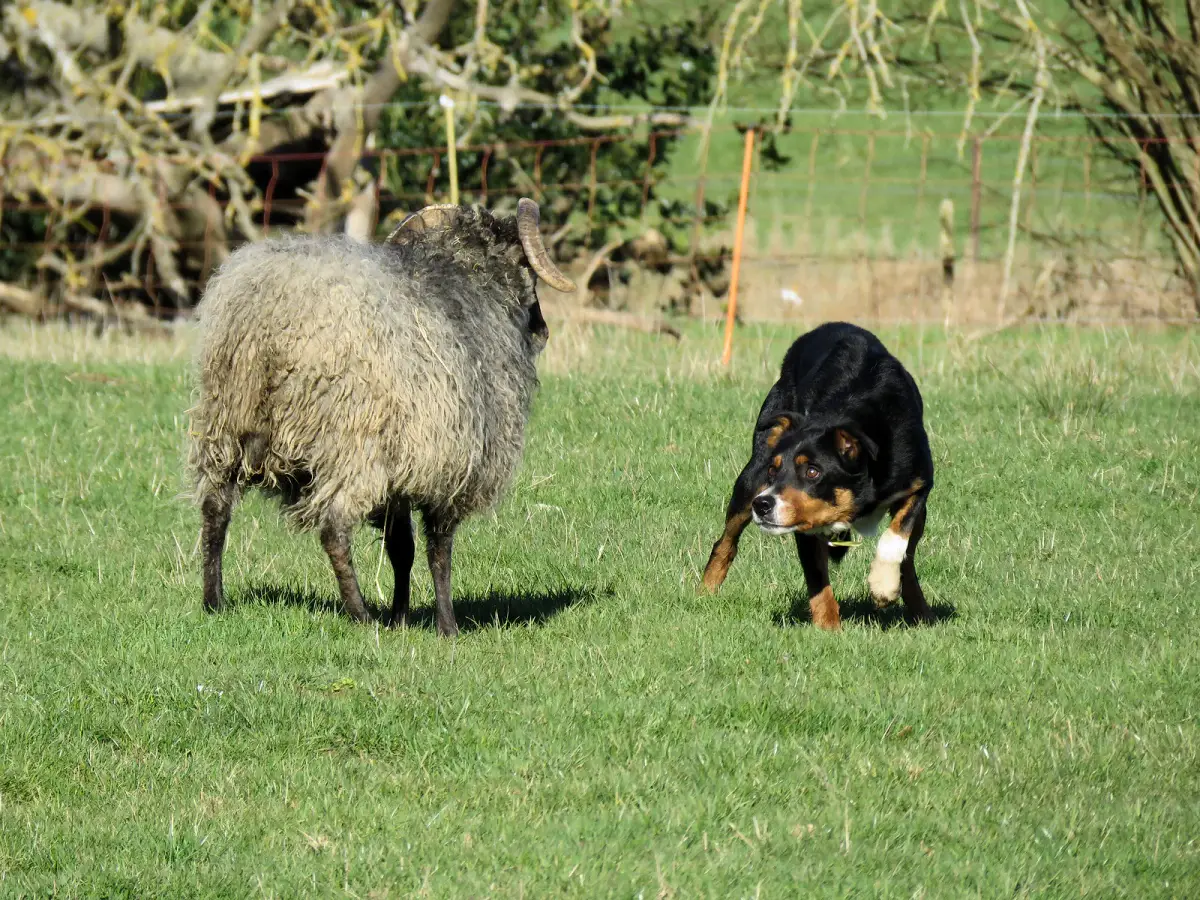
Herding and farming. Hill farms, drove roads and sheep country asked for dogs that worked a specific kind of ground. The UK Rural family (collies, sighthounds and their kin) holds 18 British breeds, and Spain, Portugal and Italy together hold many shepherd and guardian dogs.
Organised dog showing. The Kennel Club in London was founded on 4 April 1873 by S.E. Shirley and twelve others, and it is described as the first national kennel club in the world. It grew out of a show culture that began with a show for pointers and setters in Newcastle in 1859. Once breeds had written standards and stud books, new breeds and varieties could be named, registered and counted. Britain had a head start on that process.
Isolated places. Islands and mountain valleys keep local dogs local. Spain's Canary Islands, Ibiza and Mallorca each have their own breed or type, and Switzerland has six alpine breeds in a small area.
Countries with fewer breeds in the atlas are not necessarily poorer in dogs. Many have village dogs and working types that never entered a studbook, so no breed file exists for them. The atlas counts what has been described and named.
 GuideLivestock guardian dogs: what they do and who they suitWhat livestock guardian dogs do, how they differ from herding dogs, 40 LGD breeds by country, the DNA evidence, and whether they make good pets.GuideIs your dog suited to therapy work?How to make your dog a therapy dog: temperament checklist, first training steps, how Pet Partners, TDI and Pets As Therapy assess dogs, and welfare limits.
British dog breeds
The United Kingdom leads the atlas with 96 breeds. Within that, the breed files name England most often (43 are tagged simply "England", with dozens more tagged to English counties and cities), then Scotland (8 tagged plainly, with more tagged to the Highlands, the Borders and islands) and Wales (7).
 GuideMy Dog Keeps Licking His Paws: Causes and What HelpsDog licking paws all the time: allergies, parasites, injury, yeast and boredom.
Families. The British list is dominated by terriers (29 breeds), UK Rural dogs (18), scent hounds (17), spaniels (10) and European mastiffs (9), with a few retrievers, pointers and poodles. See Terriers, UK Rural dogs, Scent hounds, Spaniels and European mastiffs.
Famous British breeds.
- England: Labrador Retriever, Beagle, Bulldog, Greyhound, Whippet, English Springer Spaniel, Staffordshire Bull Terrier and Yorkshire Terrier.
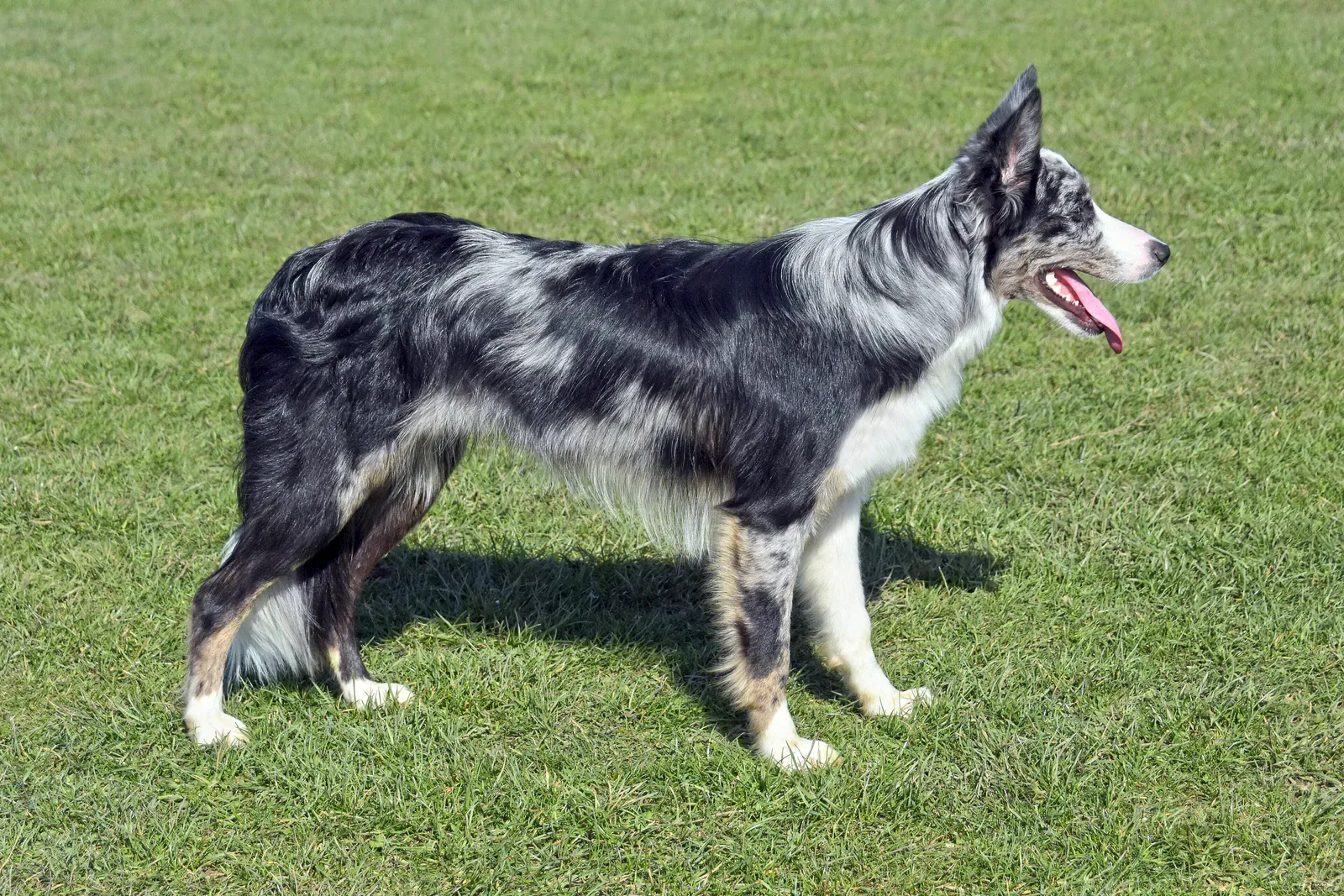
- Scotland: Golden Retriever (Scottish Highlands), West Highland White Terrier (Argyll), Shetland Sheepdog and Border Collie (the Anglo-Scottish border).
- Wales: Pembroke Welsh Corgi, from Pembrokeshire.
The oldest dated British breed in the atlas is the Greyhound, placed at about 800 CE. Next come extinct Welsh and English types such as the Rache and the Welsh Gellgi (about 900 CE), the Talbot and the Welsh Hillman (about 1000 CE).
Interesting facts. About one in three British breeds in the atlas is extinct (28 of 96), the highest extinct count of any country. Many were scent hounds and farm dogs replaced by newer, more uniform breeds as showing took off in the second half of the nineteenth century. Also notable: 42 of the 96 British breeds were included in the 2017 DNA study by Parker and colleagues, so Britain's family placement rests on unusually strong genetic data.
 Save
 GuideBest dog breeds for familiesBest dog breeds for families, small homes, allergies, first-time owners and seniors, ranked from our breed ratings, with honest limits and a table.GuideMy Dog Keeps Licking His Paws: Causes and What HelpsDog licking paws all the time: allergies, parasites, injury, yeast and boredom.
Irish dog breeds
Ireland has 9 breeds in the atlas, all living: Irish Wolfhound, Irish Setter, Irish Red and White Setter, Irish Water Spaniel, Irish Terrier, Kerry Blue Terrier, Soft-coated Wheaten Terrier, Glen of Imaal Terrier and Kerry Beagle. Four are terriers; the rest are setters, a water spaniel, a retriever type and a scent hound.
 GuideHow to calm a reactive dogHow to calm a reactive dog: why dogs bark and lunge, what to do in the moment, a step-by-step training plan, what to avoid and when to get help.
The headline breed is the Irish Wolfhound, placed in the atlas at about 100 BCE, which makes it the oldest dated Irish breed by a wide margin. The next oldest, the Kerry Beagle, is placed about 1500, with the Glen of Imaal Terrier, Irish Red and White Setter and Irish Water Spaniel at about 1600. Our data puts Irish breeds across the terrier, pointer and setter, retriever, UK Rural and scent hound families.
Seven of the nine Irish breeds were covered by the 2017 DNA study. The Irish Wolfhound is often called Ireland's national dog, but no official designation exists that we can cite, so treat that as an informal title.
If you are searching for Irish dog breeds because you want a dog for a home with a garden and a love of the outdoors, the terriers are lively and the setters need a great deal of running. Our Irish Wolfhound page covers the giant of the group.
 ArticleDog Breed Family Tree: How All Dog Breeds Are RelatedThe dog breed family tree from Ice Age wolves to 29 breed families.GuideHow to calm a reactive dogHow to calm a reactive dog: why dogs bark and lunge, what to do in the moment, a step-by-step training plan, what to avoid and when to get help.
French dog breeds
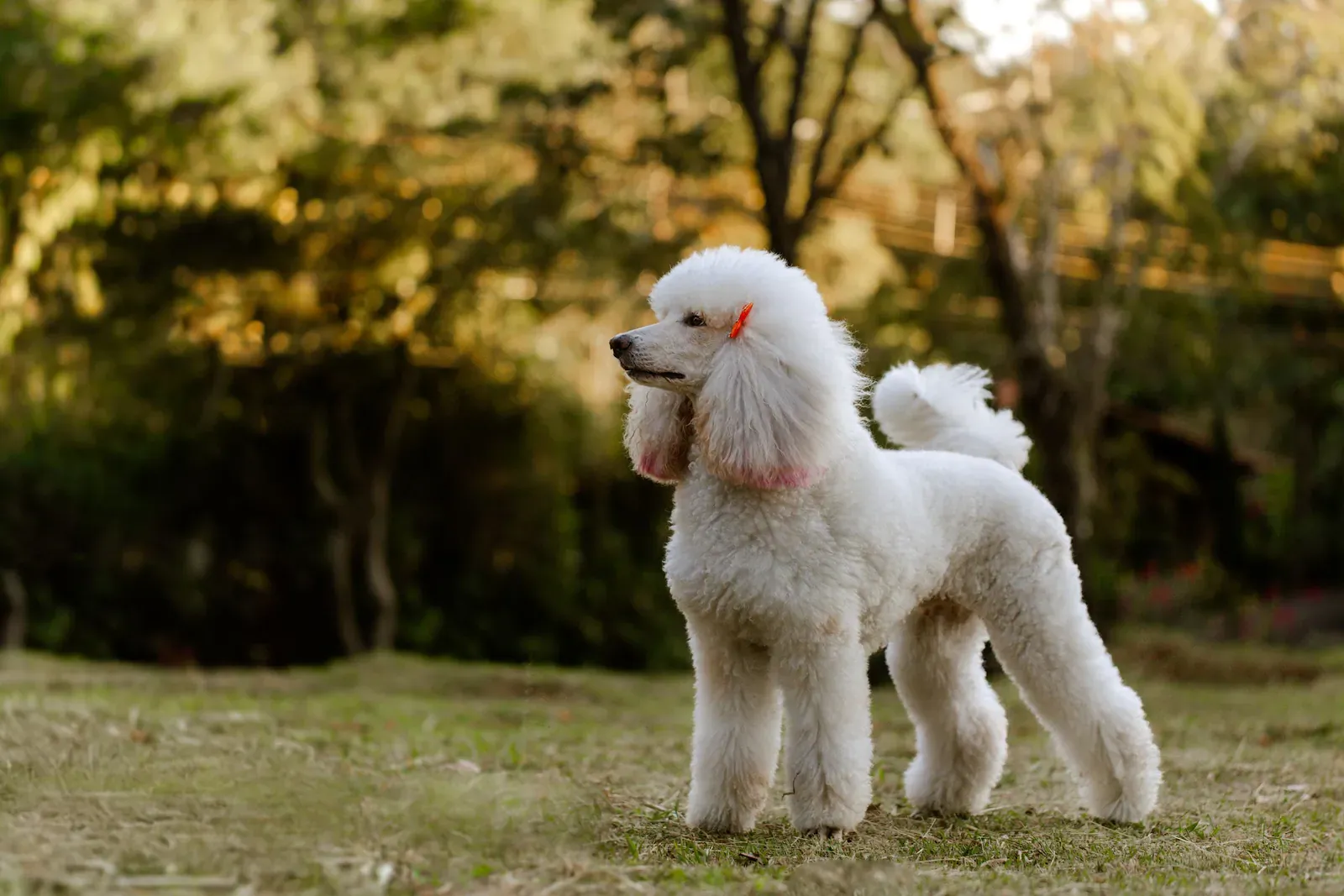
France is second in the atlas with 65 breeds: 56 living and 9 extinct. It is the clearest example of what hunting culture does to breed counts. Of the 65, 35 are scent hounds (the many "Grand", "Petit", "Basset" and "Briquet" hounds named for their regions), 9 are pointers and setters, 6 are continental herders, 5 are spaniels and 4 are poodles.
 GuideDog Pregnancy: Length, Signs and Week by WeekHow long dogs are pregnant, signs of pregnancy, a week by week table, giving birth, false pregnancy and when to call a vet.
Famous French breeds. Poodle, French Bulldog, Brittany, Pyrenean Mountain Dog, Bichon Frisé (also claimed by Belgium in our data), Beauceron, Briard, Bloodhound and Dogue de Bordeaux.
The oldest French entries are the Pyrenean Mountain Dog, placed at about 1000 BCE in the atlas, and two extinct hounds from the Roman era, the Vertragus (a sighthound, about 300 BCE) and the Segusius (a scent hound, about 200 BCE). The Bloodhound and the Norman Hound follow at about 1000 CE.
Notice that a French hunter who wanted a dog for a specific forest, game animal or pack size could name a new hound after the province. That is why the scent hound family outnumbers every other French family by a wide margin. See our scent hound family page for how these hounds fit together.
Only 13 of the 65 French breeds were in the 2017 DNA study. The rest are placed by ancestry records and type.
 Save
 GuideHow to Groom a Dog: Brushing, Baths, Nails and CoatsHow to groom a dog at home: coat types, brushing, how often to bathe, cutting nails, ears, teeth, shedding, matting and whether to shave a double coat.GuideDog Pregnancy: Length, Signs and Week by WeekHow long dogs are pregnant, signs of pregnancy, a week by week table, giving birth, false pregnancy and when to call a vet.
German dog breeds
Germany has 38 breeds in the atlas: 35 living and 3 extinct. Its profile is different from France and Britain. Pointers and setters lead (7), followed by scent hounds (6), and then pinschers, terriers, European mastiffs, drover dogs, small spitz and spaniels (3 each), plus schnauzers (2).
 GuideDogs in science and spaceSpace dogs Laika, Belka and Strelka, Pavlov's dogs, Snuppy the clone, the dog genome and scent detection: what dogs did for science, and what it cost them.
Famous German breeds. German Shepherd, Dachshund, Dobermann, Boxer, Great Dane, Rottweiler, Weimaraner, German Shorthaired Pointer, Miniature Schnauzer and Pomeranian.
The atlas places the Rottweiler at about 100 CE, the oldest German breed on our list. After it come the Hovawart (about 1200), the extinct Bullenbeisser (about 1300), the German Spitz and the Standard Schnauzer (both about 1400).
Half of Germany's list is the result of the same instinct that built the Kennel Club in Britain: standardising dogs by purpose. German hunting breeds in particular were bred for versatility, tracking, pointing and retrieving in one dog. We have a full breed page for the German Shepherd, the best-known German breed of all.
18 of the 38 German breeds were tested in the 2017 DNA study, so their family placement is unusually well supported.
 GuideDog Clothes: When Dogs Need Coats, and a Short History of Dog FashionDo dogs need coats in winter? When clothes help, when costumes stress a dog, safe fit, reflective gear, and a short history of dog fashion and dog art.GuideDogs in science and spaceSpace dogs Laika, Belka and Strelka, Pavlov's dogs, Snuppy the clone, the dog genome and scent detection: what dogs did for science, and what it cost them.
Italian dog breeds
Italy has 24 breeds in the atlas, of which 23 are living. Families: Mediterranean (5), European mastiff (4), scent hound (4), continental herder (3), poodle (2), pointer and setter (2), and one each from other families.
 GuideHow to socialize a puppy or adult dogHow to socialize a puppy or adult dog: the sensitive period, a week-by-week puppy plan, rescue dogs, safe exposure before vaccines, mistakes and a checklist.
Famous Italian breeds. Cane Corso, Neapolitan Mastiff, Spinone Italiano, Bracco Italiano, Lagotto Romagnolo, Maremmano-Abruzzese Sheepdog, Italian Greyhound and Bolognese.
The two oldest dated Italian breeds are the Cirneco dell'Etna and the Italian Greyhound, both placed at about 500 BCE in the atlas. The Cane Corso is placed at about 1000 CE. Italy also has an extinct Roman-era breed on file, the Canis Pugnax (about 50 BCE), which fits the country's role as home of the Roman "molossus" type of large guardian and war dog.
Italian shepherd dogs, such as the Maremmano-Abruzzese, belong to the same broad livestock guardian pattern you find from Portugal to Turkey. You can read about that in our guide to livestock guardian dogs.
Italian dog breeds are a good illustration of how counts can mislead: Italy has far fewer breeds than the United Kingdom in the atlas, but a larger share of them are very old working types.
 GuideBanned and restricted dog breeds by countryWhich dog breeds are banned or restricted, country by country: UK, Ireland, France, Germany, Denmark, Norway, Spain, Australia and more.GuideHow to socialize a puppy or adult dogHow to socialize a puppy or adult dog: the sensitive period, a week-by-week puppy plan, rescue dogs, safe exposure before vaccines, mistakes and a checklist.
Spanish and Portuguese dog breeds
Spain and Portugal together hold 49 breeds in the atlas (Spain 38, Portugal 11), which would put the Iberian Peninsula comfortably in the top three if it were one country.
 GuideAdvanced dog trainingAdvanced dog training explained: the 3 Ds, proofing, off-lead recall, formal heel, distance stays, impulse control, tricks, scent work, dog sports and Good Citizen schemes.
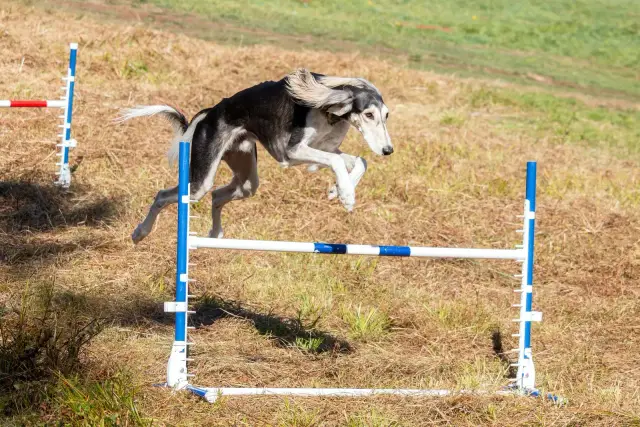
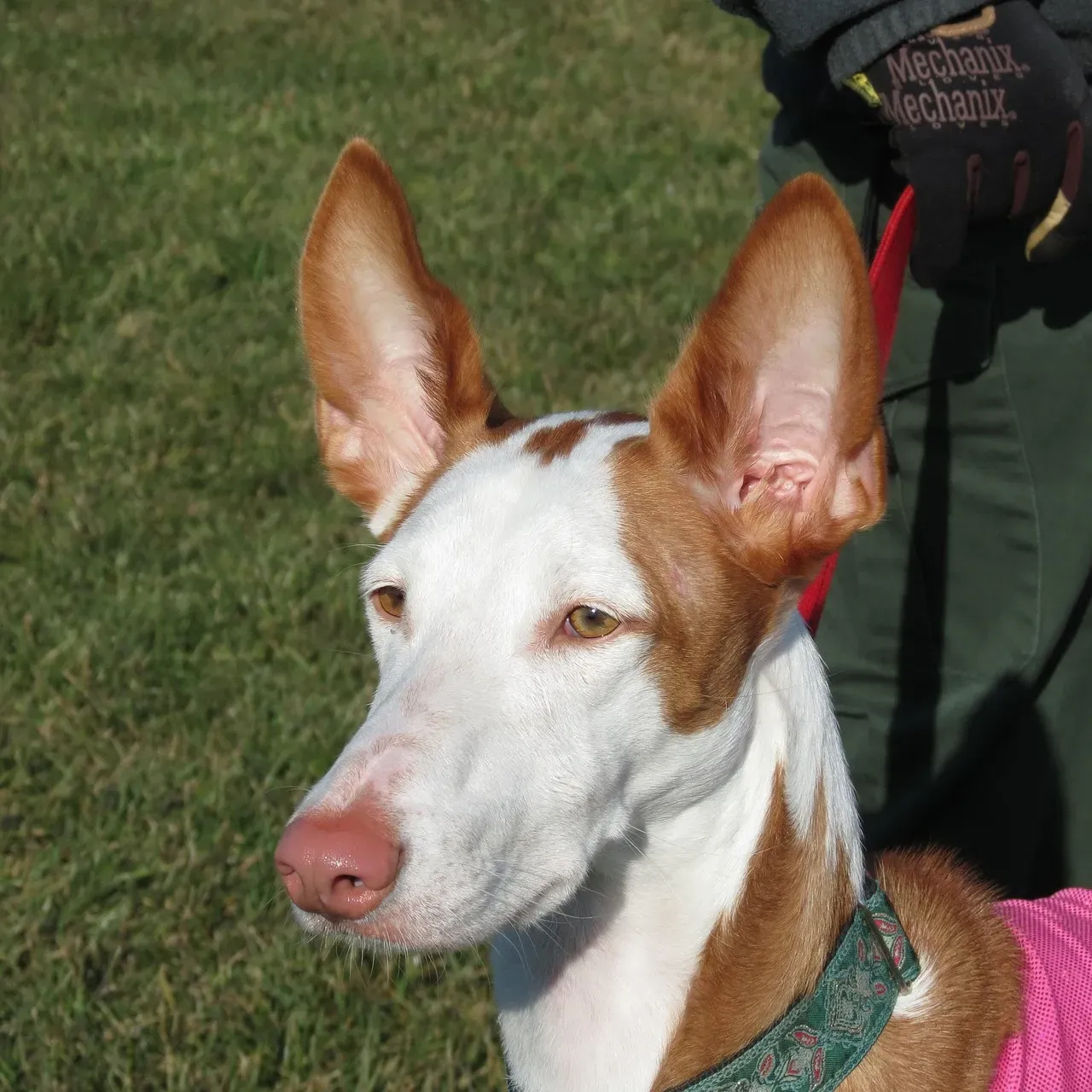
Spain. 36 living and 2 extinct. Families: continental herder (7), Mediterranean (7), European mastiff (5), pointer and setter (5), terrier (4), scent hound (3). Famous examples: Ibizan Hound, Spanish Mastiff, Pyrenean Mastiff, Galgo Español, Spanish Water Dog, Presa Canario and the Podencos of Andalusia, Valencia and the Canary Islands.
The oldest Spanish breeds in the atlas are the Ibizan Hound and the Andalusian, Canary and Valencian Podencos, all placed about 500 BCE. The Galgo Español follows at about 500 CE. Islands matter here: the Canary Islands, Ibiza, Mallorca and El Hierro each have local dogs. Only 1 of Spain's 38 breeds appears in the 2017 DNA study, so most Spanish breeds are placed by type and history rather than by genome.
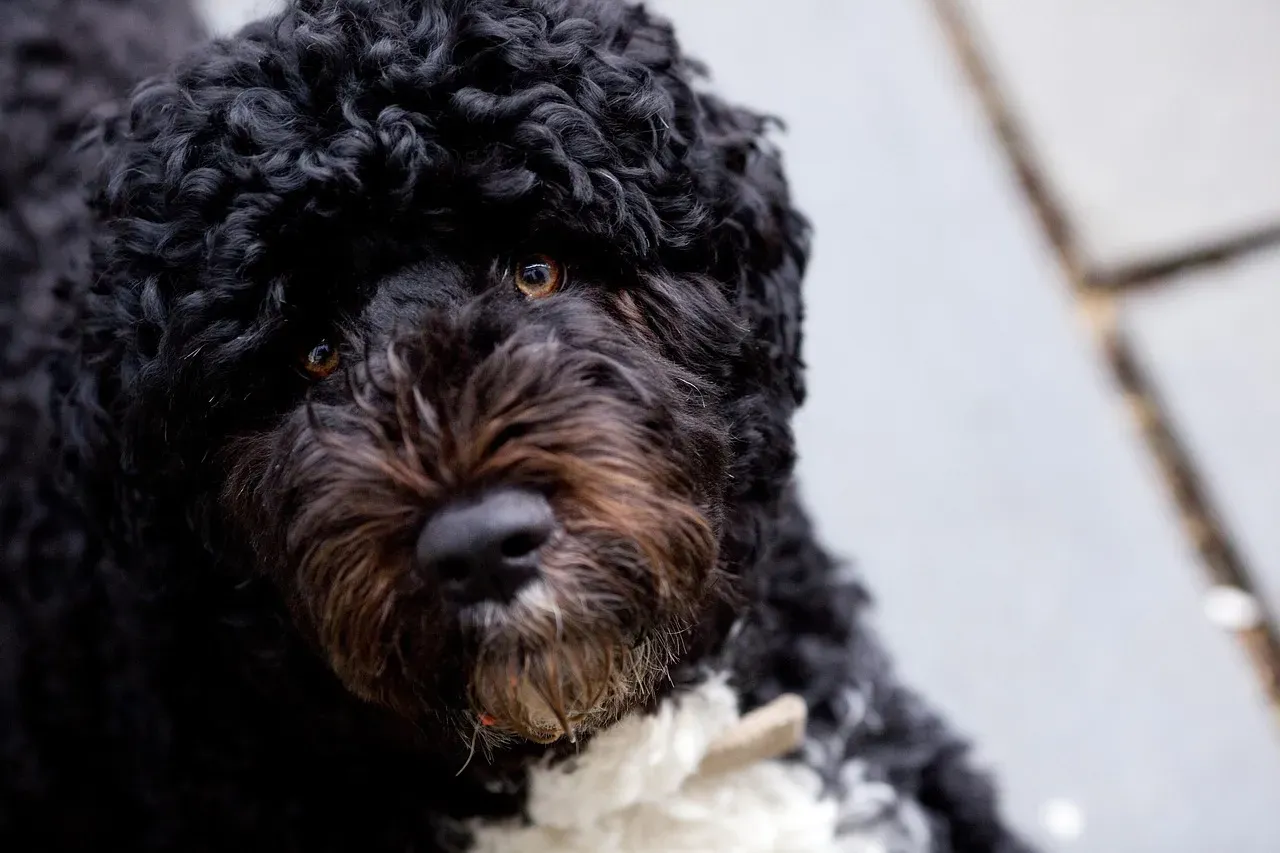
Portugal. 10 living and 1 extinct. Families: Mediterranean (5), continental herder (2), European mastiff (2), pointer and setter (1), poodle (1). Famous examples: Portuguese Water Dog, Estrela Mountain Dog, Portuguese Podengo, Rafeiro do Alentejo, Castro Laboreiro Dog and Portuguese Pointer. The Portuguese Podengo is the oldest at about 1000 BCE in the atlas.
Together the two countries show a pattern: sighthound and guardian types shaped by open country, with many local variants. See Mediterranean breeds and continental herders.
 Save
 Save
 GuideWinter Care for Dogs: Cold, Paws, Antifreeze and IceWinter care for dogs: how cold is too cold, coats, salt and antifreeze, hypothermia, frostbite, frozen ponds, dark walks and holiday hazards.GuideAdvanced dog trainingAdvanced dog training explained: the 3 Ds, proofing, off-lead recall, formal heel, distance stays, impulse control, tricks, scent work, dog sports and Good Citizen schemes.
Belgium, the Netherlands and Switzerland
Three small countries make the top 16.
 GuideHow to Find a Good Dog Groomer: Questions and SignsHow to find a good dog groomer: qualifications, questions to ask, signs of good and poor care, sedation, dryers, mobile groomers and what to check after.
Belgium (17 breeds). Seven are continental herders and five are toy spitz and griffon types. The most famous Belgian breeds are the Belgian Malinois, Groenendael, Tervuren, Laekenois, Griffon Bruxellois and Schipperke. The Belgian Shepherd's four coat varieties show how a single herding dog type can be split into separate breeds.
Switzerland (14 breeds). Six belong to the alpine family, including the Bernese Mountain Dog and St. Bernard. Four are scent hounds, the Swiss hounds from the Jura and the Bernese region. The St. Bernard is placed in the atlas at about 1650.
Netherlands (10 breeds). Spaniel types lead (3), with continental herders and poodle types (2 each). Examples: Keeshond, Kooikerhondje, Dutch Shepherd, Schapendoes and Stabyhoun.
 GuideDog Grooming Competitions and Show Standards ExplainedHow breed standards shape dog grooming, from hand-stripped terriers to Poodle show clips, and how grooming competitions and creative grooming work.GuideHow to Find a Good Dog Groomer: Questions and SignsHow to find a good dog groomer: qualifications, questions to ask, signs of good and poor care, sedation, dryers, mobile groomers and what to check after.
Hungarian dog breeds
Hungary has 9 breeds in the atlas, all living, and it is one of the most distinctive small collections. Three belong to a family of their own, the Hungarian family, and the rest are Mediterranean-type guardians, pointers and setters, and hounds.
 GuideDog training basicsDog training basics: how dogs learn, what you need, and step-by-step lessons for name, sit, down, stay, recall, loose lead walking, leave it, drop it and settle, plus a 4-week plan.
Famous Hungarian breeds. Komondor, Vizsla, Puli, Kuvasz, Pumi, Mudi, Magyar Agár (a sighthound) and Transylvanian Hound.
The oldest in the atlas are the Kuvasz, the Magyar Agár and the Puli, all placed about 900 CE, followed by the Transylvanian Hound (about 1000) and the Komondor (about 1200).
Hungary is one of the few countries with a formal national-treasure list that includes dogs. In March 2017 the Hungarian Hungaricum Committee added nine Hungarian dog breeds to the Hungaricum list, according to Hungary Today. The Komondor is described as declared a national treasure to be protected from modification. Sources differ on which nine breeds the list names, so the Komondor is the only breed stated here.
Hungarian herding breeds share a working style: the Komondor guarded the flock at night while the Puli herded by day, a pairing described in Hungarian tourism writing. See our guide to livestock guardian dogs for more on the guardian side.
 ArticleThe first known dog on every continentEarliest accepted dog on each continent, from Bonn-Oberkassel to the dingo: dates, sites, how dogs arrived and which breeds carry those first dogs.GuideDog training basicsDog training basics: how dogs learn, what you need, and step-by-step lessons for name, sit, down, stay, recall, loose lead walking, leave it, drop it and settle, plus a 4-week plan.
Russian dog breeds
Russia has 23 breeds in the atlas: 21 living and 2 extinct. The family profile is simple and striking: 9 belong to the Asian spitz family, which holds the laikas and sled dogs, and 3 to the UK Rural family, which includes the Borzoi.
 GuideHow to get an assistance dogHow to get a service dog or assistance dog in the USA, UK, Germany, France, Spain, Italy and the Netherlands: accredited schools, waits, owner-training and travel.
Famous Russian breeds. Borzoi, Siberian Husky, Samoyed, Caucasian Shepherd Dog, Black Russian Terrier, and the laikas (East Siberian, West Siberian, Russo-European, Karelo-Finnish and others).
The oldest Russian dogs in the atlas are the Chukotka Sled Dog, the East Siberian Laika, the Kamchatka Sled Dog and the Nenets Herding Laika, all placed at about 1000 BCE. The Caucasian Shepherd Dog follows at about 500 BCE. These are working dogs from the far north and east of the country, with a history tied to reindeer herding, hunting and sled travel.
Russia is huge, spanning northern forest and tundra, steppe and the Caucasus. That variety gave it very different dog types: laikas for hunting in forest, sighthounds for open ground, and guardians for the mountains. Only 4 of the 23 Russian breeds were in the 2017 DNA study, so the rest of the family placement comes from regional records.
 GuideMy Dog Has Bad Breath: Causes and What to DoDog breath smells? Gum disease is the usual cause, but sweet or ammonia smells can mean illness.GuideHow to get an assistance dogHow to get a service dog or assistance dog in the USA, UK, Germany, France, Spain, Italy and the Netherlands: accredited schools, waits, owner-training and travel.
Turkish dog breeds
Turkey has 9 breeds in the atlas, all living. Five are Mediterranean-family guardians and three are small spitz types. The best known is the Kangal Shepherd Dog, named for the Kangal district in Sivas. The others on our list are the Akbash, Kars Dog, Aksaray Malaklisi, Rize Koyun, Tonya Finosu, Tarsus Çatalburun, Dikkulak and Zerdava. The Akbash, Aksaray Malaklisi, Kangal, Kars Dog and Rize Koyun are all placed at about 1000 CE.
 GuideService, therapy and emotional support dogs: what's the difference?Service dog vs emotional support dog vs therapy dog: the real differences, your rights in the USA and Europe, and why online certificates mean nothing.
An AP-syndicated photo caption describes Turkey as considering the Kangal its national dog, but there is no formal legal designation, so it is an informal national symbol. One report says that the Turkish government funds efforts to protect the breed, and that exporting one needs a permit.
Turkey is also home to a story about conservation: Kangals are used on farms in Namibia to protect livestock so that farmers have less reason to kill cheetahs. See livestock guardian dogs for the evidence.
 GuideMy Dog Keeps Shaking His Head: Ear Infection GuideDog shaking head, scratching ears or smelly ears? Ear infection signs, causes, ear haematoma, emergency signs, what to do and what to avoid.GuideService, therapy and emotional support dogs: what's the difference?Service dog vs emotional support dog vs therapy dog: the real differences, your rights in the USA and Europe, and why online certificates mean nothing.
Japanese dog breeds
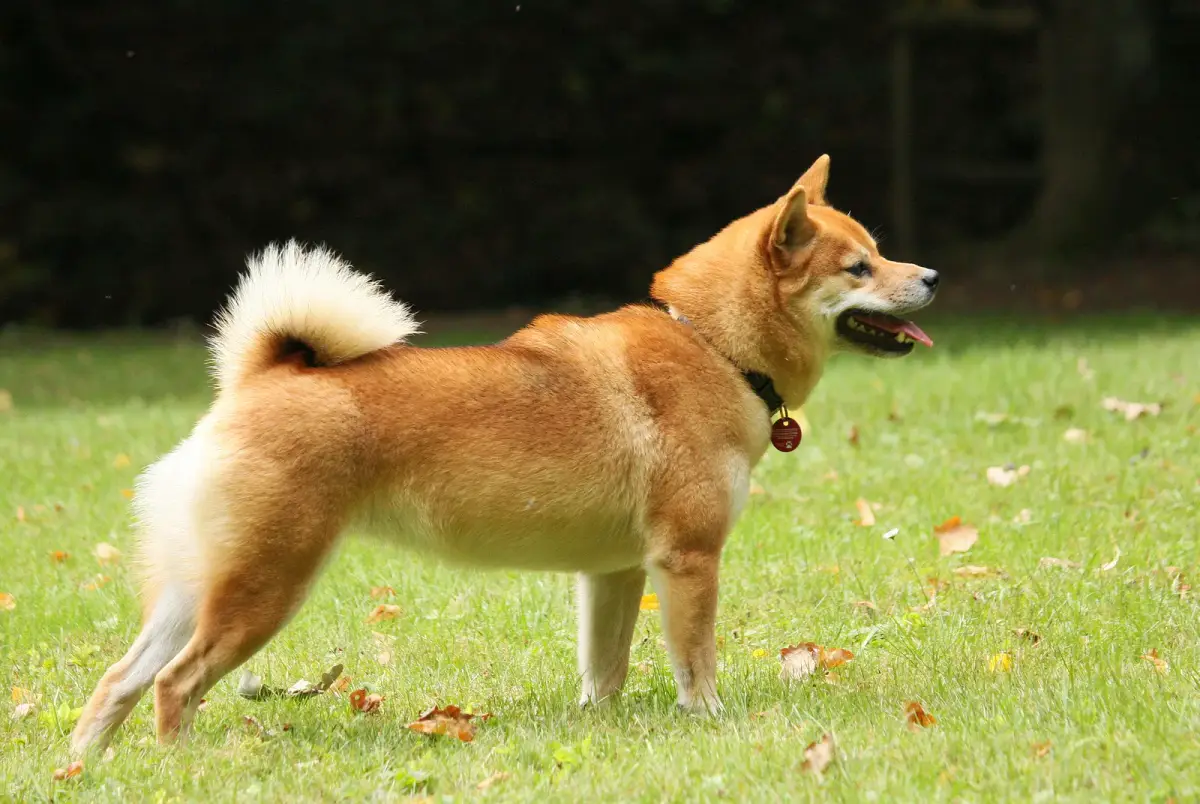
Japan has 11 breeds in the atlas, all living. Seven are in the Asian spitz family, with one each from the Asian toy, small spitz, terrier and European mastiff families (the Tosa).
 GuideMy Dog Is Lethargic: Causes and When to Call a VetDog tired, weak or not himself? Normal tiredness vs lethargy, emergency signs, common causes, what to note for the vet and what to avoid.
Famous Japanese breeds. Akita, Shiba Inu, Shikoku, Kai Ken, Kishu, Hokkaido, Ryukyu, Japanese Spitz, Japanese Chin, Japanese Terrier and Tosa.
The Shiba Inu and Shikoku are placed at about 300 BCE, the oldest in the atlas. The Japanese Chin follows at about 700 CE, and the Kai Ken and Kishu at about 1000 CE.
Japan treats native dogs as heritage. The Akita was declared a natural monument in 1931, according to published sources. That is a formal designation, but it is not the same as "national dog", and no source gives the Akita that exact title. The Akita Inu Hozonkai was set up to protect the breed, and during the Second World War the breed came close to extinction because many were killed for food or pelts.
Japanese dog breeds are a clean case of a family staying together. Seven of the eleven sit in one family and look alike: pricked ears, curled tails, dense double coats. Compare that with the United Kingdom, where the breeds of one country spread across five or more families.
 Save
 GuideDogs in Legends and Fairy TalesDogs in folklore and fairy tales: Black Shuck, The Tinderbox, Saint Guinefort, Panhu, Greyfriars Bobby, Barry and Old Drum, with legend and history kept apart.GuideMy Dog Is Lethargic: Causes and When to Call a VetDog tired, weak or not himself? Normal tiredness vs lethargy, emergency signs, common causes, what to note for the vet and what to avoid.
Chinese dog breeds
China has 23 breeds in the atlas: 22 living and 1 extinct. The families are spread evenly: Asian spitz (6), Asian toy (6), pariah and village dogs (5), continental herders (2), and one each from the American toy, scent hound, toy spitz and Mediterranean families.
 GuideMy Dog Injured His Paw: First Aid and When to See a VetDog paw injury: cut pads, torn nails, grass seeds, hot pavement burns and limping.
Famous Chinese breeds. Pug, Pekingese, Shih Tzu, Chow Chow, Tibetan Mastiff, Shar Pei, Lhasa Apso, Tibetan Terrier, Tibetan Spaniel and Chinese Crested Dog.
Note that in the atlas the Tibetan breeds are filed under China, which is a modern political choice and not a statement about Tibetan culture. The Tibetan Mastiff is placed at about 1000 BCE, the extinct Lo-sze at about 400 BCE, the Pug at about 400 BCE and the Chow Chow at about 200 BCE.
China's list is a mix of palace toy dogs, mountain guardians and village dogs. The Pug, Pekingese and Shih Tzu come from the court tradition of small companion dogs, and the 11 breeds with DNA data show how closely Chinese breeds sit to the oldest layers of the dog family tree. See Asian toy dogs and pariah and village dogs.
 GuideMy Dog's Eye Is Red: Causes and When to See a VetRed, weepy or squinting dog eye? Emergency signs, common causes like conjunctivitis and ulcers, what to do at home, what to avoid, and when to see a vet.GuideMy Dog Injured His Paw: First Aid and When to See a VetDog paw injury: cut pads, torn nails, grass seeds, hot pavement burns and limping.
India and other strong countries
India sits ninth in the atlas with 18 breeds, all living. Eleven are in the Mediterranean family and four in the European mastiff family. The Indian Pariah Dog is dated at about 10,000 BCE, the oldest entry of any country. Other well-known Indian breeds include the Mudhol Hound, Rajapalayam, Chippiparai, Kombai and Rampur Greyhound. None of the 18 were in the 2017 DNA study, so India is probably underrepresented in the family tree compared with its real diversity.
 GuideMy Dog Is Vomiting: Causes and What to DoDog throwing up? Vomiting vs regurgitation, emergency signs like bloat, common causes, safe home care, what not to do, and when to see a vet.
Other countries worth noting from the data: Sweden (11, with 5 Nordic spitz and 4 scent hounds), Brazil (9, with the Fila Brasileiro), Canada (8, including the Newfoundland, Nova Scotia Duck Tolling Retriever and Canadian Eskimo Dog), and Croatia (8, home to the Dalmatian).
 GuideHow to adopt a dog from a shelter or rescueHow to adopt a dog from a shelter or rescue: the process, costs in general terms, choosing a dog, the first weeks and what if it does not work out.GuideMy Dog Is Vomiting: Causes and What to DoDog throwing up? Vomiting vs regurgitation, emergency signs like bloat, common causes, safe home care, what not to do, and when to see a vet.
American dog breeds
The United States has 59 breeds in the atlas, 57 living and 2 extinct, which makes it the third largest by count. What sets it apart is the number of recent breeds and crossbreeds. Twelve American breeds are in the American cur and feist family (small hunting dogs of the rural South), 8 are scent hounds, 7 are European mastiff types, 6 are modern crossbreeds and 5 are UK Rural types, with others spread across the American terrier, spaniel and other families.
 GuideCan dogs eat this? Safe and toxic foods A to ZCan dogs eat apples, bananas, eggs, cheese or peanut butter? An A to Z list of safe, careful and toxic foods for dogs, with what to do in an emergency.
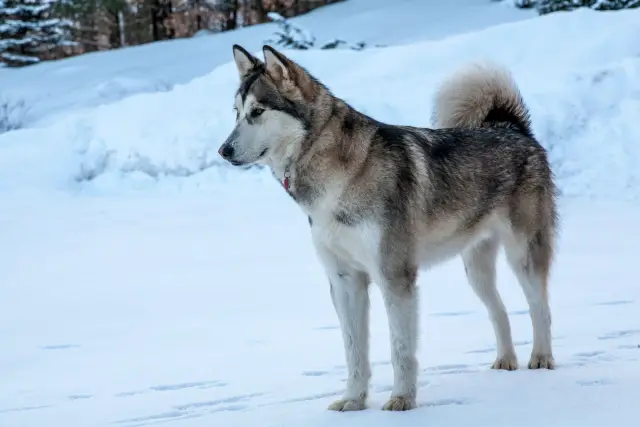
Famous American breeds. Australian Shepherd (despite its name, it was developed in the United States), Boston Terrier, Alaskan Malamute, American Pit Bull Terrier, American Bully, Chesapeake Bay Retriever, Catahoula Leopard Dog, American Cocker Spaniel and Plott Hound.
The oldest American entries are the Alaskan Malamute and the Carolina Dog, both placed about 1000 BCE, along with the extinct Polynesian Dog. The American Foxhound follows at about 1650. Most American breeds are much younger than those of Europe or Asia.
The 6 modern crossbreeds in the atlas (such as the Goldendoodle, Cockapoo and Cavapoo) are counted as breeds by us because they have a stable name and a documented origin, though no major kennel club recognises them. See our dog hybrids guide for more on that.
American states have official dogs too. Maryland named the Chesapeake Bay Retriever its state dog in 1964, the first state to name a dog breed as a state symbol. Pennsylvania followed in 1965 with the Great Dane, which was chosen because early settlers brought it as a working dog and not because it was bred there. Massachusetts named the Boston Terrier its state dog in 1979.
 Save
 GuideWhy does my dog do that? 15 common behavioursWhy does my dog lick me, stare, eat grass, spin, sigh or roll in smelly things? 15 everyday dog behaviours explained, with when to ask a vet.GuideCan dogs eat this? Safe and toxic foods A to ZCan dogs eat apples, bananas, eggs, cheese or peanut butter? An A to Z list of safe, careful and toxic foods for dogs, with what to do in an emergency.
Dog breeds from Mexico
Mexico has only 4 breeds in the atlas, but they carry an outsized place in dog history: the Xoloitzcuintle (Mexican hairless dog), the Chihuahua, the extinct Techichi and the Calupoh, a Mexican wolfdog from the 1990s. They sit in the new world family (2), the American toy family (1) and the wolfdog and hybrid family (1).
 GuideBorder Collie behaviour problems and how to train themBorder Collie behaviour and training: why they nip, chase, fixate and fear noise, what to do about each, and a weekly plan for owners.
The Xoloitzcuintle is placed at about 1000 BCE. The extinct Techichi, about 800 CE, is often named as an ancestor of the Chihuahua, which in its modern form is dated at about 1850. The Calupoh, placed in 1994, is the youngest.
A report says Mexico's Chamber of Deputies voted 433 to 0, with 4 abstentions, to set 27 October as a national Xoloitzcuintle day, and sent the proposal to the Senate. No report confirms Senate approval, so the Xolo's status is an informal national dog, not a legal one.
 GuideMy Dog Is Coughing: Causes and When to See a VetDog coughing, honking or hacking? Emergency signs, kennel cough, collapsing trachea, heart cough, what to do at home and when to see a vet.GuideBorder Collie behaviour problems and how to train themBorder Collie behaviour and training: why they nip, chase, fixate and fear noise, what to do about each, and a weekly plan for owners.
Australian dog breeds
Australia has 13 breeds in the atlas, 12 living and 1 extinct. Five are in the UK Rural family (the herding types built from British dogs), four are terriers, two are modern crossbreeds, one is a European mastiff type and one is the Dingo and Pacific family.
 GuideTicks and fleas on dogs: how to check, remove and prevent themTicks and fleas on dogs: how to tell them apart, check your dog, remove a tick safely, break the flea life cycle and prevent both.
Famous Australian breeds. Australian Cattle Dog, Australian Kelpie, Koolie, Australian Terrier, Australian Silky Terrier, Australian Stumpy Tail Cattle Dog, Tenterfield Terrier and the Labradoodle.
The Dingo is the oldest entry, placed at about 3000 BCE. Most Australian breeds are from the nineteenth century onward: the Koolie (about 1800), the Australian Terrier (about 1820) and the Stumpy Tail Cattle Dog (about 1830). Australian breeds show how British farming dogs adapted to heat, distance and cattle country. The Halls Heeler, which is extinct, was an early cattle dog from the 1830s.
 GuideDogs in myth around the worldFrom Anubis and Cerberus to Fenrir, Xolotl and the Tiangou: how cultures across the world imagined dogs as guardians, guides and monsters.GuideTicks and fleas on dogs: how to check, remove and prevent themTicks and fleas on dogs: how to tell them apart, check your dog, remove a tick safely, break the flea life cycle and prevent both.
National dogs: official and informal
"National dog of each country" is a popular search, but very few countries have an official national dog. These are listed by how formal the claim is.
 GuideDog Heat Cycle: Signs, Stages and How Long It LastsHow long dogs bleed in heat, when the first heat comes, the four cycle stages, signs, caring for her, and how males react.
Official or legal.
- Finland: the Finnish Spitz was declared Finland's national dog in 1979, at the Finnish Kennel Club's 90th anniversary show.
- Peru: the Peruvian Hairless Dog was declared part of the national heritage and recognised as native to Peru under Law 27537, usually dated 2001 (one source says 2000). Peru marks a Day of the Peruvian Hairless Dog each year on 12 June.
- Hungary: nine Hungarian dog breeds were added to the national Hungaricum list in March 2017, and the Komondor is described as a protected national treasure.
- Japan: the Akita was declared a natural monument in 1931. This is a protection status, not a title of "national dog".
- United States states: Maryland (Chesapeake Bay Retriever, 1964), Pennsylvania (Great Dane, 1965) and Massachusetts (Boston Terrier, 1979).
Informal "national symbol" claims.
- Turkey: the Kangal is described by news captions as Turkey's national dog, but there is no legal designation.
- Mexico: the Xoloitzcuintle is widely called Mexico's national dog, and a national day was approved by the lower house in 2026 and still awaits the Senate.
- Ireland: the Irish Wolfhound is commonly called Ireland's national dog. There is no official designation.
If you know of an official national dog we missed, the breed's origin country in our data is not a substitute for a legal designation. We prefer to leave a claim out than to guess.
 GuideDog laws by country: tax, insurance and licencesDog tax, compulsory liability insurance, licences, microchips and leash rules in Germany, Austria, Switzerland, Spain, Ireland, the UK, the US and more.GuideDog Heat Cycle: Signs, Stages and How Long It LastsHow long dogs bleed in heat, when the first heat comes, the four cycle stages, signs, caring for her, and how males react.
What DNA adds, and where counts mislead
The country counts above come from our breed files, which record origin from kennel club standards, breed histories and, where available, DNA. Not every country has the same quality of evidence.
 GuideMy Dog Stepped on a Bee: What to DoDog stung by a bee or wasp: emergency signs of an allergic reaction, safe first aid, what not to give, and when to see a vet.
In the 2017 DNA study by Parker and colleagues, which built the modern dog family tree, many European and North American breeds were sampled. In the atlas, 42 of 96 British breeds, 18 of 38 German breeds and 13 of 65 French breeds have DNA data, but only 1 of 38 Spanish breeds and none of India's 18. So a country's position in the tables says as much about how well documented its dogs are as how many it has.
DNA also shows that the country of origin can hide deeper links. The Japanese breeds cluster in one family. British breeds spread across a number of families. India's Mediterranean-family breeds suggest older connections along trade and herding routes. For the larger story, see our dog family tree and first dogs on every continent.
 GuideMy Dog Is Panting a Lot: Normal or Worrying?Dog panting heavily? Normal vs worrying panting, heatstroke signs and cooling steps, pain, anxiety, Cushing's disease, and when to see a vet.GuideMy Dog Stepped on a Bee: What to DoDog stung by a bee or wasp: emergency signs of an allergic reaction, safe first aid, what not to give, and when to see a vet.
Frequently asked questions
Which country has the most dog breeds?
In our data, the United Kingdom, with 96 breeds (68 living and 28 extinct). France follows with 65 and the United States with 59. These are counts in the Dogs Atlas, not a count of every breed in the world.
What are the main British dog breeds?
The Labrador Retriever, Border Collie, Beagle, Bulldog, Golden Retriever, Yorkshire Terrier, Whippet, Pembroke Welsh Corgi and West Highland White Terrier are among the best known. Most are terriers, hounds, spaniels or herding dogs.
What are some Irish dog breeds?
Nine in the atlas: Irish Wolfhound, Irish Setter, Irish Red and White Setter, Irish Water Spaniel, Irish Terrier, Kerry Blue Terrier, Soft-coated Wheaten Terrier, Glen of Imaal Terrier and Kerry Beagle.
What are the main German dog breeds?
German Shepherd, Dachshund, Dobermann, Boxer, Great Dane, Rottweiler, Weimaraner, German Shorthaired Pointer, the Schnauzers and the Pomeranian. Germany has 38 breeds in the atlas.
What are the main French dog breeds?
Poodle, French Bulldog, Brittany, Pyrenean Mountain Dog, Bichon Frisé, Beauceron, Briard and Dogue de Bordeaux. More than half of the 65 French breeds in the atlas are scent hounds.
What are the main Italian dog breeds?
Cane Corso, Neapolitan Mastiff, Spinone Italiano, Bracco Italiano, Lagotto Romagnolo, Italian Greyhound, Bolognese and the Maremmano-Abruzzese Sheepdog.
What are the main Japanese dog breeds?
Akita, Shiba Inu, Shikoku, Kai Ken, Kishu, Hokkaido, Ryukyu, Japanese Spitz, Japanese Chin, Japanese Terrier and Tosa. Seven of the eleven are in the Asian spitz family.
What dog breeds come from Mexico?
Four in the atlas: Xoloitzcuintle, Chihuahua, Calupoh and the extinct Techichi.
What are the main American dog breeds?
Australian Shepherd, Boston Terrier, Alaskan Malamute, American Pit Bull Terrier, Chesapeake Bay Retriever, Catahoula Leopard Dog, American Cocker Spaniel and the Plott Hound.
What is the national dog of each country?
Most countries have none. We confirmed Finland (Finnish Spitz, declared in 1979), Peru (Peruvian Hairless Dog, national heritage law), Hungary (nine breeds on the Hungaricum list) and several US states. Others, such as the Kangal in Turkey, the Xoloitzcuintle in Mexico and the Irish Wolfhound, are informal symbols.
Why does the United Kingdom have so many breeds?
Hunting packs, farm work, island and hill isolation and an early show culture all played a part. The Kennel Club was founded in 1873 and early shows gave breeders a reason to name and register new types.
Does the country of origin tell me what a breed is like?
Partly. It tells you the job the breed was made for: hunting hounds from France, herding dogs from Britain and Australia, guardians from Turkey and Hungary, spitz types from Japan and Russia. It does not tell you the temperament of an individual dog.
Read next
 Family storyUK RuralRead the family's story: origins, members, DNA
 Family storyEuropean MastiffRead the family's story: origins, members, DNA
 Family storyModern CrossbreedRead the family's story: origins, members, DNA
Sources (10)
- Parker H.G. and colleagues (2017). Genomic analyses reveal the influence of geographic origin, migration, and hybridization on modern dog breed development. Cell Reports, 19(4), 697 to 708.
- The Kennel Club (UK). History of the Kennel Club and timeline of the 1800s: founding in 1873, first show at the Crystal Palace, first Stud Book in 1874.
- Finnish Kennel Club (Suomen Kennelliitto). Finnish Spitz breed page and national dog declaration at its 90th anniversary show.
- Peru national tourism board. The Peruvian Hairless Dog and Law 27537.
- Hungary Today (2017). Hungarian dog breeds: meet our nine Hungaricums.
- Wikipedia. Komondor; Akita (dog breed), natural monument of 1931; Nihon Ken Hozonkai; List of U.S. state dogs.
- American Kennel Club. State dogs: Maryland, Pennsylvania, Massachusetts.
- Diputados approve Día Nacional del Xoloitzcuintle (El Imparcial, April 2026).
- AP photo captions and press reports on the Kangal in Turkey (as listed in a news search).
- Dogs Atlas knowledge base: breed files, country files and family files, tallied for this article.