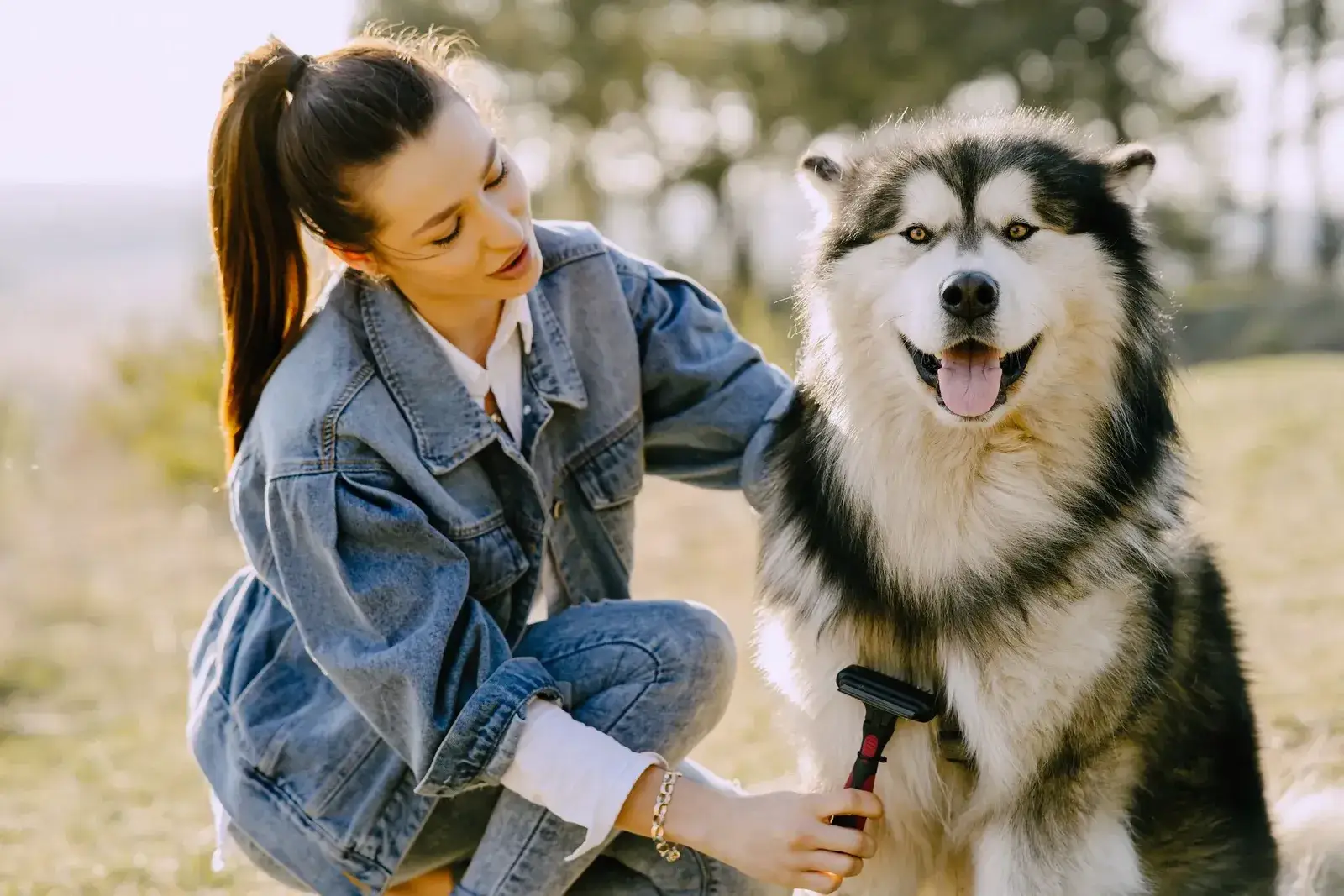
It keeps the coat free of tangles, the nails at a comfortable length, the ears and teeth clean, and gives you a weekly look at the skin under the fur. Most of it takes a few minutes at home. What changes from dog to dog is the coat: a Poodle needs a different routine from a Labrador, and a Husky needs a different one from a Shih Tzu. This guide covers coat types, brushing, baths, nails, ears, teeth, shedding, mats, shaving, puppies and older dogs. It is general information. Your vet or a professional groomer knows your dog and can show you what suits their coat and skin.
Coat types and what each needs
Coat type decides almost everything about grooming, so start there. Most dogs fall into one of these groups, and many mixed-breed dogs combine two.
 GuideMy Dog Is Coughing: Causes and When to See a VetDog coughing, honking or hacking? Emergency signs, kennel cough, collapsing trachea, heart cough, what to do at home and when to see a vet.
| Coat type | What it looks like | Typical routine | Breed examples |
|---|---|---|---|
| Short, smooth | Close, flat hair | Weekly brush, bath when dirty | Pug, Greyhound |
| Short double coat | Dense outer coat over a soft undercoat | Brush weekly, more in shedding seasons | Labrador Retriever |
| Long double coat | Long guard hairs over thick undercoat | Brush several times a week, rake out undercoat | Siberian Husky, Samoyed, Golden Retriever |
| Long, silky, single coat | Fine hair that tangles easily | Daily brushing or a short clip | Maltese, Yorkshire Terrier, Shih Tzu, Afghan Hound |
| Curly or woolly | Dense curls that grow constantly and shed little | Brush every day or two, clip every few weeks | Poodle, Bichon Frisé |
| Hairless or nearly hairless | Bare skin, sometimes a tuft | Skin care rather than brushing | Xoloitzcuintle |
The intervals in the table are common practice, not rules. Brushing frequency depends on breed and coat type: long, thick or curly coats may need daily brushing, while short coats often manage with once or twice a week. A dog that swims, rolls in mud or works outdoors will need more.
A few coat facts help you read your own dog:
- Double coats have two layers. The undercoat is soft and insulating, the outer guard hairs are coarser. Both are shed, mostly in two big seasonal waves.
- Single coats have no undercoat. Poodles and Bichons are examples. Their hair grows continuously and sheds very little, so it tangles instead of falling out. That is why they need clipping and regular brushing.
- Hair that keeps growing does not mean "no shedding" or "allergy-free". All dogs shed some hair and skin flakes.
 GuideDog Grooming Competitions and Show Standards ExplainedHow breed standards shape dog grooming, from hand-stripped terriers to Poodle show clips, and how grooming competitions and creative grooming work.GuideMy Dog Is Coughing: Causes and When to See a VetDog coughing, honking or hacking? Emergency signs, kennel cough, collapsing trachea, heart cough, what to do at home and when to see a vet.
Which breeds need the most grooming?
Grooming load follows the coat, not the size. The breeds below are the ones owners most often ask about. The "how often" column repeats the common breed-guide advice used in our breed profiles. It is a starting point, not a rule, and a dog that swims, rolls in mud or works outdoors needs more.
 GuideDogs of Japan: the native breeds and their storiesJapanese dog breeds explained: the six Nihon Ken, the Chin, Tosa, Japanese Spitz and Terrier, Hachiko, wartime near-extinction, DNA and who they suit.
| Breed | Coat | What it needs | How often | Professional grooming? |
|---|---|---|---|---|
| Poodle | Dense, curly, single layer, sheds very little | Brushing to the skin and clipping, since hair stays in the coat until brushed or clipped out | Brush often, clip about every 4 to 6 weeks | Yes, for most owners, or learn to clip at home |
| Bichon Frisé | Fine, silky curls | Brushing and combing to the skin, full drying after baths, trims | Several times a week, more for a long coat | Usually, for trims |
| Shih Tzu | Long, dense, tangles easily | Regular brushing, or a short clip as the easier option | Regular, often daily for a full coat | Common for pet clips |
| Maltese | Long, silky, single, no undercoat | Frequent brushing; a shorter "puppy clip" cuts the work | Frequent for a full coat | Common for pet clips |
| Yorkshire Terrier | Long, silky, single coat | Daily brushing for a full coat, regular trims for a pet cut | Daily (full coat) | Common for pet cuts |
| Havanese | Long, soft, light | Brushing down to the skin; many owners clip short | Several times a week (show coats daily) | Optional for a pet trim |
| Komondor | Heavy corded coat | Splitting cords by hand as they form, thorough drying | Ongoing as the coat grows | Often, or an owner who has learned cord care |
| West Highland White Terrier | White double coat, wiry | Clipping or hand stripping; brushing | Brush several times a week; groomer every few weeks | Often, unless you strip it yourself |
| Miniature Schnauzer | Wiry outer coat, soft undercoat | Brushing, trimming or hand stripping, wiping the beard | Brush several times a week; trim every 5 to 8 weeks | Usually |
| Afghan Hound | Long, fine, silky | Brushing and regular bathing; the coat tangles and mats | Several times a week | Optional, for baths and tidying |
| Samoyed | Thick white double coat | Brushing and raking; do not shave | Several times a week, daily in shedding season | Optional, helpful in shedding season |
| Siberian Husky | Dense double coat of medium length | Brushing and raking | A few times a week, daily when the coat blows | Optional |
| Pomeranian | Double coat with a heavy ruff | Regular brushing | Regular, more in the seasonal shed | Optional |
| Golden Retriever | Feathered, water-repellent double coat | Frequent brushing of the feathering | Frequent; sheds all year, heavily in spring and autumn | Optional |
Two patterns stand out. Single-coated curly and silky breeds do not drop much hair, so their hair mats instead, and clipping is part of keeping them comfortable. Wire-coated terriers and schnauzers keep dead hair in the coat until it is stripped or clipped out. Many pet owners of long-coated breeds choose a short "puppy cut", which is a style of trimming, not a coat type.
Low-maintenance coats. Short, smooth coats ask for far less. The UK Kennel Club lists grooming about once a week for the Whippet, and breed guides give a weekly brush for the Boxer and the Beagle. Nails, ears, teeth and a quick skin check still apply. If the coat or the clip is for the show ring, see grooming competitions and show trims.
 GuideWinter Care for Dogs: Cold, Paws, Antifreeze and IceWinter care for dogs: how cold is too cold, coats, salt and antifreeze, hypothermia, frostbite, frozen ponds, dark walks and holiday hazards.GuideDogs of Japan: the native breeds and their storiesJapanese dog breeds explained: the six Nihon Ken, the Chin, Tosa, Japanese Spitz and Terrier, Hachiko, wartime near-extinction, DNA and who they suit.
Grooming tools for home
You need less than a grooming shop shelf suggests. Start with the few tools your dog's coat needs and ask a groomer to show you how to use them. This guide does not recommend brands or products.
 GuideIs your dog suited to therapy work?How to make your dog a therapy dog: temperament checklist, first training steps, how Pet Partners, TDI and Pets As Therapy assess dogs, and welfare limits.
| Tool | What it is for | Which coats |
|---|---|---|
| Slicker brush | Fine bent pins that lift loose hair and surface tangles | Medium to long, curly, woolly and silky coats |
| Pin brush | Widely spaced pins with rounded tips that glide through long hair | Long, silky and feathered coats |
| Bristle brush | Smooths and spreads natural oils, picks up loose hair | Short, smooth and medium coats |
| Metal comb | Checks that a brushed coat is clear to the skin; fine and wide teeth | All long, curly and double coats |
| Undercoat rake | Lifts dead undercoat in long strokes | Double coats |
| Deshedding blade | A serrated edge that removes loose undercoat during a heavy shed | Double coats; use gently and not on a short, thin coat |
| Mat splitter | A guarded blade that cuts a small mat into strips to comb out | Small mats only |
| Stripping knife | A blunt serrated blade that pulls out dead hair | Wire-coated terriers; best learned from a groomer |
| Rubber curry | Loosens dirt and hair, feels like a massage | Short, smooth coats |
| Nail clippers or grinder | Shortens nails; grinders smooth gradually | All dogs |
| Styptic powder | Stops bleeding if a nail is cut into the quick | Keep with the nail kit |
| Blunt-tip scissors | Trims around eyes, paws and sanitary areas | Long and curly coats |
| Clippers and blades | Cut the whole coat to an even length | Coats clipped by pattern, such as the Poodle's |
Brushes and combs. Match the tool to the coat, then finish with a comb. If the comb snags, there is still a tangle. A deshedding blade or undercoat rake should move with the lie of the hair in light strokes. Hard raking can scratch skin.
Mats and stripping. A mat splitter is for a small, loose mat well away from the skin. A large mat near the skin, or any mat on a dog in pain, goes to a groomer. A stripping knife takes practice and does nothing for a clipped or smooth coat, so learn the technique before you try it.
Nail clippers versus a grinder. Clippers are quick but a dog can flinch. A grinder is slower and gives a smoother edge, but some dogs dislike the noise and heat, so introduce it slowly. Keep styptic powder or cornstarch in the same drawer.
Shampoo. Use a shampoo made for dogs. Human skin is mildly acidic, around pH 5.5, while dog skin sits closer to neutral, so a human shampoo can be too acidic for a dog if used regularly. The MSPCA's dermatology team says one bath with human shampoo will probably not hurt, but it is not meant for regular use. Dogs with skin disease need a shampoo chosen by the vet.
Ear cleaner. Use only the kind your vet recommends, with soft cotton pads, never cotton buds. Redness, smell or head shaking means a vet visit, not more cleaning.
Scissors and clippers. Blunt-tip scissors keep the point away from the skin on a wriggling dog. Clippers come with blades of different lengths and attachments that leave different coat lengths. The common mistakes are cutting too close, clipping a dirty or matted coat, and using a hot blade. A hot blade burns the skin, so pause and let it cool. If you are unsure, leave the clip to a groomer and look at the how to find a good groomer guide.
Safety, drying and the table. A non-slip mat keeps a wet dog from sliding in the tub or on the table, and never leave a dog on a raised table alone. Towel dry first. If you use a dryer, keep it on cool or low, move it constantly and keep it away from the face. Veterinarian Debra Eldredge advises asking professional groomers for cool air or towels instead of hot cage dryers, especially for flat-faced, older or overweight dogs.
 GuideBest dog breeds for familiesBest dog breeds for families, small homes, allergies, first-time owners and seniors, ranked from our breed ratings, with honest limits and a table.GuideIs your dog suited to therapy work?How to make your dog a therapy dog: temperament checklist, first training steps, how Pet Partners, TDI and Pets As Therapy assess dogs, and welfare limits.
How to brush a dog
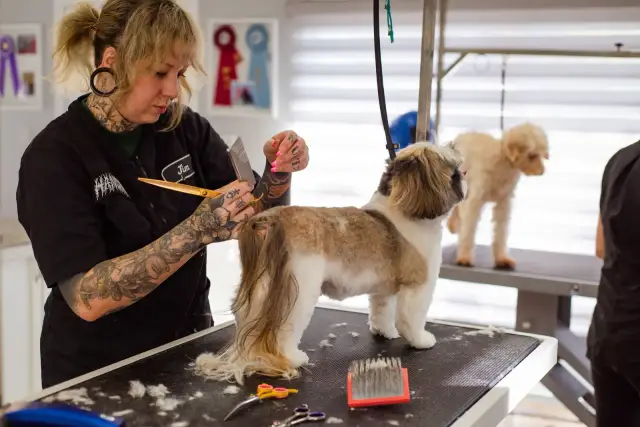
Brushing removes loose hair before it tangles and is the base of home grooming, as the American Kennel Club's grooming guides describe.
 GuideMy Dog Is Panting a Lot: Normal or Worrying?Dog panting heavily? Normal vs worrying panting, heatstroke signs and cooling steps, pain, anxiety, Cushing's disease, and when to see a vet.
- Pick a calm moment after a walk, when the dog is relaxed.
- Start with short, gentle strokes in the direction the hair grows.
- Part the hair and brush down to the skin, not only the surface. This is also how you find lumps, bumps and parasites.
- Use a comb to check that nothing is caught. If the comb snags, there is a tangle.
- Go slowly over problem areas. Mats form where there is friction or thick hair: behind the ears, under the legs, in the armpits and around the collar. A body strap that stays on all day adds friction.
- Finish with a treat or a game so brushing stays pleasant.
Never pull through a tangle. If a knot will not come out with fingers and a comb, see the matting section below.
 GuideHow to Find a Good Dog Groomer: Questions and SignsHow to find a good dog groomer: qualifications, questions to ask, signs of good and poor care, sedation, dryers, mobile groomers and what to check after.GuideMy Dog Is Panting a Lot: Normal or Worrying?Dog panting heavily? Normal vs worrying panting, heatstroke signs and cooling steps, pain, anxiety, Cushing's disease, and when to see a vet.
How often to bathe a dog
There is no single answer, but a useful range exists. Many veterinary-reviewed guides suggest a bath roughly every 4 to 6 weeks for a typical dog, with short coats stretching to two or three months and very muddy, active dogs sometimes washed more often. Bathing too often can dry the skin and strip its natural oils, while going too long lets dirt and odour build up.
 GuideHow to get an assistance dogHow to get a service dog or assistance dog in the USA, UK, Germany, France, Spain, Italy and the Netherlands: accredited schools, waits, owner-training and travel.
What to do at bath time:
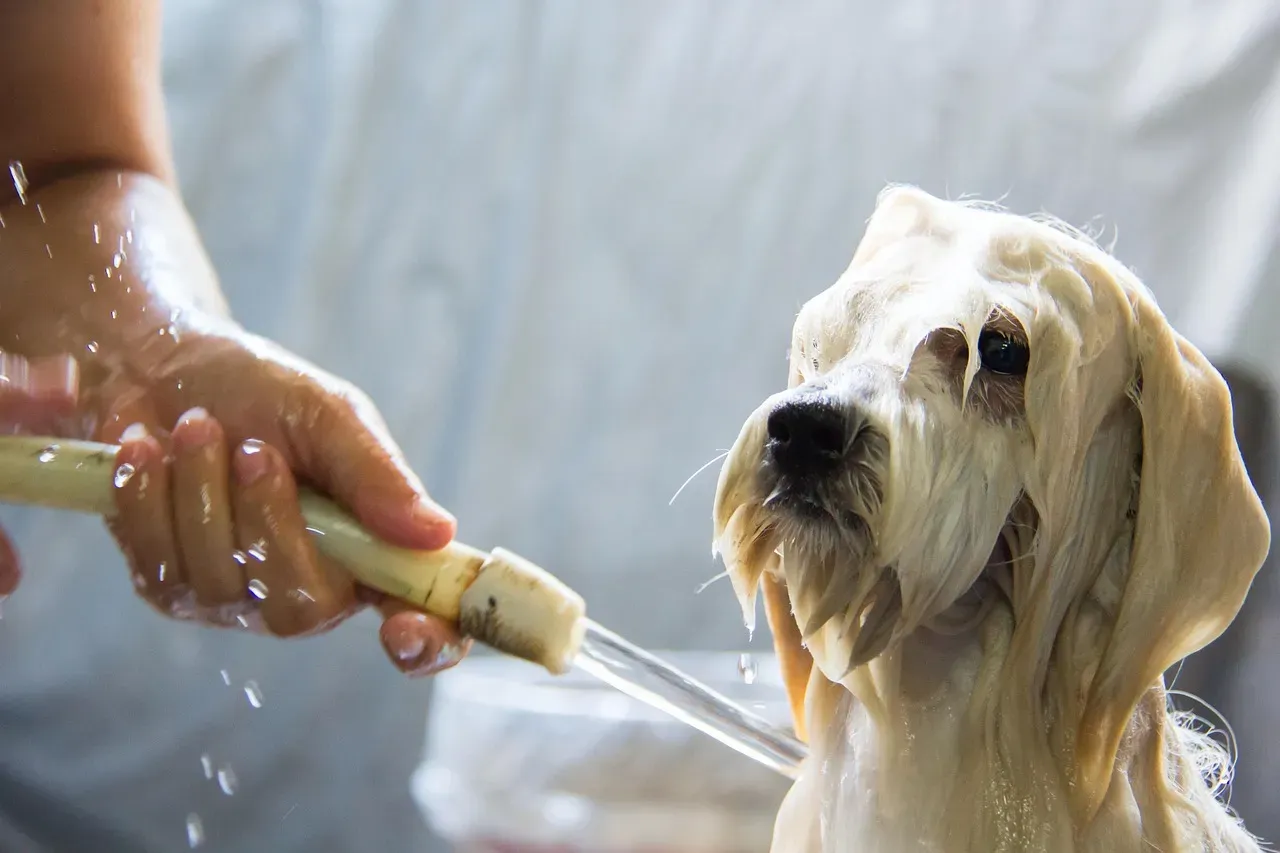
- Brush first, because water tightens tangles into mats.
- Use lukewarm water and a shampoo made for dogs. Human shampoo is not made for dog skin.
- Rinse until the water runs clear. Leftover shampoo irritates skin.
- Keep water and soap out of the eyes and ears.
- Dry well with a towel. Long and double coats can stay damp underneath for a long time, and damp fur can irritate skin.
- Puppies only need a bath when they are visibly dirty, since their skin dries easily.
- Brush firstbefore waterWater tightens tangles into mats
- Wet and shampooin the bathLukewarm water, dog shampoo, keep eyes and ears clear
- Rinseuntil clearLeftover shampoo irritates skin
- DrylastTowel well, long and double coats stay damp underneath
Dogs with skin disease, allergies or infections may need medicated baths on a schedule set by a vet, sometimes several times a week at first. Do not guess at this. If your dog is scratching, see Why is my dog scratching? and call your vet.
 Save
 GuideMy Dog Has Bad Breath: Causes and What to DoDog breath smells? Gum disease is the usual cause, but sweet or ammonia smells can mean illness.GuideHow to get an assistance dogHow to get a service dog or assistance dog in the USA, UK, Germany, France, Spain, Italy and the Netherlands: accredited schools, waits, owner-training and travel.
How to cut dog nails
Nails that touch the floor wear down a little with walking, but most pet dogs need regular trims. Overgrown nails change the way a dog stands and walks and can strain joints over time. The AKC advises trimming regularly so the quick, the blood vessel inside the nail, stays short and cutting it becomes less likely.
 GuideService, therapy and emotional support dogs: what's the difference?Service dog vs emotional support dog vs therapy dog: the real differences, your rights in the USA and Europe, and why online certificates mean nothing.
How to do it:
- Get the dog used to paw handling first. Touch the paws, press a toe, reward calm behaviour. Do this for days before the first trim.
- Use a clipper or grinder made for dogs. Cut or grind a little at a time.
- Find the quick. On pale nails it shows as a pink line. On dark nails you cannot see it, so trim small slices and stop when you see a dark, moist spot in the middle of the cut surface. Your vet or groomer can show you the first time.
- Do not forget dewclaws, the higher nails on the inside of the leg. They do not touch the ground, so they can grow long or curl into the skin.
- Keep a styptic powder or cornstarch nearby in case you nick the quick. Press it on the nail for a few seconds. The AKC advises keeping styptic powder on hand.
- Reward after every nail for a nervous dog. One nail a day is fine.
- Paw handlingfor daysTouch paws, press a toe, reward calm
- Get the toolsbefore trimmingDog clipper or grinder, styptic powder or cornstarch nearby
- Trim a littleeach nailSmall slices, find the quick
- Dewclawsevery timeHigher nails on the inside of the leg
- Rewardafter every nailOne nail a day is fine
If the nails are very long, the quick has grown with them. Take off a tiny amount every week so the quick slowly recedes, rather than cutting back in one go. A vet or groomer can handle severely overgrown nails. Torn nails, bleeding, limping or smelly nail beds need a vet. For sore or licked paws see Why does my dog lick his paws? and Dog paw injury.
 GuideDog Clothes: When Dogs Need Coats, and a Short History of Dog FashionDo dogs need coats in winter? When clothes help, when costumes stress a dog, safe fit, reflective gear, and a short history of dog fashion and dog art.GuideService, therapy and emotional support dogs: what's the difference?Service dog vs emotional support dog vs therapy dog: the real differences, your rights in the USA and Europe, and why online certificates mean nothing.
Ears and eyes
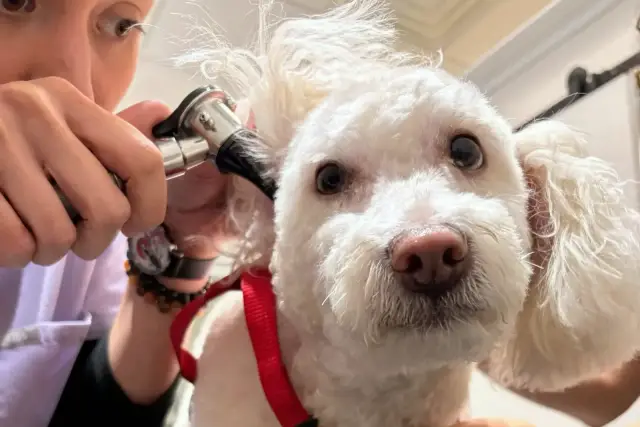
Healthy ears usually need little. The AKC suggests checking them often and cleaning them when they look dirty, and its articles give intervals from weekly wiping to monthly cleaning, which shows there is no fixed rule. Wipe the visible part of the ear with a damp cotton pad or soft cloth. Do not push cotton buds into the canal.
 GuideTicks and fleas on dogs: how to check, remove and prevent themTicks and fleas on dogs: how to tell them apart, check your dog, remove a tick safely, break the flea life cycle and prevent both.
Dogs with floppy ears, hairy ear canals or a lot of swimming (many spaniels, retrievers and Poodles) are more likely to get problems. Redness, a bad smell, dark discharge, head shaking or scratching mean it is time for a vet visit, not more cleaning. See Dog ear infection.
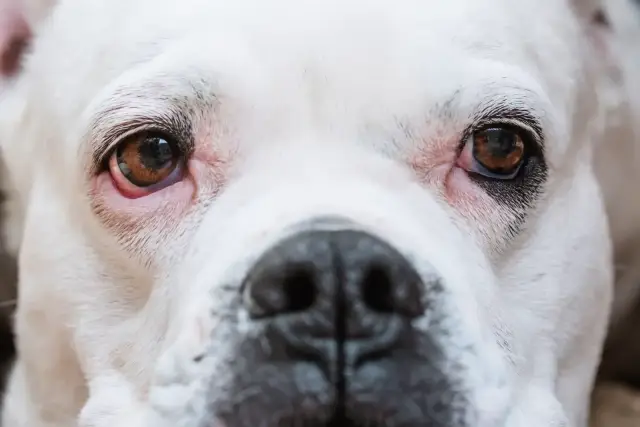
For eyes, wipe away normal sleep with a clean damp cloth. Heavy tears, redness or squinting need a vet. Long-haired breeds such as Shih Tzus and Maltese often need face hair trimmed or tied so it does not irritate the eyes.
 GuideSmartest dog breeds: what the rankings measure and what they missCoren's smartest dog breeds list, what it measured, what newer dog cognition research says, three kinds of dog intelligence and why smart dogs need work.GuideTicks and fleas on dogs: how to check, remove and prevent themTicks and fleas on dogs: how to tell them apart, check your dog, remove a tick safely, break the flea life cycle and prevent both.
Teeth
Brushing is the most effective home dental care. The AKC says to brush daily if you can and at least a few times a week, because plaque starts to build up within about 48 hours. Use a dog toothbrush and a dog toothpaste. Introduce it slowly: let the dog taste the paste, touch the lips, then one or two teeth, then more. Small and flat-faced breeds often have crowded teeth and gain the most. For persistent bad breath, which can point to dental or gut problems, see Dog bad breath.
 GuideDogs in myth around the worldFrom Anubis and Cerberus to Fenrir, Xolotl and the Tiangou: how cultures across the world imagined dogs as guardians, guides and monsters.

Shedding seasons and deshedding
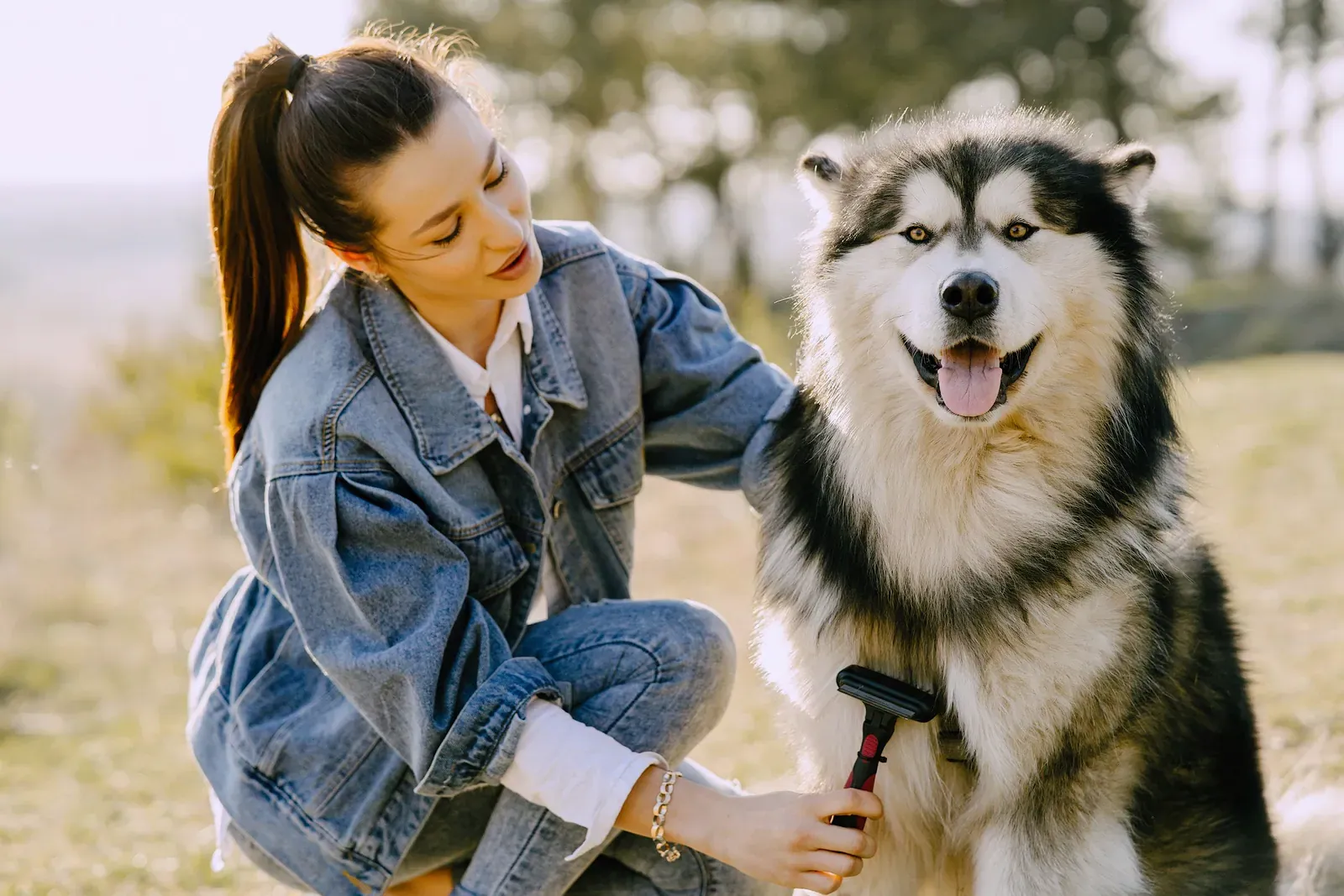
Shedding is normal. Double-coated dogs, such as Huskies, Samoyeds and Labradors, usually shed heavily twice a year, in spring and autumn, and lightly the rest of the time. Indoor dogs with steady heating and lighting may shed more evenly across the year.
 ArticleThe first known dog on every continentEarliest accepted dog on each continent, from Bonn-Oberkassel to the dingo: dates, sites, how dogs arrived and which breeds carry those first dogs.
What helps:
- Brush more often during the shed, daily if needed. An undercoat rake or comb lifts loose undercoat so it ends up in the bin instead of on the sofa.
- A bath before brushing can loosen dead hair. Dry well and brush again.
- Do not shave. The next section explains why.
- Check diet and health if hair loss is patchy, sudden or comes with itching, bald spots or red skin. Heavy shedding that is not seasonal can be a sign of a skin, hormone or parasite problem. Ask your vet.
Professional "deshedding" treatments at a groomer are a bath, blow-dry and thorough raking. They remove loose undercoat but cannot stop shedding. No treatment can.
 Save
 GuideDog Breeds by Country: Which Nations Made the Most?Dog breeds by country: how many breeds each nation produced in the Dogs Atlas data, from the UK and France to Japan, plus national dogs and families.ArticleThe first known dog on every continentEarliest accepted dog on each continent, from Bonn-Oberkassel to the dingo: dates, sites, how dogs arrived and which breeds carry those first dogs.
Matting and when to see a groomer
A mat is a tight clump of hair and skin flakes that gets worse over time. Mats pull on the skin, trap moisture and can hide sores. Long, silky and curly coats are most at risk, and so are dogs that are not brushed down to the skin.
 GuideDogs in Legends and Fairy TalesDogs in folklore and fairy tales: Black Shuck, The Tinderbox, Saint Guinefort, Panhu, Greyfriars Bobby, Barry and Old Drum, with legend and history kept apart.
For a small mat:
- Do not wash it first. Water makes it tighter.
- Hold the base of the mat so you are not pulling the skin.
- Work it apart with your fingers, then a wide-tooth comb from the tips toward the skin.
- If it will not loosen after a few minutes, stop.
Do not cut mats with scissors close to the skin. The skin can be pulled into a mat and cut, which is a common injury. If the mat is large, close to the skin or the dog is in pain, see a groomer or vet. A heavily matted dog often has to be clipped short. That is a medical kindness and not a failure, but it is also a reason for regular brushing.
Signs you need a professional for the coat: a dog whose coat is clipped by breed standard (such as the Poodle's clip), repeated mats you cannot manage, a long-coated breed you struggle to keep up with, or a dog who becomes frightened or aggressive during grooming. Groomers can also fit a short, easy-care clip to a long coat if that suits your life. Many long-coated companion dogs, from the Shih Tzu to the Yorkshire Terrier, are kept in a short "puppy cut" for this reason.
 GuideMy Dog Keeps Shaking His Head: Ear Infection GuideDog shaking head, scratching ears or smelly ears? Ear infection signs, causes, ear haematoma, emergency signs, what to do and what to avoid.GuideDogs in Legends and Fairy TalesDogs in folklore and fairy tales: Black Shuck, The Tinderbox, Saint Guinefort, Panhu, Greyfriars Bobby, Barry and Old Drum, with legend and history kept apart.
Should you shave a double-coated dog?
For most healthy double-coated dogs, no. It feels logical to shave a thick-coated dog in summer, but veterinary sources advise against it.
 GuideBanned and restricted dog breeds by countryWhich dog breeds are banned or restricted, country by country: UK, Ireland, France, Germany, Denmark, Norway, Spain, Australia and more.
- The undercoat traps air close to the skin. The outer guard hairs protect from sun. Shaving removes both. The AKC's chief veterinary officer Dr Jerry Klein has warned that it can leave a dog more prone to heatstroke.
- Texas A&M University's veterinary college covers summer clipping in its Pet Talk series; check with your vet before clipping a double coat for warm weather.
- Cornell veterinarian Dr Brian Collins is quoted saying that shaving a double-coated breed can damage hair follicles and result in poor regrowth.
- The undercoat tends to regrow faster than the guard hairs, which can leave a thick, woolly coat.
Better ways to keep a double-coated dog cool: brush out loose undercoat so air moves through, give shade and water, walk in the early morning or evening, and never leave a dog in a parked car. Heavy trimming of feathering, belly or feet is a different matter and often fine. A medical clip for surgery, skin disease or a severely matted coat is a vet's or groomer's decision.
 GuideDogs in science and spaceSpace dogs Laika, Belka and Strelka, Pavlov's dogs, Snuppy the clone, the dog genome and scent detection: what dogs did for science, and what it cost them.GuideBanned and restricted dog breeds by countryWhich dog breeds are banned or restricted, country by country: UK, Ireland, France, Germany, Denmark, Norway, Spain, Australia and more.
Grooming as a health check
Grooming is the one routine where you handle your dog from nose to tail, and that makes it a weekly health check. Most of what you find is harmless. A short list of things worth a vet call:
 GuideDog hybrids: what dogs can and cannot breed withCan dogs breed with wolves, coyotes, jackals or foxes? Wolfdogs, coydogs, the Sulimov dog and Dogxim explained, with chromosomes and DNA studies.
| What you notice | What it can mean | Next step |
|---|---|---|
| New lump or a lump that grows or changes | Often benign (fatty lumps are common), but only a vet can tell | Vet visit, note the date and size |
| Red, flaky or smelly skin; scabs; hot spots | Allergy, infection, parasites | Vet visit. See dog scratching |
| Tiny black specks or crawling insects in the coat | Fleas | See ticks and fleas |
| A swollen bump attached to the skin | Tick or other growth | See ticks and fleas for safe removal |
| Bald patches or thinning coat | Skin, hormone or parasite problem | Vet visit |
| Bad ear smell, discharge | Ear infection | See dog ear infection |
| Cracked pads, sore toes | Injury, dry skin, allergy | See dog paw injury |
| Bad breath, red gums, loose teeth | Dental disease | Vet or dental check |
Make a habit of touching the same spots in the same order. You will notice quickly when something is new.
 GuideHow to adopt a dog from a shelter or rescueHow to adopt a dog from a shelter or rescue: the process, costs in general terms, choosing a dog, the first weeks and what if it does not work out.GuideDog hybrids: what dogs can and cannot breed withCan dogs breed with wolves, coyotes, jackals or foxes? Wolfdogs, coydogs, the Sulimov dog and Dogxim explained, with chromosomes and DNA studies.
Puppies and getting used to handling
A puppy that learns early that being touched is pleasant is far easier to groom for life. Home brushing can start as soon as the puppy comes home, according to Petplan, while visits to a professional groomer usually wait until the puppy has completed its vaccinations. Your vet will say when. Practical tips:
 GuideHow to calm a reactive dogHow to calm a reactive dog: why dogs bark and lunge, what to do in the moment, a step-by-step training plan, what to avoid and when to get help.
- Keep sessions very short, one or two minutes, and end while the puppy is still calm.
- Touch everything: paws, between toes, ears, lips, tail, belly. Pair each touch with a small treat.
- Introduce each tool on its own. Show the brush, let the puppy sniff it, brush once, reward. Then the clipper sound, then the nail touch.
- Practise the tools you will need: a dryer on low, a damp cloth on the face, a toothbrush on the lips.
- Never force it. A frightened puppy learns to fear grooming. Go back a step and slow down.
Long-coated puppies often go through an awkward stage as the adult coat comes in, with extra tangles. Brush a little more at that time.
 GuideMy Dog's Eye Is Red: Causes and When to See a VetRed, weepy or squinting dog eye? Emergency signs, common causes like conjunctivitis and ulcers, what to do at home, what to avoid, and when to see a vet.GuideHow to calm a reactive dogHow to calm a reactive dog: why dogs bark and lunge, what to do in the moment, a step-by-step training plan, what to avoid and when to get help.
Older dogs
Older dogs still need grooming, often more, because they groom themselves less, move less and have stiffer joints. Adjust:
 GuideMale vs Female Dogs: Differences, Myths and NeuteringMale vs female dogs: what research says about size, trainability and affection, marking, mounting, roaming, and the spay or neuter timing decision.
- Shorter, more frequent sessions. Avoid long standing on a hard table.
- Support the dog and change positions slowly. Arthritis can make lifting a leg for a nail trim painful.
- Check the skin more closely. Older dogs are more prone to lumps and skin and coat changes, so look from top to bottom and report anything new to the vet.
- Keep nails short. Long nails make slippery floors worse.
- Be patient with new routines. An older dog may need more time to accept a new tool or a groomer's visit.
 GuideWhy does my dog do that? 15 common behavioursWhy does my dog lick me, stare, eat grass, spin, sigh or roll in smelly things? 15 everyday dog behaviours explained, with when to ask a vet.GuideMale vs Female Dogs: Differences, Myths and NeuteringMale vs female dogs: what research says about size, trainability and affection, marking, mounting, roaming, and the spay or neuter timing decision.
Frequently asked questions
How do I groom a dog at home?
Brush the coat, bathe only when needed, trim nails regularly, wipe ears and clean teeth. Learn your dog's coat type first, as it decides how much brushing and clipping is needed.
How often should I bathe my dog?
About every 4 to 6 weeks suits many dogs. Short-coated dogs can go longer, and very muddy ones may need more. Skin disease needs a vet's plan.
How often should I brush my dog?
Daily for long, silky or curly coats. Once or twice a week for short coats. More during spring and autumn shedding for double-coated dogs.
How do I cut dog nails without hurting my dog?
Take small slices, find the quick, and stop if you see a dark, moist spot in the middle of the nail. Keep styptic powder or cornstarch handy. Overgrown nails are shortened gradually.
Should you shave a double-coated dog?
Generally no. The coat insulates against heat and cold and protects from sun, and shaving can lead to poor regrowth. Brush out loose undercoat instead. Medical or matting reasons are the exceptions.
Does brushing help with shedding?
Yes. It removes loose hair before it lands on the floor and spreads oils through the coat. It does not stop shedding.
Can I use human shampoo on my dog?
It is not made for dog skin. Use a shampoo made for dogs and ask your vet if your dog has sensitive skin.
How often should I brush my dog's teeth?
Daily is best and a few times a week is the minimum, since plaque builds up within about 48 hours.
How often should I clean my dog's ears?
Check often and clean only when they look dirty. Recommendations range from weekly wiping to monthly cleaning. Redness or smell means see a vet.
Is grooming needed for short-haired dogs?
Yes, but less. A weekly brush, nails, ears and teeth still apply, and it is a chance for a health check.
What is a puppy cut?
A short, even clip over the whole body, used on long-coated companion breeds to make them easier to keep.
When should I go to a professional groomer?
For breed-standard clips, heavy mats, hard-to-handle dogs, or if you simply prefer it. Many owners do daily care at home and use a groomer every 6 to 8 weeks. Our guide on how to find a good groomer covers qualifications and what to ask.
Do show dogs get groomed differently from pets?
Often yes. Breed standards describe how some coats are presented, such as the Poodle's clips or a hand-stripped terrier. See grooming competitions and show trims.
Read next
 Family storyModern CrossbreedRead the family's story: origins, members, DNA
 Family storyToy SpitzRead the family's story: origins, members, DNAFamily storyPoodleRead the family's story: origins, members, DNA
Sources (9)
- American Kennel Club, expert advice article "How to Groom a Dog".
- American Kennel Club, expert advice article "Dog Grooming at Home".
- American Kennel Club, expert advice article "Is It OK to Shave Your Pet? Plus Breeds That Shed the Most and the Least" (including Dr Jerry Klein, AKC Chief Veterinary Officer).
- Texas A&M University College of Veterinary Medicine and Biomedical Sciences, Pet Talk, "Time for a Summer Cut? Tips for Warm Weather Dog Grooming".
- Cornell University Riney Canine Health Center, Dr Brian Collins, comment on shaving double-coated breeds
- Petplan, "Puppy Grooming".
- MSPCA-Angell dermatology team, advice on human shampoo for dogs
- Debra Eldredge, DVM, advice on cage dryers and groomers
- UK Kennel Club breed information, Whippet grooming frequency (as recorded in our breed profile).