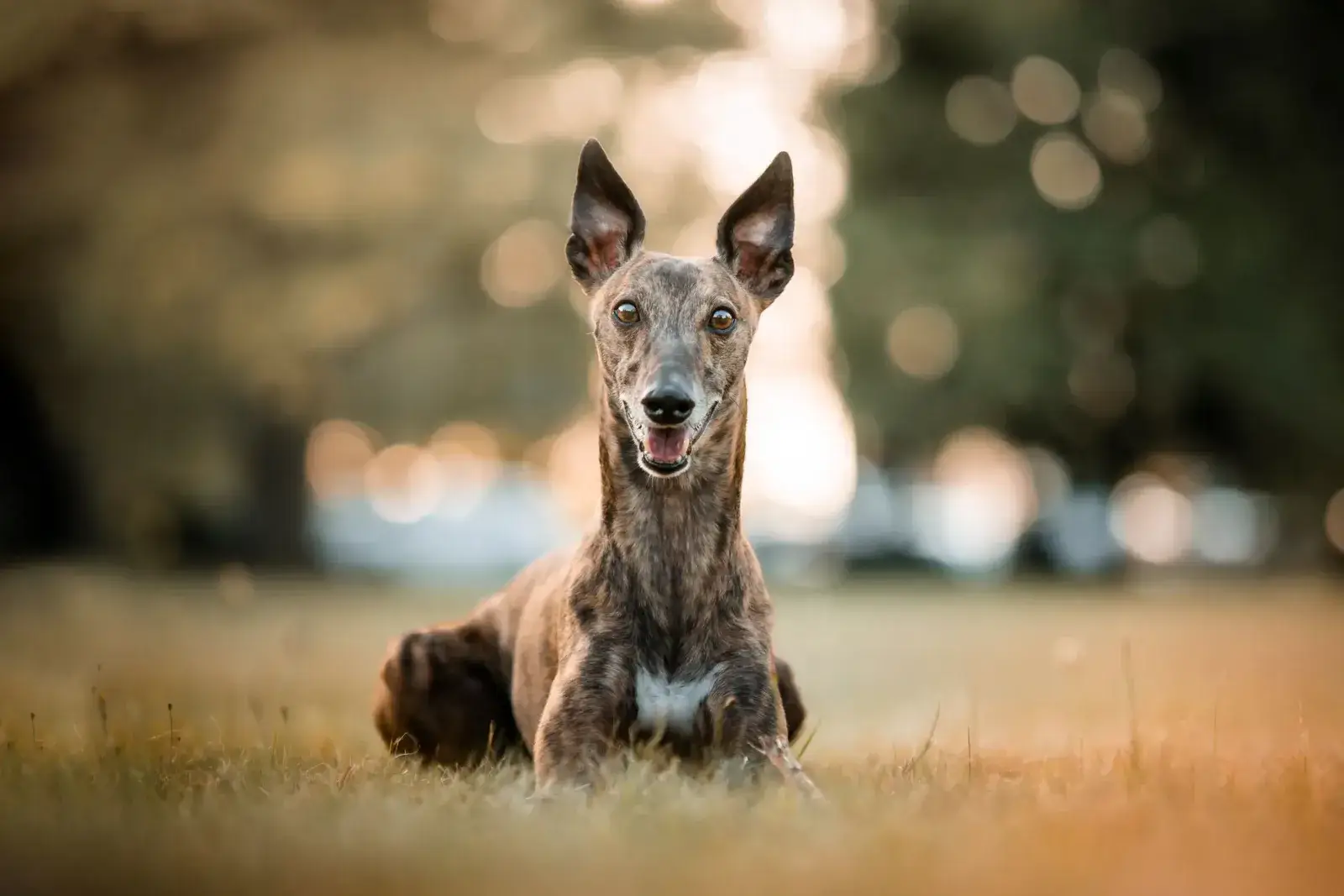
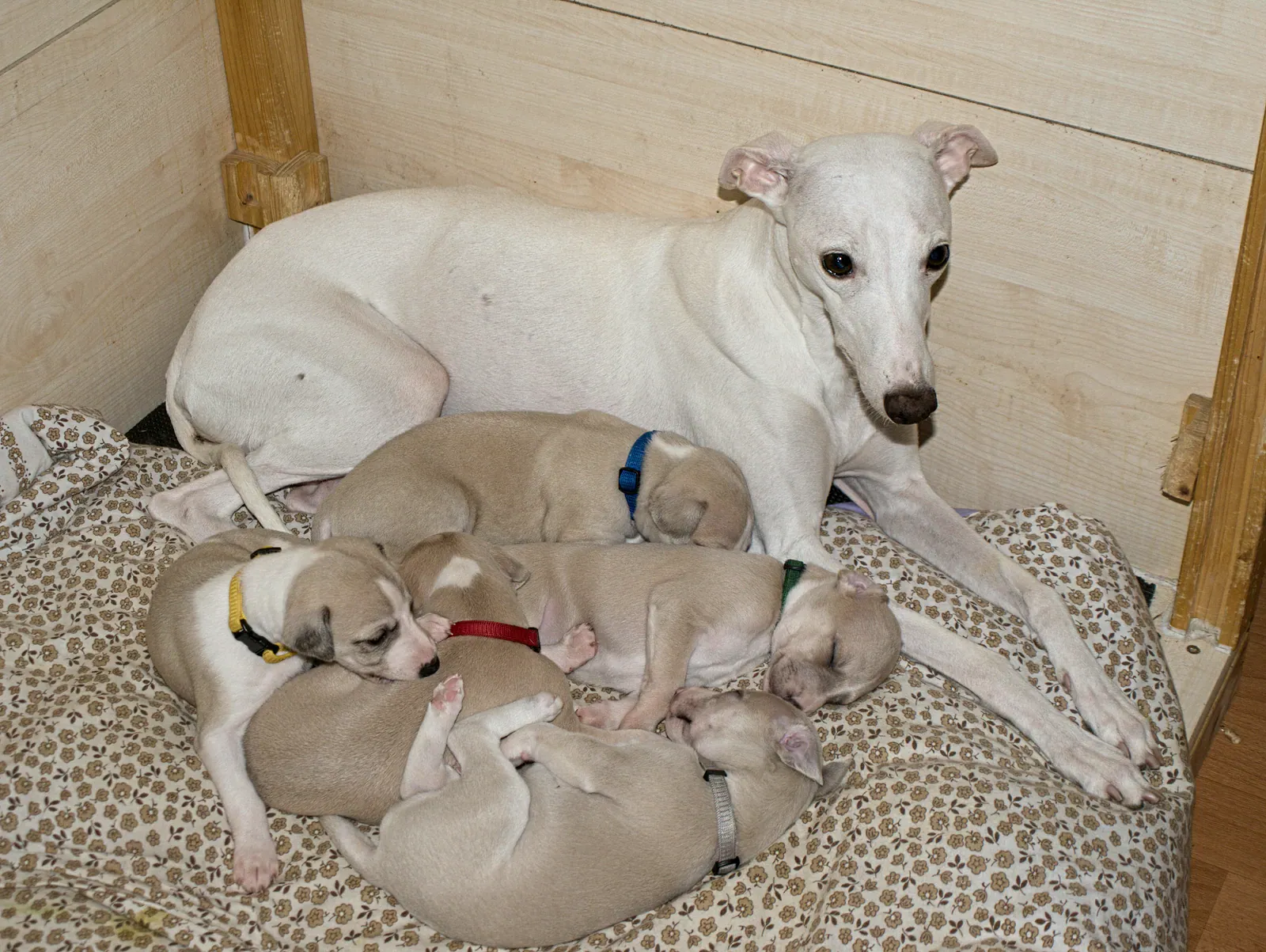
It was shaped in mining and mill towns, where working families wanted a fast dog that fitted a small house and a small budget. Today it is both a racing and lure-coursing dog and a quiet companion that spends much of the day asleep on the softest seat available. It is gentle, people-focused and sprints at about 35 mph, yet it is happy with a short daily run and a warm lap. It feels the cold, so a coat is part of normal kit in winter. The typical life span is long for a dog of its size, over 12 years according to the UK Kennel Club.
Whippet quick facts
 Related breedAustralian Kelpie1870 to 1902 · AustraliaVictorian Breed Boom
- Closest DNA relatives
- Greyhound, Italian Greyhound, Scottish Deerhound
- Country of origin
- Great Britain (northern England; FCI lists Great Britain)
- Period of development
- Roughly 1800 to 1890 (atlas data, medium confidence); some writers trace small Greyhound types back further
- Original job
- Rabbit coursing, ratting, then rag racing and straight-track racing
- Type
- Sighthound (FCI Group 10, standard no. 162; AKC Hound Group; UK Kennel Club Hound Group)
- Other names
- Snap dog, English Whippet
- Height
- FCI: dogs 47 to 51 cm, bitches 44 to 47 cm. AKC allows larger dogs (upper limit about 57 cm dogs, 55 cm bitches)
- Weight
- Not given in the FCI text seen; typically 11 to 18 kg (secondary source)
- Coat
- Short, fine; grooming about once a week (UK Kennel Club)
- Life span
- Over 12 years (UK Kennel Club); atlas data 12 to 15 years
- Exercise
- Up to 1 hour a day (UK Kennel Club)
- DNA family
- UK Rural (Parker et al. 2017, atlas data)
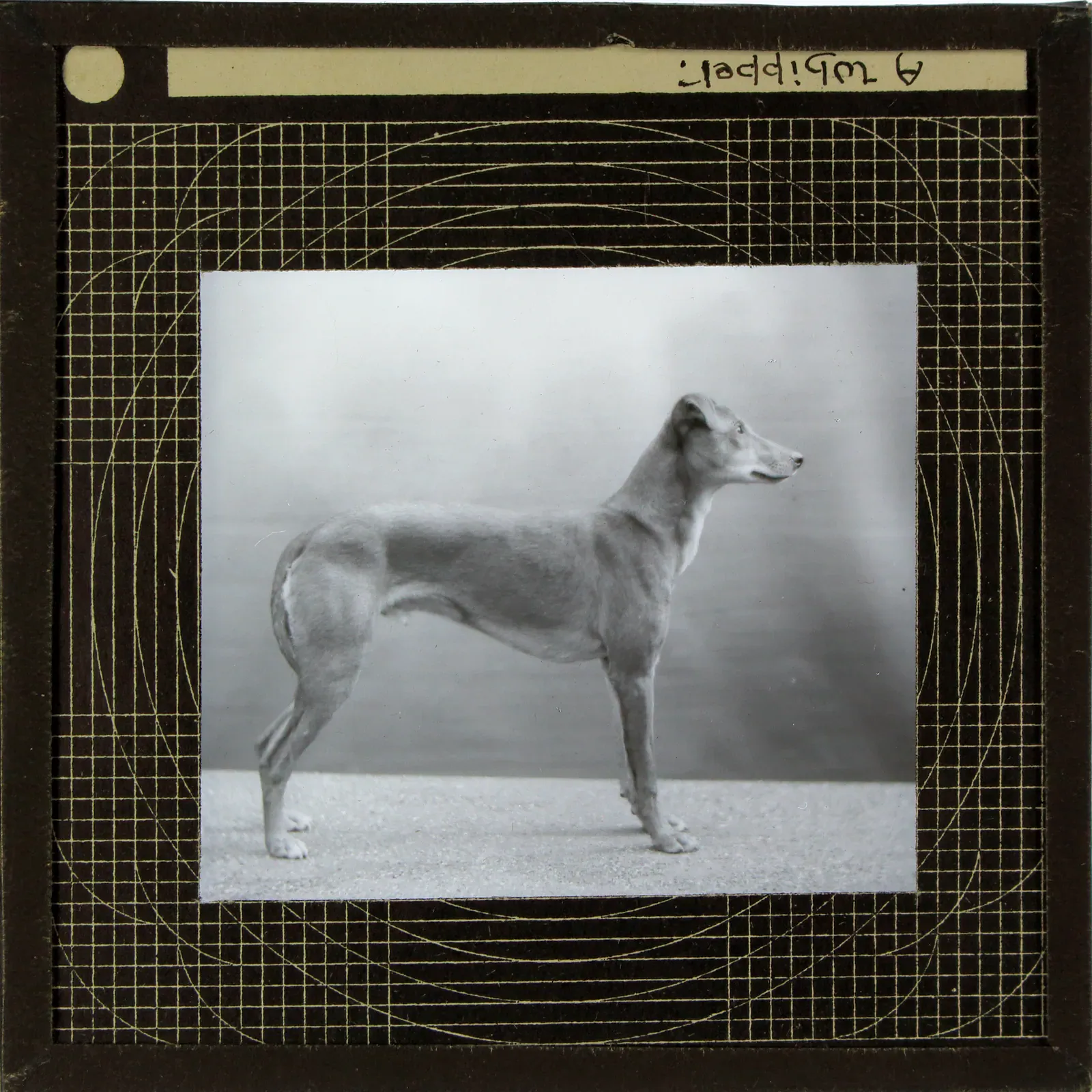
Drawn to scale in real centimetres. Its back reaches about 51 cm, your knee; its head about 64 cm, mid-thigh.
Where it sits in the tree
Industrial Revolution · 1800 to 1849
Name and origin
 Related breedAustralian Shepherd1840 to 1957 · United StatesIndustrial Revolution
The word "whippet" comes from the English verb "whip", to move briskly (project etymology data). One account in an AKC history article links the name to "wappet", an old word for a small yapping cur, and says the breed was nicknamed the "snap dog" for how quickly it seized prey. Both explanations point at speed and a short temper in the chase, not at the dog's manners at home.
Where it comes from. Sources agree on the setting: working-class northern England, with the coal-mining regions of Yorkshire and Lancashire named most often. FCI lists Great Britain as the country of origin, and atlas data places it in northern England. The Whippet belongs to the UK Rural family in Parker et al. (2017), the DNA study that groups modern breeds into clades.
The recipe is uncertain. Two views appear in breed histories. One holds that the Whippet is a Greyhound bred smaller over centuries, supported by small Greyhound-type dogs in 1700s artwork. The other holds that 19th-century miners crossed small Greyhounds with terriers, producing what was called "the working man's Greyhound". One source adds that Italian Greyhounds may have been used later. Nobody has a for the earliest crosses, so the terrier story is best read as a likely but unproven account.

History
 Same eraBearded Collie1500 to 1944 · United KingdomAge of Exploration
Miners, mills and the "poor man's racehorse"
The usual story goes like this. Workers in northern mining and mill towns wanted a dog that could course rabbits and race for prize money on a day off. A full-size Greyhound needed kennel space and a place to run, which labourers could not afford. A smaller dog that lived in the house and ate less solved both problems. Historians of the breed repeat this explanation, but the details come from tradition and later breed writers, not from documents that name individual breeders.
Snap dogs and rag racing
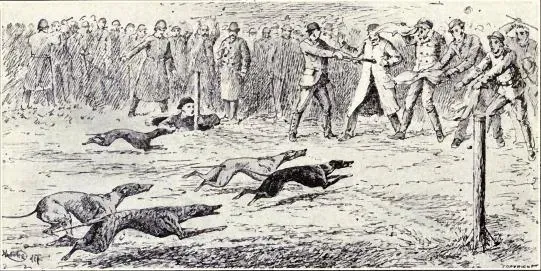
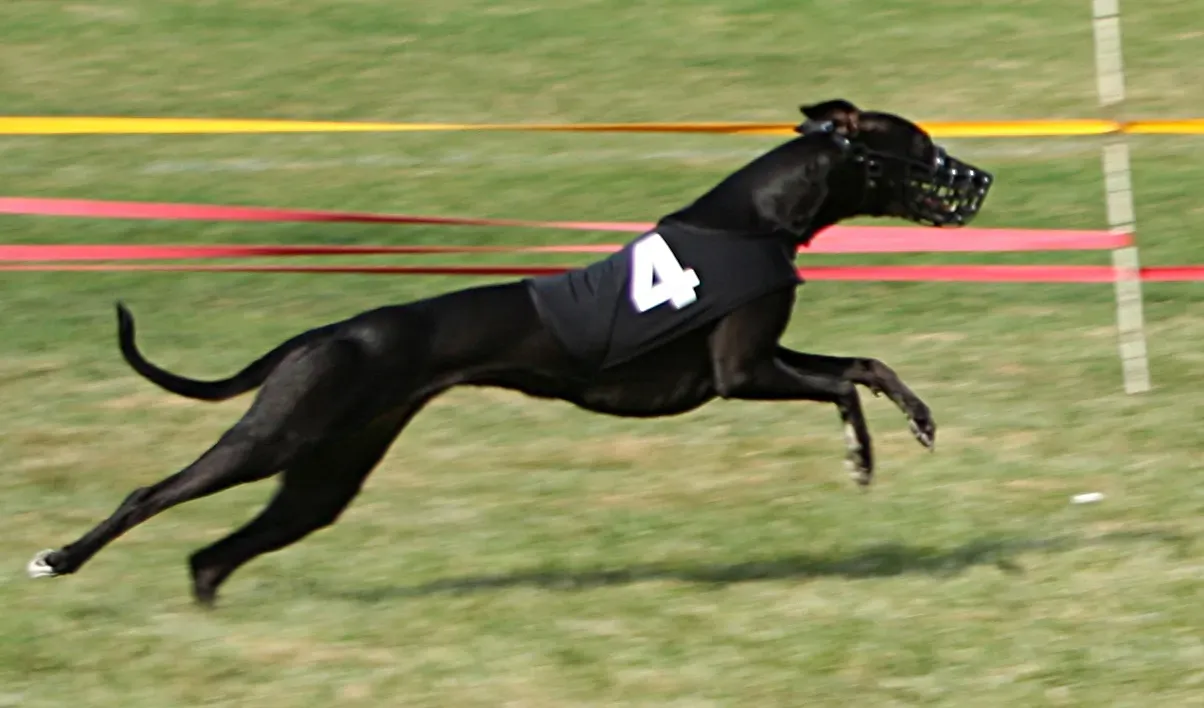
Rabbit coursing, in which dogs chase live rabbits, gave way to a tidier sport. In rag racing, as described by breed histories, the dogs ran straight tracks or alleyways chasing a rag or rabbit skin that was dragged ahead of them. Owners called their dogs "snap dogs" because a dog that snapped at the lure was a winner. The nickname "lightning rag dog" is also reported. Betting on these races was common in working communities. This is a social history that is well described in breed writing but thinly documented, so treat individual stories about named dogs and sums of money as legends.
 Save
 Save
Kennel club recognition
Dates in popular sources conflict. The UK Kennel Club is commonly given 1890 as its recognition year, but the Kennel Club itself does not confirm it. For the United States, one source gives AKC registration in 1888. The United Kennel Club's own breed page gives 1935 for its recognition. If a date matters to you, check the kennel club's own records.
Racing today
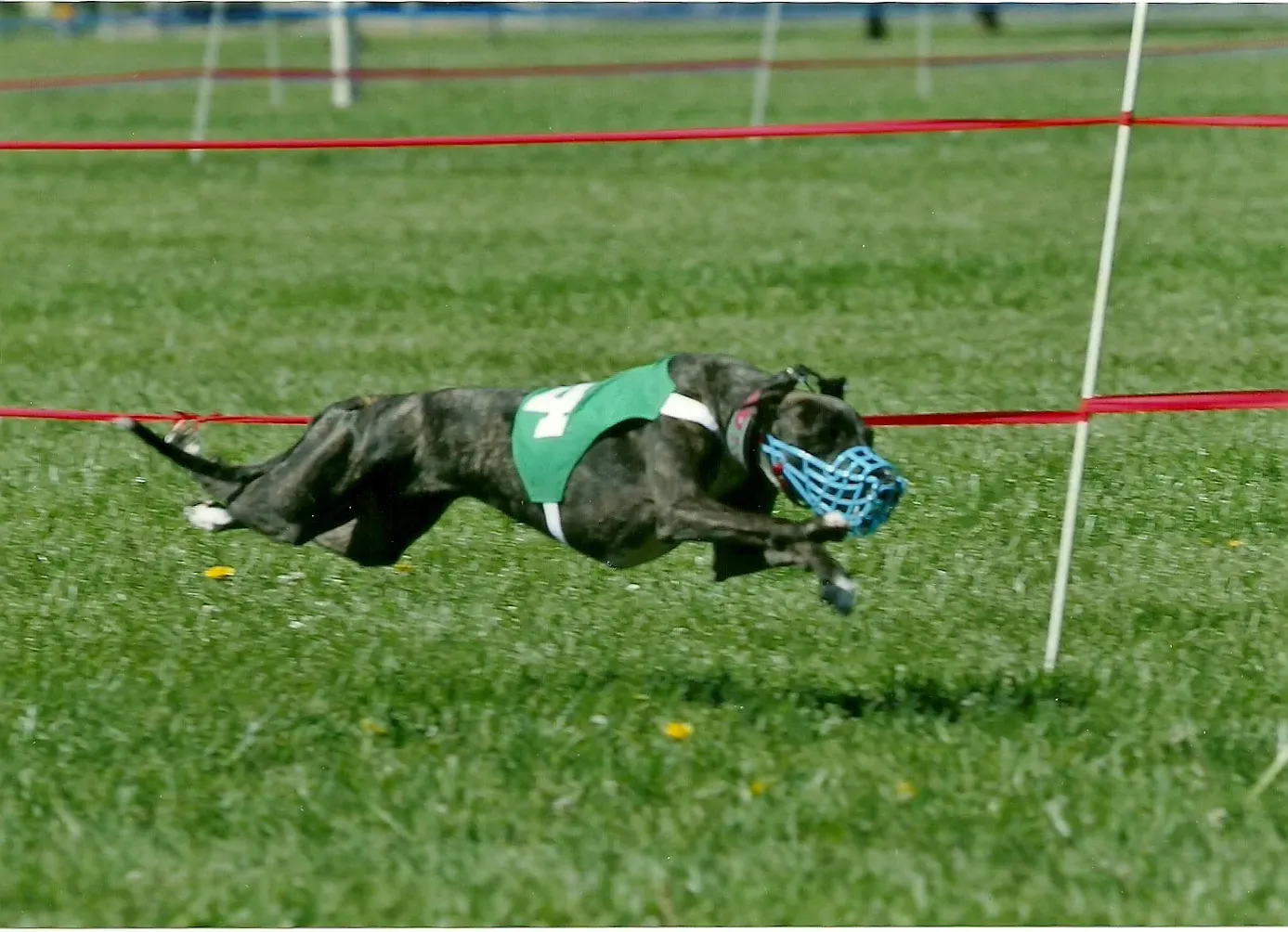
Organised whippet racing continues in the UK and elsewhere, and the breed also competes in lure coursing and in fast-dog events. The 100-yard dash at the AKC Fastest Dogs USA 2024 event was won by a Whippet, Revenant, with an average speed of 35.65 mph and a best time of 5.712 seconds. A Whippet named Winston came second at 34.59 mph average. These are event results for single dogs, not breed averages.
 Save
Relatives and DNA
 Same familyBorzoi1200 to 1650 · RussiaLate Middle Ages
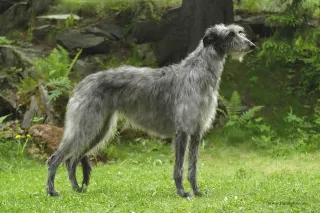
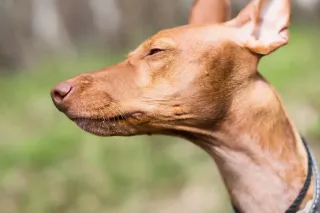
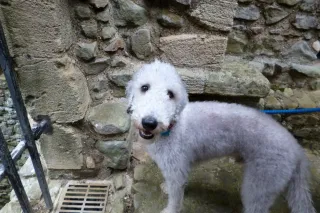
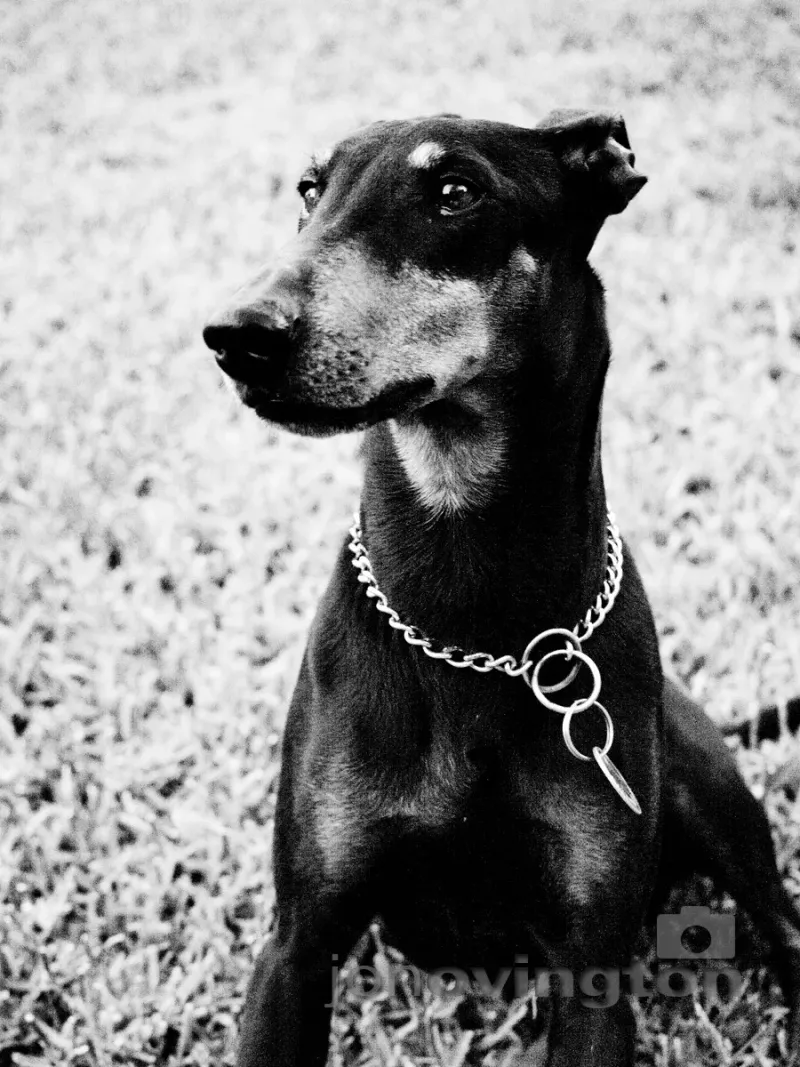
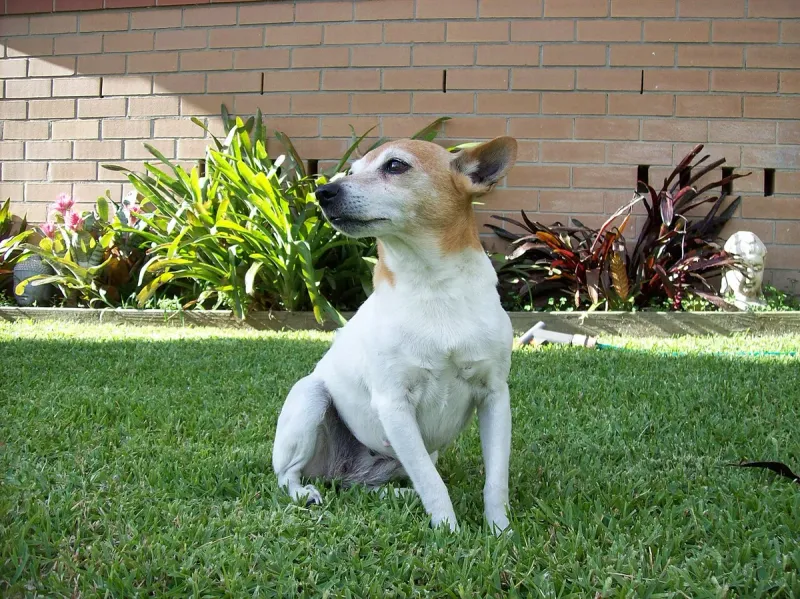
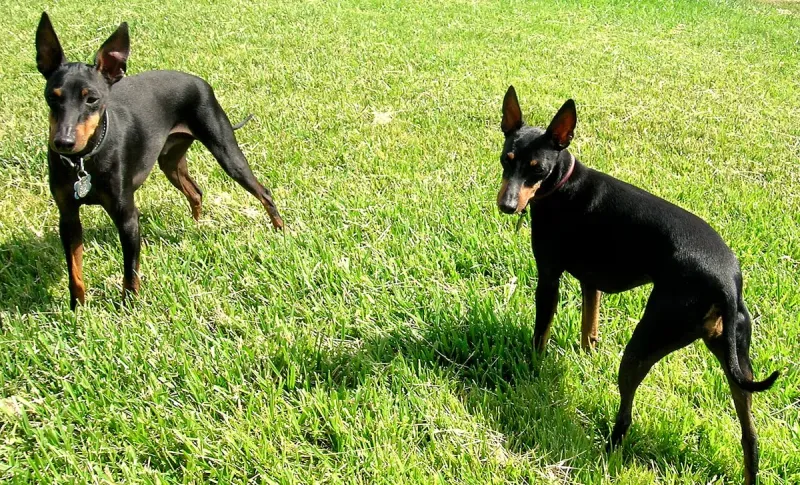
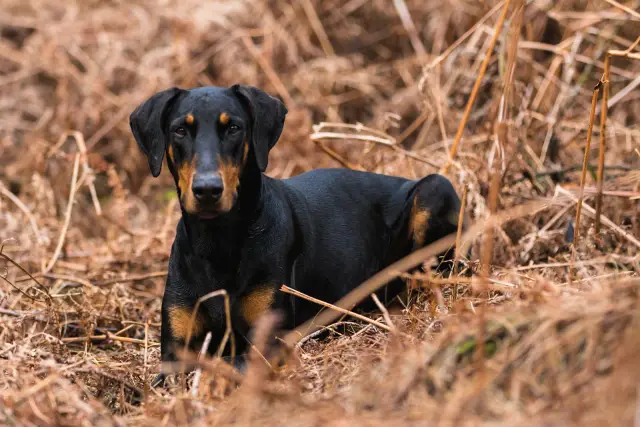
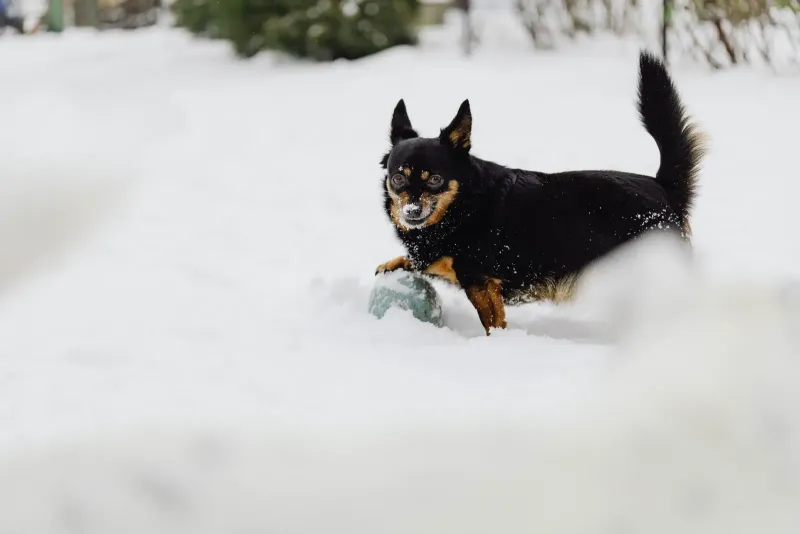
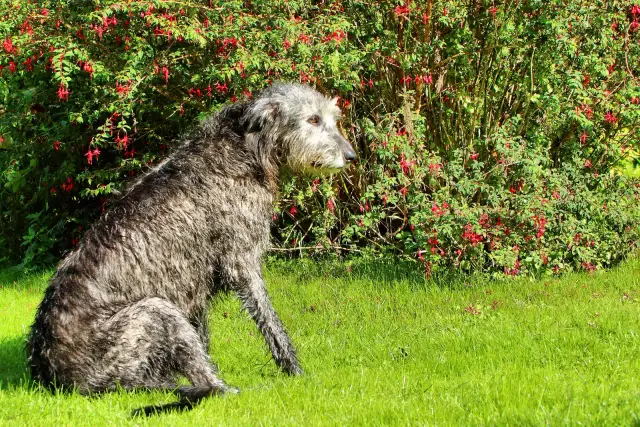
The atlas data places the Whippet in the UK Rural family. The closest DNA relative is the Greyhound, with 61.7 of in the Parker et al. (2017) data used by this site. The next closest are the Italian Greyhound (28.1 Mb) and the Scottish Deerhound (24.2 Mb), followed by the Pharaoh Hound (13.1 Mb), the Bedlington Terrier (11.1 Mb), the Toy Manchester Terrier (10.1 Mb) and the Irish Wolfhound (9.8 Mb).
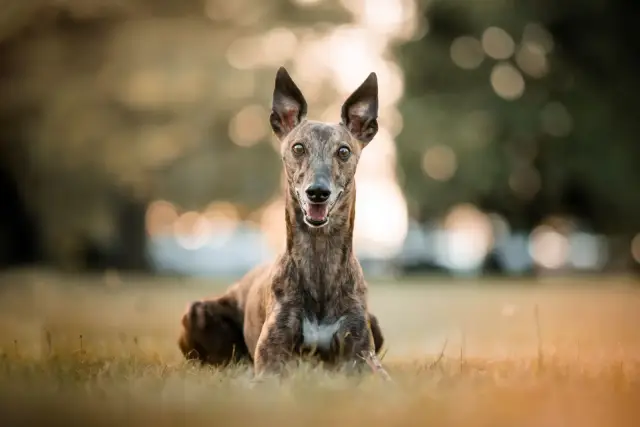


- Whippet and Greyhound
- Whippet and Italian Greyhound
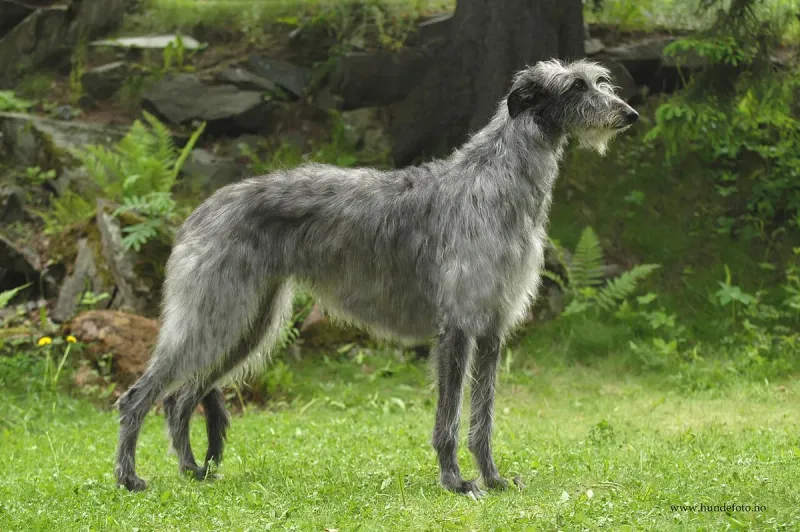 Whippet and Scottish Deerhound
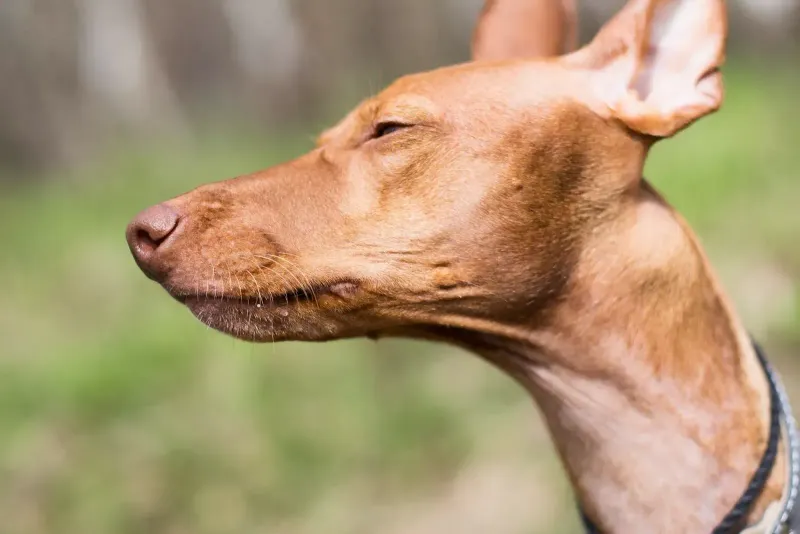 Whippet and Pharaoh Hound
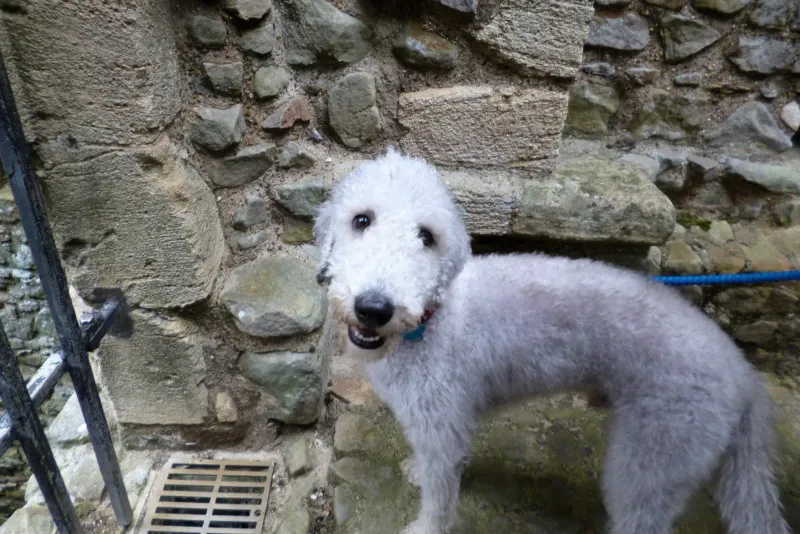 Whippet and Bedlington Terrier
The Bedlington Terrier appearing among the top DNA matches is one of the few hints in the genetic data that terrier blood contributed. The atlas assigns the Greyhound-ancestry link a low confidence level, citing Wikipedia and Parker 2017, and states that a small Greyhound type of medieval England is the early form of the breed. The same data lists the Manchester Terrier and the Miniature Fox Terrier as children of the Whippet, and lists more breeds as descendants: Toy Manchester Terrier, Dobermann, Lancashire Heeler, Rat Terrier, American Hairless Terrier, Teddy Roosevelt Terrier and Toy Fox Terrier. These are project-data links of mixed strength; the Manchester Terrier link is the one most often repeated in terrier histories.
Put simply: a Whippet is a Greyhound relative with a dash of something else, and the details of "something else" remain debated.
Sister breeds · 1
- Bull Arab1970 to 1990
Descend from it · 2
- Manchester TerrierUnited Kingdom
- Miniature Fox TerrierAustralia
- Greyhound61.7 Mb 2.6%
- Italian Greyhound28.1 Mb 1.2%
- Scottish Deerhound24.2 Mb 1.0%
- Pharaoh Hound13.1 Mb 0.5%
- Bedlington Terrier11.1 Mb 0.5%
- Toy Manchester Terrier10.1 Mb 0.4%
- Irish Wolfhound9.8 Mb 0.4%
Source: Parker et al. 2017. Percent of the whole genome.
The breed standard
 Looks relatedCardigan Welsh Corgi1200 to 1934 · United KingdomLate Middle Ages
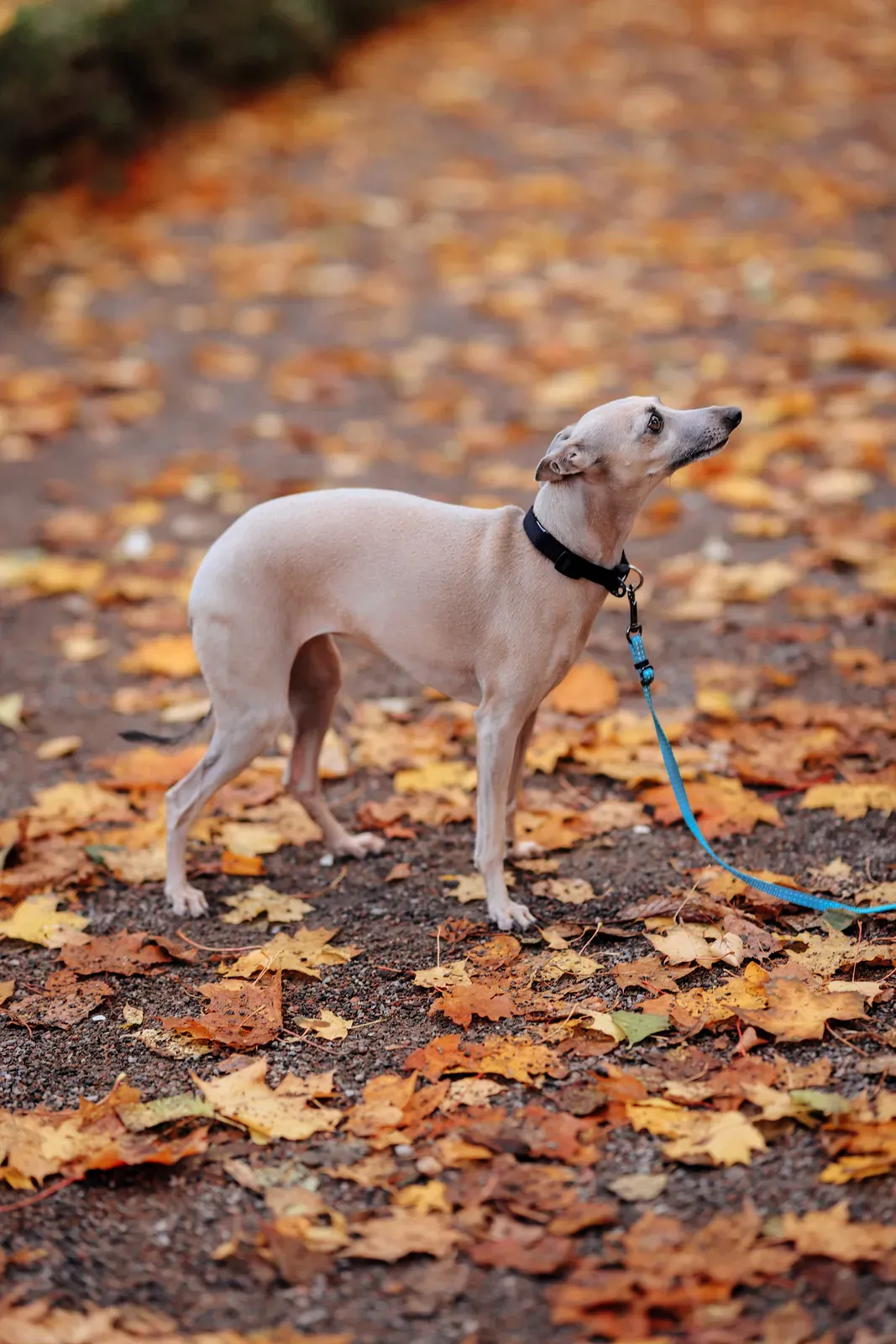
A is the written ideal for a breed that kennel clubs judge dogs against. It describes a dog that is built for sprinting: deep chest, tucked-up waist, long legs and a flexible, arched back.
| Trait | What the standards say |
|---|---|
| Group | FCI: Group 10, Sighthounds, standard no. 162. AKC: Hound Group. UK Kennel Club: Hound Group |
| Height, dogs | FCI: 47 to 51 cm. AKC: allows larger dogs, upper limit 57 cm |
| Height, bitches | FCI: 44 to 47 cm. AKC: allows larger bitches, upper limit 55 cm |
| Weight | Not stated in the FCI text seen. Typical 11 to 18 kg (secondary source, not a standard) |
| Country of origin | FCI: Great Britain |
| Size guidance | UK Kennel Club: size measurements are a guide and description of the ideal; individual dogs may be larger or smaller |
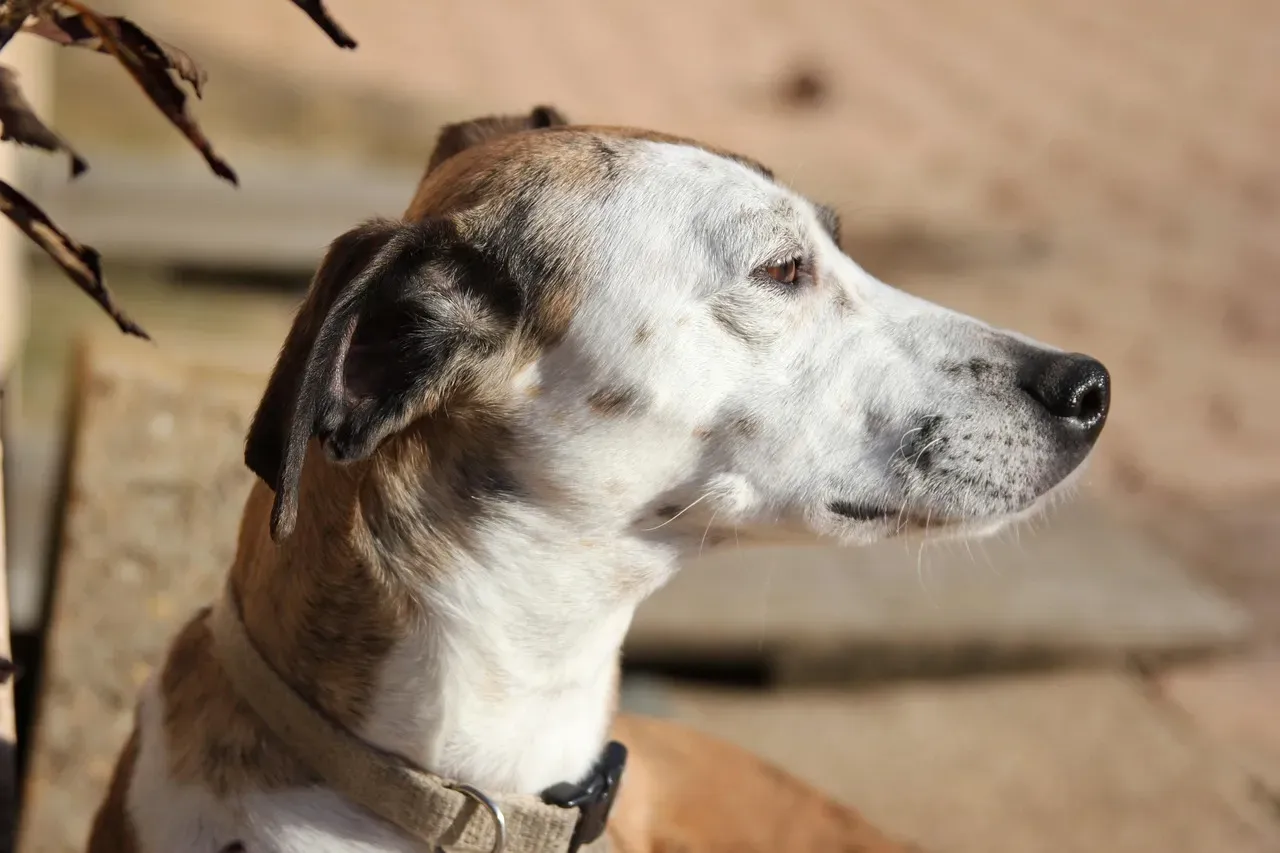
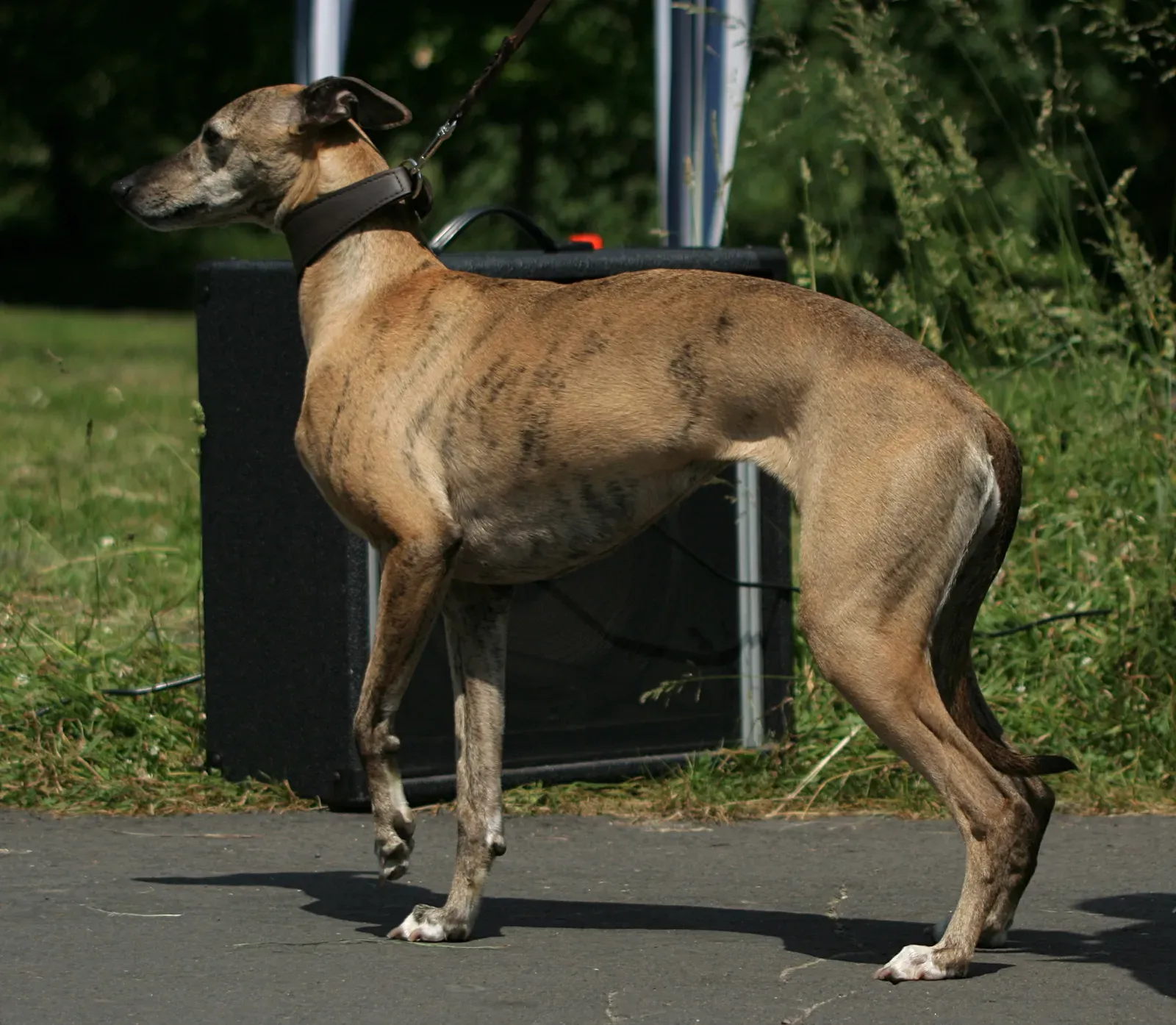
The American and Canadian standards allow taller dogs than the FCI standard does. A Whippet bred for the American show ring can therefore be bigger than one bred to the FCI standard. This table leaves out colour and coat rows. In practice, Whippets are seen in a wide range of colours and patterns, and the breed photo on this site is a fawn brindle.
Coat and skin. The coat is short and fine. Owner guides agree that Whippets have a thin coat and little body fat, and the World Small Animal Veterinary Association (WSAVA) breed note says they do not appreciate cold weather. The UK Kennel Club lists grooming about once a week.
Temperament
 Related breedMiniature American Shepherd1968 to 2015 · United StatesModern Era
The Whippet is usually described as gentle, affectionate and quiet in the house. It is a sprinter, not an endurance dog: it will burn off energy in short fast bursts and then settle. Many Whippets lean on people and follow them from room to room. They are not usually barky or aggressive and do not make good guard dogs.
Chasing. Like all sighthounds, the Whippet reacts to movement. A running rabbit, cat, squirrel or even a plastic bag can trigger the chase instinct. This is not disobedience in the usual sense; the dog is acting on a breed trait that kennel clubs have valued for generations. Recall can be unreliable around prey, and it is wise to let a Whippet off the lead only in securely fenced places until recall is proven.
Sensitivity. The breed tends to be sensitive to harsh handling. Reward-based training with short sessions works better than repetition. Socialisation in the first months helps a Whippet meet new dogs, people and noises calmly.
Sleeping habits. Whippets earn a reputation as couch dogs. The dog that sprints at 35 mph in the morning may sleep for hours, preferably under a blanket.
The bully whippet and the speed gene
 Related breedOld English Sheepdog1700 to 1888 · United KingdomEarly Modern Era
Not all Whippets look alike. A small number are extremely muscular, with bulging chests and thighs. These are called "bully" Whippets, and the cause is a known mutation.
What the study found. In 2007, Mosher and colleagues published "A mutation in the myostatin gene increases muscle mass and enhances racing performance in heterozygote dogs" in PLoS Genetics. They found a two-base-pair deletion in the third exon of the myostatin gene (MSTN) that creates a premature stop signal at amino acid 313. Myostatin normally limits muscle growth, so a dog that lacks it makes more muscle.
One copy versus two.
- A dog with one copy of the mutation (a carrier) is more muscular than normal and was among the fastest dogs in competitive racing events. In the data used, carriers were significantly faster than dogs with no copy.
- A dog with two copies is overmuscled, superficially like double-muscled cattle with similar mutations. A commentary in Nature noted that such dogs are rarely raced, probably because the extra muscle is a handicap.
Not found elsewhere. The authors did not find the mutation in 14 other heavily muscled breeds, which suggests it is unique to the Whippet. They also urged caution: little is known about health issues and risks in carriers. No frequency of the mutation in Whippets is published, so how common carriers are is unknown.
For a buyer, the practical point is that a DNA test for the mutation exists and that breeders can use it to avoid producing dogs with two copies. A pet owner does not need a "bully" or carrier dog to have a healthy Whippet.
 Save
Health
 Related breedPembroke Welsh Corgi1100 to 1934 · United KingdomEarly Middle Ages
Most Whippets live long, healthy lives. The UK Kennel Club gives a life span of over 12 years, and atlas data gives 12 to 15. This section lists what breeders screen for and what owners can watch for. No UK study of Whippets turned up in the searches for this article, so many prevalence figures are not available. Where there is none, the table says so instead of inventing one.
| Condition | What it is | How common | What helps |
|---|---|---|---|
| Mitral valve disease and heart murmurs | A leaking heart valve; a murmur is the sound a vet hears through a stethoscope | The prevalence of murmurs in healthy Whippets is described as high in a long-running study of about 270 clinically healthy Whippets (AKC Canine Health Foundation project 00898); Whippets are overrepresented for the disease, suggesting an inherited part | Heart checks with a vet; a stethoscope alone can miss mild cases (an echocardiogram is more sensitive); ask breeders about parents' heart screening |
| Myostatin "bully" mutation, two copies | An excess-muscle condition | No frequency found | DNA test for the mutation; breeders can avoid pairings that produce two copies |
| Cold-related discomfort and thin coat | Little fat and a thin coat lose heat quickly | Not a disease; reported by every breed guide | Coat for cold or wet weather; warm bed; short outings in frost |
| Cuts and scrapes | Fine skin and a lean build mean small injuries are easy to get | Owner guides report it; no study found | Safe, clear running areas; check legs after runs |
Heart disease in detail. The Stepien et al. (2017) study in the Journal of Veterinary Cardiology looked at non-clinical mitral regurgitation murmurs in North American Whippets. The study found murmurs are common in apparently healthy dogs, and that auscultation (listening with a stethoscope) alone is not adequate to detect milder degrees. A Whippet -wide association study found a significant region on chromosome 15 linked to disease severity. This research does not say that most Whippets will become ill; it says a breed-level heart screen is useful and that a murmur at a check-up calls for follow-up, not alarm.
Life span context. For comparison only: the UK VetCompass study of the Greyhound reported a median life span of 11.4 years from 474 deaths. That figure belongs to the Greyhound and is not applied to the Whippet.
 Ticks and fleasTicks and fleas on dogs: how to check, remove and prevent themTicks and fleas on dogs: how to tell them apart, check your dog, remove a tick safely, break the flea life cycle and prevent both.
 GuidesPractical guidesBehaviour, training, health and adoptionRelated breedPembroke Welsh Corgi1100 to 1934 · United KingdomEarly Middle Ages
Living with a Whippet
 Related breedRough Collie1800 to 1886 · United KingdomIndustrial Revolution
 Save
| Daily reality | Rating | Why |
|---|---|---|
| Exercise per day | Medium | Up to 1 hour (UK Kennel Club); needs a safe place to sprint |
| Training needs | Medium | Gentle and eager, but the chase instinct needs work on recall |
| Grooming | Low | Short coat; about once a week (UK Kennel Club) |
| Shedding | Medium | The Kennel Club notes the coat sheds |
| Barking | Low | Usually quiet; varies by individual |
| Time alone | Fair | Bonded to people; kennel life is not suited, so plan company |
| Children | Good | Gentle; very small children need supervision because of the dog's fine build |
| Other dogs | Good | Usually sociable, especially with dogs of its own size; varies |
| Cats and small pets | Varies | Strong chase instinct; evidence is thin |
| Flat living | Good | Calm indoors if exercise is met |
| Heat tolerance | Fair | Short coat helps, but no source rates it; avoid midday sprints |
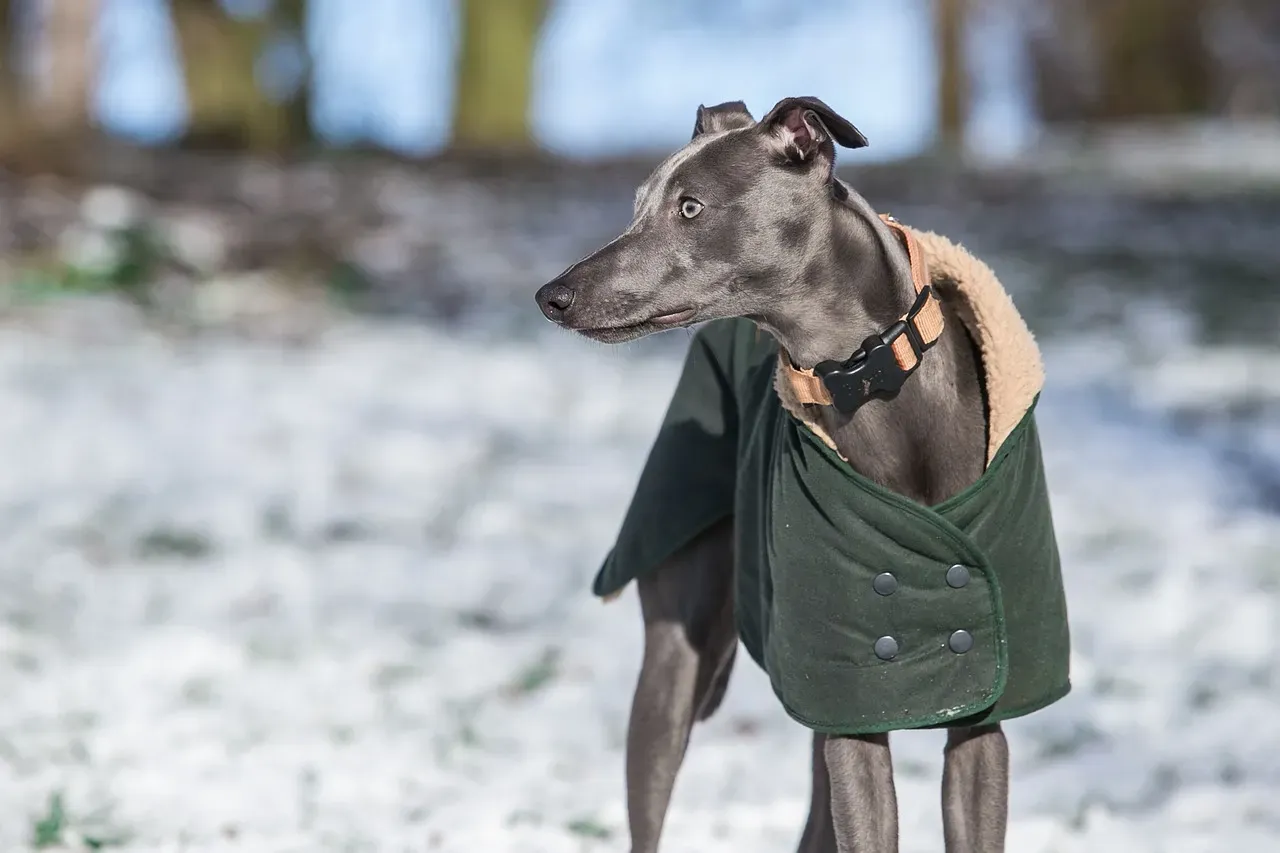
| Cold tolerance | Poor | Thin coat, little fat; coats advised in cold or wet weather |
| First-time owner fit | Good | Gentle; main work is recall and a fenced run |
Coats and cold weather
Because of the thin coat and low body fat, Whippets feel the cold early. For winter walks and wet days, a well-fitting coat that covers the chest and belly is normal rather than fussy. Our dog clothes guide explains what fit and fabric to look for. Whippets also need a warm bed away from draughts, and some owners add a jumper for indoors in cold houses.
A great fit if
- You want a calm, affectionate dog that is happy indoors after a daily run.
- You can offer a securely fenced area where the dog can sprint.
- You will keep it warm: coats in winter, a soft bed, no long cold waits.
- You enjoy a gentle, people-focused dog and are home for part of the day.
Think twice if
- You live where the dog must go off lead in unfenced areas near rabbits or livestock.
- You share a home with small pets such as rabbits or hamsters.
- You want a guard dog or a dog that trains for heavy work.
- You are away for long hours and cannot arrange company.
Before you get one
- Health tests. Ask the breeder for the heart screening results of both parents and the result of the myostatin DNA test, so that a litter cannot include dogs with two copies. Ask to see original certificates.
- Puppy or adult rescue. Sighthound rescues exist and often have adult Whippets whose manners and recall are known. An adult can suit a first-time owner.
- First year. Plan for puppy classes, a recall habit built on a long line, and a coat for the first winter. Whippet puppies grow quickly and their joints need steady, calm exercise, not endless hard running.
Similar breeds to consider

Whippet fun facts
 Related breedShetland Sheepdog1700 to 1909 · United KingdomEarly Modern Era
- The Whippet's nickname "snap dog" is said to come from how fast it snaps at a lure or prey.
- A Whippet won the 100-yard dash at the AKC Fastest Dogs USA 2024 event at an average of 35.65 mph.
- The "bully" Whippet is caused by a known myostatin gene mutation, first described in a 2007 PLoS Genetics paper.
- Rag racing used a rag or rabbit skin pulled down a straight track, earning the breed the nickname "lightning rag dog".
Frequently asked questions
Are Whippets good family dogs?
Yes, in homes that can give them a warm bed and a safe place to run. They are gentle and sociable. Supervise very young children because the breed's fine build is easily bumped.
How big is a Whippet?
gives 47 to 51 cm for dogs and 44 to 47 cm for bitches. allows taller dogs, up to about 57 cm for dogs and 55 cm for bitches. Typical weight is 11 to 18 kg (secondary source).
How fast is a Whippet?
About 35 mph. The best result found was an average of 35.65 mph over 100 yards for the winner of the AKC Fastest Dogs USA 2024. Lists in the press give about 34 to 36 mph.
How long do Whippets live?
The UK Kennel Club says over 12 years. Atlas data gives 12 to 15 years.
What is a bully Whippet?
A Whippet with two copies of a myostatin gene mutation, which produces extra muscle. with one copy are muscular and were found to be fast racers; dogs with two copies are rarely raced.
Do Whippets need coats?
Usually in cold or wet weather. They have a thin coat and little body fat. See the dog clothes guide.
Read next
Closest DNAGreyhound61.7 Mb shared FamilyUK RuralThe whole family
 Adopt a dogDog Shelters in EuropeFind dog shelters in Europe, learn how shelters differ from country to country and why adopting a dog is a good option.
Sources (14)
- American Kennel Club, "Whippet history" and "Whippet history: behind the small racing breed" articles.
- American Kennel Club, "Winners of the AKC Fastest Dogs USA 2024".
- American Kennel Club Canine Health Foundation, project 00898, "Diagnosis and Progression of Acquired Mitral Valve Disease in Whippets".
- Fédération Cynologique Internationale, Whippet, standard no. 162 (copies hosted by ENCI and SKK).
- Dogs Australia, Whippet breed standard (reproducing the FCI text).
- Mosher D.S. et al., "A mutation in the myostatin gene increases muscle mass and enhances racing performance in heterozygote dogs", PLoS Genetics, 2007.
- Nature, 2007 commentary on the whippet myostatin mutation (doi 10.1038/447275b).
- National Human Genome Research Institute, 2007 news feature on the genetics of canine speed.
- Stepien R.L. et al., "Prevalence and diagnostic characteristics of non-clinical mitral regurgitation murmurs in North American Whippets", Journal of Veterinary Cardiology, 2017.
- The Kennel Club (UK), Whippet breed page and breed standard.
- United Kennel Club, Whippet breed standard.
- World Small Animal Veterinary Association (WSAVA), "Dog breeds: what you need to know about the Whippet".
- O'Neill D.G. et al., "Greyhounds under general veterinary care in the UK during 2016: demography and common disorders", Canine Genetics and Epidemiology, 2019 (VetCompass; Greyhound figures used for comparison).
- Wikipedia, Whippet (typical weight and size ranges, secondary).