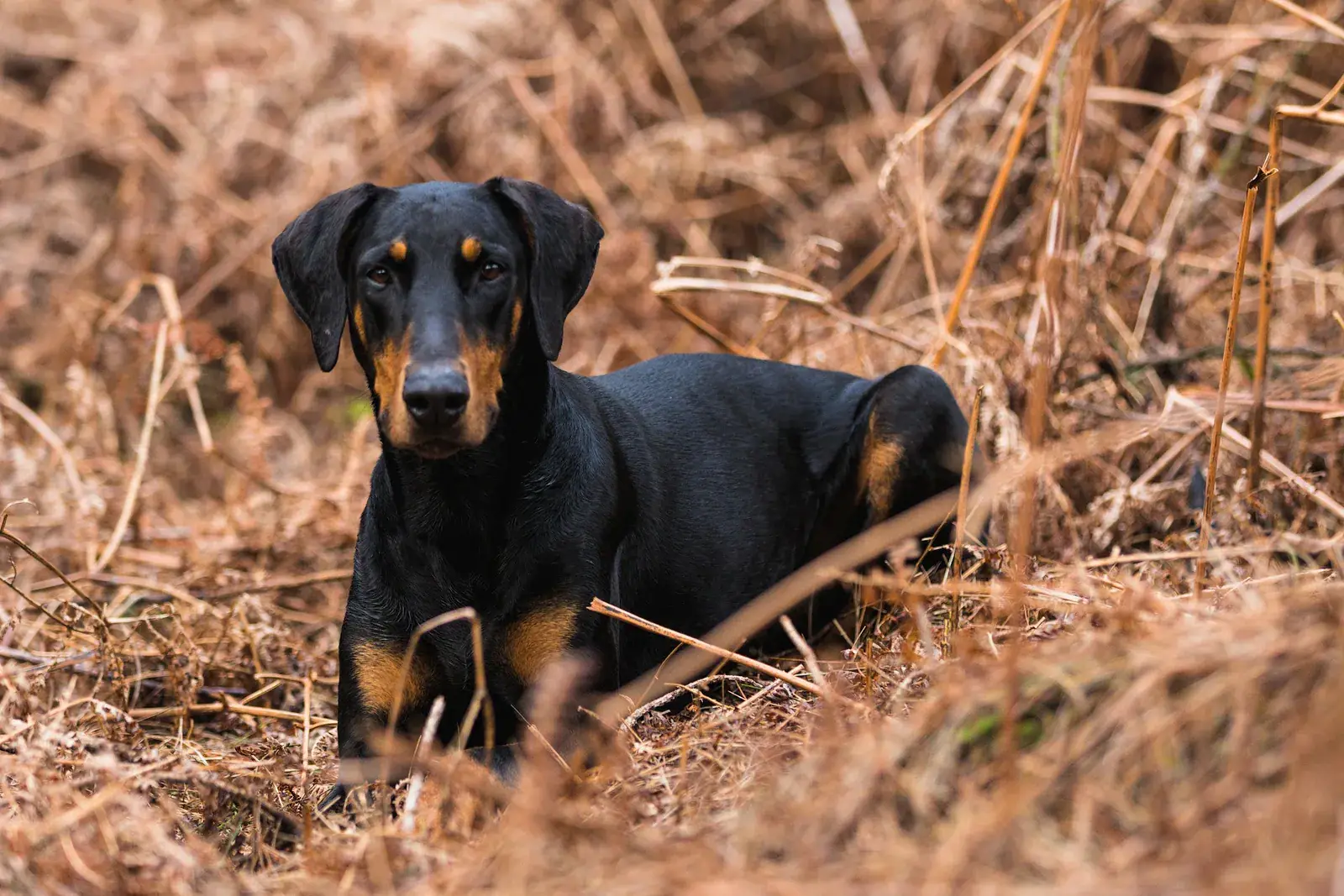
Adults stand roughly 63 to 72 cm and weigh about 32 to 45 kg under the FCI standard. The breed is loyal, quick to learn and closely bonded to its family, and it needs daily exercise, firm kind training and regular heart screening. In the United States the same dog is called the Doberman Pinscher.
Quick facts
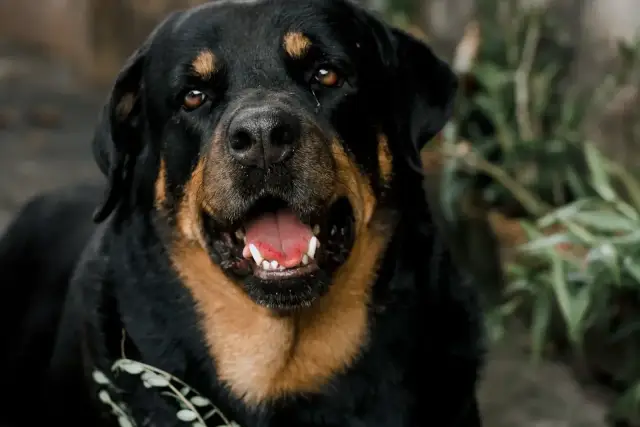 Related breedRottweiler100 CE to 1901 · GermanyAncient World
- Other names
- Doberman Pinscher (AKC), Doberman
- Origin
- Apolda, Thuringia, Germany
- Appeared
- About 1880 to 1900
- Type
- Guard dog
- FCI
- Group 2, standard no. 143
- AKC group
- Working
- DNA family
- Drover (Parker 2017)
- Height
- About 63 to 72 cm (FCI)
- Weight
- About 32 to 45 kg (FCI)
- Life span
- About 10 to 13 years
- Coat
- Short, smooth, close lying
Drawn to scale in real centimetres. Its back reaches about 67 cm, mid-thigh; its head about 84 cm, your hip.
Where it sits in the tree
Victorian Breed Boom · 1850 to 1913
Name and origin
 Related breedAmerican Cocker Spaniel1870 to 1946 · United StatesVictorian Breed Boom
Where the name comes from. The breed carries the surname of Karl Friedrich Louis Dobermann (1834 to 1894), born in Apolda. The traditional account says he worked as a tax collector, and that he also ran the town dog pound and served as a night watchman and dog catcher. Because of that last job he is said to have had many dogs of different types to choose from. The tax collector story is repeated in nearly every breed history, but it comes from later retellings, and no detail of his exact duties should be treated as firmly documented.
Dobermann or Doberman Pinscher? Both names refer to the same breed. "Dobermann" with two n's is the spelling of the founder's surname, and it is used by the FCI, the UK Kennel Club and most of Europe. "Doberman Pinscher" is the American Kennel Club name, with one n. In Germany the breed was called Dobermannpinscher after the founder's death, and the word "Pinscher" was dropped there in 1949 because it no longer seemed fitting. The AKC kept the older form. In everyday speech, "Dobie" or "Doberman" is common in both countries.
Where it was bred. Apolda, a small town in Thuringia in central Germany, is the breed's undisputed birthplace. Louis Dobermann began his breeding there in the decades after the Franco-Prussian War, and the first breed club activity in Apolda followed in the late 1890s.

History
 Same eraAmerican Eskimo Dog1900 to 1917 · United StatesVictorian Breed Boom
1870s to 1894: one man's guard dog. Louis Dobermann wanted a dog that was imposing, alert and loyal, one that would also be at home walking beside him on rounds. He kept no that survives in full, so the exact crossings are not known. Writers generally name the German Pinscher, the Rottweiler, the Manchester Terrier and the Greyhound as likely ingredients, with the Beauceron, the Weimaraner and the old Black and Tan Terrier suggested by some experts. Confidence in each of these is only medium or low.
1890s: from local dog to named breed. Dobermann died in 1894. Breeders who admired his dogs kept developing them, and the breed was recognised under his name around 1899, as the Dobermannpinscher. Early breeders aimed to improve both the looks and the temperament, because the first dogs were reputed to be sharp.
20th century: police work and war. The breed spread quickly as a police and military dog in Germany. It reached the United States in the early 1900s, and the AKC recognised it in 1908. During the Second World War the United States Marine Corps used Dobermanns as war dogs in the Pacific, and a memorial on Guam honours them.
1899 onwards: clubs and standards. The first breed club was founded in Apolda in 1899 by Otto Goeller, a local liqueur maker, together with Oskar Vorwerk. Goeller is widely credited with writing the first standard and with shaping the breed after Dobermann's death, and he reportedly kept dozens of dogs at his villa. Apolda had hosted a dog market since 1863, which gave Dobermann's dogs a place to be seen and sold.
Today. The Dobermann remains a working and family dog. Show and working lines have grown apart in some countries, with show types often heavier and working types lighter. Both are still the same breed with the same standard.
Relatives and DNA
 Same familyAmerican Pit Bull Terrier1850 to 1898 · United StatesVictorian Breed Boom
The Dobermann sits in the Drover family in the Parker 2017 DNA study, which grouped breeds by shared ancestry across the . Its closest relatives by segments are other square, short-coated working breeds, which fits the story of a recent mix of pinscher, terrier and guard types.
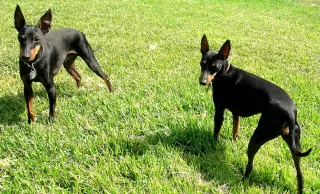
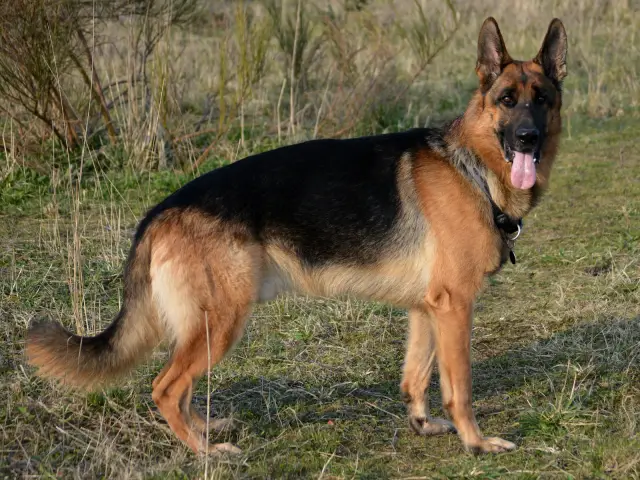
Shared segments are a hint of common ancestry, not a family tree. Among the breeds written about as ancestors, the Manchester Terrier, the German Pinscher, the Rottweiler and the Greyhound are the most often named, with the Beauceron and the Weimaraner less certain. The Rottweiler cross is the best remembered, since Goeller and other early breeders were said to have used Rottweiler blood to add substance and a steadier temperament. Early breeders also wanted a less sharp dog, so the cross with the Manchester Terrier and the German Pinscher is often linked with finer build and the black and tan pattern. These accounts come from breed histories and not from surviving stud books, so they are best read as the breeders' own tradition. The Greyhound is usually named for the long clean neck and the speed of the breed. The Miniature Pinscher is a sibling breed from the same German pinscher background, and it is not a small Dobermann, despite the look.
Sister breeds · 1
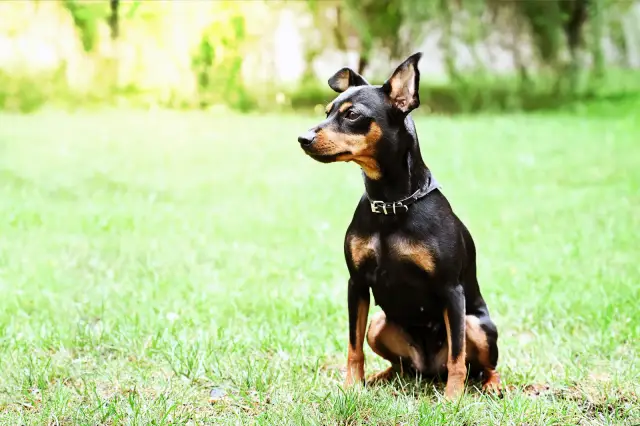
- Miniature Pinscher1600 to 1895
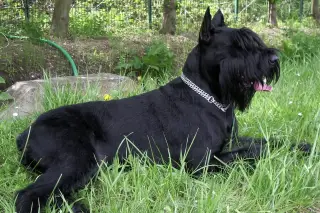
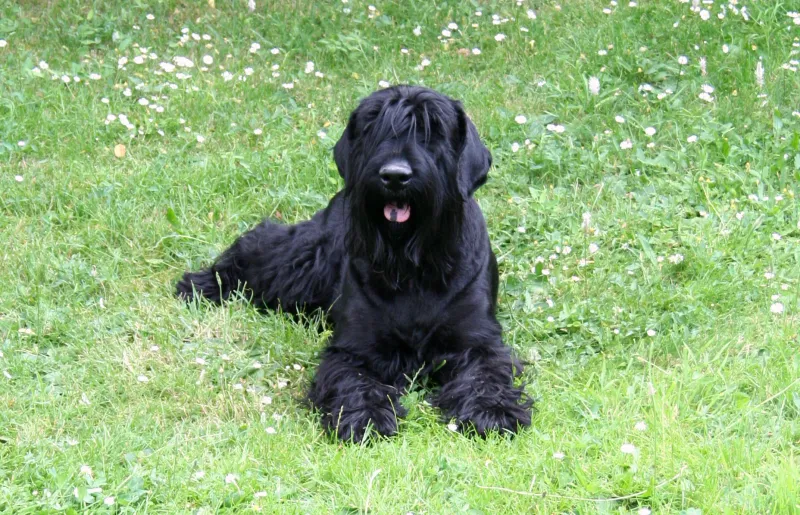
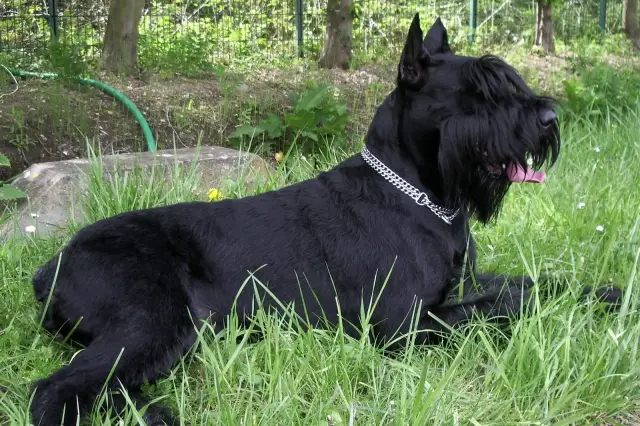
- Giant Schnauzer25.1 Mb 1.0%
- Toy Manchester Terrier24.1 Mb 1.0%
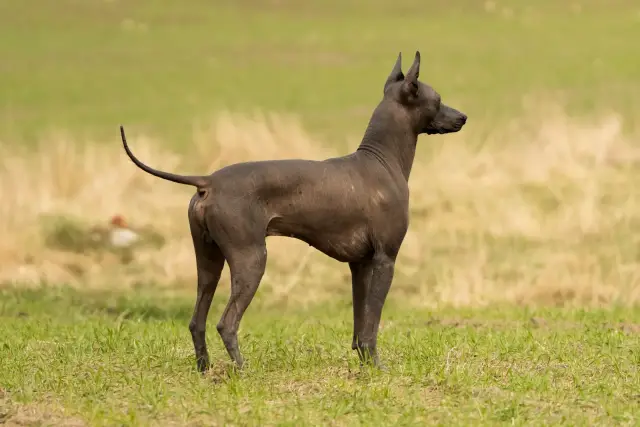
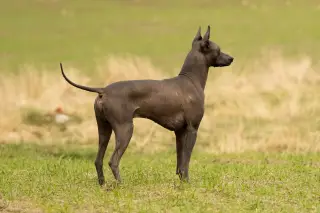
- Xoloitzcuintle19.1 Mb 0.8%
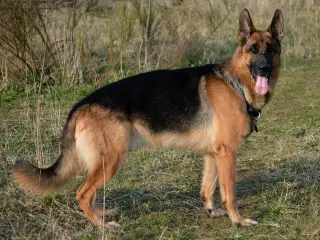
- German Shepherd14.8 Mb 0.6%
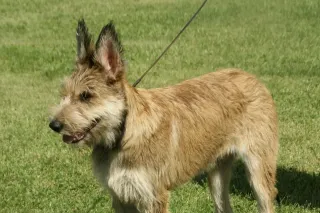
- Berger Picard12.0 Mb 0.5%
- Peruvian Hairless Dog11.5 Mb 0.5%
- Pumi9.8 Mb 0.4%
- Black Russian Terrier9.8 Mb 0.4%
Source: Parker et al. 2017. Percent of the whole genome.
| Breed | Shared DNA () |
|---|---|
| Giant Schnauzer | 25.1 |
| Toy Manchester Terrier | 24.1 |
| Xoloitzcuintle | 19.1 |
| German Shepherd | 14.8 |
| Black Russian Terrier | 9.8 |
Source: Parker et al. 2017, Cell Reports, shared haplotypes between 161 breeds (1,346 dogs).
The breed standard
 Looks relatedAmerican Staffordshire Terrier1850 to 1936 · United StatesVictorian Breed Boom
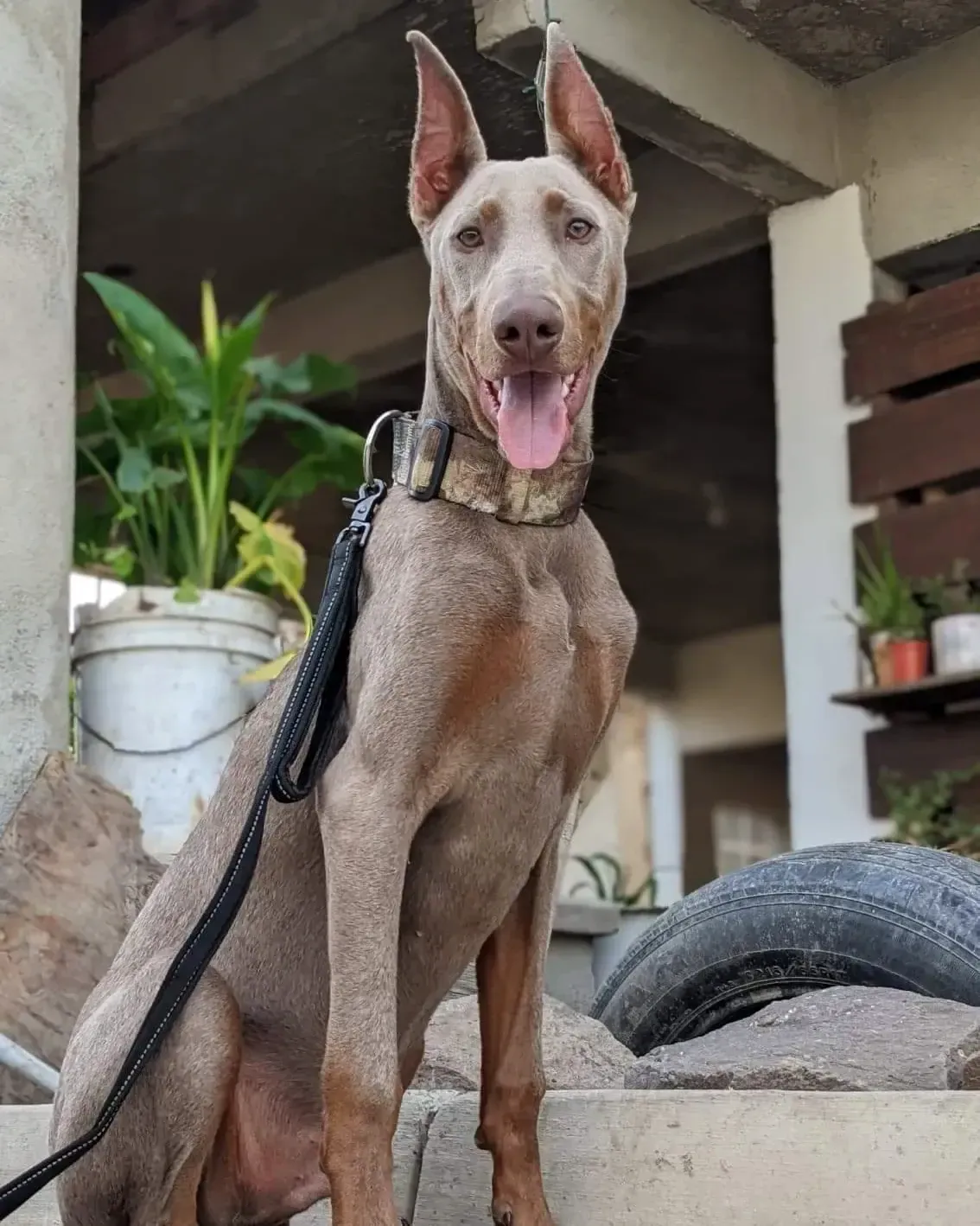
A is the written ideal for a breed that kennel club judges compare each dog against. The three main standards agree on the overall picture, a medium to large, elegant, muscular dog with a wedge shaped head and a short coat, and differ mainly in height, colours and ear and tail rules.
| Trait | FCI (no. 143) | AKC | UK Kennel Club |
|---|---|---|---|
| Height, males | 68 to 72 cm | 66 to 71 cm (26 to 28 in) | About 69 cm |
| Height, females | 63 to 68 cm | 61 to 66 cm (24 to 26 in) | About 65 cm |
| Weight | 40 to 45 kg males, 32 to 35 kg females | No weight given | No weight given |
| Coat | Short, hard, thick, close lying | Smooth, short, hard, thick | Smooth, short, hard |
| Colours | Black or brown with rust red markings | Black, red, blue or fawn with rust markings | Black, brown, blue or fawn with tan markings |
| Ears | Natural or cropped, depending on national law | Cropped or natural | Natural |
| Tail | Natural or docked, depending on national law | Docked | Natural |
The standards describe a deep chest, a straight strong back, a long dry neck and a head that looks like a blunt wedge from the front and the side. The Dobermann has little undercoat and almost no body fat for insulation.
Ear cropping and tail docking
 Related breedAustralian Kelpie1870 to 1902 · AustraliaVictorian Breed Boom
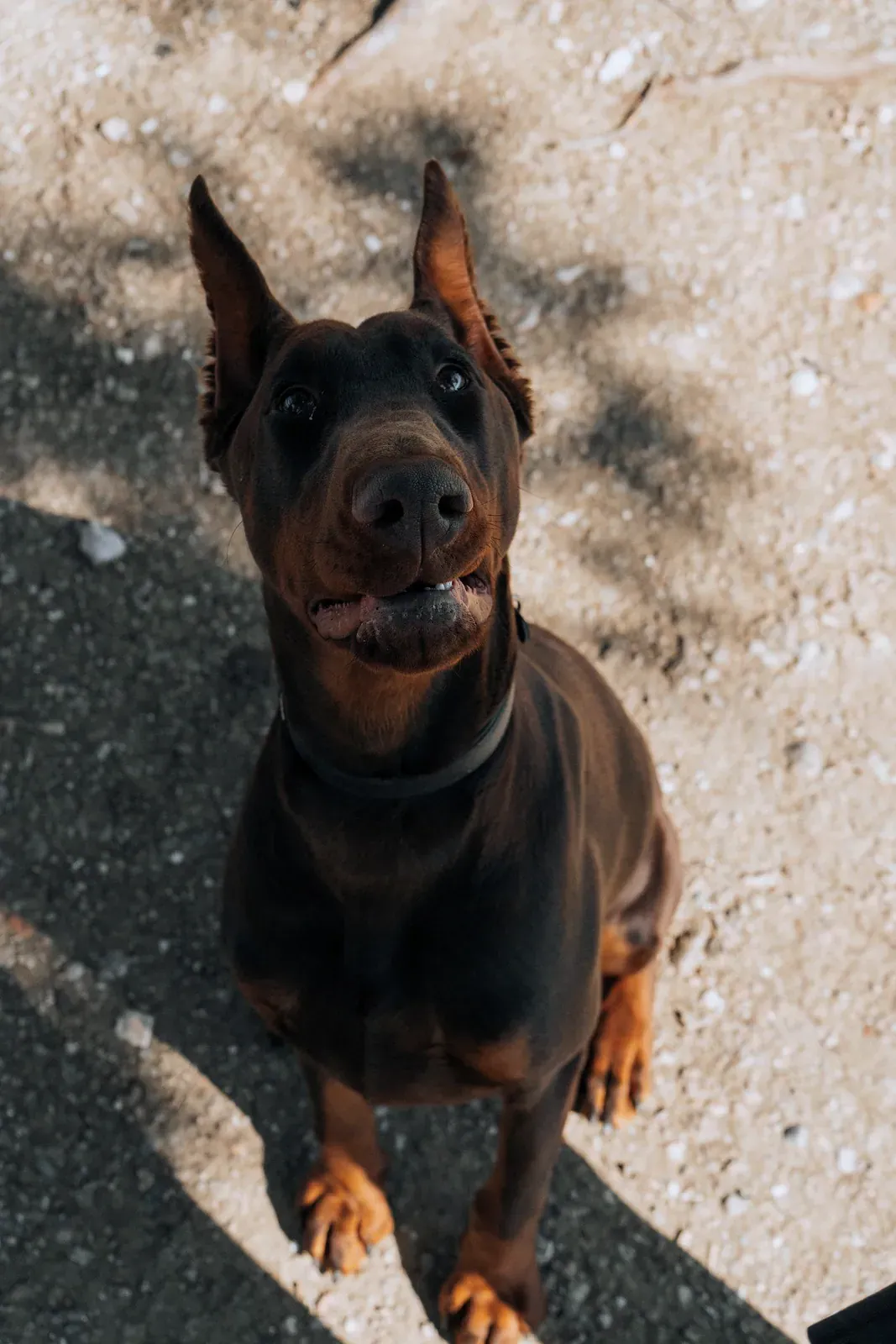
Cropping means surgically cutting the ears so that they stand upright, and docking means shortening the tail, usually in the first days of life. Both were traditional for the Dobermann because the working dog was thought to look more alert and be less likely to injure its ears and tail. Today they are controlled by law, and the rules differ widely.
- United Kingdom: ear cropping is illegal in England and Wales, and the Kennel Club does not allow dogs with cropped ears to take part in its events. Tail docking is also illegal, with an exemption for certain working dogs when done by a vet. Dobermanns here normally have natural ears and tails.
- Much of Europe: cropping is banned in most European countries, including the Scandinavian ones, and several of them, such as Austria, Belgium, the Netherlands, Norway and Poland, restrict docking as well. These bans follow the European Convention for the Protection of Pet Animals.
- Australia and New Zealand: cropping for looks is banned.
- United States: cropping and docking are legal in most states and the AKC standard still describes a docked tail, with ears cropped or natural. Many US vets and breed clubs now accept natural ears, and the practice is more debated than before.
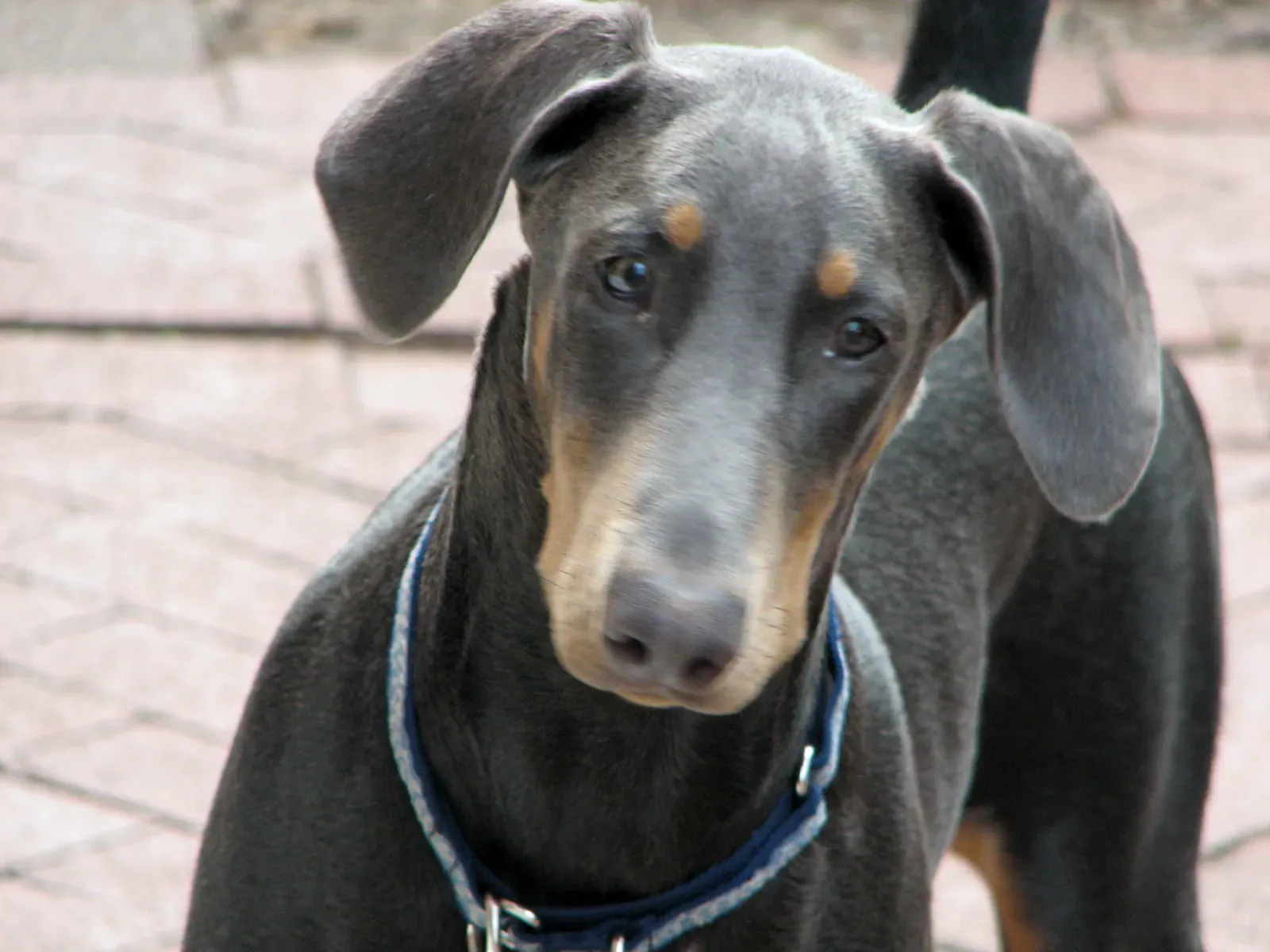
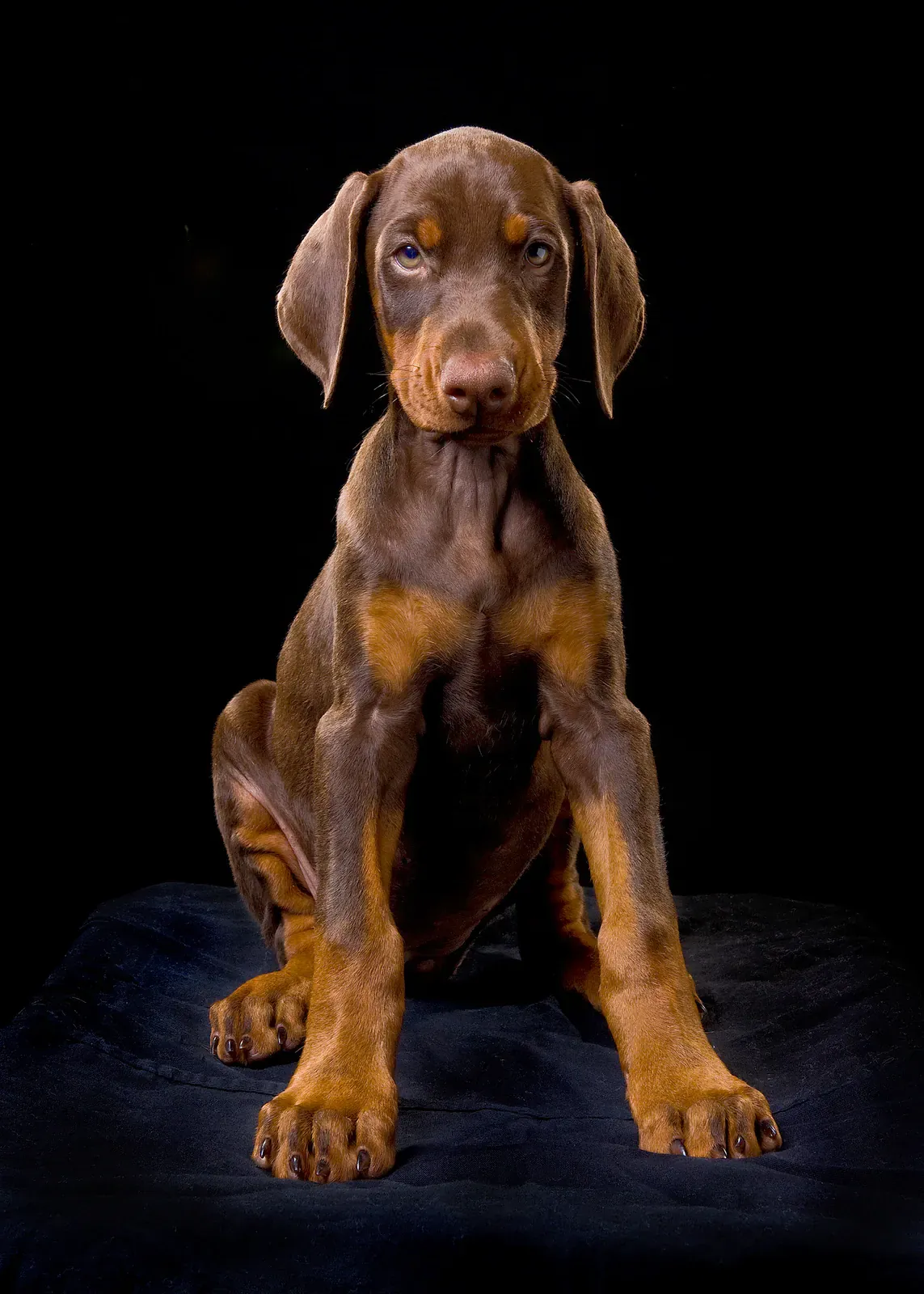
Dobermanns with natural ears have ears that hang folded and give a softer look. Where cropping is banned, the dogs are just as healthy and capable.
Temperament
 Related breedBasset Hound1860 to 1885 · United KingdomVictorian Breed Boom
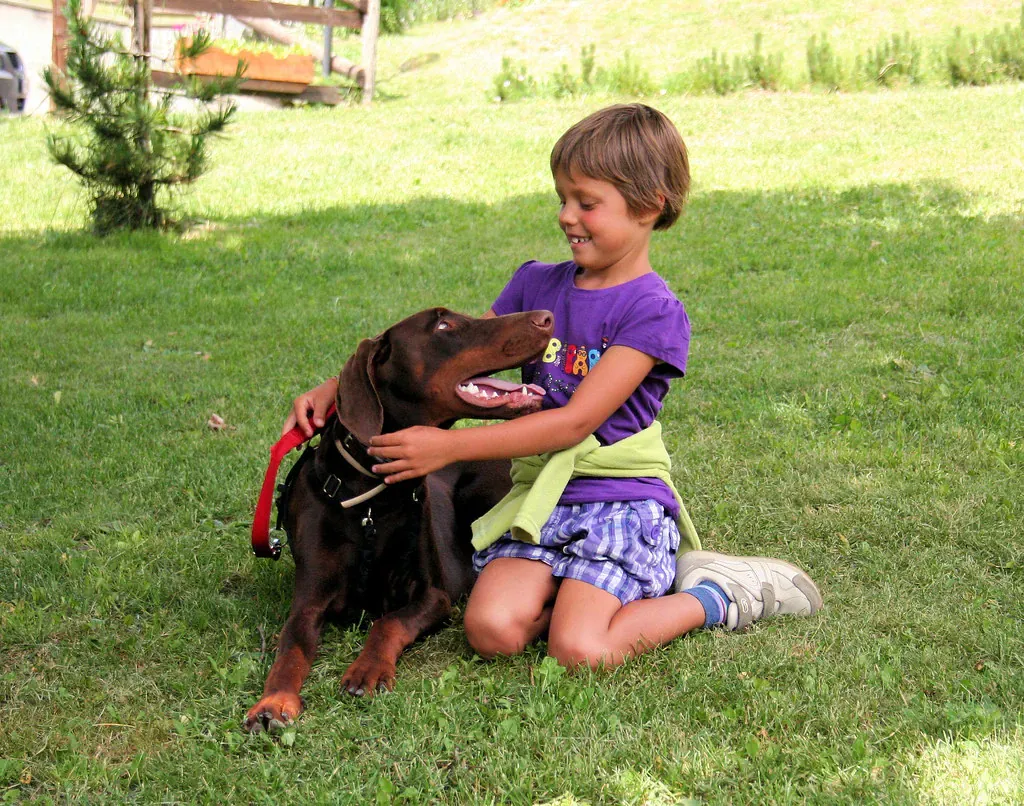
The Dobermann is a people dog. It is alert, loyal, quick to learn and very attached to its household, and it often follows family members from room to room. Owners often describe it as a "velcro" dog. Many are affectionate and goofy at home with the people they know, and watchful with strangers. See the smartest dog breeds for how this breed compares with others on trainability.
Several things matter in daily life:
- Intelligence and drive. It learns fast and gets bored fast. Short, varied training sessions work better than long repetition.
- Sensitivity. Dobermanns respond poorly to harsh handling. Reward based training and calm consistency tend to produce a steadier dog.
- Protective instinct. The breed was created as a guard dog, so early and wide socialisation with people, places and other dogs is part of raising one, not an extra.
- Energy. Young Dobermanns are bouncy and athletic. Most settle in the house by around two to three years, if their exercise needs are met.
The common idea of an aggressive Dobermann comes from films and the breed's police and guard history. A well bred, well socialised and well trained dog is typically steady and confident, but any large guard breed can be a problem when it is poorly bred or left without training.

Health
 Related breedBelgian Malinois1891 to 1901 · BelgiumVictorian Breed Boom
Most Dobermanns live healthy, active lives, and the breed's life span is generally given as about 10 to 13 years. Responsible breeders screen their dogs for the conditions below, and owners can watch for early signs and ask the vet for regular checks. Two conditions deserve to be known before buying a puppy: a heart muscle disease and a bleeding disorder.
| Condition | What it is | How common | What helps |
|---|---|---|---|
| Dilated cardiomyopathy (DCM) | The heart muscle thins and weakens so the heart pumps less well | The most common serious concern; in a German study of 412 dogs followed over time (Wess et al. 2010), about 58 percent developed it over a lifetime | Yearly heart checks by a vet or cardiologist (ECG and heart scan), DNA tests, breeding only from screened dogs |
| von Willebrand disease (vWD) | A shortage of a clotting protein, so bleeding after injury or surgery can last longer | Low clotting factor is very common; 61 percent of 614 Australian dogs tested were below the normal range (Stokol et al. 1995) | DNA test for the mutation, telling the vet before surgery |
| Wobbler syndrome (cervical spondylomyelopathy) | A neck spine problem that presses on the spinal cord and can cause an unsteady walk | Seen more often than in most breeds | Early vet checks, weight control, breeding from unaffected lines |
| Bloat (gastric dilatation volvulus) | The stomach fills with gas and may twist | Seen more often in deep chested breeds | Smaller meals, rest around feeding, knowing the warning signs |
Dilated cardiomyopathy. DCM is the best known health issue in the breed. Wess and colleagues at the University of Munich followed 412 Dobermanns with yearly heart ultrasound and 24 hour ECG recordings (Journal of Veterinary Internal Medicine, 2010). The share of dogs with DCM rose from about 3 percent at one to two years to about 44 percent at eight years and older, and the lifetime prevalence in the group was 58 percent. This is a screened cohort of mostly show and breeding dogs from Germany, so it may not match every population, but it shows why yearly screening from about two years of age is recommended, as set out in the European Society of Veterinary Cardiology screening guidelines. A mutation in the PDK4 gene was linked to DCM in American Dobermanns by Meurs and colleagues in 2012. A study of Dobermanns from Germany and the UK did not find the same link, which suggests that European dogs carry other causes as well. Dutton and colleagues at the Royal Veterinary College, "Association of the TTN, PDK4 and RNF207 mutations with dilated cardiomyopathy in Dobermanns from the United Kingdom", looked at three genes in UK dogs. A positive gene test is not a diagnosis, and a negative one does not rule out disease, so screening of the heart itself stays important. Dogs that develop signs of heart failure usually live far shorter lives than unaffected dogs.
von Willebrand disease. Type 1 vWD is inherited, and the Dobermann carries one of the highest rates of any breed. Stokol, Parry and Mansell measured von Willebrand factor in 614 Dobermanns in Australia over five years (Australian Veterinary Journal, 1995) and found 61 percent below the cut off used to mark of the gene. Most affected dogs have a mild form, with problems appearing mainly during surgery or after injury. A DNA test identifies clear dogs, carriers and affected dogs, which lets breeders avoid pairings that produce severely affected puppies.
Other points: the short coat and lean build mean the Dobermann feels the cold, and keeping a healthy weight helps joints and heart.
 Ticks and fleasTicks and fleas on dogs: how to check, remove and prevent themTicks and fleas on dogs: how to tell them apart, check your dog, remove a tick safely, break the flea life cycle and prevent both.
 GuidesPractical guidesBehaviour, training, health and adoptionRelated breedBelgian Malinois1891 to 1901 · BelgiumVictorian Breed Boom
Living with a Dobermann
 Related breedBelgian Shepherd1891 to 1901 · BelgiumVictorian Breed Boom
| Question | Rating | Why |
|---|---|---|
| Exercise per day | High | About one to two hours of walking, running and play |
| Training needs | High | Smart, sensitive and strong, needs steady training |
| Grooming | Low | Short coat, brush weekly |
| Shedding | Low to medium | Short hairs, a little all year |
| Barking | Medium | Alert barker, not a constant one |
| Time alone | Poor | Bonds closely, can become anxious or destructive |
| Children | Good | Often gentle in the family, needs supervision with small children because of size and bounce |
| Other dogs | Varies | Same sex tension can occur, socialise early |
| Cats and small pets | Varies | Depends on the dog and early exposure |
| Flat living | Fair | Possible with a lot of outdoor time |
| Heat tolerance | Fair | Short coat, but a lean athletic build |
| Cold tolerance | Poor | Thin coat, little undercoat, needs a coat in winter |
| First time owner | Fair | Doable with commitment and a good trainer |
A great fit if...
- You want a close companion that wants to be where you are.
- You enjoy daily activity: running, hiking, dog sports, training classes.
- You can commit time to socialisation and training in the first two years.
- You are happy to do regular heart checks.
Think twice if...
- You are away from home most of the day.
- You want a dog that is relaxed with every stranger and dog without effort.
- You prefer a low effort, low exercise pet.
- You live in a cold climate and do not want to dress the dog for winter.
Before you get one. Ask the breeder for the parents' recent heart screening results (an ECG and heart scan from a vet or cardiologist), the DCM and vWD DNA test results, and the family's longevity. A good breeder will also welcome questions and show you the mother. Breed rescues also exist, and adult dogs can be a good choice if you want to know the temperament in advance. Expect the first year to include chewing, sudden growth and a lot of training.
Similar breeds to consider. The Giant Schnauzer is the closest DNA relative, a working breed with a thick coat. The Rottweiler is heavier and calmer. The German Shepherd is another trainable herding and working breed. The Boxer is shorter coated and more playful.
 Save

Fun facts
 Related breedBoston Terrier1870 to 1893 · United StatesVictorian Breed Boom
- Louis Dobermann never named the breed after himself, since the name Dobermannpinscher was adopted around 1899, after his death in 1894.
- The Dobermann was one of the dogs used by the United States Marine Corps in the Pacific in the Second World War, and a war dog memorial stands on Guam.
- The breed has very little undercoat, which is why many owners dress their dogs in coats during cold weather.
FAQ
Is a Dobermann the same as a Doberman Pinscher?
Yes. Dobermann is the founder's spelling used by the and the UK Kennel Club. Doberman Pinscher is the name.
How long does a Dobermann live?
About 10 to 13 years is the usual range. Dogs with dilated cardiomyopathy often have a shorter life, which is why heart screening matters.
Are Dobermanns good with children?
Many are loving and patient with the children in their own family, but they are large and energetic, so supervise young children and teach both sides how to behave.
Why are Dobermann ears cropped?
It is a tradition from the working dog days, meant to give an alert look. It is banned in the UK and much of Europe and still legal in most of the United States. Natural ears are perfectly normal.
Do Dobermanns need a lot of exercise?
Yes, about one to two hours a day with play and mental work. Young dogs need more outlets than older ones.
Read next
 Closest DNAGiant Schnauzer25.1 Mb shared
 Sister breedMiniature Pinscher1600 to 1895
 Adopt a dogDog Shelters in GermanyTen big cities checked, how adoption works, what it costs
Sources (12)
- FCI breed standard no. 143, Dobermann.
- American Kennel Club, Doberman Pinscher breed standard and breed history.
- The Kennel Club (UK), Dobermann breed standard and statement on docking and cropping.
- Parker HG et al. 2017, "Genomic analyses reveal the influence of geographic origin, migration, and hybridization on modern dog breed development", Cell Reports.
- Meurs KM et al. 2012, PDK4 mutation in Dobermann Pinschers with dilated cardiomyopathy, Human Genetics.
- Dutton L et al., "Association of the TTN, PDK4 and RNF207 mutations with dilated cardiomyopathy in Dobermanns from the United Kingdom", Royal Veterinary College.
- Wess G et al. 2010, "Prevalence of dilated cardiomyopathy in Doberman Pinschers in various age groups", Journal of Veterinary Internal Medicine.
- Wess G et al. 2017, European Society of Veterinary Cardiology screening guidelines for dilated cardiomyopathy in Doberman Pinschers, Journal of Veterinary Cardiology.
- Stokol T, Parry BW, Mansell PD 1995, von Willebrand's disease in Dobermann dogs in Australia, Australian Veterinary Journal.
- Dobermann Pinscher Club of America, breed history (Goeller and the 1899 Apolda club).
- Cornell University Animal Health Diagnostic Center, canine von Willebrand disease.
- Fogle B, 2009, The New Encyclopedia of the Dog.