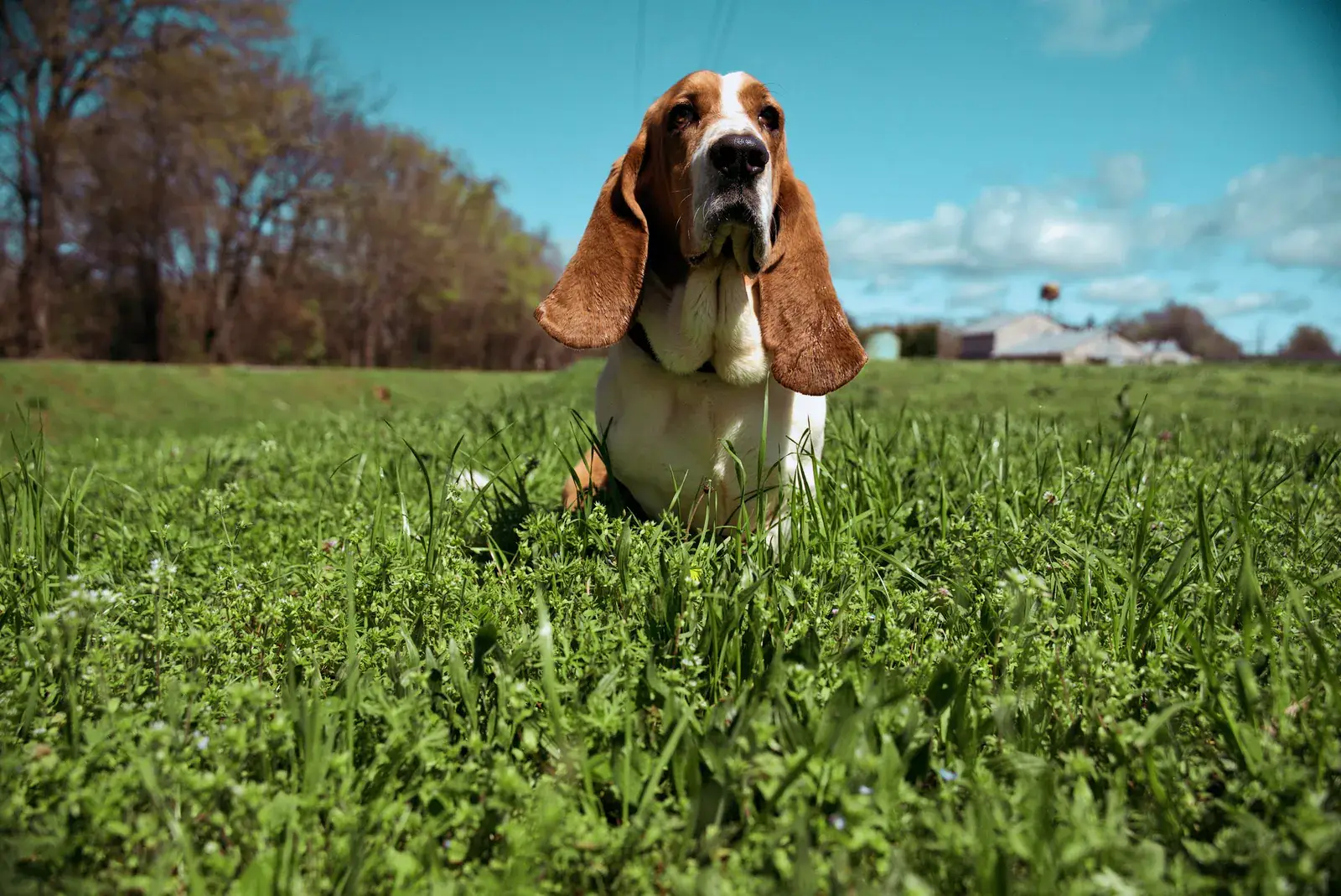
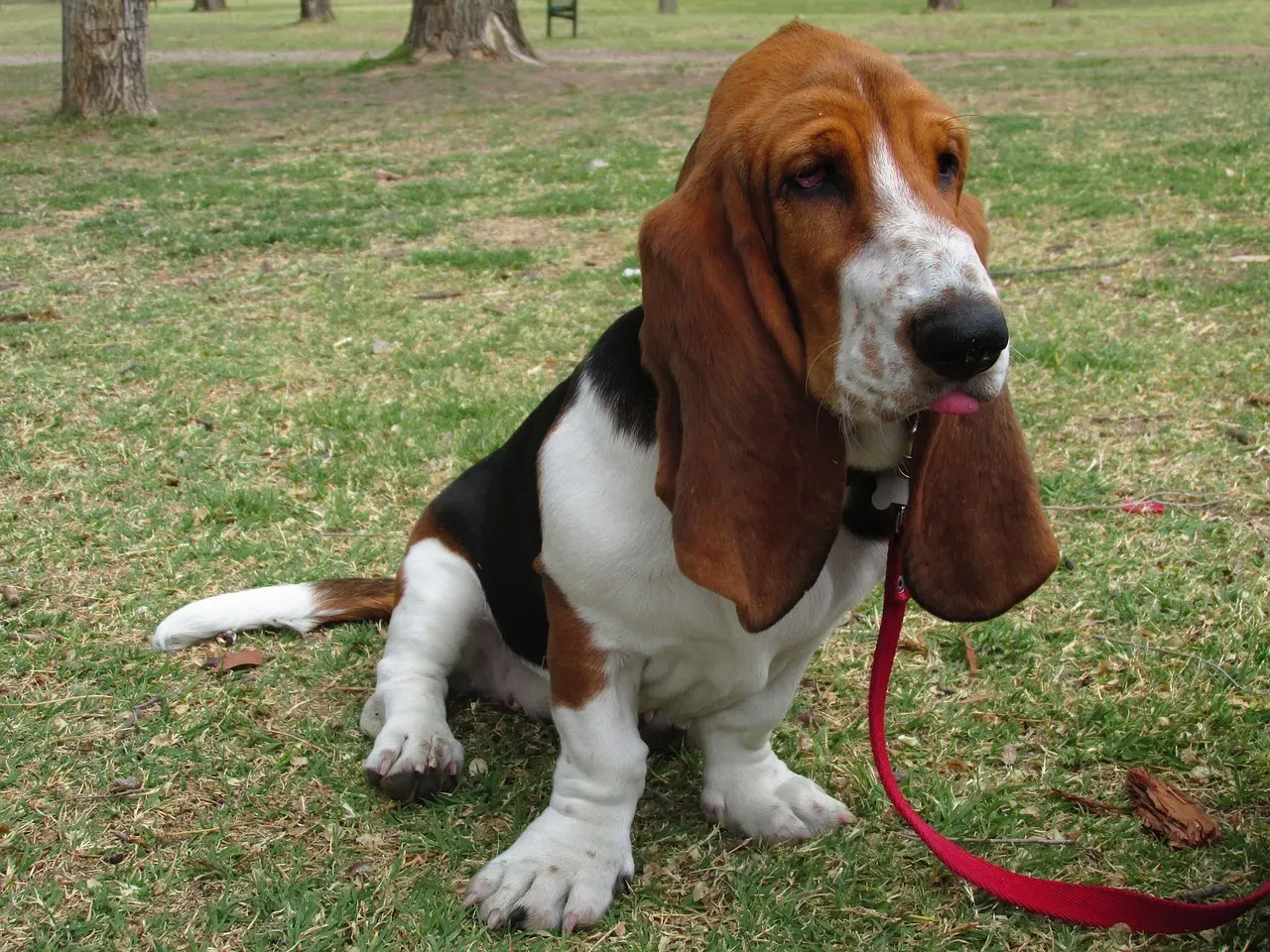
The name comes from the French word "bas", meaning low. The breed was shaped in Britain in the late 1800s from French basset hounds, and was later crossed with the Bloodhound to add size and substance. It is a gentle, easygoing and stubborn breed that follows its nose first and its owner second. It suits calm, patient households that can manage a heavy dog with a long back and ears that need regular care. Breed data give a life span of 10 to 12 years.
Basset Hound quick facts
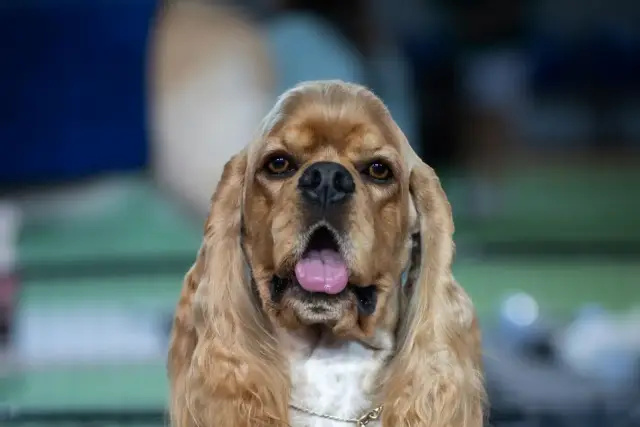 Related breedAmerican Cocker Spaniel1870 to 1946 · United StatesVictorian Breed Boom
- Closest DNA relatives
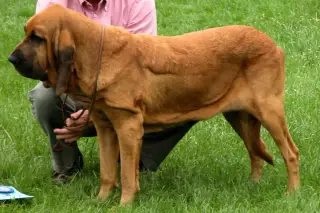
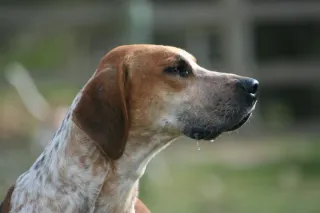
- Bloodhound, English Foxhound, Otterhound, Beagle
- Country of origin
- Great Britain (FCI), from French basset stock
- Period of development
- About 1860 to 1885 (atlas data)
- Original job
- Following a scent trail on foot at a slow pace so hunters could keep up
- Type
- Scent hound (FCI Group 6, standard no. 163; Hound Group; UK Kennel Club Hound Group)
- Height
- UK Kennel Club: 33 to 38 cm (13 to 15 inches) at the withers
- Weight
- No club figure seen; secondary sources give about 20 to 34 kg
- Coat
- Smooth, short and close (UK Kennel Club)
- Colour
- Any recognised hound colour; usually tricolour or lemon and white (UK Kennel Club)
- Life span
- Atlas data: 10 to 12 years
- DNA family
- Scent Hound (Parker et al. 2017)
Drawn to scale in real centimetres. Its back reaches about 36 cm, just below your knee; its head about 45 cm, just below your knee.
Where it sits in the tree
Victorian Breed Boom · 1850 to 1913
Name and origin
 Related breedAmerican Eskimo Dog1900 to 1917 · United StatesVictorian Breed Boom
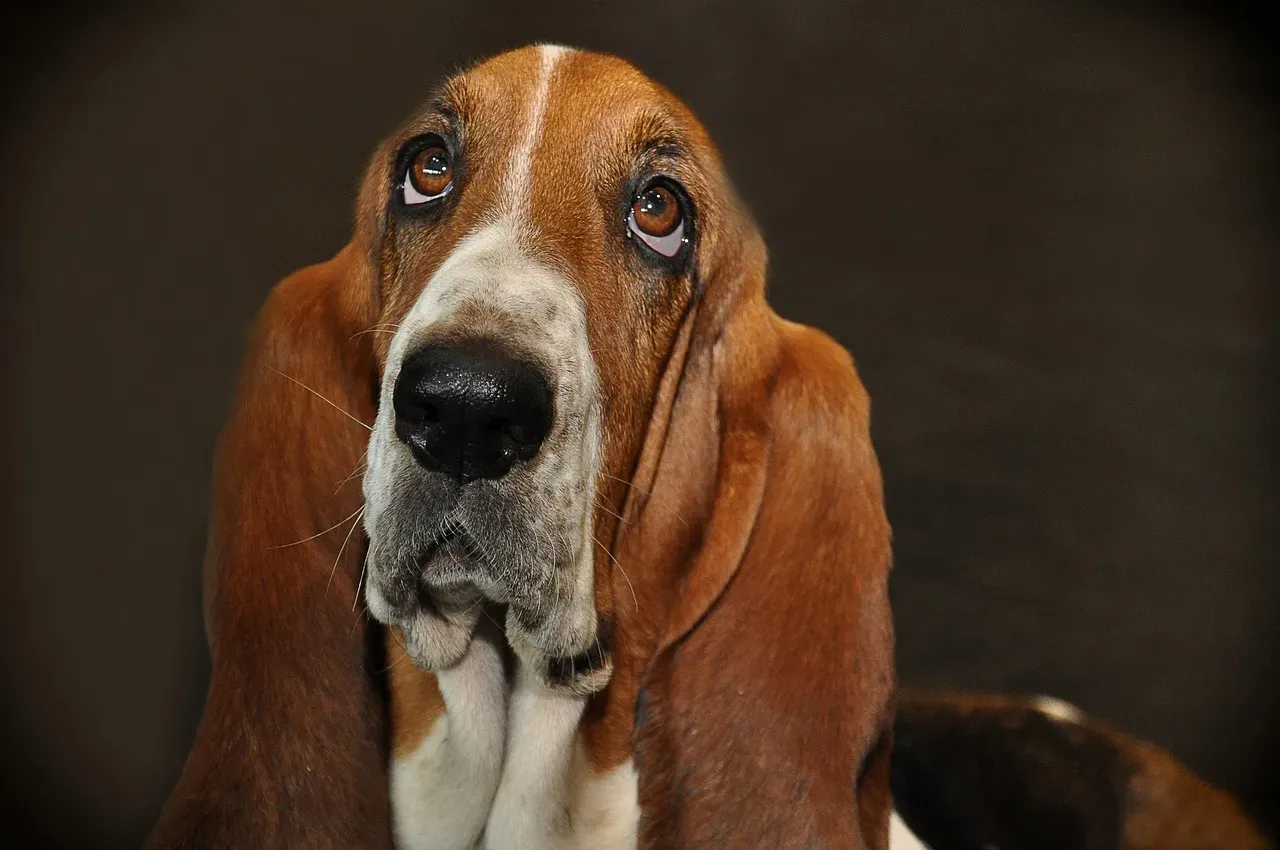
"Basset" is French for "low" or "short", and describes the dwarf legs of the dog. The FCI lists Great Britain as the country of origin, because the modern breed was built there, but the roots of the type are in France.
Three ideas in the breed's story are worth separating:
- The legend of the St Hubert hounds. A widely told account says that the Benedictine monks of the abbey of St Hubert in the Ardennes bred scent hounds, and that short-legged hounds appeared among their litters. The AKC history places these foundation hounds around the year 700; other sources date the St Hubert hound's recognition to around the year 1000. Some accounts add that these hounds descend from the Laconian (Spartan) hound. These are traditions. No breeding records from that time are cited in the sources, so treat them as legend.
- The French bassets. What is documented is that several short-legged hound types existed in France by the 1800s. The Comte Le Couteulx de Canteleu is credited with fixing a working type, and he appears in the 1858 book La Vénerie Française as an authority on the breed. These dogs hunted hare and rabbit in thick cover.
- The English breed. In Britain, the French bassets were crossed and shaped into a new, heavier type. That process is covered in History.
The name does not mean one thing everywhere. In France there are several basset breeds, such as the Basset Artésien Normand, the Basset Fauve de Bretagne and the Basset Bleu de Gascogne, with different looks and often longer legs. The Basset Hound is the British version.
 Save

History
 Same eraAmerican Pit Bull Terrier1850 to 1898 · United StatesVictorian Breed Boom
French bassets in Britain
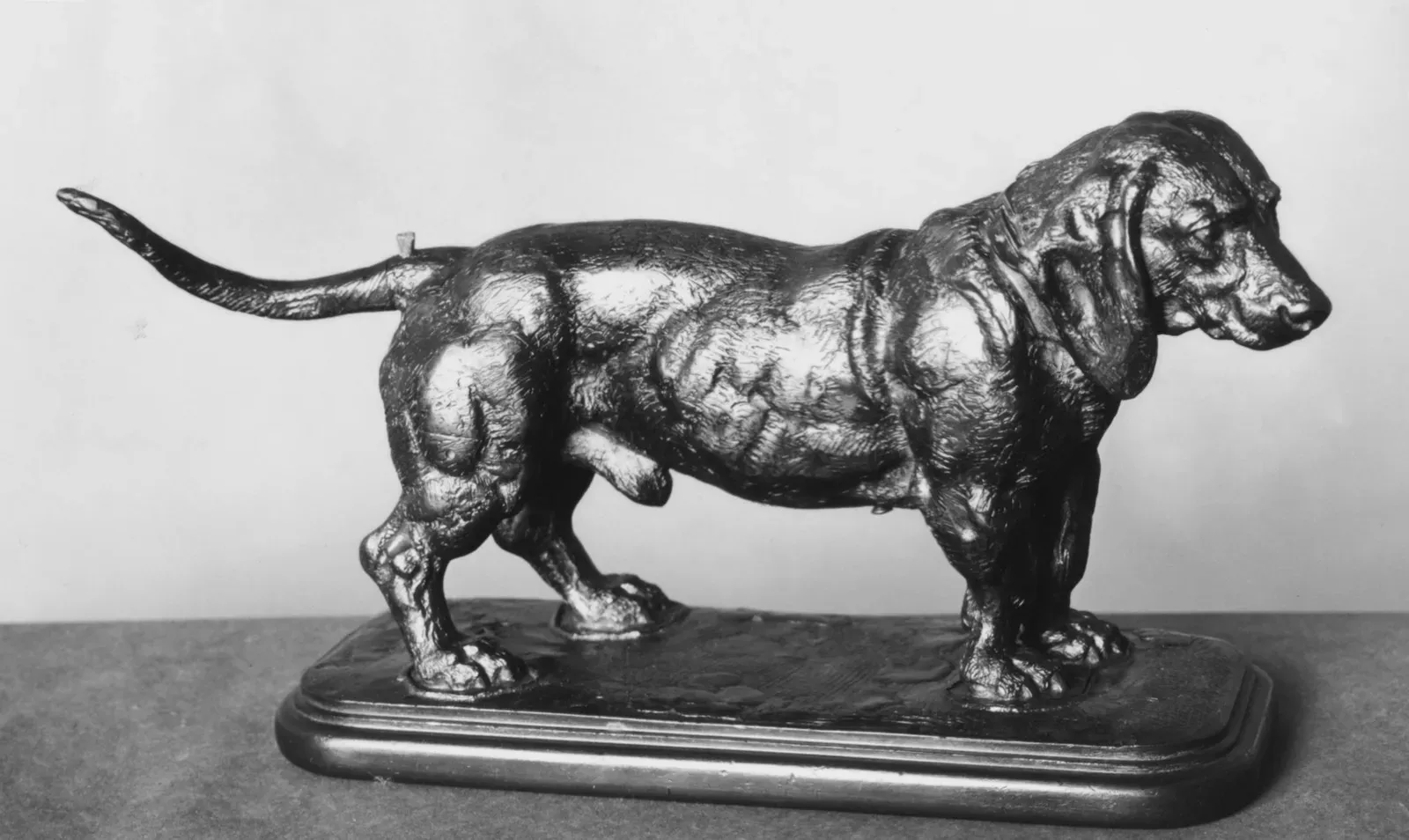
The first imports reached Britain in the 1860s.
- The 1866 pair. Several sources say that Lord Galway received a pair of French bassets in 1866. The sources differ on the giver: some name Le Couteulx's kennel, and the AKC text names the Comte de Tournon (also spelled Tournow in other texts). Both versions agree on the year and on the arrival of a pair from France.
- Millais and the show ring. Sir Everett Millais bought a basset-type dog at a show in the Jardin d'Acclimatation in Paris in 1874 and showed it at Wolverhampton in 1875. The AKC counts this as the first reported showing of the type in England. Millais then built a breeding programme and is regarded as one of the key founders of the English breed.
- Recognition. The Kennel Club in Britain recognised the breed in 1880 in the AKC and Hugh Evelyn material, and in 1882 in one other source. We give both dates because the sources disagree.
 Save
The Bloodhound cross
The English breeders wanted a heavier dog with more bone, more scenting power and better ears than the French stock offered.
- Atlas data records that Millais bred a Basset to a Bloodhound bitch in the 1890s to make a heavier dog. The knowledge base lists this with high confidence and cites Wikipedia and the Parker 2017 DNA study.
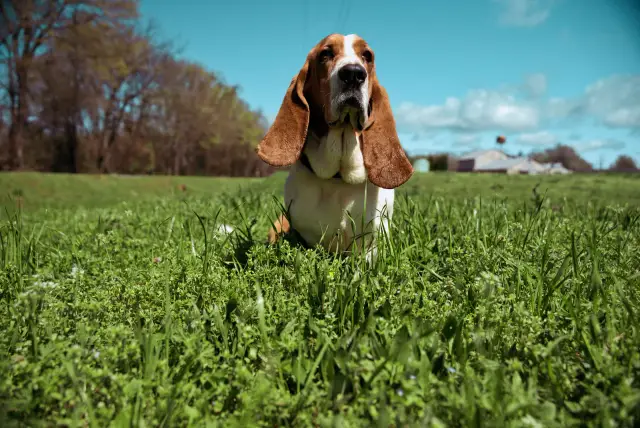
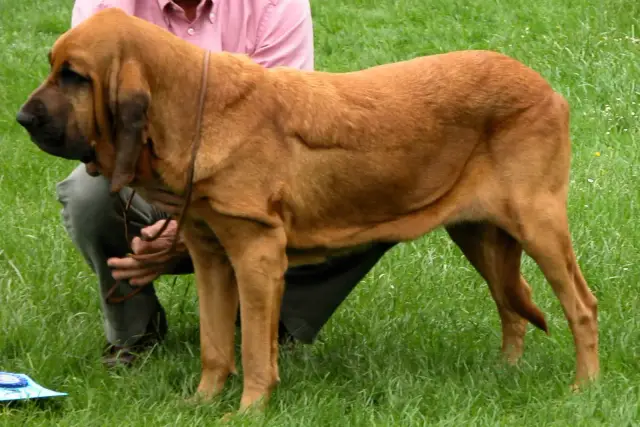
- The DNA result matches. In the Parker study the Basset Hound shares more DNA with the Bloodhound (27.1 ) than with any other sampled breed. English Foxhound (21.0) and Otterhound (20.4) follow.
- The result is a dog that is heavier and longer than most French bassets, with the loose skin and long ears seen in the Bloodhound.
To North America and the wider world
The breed reached North America and became an AKC Hound breed. Some accounts say the Marquis de Lafayette brought basset-type hounds to America in the 1700s, which is commonly repeated but not proven.
A shoe brand and a famous face
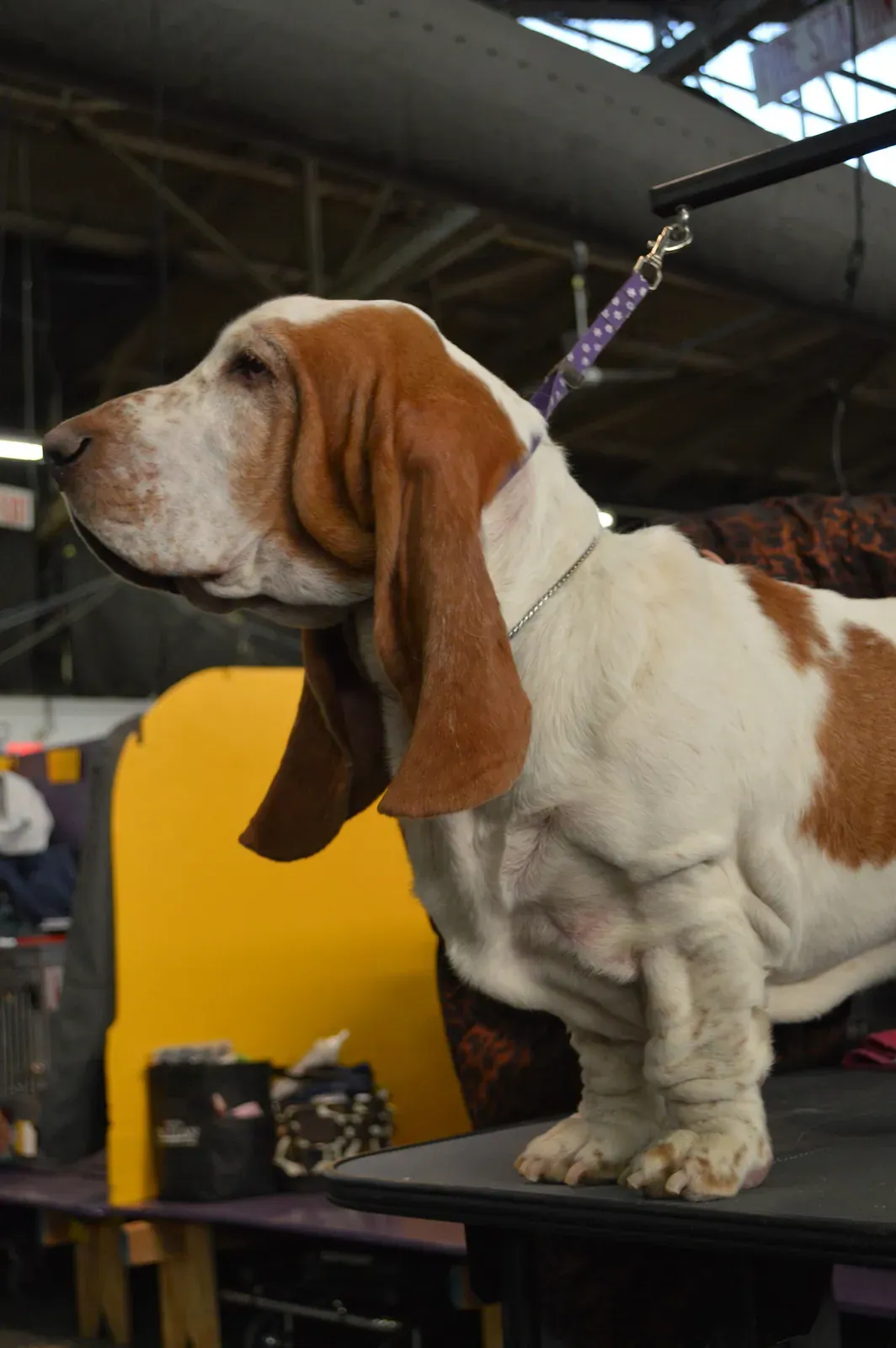
A basset hound became famous in the late 1950s as the face of a shoe brand. Britannica notes that basset hounds inspired the Hush Puppies brand of shoes, introduced in 1958. This is a cultural fact, not a statement about the breed's character. It shows how well the Basset's droopy look is known to people who have never owned one.
 Save
Relatives and DNA
 Same familyAmerican Staffordshire Terrier1850 to 1936 · United StatesVictorian Breed Boom
The Basset Hound belongs to the Scent Hound family in the Parker et al. 2017 study of 161 breeds. "Family" in this article means that DNA , and "group" means a kennel club group such as FCI Group 6.
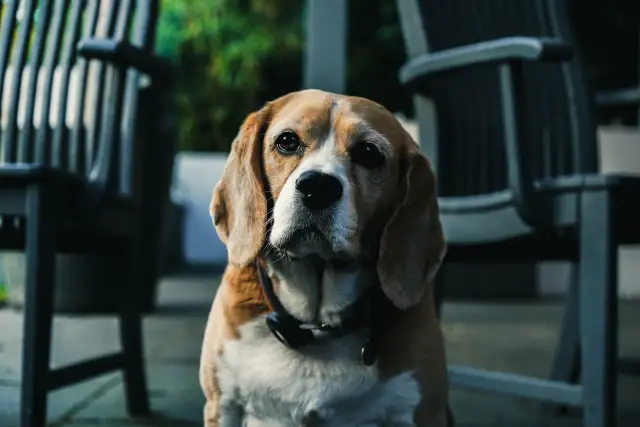
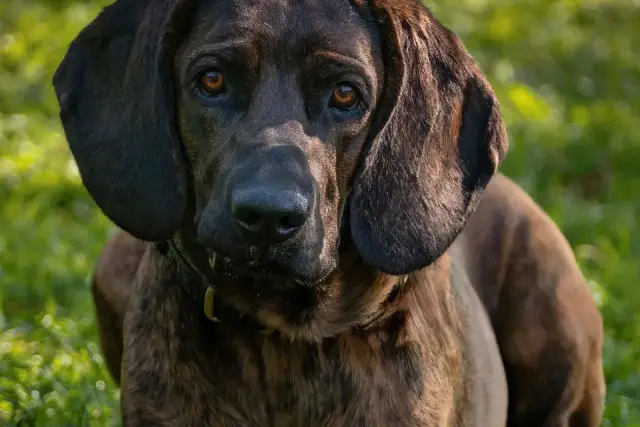
- Basset Hound and Bloodhound
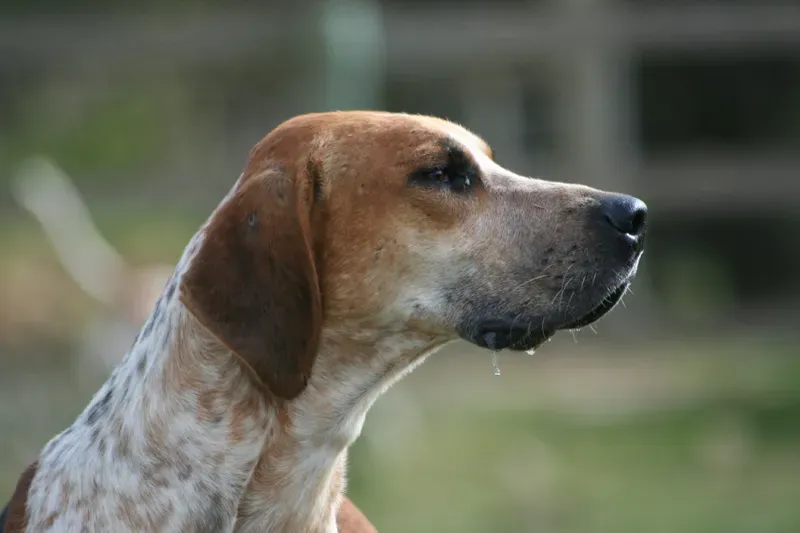 Basset Hound and English Foxhound
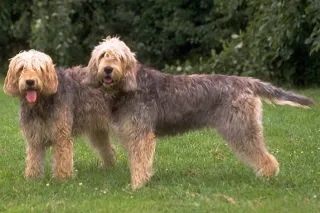
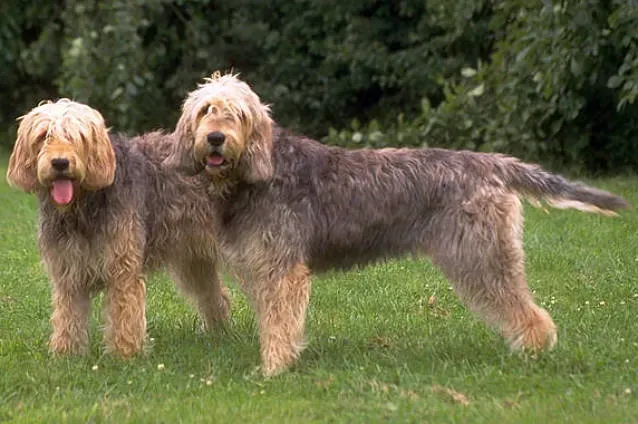 Basset Hound and Otterhound
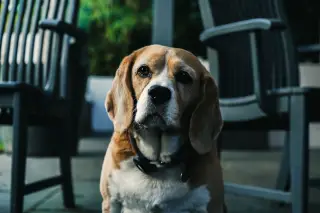
- Basset Hound and Beagle
Atlas data lists the Basset Artésien Normand as the French breed from which the British Basset Hound descended, and as a sibling breed. The Bloodhound is the second parent breed.
Basset Houndcrossed with the Bloodhound in the 1890sBloodhoundsecond parent breedBeagle. The Beagle is a related scent hound, much lighter in build and with straight legs. It is often considered by people who like a hound but want a smaller and more agile dog.
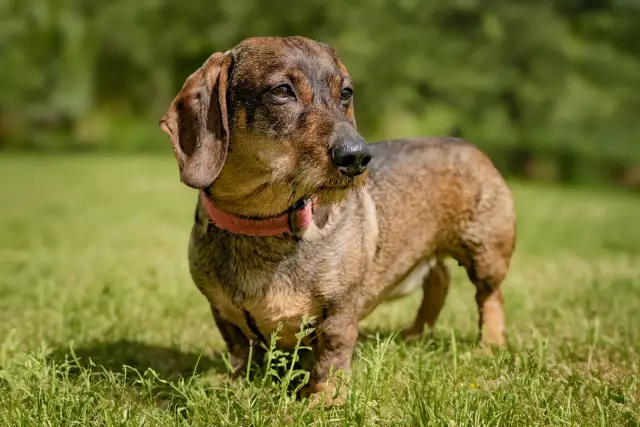
Dachshund. The Dachshund is another long-bodied, short-legged dog and is often compared with the Basset. It is not a close DNA relative of the Basset in our data, and its history is separate. The two share a body shape that goes with similar back concerns (see Health).
Sister breeds · 1
- Basset Artésien Normand1600 to 1924
- Bloodhound27.1 Mb 1.1%
- English Foxhound21.0 Mb 0.9%
- Otterhound20.4 Mb 0.8%
- Beagle18.9 Mb 0.8%
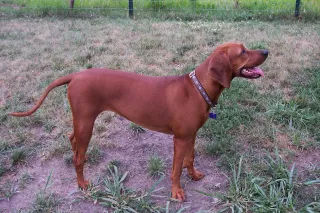
- Redbone Coonhound18.7 Mb 0.8%
Source: Parker et al. 2017. Percent of the whole genome.
| Breed | (megabases) | Note |
|---|---|---|
| Bloodhound | 27.1 | Highest in the sample; matches the Millais cross |
| English Foxhound | 21.0 | Foxhunting hound |
| Otterhound | 20.4 | Rough-coated British hound |
| Beagle | 18.9 | Smaller scent hound used on hare |
| Redbone Coonhound | 18.7 | American hound |
Source: Parker et al. 2017, Cell Reports, shared haplotypes between 161 breeds (1,346 dogs).
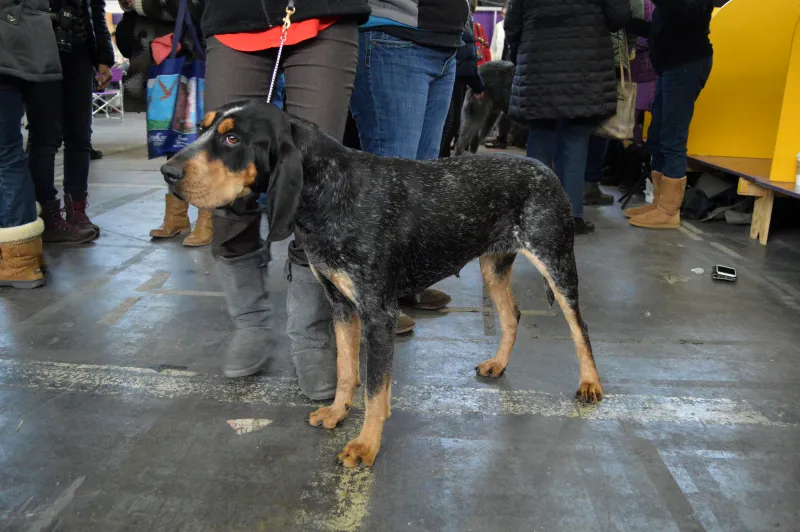
The breed standard
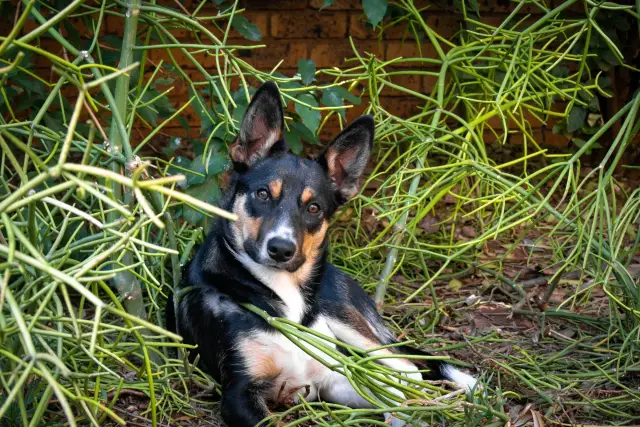 Looks relatedAustralian Kelpie1870 to 1902 · AustraliaVictorian Breed Boom
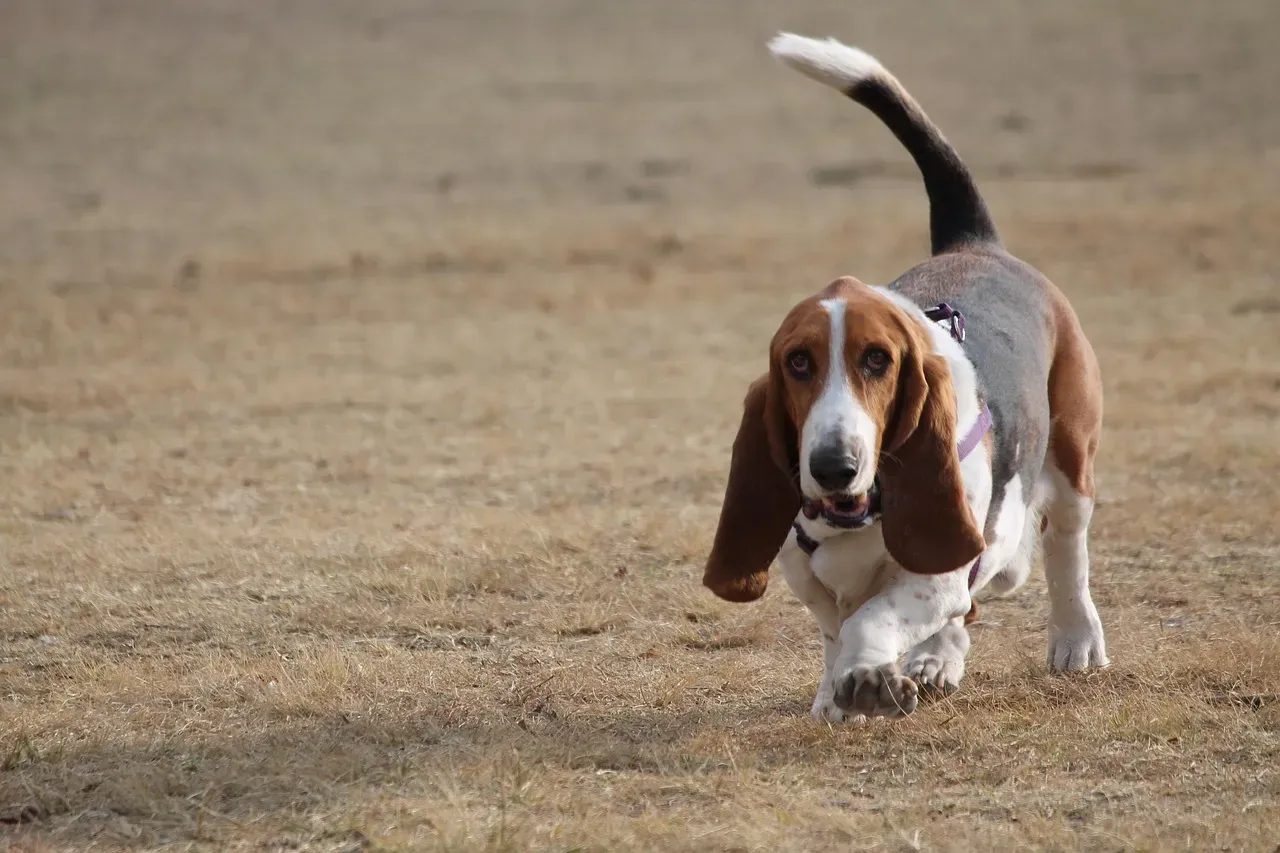
A is the written ideal for a breed that kennel clubs judge dogs against. Only figures stated by a named club are used. Where a club gives no value, the club is left out.
| Trait | What the standards say |
|---|---|
| Height | UK Kennel Club: 33 to 38 cm (13 to 15 inches) at the withers. AKC: sources reproducing the standard give about 14 inches (35.5 cm) as the limit |
| Weight | The UK Kennel Club standard gives no weight. Secondary sources give about 25 to 34 kg for males and 20 to 29 kg for females |
| Coat | UK Kennel Club: smooth, short and close without being too fine; feathering or long, soft hair is undesirable |
| Colour | UK Kennel Club: generally black, white and tan (tricolour) or lemon and white (bicolour), but any recognised hound colour is acceptable |
| Group | FCI Group 6 (scent hounds), standard no. 163; AKC Hound Group |
Points to know:
- Height ranges differ in the sources. One AKC-style profile gives "up to 15 inches", and others give 12 to 15. The 14-inch figure appears most often in the sources that reproduce the standard.
- Weight is not set by the Kennel Club. The dog is judged on soundness and substance, not on a weight on the scale. Real dogs vary a lot, and overweight Bassets are common in pet homes.
- A short dog with heavy bone. The standards describe a dog that is low to the ground but with the substance of a much larger breed.
- Ears and skin. The standards ask for long, low-set ears and loose skin, which are part of the look and part of the care routine.
 Save
Scenting ability
 Related breedBelgian Malinois1891 to 1901 · BelgiumVictorian Breed Boom
The Basset is a scent hound. The FCI places it in Group 6 with scent hounds and related breeds, and the Parker 2017 study places it in the Scent Hound family. Its job was to follow a ground trail at a walking pace.
- Why low? The short legs and low head put the nose close to the ground. Hunters on foot could follow the dog without having to run.
- Long ears. A common explanation is that the ears sweep scent up toward the nose. This is a popular idea; no study has tested it, so treat it as a theory.
- Nose first. In daily life, this means a Basset can lock onto a smell and ignore its owner. Recall training is hard, and a fenced garden or a long line is the safer choice in open spaces.
- Sport. Scent games, tracking and trailing give the breed a way to use its nose.
No measured data compares the scenting ability of Basset Hounds with other hounds, so no ranking is claimed here.
Temperament
 Related breedBelgian Shepherd1891 to 1901 · BelgiumVictorian Breed Boom
Breed clubs and owners describe the Basset as gentle, laid back and affectionate. The points below are tendencies, not guarantees.
- Easygoing indoors. Many Bassets are calm in the house, as long as they have had a walk.
- Sociable. Breed accounts describe it as friendly with people and other dogs.
- Stubborn. This is a scent hound that bred to work independently. It can seem to ignore commands. Patience and food rewards work better than force.
- Vocal. Hounds bay, and a Basset can have a loud, deep voice. This matters for neighbours.
- Food-driven. Many Bassets love food and gain weight easily, which affects the back and joints.
Every Basset is an individual, and early socialisation and calm, consistent handling shape how a puppy grows.
 Save

Training and exercise
 Related breedBoston Terrier1870 to 1893 · United StatesVictorian Breed Boom
- Short, kind sessions. Bassets lose interest quickly in repetitive drills. Use rewards and keep sessions short.
- Recall. Plan for it to be unreliable near interesting smells. A long line helps.
- Walks. A Basset needs regular walks at its own pace, with time to sniff. No club gives a figure for daily exercise time.
- Stairs and jumping. Because of the long back (see Health), many vets advise limiting repeated jumping and stairs. This is a precaution, not a rule from the standard.
- House training. Some hound owners find house training slow. Consistency matters.
Health
 Related breedBoxer1880 to 1904 · GermanyVictorian Breed Boom
Many Basset Hounds live healthy lives of 10 to 12 years. The conditions below are the ones that vets, breeders and researchers have written about. Figures are given as "about 1 in N" only when a named study gave a prevalence; otherwise we say so.
| Condition | What it is | How common | What helps |
|---|---|---|---|
| Back disc disease (intervertebral disc disease) | A disc between the vertebrae bulges or bursts and presses on the spinal cord | Basset Hounds are listed as a breed with a higher risk, but no population prevalence is published. In a referral hospital study of 188 Basset Hounds and 270 Dachshunds, 36.2% of the Bassets presented with disc disease compared with 77.4% of the Dachshunds; referral figures overstate the breed-wide rate | Keep a lean weight; avoid repeated jumping; avoid neck strain on walks; see a vet early if the dog is in pain, wobbly or dragging a paw |
| Primary open angle glaucoma | A rise in eye pressure that damages the optic nerve and can lead to loss of sight | Oliver and colleagues (2015) found a mutation frequency of 0.081 in 223 unaffected Basset Hounds and predicted that about 0.7% of the population would be affected, about 1 in 140 | DNA test for the ADAMTS17 variant before breeding; regular eye pressure checks by a vet |
| Ear infections | Inflammation of the ear canal | No Basset-specific figure seen. Across all UK dogs, otitis externa is among the most common diagnoses in a large study | Regular ear checks and cleaning as advised by a vet |
| Weight gain | Extra body fat, which adds strain to the long back and legs | No breed figure seen | Measured portions; regular walks |
The long back. The Basset has a long body on short legs. A paper by Packer and colleagues links selection for a "long and low" build with disc abnormalities that predispose dogs to disc herniation. A UK study of 700 dogs also found that dogs with a longer back relative to their height had a higher risk. The Basset is a chondrodystrophic (short-legged) breed, in the same broad group as the Dachshund. In the referral study the Bassets were older at presentation than the Dachshunds (median 87.5 months against 66.5 months), and fewer were unable to feel their legs at presentation (one Basset compared with 16 of 154 Dachshunds). That is a reassuring detail, but the dogs in that study were already sick enough to be referred, so it says little about how many Bassets are affected.
Glaucoma. Oliver and colleagues (PLoS ONE, 2015) studied ADAMTS17 as a candidate gene for primary open angle glaucoma in Basset Hounds and in the Basset Fauve de Bretagne. All affected Basset Hounds in the study carried two copies of a 19 base pair deletion in the gene. A commercial test provider reported that about 21% of 173 Basset Hounds it tested were ; that is a tested group, not a population estimate, and it does not match the 0.081 frequency in the paper. The DNA test is available, so breeders can avoid mating two carriers.
Ears. The long ears limit air flow in the ear canal. Vets commonly advise checking and cleaning them. No Basset-specific prevalence for ear infections is published.
Life span. Atlas data give 10 to 12 years. A secondary source gives a median of about 10.3 years in France and 11.3 years in the UK, from older surveys with small samples: a 1999 longevity survey of only 10 dead dogs and a 2004 UK Kennel Club health survey. Treat these as rough.

Living with a Basset Hound
 Related breedBrittany1850 to 1907 · FranceVictorian Breed Boom
 Save
 Save
| Daily reality | Rating | Why |
|---|---|---|
| Exercise per day | Medium | Regular walks at a slow pace; no club figure seen |
| Training needs | High | Independent scent hound; recall is hard |
| Grooming | Low | Smooth, short coat (UK Kennel Club); ears and skin folds need checking |
| Shedding | Medium | Short coat sheds; no figure seen |
| Barking | High | Hounds bay; varies by individual |
| Time alone | Fair | No source rates it; hounds can howl when bored |
| Children | Good | Gentle and sociable; heavy for small children, so supervise |
| Other dogs | Good | Described as sociable; varies |
| Cats and small pets | Varies | Hunting instinct; depends on early exposure |
| Flat living | Fair | Calm indoors, but stairs are a concern for the back |
| Heat tolerance | Fair | Short coat, heavy build; no source rates it |
| Cold tolerance | Fair | Short coat; no source rates it |
| First-time owner fit | Fair | Gentle, but stubborn; needs patience |
A great fit if
- You enjoy slow, sniffy walks and have time for them.
- You want a calm, affectionate dog and can accept a loud voice.
- You can keep your dog lean and are willing to carry it up stairs or use ramps.
- You have a fenced garden or a safe area for off-lead time.
Think twice if
- You want a dog that comes back at once when called.
- You live in a building with many stairs and no lift, or you cannot lift a heavy dog.
- Noise worries your neighbours.
- You want a low-cost-of-care dog; ears, eyes and back need attention.
Before you get one
- Health tests. Ask the breeder for the DNA test result for the ADAMTS17 glaucoma variant for both parents, and for eye test and back-related health records. Ask for the original certificates.
- Puppy or adult rescue. Breed rescues exist for the Basset Hound and often place adults whose weight and habits are known.
- First year. Plan for house training, a lean weight, ear checks, and ramps in place of high jumps from sofas and cars.
Similar breeds to consider
- Beagle. A lighter scent hound with longer legs and more energy.
- Dachshund. Smaller and long-backed as well, with a bolder and more terrier-like nature.
- Bloodhound. The Basset's parent breed: larger, with the same scenting character.
- Basset Fauve de Bretagne. A French basset with a rough coat and longer legs.

Basset Hound fun facts
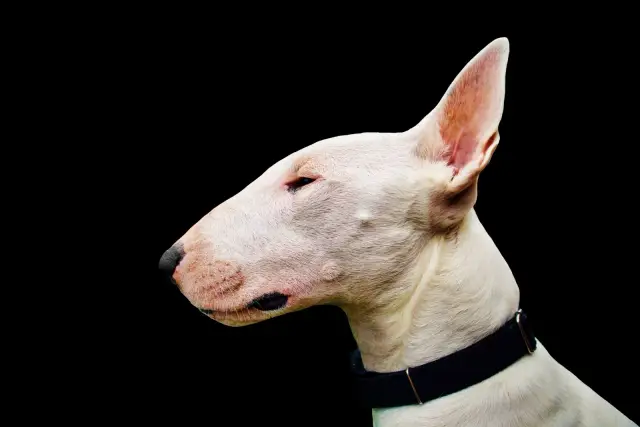 Related breedBull Terrier1850 to 1888 · United KingdomVictorian Breed Boom
- The word "basset" comes from the French for "low".
- In the Parker 2017 DNA study, the Basset's closest relative in the sample is the Bloodhound.
- Sir Everett Millais bought a basset in Paris in 1874 and showed it at Wolverhampton in 1875.
- Britannica notes that the breed inspired a shoe brand's mascot in 1958.
Frequently asked questions
Where does the Basset Hound come from?
The lists Great Britain, but the roots are in France. French basset hounds reached Britain in the 1860s, and English breeders then crossed in the Bloodhound. The story of the St Hubert monks is a legend.
How big does a Basset Hound get?
The UK Kennel Club standard gives 33 to 38 cm at the withers. The Kennel Club standard does not give a weight. Secondary sources give roughly 20 to 34 kg.
How long does a Basset Hound live?
Breed data give 10 to 12 years. Older surveys with small samples give medians of about 10 to 11 years.
Why do Basset Hounds have back problems?
The long body and short legs put strain on the spine. Researchers link a "long and low" shape with disc problems. A lean weight and care with jumping and stairs help.
What is the glaucoma risk in Basset Hounds?
A 2015 study predicted that about 0.7% of the Basset Hound population would be affected, about 1 in 140, and a DNA test exists. Ask the breeder for results.
Are Basset Hounds good family dogs?
Yes, in the right home. They are gentle and sociable, but need patient training, a loud voice is part of the package, and the back needs protecting.
Read next
Closest DNABloodhound27.1 Mb sharedFamilyScent HoundThe whole family Adopt a dogDog Shelters in EuropeFind dog shelters in Europe, learn how shelters differ from country to country and why adopting a dog is a good option.
Sources (11)
- American Kennel Club, "Basset Hound history": St Hubert legend, Lord Galway's 1866 pair, Millais at Wolverhampton.
- The Kennel Club (UK), Basset Hound breed standard: height, coat, colour.
- United Kennel Club, Basset Hound breed standard.
- Fédération Cynologique Internationale, Basset Hound, standard no. 163: group and country of origin.
- Parker H.G. et al., "Genomic analyses reveal the influence of geographic origin, migration, and hybridization on modern dog breed development", Cell Reports 19(4), 2017.
- Oliver J.A.C. et al., "Two independent mutations in ADAMTS17 are associated with primary open angle glaucoma in the Basset Hound and Basset Fauve de Bretagne breeds of dog", PLoS ONE, 2015.
- Packer R.M.A. et al., research on long and low conformation and intervertebral disc disease (Royal Veterinary College).
- Vet Times, 6 February 2024, "Disc herniation higher in Dachshunds than Basset Hounds: study" (referral hospital study of 188 Basset Hounds and 270 Dachshunds).
- Prevalence of commonly diagnosed disorders in UK dogs under primary veterinary care: results and applications (VetCompass, 2021).
- Encyclopaedia Britannica, "Hush Puppies".
- Wikipedia, "Basset Hound": general history and longevity survey notes.