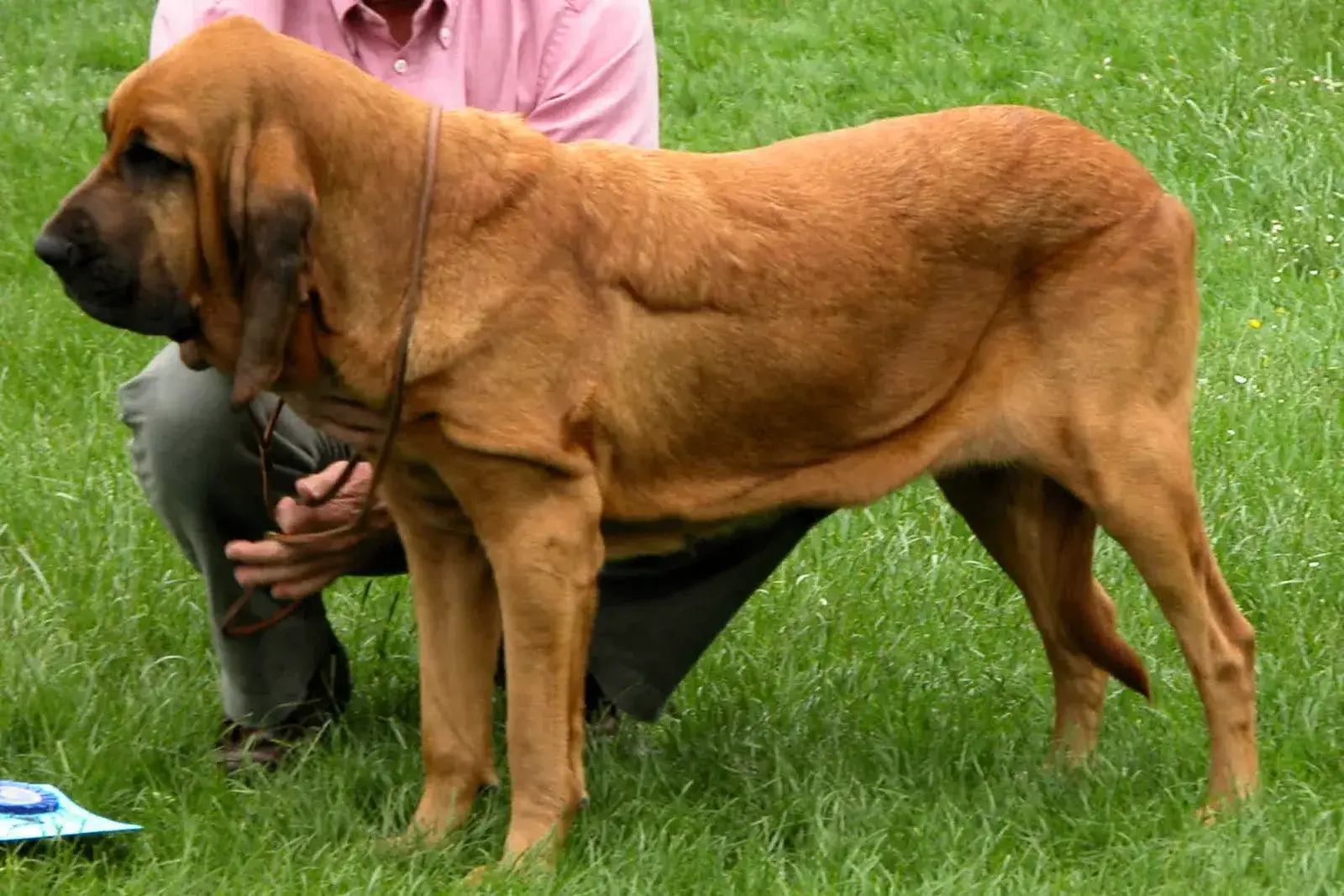
Breed histories trace it to hounds kept at the Abbey of Saint-Hubert in the Ardennes, in what is now Belgium. Its sense of smell has made it a symbol of tracking, and in parts of the United States its trailing was once heard as evidence in court. The breed also has one of the shortest life spans recorded for a pedigree dog, with a UK Kennel Club survey giving a median of about 6.8 years, and an unusually high risk of the stomach emergency called bloat.
Bloodhound quick facts
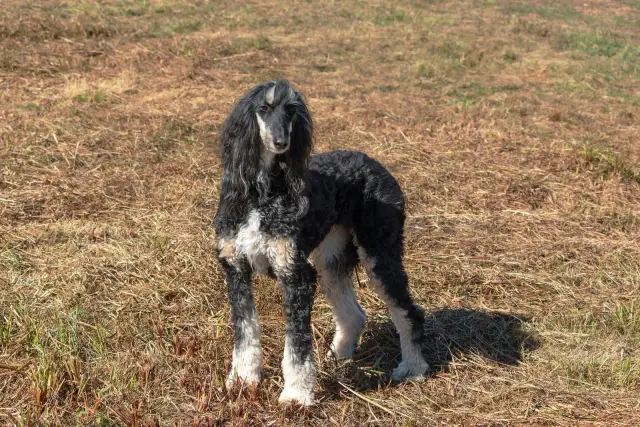 Related breedAfghan Hound1000 to 1926 · AfghanistanEarly Middle Ages
- Closest DNA relatives
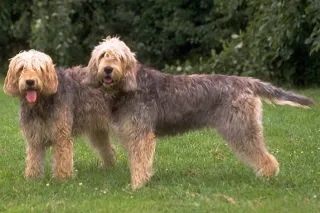
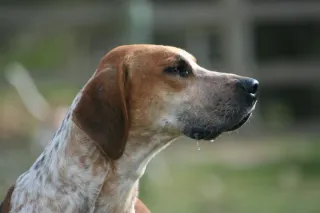
- Otterhound (108.2 ), English Foxhound (58.2 Mb)
- Country of origin
- Belgium per the FCI (Abbey of Saint-Hubert); developed further in Britain and elsewhere
- Period of development
- About 1000 to 1100 CE for the Saint-Hubert hounds (atlas data, medium confidence)
- Original job
- Hunting hound; later man-trailer for the police and search work
- Type
- Scent hound. FCI: Group 6, Scent hounds, standard no. 84 (listed as "Chien de Saint-Hubert (Bloodhound)"). : Hound Group. UK Kennel Club: recognised
- Other names
- St. Hubert Hound, Chien de Saint-Hubert; old British name "sleuth hound"
- Height
- Kennel Club: dogs usually 63 to 69 cm, bitches 58 to 63 cm
- Weight
- Kennel Club: mean 41 kg for dogs, up to 50 kg
- Life span
- Atlas data says 10 to 12 years. A 2004 UK survey gave a median of about 6.8 years
- DNA family
- Scent Hound (Parker et al. 2017)
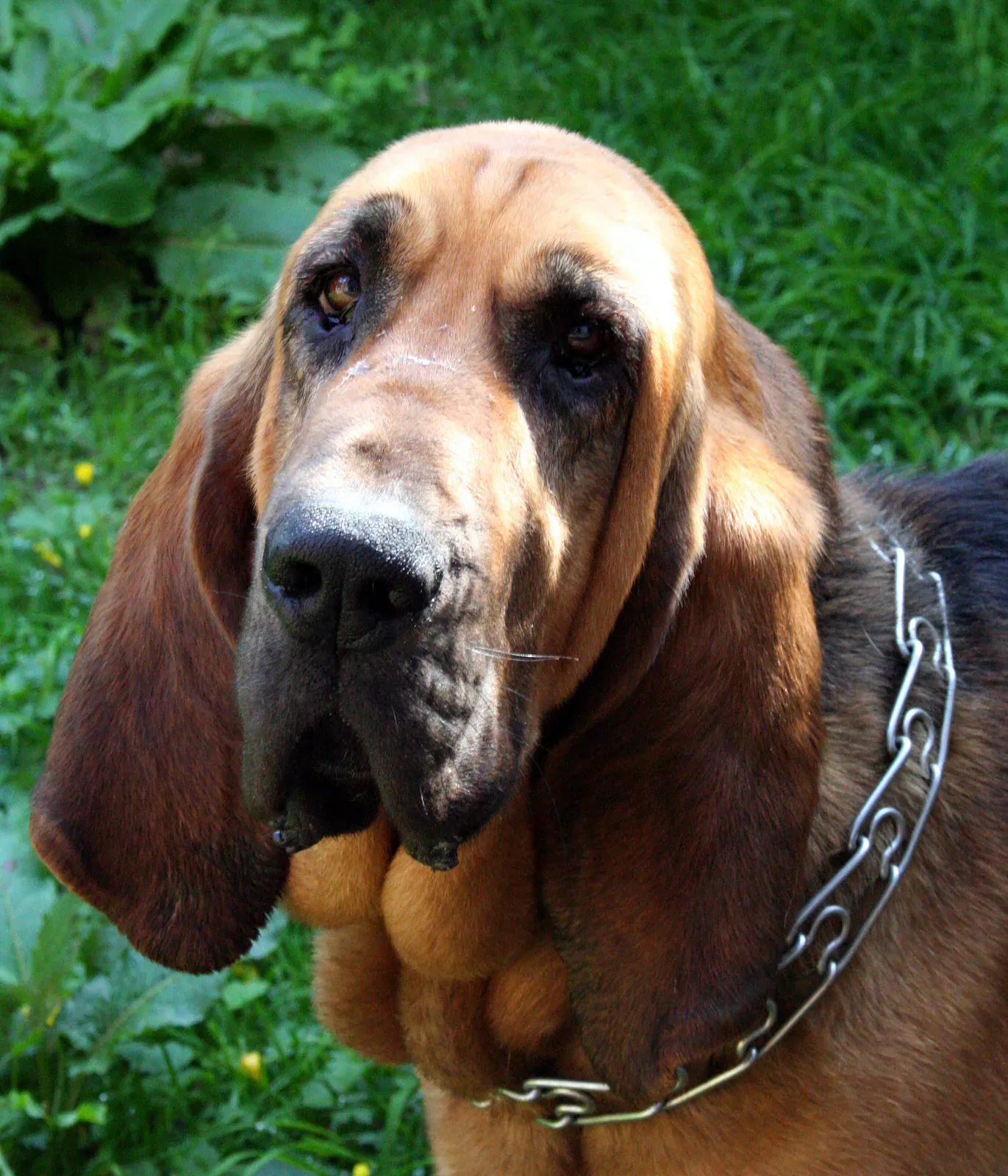
Drawn to scale in real centimetres. Its back reaches about 64 cm, mid-thigh; its head about 81 cm, your hip.
Where it sits in the tree
Early Middle Ages · 500 to 1199
Name and origin
 Related breedGreyhound800 CE to 1850 · United KingdomEarly Middle Ages
 Save
"Bloodhound" is not about blood. The usual explanation is "blooded hound", meaning a hound of pure, recorded breeding (project etymology). The popular idea that it names a dog that smells blood is a later reading.
Saint-Hubert and Chien de Saint-Hubert. In French, and in the FCI's list, the breed is the Chien de Saint-Hubert, with Bloodhound added in brackets. The FCI gives Belgium as the country of origin and says the dogs were bred in the Ardennes by the monks of the Abbey of Saint-Hubert. That is why the same dog has two names. Outside the FCI world the English name Bloodhound is the usual one.
"Sleuth hound". An old British name for a hound that followed a track, from a word for trail. The term survives in the figure of speech "sleuth" for a detective.

History
 Same eraJapanese Chin700 CE to 1900 · JapanEarly Middle Ages
Saint-Hubert hounds and the Abbey legend
 Save
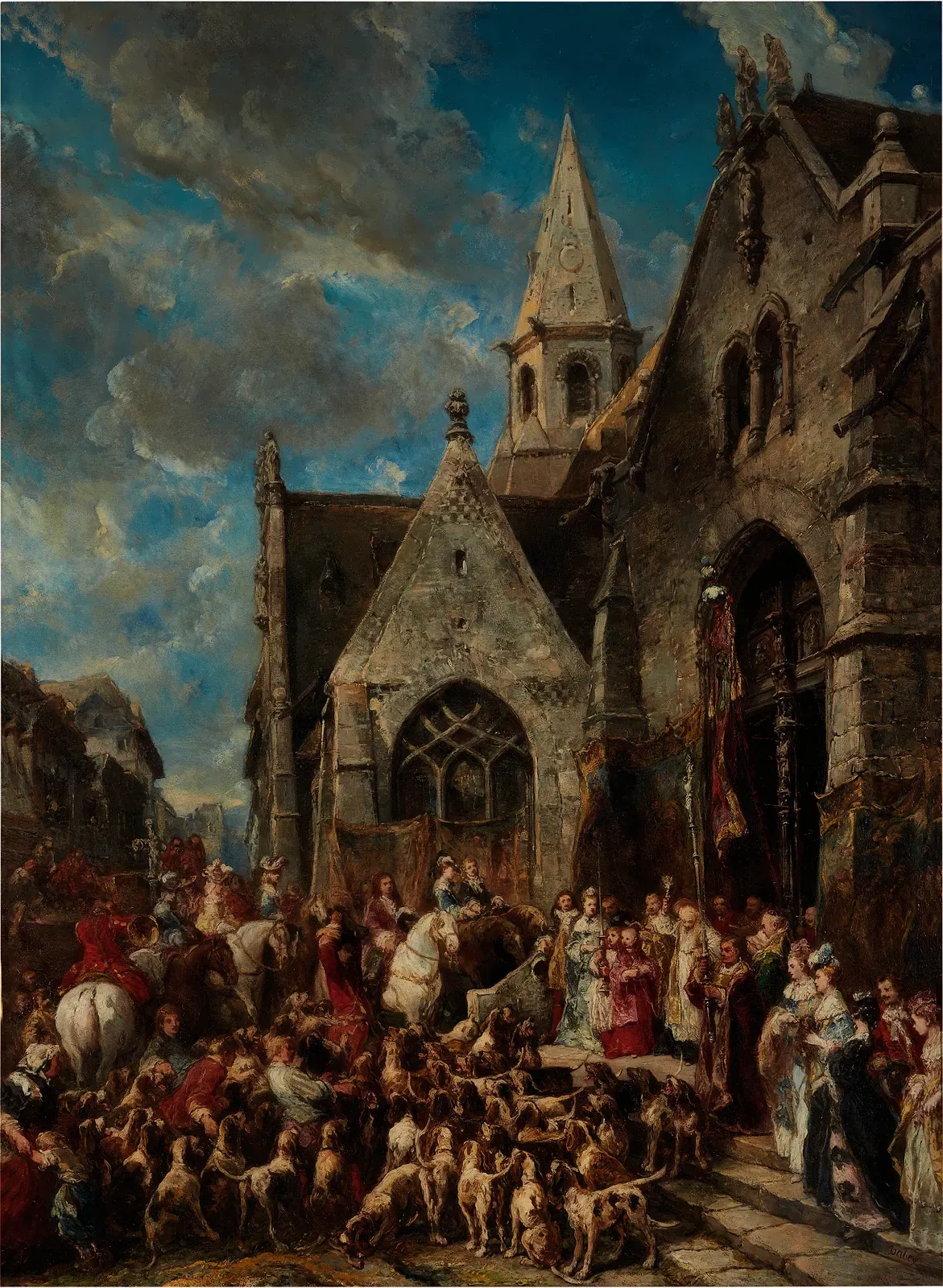
The Abbey of Saint-Hubert was a Benedictine house founded in 687 and suppressed in 1797. It took the name of Saint Hubert, the patron saint of hunters, and became known as a centre for breeding hounds. By tradition, Hubert saw a stag with a cross between its antlers while hunting. This is a legend, not a record. A second tradition says the monks sent several pairs of black hounds to the King of France each year from about 1200. The original source is not traceable, so it is a reported tradition.
The William the Conqueror story
A popular tale says William the Conqueror brought the ancestors of the Bloodhound to England from Normandy in 1066. There is no actual evidence for this. It calls it virtually certain that Norman hounds came after the Conquest, but whether they were the Bloodhound or only ancestors of it is disputed. Treat it as a story.
From hunting hound to man-trailer
Writers differ on when the Bloodhound began to follow people. Showsight says the first use for tracking humans came in the 16th century, while the AKC points to a 1600s account by Robert Boyle. Stories that sleuth hounds chased Robert the Bruce and William Wallace are told widely, and they are legends. What is clear is that by the 1800s the breed had a reputation as a man-trailer, in Britain and America. One account says the breed was close to vanishing in Britain in the late 1800s, when the Metropolitan Police asked a Bloodhound breeder, Edwin Brough, for help in the Jack the Ripper search. That is a popular retelling and is not documented.
In US courts
 Save
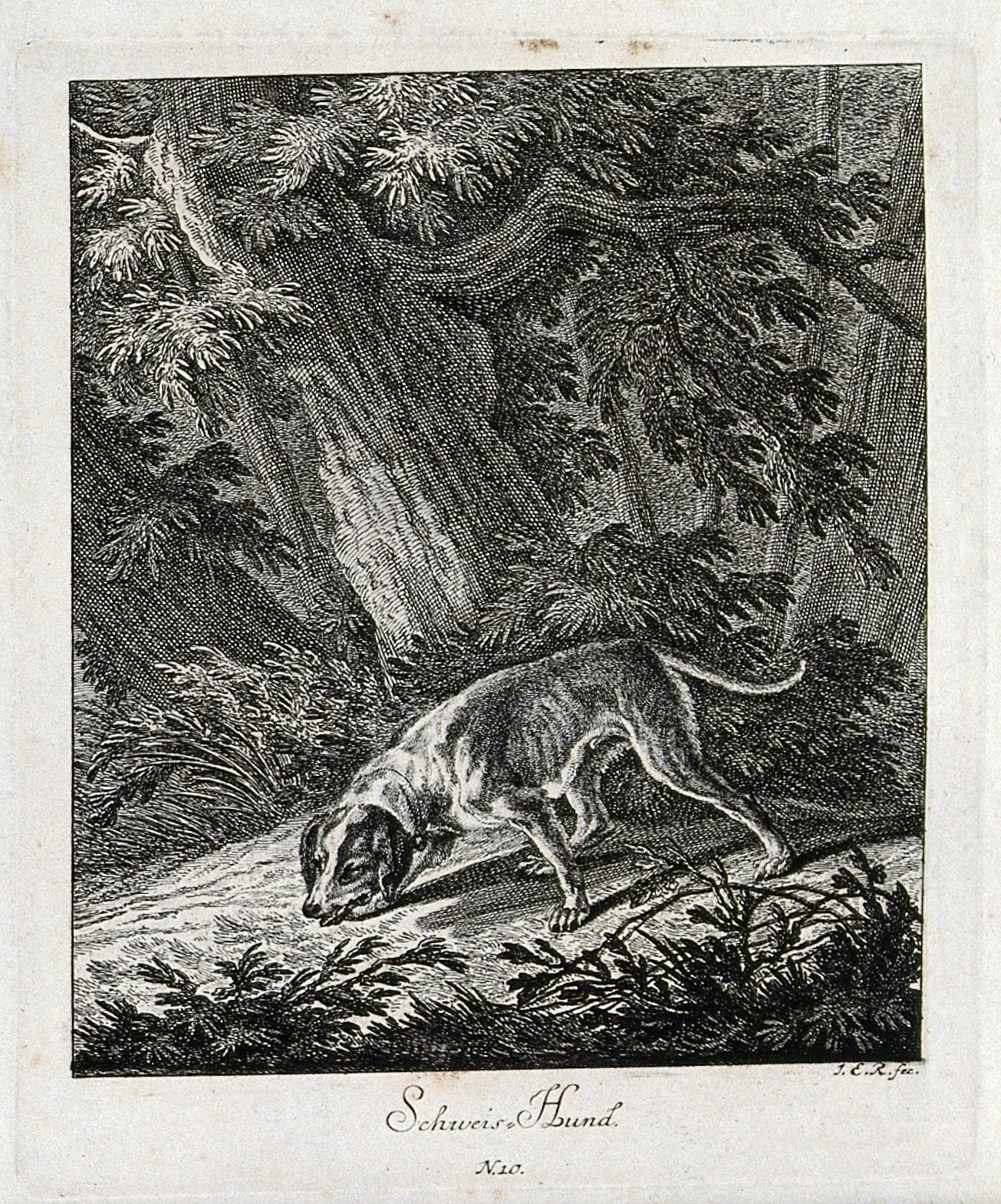
In the United States, courts decided case by case whether the trailing of a Bloodhound could be heard as evidence. A 1988 survey in Law and Order reported that some state courts allowed it when set conditions were met, and others refused it. Cases came from California, Georgia, Washington, Montana, Arizona, North Carolina and New Hampshire. In State v. Norman (North Carolina, 1910) the court said the hound must be trained and tested and must be put on a trail tied to the guilty person's path. An Oklahoma appeals court in 1943 held that the hound must have been trained and tested for accuracy, and that the trailing counted only as support for other evidence. A 2012 Illinois appeals case (People v. Tyler) found that improperly admitted Bloodhound evidence was harmless because the rest of the evidence was strong.
The best-known hound is Nick Carter, a Kentucky Bloodhound named for a dime-novel detective. The AKC says he worked with Captain G. V. Mullikin, was skilled on very old trails, and once followed one for 55 miles. In a 1909 arson case he reportedly led the handler from a barn burned more than 100 hours earlier to a farm about a mile away. These are popular history, and the totals of finds quoted for Nick Carter trace back to one book, so treat them as undocumented.
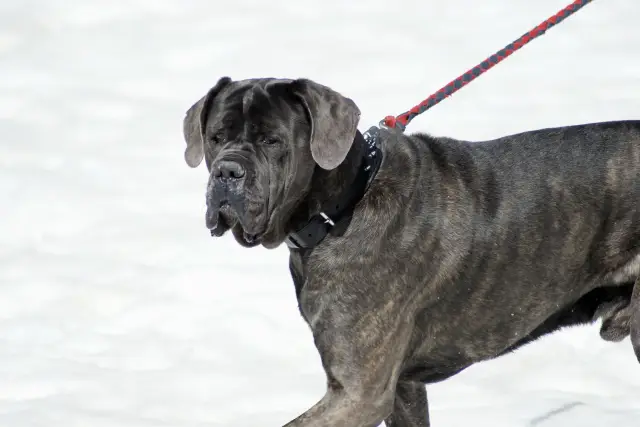
Bloodhound vs Basset Hound
 Related breedKangal Shepherd Dog1000 to 1989 · TurkeyEarly Middle Ages
 Save
| Point | Bloodhound | Basset Hound |
|---|---|---|
| FCI | No. 84, Group 6 | Group 6 scent hound |
| Size | 58 to 69 cm, up to about 50 kg | Short legs, much lower |
| DNA | Shares 27.1 Mb with the Basset | Shares 27.1 Mb with the Bloodhound |
| Use | Long, old human trails | Slow, close tracking of game |
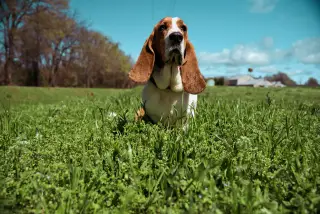
Both breeds are French or Belgian in root, scent hounds, long-eared and wrinkled. See Basset Hound for the short-legged cousin.
Relatives and DNA
 Same familyLhasa Apso800 CE to 1934 · ChinaEarly Middle Ages
The Bloodhound is in the Scent Hound family of Parker et al. (2017, Cell Reports), with the Otterhound as its closest tested relative.
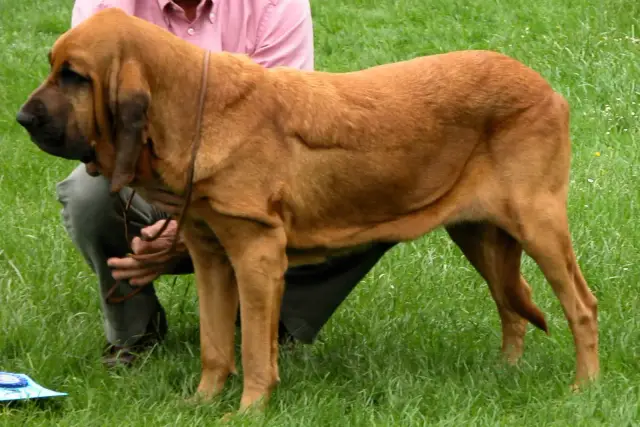
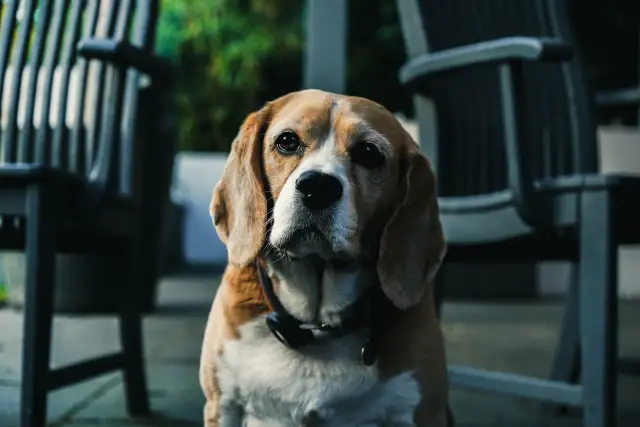
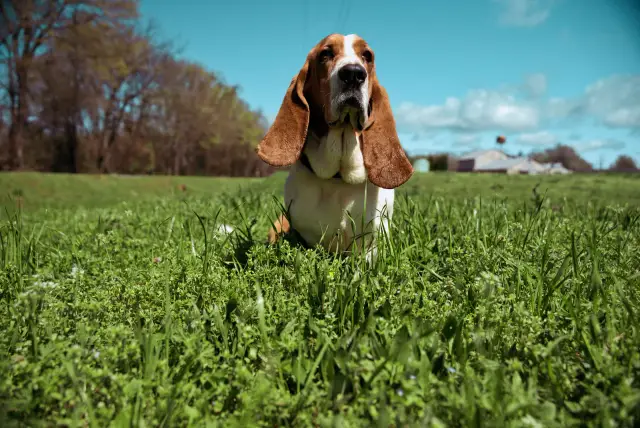
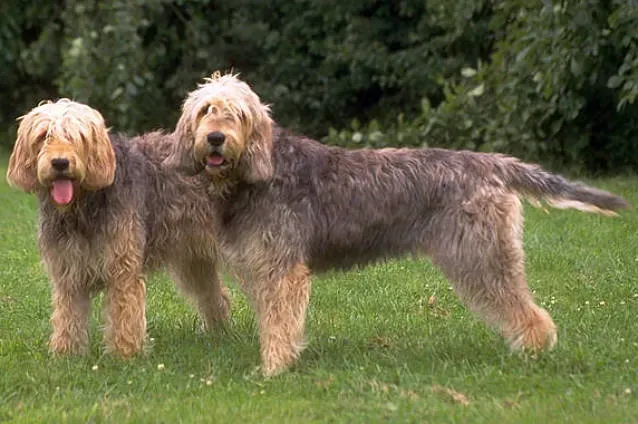 Bloodhound and Otterhound
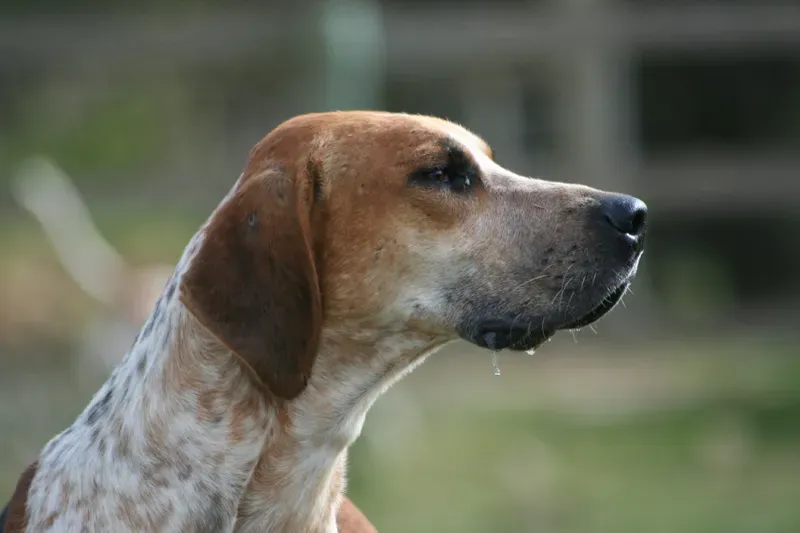 Bloodhound and English Foxhound
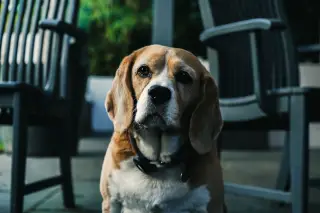
- Bloodhound and Beagle
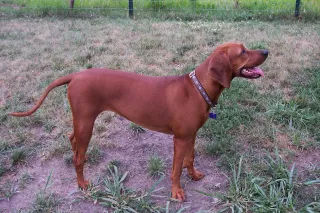
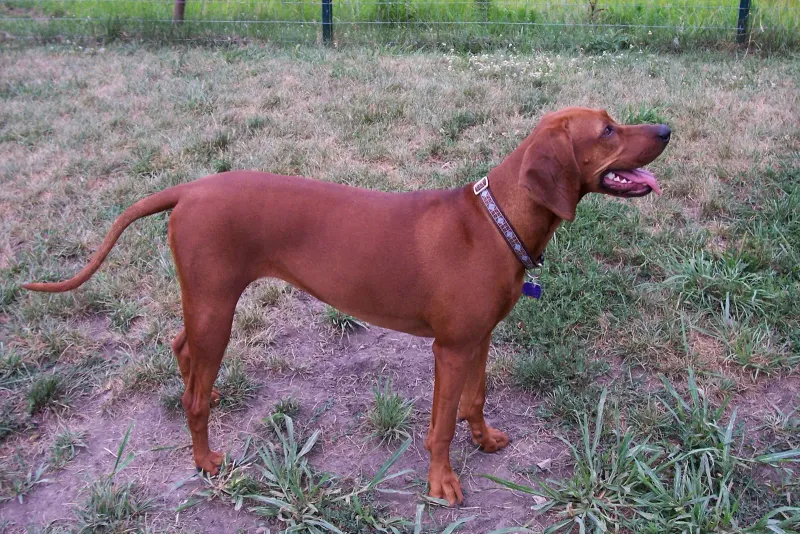 Bloodhound and Redbone Coonhound
- Bloodhound and Basset Hound
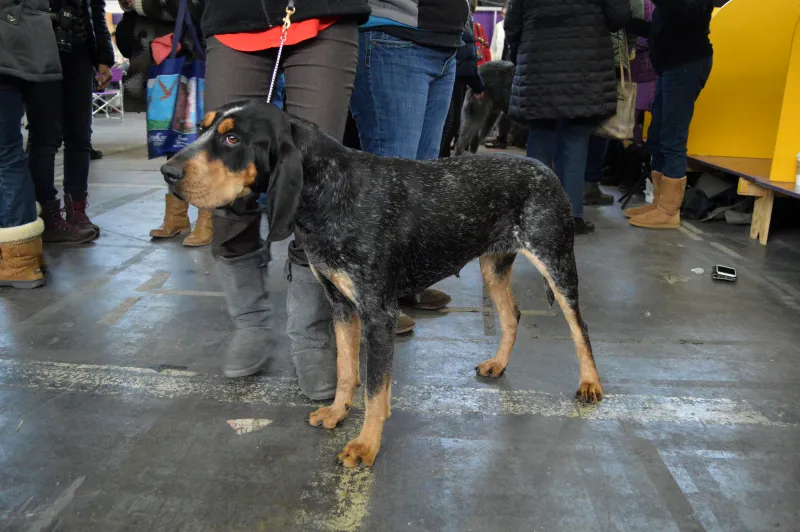
Basset Hound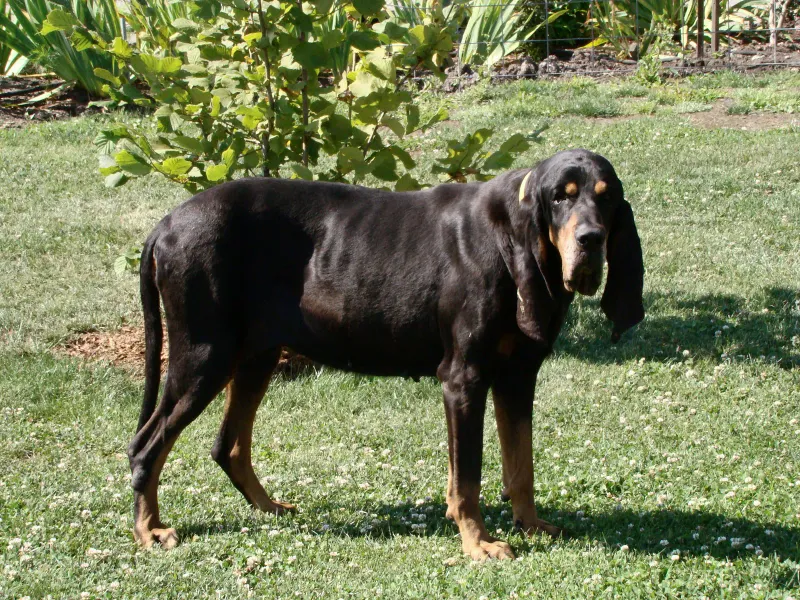 Black and Tan CoonhoundRedbone Coonhound
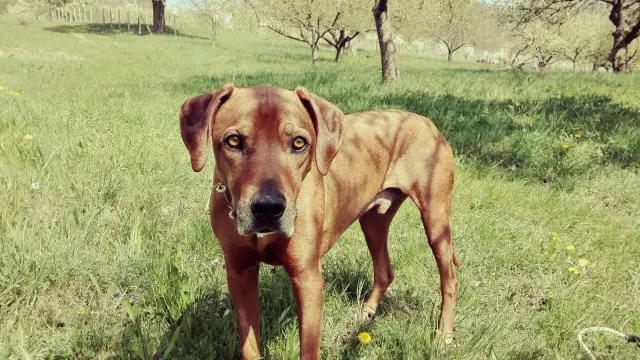 Rhodesian Ridgeback
Descend from it · 17
- Norman HoundFrance
- Polish HoundPoland
- Grand Bleu de GascogneFrance
- Sleuth HoundUnited Kingdom
- Lithuanian HoundLithuania
- King's White HoundFrance
- SaintongeoisFrance
- St. Hubert Jura HoundSwitzerland
- Rhodesian RidgebackSouth Africa
- Black and Tan CoonhoundUnited States
- Gascon SaintongeoisFrance
- Redbone CoonhoundUnited States
- Basset HoundUnited Kingdom
- Golden RetrieverUnited Kingdom
- AriégeoisFrance
- Dumfriesshire HoundUnited Kingdom
- Bull ArabAustralia
- Otterhound108.2 Mb 4.5%
- English Foxhound58.2 Mb 2.4%
- Beagle50.0 Mb 2.1%
- Redbone Coonhound37.8 Mb 1.6%
- Basset Hound27.1 Mb 1.1%
- Petit Basset Griffon Vendéen15.4 Mb 0.6%
Source: Parker et al. 2017. Percent of the whole genome.
The breed standard
 Looks relatedPekingese700 CE to 1904 · ChinaEarly Middle Ages
 Save
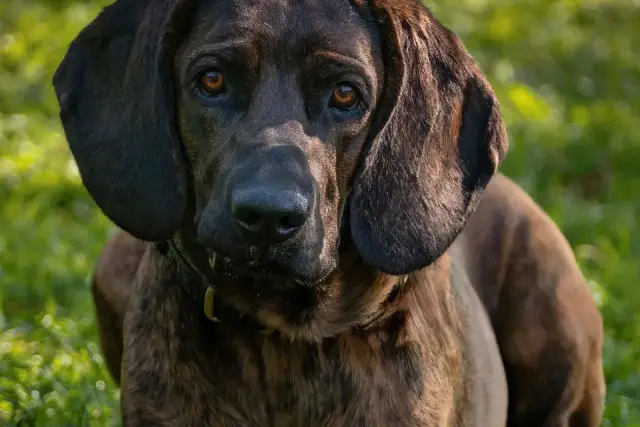
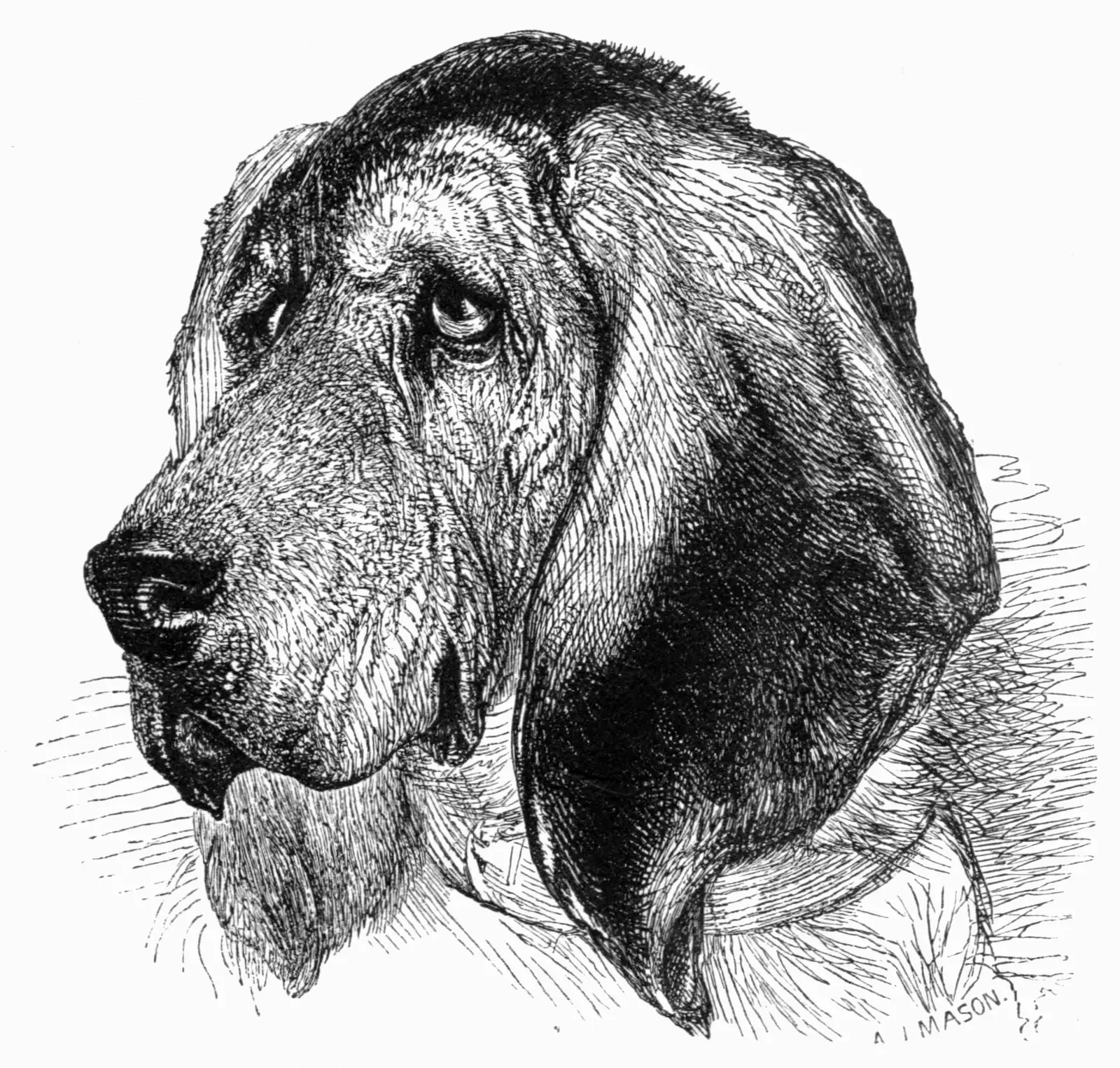
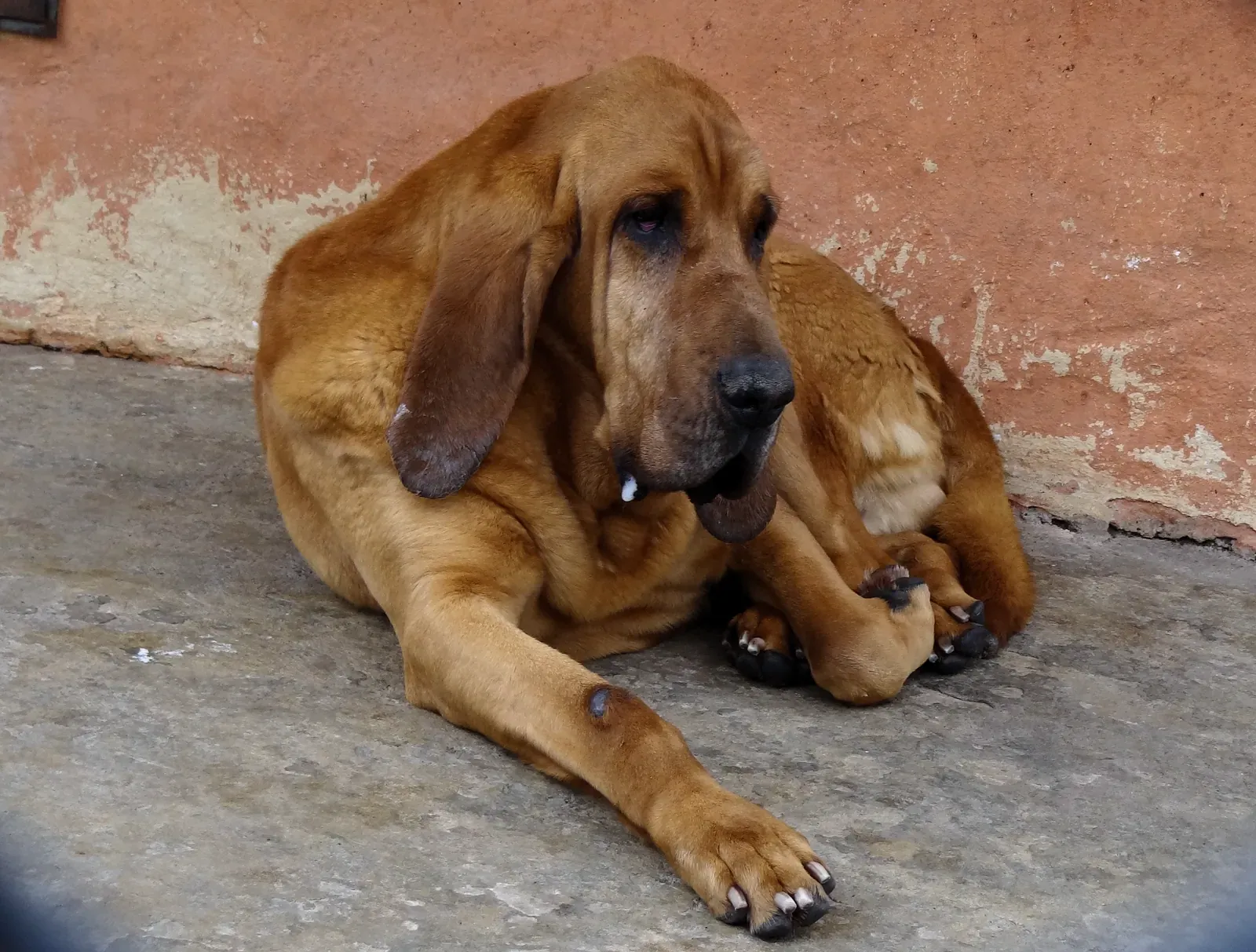
A is the written ideal a kennel club judges dogs against. The Bloodhound standard asks for a large, powerful hound with a long head, deep wrinkles and loose skin on the face, and long, thin, hanging ears.
| Trait | What the standards say |
|---|---|
| Group | FCI: Group 6, Scent hounds, standard no. 84, origin Belgium. AKC: Hound. UK Kennel Club: recognised |
| Height | UK Kennel Club: dogs usually 63 to 69 cm, bitches 58 to 63 cm |
| Weight | UK Kennel Club: mean 41 kg for dogs in fair condition, reaching 50 kg |
| Colours | Black and tan, liver and tan, or red; a little white permitted on chest, feet and tail tip (Kennel Club; colour list from the Canadian Kennel Club and secondary sources) |
| Other | FCI size wording not given here |
Temperament
 Related breedPembroke Welsh Corgi1100 to 1934 · United KingdomEarly Middle Ages
Breed guides describe the Bloodhound as gentle, patient and friendly toward people, with a stubborn streak when a scent catches its attention. It was bred to follow a trail alone and for long periods, so it can be independent and will not always come when called. It is usually good with other dogs. A Bloodhound that finds a scent will keep going, so it needs a secure garden and a long lead on walks.
The nose. Popular articles quote about 300 million scent receptors for a Bloodhound, against about 100 million for most dogs and six million in people. No study backs that figure, so treat it as a rough popular number. What is documented is the work: the breed has been trusted to follow old human trails, and courts in the US have set rules for hearing such evidence.

Health
 Related breedSamoyed500 CE to 1912 · RussiaEarly Middle Ages
Many Bloodhounds are healthy and gentle through their years, but the breed has the shortest life span of any breed in the large UK survey, and the two risks below are the best documented. This section gives numbers only from named studies.
| Condition | What it is | How common | What helps |
|---|---|---|---|
| Gastric dilatation and volvulus (GDV, bloat) | The stomach fills with gas and can twist, which is an emergency | Glickman et al. (2000): 39 cases per 1,000 dog-years. Evans and Adams (2010): about 1 in 7 (14.3%) of surveyed dogs had had GDV | Several small meals, no hard exercise around meals, know the signs, go to a vet at once. Ask a vet about preventive stomach surgery |
| Cancer | Common cause of death in many breeds | In the 2004 UK survey, cancer caused 27% of 82 deaths | Regular vet checks and lump checks |
| Eye and ear problems | Loose eyelids and long ears can trap dirt | Listed in breed guides; no figure found | Regular cleaning, quick vet visits for red or sore eyes and ears |
| Skin fold infections | Moisture and dirt in facial folds | No figure found | Dry and clean the folds |
Bloat in detail. Glickman et al. (2000, JAVMA) followed large and giant breed dogs over time. The Bloodhound was second only to the Great Dane, which had 53 cases per 1,000 dog-years, with 39 per 1,000 dog-years for the Bloodhound. A UK health survey analysed by Evans and Adams (2010) gave a prevalence of 14.3% for Bloodhounds and said GDV caused 30.5% of the breed's deaths in the survey. The two figures measure different things, and the UK numbers come from a small breed sample, so read them as a strong signal and not a precise rate. The same paper lists the Bloodhound among the breeds at the highest risk of dying from GDV.
Life span. Adams et al. (2010, Journal of Small Animal Practice) analysed the 2004 UK Kennel Club health survey and gave a Bloodhound median of 6.79 years, one of the shortest for any breed. Among the 82 deaths, bloat caused 34% and cancer 27%. The Association of Bloodhound Breeders reports a median of six years nine months and says no data were available for the breed. Consumer guides that say 10 to 12 years, as does the atlas data, give no source, so the survey medians are the better guide. Small samples mean the true figure could differ.

Living with a Bloodhound
 Related breedSiberian Husky1000 to 1930 · RussiaEarly Middle Ages
 Save
| Daily reality | Rating | Why |
|---|---|---|
| Exercise per day | Medium to High | A scent hound that wants long, slow, sniffing walks |
| Training needs | High | Independent, easily distracted by scent; recall is unreliable |
| Grooming | Low to Medium | Short coat; face folds and ears need regular cleaning |
| Shedding | Medium | Short hairs shed year round |
| Barking | Medium | Hounds bay and howl, especially when bored or on a scent |
| Time alone | Poor | Bonds closely; boredom can bring noise and chewing |
| Children | Good | Gentle and patient in breed guides; a large dog can knock over a toddler |
| Other dogs | Good | Hounds are usually sociable |
| Cats and small pets | Fair | Hound prey drive varies by dog |
| Flat living | Poor | Large, loud and drooly; a secure garden is better |
| Heat tolerance | Fair | Loose skin and heavy build; avoid hard exercise in heat |
| Cold tolerance | Good | Short coat but sturdy |
| First-time owner fit | Fair | Easy-going at home, but hard to train off the scent |
A great fit if
- You like long, slow walks and a dog that sniffs everything.
- You have a secure garden and a home that tolerates drool.
- You are home most of the day.
- You are willing to learn the early signs of bloat.
Think twice if
- You want a dog that comes when called off the lead.
- You live in a flat with close neighbours.
- You cannot give long walks or time at home.
- You would find a short life span hard to face.
Before you get one
- Health tests to ask a breeder for: ask about bloat in the family, ages at death in the pedigree, and eye and hip checks. No DNA test is established for bloat.
- Puppy or adult rescue: Bloodhound rescues exist.
- First year: a puppy needs lead and recall training and a feeding routine that lowers bloat risk. Plan the vet visit you would make in an emergency.
Similar breeds to consider
- Basset Hound. A smaller scent hound with the same sleepy charm.
- Black and Tan Coonhound. A lighter American hound that also tracks.
- Redbone Coonhound. An athletic tracker with a smooth red coat.
- Otterhound. The closest DNA relative, with a rough coat.

Bloodhound fun facts
- "Chien de Saint-Hubert" is the FCI's official name, and "Bloodhound" appears in brackets.
- The Abbey of Saint-Hubert was founded in 687 and closed in 1797.
- Nick Carter, a Kentucky Bloodhound, reportedly followed a trail for 55 miles.
- A UK survey gave a median life span of about 6.8 years.
Frequently asked questions
Where does the Bloodhound come from?
Breed histories point to the hounds of the Abbey of Saint-Hubert in the Ardennes. The lists Belgium as the country of origin.
Why is it called a Bloodhound?
Probably "blooded hound", meaning pure bred. It does not mean the dog tracks blood.
How big is a Bloodhound?
The Kennel Club says dogs are usually 63 to 69 cm and about 41 kg on average, up to 50 kg.
How long do Bloodhounds live?
A 2004 UK Kennel Club survey gave a median of about 6.8 years. Guides citing 10 to 12 years give no source.
Do Bloodhounds get bloat?
More than most breeds. Glickman et al. (2000) ranked them second only to the Great Dane, and a UK survey found 14.3% affected.
Is Bloodhound evidence accepted in court?
In the US it depended on the state, with rules on training, testing and corroboration.
Read next
Closest DNABeagle50.0 Mb sharedFamilyScent HoundThe whole family Adopt a dogDog Shelters in FranceTen big cities checked, how adoption works, fees in euros
Sources (13)
- Fédération Cynologique Internationale, standard no. 84, Chien de Saint-Hubert (Bloodhound), origin Belgium.
- The Kennel Club (UK), Bloodhound breed standard (height, weight, white markings).
- Canadian Kennel Club, Bloodhound standard (colours).
- American Kennel Club, "Bloodhound history" and the article on the hound Nick Carter.
- Wikipedia, "Bloodhound" and "Abbey of Saint-Hubert" (secondary: Saint-Hubert origin, William the Conqueror claim, black hounds to the French king).
- Showsight magazine, "History of the Bloodhound" (16th century human tracking).
- Law and Order, 1988 survey of bloodhound trailing evidence (via NCJRS abstract); State v. Norman, North Carolina, 1910; Oklahoma Court of Criminal Appeals, 1943; People v. Tyler, Illinois appellate court, 2012.
- Glickman L.T. et al., "Non-dietary risk factors for gastric dilatation-volvulus in large and giant breed dogs", JAVMA, 2000.
- Evans K.M., Adams V.J., "Mortality and morbidity due to gastric dilatation-volvulus syndrome in pedigree dogs in the UK", Journal of Small Animal Practice, 2010.
- Adams V.J. et al., "Methods and mortality results of a health survey of purebred dogs in the UK", Journal of Small Animal Practice, 2010.
- Association of Bloodhound Breeders (UK), health survey document (median age at death).
- Parker H.G. et al., "Genomic analyses reveal the influence of geographic origin, migration and hybridization on modern dog breed development", Cell Reports, 2017.
- Atlas data, Bloodhound knowledge record (etymology, lineage, DNA links).