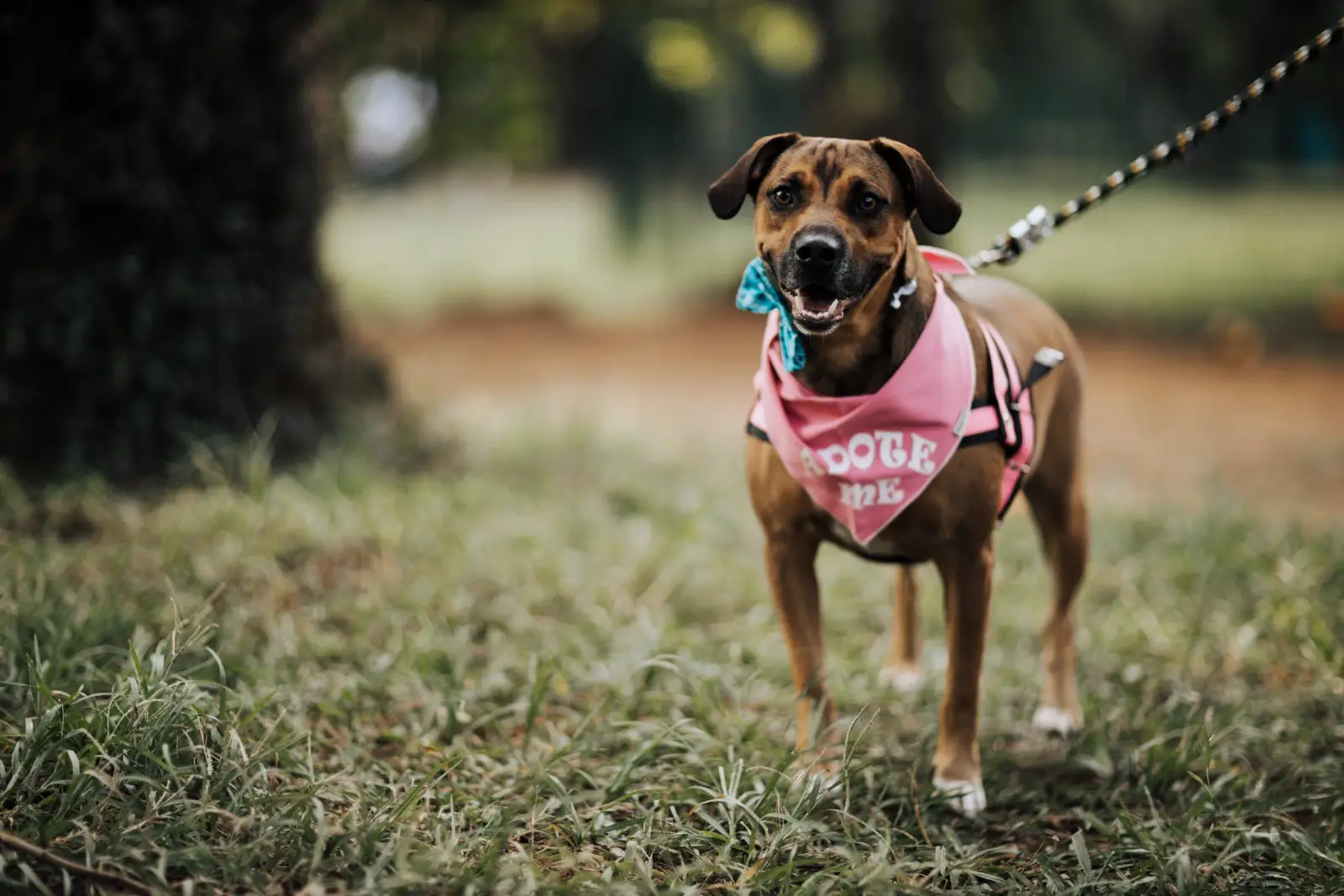
1,087 shelters in 5 countries
Your browser asks once. Your location stays on your device and only sorts this list.
1,087 shelters in five countries so far, from Germany and Austria to France, the Netherlands and Poland, and what to know before you adopt a dog from one.
- 1,087shelters
- 5countries
- 36cities checked
Shelter data © OpenStreetMap contributors
Search a town or use your location. Every shelter gets directions, a phone number and its website, with no ratings and no ads.
No shelter matches. Turn off a filter to see them all.
Rules differ from country to country, but most adoptions go like this.
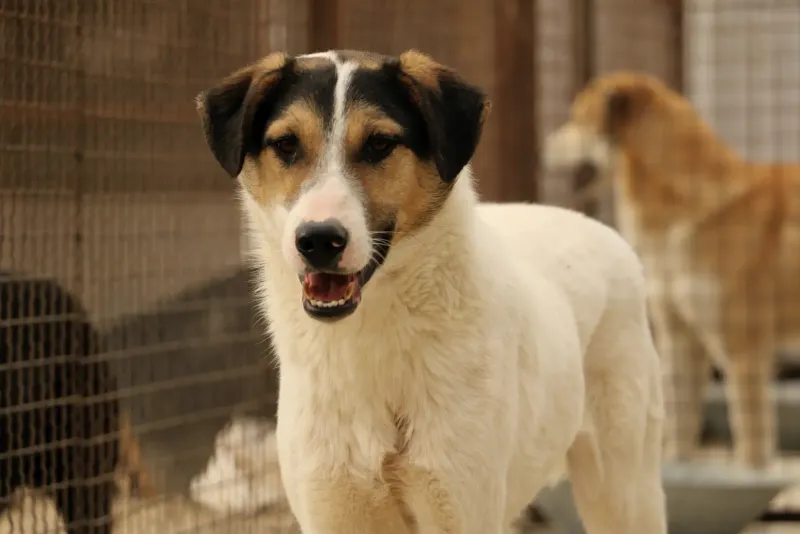
Pick a shelter and read its rules
Most shelters publish visiting days and how adoption works. Many see people by appointment only, so call or write first.
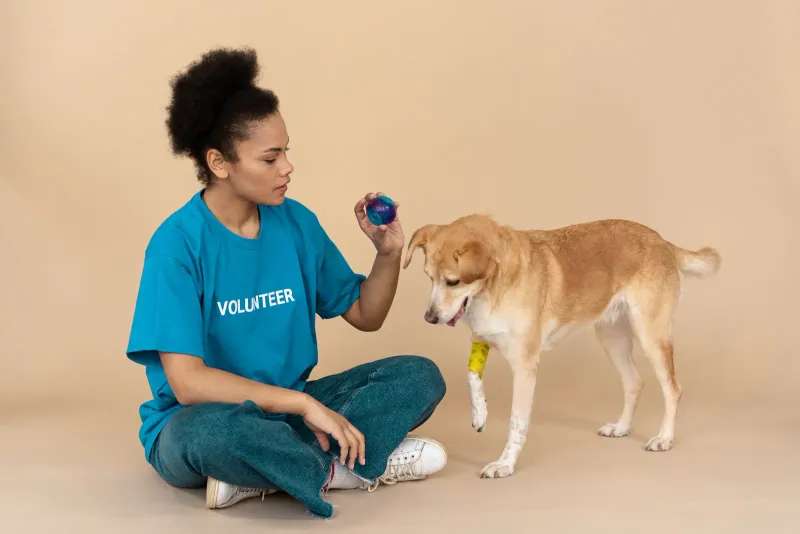
Visit and meet the dog
Expect several visits and walks. Bring everyone in your household, and your own dog if you have one.
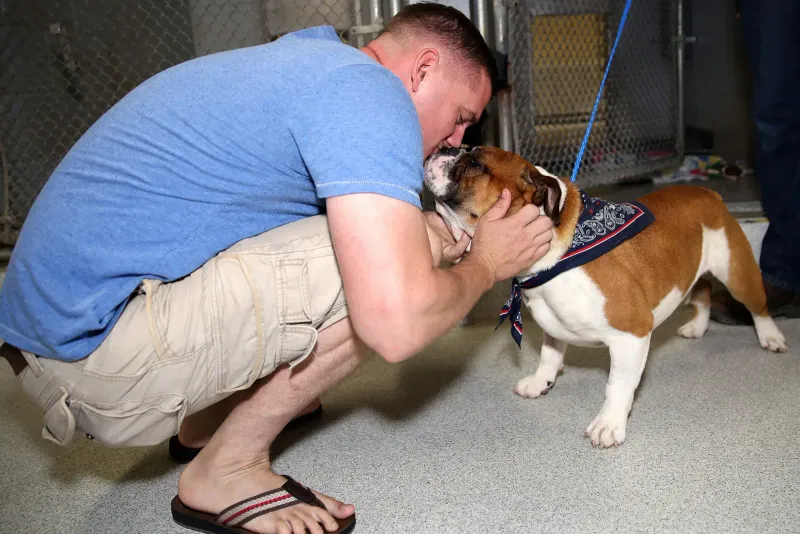 Ask: fees are set by each shelter
Sign the contract, pay the fee
The fee helps cover the shelter's costs and differs by shelter, dog and age.
 Dog tax: set locally, and some towns lower it for shelter dogs
Register the dog
Report the dog to your town within a few weeks. Dog tax and insurance rules change by country.
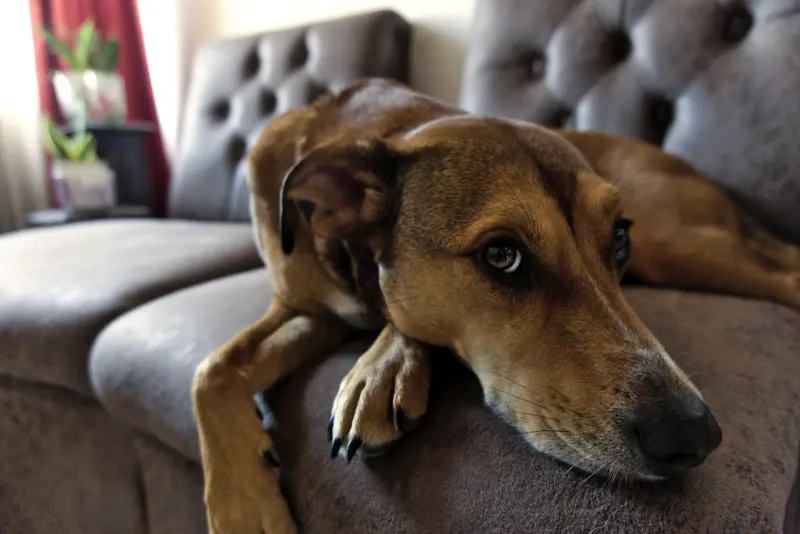
Settle in together
The first weeks are quiet: a calm corner, short walks, one routine. A dog's full character can take weeks to show.
We add a country when we can check its biggest shelters properly.
 Germany560 shelters, ten big cities checked
 Austria40 shelters, five big cities checked
 France257 shelters, ten big cities checked, list about 30% complete
 Netherlands67 shelters, five big cities checked, list about 60% complete
 Poland163 shelters, six big cities checked, list about 75% complete
More countries will follow later. We add a country when we can check its biggest shelters properly.
This list may be incomplete. Please call before you visit.
There is no single European system. Germany's Tierheime are usually run by animal welfare associations, Austria's shelters are licensed by the states, and France, the Netherlands and Poland each organise theirs in their own way. Italy is not on our map yet.
Few countries have a complete national list, so a local call is the best first step.
The adoption fee is a contribution to the shelter's costs. It differs by country and shelter, so ask what it covers.
- €300-450dog fees published by the German shelters we checked
- AskAustrian shelters set their own fees
- €275La SPA dog adoption fee in France
- 0-200 PLNadoption fees published by the Polish shelters we checked
- 3 yearsno dog tax in Vienna after adopting from TierQuarTier Wien
- + yearly dog tax, set locally
- + liability insurance where required
- + food and vet care
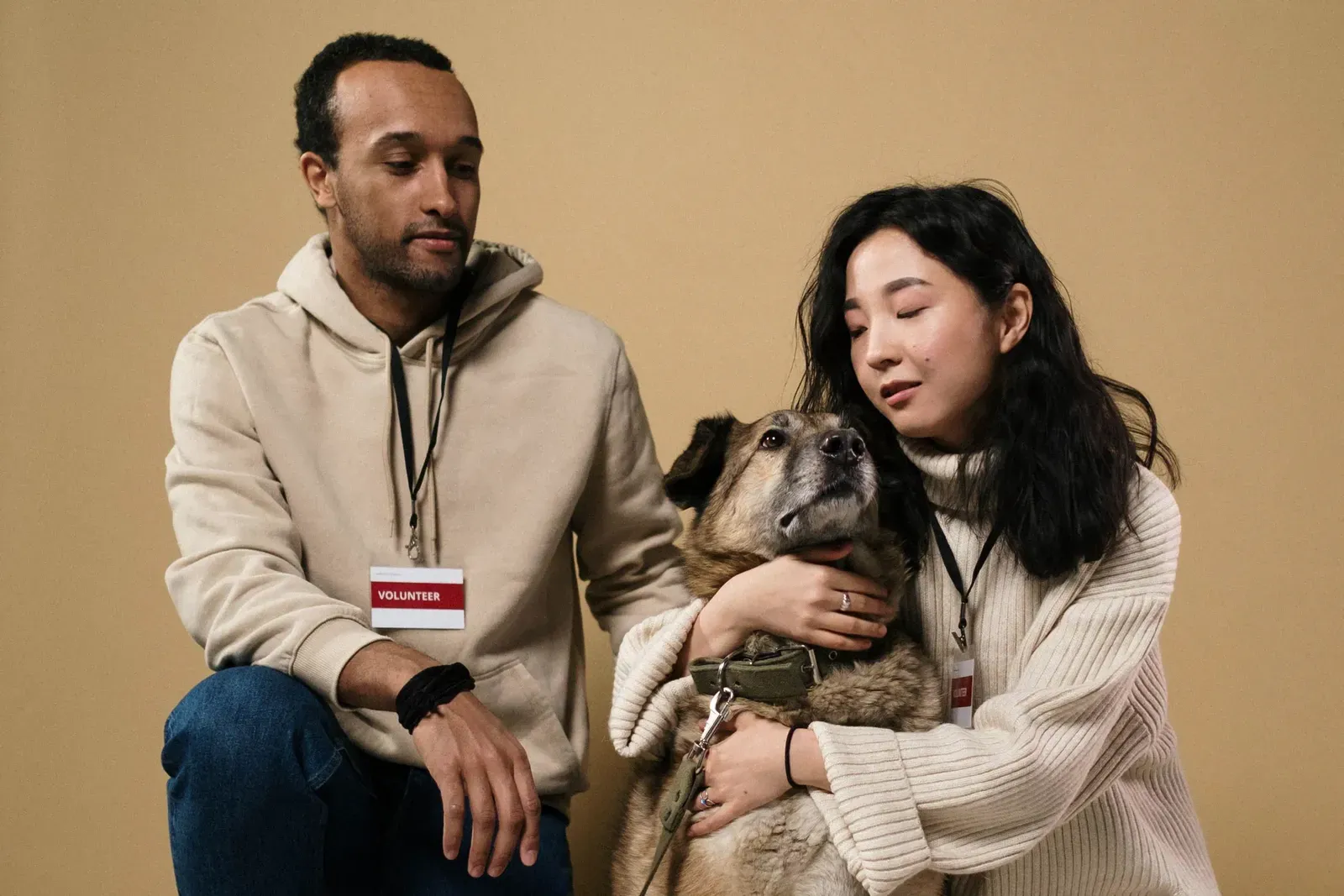
Adopting gives a dog a second chance, and shelters often know a dog's habits well, so they can help you find one that fits your home. Families and individuals both adopt, and an older or quieter dog can suit a calm household as well as a young one.
- Meet the dog more than once, on a walk if you can
- Bring everyone who will live with the dog
- Read the contract and keep a copy
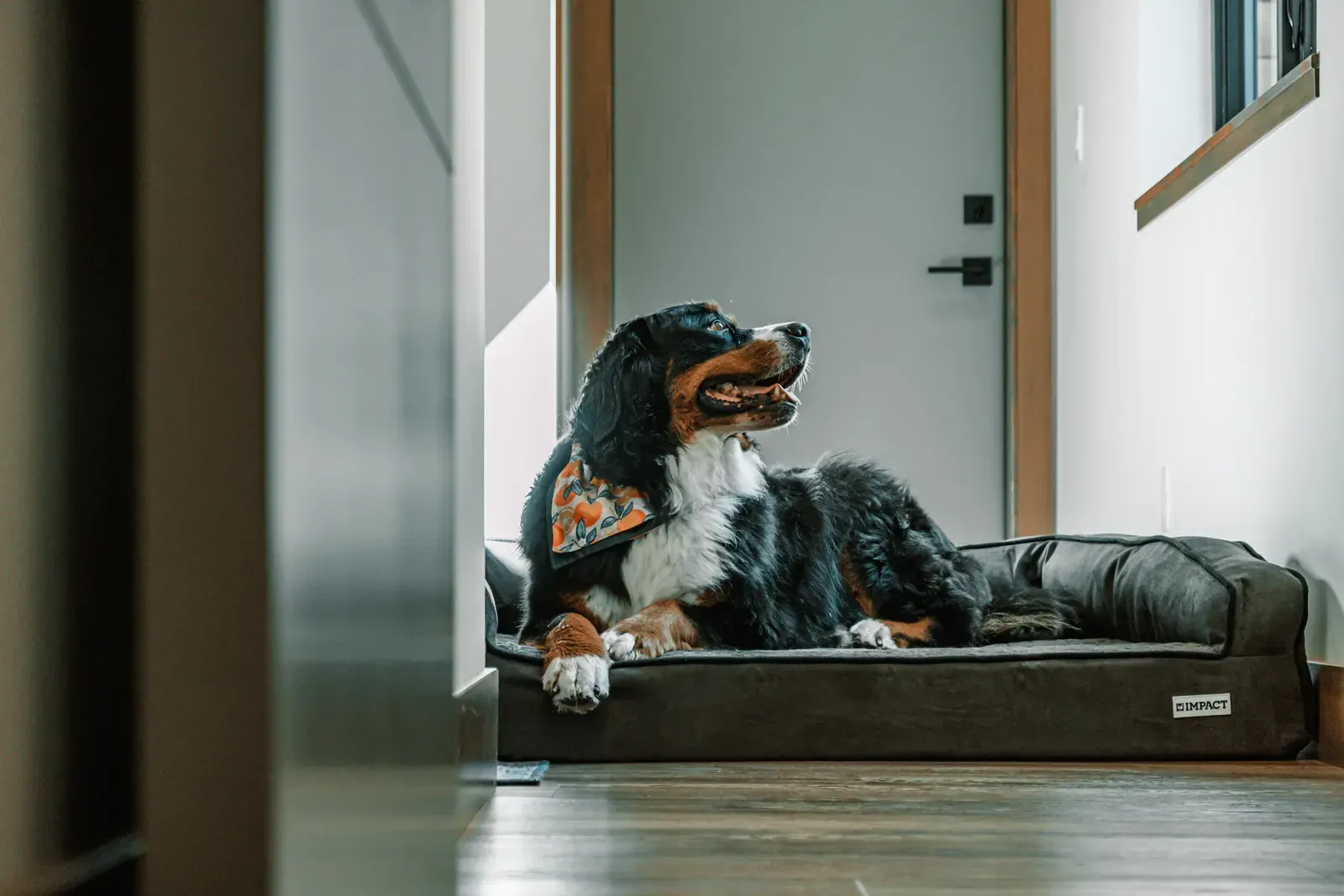
A shelter dog has just left a busy place. Keep the first days quiet and let the dog set the pace; it can take weeks before you see its full character.
- A quiet resting place, chewables put away
- One simple routine and short walks on a lead
- A local vet and the dog's vaccination record
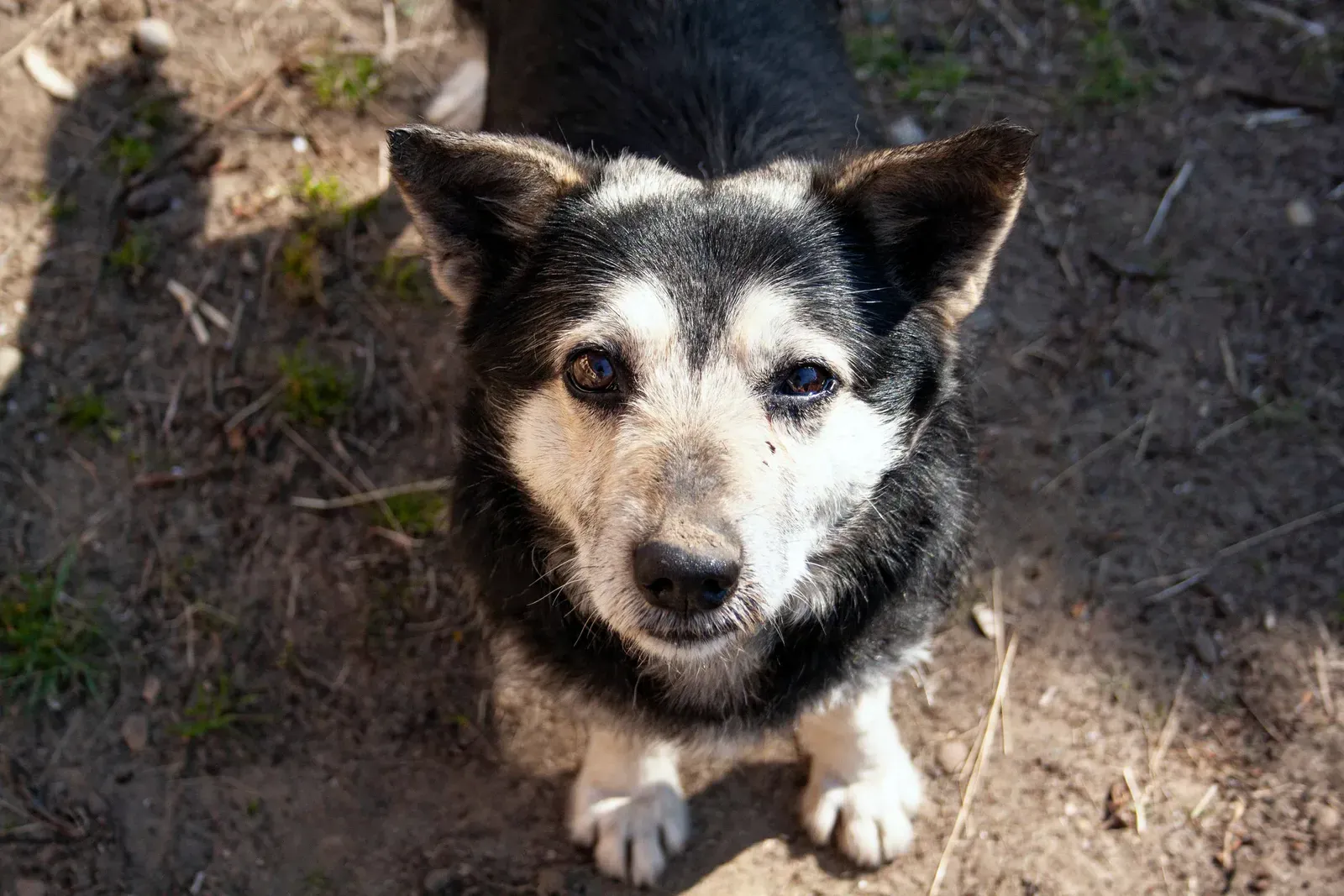
Older dogs are often calm and house trained, and they tend to wait longest for a home. Dogs from other countries can be lovely companions too: ask where the dog came from, which health checks were done and whether you get its papers.
Read our adopting a dog guideEvery year dogs end up in shelters because they were found, seized or given up, and many of them wait for a new home. This guide helps you find a shelter near you and understand how shelters work in your country. We started with Germany and Austria and now cover France, the Netherlands and Poland too, with 1,078 shelters in five countries.
Adopting gives a dog a second chance, and shelters often know a dog's habits well, so they can help you find one that fits your home. Families and individuals both adopt, and an older or quieter dog can suit a calm household as well as a young one. Our adopting a dog guide covers the process from first visit to first weeks.
There is no single European system. Countries organise animal shelters in different ways, and few have a complete national list.
- Germany the Tierheim is usually run by an animal welfare association, sometimes by a city, and towns often pay a local shelter to house found animals.
- Austria shelters are licensed by the states, and the rules differ from state to state.
- France shelters (refuges) and municipal pounds (fourrières) exist side by side, and many places have both.
- Italy dogs are often kept in public kennels (canili) and in rescue shelters run by associations.
- Netherlands local shelters (asielen) are common, and many are run by the animal welfare society.
- Poland shelters are supervised by veterinary authorities, and many are run by towns.
Rules on fees, dog tax and insurance also change from country to country. Our dog laws by country guide explains them.
Why adopt a dog from a shelter?
Adopting gives a dog a second chance. Shelters often know a dog's habits well and can help you find one that fits your home.
Do shelters work the same way in every country?
No. Each country organises its shelters differently, and few have a complete national list. Our country pages explain how it works where we have them.
Can foreigners and expats adopt a dog?
Yes, most shelters welcome adopters of any nationality. They usually ask for proof of address and, for renters, the landlord's permission.
Do I need an appointment to visit a shelter?
Often yes. Some shelters have open days, others work by appointment only. Call before you go.
Do fees, dog tax and insurance change by country?
Yes. Read our dog laws by country guide, and check your own town's rules when you register the dog.
Do I need to speak the local language?
Not always, but it helps. A short message in the local language or a friend who speaks it makes the first contact easier.
Pick a country to start. Germany and Austria are described on their pages, and our lists for France (about 30%), the Netherlands (about 60%) and Poland (about 75%) are not complete: please call before you visit.
- Germany560sheltersTen big cities checked, how adoption works, what it costs
- Austria40sheltersFive big cities checked, more shelters being added
- France257sheltersTen big cities checked, how adoption works, fees in euros
- Netherlands67sheltersFive big cities checked, how adoption works, chip and registration
- Poland163sheltersSix big cities checked, how adoption works, fees in złoty
Ready to meet a shelter dog?
Find the shelters near you, call ahead, and take your time getting to know each other.
Find a shelter near youThe shelter lists come from OpenStreetMap, made by volunteers, and are shared under the Open Database Licence (ODbL): © OpenStreetMap contributors. A shelter missing or closed? Tell us and we will fix it.