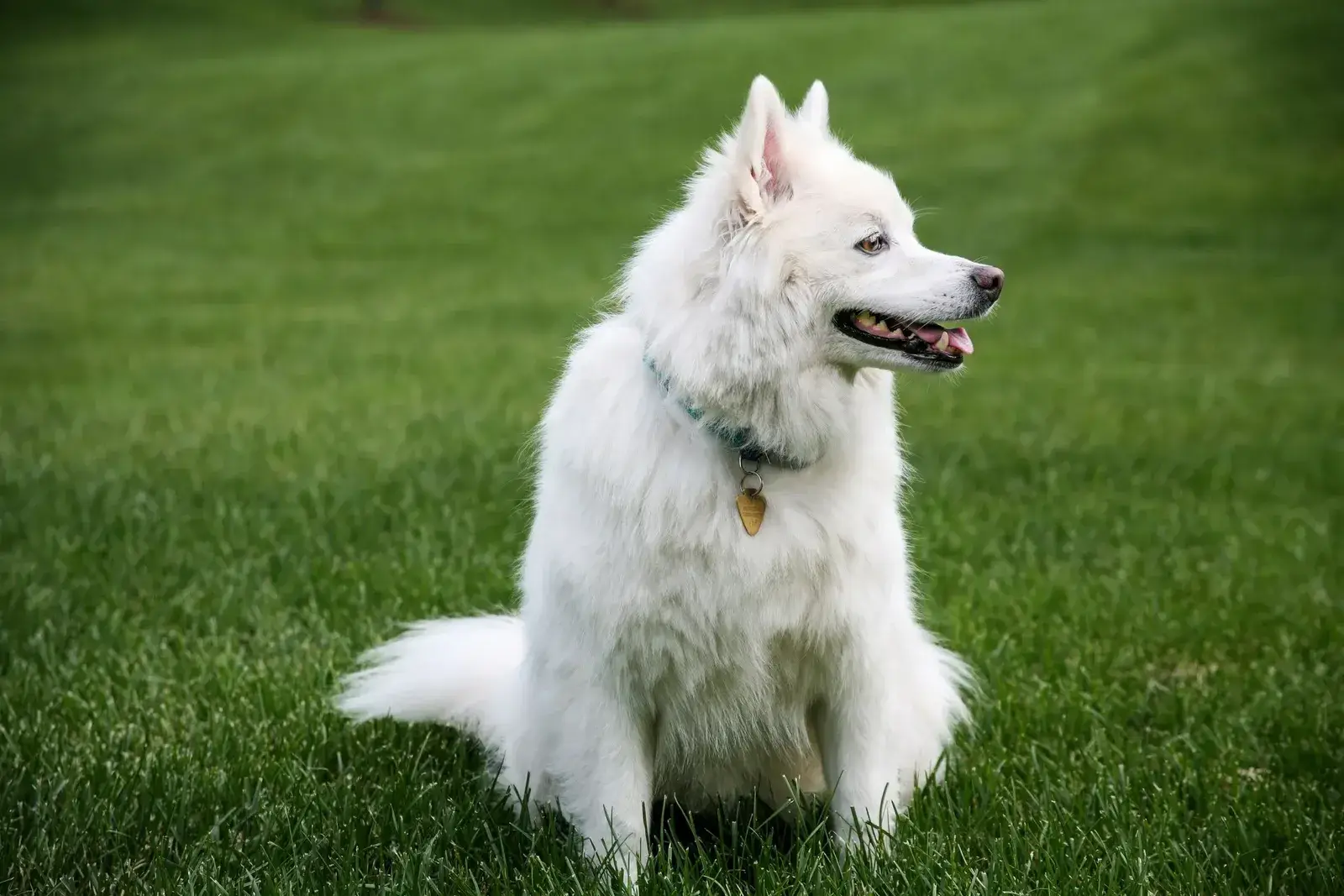
It has nothing to do with the Arctic or the Inuit. Its ancestors were German spitz dogs brought over by immigrants in the early 1900s, and the name came later. It comes in three sizes (Toy, Miniature and Standard), wears a thick white double coat with a lion-like ruff, and lives about 13 to 15 years. It is bright, eager to please and alert, which makes it easy to train and also a dog that barks at what it notices. It sheds heavily and needs regular brushing.
American Eskimo Dog quick facts
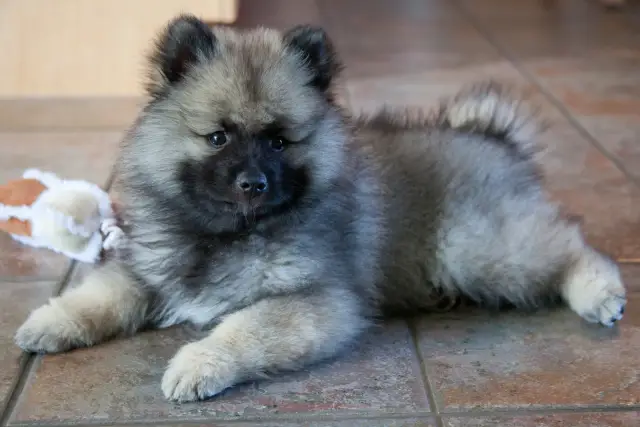 Related breedKeeshond1700 to 1926 · Netherlands, GermanyEarly Modern Era
- Country of origin
- United States
- Period of development
- 1900 to 1917 (atlas data); renamed in 1917
- Other names
- Eskie, American Spitz
- Original name
- American Spitz
- Recognition
- AKC (Non-Sporting Group, since 1995) and UKC (Northern Breed Group); not recognised by the
- Sizes
- Toy: 23 to 30.5 cm. Miniature: over 30.5 to 38 cm. Standard: over 38 to 48 cm (AKC)
- Weight
- No weight in the AKC standard
- Coat
- Dense double coat, standing off the body, thick ruff and white feathering on the tail
- Colour
- Pure white preferred; white with biscuit cream also allowed
- Life span
- Atlas data: 13 to 15 years
- Family
- Nordic Spitz (Parker et al. 2017)
- Closest DNA relatives in the atlas data
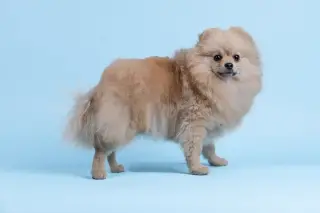
- Icelandic Sheepdog, Samoyed, Pomeranian
- Descendant breed
- Alaskan Klee Kai
Drawn to scale in real centimetres. Its back reaches about 36 cm, just below your knee; its head about 45 cm, just below your knee.
Where it sits in the tree
Victorian Breed Boom · 1850 to 1913
Name and origin: why "Eskimo" for a German dog?
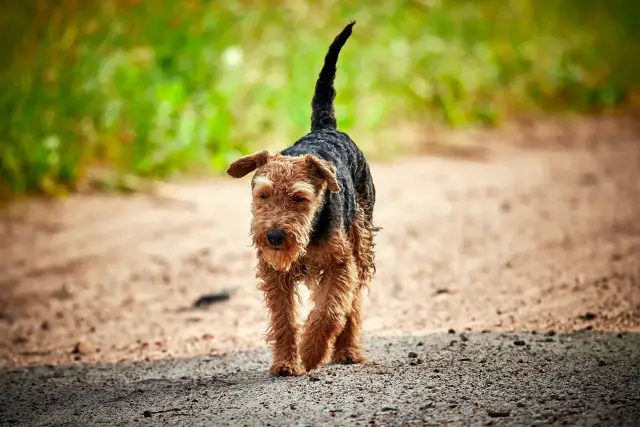 Related breedAiredale Terrier1850 to 1880 · United KingdomVictorian Breed Boom
The name says little about geography. The breed was called the American Spitz until the First World War. The UKC records the rename to American Eskimo in 1917, probably a reaction to anything German being unpopular during the First World War. Many owners kept saying "Spitz" or "Eskimo Spitz" for years.
"Spitz" is German for pointed, and it names the group of dogs with a pointed muzzle, erect ears, a curled tail and a thick coat. The Eskie is a spitz in the shape of its body and in its DNA. It was never a sled dog. The word "Eskimo" points north, but the dogs came from Germany. See the Nordic Spitz family for the relatives, and the Samoyed for a dog that really did work in the Arctic.

History
 Same eraAmerican Pit Bull Terrier1850 to 1898 · United StatesVictorian Breed Boom
German spitz dogs cross the Atlantic, 1900s
The atlas data dates the formation of the breed to 1900 to 1917. The dogs that became the Eskie were German spitz types brought by European immigrants, who kept them as farm dogs, watchdogs and companions. Accounts say the early American stock also included the white Pomeranian, the Keeshond and the Italian Spitz (Volpino Italiano). These crosses rest on retellings and not on records, and the atlas data marks them as low confidence. The German Spitz is the better-supported ancestor.
White was the colour that Americans picked. Over a couple of decades the white spitz became a recognisable American type in three sizes.
Registration, 1910s to 1990s
The United Kennel Club (UKC) was the first registry to take the breed. The UKC breed standard says the breed was recognised by the UKC in 1913.
In the 1980s breeders wanted a place in the American Kennel Club. The American Eskimo Dog Club of America was formed in 1985 to prepare for that, and it gathered pedigrees of about 1,750 dogs as the base of the registry. The AKC recognised the breed in 1995, in the Non-Sporting Group. A few sources say 1994; 1995 is the common date.
The circus story
Many accounts say the white Eskies were famous circus dogs in the early 1900s. Spitz dogs did appear in American circuses, and a Cooper Brothers railroad circus in 1917 is one account. Barnum and Bailey is the best-known name, and one account says puppies were sold after shows. A tightrope-walking spitz named Pierre is the famous character. Another account says a similar tightrope dog, "Bido", has no documentation. Treat the tightrope dogs as a legend. Several accounts also say the breed was never bred for circus work: it was a farm and companion dog that circuses happened to use because it is smart and white.
Relatives and DNA
 Same familyAmerican Staffordshire Terrier1850 to 1936 · United StatesVictorian Breed Boom
The atlas data places the American Eskimo Dog in the Nordic Spitz of Parker et al. (Cell Reports, 2017), with strong support. That study compared 1,346 dogs from 161 breeds and sorted them into 23 clades. Parents in the atlas data are the German Spitz (medium confidence), and the Keeshond, Pomeranian and Italian Spitz (low confidence).
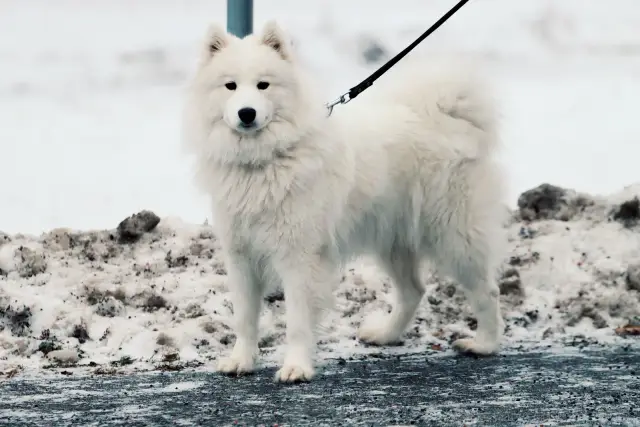
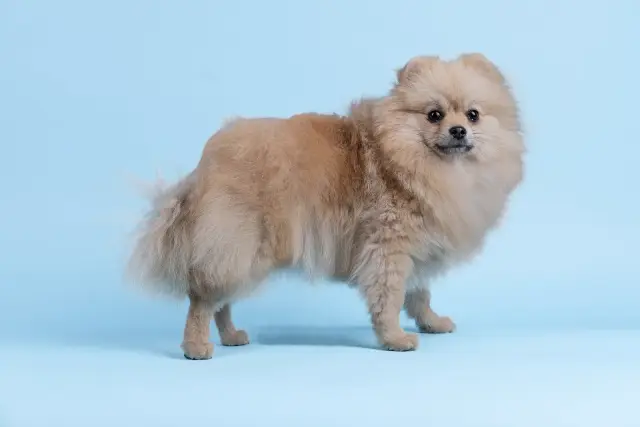
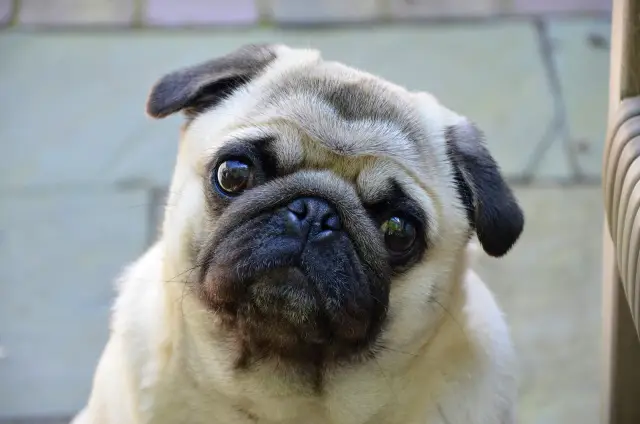
What does DNA say? The shared-DNA figures below are the longest matching stretches recorded in Parker et al. 2017, in (). More means a closer genetic relationship.
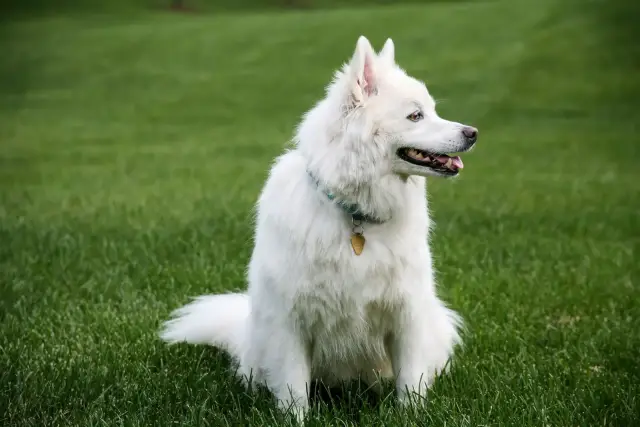
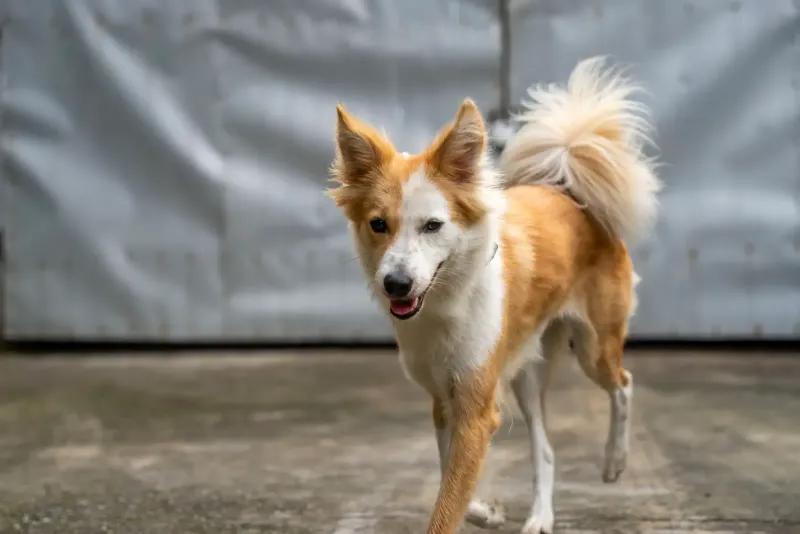 American Eskimo Dog and Icelandic Sheepdog
- American Eskimo Dog and Samoyed
- American Eskimo Dog and Pomeranian
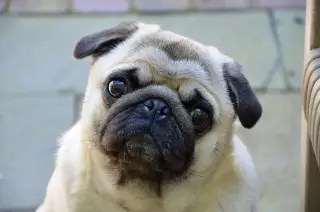
- American Eskimo Dog and Pug
- American Eskimo Dog and Keeshond
Two results stand out. The Samoyed, a Siberian reindeer herder, shares nearly as much as the Icelandic Sheepdog, which fits the Nordic Spitz grouping. And the Pug, a short-faced dog from China, shares 12.1 Mb, more than the Keeshond. DNA matches of this size can come from several sources, so they show relationship in the broad sense and not a story of who bred with whom. See the Pug page for that breed.
Sister breeds · 4
- Keeshond1700 to 1926
- Pomeranian1800 to 1900
- Indian Spitz1850 to 1990
- Japanese Spitz1920 to 1948
Descend from it · 1
- Alaskan Klee KaiUnited States
- Icelandic Sheepdog14.6 Mb 0.6%
- Samoyed14.4 Mb 0.6%
- Pomeranian12.7 Mb 0.5%
- Pug12.1 Mb 0.5%
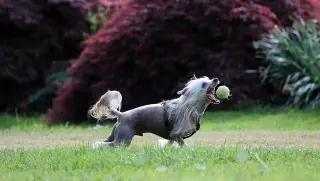
- Chinese Crested Dog10.7 Mb 0.4%
- American Hairless Terrier10.5 Mb 0.4%
- Keeshond10.4 Mb 0.4%
- Schipperke10.0 Mb 0.4%
Source: Parker et al. 2017. Percent of the whole genome.
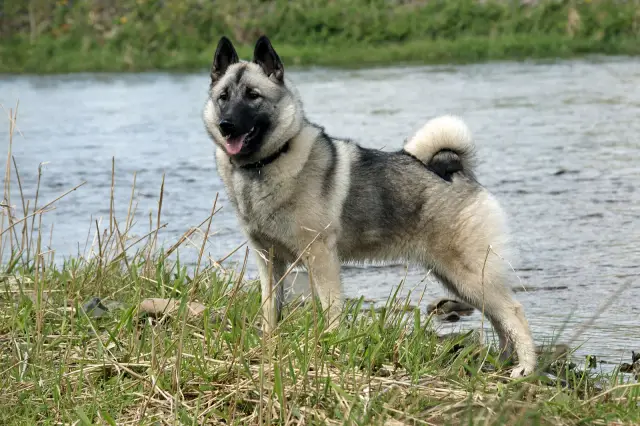
The American Eskimo Dog breed standard
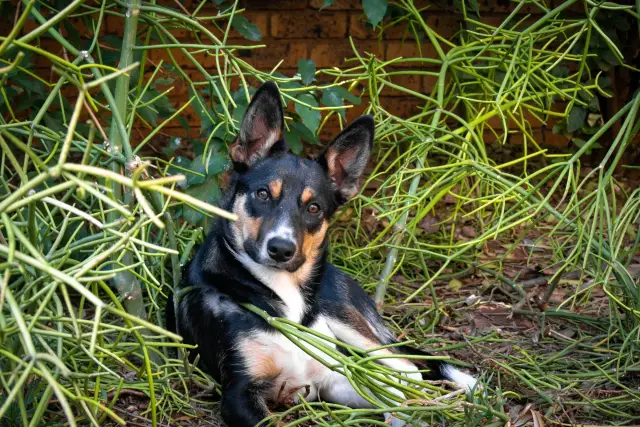 Looks relatedAustralian Kelpie1870 to 1902 · AustraliaVictorian Breed Boom
A breed standard is the written ideal that kennel club judges compare each dog against. The AKC standard describes a Nordic-type dog: compact, well-balanced, with a bright, alert expression. The UKC publishes its own standard, revised in 2023, and it recognises two sizes only, Miniature and Standard. Weights are not part of the AKC standard, so ranges quoted elsewhere differ.
| Trait | What the standards say |
|---|---|
| Height (AKC) | Toy 9 to 12 inches (23 to 30.5 cm); Miniature over 12 to 15 inches (30.5 to 38 cm); Standard over 15 to 19 inches (38 to 48 cm) |
| Height (UKC) | Two sizes. Miniature: males 9 to 15 inches, females 9 to 14 inches. Standard: males over 15 to 19 inches, females over 14 to 18 inches |
| Colour (AKC) | Pure white; white with biscuit cream is allowed |
| Coat (CKC description) | Double coat of dense undercoat and longer, straight guard hair that stands off the body |
| Head and expression | AKC: keen, intelligent, alert; slightly oval eyes, dark to medium brown preferred; nose, lips and eye rims black to dark brown; softly wedge-shaped skull |
| Gait (UKC) | A trotting breed; coat is worth 10 of 100 points and movement 15 |
| Group | AKC Non-Sporting; UKC Northern Breed |
Sizes. The three AKC varieties are one breed in three heights, and a Toy is not a different dog. The UC Davis Veterinary Genetics Laboratory quotes the same AKC limits in its Eskie report.
The coat. The thick ruff and the tail feathering carried over the back mark the breed. The coat is the breed's defining feature, which is why show Eskies are always shown clean and white.
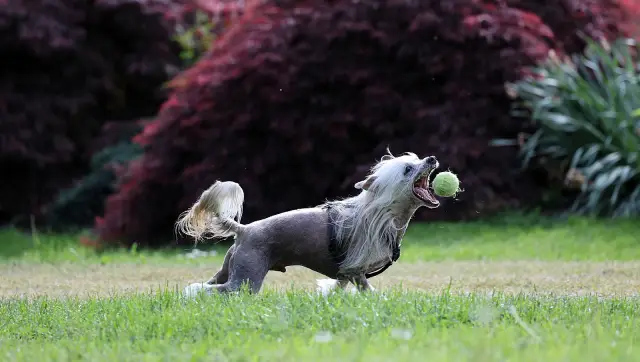
Toy, Miniature or Standard?
 Related breedBasset Hound1860 to 1885 · United KingdomVictorian Breed Boom
| Size | Height (AKC) | Who it can suit |
|---|---|---|
| Toy | 23 to 30.5 cm | Flats and very small homes; fragile when handled roughly; a lap dog that still barks |
| Miniature | over 30.5 to 38 cm | The common middle size for families with older children |
| Standard | over 38 to 48 cm | More exercise and stamina; a better running and trick-training partner |
All three sizes have the same temperament in the standard. Smaller dogs are easier to carry and to travel with, and larger ones tolerate rougher play. Ask a breeder for the size of both parents, since size in this breed is not always predictable inside a litter.
Temperament and training
 Related breedBelgian Malinois1891 to 1901 · BelgiumVictorian Breed Boom
The Eskie is usually friendly with its family, alert and intelligent. The AKC describes it as conservative with strangers without being shy or aggressive. In practice many are watchful, announce visitors with a loud bark and then relax.
Clever and eager. The breed learned tricks well enough that the circus story seems plausible even without documentation. Eskies do well in obedience and tricks classes, and a bored one invents its own entertainment: digging, chewing, barking or shadowing you from room to room.
Barking. This is the most common complaint. The breed was a watchdog on farms, so barking is part of the job description. Teach "quiet" early, reward silence, and avoid leaving a young dog in the garden alone for hours. A bark is not a sign of an aggressive dog, but it can annoy neighbours.
Separation. Eskies are people dogs. Many are unhappy when left for a whole working day, and they may bark or chew. Practise short absences from the first weeks. See socialising your dog and dog training basics.
Children and other pets. The breed is usually good with older children who respect a dog. Toys can be hurt by small children who squeeze. Many Eskies herd or chase small animals, and introductions to cats are best done slowly.

Coat, shedding and grooming
 Related breedBelgian Shepherd1891 to 1901 · BelgiumVictorian Breed Boom
The double coat is the main job of ownership. It has a soft, dense undercoat and a longer, straight outer coat that stands off the body. White coats show dirt, but the outer coat tends to shed it as it dries, so many Eskies are cleaner than they look.
- Shedding. Moderate all year and heavy twice a year, when the undercoat is blown out, often in spring and autumn. Expect white hair on dark clothes.
- Brushing. Brush through to the skin once or twice a week with a pin brush and a comb, daily in the shedding season. Mats form behind the ears, on the ruff and in the "pants".
- Do not shave. The coat insulates against both cold and heat. Shaving it can change how it grows back and removes the sun protection. Trim feet and sanitary areas only.
- Bathing. Every few months, or when dirty, and rinse well. Dry the coat fully.
- Tear staining. White dogs can show brown staining below the eyes. Wipe the area gently with a damp cloth, and see a vet if the eyes water a lot.
- Teeth, nails, ears. Small spitz dogs collect tartar early, so brush the teeth. Trim nails and check the ears weekly. See dog grooming.
No breed has been shown to be hypoallergenic, and a heavily shedding double coat makes the Eskie a poor pick for people with allergies.
Health
 Related breedBoston Terrier1870 to 1893 · United StatesVictorian Breed Boom
The American Eskimo Dog is generally a long-lived small dog, and most live 13 to 15 years in the atlas data. There is no large, published, breed-wide study of the disorders of Eskies in veterinary clinics, such as the studies available for the Pug or the Beagle. That means breed-wide percentages for most conditions simply do not exist. What exists is a handful of named studies and the conditions that kennel clubs and veterinary guides list for small spitz dogs.
Diabetes mellitus. Cai and colleagues at the University of California, Davis studied the inheritance of diabetes in Eskies and published in the Journal of Veterinary Internal Medicine in 2019. They analysed one extended family of 156 dogs, including 38 with spontaneous diabetes, collected from an online owner survey. Their heritability estimate was 0.62, but the interval was wide (0.01 to 0.99), so the estimate is imprecise. Their analysis pointed to inheritance by many genes, with no single gene of large effect. Neutered dogs in the family were more likely to have diabetes than intact ones. The authors concluded that breeders could reduce the risk by selection. A study of one extended family cannot give a breed-wide rate.
Eyes. Progressive retinal atrophy (PRA) is the best-known inherited eye disease listed for the breed. No breed-wide percentage is published.
Joints and teeth. Small spitz dogs can have kneecaps that slip out of place (patellar luxation). They also collect tartar, so dental disease is common in small dogs in general.
| Condition | What it is | How common | What to do |
|---|---|---|---|
| Diabetes mellitus | High blood sugar from too little insulin; heavy drinking, weight loss | Heritable in one studied Eskie family (heritability 0.62, wide interval); no breed-wide figure | Keep weight lean; vet check for drinking and urination changes; ask about family history |
| Progressive retinal atrophy | Inherited loss of vision | No published breed-wide figure | Eye exams and DNA test of both parents where available |
| Patellar luxation | The kneecap slips out of its groove | No published breed-wide figure; common in small dogs | Vet check; lean weight |
| A loose hip joint | No published breed-wide figure | Hip scores of parents | |
| Dental disease | Tartar and gum disease | Common in small dogs; no breed figure | Brush teeth; dental checks |
| Obesity | Extra weight; a risk factor for diabetes and joint disease | No published breed-wide figure | Measured meals; daily exercise |
What helps. Ask for the parents' health tests, including eye exams, and ask whether diabetes occurs in the line. Keep the dog lean. A white or light coat does not hide skin problems, so check the skin during brushing.
Life span. The atlas data gives 13 to 15 years. That is a range from the knowledge record, not a measured median from a clinic study.

Living with an American Eskimo Dog
 Related breedBoxer1880 to 1904 · GermanyVictorian Breed Boom
| Daily reality | Rating | Why |
|---|---|---|
| Exercise per day | Medium | A brisk walk and play; mind work as well |
| Training needs | Medium | Quick and eager; needs consistency and early manners |
| Grooming | High | Brushing weekly, daily when shedding |
| Shedding | High | Heavy twice a year |
| Barking | High | A watchdog by history |
| Time alone | Poor | Closely bonded; many struggle with long days alone |
| Children | Good | Best with older, gentle children; Toys are fragile |
| Other dogs | Good | Varies with socialisation |
| Cats and small pets | Varies | Introduce slowly |
| Flat living | Fair | Possible if barking is managed |
| Heat tolerance | Fair | A thick coat; avoid hot hours; do not shave |
| Cold tolerance | Good | Dense double coat |
| First-time owner fit | Good | Easy to train; the coat and barking take planning |
A great fit if
- You want a clever, friendly dog you can teach tricks to.
- You are home much of the day and like a dog that follows you.
- You accept regular brushing and white hair in the house.
- You can train a young dog not to bark at everything.
Think twice if
- You live in a flat with thin walls and are out all day.
- You want a dog that does not shed.
- You want a quiet dog.
- You expect a dog to live outside: it needs to be with the family.
Before you get one
Ask which size, and the sizes of both parents. Ask about diabetes and eye disease in the line. Meet the mother and watch how she reacts to strangers. Shy or yappy parents often raise shy or yappy puppies. Adult Eskies also reach rescues, and an adult shows its temperament before you commit; see adopting a dog.
Similar breeds to consider
- Samoyed. A larger white spitz, a working Arctic dog.
- Pomeranian. A toy spitz, smaller and also a noisy watchdog.
- Keeshond. A Dutch spitz with grey and cream colouring.
- Alaskan Klee Kai. A small husky look-alike with the Eskie in its ancestry.

American Eskimo Dog fun facts
 Related breedBrittany1850 to 1907 · FranceVictorian Breed Boom
- The "Eskimo" in the name came from an American kennel, and not from the Arctic. The dogs were German spitz types.
- The breed is one breed in three sizes, with Toy, Miniature and Standard heights.
- The AKC recognised the breed in 1995, decades after the UKC, which took it first.
- The DNA data places it with the Samoyed and Icelandic Sheepdog, and it shares more DNA with the Pug than with the Keeshond.
- The tightrope-walking circus dog is a legend with no documentation.
Frequently asked questions
What is an American Eskimo Dog?
A white spitz-type companion dog from the United States, in three sizes, descended from German spitz dogs brought by immigrants.
Is the American Eskimo Dog related to the Inuit or Arctic dogs?
No. The name is from an American kennel. It descends from German spitz dogs.
Do American Eskimo Dogs shed?
Yes, moderately all year and heavily twice a year. They need brushing weekly.
Are American Eskimo Dogs good family dogs?
Usually yes, with older children who are gentle, and with training. They are watchful and noisy.
Do they bark a lot?
Many do. They were watchdogs, and a bored young dog barks more.
How long do American Eskimo Dogs live?
The atlas data gives 13 to 15 years.
What sizes are there?
: Toy (9 to 12 inches), Miniature (over 12 to 15) and Standard (over 15 to 19). UKC recognises Miniature and Standard.
Can an American Eskimo Dog be left alone?
Not for long days. Practise short absences from puppyhood.
Read next
Closest DNASamoyed14.4 Mb sharedSister breedKeeshond1700 to 1926 Adopt a dogDog Shelters in EuropeFind dog shelters in Europe, learn how shelters differ from country to country and why adopting a dog is a good option.
Sources (11)
- American Kennel Club, American Eskimo Dog breed information.
- American Kennel Club, American Eskimo Dog breed standard.
- United Kennel Club, American Eskimo breed standard, revised 2023.
- American Kennel Club, "6 facts about the American Eskimo Dog".
- Cai S.V. et al., "Heritability and complex segregation analysis of diabetes mellitus in American Eskimo Dogs", Journal of Veterinary Internal Medicine, 2019.
- University of California, Davis Veterinary Genetics Laboratory, American Eskimo Dog report, 2021 (size varieties as quoted from the AKC standard).
- Parker H.G. et al., "Genomic analyses reveal the influence of geographic origin, migration, and hybridization on modern dog breed development", Cell Reports, 2017.
- Wikipedia, "American Eskimo Dog" (history and legends, compared with the sources above).
- Canadian Kennel Club, American Eskimo Dog standards (coat description).
- Fogle B., The New Encyclopedia of the Dog, 2009 (pages 148 to 149).
- Atlas data, American Eskimo Dog knowledge record (dates, life span, lineage, Parker 2017 shared-haplotype table).