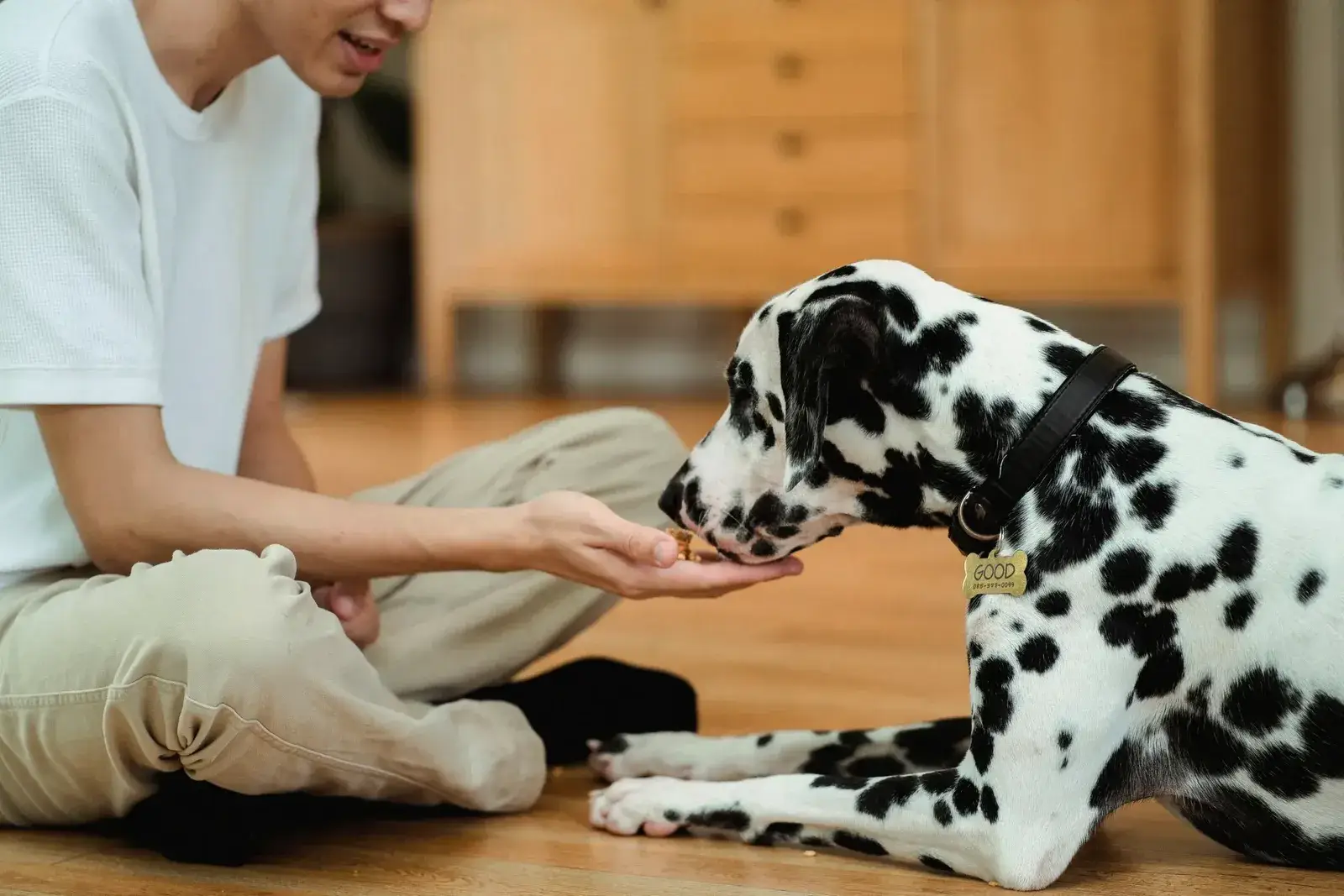
You do not need special talent or a special dog. You need a handful of treats, a few minutes a day and some patience. This guide covers how dogs learn, what you need, and a step-by-step method for the nine behaviours that make daily life with a dog easier: name and focus, sit, down, stay, come, loose lead walking, leave it, drop it and settle on a mat. House-training and crate basics are covered briefly, followed by common mistakes, a 4-week starter plan, advice on finding a trainer and answers to frequent questions. It works for puppies and adult dogs of any breed or mix. Once these basics are solid, the advanced dog training guide shows where to go next.
Quick answer: how do you train a dog?
- Pick one behaviour and break it into small steps.
- Reward the dog within a second or two of getting it right, with a food treat, a toy or a favourite game.
- Keep sessions short, usually 3 to 5 minutes, and end while the dog is still keen.
- Practise in a quiet place first, then add distance, time and distractions slowly.
- Be consistent: everyone in the household uses the same cue words and the same rules.
- Stay patient. Mistakes mean the step was too hard, not that the dog is stubborn.
 GuideIs your dog suited to therapy work?How to make your dog a therapy dog: temperament checklist, first training steps, how Pet Partners, TDI and Pets As Therapy assess dogs, and welfare limits.
 GuideCan dogs eat this? Safe and toxic foods A to ZCan dogs eat apples, bananas, eggs, cheese or peanut butter? An A to Z list of safe, careful and toxic foods for dogs, with what to do in an emergency.GuideIs your dog suited to therapy work?How to make your dog a therapy dog: temperament checklist, first training steps, how Pet Partners, TDI and Pets As Therapy assess dogs, and welfare limits.
How dogs learn
Dogs repeat what works. If sitting makes a treat appear, sitting becomes more likely. If pulling on the lead gets the dog closer to a smell, pulling becomes more likely. Dogs do not learn "good" and "bad" the way people do. They learn which actions bring good things and which do not. That one idea explains most training puzzles.
 GuideService, therapy and emotional support dogs: what's the difference?Service dog vs emotional support dog vs therapy dog: the real differences, your rights in the USA and Europe, and why online certificates mean nothing.
Reward timing
A reward works best when it arrives while the behaviour is happening or right after it. A delay of even a few seconds can mean the dog links the treat with whatever it did next, such as looking away or standing up. This is why trainers talk so much about timing. Hiby, Rooney and Bradshaw (2004) surveyed owners and found that dogs trained mostly with reward were more obedient than dogs trained with a lot of punishment, and that punishment was linked with more behaviour problems.
Markers and clickers
A marker is a short signal that tells the dog "yes, that exact thing, and a reward is coming". It can be a clicker or a short word such as "yes". The marker bridges the gap between the moment of the right behaviour and the moment the treat reaches the dog's mouth. Clicker training is built on this. Researchers still debate exactly why markers help (Feng, Howell and Bennett, 2016, reviewed the competing explanations), but a 2025 study of 28 candidate detection dogs found that dogs trained with a clicker as a marker needed fewer trials to learn a task and kept responding longer when rewards stopped than dogs trained without one.
You do not have to use a clicker. A word works just as well and leaves your hands free. What matters is that the marker is always followed by a reward, and that you pick one signal and stay with it.
How to "charge" a marker:
- Say "yes" (or click), then give a treat straight away.
- Repeat 10 to 15 times in a calm place, with a pause between each.
- Once the dog looks for the treat when it hears the marker, it is ready to use.
Short sessions, many times a day
Dogs learn best with short, upbeat sessions rather than one long one. Three or four sessions of a few minutes spread through the day beat one hour on the weekend. Short sessions also keep you honest: when you notice yourself getting frustrated, stop. Stop earlier for puppies, for older dogs and for dogs that are tired or excited.
Rewards that matter to your dog
A reward is whatever the dog wants at that moment. For most dogs that means small, soft, smelly food treats, cut into pea-sized pieces. Some dogs will work harder for a tug game or a ball. Use your dog's daily food allowance as training treats if weight is a concern. Rank rewards in your mind: kibble for easy tasks at home, something better for harder tasks outdoors.
 GuideHow to socialize a puppy or adult dogHow to socialize a puppy or adult dog: the sensitive period, a week-by-week puppy plan, rescue dogs, safe exposure before vaccines, mistakes and a checklist.GuideService, therapy and emotional support dogs: what's the difference?Service dog vs emotional support dog vs therapy dog: the real differences, your rights in the USA and Europe, and why online certificates mean nothing.
Why aversive tools are not recommended
Some trainers still use leash jerks, choke or prong collars, shock collars or physical corrections. We do not recommend them, and the research gives good reasons.
 GuideMy Dog Has Bad Breath: Causes and What to DoDog breath smells? Gum disease is the usual cause, but sweet or ammonia smells can mean illness.
- Vieira de Castro and colleagues (2020) compared 92 companion dogs from schools using aversive methods and from schools using reward-based methods. Dogs from the aversive schools showed more stress behaviours, spent more time in tense or low states and had higher cortisol after training. They also showed a more "pessimistic" outlook in a cognitive test. The authors concluded that aversive methods should be avoided because of their effect on welfare.
- China, Mills and Cooper (2020) tested dogs with poor recall and found no evidence that remote electronic collars were needed. Training that focused on positive reinforcement worked well and carried fewer welfare risks.
- Ziv (2017) reviewed the field and found that punishment-based training was linked with more fear, aggression and behaviour problems.
- Hiby and colleagues (2004) found that dogs trained mostly with reward were more obedient than dogs trained with more punishment.
Many of these studies are observational, and the owners and schools involved differ in other ways too, so no single study settles the question. The direction is consistent, though. Aversive methods risk fear and mistrust, and reward-based methods reach the same goals without those risks. For a dog that is already anxious or reactive, the case is even stronger. See the reactive dog guide for that situation.
 GuideAdvanced dog trainingAdvanced dog training explained: the 3 Ds, proofing, off-lead recall, formal heel, distance stays, impulse control, tricks, scent work, dog sports and Good Citizen schemes.GuideMy Dog Has Bad Breath: Causes and What to DoDog breath smells? Gum disease is the usual cause, but sweet or ammonia smells can mean illness.
What you need
Training does not need much gear.
 GuideMy Dog Stepped on a Bee: What to DoDog stung by a bee or wasp: emergency signs of an allergic reaction, safe first aid, what not to give, and when to see a vet.
- Treats. Small, soft and easy to swallow, in a pouch or pocket so they are quick to reach.
- A flat collar or a well-fitted harness, and a lead of about 1.5 to 2 metres. A harness is a good choice for dogs that tug or have delicate necks.
- A long line of 5 to 10 metres, for recall practice. Light, with no loop at the end.
- A mat or small bed. For the settle exercise.
- A marker. A clicker if you like, or just your marker word.
- A quiet place and a little time. A hallway or a kitchen with nothing exciting going on is ideal at the start.

Step 1: Name and focus
Your dog needs to know that its name means "look at me, good things happen".
 GuideMy Dog Is Coughing: Causes and When to See a VetDog coughing, honking or hacking? Emergency signs, kennel cough, collapsing trachea, heart cough, what to do at home and when to see a vet.
- Stand close to your dog in a quiet room.
- Say the name once, in a bright voice.
- The moment the dog looks at you, mark and give a treat.
- Repeat 10 times, then take a break.
- Add a second step: say the name when the dog is a little distracted, and reward when it turns.
- Move to other rooms, then the garden.
Never use the name to scold. If the name predicts a telling-off, the dog will learn to ignore it. If you need to interrupt a behaviour, use a different sound.
Once the name works, teach a "watch me" or "look" game: hold a treat at your nose, wait for eye contact, mark and reward. This becomes the base for walks and recall.
 GuideDog Breeds by Country: Which Nations Made the Most?Dog breeds by country: how many breeds each nation produced in the Dogs Atlas data, from the UK and France to Japan, plus national dogs and families.GuideMy Dog Is Coughing: Causes and When to See a VetDog coughing, honking or hacking? Emergency signs, kennel cough, collapsing trachea, heart cough, what to do at home and when to see a vet.
Step 2: Sit
This is how to teach a dog to sit. It is usually the easiest behaviour, so it is a good first success.
 GuideMy Dog Has Diarrhea: What Should I Do?Dog diarrhea: emergency signs, common causes, safe home care, what not to give, and when to see a vet.
- Hold a treat at the dog's nose.
- Slowly move it up and slightly back over the dog's head. The dog's head follows and the bottom lowers.
- The moment the bottom touches the floor, mark and reward.
- Repeat 5 to 8 times.
- When the dog sits easily, say "sit" just before you move the hand.
- Fade the lure: use an empty hand making the same movement, then reward from the other hand.
If the dog jumps up, hold the treat lower and closer to the nose. If the dog backs away, practise with its back near a wall. Do not push the dog's bottom down: it feels unpleasant and teaches nothing.
 GuideBest dog breeds for familiesBest dog breeds for families, small homes, allergies, first-time owners and seniors, ranked from our breed ratings, with honest limits and a table.GuideMy Dog Has Diarrhea: What Should I Do?Dog diarrhea: emergency signs, common causes, safe home care, what not to give, and when to see a vet.
Step 3: Down
Down is a little harder, because lying down feels more vulnerable to many dogs.
 GuideMy Dog Keeps Shaking His Head: Ear Infection GuideDog shaking head, scratching ears or smelly ears? Ear infection signs, causes, ear haematoma, emergency signs, what to do and what to avoid.
- Start with the dog sitting.
- Hold a treat at its nose and move it slowly straight down to the floor between its front paws.
- When the dog follows with its nose, slide the treat along the floor away from the dog. The elbows should touch the floor.
- Mark and reward the moment the elbows touch the floor.
- Practise 5 to 8 times, then add the cue "down" before the hand moves.
- Fade the lure as with sit.
If the dog stands up instead of lying down, try the same lure on a slippery or soft surface, or sit on the floor with your knees raised and lure the dog under your legs like a tunnel. Be patient: this is the one most dogs need extra time on.
 GuideBanned and restricted dog breeds by countryWhich dog breeds are banned or restricted, country by country: UK, Ireland, France, Germany, Denmark, Norway, Spain, Australia and more.GuideMy Dog Keeps Shaking His Head: Ear Infection GuideDog shaking head, scratching ears or smelly ears? Ear infection signs, causes, ear haematoma, emergency signs, what to do and what to avoid.
Step 4: Stay
Stay means "keep the position until I say you can move". Teach the release word first. Many trainers use "okay" or "free". Stay is built on three things at once: duration, distance and distraction. Raise only one of them at a time. The advanced guide goes further with these.
 GuideWhy Does My Dog Eat Grass? What Studies SayDog eating grass? What a large owner survey found, why dogs do it, when it is normal, when to worry (vomiting, lawn chemicals, toxic plants), what to do.
- Ask for a sit. Say "stay" and hold your hand like a flat palm.
- Count one second, mark and reward while the dog is still in position.
- Say the release word and let the dog move.
- Build up gradually: 2 seconds, 3, 5, 10.
- When the dog is steady for 10 seconds, take one step back, return, reward.
- Add steps one by one, always returning to the dog to reward rather than calling it to you.
If the dog breaks the stay, it is not being naughty: you asked for too much. Go back a step and make it easier. Do not mark or reward a dog that has moved.
 GuideLivestock guardian dogs: what they do and who they suitWhat livestock guardian dogs do, how they differ from herding dogs, 40 LGD breeds by country, the DNA evidence, and whether they make good pets.GuideWhy Does My Dog Eat Grass? What Studies SayDog eating grass? What a large owner survey found, why dogs do it, when it is normal, when to worry (vomiting, lawn chemicals, toxic plants), what to do.
Step 5: Come (recall)
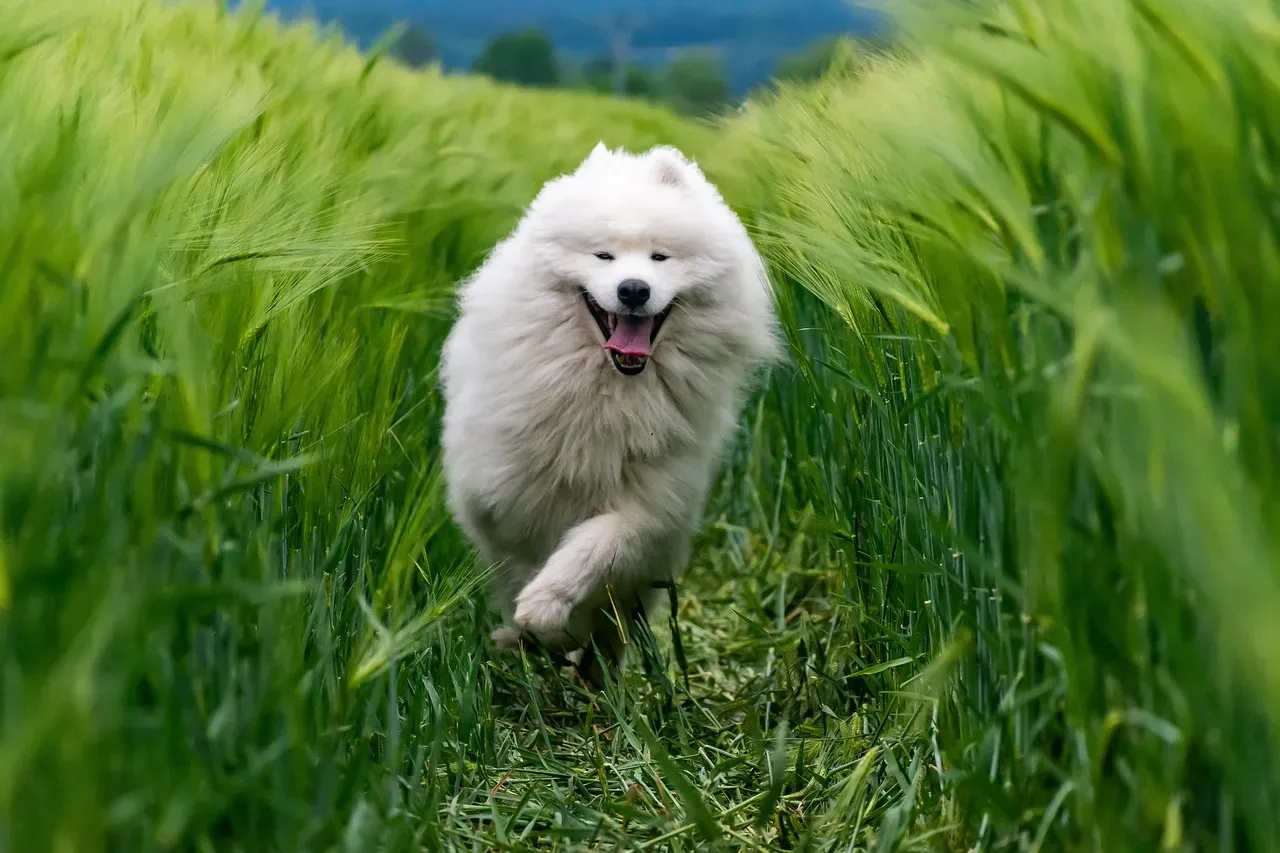
A reliable recall is the most important behaviour for safety, and the one that takes longest to build. This is how to teach a dog to come when called.
 GuideMy Dog Is Lethargic: Causes and When to Call a VetDog tired, weak or not himself? Normal tiredness vs lethargy, emergency signs, common causes, what to note for the vet and what to avoid.
- Start in a quiet room with the dog a short distance away.
- Say the dog's name and "come" once, in a happy voice.
- When the dog moves toward you, praise. When it arrives, mark and give a really good treat.
- Make it a game: take two steps back as you call, so the dog runs to catch you.
- Practise 10 times a day in different rooms, then the garden.
- Move to a long line in a safe open space. Call, reward, release, repeat.
- Quiet roomstartDog a short distance away
- Call onceeach repName and "come" in a happy voice
- Reward arrivaleach repPraise, mark, really good treat
- Make it a gameearly onStep back as you call
- Practise widely10 times a dayOther rooms, then the garden
- Long linelastSafe open space: call, reward, release
Rules for recall:
- Call once. Repeating the cue teaches the dog to wait until the third time.
- Never punish a dog that comes to you, even if it took a long time. The dog will learn that coming means trouble.
- Reward every recall in the first months. Make the best treat or game always follow the cue.
- Do not use "come" to end fun every time. Call the dog, reward, and then let it go back to play. Sometimes call and clip the lead on. Sometimes just call and release.
- Do not trust it off lead yet. Use the long line until the dog comes reliably in many places, with distractions. The advanced guide covers off-lead recall in detail.
 Save
 GuideWinter Care for Dogs: Cold, Paws, Antifreeze and IceWinter care for dogs: how cold is too cold, coats, salt and antifreeze, hypothermia, frostbite, frozen ponds, dark walks and holiday hazards.GuideMy Dog Is Lethargic: Causes and When to Call a VetDog tired, weak or not himself? Normal tiredness vs lethargy, emergency signs, common causes, what to note for the vet and what to avoid.
Step 6: Loose lead walking
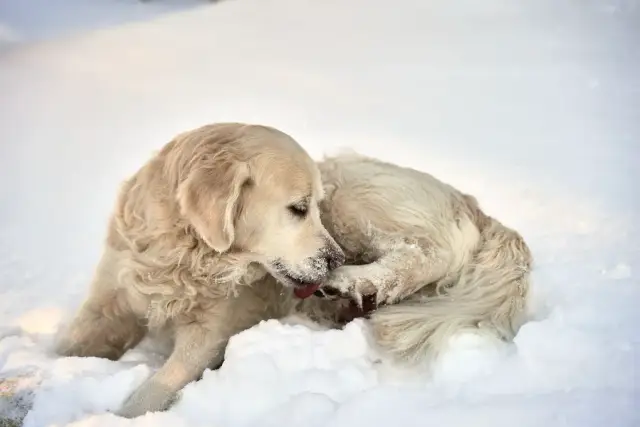
Pulling works for dogs: they move forward when they pull. The fix is to make loose lead walking pay and pulling not pay.
 GuideMy Dog Keeps Licking His Paws: Causes and What HelpsDog licking paws all the time: allergies, parasites, injury, yeast and boredom.
- Start in the garden or a quiet hallway with the dog on a lead, at your side.
- Reward the dog for standing or walking next to you with the lead slack. Mark and give the treat at your hip, so the dog stays beside you.
- Take one step. If the lead stays loose, mark and reward. Take two steps, then three.
- If the lead tightens, stop moving. Wait until the dog turns or the lead loosens, then mark, reward and walk on.
- Add a game: say "this way" and change direction, rewarding the dog for following you.
- Move to the street, starting at quiet times.
- Start at your sidestartGarden or hallway, dog on lead
- Reward slack leadeach stepMark and treat at your hip
- Add stepsone, two, threeReward each loose-lead step
- Stop if it tightensas neededWait for a turn, then mark and walk on
- Change directionadd inSay "this way", reward following
- Go to the streetlastStart at quiet times
Be realistic about pace. Many dogs need weeks of practice before a street walk looks calm, and it is normal to have two kinds of walks: training walks, where you move slowly and reward a lot, and sniffing walks, where the dog can follow its nose on a longer line. Sniffing is a real need for a dog, not a bad habit.
Do not jerk the lead or use choke or prong collars to stop pulling. They cause pain, and the research above links punishment with more fear and stress.
 GuideDogs of Japan: the native breeds and their storiesJapanese dog breeds explained: the six Nihon Ken, the Chin, Tosa, Japanese Spitz and Terrier, Hachiko, wartime near-extinction, DNA and who they suit.GuideMy Dog Keeps Licking His Paws: Causes and What HelpsDog licking paws all the time: allergies, parasites, injury, yeast and boredom.
Step 7: Leave it
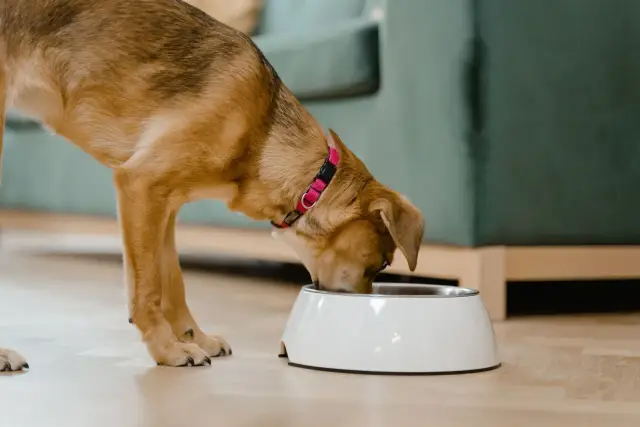
Leave it teaches the dog that ignoring something earns a better reward from you. It can protect a dog from picking up something harmful.
 GuideDog Is Not Eating or Drinking: What to DoDog not eating or drinking water? Why not drinking is more urgent, causes, puppies and small dogs, home care, and when to call a vet.
- Put a treat in your closed fist and offer the fist to the dog.
- The dog will sniff, lick or paw at it. Wait. Do not say anything.
- The moment the dog pulls away, even for a second, mark and give a treat from the other hand.
- Repeat until the dog backs off at once when it sees the fist.
- Add the cue "leave it" just before you offer the fist.
- Next, put the treat on the floor under your hand, then uncovered at first with your foot ready to cover it, and reward the dog for looking at you.
- Finally, practise with real distractions on the floor, with the dog on a lead.
Always reward from your hand, never with the item the dog was told to leave. Give the dog a good reason to look at you.
 GuideDog laws by country: tax, insurance and licencesDog tax, compulsory liability insurance, licences, microchips and leash rules in Germany, Austria, Switzerland, Spain, Ireland, the UK, the US and more.GuideDog Is Not Eating or Drinking: What to DoDog not eating or drinking water? Why not drinking is more urgent, causes, puppies and small dogs, home care, and when to call a vet.
Step 8: Drop it
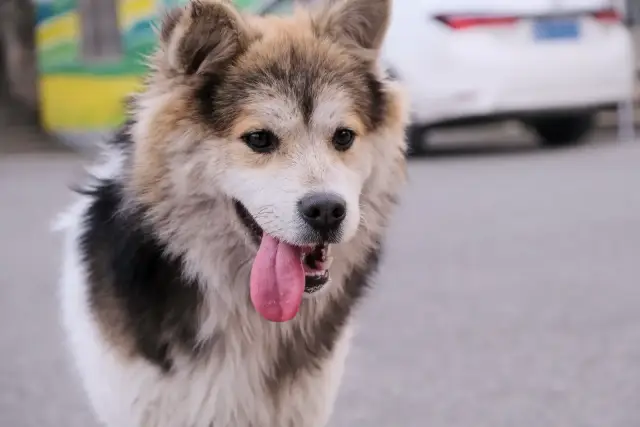
Drop it means "let go of what is in your mouth". It is the safest way to get something back without a chase.
 GuideMy Dog Is Panting a Lot: Normal or Worrying?Dog panting heavily? Normal vs worrying panting, heatstroke signs and cooling steps, pain, anxiety, Cushing's disease, and when to see a vet.
- Offer a toy and let the dog take it.
- Hold a treat near its nose. It will usually drop the toy to eat it.
- The moment the toy drops, mark, give the treat and say "drop it" as it lets go.
- Give the toy back several times, so the dog learns that dropping does not mean losing the toy for good.
- Practise with items of increasing value.
If the dog picks up something dangerous, stay calm and do not chase. Chasing turns it into a game or teaches the dog to swallow it. Walk away, call it, or offer a better treat.
 GuideSmartest dog breeds: what the rankings measure and what they missCoren's smartest dog breeds list, what it measured, what newer dog cognition research says, three kinds of dog intelligence and why smart dogs need work.GuideMy Dog Is Panting a Lot: Normal or Worrying?Dog panting heavily? Normal vs worrying panting, heatstroke signs and cooling steps, pain, anxiety, Cushing's disease, and when to see a vet.
Step 9: Settle on a mat
Settle teaches the dog to relax in one place. It is useful at a cafe, during meals and when visitors arrive.
 GuideMy Dog Injured His Paw: First Aid and When to See a VetDog paw injury: cut pads, torn nails, grass seeds, hot pavement burns and limping.
- Put a mat on the floor and stand next to it.
- When the dog steps on the mat, mark and reward on the mat.
- Wait for the dog to sit or lie down on the mat, then reward there.
- When the dog lies down, give several treats, slowly, one at a time.
- Add the cue "mat" or "settle" when the dog heads to the mat.
- Build up the time: wait 5 seconds, 10, 30 before the next treat.
- Take the mat to other rooms and places.
A settle takes time to build, and it is easier after a walk or a play session than when the dog is wound up.
 GuideDog Clothes: When Dogs Need Coats, and a Short History of Dog FashionDo dogs need coats in winter? When clothes help, when costumes stress a dog, safe fit, reflective gear, and a short history of dog fashion and dog art.GuideMy Dog Injured His Paw: First Aid and When to See a VetDog paw injury: cut pads, torn nails, grass seeds, hot pavement burns and limping.
House-training and crate basics
House-training is about routine and quick rewards, not telling the dog off.
 GuideMy Dog's Eye Is Red: Causes and When to See a VetRed, weepy or squinting dog eye? Emergency signs, common causes like conjunctivitis and ulcers, what to do at home, what to avoid, and when to see a vet.
- Take a puppy outside as soon as it wakes, after each meal, after play and at least every 1 to 2 hours at first.
- Go to the same spot and wait quietly.
- When the puppy goes, reward it at once with a treat and praise, right where it did it.
- If you see signs (sniffing, circling), take the puppy out straight away.
- If there is an accident, clean it up without fuss and clean the spot well so it does not smell of toilet.
Do not scold a puppy for an accident after the fact: it cannot connect the telling-off to something that happened earlier, and it learns to hide when it needs to go.
A crate can help with house-training and give a dog a quiet den, if it is introduced slowly.
- Leave the door open and toss treats inside.
- Feed meals in the crate.
- Close the door for a few seconds while the dog eats, then open it.
- Build the time slowly while the dog is relaxed.
- Never use the crate as a punishment and never leave a dog in it for long periods.
For a puppy that cries a lot, slow down: it may need shorter steps or someone nearby.
 GuideHow to Find a Good Dog Groomer: Questions and SignsHow to find a good dog groomer: qualifications, questions to ask, signs of good and poor care, sedation, dryers, mobile groomers and what to check after.GuideMy Dog's Eye Is Red: Causes and When to See a VetRed, weepy or squinting dog eye? Emergency signs, common causes like conjunctivitis and ulcers, what to do at home, what to avoid, and when to see a vet.
Common mistakes
- Training for too long. Dogs tire and lose focus. Stop after a few minutes.
- Repeating the cue. Say it once and wait. Say it again only after resetting.
- Rewarding too late. Reward within a second or two. Practise your timing without the dog by tossing treats into a cup.
- Moving too fast. Many problems come from jumping to distractions too early.
- Using the cue as a nag. Cues are requests, not pleas.
- Calling the dog to end fun, or to a bad experience such as a nail trim or a bath. Go and get the dog instead.
- Inconsistency. If one person allows the dog on the sofa and another does not, the dog is confused.
- Expecting a young dog to be perfect. Puppies and teenagers have short attention spans and a lot of energy. See why does my dog... for common dog behaviour explained.
- Forgetting the dog's needs. A dog that is hungry, in pain or has had no exercise cannot focus. Check with your vet first if the behaviour changes suddenly.
 GuideDog Runny Nose: Causes, Discharge Colours and Vet SignsDog nose leaking or sneezing? Clear vs coloured discharge, nosebleed emergencies, causes like allergies and grass seeds, home care, and when to see a vet.
 GuideHow to Groom a Dog: Brushing, Baths, Nails and CoatsHow to groom a dog at home: coat types, brushing, how often to bathe, cutting nails, ears, teeth, shedding, matting and whether to shave a double coat.GuideDog Runny Nose: Causes, Discharge Colours and Vet SignsDog nose leaking or sneezing? Clear vs coloured discharge, nosebleed emergencies, causes like allergies and grass seeds, home care, and when to see a vet.
A 4-week starter plan
Practise 2 to 4 short sessions a day, 3 to 5 minutes each. Adjust for your dog's age and energy.
 GuideMy Dog Keeps Scratching: Causes and When to See a VetDog scratching non-stop? Emergency signs, fleas, allergies, mites, skin infections, food allergy, what to do at home and when to see a vet.
| Week | Focus | Goal by the end of the week |
|---|---|---|
| 1 | Charge the marker, name and focus, sit | The dog looks at you when it hears its name and sits for a lure in a quiet room |
| 2 | Down, stay (short), start recall in the house | The dog lies down on cue, stays for 5 to 10 seconds and comes from the next room |
| 3 | Loose lead walking, leave it, drop it | The dog walks several steps on a loose lead and backs off from the fist; drops a toy for a treat |
| 4 | Settle on a mat, recall in the garden on a long line, mix all behaviours | The dog settles for a minute and comes on the long line with mild distractions |
After week 4, keep practising a little every day and begin to add distractions, one at a time. For the next level see advanced dog training.
For a puppy training schedule, keep sessions shorter and more playful, mix in socialisation and rest, and expect to repeat the early weeks several times. The American Veterinary Society of Animal Behavior position statement on puppy socialisation advises positive early exposure to new people, places and sounds, in safe ways before vaccinations are complete.
 GuideDog Grooming Competitions and Show Standards ExplainedHow breed standards shape dog grooming, from hand-stripped terriers to Poodle show clips, and how grooming competitions and creative grooming work.GuideMy Dog Keeps Scratching: Causes and When to See a VetDog scratching non-stop? Emergency signs, fleas, allergies, mites, skin infections, food allergy, what to do at home and when to see a vet.
How long should you train each day?
There is no single correct number. A good rule is 5 to 15 minutes of formal training a day, in short blocks, plus small practice moments built into daily life: asking for a sit before the dinner bowl, a settle at the cafe, a recall in the garden. Puppies, seniors and dogs that are tired need shorter blocks. If your dog is slow, bored or leaving, you have gone on too long or the task is too hard.
 GuideMy Dog Is Vomiting: Causes and What to DoDog throwing up? Vomiting vs regurgitation, emergency signs like bloat, common causes, safe home care, what not to do, and when to see a vet.
 GuideDogs in Legends and Fairy TalesDogs in folklore and fairy tales: Black Shuck, The Tinderbox, Saint Guinefort, Panhu, Greyfriars Bobby, Barry and Old Drum, with legend and history kept apart.GuideMy Dog Is Vomiting: Causes and What to DoDog throwing up? Vomiting vs regurgitation, emergency signs like bloat, common causes, safe home care, what not to do, and when to see a vet.
When to get a trainer
You can teach the basics yourself, but a trainer helps if you are stuck, if you want group practice or if your dog has a problem such as pulling very hard, jumping or fear of other dogs. Get help quickly if your dog has bitten, or you fear it may, or if it seems frightened much of the time. See the reactive dog guide for that.
 GuideHow to calm a reactive dogHow to calm a reactive dog: why dogs bark and lunge, what to do in the moment, a step-by-step training plan, what to avoid and when to get help.
How to recognise a good trainer, in general terms:
- They use reward-based methods and will tell you plainly what they use.
- They have a recognised certification or professional membership and keep learning. The title "trainer" is not always protected, so ask.
- They let you watch a class first, and they teach you as well as the dog.
- They do not use choke chains, prong collars, shock collars, or talk about "dominance". Walk away if they do.
- They work with your vet when needed and do not promise a quick cure.
For complex or dangerous behaviour, ask your vet for a referral to a veterinary behaviourist. If you are still choosing a dog, see adopting a dog for what to think about before you commit.
 GuideHow to get an assistance dogHow to get a service dog or assistance dog in the USA, UK, Germany, France, Spain, Italy and the Netherlands: accredited schools, waits, owner-training and travel.GuideHow to calm a reactive dogHow to calm a reactive dog: why dogs bark and lunge, what to do in the moment, a step-by-step training plan, what to avoid and when to get help.
Frequently asked questions
What age should I start training a dog?
Right away. A puppy can learn name, sit and a basic recall from the first days at home, in very short sessions. Adult dogs and seniors can learn too: the methods are the same, though you may need to be patient with old habits.
What are the most important basic dog commands?
Name, sit, down, stay, come, leave it and drop it cover most daily needs, along with loose lead walking and settle. If you can only start with a few, begin with name, come and leave it, as they help keep a dog safe.
How long does it take to train a dog?
The basics take weeks, but reliability takes months. A dog may know sit in a day and still ignore it at the park for a long time. Training is never really finished: it is a habit, like brushing your dog's coat.
Do I need a clicker?
No. A clicker gives a very clear sound, which some owners and dogs like, but a short word such as "yes" does the same job. The key is consistency.
Can I train an older dog?
Yes. Older dogs learn well, and often focus better than puppies. Allow for any physical limits and check with your vet if the dog seems stiff or slow.
What if my dog will not take treats?
The dog may be stressed, full, or the treats may not be good enough. Try softer, smellier treats, train before meals or choose a toy or game as the reward. If a dog refuses food in a new place, it may be too anxious to learn there: go back to a quiet place.
Is it okay to use "no"?
Many owners use it, but it tells the dog what not to do and nothing about what to do instead. It works much better to say the cue for the behaviour you want, and reward it. For a dog about to do something unwanted, interrupt calmly and redirect.
Should I punish my dog for accidents or chewing?
No. The dog does not link the telling-off to the earlier event, and punishment can cause fear. Manage the environment (take the puppy out often, put shoes away) and reward the right choices.
Read next
 Family storyPointer SetterRead the family's story: origins, members, DNA
 Family storyUK RuralRead the family's story: origins, members, DNA
 Family storyScent HoundRead the family's story: origins, members, DNA
Sources (7)
- China, L., Mills, D. S., Cooper, J. J. (2020). Efficacy of dog training with and without remote electronic collars vs. a focus on positive reinforcement. Frontiers in Veterinary Science.
- Feng, L. C., Howell, T. J., Bennett, P. C. (2016). How clicker training works: comparing reinforcing, marking, and bridging hypotheses. Applied Animal Behaviour Science.
- Hiby, E. F., Rooney, N. J., Bradshaw, J. W. S. (2004). Dog training methods: their use, effectiveness and interaction with behaviour and welfare. Animal Welfare.
- Vieira de Castro, A. C., Fuchs, D., Morello, G. M., Pastur, S., de Sousa, L., Olsson, I. A. S. (2020). Does training method matter? Evidence for the negative impact of aversive-based methods on companion dog welfare. PLoS ONE.
- Ziv, G. (2017). The effects of using aversive training methods in dogs: a review. Journal of Veterinary Behavior.
- American Veterinary Society of Animal Behavior. Position statement on puppy socialization.
- Study of marker (clicker) training in candidate detection dogs (2025). Frontiers in Veterinary Science.