A few have something serious, and the signs below tell you which group your dog is in. Start with the emergency list, then use the rest of the guide for causes, home care and when to book a visit. This is general information. A vet who knows your dog decides what is right for her or him.
Is this an emergency?
Call a vet or an emergency clinic now if your dog has diarrhoea and any of these:
 GuideMy Dog Keeps Licking His Paws: Causes and What HelpsDog licking paws all the time: allergies, parasites, injury, yeast and boredom.
- Blood in the stool, or black, tar-like stool. PDSA lists blood or mucus in diarrhoea as a reason to contact a vet. Black stool can mean digested blood from higher up in the gut.
- Repeated vomiting as well. Vomiting plus diarrhoea dehydrates a dog quickly.
- Lethargy, weakness or collapse, or a dog that will not get up.
- A puppy, especially one that is unvaccinated. PDSA describes parvovirus, which causes severe vomiting, diarrhoea and dehydration, as a particular risk in puppies under six months and in unvaccinated dogs of any age.
- A very old dog, a dog with a known illness such as diabetes or kidney disease, or a dog taking medicine, especially anti-inflammatory painkillers (NSAIDs).
- A possible toxin: chocolate, xylitol, rat poison, medicines, plants, or anything you are not sure about. Phone the vet or a poison helpline (for example the ASPCA Animal Poison Control Center in the US) with the name and amount.
- Pale, white or grey gums.
- A swollen, hard or painful belly, or a dog crying when touched.
- Signs of dehydration: dry or tacky gums, sunken eyes, skin that stays tented when gently lifted.
- Diarrhoea that is very watery, constant or hard to control.
The Merck Veterinary Manual's guide to when to see a vet lists vomiting or diarrhoea lasting more than 24 hours, and bloody, foul-smelling or uncontrollable diarrhoea, as reasons for veterinary care.
If you are unsure, phone the clinic. They would rather answer a call than see a dog that waited too long.
Common causes
Diarrhoea is a sign, not a diagnosis. Common causes in plain words:
 GuideDog Is Not Eating or Drinking: What to DoDog not eating or drinking water? Why not drinking is more urgent, causes, puppies and small dogs, home care, and when to call a vet.
- Diet change or rich food. A new brand, a sudden switch, table scraps, fatty leftovers or too many treats. The gut needs days to adjust.
- Scavenging. Bin raids, dead animals, compost, rubbish on walks, or dirty puddles. Vets call this dietary indiscretion, and it is among the most common reasons for a short bout of diarrhoea.
- Parasites. Roundworms, whipworms and microscopic parasites such as giardia. Puppies are affected most often. See ticks and fleas for the external parasites that sometimes come with them.
- Stress. Boarding, travel, a new home, visitors or a change in routine can loosen stools. See adopting a dog for the settling-in period.
- Infections. Bacteria and viruses, including parvovirus in puppies. PDSA notes that blood in diarrhoea or vomit may point to a more severe form of gastroenteritis, such as haemorrhagic gastroenteritis (HGE), which brings sudden vomiting and bloody diarrhoea.
- Food intolerance or allergy. Usually a pattern over weeks, not a one-off.
- Medicines. Some antibiotics and other drugs upset the gut.
- Other illness. Pancreatitis, liver or kidney disease, and some other conditions. Vets sort these out with an examination and tests.
Not sure whether something your dog ate is a problem? Check can dogs eat for common foods, and see dog vomiting if vomiting joins the diarrhoea.
 GuideMy Dog Stepped on a Bee: What to DoDog stung by a bee or wasp: emergency signs of an allergic reaction, safe first aid, what not to give, and when to see a vet.GuideDog Is Not Eating or Drinking: What to DoDog not eating or drinking water? Why not drinking is more urgent, causes, puppies and small dogs, home care, and when to call a vet.
What you can do at home
Home care suits an adult dog that is bright, active, still drinking, and has had mild loose stool for less than a day. PDSA says that if a dog has had mild diarrhoea for less than 24 hours, you may try settling them at home before contacting your vet.
 GuideMy Dog Is Panting a Lot: Normal or Worrying?Dog panting heavily? Normal vs worrying panting, heatstroke signs and cooling steps, pain, anxiety, Cushing's disease, and when to see a vet.
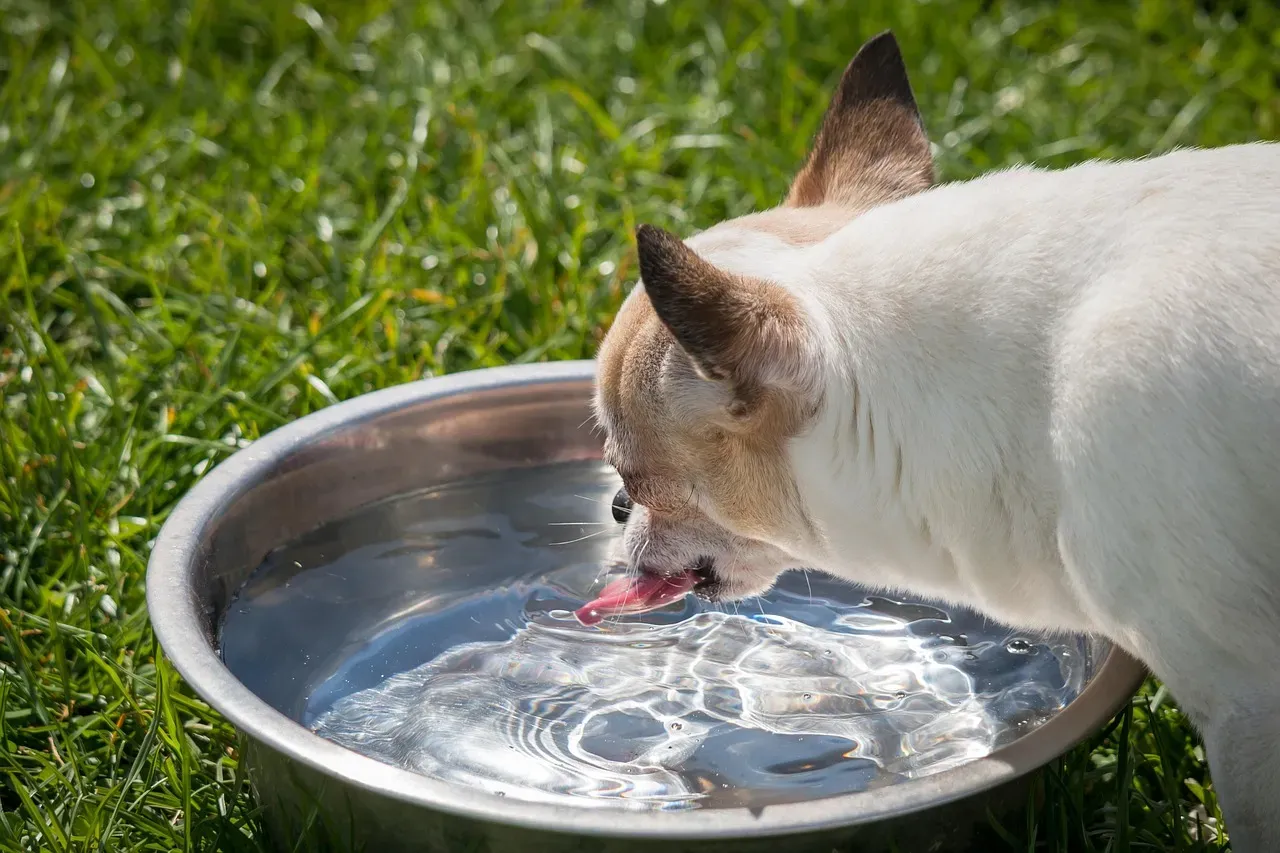
- Fresh water, always. Diarrhoea loses fluid. Offer small, frequent drinks. A dog that refuses water is more worrying than one that refuses food. See dog not eating or drinking.
- Rest. Short, quiet toilet walks only. No hard play.
- Keep watching. Note how many stools, what they look like (colour, blood, mucus), whether she or he vomits, eats or drinks. Take a photo of the stool if you can. Your vet will ask.
- Food. Many vets suggest a short-term bland diet of plain, easily digested food in small meals, then a slow return to the normal diet over a few days. Ask your vet what to feed and how much, especially for puppies, small dogs and dogs with other conditions.
- Fasting. For mild diarrhoea in a healthy adult dog, PDSA says withholding food for 24 hours might help settle the stomach. Do it only if your vet tells you to. Do not fast puppies, very old dogs, toy breeds or dogs with diabetes or other health conditions. Keep fresh water out the whole time.
- Hygiene. Wash hands after clean-up. Some causes, such as certain bacteria and giardia, can pass to people.
- Keep other dogs apart until you know the cause, in case it is infectious.
 Save
 GuideMy Dog Is Coughing: Causes and When to See a VetDog coughing, honking or hacking? Emergency signs, kennel cough, collapsing trachea, heart cough, what to do at home and when to see a vet.GuideMy Dog Is Panting a Lot: Normal or Worrying?Dog panting heavily? Normal vs worrying panting, heatstroke signs and cooling steps, pain, anxiety, Cushing's disease, and when to see a vet.
What not to do
- No human anti-diarrhoea medicine. Do not give loperamide, bismuth products, or anything from your own cabinet unless a vet tells you to. Some are unsafe for some dogs, and some breeds react badly to certain drugs. Masking diarrhoea can hide a problem that needs treatment.
- No human painkillers. Ibuprofen, paracetamol (acetaminophen) and aspirin can seriously harm dogs.
- No fatty, spicy or rich foods to "tempt" the appetite.
- No home remedies without checking with a vet first.
- Do not fast a puppy, a very old dog or a dog with health conditions.
- Do not wait it out if any emergency sign above shows up.
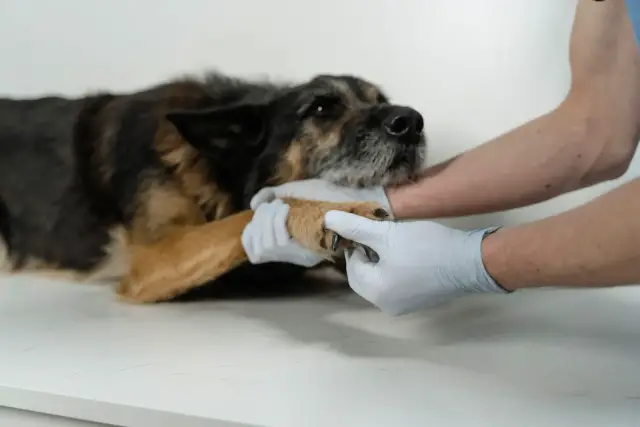 GuideMy Dog Injured His Paw: First Aid and When to See a VetDog paw injury: cut pads, torn nails, grass seeds, hot pavement burns and limping.
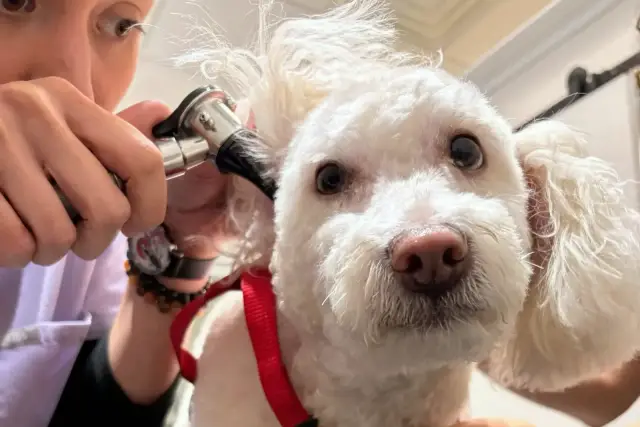 GuideMy Dog Keeps Shaking His Head: Ear Infection GuideDog shaking head, scratching ears or smelly ears? Ear infection signs, causes, ear haematoma, emergency signs, what to do and what to avoid.GuideMy Dog Injured His Paw: First Aid and When to See a VetDog paw injury: cut pads, torn nails, grass seeds, hot pavement burns and limping.
When to see a vet
Book a visit, ideally the same day, when:
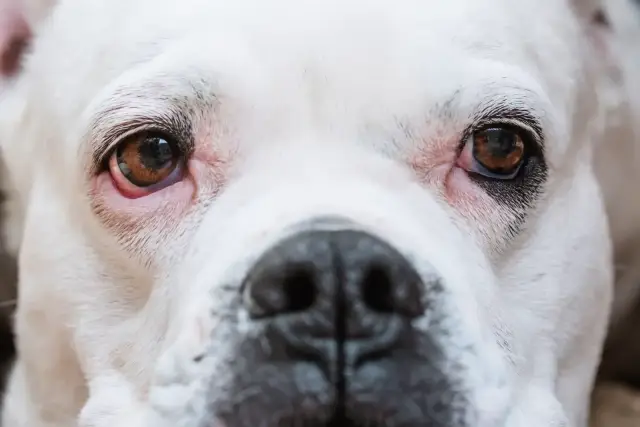 GuideMy Dog's Eye Is Red: Causes and When to See a VetRed, weepy or squinting dog eye? Emergency signs, common causes like conjunctivitis and ulcers, what to do at home, what to avoid, and when to see a vet.
- Diarrhoea lasts longer than 24 hours, or PDSA's guidance applies: the dog seems unwell or has had symptoms for more than 24 hours, so contact your vet.
- It keeps coming back, even if each bout is mild.
- Your dog is losing weight, eats less, or drinks much more than usual.
- Your dog is a puppy, senior, takes medicine (especially NSAID painkillers) or has a long-term condition. Call early.
- You are unsure about worms. Regular worming and a stool test help.
A vet may examine your dog, check hydration, test a stool sample, run blood tests, or start fluids and medicine. Bring a fresh stool sample if you can, plus a list of what your dog ate, any new foods, and recent worming or vaccines.
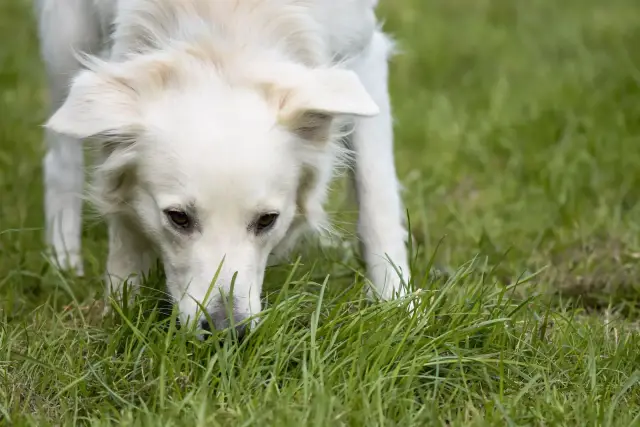 GuideWhy Does My Dog Eat Grass? What Studies SayDog eating grass? What a large owner survey found, why dogs do it, when it is normal, when to worry (vomiting, lawn chemicals, toxic plants), what to do.GuideMy Dog's Eye Is Red: Causes and When to See a VetRed, weepy or squinting dog eye? Emergency signs, common causes like conjunctivitis and ulcers, what to do at home, what to avoid, and when to see a vet.
Preventing the next bout
The advice in this guide was checked against PDSA and the Merck Veterinary Manual in November 2026.
 GuideDog Runny Nose: Causes, Discharge Colours and Vet SignsDog nose leaking or sneezing? Clear vs coloured discharge, nosebleed emergencies, causes like allergies and grass seeds, home care, and when to see a vet.
- Change food slowly over about a week, mixing the new into the old.
- Keep bins, compost and rubbish out of reach, and use "leave it" on walks.
- Keep treats to a small part of the day's food.
- Keep vaccines and worming up to date, as advised by your vet.
- Keep stress low when travelling or boarding.
 GuideMy Dog Is Lethargic: Causes and When to Call a VetDog tired, weak or not himself? Normal tiredness vs lethargy, emergency signs, common causes, what to note for the vet and what to avoid.GuideDog Runny Nose: Causes, Discharge Colours and Vet SignsDog nose leaking or sneezing? Clear vs coloured discharge, nosebleed emergencies, causes like allergies and grass seeds, home care, and when to see a vet.
FAQ
My dog has diarrhoea but acts normal. Is it okay to wait?
For an adult that is bright, eating and drinking, a day of observation is common vet advice. Call if it goes beyond 24 hours or anything changes.
How long does dog diarrhoea last?
Mild cases linked to food often settle within a day or two. Anything lasting more than 24 hours with other signs, or more than a couple of days, needs a vet.
Is blood in dog diarrhoea always serious?
Bright red streaks can come from the lower bowel and sometimes from irritation, but blood always deserves a call to the vet. Black stool or a lot of blood is an emergency.
Can I give my dog rice and chicken?
Many vets suggest a bland diet in small amounts. Ask your own vet for the plan, particularly for puppies and small dogs.
Can stress cause diarrhoea in dogs?
Yes. Boarding, travel and new homes are common triggers. If it keeps repeating, a vet check is wise to rule out other causes.
What if my puppy has diarrhoea?
Call a vet the same day. Puppies dehydrate fast, and parvovirus is a risk in puppies under six months and in unvaccinated dogs.
Can I give my dog Imodium or Pepto-Bismol?
No, not unless your vet tells you to. These are human medicines, and some are unsafe for dogs.
Is it safe to fast my dog?
Only if your vet advises it. PDSA says 24 hours without food might help a healthy adult dog with mild diarrhoea. Never fast puppies, very old dogs, toy breeds or dogs with health conditions. Keep fresh water out the whole time.
Read next
 Family storyAlpineRead the family's story: origins, members, DNA
 Family storyAmerican Cur & FeistRead the family's story: origins, members, DNA
 Family storyAmerican TerrierRead the family's story: origins, members, DNA
Sources (4)
- Merck Veterinary Manual, "When to See a Veterinarian" table (vomiting or diarrhoea lasting more than 24 hours, bloody, foul-smelling or uncontrollable diarrhoea).
- PDSA, Dog Diarrhoea pet health hub page and gastroenteritis in dogs fact sheet (24-hour guidance, blood or mucus, haemorrhagic gastroenteritis).
- PDSA, parvovirus in dogs and puppies fact sheet (unvaccinated puppies under 6 months).
- ASPCA Animal Poison Control Center (poison helpline for suspected toxins).