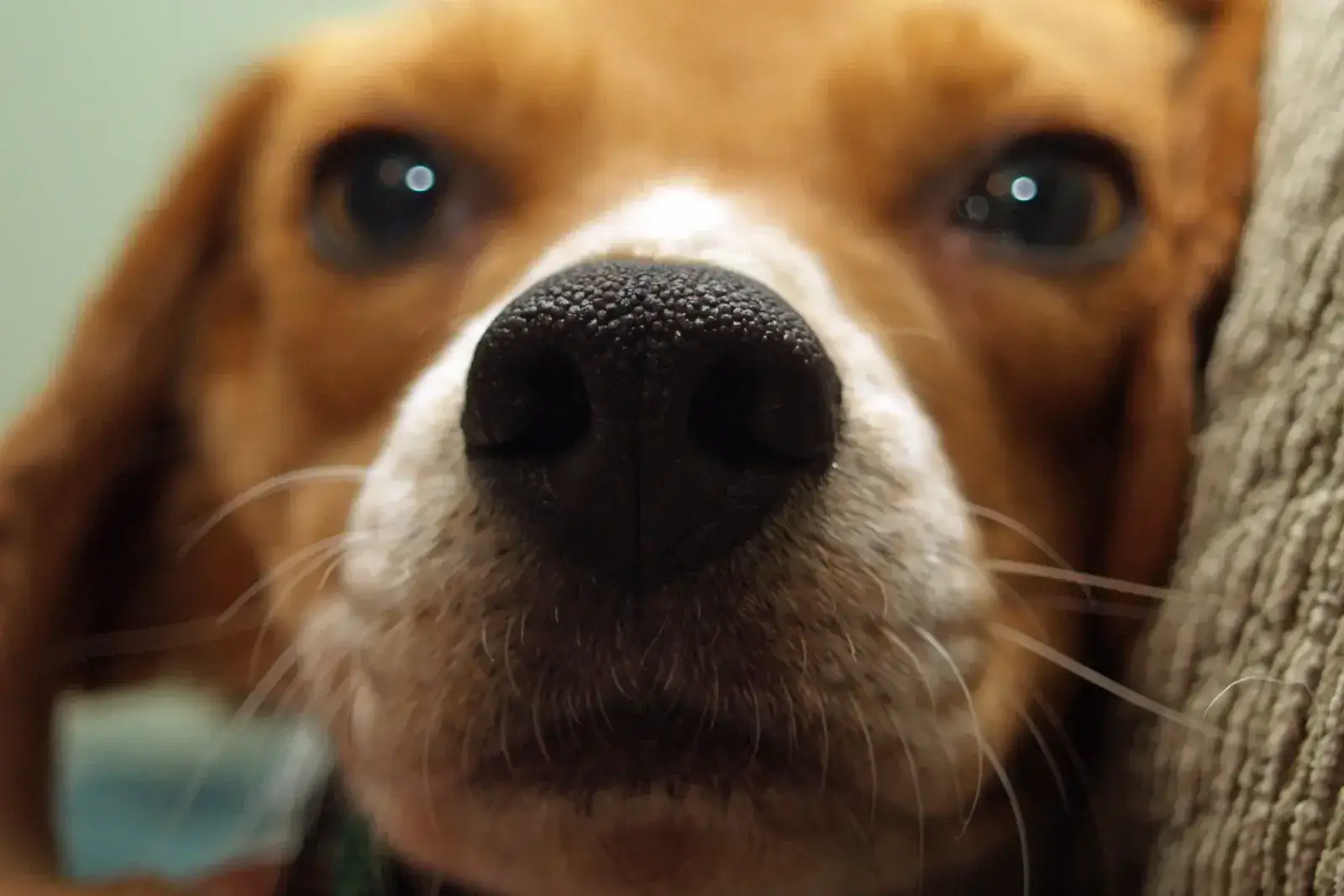
A nose that drips, runs from one side, bleeds or sneezes all day is a different matter. Many runny noses are mild and settle by themselves, but a few have a cause that needs a vet, such as a grass seed or a bad tooth root. This guide helps you sort the two groups, shows the emergency signs, and explains what to do and not do at home. It is general information. A vet who examines your dog decides what is wrong.
Is this an emergency?
Go to a vet or emergency clinic now, and phone ahead, if you see any of these:
 GuideMy Dog Keeps Licking His Paws: Causes and What HelpsDog licking paws all the time: allergies, parasites, injury, yeast and boredom.
- Heavy or non-stopping nosebleed. Bleeding that does not ease after a few minutes of calm rest.
- Bleeding from one nostril with swelling of the nose, muzzle or face.
- Trouble breathing. Gasping, open-mouth breathing at rest, blue or pale gums, or a dog that cannot settle.
- Nosebleed after an injury, such as a car accident, a fall or a blow to the head.
- Nosebleed with other bleeding, bruises on the skin, blood in stool or urine, or pale gums. This can point to a clotting problem, including poisoning with rat poison. If you think your dog ate rat poison, call a vet at once and take the packet.
- Collapse, weakness or a very dull dog.
- A dog that keeps pawing, rubbing or shaking its head hard after sudden violent sneezing. This can mean something is stuck in the nose.
If you are unsure, phone the clinic. They would rather answer a call than see a dog that waited too long.
What the discharge tells you
WebMD notes that mild, clear discharge with no other signs often comes from allergies or irritation and may clear within a few days. Colour and sides matter:
 GuideDog Is Not Eating or Drinking: What to DoDog not eating or drinking water? Why not drinking is more urgent, causes, puppies and small dogs, home care, and when to call a vet.
| What you see | Often points to | Urgency |
|---|---|---|
| Clear, watery, both nostrils, dog well | Allergy, dust, excitement, cold air | Watch for a few days |
| Clear with sneezing fits | Irritant, allergy, reverse sneezing | Watch; vet if it keeps up |
| Thick, yellow or green, maybe smelly | Infection, such as kennel cough, or a foreign body | See a vet soon |
| One nostril only | Foreign body, tooth root problem, growth | See a vet |
| Blood-stained or bloody | Injury, mites, foreign body, infection, tumour, clotting problem | See a vet; emergency if heavy |
Colour is a hint, not a diagnosis. A vet is the only person who can tell what is going on inside the nose.
 GuideMy Dog Stepped on a Bee: What to DoDog stung by a bee or wasp: emergency signs of an allergic reaction, safe first aid, what not to give, and when to see a vet.GuideDog Is Not Eating or Drinking: What to DoDog not eating or drinking water? Why not drinking is more urgent, causes, puppies and small dogs, home care, and when to call a vet.
Common causes
- Allergies. Pollen, dust, mould, smoke or cleaning products. WebMD lists allergies as the commonest reason for clear discharge. Itchy eyes and skin often come along. See dog red eye and dog licking paws for the other signs of allergy.
- Infections. Kennel cough and other viral or bacterial infections give coughing, sneezing and thicker discharge. Fungal infections are less common and tend to stay on one side.
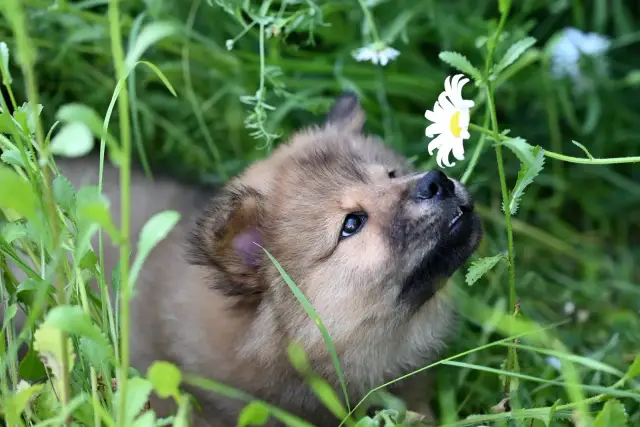
- Foreign bodies. Grass seeds, plant material or small bits that get sniffed in. They usually affect one nostril and cause sudden sneezing and pawing at the nose. Seeds are a summer problem and can lodge in the paws, ears and eyes too. See dog paw injury.
- Dental disease. An infected upper tooth root can drain into the nose, giving discharge from one side, sometimes with swelling on the face under the eye.
- Nasal mites. The Merck Veterinary Manual pet owner page lists nosebleeds, sneezing, reverse sneezing, facial itching, head shaking and noisy breathing as common signs of nasal mites. These mites respond to antiparasitic treatment.
- Reverse sneezing. Loud snorting breaths in short bursts. Often harmless, but a vet should hear about it if it is frequent.
- Growths and tumours. These are less common, more often seen in older dogs, and often show as discharge from one side that does not clear, sometimes with blood. Most nose problems in dogs are not tumours, and a vet can check calmly with scans or a scope. Early checking is the useful part.
- Clotting problems and poisons. Rare, but nosebleeds are one sign of them.
 GuideMy Dog Is Panting a Lot: Normal or Worrying?Dog panting heavily? Normal vs worrying panting, heatstroke signs and cooling steps, pain, anxiety, Cushing's disease, and when to see a vet.
 GuideMy Dog Is Coughing: Causes and When to See a VetDog coughing, honking or hacking? Emergency signs, kennel cough, collapsing trachea, heart cough, what to do at home and when to see a vet.GuideMy Dog Is Panting a Lot: Normal or Worrying?Dog panting heavily? Normal vs worrying panting, heatstroke signs and cooling steps, pain, anxiety, Cushing's disease, and when to see a vet.
What you can do at home
Home care suits a bright, eating, breathing-normally dog with mild, clear discharge on both sides.
 GuideMy Dog Injured His Paw: First Aid and When to See a VetDog paw injury: cut pads, torn nails, grass seeds, hot pavement burns and limping.
- Check the pattern. Note which side, what colour, how often, and whether there is sneezing, coughing, pawing or eye signs.
- Wipe the nose with a clean cloth dampened with lukewarm water. Dry crusts can be softened for a minute first, then wiped away.
- Keep the air clean. Avoid smoke, aerosol sprays, scented candles and dusty bedding. Wash bedding and vacuum often.
- Rinse off pollen. After walks in high-pollen weather, wipe your dog's face and paws with a damp cloth.
- Watch for three days. If the discharge clears, fine. If it is still there, gets thicker or changes colour, book a vet visit.
- For a nosebleed: keep your dog calm, quiet and cool. Do not tilt the head back or hold the nose shut. A cool damp cloth on the bridge of the nose may help a little. Phone the vet because any nosebleed should be checked.
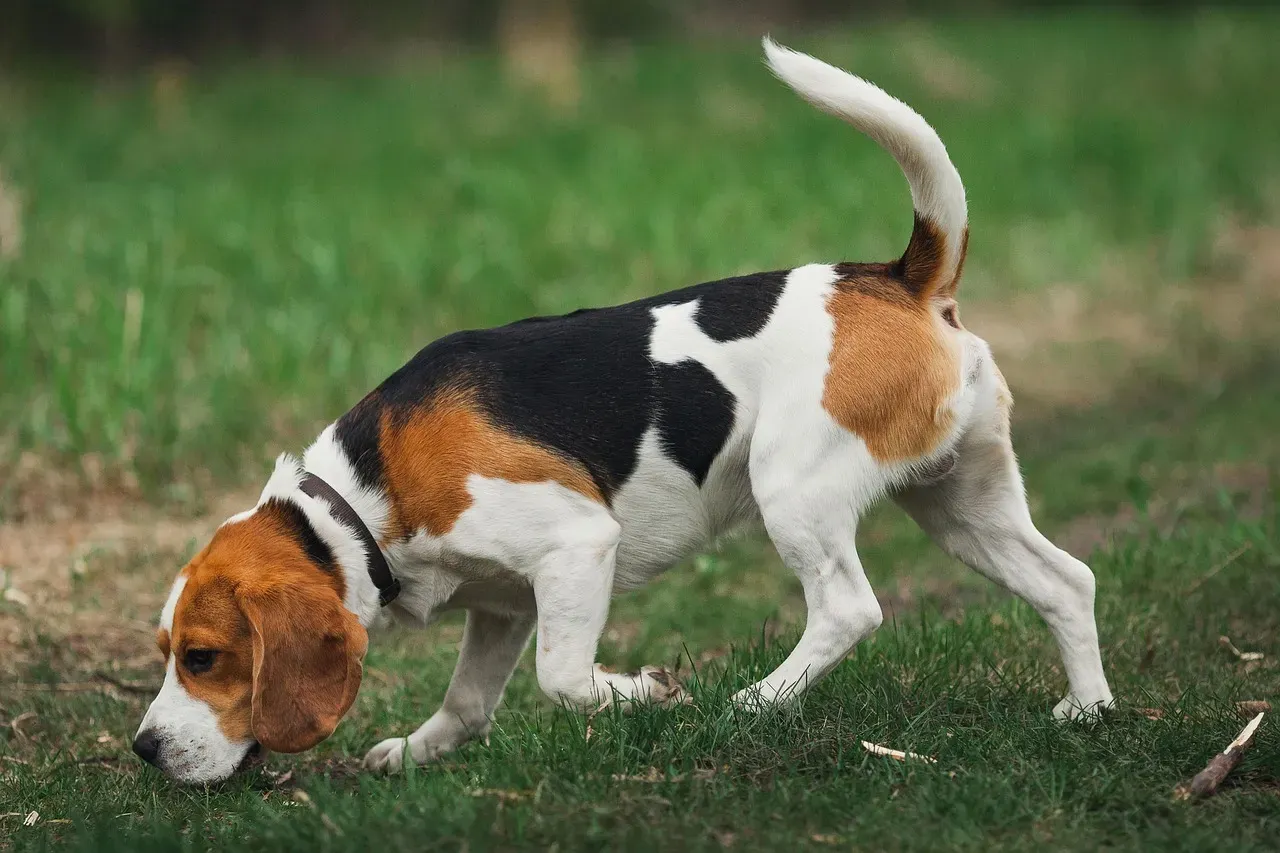 Save
What not to do
- No human cold or allergy medicines. Decongestants, antihistamine mixes, cough syrups and nasal sprays can be dangerous for dogs.
- No human painkillers. Ibuprofen, paracetamol (acetaminophen), aspirin and naproxen can seriously harm dogs, and aspirin can make bleeding worse.
- Do not dig inside the nose with tweezers, swabs or fingers. You can push a seed deeper or cause bleeding.
- Do not flush the nose with water or saline, it can go the wrong way into the airways.
- Do not leave a one-sided discharge or any nosebleed to see if it goes away.
- Do not use leftover antibiotics. They may be wrong for the problem and can hide it.
- Do not use home remedies such as steam with essential oils, which can irritate or poison a dog.
 GuideMy Dog's Eye Is Red: Causes and When to See a VetRed, weepy or squinting dog eye? Emergency signs, common causes like conjunctivitis and ulcers, what to do at home, what to avoid, and when to see a vet.
 GuideMy Dog Keeps Shaking His Head: Ear Infection GuideDog shaking head, scratching ears or smelly ears? Ear infection signs, causes, ear haematoma, emergency signs, what to do and what to avoid.GuideMy Dog's Eye Is Red: Causes and When to See a VetRed, weepy or squinting dog eye? Emergency signs, common causes like conjunctivitis and ulcers, what to do at home, what to avoid, and when to see a vet.
When to see a vet
Book a visit, ideally the same day, when:
 GuideMy Dog Keeps Scratching: Causes and When to See a VetDog scratching non-stop? Emergency signs, fleas, allergies, mites, skin infections, food allergy, what to do at home and when to see a vet.
- Discharge is thick, yellow, green, cloudy, bloody or smelly.
- It comes from one nostril only.
- It has lasted more than about three days, keeps coming back or is getting worse.
- Your dog has a nosebleed of any size.
- There is sneezing that will not stop, or your dog paws at the nose.
- There is noisy breathing, coughing, loss of appetite or low energy. See dog not eating or drinking.
- There is swelling of the nose, face or under the eye.
- Your dog has bad breath or is dropping food, which can fit a tooth problem.
- Your dog is older and the discharge keeps returning.
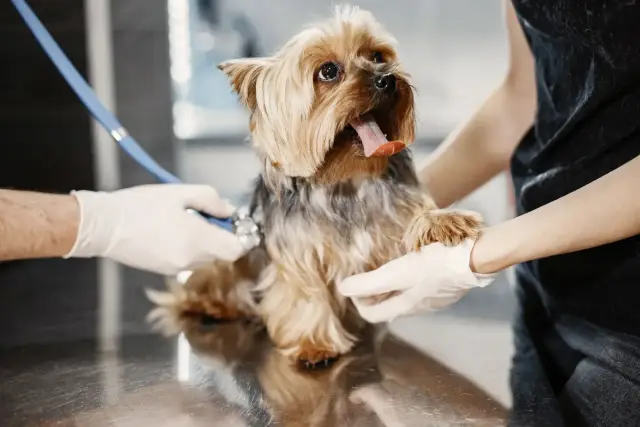
A vet will look inside the mouth and nose, check the teeth and may suggest tests such as a nasal scope, scans, bloodwork or a swab. Treatment depends on the cause: antibiotics for bacterial infection, removal of a seed or growth, dental care, mite treatment or allergy care. Bring a note of when it started, which side it is on, the colour and what else you noticed.
 GuideWhy Does My Dog Eat Grass? What Studies SayDog eating grass? What a large owner survey found, why dogs do it, when it is normal, when to worry (vomiting, lawn chemicals, toxic plants), what to do.GuideMy Dog Keeps Scratching: Causes and When to See a VetDog scratching non-stop? Emergency signs, fleas, allergies, mites, skin infections, food allergy, what to do at home and when to see a vet.
Preventing a runny nose
- Keep vaccines, including kennel cough, up to date if your vet advises.
- Check your dog's face and paws after walks in long grass in summer.
- Keep rat poison and other poisons where dogs cannot reach, and avoid walking dogs where they are laid.
- Brush your dog's teeth and book dental checks.
- Keep smoke, sprays and dust away from dogs.
- Wash bedding often if your dog is allergic.
 GuideMy Dog Is Vomiting: Causes and What to DoDog throwing up? Vomiting vs regurgitation, emergency signs like bloat, common causes, safe home care, what not to do, and when to see a vet.
 GuideMy Dog Is Lethargic: Causes and When to Call a VetDog tired, weak or not himself? Normal tiredness vs lethargy, emergency signs, common causes, what to note for the vet and what to avoid.GuideMy Dog Is Vomiting: Causes and What to DoDog throwing up? Vomiting vs regurgitation, emergency signs like bloat, common causes, safe home care, what not to do, and when to see a vet.
FAQ
Why is my dog's nose leaking clear liquid?
Most often an allergy or irritant such as dust, pollen or smoke. Cold air or excitement can also do it. If your dog is well, it may clear in a few days. If it lasts, see a vet.
Is a runny nose in dogs serious?
Not usually when it is clear, on both sides and your dog is well. Coloured, one-sided, bloody or long-lasting discharge needs a vet.
What does green or yellow nose discharge mean?
It is often a sign of infection or something stuck in the nose, and a vet should look.
My dog has a runny nose and is sneezing. What should I do?
Check for a pattern, keep the air clean and watch for three days. See a vet sooner if the discharge is thick, one-sided or bloody, or if your dog paws at the nose.
Why is my dog's nose bleeding?
Injury, a foreign body, mites, infection, a growth or a clotting problem can all cause a nosebleed. Any nosebleed should be checked, and heavy or one-sided bleeding with swelling is an emergency.
Can a dog have a grass seed in its nose?
Yes, particularly in summer. It usually causes sudden sneezing, pawing at the nose and discharge from one side. A vet needs to remove it.
Is reverse sneezing dangerous?
Usually not. It sounds dramatic, but most dogs recover in a minute. Tell your vet if it happens often or comes with other signs.
Can I give my dog human allergy medicine?
No. Some are harmful to dogs. Ask a vet for safe options.
Does a wet nose mean a healthy dog?
A damp nose is normal, but wetness alone does not show health. Look at behaviour, appetite and breathing.
Read next
 Family storyAlpineRead the family's story: origins, members, DNA
 Family storyAmerican Cur & FeistRead the family's story: origins, members, DNA
 Family storyAmerican TerrierRead the family's story: origins, members, DNA
Sources (2)
- WebMD, "My Dog Has Discharge from Nose" (clear discharge and allergies; when to see a vet).
- Merck Veterinary Manual, pet owner version, "Canine Nasal Mites" (nosebleed, sneezing and reverse sneezing signs; treatment).