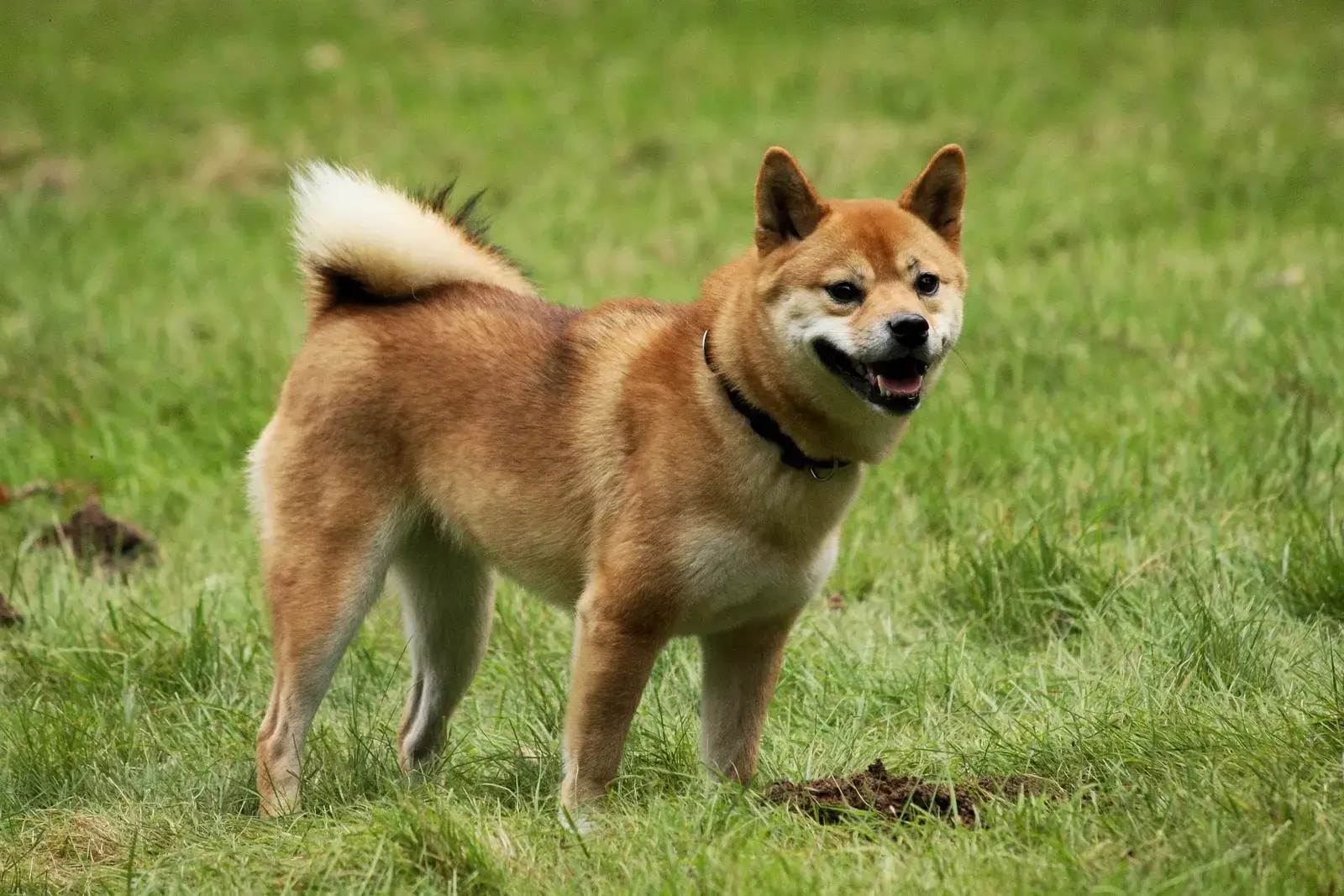
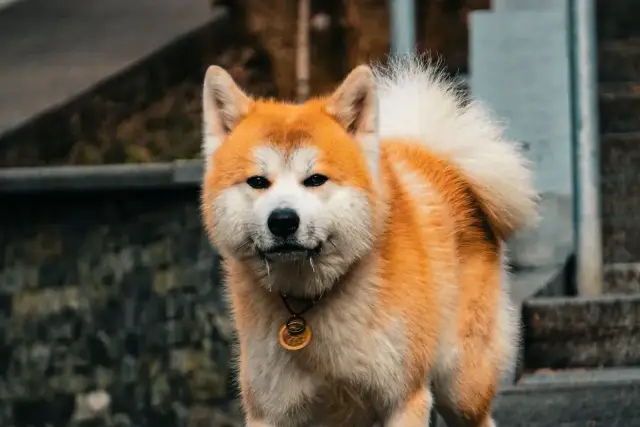
Pricked ears, a curled tail, a dense double coat and a fox-like face: that is the template behind the Shiba Inu, the Akita and four lesser-known mountain hunters. This guide covers the Japanese dog breeds that matter, from the six protected Nihon Ken to the toy Chin, the giant Tosa, the fluffy white Japanese Spitz and the small Japanese Terrier. It also tells the story that made one of them world famous, and explains why Japan's native dogs came close to disappearing in the twentieth century.
What are the Japanese dog breeds?
Ten breeds are counted as Japanese in origin, plus an eleventh that is Japanese only in its roots. The first six are the Nihon Ken ("Japanese dogs"), the medium and large spitz-type hunters protected as national treasures. The other four are younger or very different dogs that grew up beside them.
 ArticleDog Breed Family Tree: How All Dog Breeds Are RelatedThe dog breed family tree from Ice Age wolves to 29 breed families.
| Group | Breeds |
|---|---|
| Nihon Ken (six native breeds) | Akita, Shiba Inu, Kishu, Shikoku, Kai Ken, Hokkaido |
| Other Japanese breeds | Japanese Chin, Tosa, Japanese Spitz, Japanese Terrier |
| Japanese roots, bred elsewhere | American Akita |
One more dog, the Ryukyu of Okinawa, is a local type that no major registry recognises, so it does not appear in the comparison below. For how Japan stacks up against other nations, see dog breeds by country.
Seven of the Japanese breeds belong to one DNA group, the Asian Spitz family. That is unusual. Most countries produce dogs from several different families, but Japan's dogs mostly stayed together, which is why they resemble each other so strongly.
 GuideDog Breeds by Country: Which Nations Made the Most?Dog breeds by country: how many breeds each nation produced in the Dogs Atlas data, from the UK and France to Japan, plus national dogs and families.ArticleDog Breed Family Tree: How All Dog Breeds Are RelatedThe dog breed family tree from Ice Age wolves to 29 breed families.
What does "Nihon Ken" mean?
"Nihon" is Japan and "ken" is a dog, a variant of "inu". So Nihon Ken means "Japanese dog", but in practice the term refers to the six breeds that Japan's preservation society treats as truly native: the Akita, Shiba, Kishu, Shikoku, Kai and Hokkaido. The Chin, the Tosa, the Japanese Spitz and the Japanese Terrier are Japanese dogs by origin but are not Nihon Ken.
 GuideTicks and fleas on dogs: how to check, remove and prevent themTicks and fleas on dogs: how to tell them apart, check your dog, remove a tick safely, break the flea life cycle and prevent both.
The line between "native" and "not native" was drawn by people, not by dogs. In the 1920s and 1930s a group of hunters, scholars and breeders decided which village dogs still looked like the old Japanese type, wrote those types down and asked the government to protect them. That is the story of the next section.
 GuideSmartest dog breeds: what the rankings measure and what they missCoren's smartest dog breeds list, what it measured, what newer dog cognition research says, three kinds of dog intelligence and why smart dogs need work.GuideTicks and fleas on dogs: how to check, remove and prevent themTicks and fleas on dogs: how to tell them apart, check your dog, remove a tick safely, break the flea life cycle and prevent both.
How did Japan save its native dogs?
 GuideBanned and restricted dog breeds by countryWhich dog breeds are banned or restricted, country by country: UK, Ireland, France, Germany, Denmark, Norway, Spain, Australia and more.
The problem: foreign dogs and foreign blood
After Japan opened to the outside world in the second half of the nineteenth century, Western dogs arrived: English Pointers and Setters for hunting, German Shepherds, mastiffs and others. Village dogs were crossed with them. By the early twentieth century, scholars and hunters worried that the pure local dogs were fading.
The society and the standards
Local efforts came first. The Akita preservation society was founded in Odate in 1927. In 1928 Dr. Hirokichi Saito founded the Nihon Ken Hozonkai, usually shortened to Nippo ("Japanese Dog Preservation Society"), to survey the surviving native dogs across the country, choose the best examples and record their type. It was formally named in 1932. A written Nihon Ken standard followed in 1934.
Natural Monuments
The state then made the dogs legal heritage. Japan's law on protecting natural and cultural treasures allowed individual breeds to be declared Natural Monuments. The designations came in stages through the 1930s:
| Year | Breed designated |
|---|---|
| 1931 | Akita |
| 1934 | Kishu, Kai Ken |
| 1936 | Shiba Inu |
| 1937 | Shikoku, Hokkaido |
The designation did not make the dogs untouchable pets. It tied the breeds to a Japanese idea of "pure" type, and the monument system still shapes how they are bred and judged in Japan.
 Save
 GuideLivestock guardian dogs: what they do and who they suitWhat livestock guardian dogs do, how they differ from herding dogs, 40 LGD breeds by country, the DNA evidence, and whether they make good pets.GuideBanned and restricted dog breeds by countryWhich dog breeds are banned or restricted, country by country: UK, Ireland, France, Germany, Denmark, Norway, Spain, Australia and more.
The six Nihon Ken, one by one
 GuideMy Dog Is Coughing: Causes and When to See a VetDog coughing, honking or hacking? Emergency signs, kennel cough, collapsing trachea, heart cough, what to do at home and when to see a vet.
- Odate, Akita Prefecture (Akita) Akita, bear and boar hunting dog
- Chubu mountains (Shiba Inu) Shiba, small game and bird flushing
- Yamanashi, old Kai Province (Kai Ken) Kai Ken, brindle hunting dog
- Kii Peninsula, Wakayama and Mie (Kishu) Kishu, usually white, boar hunter
- Kochi, Shikoku (Shikoku, also the Tosa) Shikoku, sesame mountain hunter
- Hokkaido Hokkaido, the dog of the north
Akita
The largest of the six comes from the snowy north of Honshu. The Akita worked for the matagi, traditional hunters who tracked bear, boar and deer in the mountains and relied on the dog to find the animal and hold it until they arrived. Under the FCI standard a Japanese Akita stands about 67 cm for males and 61 cm for females. Early in the twentieth century some owners crossed Akitas with Tosa and other large dogs to get bigger fighters, which changed the type and was one reason the preservation society formed. The full story is in the Akita profile.
Shiba Inu
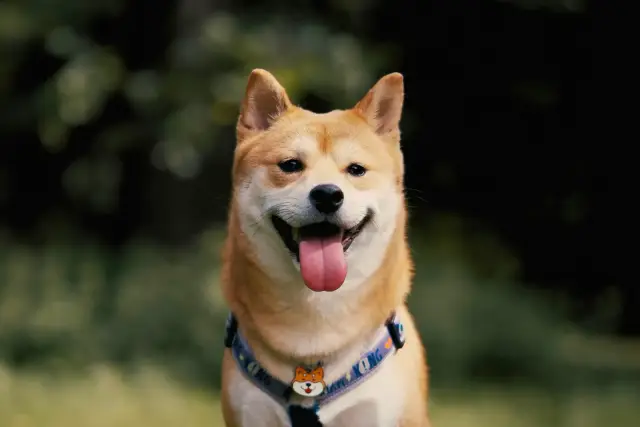
The smallest of the six stands about 39.5 cm for males and 36.5 cm for females. It was a hunter of small game and birds in dense brush, and the name probably means "brushwood", although "small" is another reading. Three regional types, the Shinshu, Mino and San'in, fed the breed that exists today. The Shiba is now the most popular Japanese breed abroad. See the Shiba Inu profile for health, temperament and history.
Kishu
The Kishu comes from the mountains of the Kii Peninsula, in Wakayama and Mie. It is a medium-sized dog, about 46 to 52 cm tall, and the usual colour is white, though red and sesame also occur. Its job was hunting boar and deer. It is known for a quiet, devoted nature with one household and a strong prey drive.
Shikoku
The Shikoku is a lean, agile mountain hunter from Kochi Prefecture on the island of Shikoku, about 46 to 52 cm tall, usually in a sesame coat (a mix of red and black hairs). Its home mountains were so remote that the type stayed fairly pure, and sources describe it as one of the least altered of the six. It is athletic and needs a great deal of movement.
Kai Ken
The Kai Ken is a medium-sized dog from Yamanashi Prefecture, the old Kai Province, known for its brindle coat, which earned it the nickname "tiger dog" (Tora Inu). It hunted deer and boar in steep country and is also said to climb well. The Kai is rare even in Japan.
Hokkaido
The Hokkaido, sometimes called the Ainu dog or Seta, comes from Japan's northern island. The Ainu people kept these dogs for hunting bear and deer, and the breed's thick coat, small ears and compact build suit a cold climate. It is a medium dog, about 48 cm tall, with a reputation for toughness and for strong attachment to one person.
How the six compare in size
The Akita and the Shiba sit at the two ends. Between them the Kishu, Shikoku, Kai and Hokkaido are a close cluster of medium dogs of roughly 45 to 52 cm. Without a registry paper, telling them apart comes down to coat colour, build and the region the dog's family came from.
 GuideMy Dog Injured His Paw: First Aid and When to See a VetDog paw injury: cut pads, torn nails, grass seeds, hot pavement burns and limping.GuideMy Dog Is Coughing: Causes and When to See a VetDog coughing, honking or hacking? Emergency signs, kennel cough, collapsing trachea, heart cough, what to do at home and when to see a vet.
What happened to the Nihon Ken in World War II?
The war nearly ended them. Food was short, and the government ordered that dogs not needed for the war effort be culled. Pelts of some dogs, Akitas among them, were used for military clothing. Some owners crossed their dogs with German Shepherds, which were allowed to be kept because of their military use, to disguise them. Others released their dogs into the mountains. After the war, distemper swept through the survivors.
 GuideDog Clothes: When Dogs Need Coats, and a Short History of Dog FashionDo dogs need coats in winter? When clothes help, when costumes stress a dog, safe fit, reflective gear, and a short history of dog fashion and dog art.
A handful of enthusiasts kept pure dogs alive in remote places, and the post-war population of the Shiba and the Akita was rebuilt from a small number of surviving lines. The exact numbers of survivors are not recorded, so no figure is given here. The recovery matters because every Nihon Ken alive today descends from those few dogs, which is why Japanese breeders still care so much about bloodlines and "pure" type.
 GuideDogs in myth around the worldFrom Anubis and Cerberus to Fenrir, Xolotl and the Tiangou: how cultures across the world imagined dogs as guardians, guides and monsters.GuideDog Clothes: When Dogs Need Coats, and a Short History of Dog FashionDo dogs need coats in winter? When clothes help, when costumes stress a dog, safe fit, reflective gear, and a short history of dog fashion and dog art.
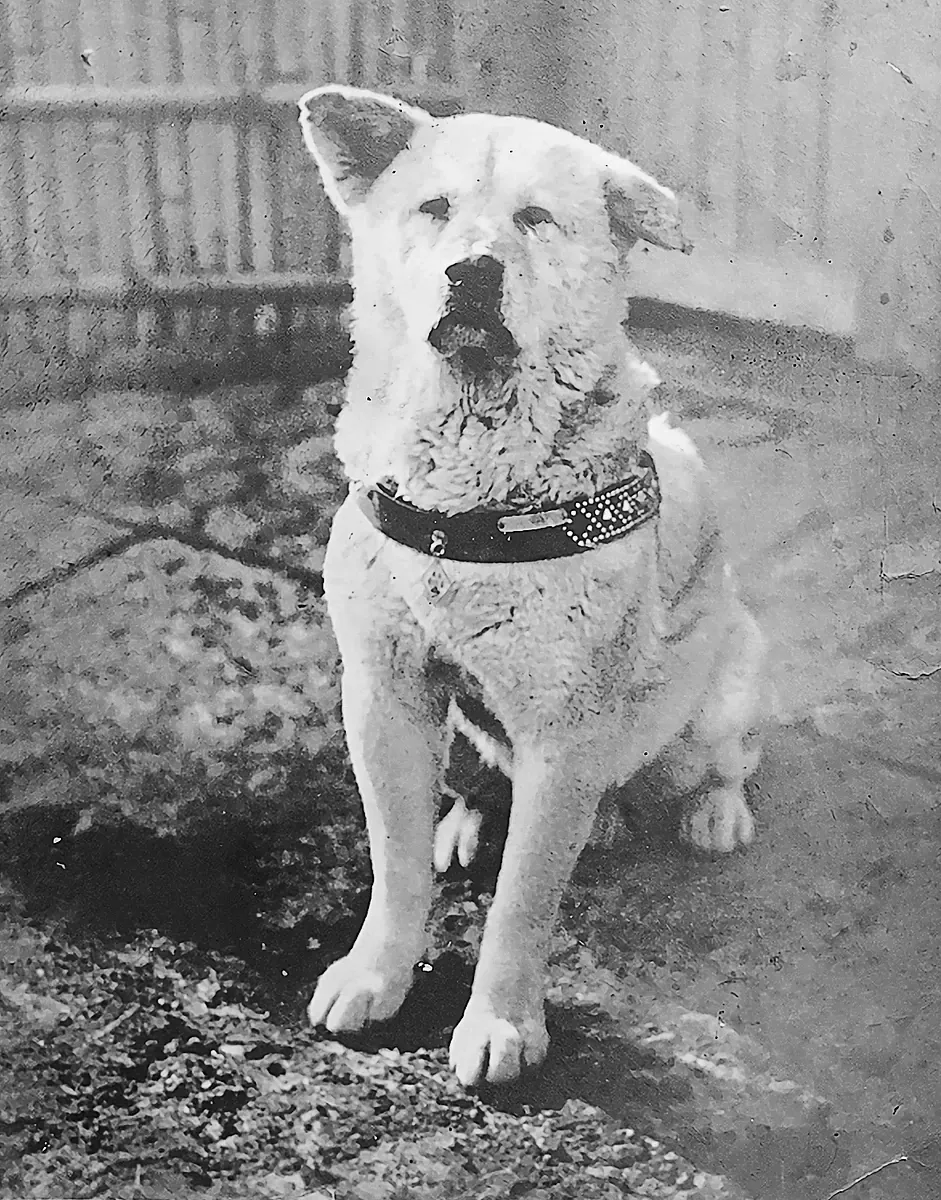
Hachiko: the dog that waited
Hachiko is the most famous dog in Japan, and probably the most famous Akita in the world. The main facts are well documented:
 GuideMy Dog Has Bad Breath: Causes and What to DoDog breath smells? Gum disease is the usual cause, but sweet or ammonia smells can mean illness.
- Hachiko was born in November 1923 on a farm near Odate and went to Tokyo in 1924 to live with Hidesaburo Ueno, a professor at the University of Tokyo.
- Each day he walked with Ueno to Shibuya Station and met him there in the evening.
- Ueno died suddenly at work on 21 May 1925. Hachiko kept returning to the station for about nine more years.
- A 1932 newspaper article made him known across Japan.
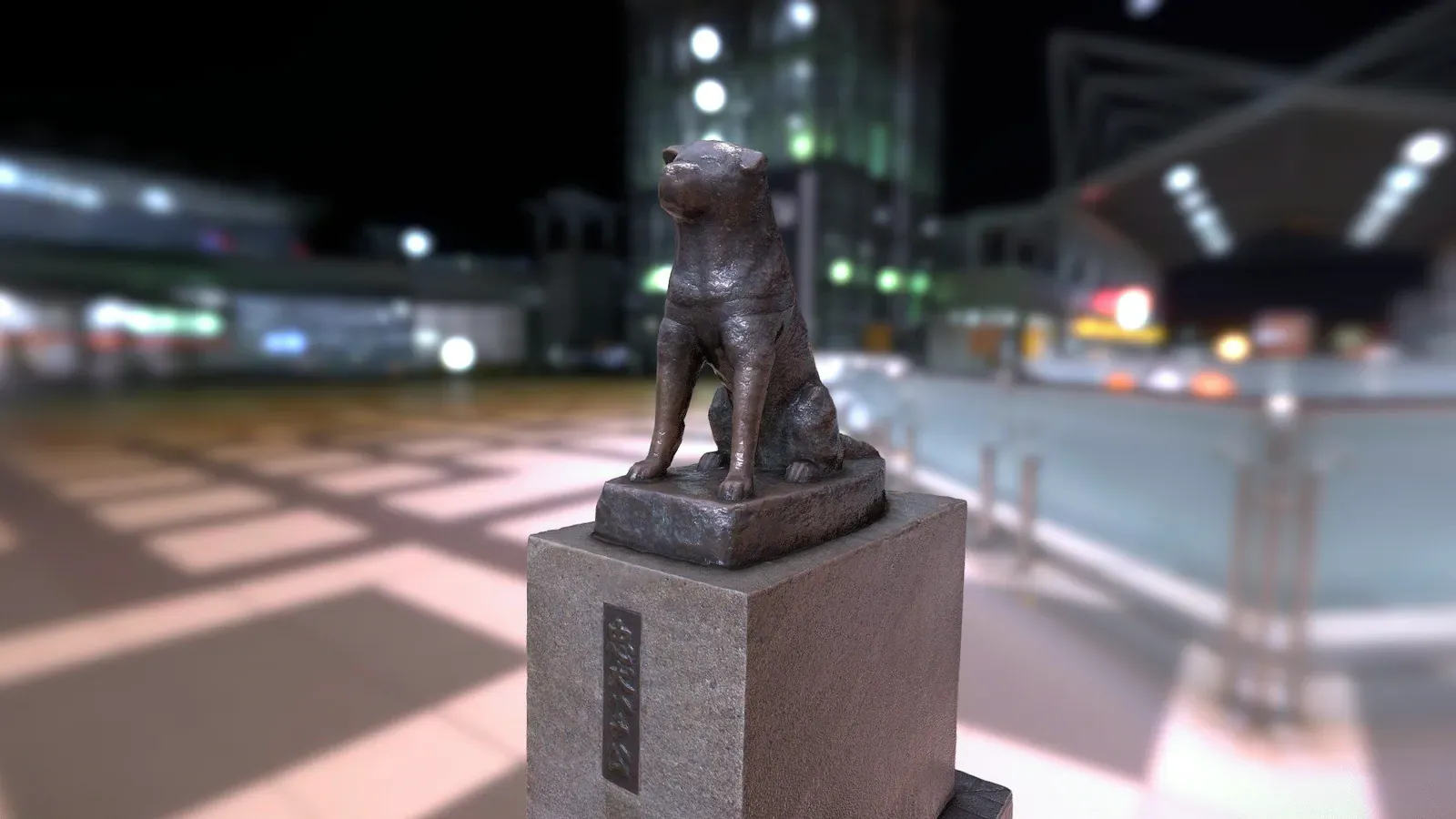
- A bronze statue of Hachiko went up at Shibuya Station in 1934, and he is reported to have attended the unveiling.
- He was found dead near the station on 8 March 1935.
The original statue was melted down for wartime metal. A new one was put up in 1948, and it is still a popular meeting point in Shibuya. Hachiko's story has been retold in Japanese and American films, and it did more than any dog show to make the Akita a national symbol. It also pulled the breed to the attention of foreign visitors, which leads to the next story.
 Save
 GuideBest dog breeds for familiesBest dog breeds for families, small homes, allergies, first-time owners and seniors, ranked from our breed ratings, with honest limits and a table.GuideMy Dog Has Bad Breath: Causes and What to DoDog breath smells? Gum disease is the usual cause, but sweet or ammonia smells can mean illness.
Akita vs American Akita: how one breed became two
In 1937 the American writer Helen Keller visited Japan, admired the Akita and was given a puppy. After 1945, American servicemen in occupied Japan brought more dogs home. Many of these were heavier and broader than the dogs favoured by Japanese preservation breeders, and some carried wartime outcrosses. In the United States the dogs grew larger, with a bear-like head and more colours, including a black mask. In Japan the breed stayed lighter and fox-faced, limited to red, sesame, brindle and white.
 GuideHow to Find a Good Dog Groomer: Questions and SignsHow to find a good dog groomer: qualifications, questions to ask, signs of good and poor care, sedation, dryers, mobile groomers and what to check after.
The FCI separated the two types in 1999. The American type was first called the Great Japanese Dog and was renamed American Akita in 2006. The AKC lists the American type under the plain name Akita, so "Akita" can mean different dogs depending on the registry. The full comparison is on the American Akita page.
 GuideHow to Groom a Dog: Brushing, Baths, Nails and CoatsHow to groom a dog at home: coat types, brushing, how often to bathe, cutting nails, ears, teeth, shedding, matting and whether to shave a double coat.GuideHow to Find a Good Dog Groomer: Questions and SignsHow to find a good dog groomer: qualifications, questions to ask, signs of good and poor care, sedation, dryers, mobile groomers and what to check after.
Shiba vs Akita: which is which?
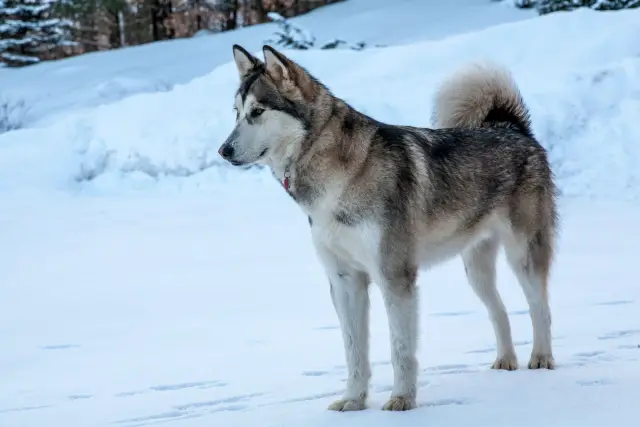
Both are Japanese spitz dogs, both curl the tail over the back and both can be aloof. The differences are mostly practical.
 GuideWinter Care for Dogs: Cold, Paws, Antifreeze and IceWinter care for dogs: how cold is too cold, coats, salt and antifreeze, hypothermia, frostbite, frozen ponds, dark walks and holiday hazards.
| Point | Shiba Inu | Akita (Japanese type) |
|---|---|---|
| Height (FCI) | About 36.5 to 39.5 cm | About 61 to 67 cm |
| Original job | Flushing small game and birds | Hunting bear and boar with the matagi |
| Home region | Central Honshu | Northern Honshu |
| Natural Monument | 1936 | 1931 |
| Living with it | Escape artist, vocal, cat-like independence | Calm and dignified indoors, but powerful and often dominant with other dogs |
A Shiba is a small dog with a big personality that fits in a flat. An Akita is a big, serious dog that needs a strong, experienced owner. Both dislike being pushed around.
 GuideIs your dog suited to therapy work?How to make your dog a therapy dog: temperament checklist, first training steps, how Pet Partners, TDI and Pets As Therapy assess dogs, and welfare limits.GuideWinter Care for Dogs: Cold, Paws, Antifreeze and IceWinter care for dogs: how cold is too cold, coats, salt and antifreeze, hypothermia, frostbite, frozen ponds, dark walks and holiday hazards.
What about the other four Japanese breeds?
 GuideDogs in science and spaceSpace dogs Laika, Belka and Strelka, Pavlov's dogs, Snuppy the clone, the dog genome and scent detection: what dogs did for science, and what it cost them.
Japanese Chin
The Japanese Chin is a toy dog with a flat face, feathered coat and a cat-like manner. It is the only Japanese breed here with a toy job: it was a lap dog of nobles and the court. Accounts say its ancestors came from the Asian mainland, and the breed took its modern shape in the nineteenth century, with Western contact bringing it to Europe and America. It is small, about 20 to 27 cm, and is recognised by the FCI and the AKC. In the DNA data it sits in a different family, the Asian Toy family, from the spitz-type native dogs, but it still shares more DNA with the Shiba (17.1 Mb) and the Akita (13.9 Mb) than those two share with each other (13.1 Mb).
Tosa
The Tosa is the giant of Japanese dogs. It was bred in Tosa Province, now Kochi on Shikoku, in the later nineteenth century and early twentieth century as a fighting dog, from native dogs crossed with European breeds that accounts name as mastiff and bulldog types. Dog fighting in Japan followed its own rules, and sources describe the Tosa as bred to fight in silence. The Tosa is large to giant, males from about 60 cm and often heavy.
The breed is controlled in many countries. The UK's Dangerous Dogs Act bans the Japanese Tosa, Australia bans its import, Denmark and Norway ban it, France places it in category 2 and Spain requires a licence, and several other countries restrict it. In Japan the Tosa is not banned. The full list is in the banned dog breeds guide. This is a dog for experts only.
Japanese Spitz
The Japanese Spitz is a small, pure white, fluffy dog, about 30 to 38 cm tall. Unlike the Nihon Ken it is a recent creation, developed in the 1920s to the 1940s by crossing spitz-type dogs. The usual story says it is a smaller version of the Samoyed, but accounts differ, and there is no documented line from the Samoyed to it. It is a companion dog, bright, lively and often vocal, and it is recognised by the FCI and the UK Kennel Club.
Japanese Terrier
The Japanese Terrier, or Nihon Teria, is a small, short-coated, white dog with a dark head, usually about 30 to 33 cm. It was developed around Kobe from the early 1700s, and sources credit European terriers brought by traders, crossed with local dogs. It is rare and almost unknown outside Japan, which gives it a reputation as the least known of the national breeds.
 GuideHow to calm a reactive dogHow to calm a reactive dog: why dogs bark and lunge, what to do in the moment, a step-by-step training plan, what to avoid and when to get help.GuideDogs in science and spaceSpace dogs Laika, Belka and Strelka, Pavlov's dogs, Snuppy the clone, the dog genome and scent detection: what dogs did for science, and what it cost them.
What does DNA say about Japanese dogs?
DNA agrees with the Japanese story of old dogs, with some surprises.
 GuideDog Heat Cycle: Signs, Stages and How Long It LastsHow long dogs bleed in heat, when the first heat comes, the four cycle stages, signs, caring for her, and how males react.
The large 2017 study by Parker and colleagues sorted 161 breeds into 23 groups. The Akita, Shiba and other east Asian breeds fell into the Asian Spitz group with strong support. Earlier work in 2004 placed the Shiba and the Akita among the "ancient" breeds, those that split from the rest of the dog family early. "Ancient" describes the position of the genes in the family tree, not an unbroken pedigree. Breed registries in Japan are less than a century old; the genes in them are far older.
Three points stand out:
- Japan's dogs have deep roots. Dog remains in Japan date back about 9,300 years, to the Jomon period. Studies of Jomon dog genomes show one of the oldest dog lineages of East Eurasia. Later, in the Yayoi period from about 300 BCE, new dogs arrived with migrants and mixed with the older type.
- The Japanese wolf is close kin of dogs. In 2024 researchers sequenced genomes from extinct Japanese wolves and found it was the closest known wild relative of dogs, with traces of that wolf in the ancestry of Japanese dogs, the Shiba included.
- The Akita and the Shiba are not close relatives. They share only 13.1 Mb of matching DNA in the 2017 data. The Chin is closer to each: 13.9 Mb with the Akita and 17.1 Mb with the Shiba. One reason may be the Akita's outside blood from the Tosa and the German Shepherd.
The practical lesson: "Japanese" and "native" are cultural labels as much as genetic ones, and a breed can look ancient while having a very recent registry.
 GuideDog Grooming Competitions and Show Standards ExplainedHow breed standards shape dog grooming, from hand-stripped terriers to Poodle show clips, and how grooming competitions and creative grooming work.GuideDog Heat Cycle: Signs, Stages and How Long It LastsHow long dogs bleed in heat, when the first heat comes, the four cycle stages, signs, caring for her, and how males react.
Japanese dogs in folklore and charms
Dogs run through Japanese belief in both friendly and frightening forms. One of the darker ones, the Inugami or "dog spirit", is covered in dogs in myth. A friendlier tradition is the inu-hariko, a small papier-mache dog used as a charm. Accounts describe pairs of these dogs placed in the room of a woman in labour to bring an easy birth, because dogs are said to have litters easily, and later given to protect a baby's health. Some versions wear a basket on the head. Museums date such dogs to the Edo period, with older roots in earlier centuries. They are still sold in Japan, and as the year of the dog comes round they appear again.
 GuideMy Dog's Eye Is Red: Causes and When to See a VetRed, weepy or squinting dog eye? Emergency signs, common causes like conjunctivitis and ulcers, what to do at home, what to avoid, and when to see a vet.
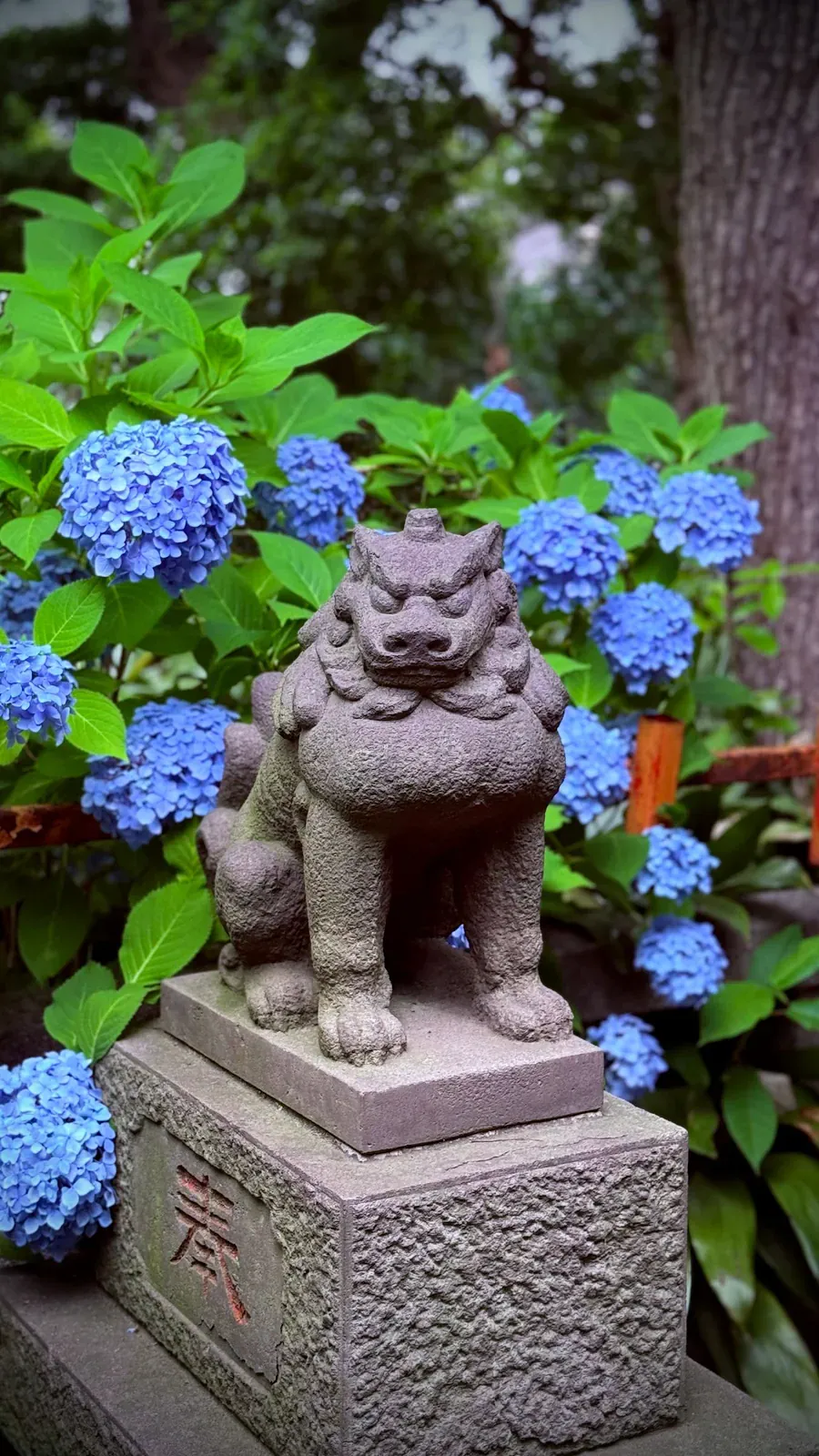
Stone dogs also guard shrines: the komainu, a pair of lion-dog figures, are named in the myth guide. They are not dogs of any breed, but they show how deeply a dog-like guardian is built into Japanese religion.
Planning a trip to see Japan's dogs, shrines and Hachiko in person? Our sister project Arigato Japan covers the Nihon Ken from a traveller's side.
 Save
 GuideDog hybrids: what dogs can and cannot breed withCan dogs breed with wolves, coyotes, jackals or foxes? Wolfdogs, coydogs, the Sulimov dog and Dogxim explained, with chromosomes and DNA studies.GuideMy Dog's Eye Is Red: Causes and When to See a VetRed, weepy or squinting dog eye? Emergency signs, common causes like conjunctivitis and ulcers, what to do at home, what to avoid, and when to see a vet.
Comparison table: all 11 Japanese breeds
| Breed | Size | Region | Original job | Recognised by |
|---|---|---|---|---|
| Akita | Large | Akita Prefecture, northern Honshu | Hunting bear and boar, guarding | FCI, UK Kennel Club |
| Shiba Inu | Small | Chubu mountains, central Honshu | Flushing small game and birds | FCI, AKC |
| Kishu | Medium | Kii Peninsula (Wakayama, Mie) | Boar and deer hunting | FCI, AKC (foundation stock) |
| Shikoku | Medium | Kochi, Shikoku | Mountain boar hunting | FCI, AKC (foundation stock) |
| Kai Ken | Medium | Yamanashi (old Kai Province) | Deer and boar hunting | FCI, AKC (foundation stock) |
| Hokkaido | Medium | Hokkaido | Bear and deer hunting with the Ainu | FCI, AKC (foundation stock) |
| Japanese Chin | Toy | Honshu | Court lap dog | FCI, AKC |
| Tosa | Large to giant | Kochi, Shikoku | Dog fighting | FCI, AKC (foundation stock) |
| Japanese Spitz | Small | Honshu | Companion | FCI, UK Kennel Club |
| Japanese Terrier | Small | Kobe, Honshu | Companion, ratting | FCI |
| American Akita | Large to giant | United States, from Japanese Akitas | Companion and guard | FCI; AKC as "Akita" |
 GuideHow to socialize a puppy or adult dogHow to socialize a puppy or adult dog: the sensitive period, a week-by-week puppy plan, rescue dogs, safe exposure before vaccines, mistakes and a checklist.
 ArticleThe first known dog on every continentEarliest accepted dog on each continent, from Bonn-Oberkassel to the dingo: dates, sites, how dogs arrived and which breeds carry those first dogs.GuideHow to socialize a puppy or adult dogHow to socialize a puppy or adult dog: the sensitive period, a week-by-week puppy plan, rescue dogs, safe exposure before vaccines, mistakes and a checklist.
Are Japanese dogs good pets?
Most of the Nihon Ken are primitive-type dogs. That means they are close to their working origins: independent, alert, quiet unless provoked, reserved with strangers, and strongly drawn to chase small animals. They bond hard with their own family and often have little interest in pleasing everyone else.
 GuideMy Dog Is Vomiting: Causes and What to DoDog throwing up? Vomiting vs regurgitation, emergency signs like bloat, common causes, safe home care, what not to do, and when to see a vet.
What this means in daily life:
- Training takes patience. They are intelligent but not eager to obey. Short sessions, rewards and consistency work better than repetition.
- Recall is unreliable. Hunting dogs follow a scent or a squirrel. Most owners keep them on a lead or in secure spaces.
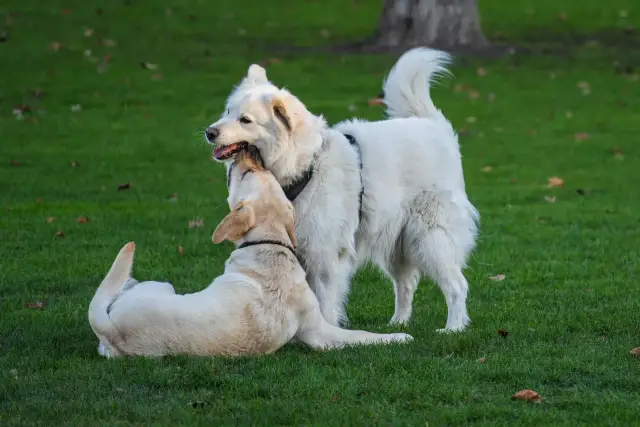
- Early socialisation matters. Same-sex aggression and wariness of strange dogs are common in the larger breeds, the Akita most of all.
- They are clean and often cat-like, but they shed heavily twice a year.
- They suit calm, experienced owners. They are not good for people who want a dog that greets everyone.
The Chin, the Japanese Spitz and the Japanese Terrier are more companion-minded, but the Spitz can be noisy and the Chin is delicate. The Tosa should be treated as a specialist dog.
 GuideDogs in Legends and Fairy TalesDogs in folklore and fairy tales: Black Shuck, The Tinderbox, Saint Guinefort, Panhu, Greyfriars Bobby, Barry and Old Drum, with legend and history kept apart.GuideMy Dog Is Vomiting: Causes and What to DoDog throwing up? Vomiting vs regurgitation, emergency signs like bloat, common causes, safe home care, what not to do, and when to see a vet.
Frequently asked questions
How many native Japanese dog breeds are there?
Six are counted as Nihon Ken: the Akita, Shiba Inu, Kishu, Shikoku, Kai Ken and Hokkaido. Four more Japanese breeds exist, the Chin, Tosa, Japanese Spitz and Japanese Terrier, and the American Akita has Japanese roots.
What is the oldest Japanese dog breed?
The Shiba and the Shikoku are dated to about 300 BCE, with medium confidence. The date refers to the type of dog, not to an unbroken pedigree.
Is the Shiba Inu smaller than the Akita?
Yes, by a wide margin: about 36 to 40 cm against about 61 to 67 cm for the Japanese Akita.
Which Japanese dog is best for a first-time owner?
None of the Nihon Ken is an easy first dog. The Shiba is the most manageable in size, but it is stubborn and escape-prone. The Japanese Spitz and the Chin are gentler options.
Is the Tosa banned?
In several countries, yes, or heavily restricted, including the UK, Australia (import), Denmark and Norway. Check local law before considering one.
Was Hachiko real?
Yes. He was an Akita born near Odate in 1923. He waited at Shibuya Station until his death in 1935, and there is a bronze statue at the station.
Are Japanese dogs ancient?
Their DNA is among the oldest in the dog family, and dogs have lived in Japan for about 9,000 years. The breeds themselves were fixed and registered only in the twentieth century.
Read next
 Family storyAsian SpitzRead the family's story: origins, members, DNA
 Family storyEast Eurasian dogsRead the family's story: origins, members, DNA
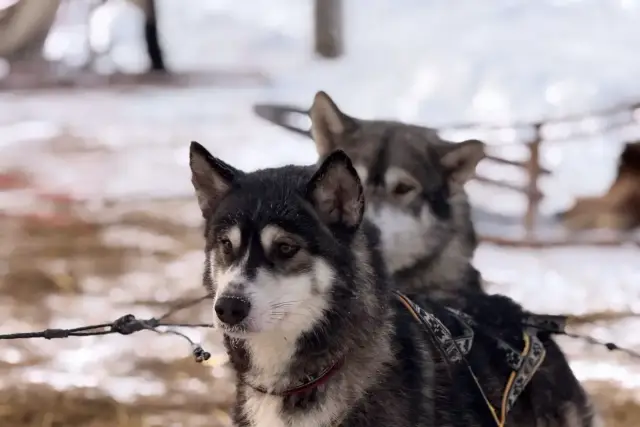 Family storyArctic dogsRead the family's story: origins, members, DNA
Sources (6)
- Parker H.G. et al., "Genomic analyses reveal the influence of geographic origin, migration and hybridization on modern dog breed development", Cell Reports, 2017.
- Parker H.G. et al., "Genetic structure of the purebred domestic dog", Science, 2004.
- Gojobori J. et al., study of Japanese wolf genomes and modern Japanese dogs, Nature Communications, 2024.
- Studies of Jomon dog genomes, Anthropological Science and bioRxiv preprint, 2023.
- Wikipedia, "Nihon Ken Hozonkai", "Hachiko", "Japanese Spitz", "Tosa" and "Japanese Terrier".
- Fogle B., The New Encyclopedia of the Dog, Dorling Kindersley, 2009.