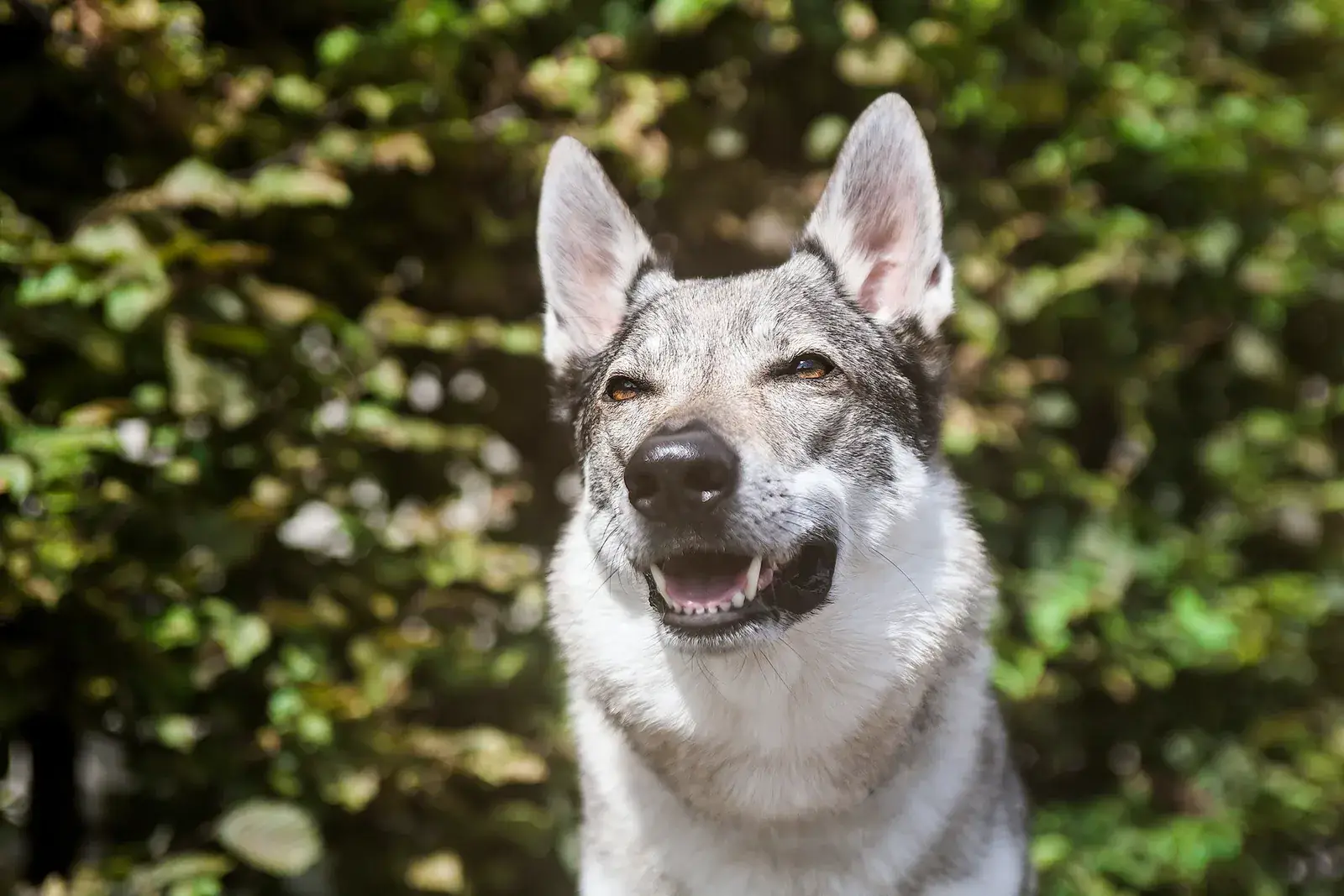
Wolves, coyotes and golden jackals all carry 78 chromosomes, the same number as a dog, and crosses between them are known to produce fertile young. Foxes are another story: most of them sit further away on the family tree, and the single documented dog and fox-like cross, a female called Dogxim found in Brazil in 2021, was a surprise even to the scientists who studied her.
This guide explains why some crosses work and others do not, what is known about each wild relative, how the three wolfdog breeds were made, why a wolfdog is a poor fit for most homes, and which popular stories about dog hybrids are myths. It sticks to named studies, and where a point is uncertain it says so.
Why some wild canids can interbreed with dogs
All dogs belong to one species, the domestic dog, which is a subspecies of the grey wolf in most scientific naming. Grey wolves, coyotes and golden jackals belong to the same genus as dogs, Canis. Genus is the rank above species, and animals that share one are often close enough genetically to produce young, though it is not a guarantee.
 GuideDog Clothes: When Dogs Need Coats, and a Short History of Dog FashionDo dogs need coats in winter? When clothes help, when costumes stress a dog, safe fit, reflective gear, and a short history of dog fashion and dog art.
The most useful number is the chromosome count. Chromosomes are the packages that carry DNA, and for two parents to make a balanced embryo their chromosomes need to pair up in a similar way.
| Animal | Chromosomes (diploid) | Can cross with a dog? |
|---|---|---|
| Domestic dog | 78 | Yes |
| Grey wolf | 78 | Yes, fertile young |
| Coyote | 78 | Yes, shown by DNA studies |
| Golden jackal | 78 | Yes, shown by a 2015 DNA study |
| Pampas fox (South America) | 74 | One documented case, 2023 |
| Maned wolf | 76 | No documented case |
| Red fox | About 34, plus small extra chromosomes | No documented case |
The red fox figure is the textbook value; individual foxes can carry a variable number of extra small "B" chromosomes. The important point is the gap: a red fox has less than half the chromosomes of a dog, and the fox lineage split from the dog lineage millions of years ago. That is why a dog and red fox cross is not known from any verified record, whatever the stories say.
Matching chromosome numbers are not the only barrier. Wild canids also differ in breeding season, mating behaviour and pack structure. Where wild and domestic animals live close together, crosses mostly happen by accident when a wild female meets a free-roaming male dog. That pattern shows up in the DNA: in the 2015 jackal and dog study, the genetic markers inherited through the mother pointed to the wild species as the mother in most cases of canid hybridization.
 GuideMy Dog Injured His Paw: First Aid and When to See a VetDog paw injury: cut pads, torn nails, grass seeds, hot pavement burns and limping.GuideDog Clothes: When Dogs Need Coats, and a Short History of Dog FashionDo dogs need coats in winter? When clothes help, when costumes stress a dog, safe fit, reflective gear, and a short history of dog fashion and dog art.
Wolfdogs: dogs crossed with grey wolves
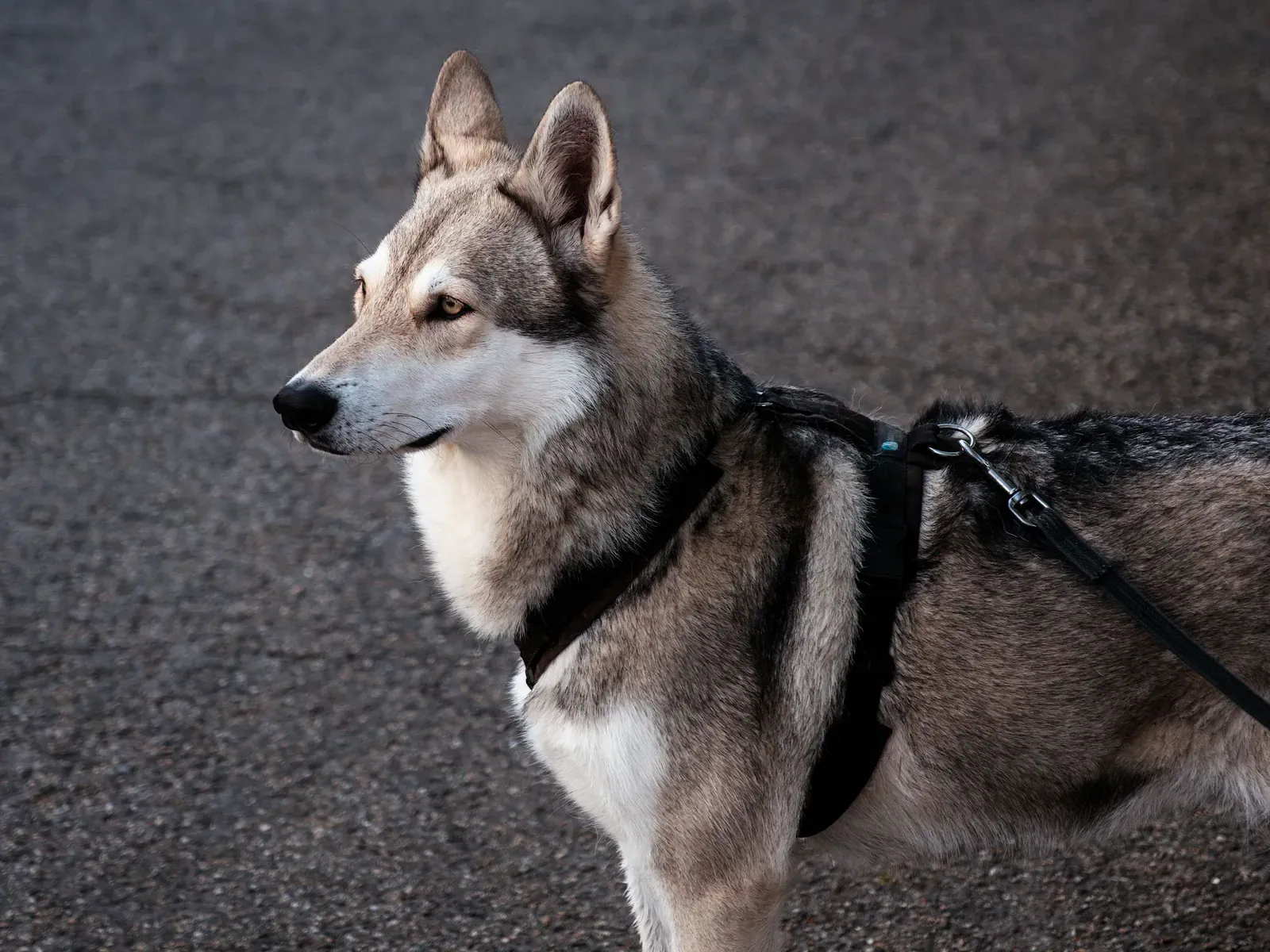
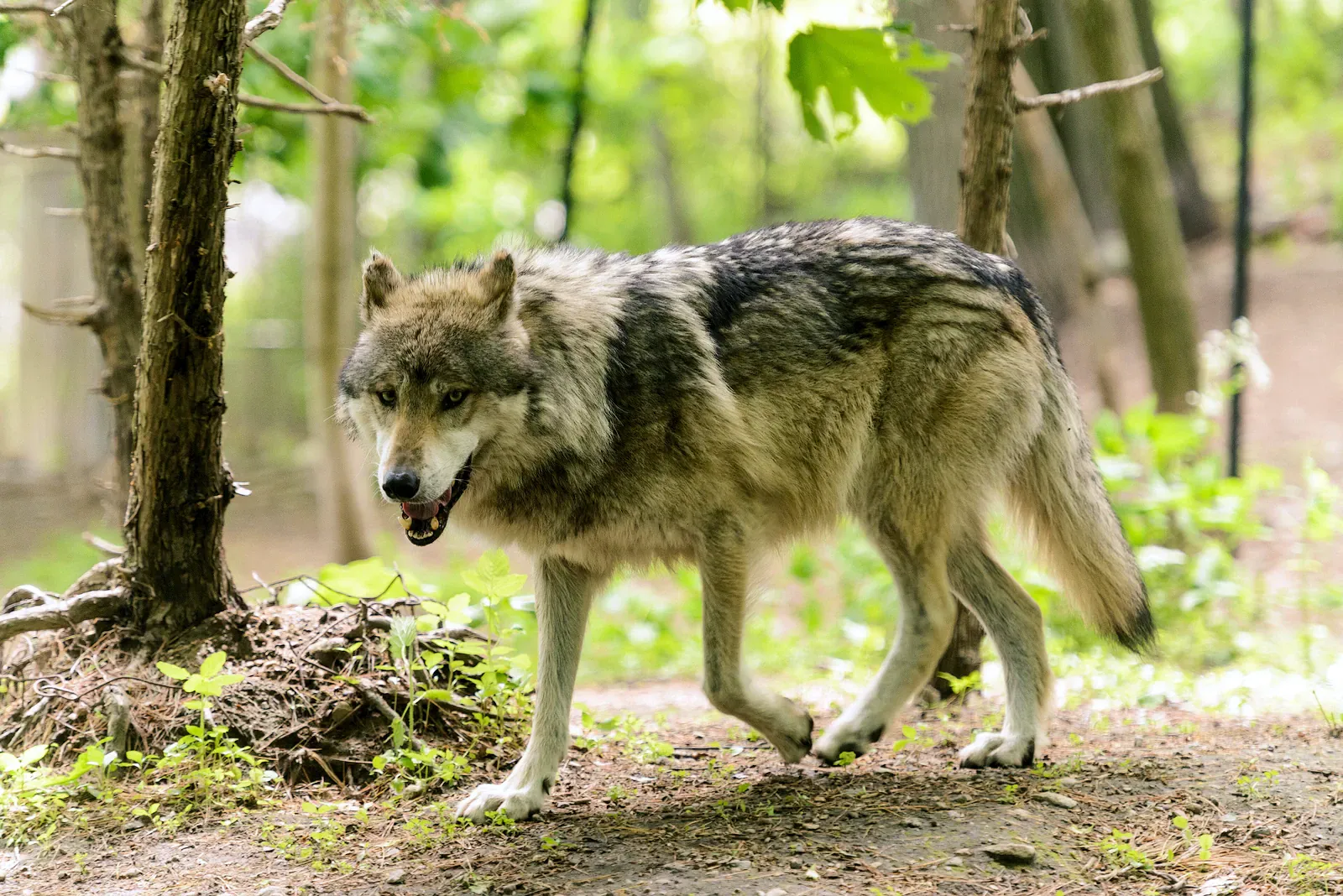
A wolfdog, also called a wolf hybrid or wolf dog hybrid, has both dog and grey wolf ancestry. The word covers two very different things. Some wolfdogs are recent crosses, with a wolf parent or grandparent. Others are established breeds that started with a few wolves decades ago and have been bred as dogs ever since.
 GuideWinter Care for Dogs: Cold, Paws, Antifreeze and IceWinter care for dogs: how cold is too cold, coats, salt and antifreeze, hypothermia, frostbite, frozen ponds, dark walks and holiday hazards.
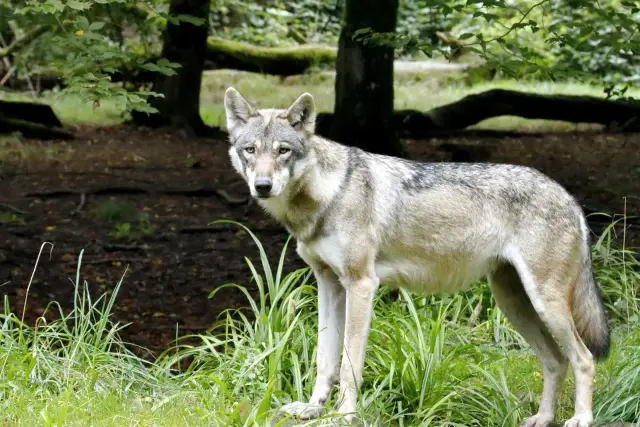
The atlas follows the first group under the Wolfdog Hybrid heading and the wild ancestor under Grey Wolf. For where all of these sit among living dogs, see the dog family tree.
Three wolfdog breeds
Three recognised or semi-recognised breeds began with deliberate dog and wolf crosses.
Czechoslovakian Wolfdog. The Czechoslovakian Wolfdog began in 1955 as an experiment in Czechoslovak military kennels. Colonel Karel Hartl and cynologist Heiri Machat crossed German Shepherds with Carpathian wolves, aiming to combine the stamina of the wolf with the trainability of the dog, partly for border patrol work. The first hybrid litter is dated to 1958 in club histories. The breed was known as the Czech Wolfdog until 1982, when it was recognised as a national breed in Czechoslovakia. Sources disagree on the year the FCI, the international kennel federation, accepted it, so this article does not give one. After Czechoslovakia split in 1993 the breed was counted as Slovak, while both countries treat it as a national breed.
Saarloos Wolfdog. The Saarloos Wolfdog comes from the Netherlands. Leendert Saarloos crossed a German Shepherd with a wolf in the 1930s, hoping to give the German Shepherd more natural vigour. A 2016 DNA study linked the breed to German Shepherds crossed with captive wolves in the 1930s. It was recognised by the FCI in 1981. By the standard descriptions it is a shy, reserved dog that bonds closely with its family and is wary of strangers.
Kunming Wolfdog. The Kunming Wolfdog is a Chinese police and working dog, developed from the 1950s in Yunnan around the city of Kunming, and formally named in 1988. Its ancestry is disputed. One account says it comes from German Shepherds mixed with local dogs and possibly wolves, while another says there is no real wolf ancestry and that "wolfdog" refers to its wolf-like look. Until genetic testing settles it, treat the Kunming Wolfdog as a wolf-looking dog with uncertain wolf content.
Wolfdogs as pets: welfare and the law
A first generation wolfdog is half wolf, and later generations may carry more or less wolf. The mix of traits is unpredictable, even inside one litter: one puppy can behave like a shy, large dog and another can be strongly wolf-like. That unpredictability is the main welfare problem.
Wolf-like animals tend to be wary of strangers, to mature slowly, to chew, dig, climb and escape, and to need far more space and social contact than most dogs. Many wolfdogs end up in rescues or are euthanised after owners discover that a home cannot meet those needs. Animal welfare groups and veterinary bodies commonly advise against keeping high-content wolfdogs as pets.
Rules differ by country and often by region inside a country. Broadly, three approaches exist:
- Some places ban wolf hybrids or treat them as wild animals.
- Some allow them with a permit, enclosure standards or a limit on wolf content or generation.
- Some regulate only the established breeds such as the Czechoslovakian Wolfdog and the Saarloos Wolfdog, and treat them as dogs.
Public health guidance in the United States notes that rabies vaccines are not licensed for use in wolf hybrids, which adds a practical risk for owners and vets. Because the rules change, check with your local animal control or wildlife authority before buying or adopting any dog sold as a wolf hybrid. Wolfdog "content" claimed by sellers is often not backed by DNA tests, so a "75 percent wolf" label should be treated sceptically.
 Save
 GuideIs your dog suited to therapy work?How to make your dog a therapy dog: temperament checklist, first training steps, how Pet Partners, TDI and Pets As Therapy assess dogs, and welfare limits.GuideWinter Care for Dogs: Cold, Paws, Antifreeze and IceWinter care for dogs: how cold is too cold, coats, salt and antifreeze, hypothermia, frostbite, frozen ponds, dark walks and holiday hazards.
Coyotes, wolves and dogs in North America
North America is the best-studied place for natural mixing between wild canids and dogs, and it has taught scientists to be careful with simple labels.
 GuideDog Grooming Competitions and Show Standards ExplainedHow breed standards shape dog grooming, from hand-stripped terriers to Poodle show clips, and how grooming competitions and creative grooming work.
What a "coydog" is
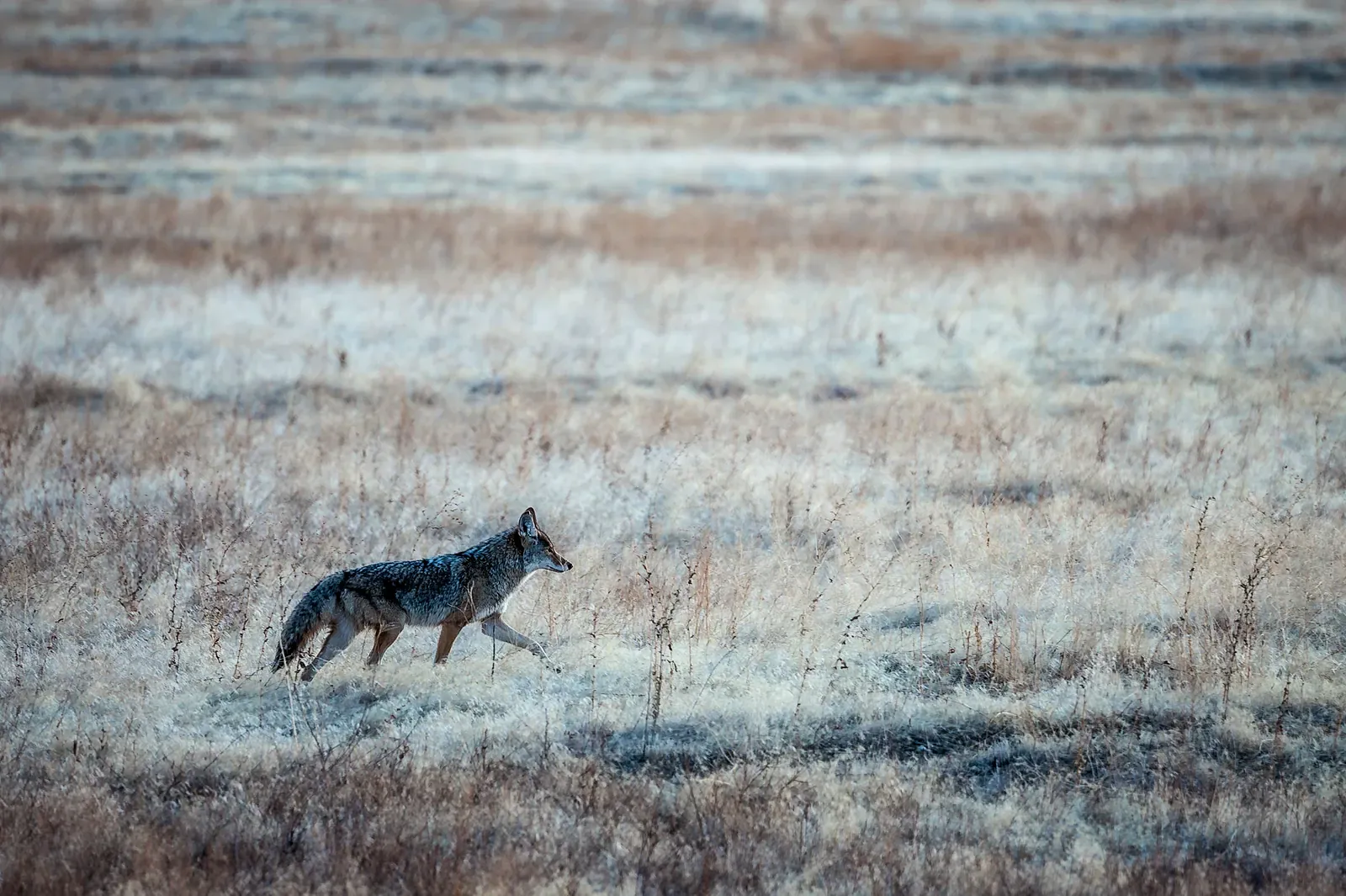
A coydog is a coyote and dog cross. Coyotes and dogs can produce young, and DNA studies have found some dog ancestry in wild coyotes, but the amount is generally small, and crosses in the wild appear rarer than popular stories suggest. If you meet a coyote-like dog in a city, DNA is the only way to tell.
Eastern coyotes, red wolves and eastern wolves
The more important story is that coyotes and wolves have interbred for a long time. Evolutionary geneticist Bridgett vonHoldt and colleagues sequenced whole genomes of North American canids and reported that the red wolf and the eastern wolf are both admixtures of the coyote and the grey wolf, rather than fully separate lineages. Published figures for the exact share differ between papers and news summaries, so no single percentage is quoted here.
The same Princeton group, led by Heppenheimer and vonHoldt, reported in 2018 in the journal Genes that canids on Galveston Island, Texas, carried "ghost alleles" of the red wolf. Ghost alleles are gene variants that survive in wild animals but have been lost from the captive breeding population. The red wolf went extinct in the wild along the Gulf Coast around 1980, and the authors argued that these Gulf Coast canids hold genetic variation that conservation breeding programmes should consider preserving.
A 2016 analysis by Way and Lynn estimated that a typical coyote in the north-eastern United States has roughly 60 percent coyote ancestry, 30 percent wolf and 10 percent dog, and tied the mixing to events nearly a century ago. Other studies of eastern coyotes also report varying levels of wolf and dog ancestry in all sampled animals. The takeaway: many "coyotes" in eastern North America already carry both wolf and a little dog DNA, which is part of why they are larger than western coyotes.
 Save
 GuideHow to calm a reactive dogHow to calm a reactive dog: why dogs bark and lunge, what to do in the moment, a step-by-step training plan, what to avoid and when to get help.GuideDog Grooming Competitions and Show Standards ExplainedHow breed standards shape dog grooming, from hand-stripped terriers to Poodle show clips, and how grooming competitions and creative grooming work.
Golden jackal and dog hybrids in Europe
The golden jackal (Canis aureus) is spreading north and west through south-eastern and central Europe. Jackals and dogs share the 78 chromosome count, and for a long time people reported jackal-looking animals among village dogs without proof.
 GuideBest dog breeds for familiesBest dog breeds for families, small homes, allergies, first-time owners and seniors, ranked from our breed ratings, with honest limits and a table.
In 2015 a research group led by Ana Galov, from Croatia, published the first genetic evidence of hybridisation between golden jackals and domestic dogs in the journal Royal Society Open Science. They looked at three wild-living canids with unusual looks, using 15 autosomal microsatellite markers, three immune system (MHC) loci, a mitochondrial DNA region and a Y-chromosome marker. The results showed that the animals were jackal and dog hybrids. Two of the three were backcrosses, one to a jackal and one to a dog, which means the first-generation hybrids had been fertile. A black coat in one animal came from a dog-derived gene variant at the K locus, which is a coat colour gene that is not found in reference jackals.
A later study reported jackal and dog hybridisation in Kerala, India, where hybrids shared maternal DNA types with jackals. Overall, the picture is the same as for wolves and coyotes: hybrids are possible and fertile but happen at the edges, where wild animals and free-roaming dogs meet.
The Sulimov dog
The best-known deliberate jackal and dog cross is the Sulimov dog, named after Klim Sulimov. According to published accounts he began mating northern dogs, reported as huskies, with golden jackals in 1975, while working with the Russian police. The aim was a dog with a jackal's sense of smell and a northern dog's tolerance of cold. The first-generation hybrids were hard to train, so they were bred back to dogs, and Laika and other breeds were added to make the line easier to handle.
The dogs became known through their work at Moscow's Sheremetyevo airport, where Aeroflot's dog service has used them to detect explosives since about 2001 or 2002. They are small enough to search aircraft cabins without alarming passengers. In December 2018 Aeroflot registered the line under the name Shalaika with the Russian Cynological Federation, which is why Sulimov dog is now the older name. Sources disagree on how many exist, with figures from about 40 to about 50, and descriptions of the parent stock vary between a 2018 company statement, which mentions Turkmen golden jackals and two Laikas, and earlier press accounts. A company press release is not an independent source, so details of the breeding history should be read with caution.
 ArticleDog Breed Family Tree: How All Dog Breeds Are RelatedThe dog breed family tree from Ice Age wolves to 29 breed families.GuideBest dog breeds for familiesBest dog breeds for families, small homes, allergies, first-time owners and seniors, ranked from our breed ratings, with honest limits and a table.
Dog and fox crosses: the case of Dogxim
Every few years a story appears of a "dog fox hybrid". Until 2023 none had been confirmed by DNA. The first came from southern Brazil.
 GuideDog Breeds by Country: Which Nations Made the Most?Dog breeds by country: how many breeds each nation produced in the Dogs Atlas data, from the UK and France to Japan, plus national dogs and families.
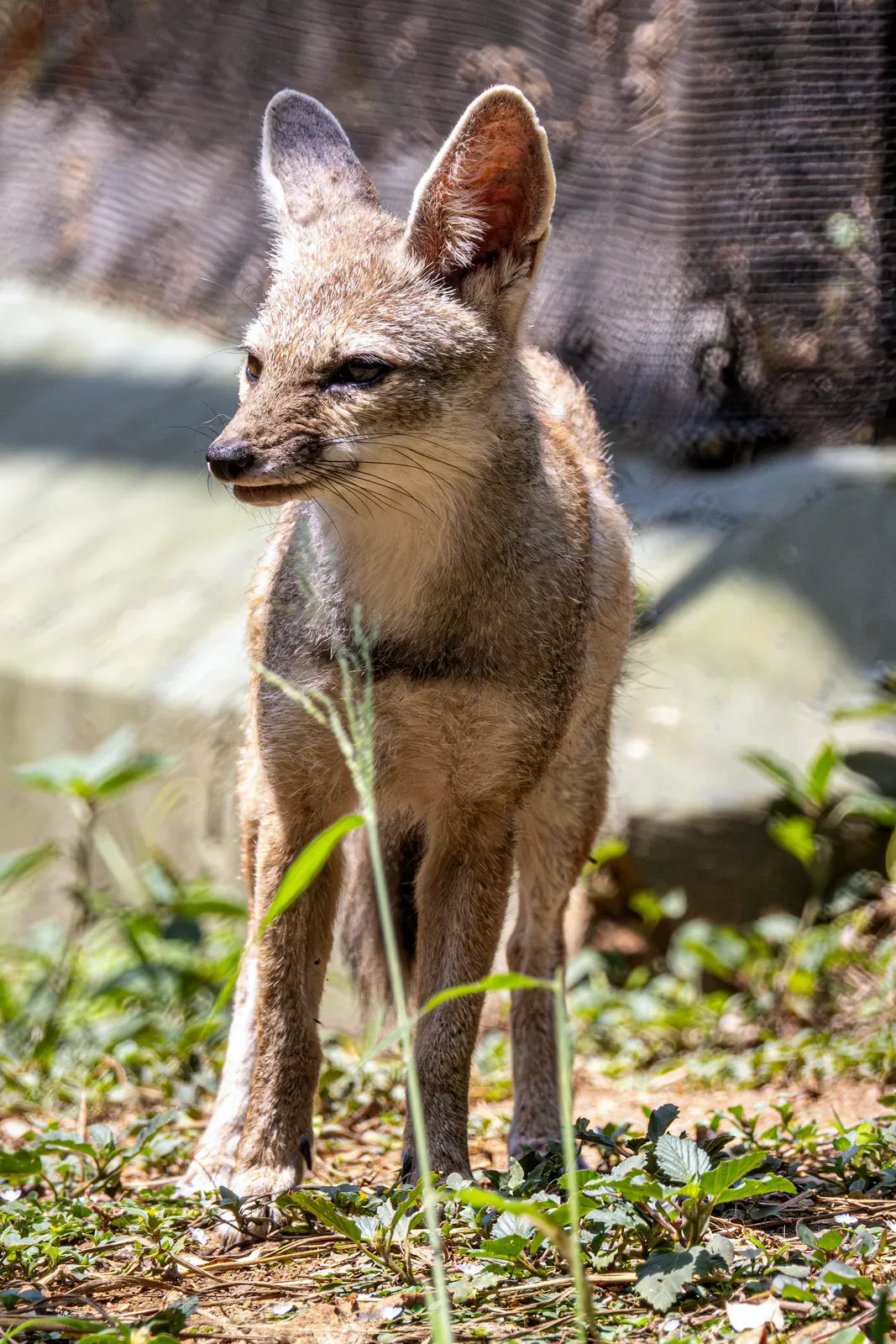
In 2021 a small injured animal was found after a road accident in Vacaria, Rio Grande do Sul. It barked like a dog, had long pointed ears, climbed into bushes, and preferred to eat rodents. Her carers called her Dogxim. A team led by Bruna Szynwelski, with Rafael Kretschmer and Thales de Freitas, studied her cells and published the results in the journal Animals on 3 August 2023.
Three findings made the case:
- She had 76 chromosomes. A dog has 78 and a pampas fox has 74, so a cross of the two would give 76.
- The maned wolf also has 76, but it looks very different, and the authors ruled it out.
- Mitochondrial DNA, which comes from the mother, matched a pampas fox. Her nuclear DNA showed a mix of both. The likely parents were a female pampas fox and a male dog.
There are a few cautions. The pampas fox (Lycalopex gymnocercus) is a South American canid and not a true fox of the genus Vulpes, so "dog fox hybrid" is a loose label. The two parents come from different genera, Canis and Lycalopex, which makes the cross more surprising than a wolf, coyote or jackal cross. Dogxim died some months after the study, before more could be learned. Her fertility was never tested, and one animal does not show that such hybrids form a population. For a red fox, which is a Vulpes, no verified cross with a dog is known.
 Save
 GuideBanned and restricted dog breeds by countryWhich dog breeds are banned or restricted, country by country: UK, Ireland, France, Germany, Denmark, Norway, Spain, Australia and more.GuideDog Breeds by Country: Which Nations Made the Most?Dog breeds by country: how many breeds each nation produced in the Dogs Atlas data, from the UK and France to Japan, plus national dogs and families.
Ancient gene flow between dogs and wolves
Hybridisation is not only a modern curiosity. It is part of how dogs came to be.
 ArticleThe first known dog on every continentEarliest accepted dog on each continent, from Bonn-Oberkassel to the dingo: dates, sites, how dogs arrived and which breeds carry those first dogs.
Early studies of dog origins often treated wolves and dogs as separate lineages, but DNA from ancient animals shows more mixing. In 2022 Anders Bergström, Pontus Skoglund and colleagues published a study in the journal Nature called "Grey wolf genomic history reveals a dual ancestry of dogs". They analysed 72 ancient wolf genomes covering the last 100,000 years from Europe, Siberia and North America. They found that wolf populations were highly connected in the Late Pleistocene, with far less difference between regions than today.
For dogs, the main result is that they are overall closer to ancient wolves from eastern Eurasia than from western Eurasia, which points to a domestication in the east. But dogs from the Near East and Africa derive up to about half of their ancestry from a second wolf population, related to modern south-west Eurasian wolves. This could mean a separate domestication or that early dogs mixed with local wolves. The authors found no ancient wolf genome that matches either dog ancestry, so the source populations have not yet been found.
Wolf and dog gene flow continues in places today, in both directions, and it complicates any simple statement that dogs are descended from "the wolf" in a single event. It also helps to explain why the line between a village dog with some wolf ancestry and a wolf-like breed is blurry. The dog family tree shows how breed families relate to the early wolf-like dogs.
 GuideDogs of Japan: the native breeds and their storiesJapanese dog breeds explained: the six Nihon Ken, the Chin, Tosa, Japanese Spitz and Terrier, Hachiko, wartime near-extinction, DNA and who they suit.ArticleThe first known dog on every continentEarliest accepted dog on each continent, from Bonn-Oberkassel to the dingo: dates, sites, how dogs arrived and which breeds carry those first dogs.
Myths and fakes
Dog and cat hybrids. Impossible. Cats and dogs are in different families, with entirely different chromosome numbers, and they diverged tens of millions of years ago. Photos labelled "cogs" are fake or show an unusual cat or dog.
 GuideDogs in myth around the worldFrom Anubis and Cerberus to Fenrir, Xolotl and the Tiangou: how cultures across the world imagined dogs as guardians, guides and monsters.
Dog and fox hybrids as pets. Fox-like dogs are ordinary dogs, usually spitz-type breeds, not hybrids. Dogxim remains the only confirmed case, and it was a pampas fox.
Dog and hyena, bear or raccoon crosses. These do not happen, for the same reason: too far apart.
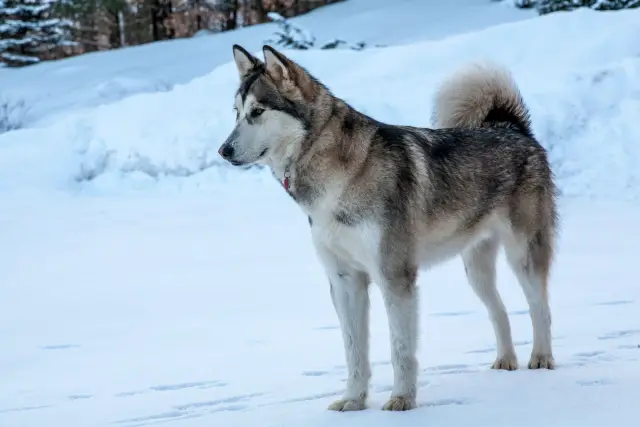
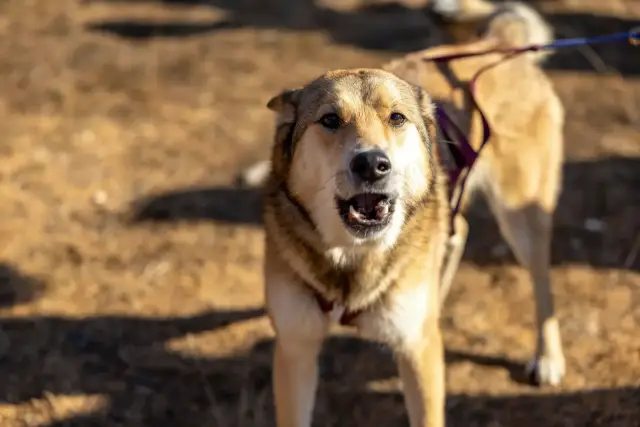
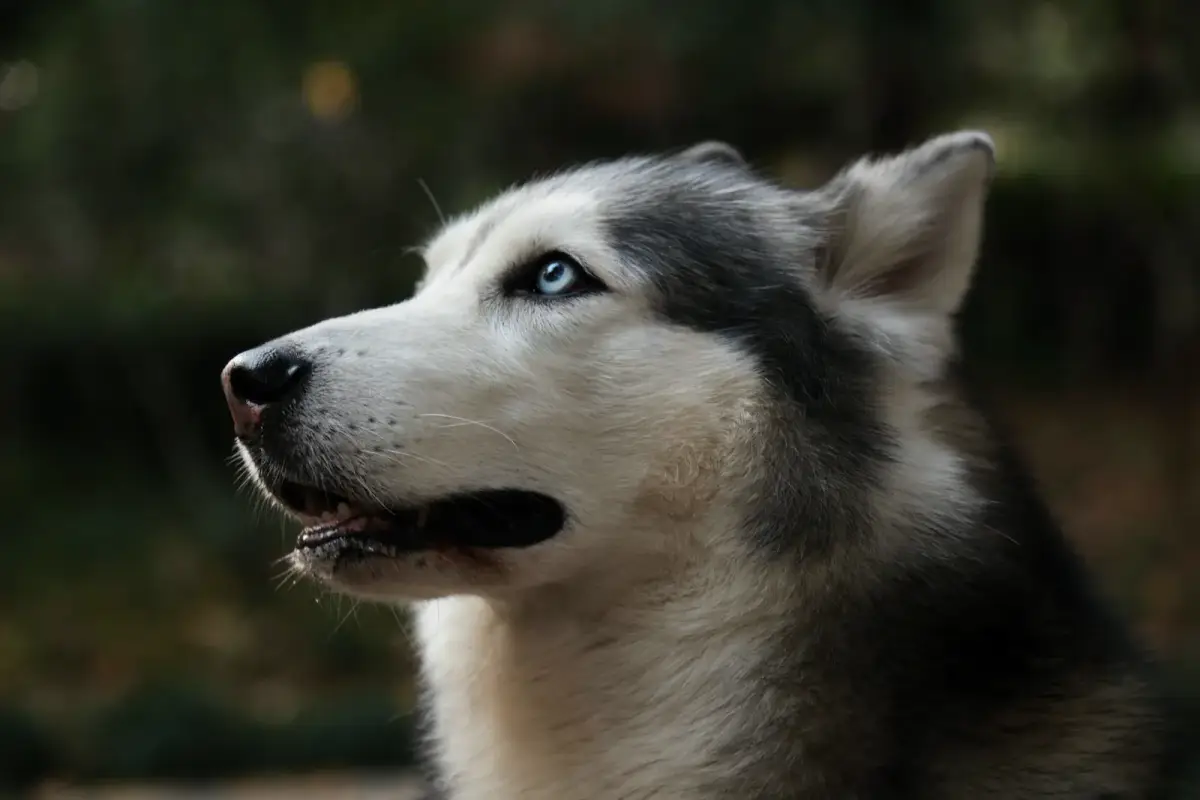
"My husky is half wolf." Huskies and malamutes are dogs. Their wolf-like look comes from shared ancient ancestry, not a recent wolf parent.
"Wolfdog content as a percentage." A claim like "87.5 percent wolf" cannot be judged by looks. Breeders use percentages that follow from pedigree, not from DNA, and pedigree records for wolfdogs are often unreliable. Only a DNA test, and a good one, can say more.
"Hybrids are always healthier." A wolf cross does not make a dog easier or healthier to keep. Wolf-like traits often make a dog harder to live with.
 Save
 Save
 GuideSmartest dog breeds: what the rankings measure and what they missCoren's smartest dog breeds list, what it measured, what newer dog cognition research says, three kinds of dog intelligence and why smart dogs need work.GuideDogs in myth around the worldFrom Anubis and Cerberus to Fenrir, Xolotl and the Tiangou: how cultures across the world imagined dogs as guardians, guides and monsters.
Frequently asked questions
Can dogs breed with wolves?
Yes. They share 78 chromosomes, and the young are fertile. The Czechoslovakian Wolfdog, the Saarloos Wolfdog and a number of wolf hybrid pets began this way. Wild wolves and free-roaming dogs also cross occasionally.
Can dogs breed with coyotes?
Yes, and DNA studies have found some dog ancestry in wild coyotes. Crosses in the wild appear less frequent than the "coydog" idea suggests.
Can dogs breed with foxes?
For true foxes such as the red fox, no verified case exists. The 2023 Dogxim case involved a pampas fox, which is a different genus from the red fox, and it remains a single documented animal.
Can dogs breed with jackals?
Yes. A 2015 study by Galov and colleagues confirmed golden jackal and dog hybrids, including backcrosses, so they were fertile. The Sulimov dog (Shalaika) was bred from jackals and northern dogs for explosives detection.
What is the difference between a wolfdog and a Czechoslovakian Wolfdog?
A "wolfdog" is any dog with wolf ancestry, often a recent cross. The Czechoslovakian Wolfdog is a recognised breed that began in the 1950s and has been bred as a dog for many generations, with a standard and a pedigree system.
Is a wolfdog a good pet?
For most households, no. Recent, high-wolf-content animals are unpredictable, hard to contain and often need more space and social contact than owners can give. The established breeds are dogs, but still need experienced owners who understand a reserved, active working dog. Check local laws first.
Is it legal to own a wolfdog?
It depends on where you live. Some places ban hybrids, some require permits, and some regulate only by wolf content or generation. Ask your local animal control or wildlife agency.
Is a dog a wolf?
Genetically, a dog is a domesticated descendant of grey wolves and is usually classed as a subspecies of the grey wolf. In behaviour and care, they are very different animals.
Can a dog and a cat have babies?
No. They are in different families and cannot interbreed.
Read next
 Family storyGrey wolfRead the family's story: origins, members, DNA
 Family storyWolfdog HybridRead the family's story: origins, members, DNA
 GuideDogs in science and spaceSpace dogs Laika, Belka and Strelka, Pavlov's dogs, Snuppy the clone, the dog genome and scent detection: what dogs did for science, and what it cost them.
Sources (9)
- Szynwelski B., Kretschmer R., de Freitas T.R.O. and colleagues (2023). Dogxim, the dog and Pampas fox hybrid. Animals, 3 August 2023.
- Galov A. and colleagues (2015). First evidence of hybridization between golden jackal (Canis aureus) and domestic dog (Canis familiaris) as revealed by genetic markers. Royal Society Open Science, 2(12).
- Bergström A., Skoglund P. and colleagues (2022). Grey wolf genomic history reveals a dual ancestry of dogs. Nature, 607, 313 to 320.
- vonHoldt B.M. and colleagues, genome analyses of North American wolves and coyotes (red wolf and eastern wolf as coyote and grey wolf admixtures).
- Heppenheimer E., vonHoldt B.M. and colleagues (2018). Rediscovery of red wolf ghost alleles in a canid population along the American Gulf Coast. Genes, 9(12), 618.
- Way J.G. and Lynn W.S. (2016), on the ancestry of north-eastern coyotes.
- 2016 DNA study of the Saarloos Wolfdog; national club histories of the Czechoslovakian Wolfdog; FCI breed records.
- Aeroflot press release on the Shalaika breed (December 2018) and press accounts of Klim Sulimov's breeding programme.
- Dogs Atlas knowledge base: breed and family files for the wolfdog breeds and the grey wolf.