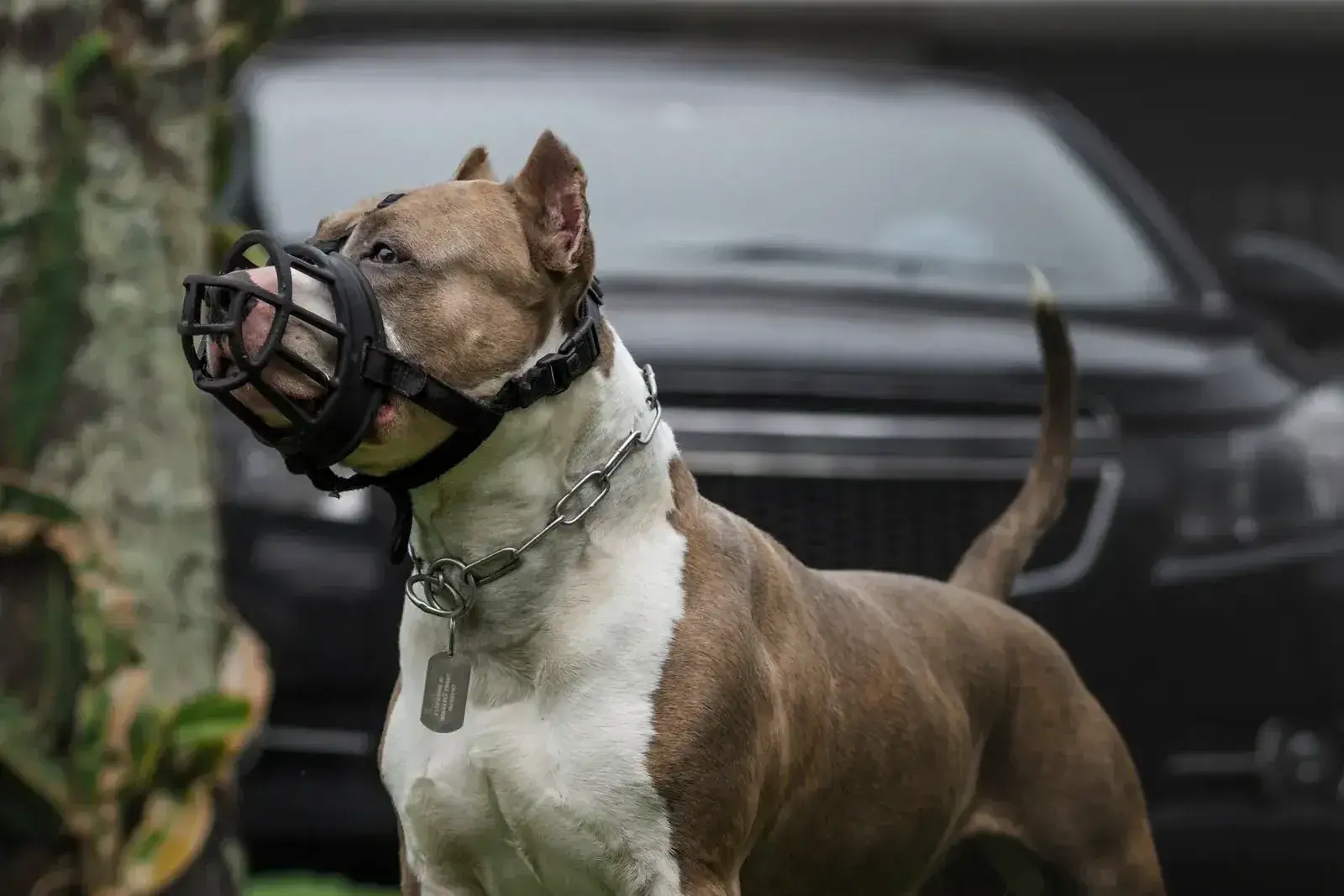
Some ban the dogs outright. Others allow them, but only with a licence, a muzzle, insurance or a temperament test. A few countries tried breed bans and dropped them. The rules are set by national law, by states, cantons or provinces, and sometimes by a single city, so two neighbours can face different rules.
This guide explains how breed-specific legislation (BSL) works, then goes country by country: what the law says, which breeds it names, and what owners must do. It also sets out the evidence for and against bans, with the named studies. Laws change, and every row below is dated to 2026 sources. Check your national, state and city rules before you buy, import or travel with a dog. Costs of dog tax and compulsory insurance are covered in our guide to dog laws by country.
Not legal advice. This guide is general information. Laws change, so check the official source for your country or city before you buy, import or travel. Rules last checked in October 2026.
What breed-specific legislation means
BSL is any law that treats dogs differently because of their breed or their look. It comes in three main forms.
 GuideDogs of Japan: the native breeds and their storiesJapanese dog breeds explained: the six Nihon Ken, the Chin, Tosa, Japanese Spitz and Terrier, Hachiko, wartime near-extinction, DNA and who they suit.
- Ban. Owning, breeding, selling or importing the dog is illegal. Some bans exempt dogs that were owned before the law came in, usually with registration, neutering and a muzzle.
- Restriction. The dog is legal, but the owner needs a licence, a permit or insurance, and the dog must be muzzled or on a short lead in public.
- Listing with a way out. Some places list breeds as presumed dangerous, then let the owner prove the individual dog is safe with a behaviour test. Several German states work this way.
Two other points matter. First, many laws cover crossbreeds and look-alikes, not just registered purebreds. The UK law, for example, judges a dog by its physical type, not its papers. Second, the same breed can be banned in one country and required to wear a muzzle in another, and in a third have no rule at all. The lists below are not a ranking of dangerous breeds. They show what lawmakers decided at a given time, often after a single widely reported attack.
 GuideDog laws by country: tax, insurance and licencesDog tax, compulsory liability insurance, licences, microchips and leash rules in Germany, Austria, Switzerland, Spain, Ireland, the UK, the US and more.GuideDogs of Japan: the native breeds and their storiesJapanese dog breeds explained: the six Nihon Ken, the Chin, Tosa, Japanese Spitz and Terrier, Hachiko, wartime near-extinction, DNA and who they suit.
Banned and restricted dog breeds by country
The table gives the short version. The sections after it add detail on the countries where owners most often ask questions.
 GuideMy Dog Is Coughing: Causes and When to See a VetDog coughing, honking or hacking? Emergency signs, kennel cough, collapsing trachea, heart cough, what to do at home and when to see a vet.
| Country or region | Approach | Breeds named | Year of the main law |
|---|---|---|---|
| United Kingdom (England and Wales) | Ban, with exemption certificates | Pit Bull Terrier type, Japanese Tosa, Dogo Argentino, Fila Brasileiro, XL Bully type | 1991; XL Bully 2023 to 2024 |
| Ireland | Restricted breeds | About a dozen breeds, including the Rottweiler, American Pit Bull Terrier and Staffordshire Bull Terrier | 1998 |
| France | Two categories, licence needed | Category 1 pit-bull type; category 2 includes the American Staffordshire Terrier, Rottweiler and Tosa | 1999, permit from 2010 |
| Germany | Federal import ban plus state lists | Pit Bull Terrier, American Staffordshire Terrier, Staffordshire Bull Terrier, Bull Terrier, plus state additions | 2001 |
| Denmark | Ban | 13 breeds, including crosses | 2010 |
| Norway | Ban | 6 breeds, including crosses | Dog Regulation, reviewed 2024 by Mattilsynet |
| Spain | Licence and insurance | Pit Bull, Staffordshire types, Rottweiler, Dogo Argentino, Fila Brasileiro, Tosa Inu, Akita Inu | 2002 |
| Italy | No breed list | None | 2009 |
| Netherlands | Ban repealed | None now | 1993, repealed 2008 |
| Switzerland | Cantonal rules | Varies by canton | Varies |
| Ontario, Canada | Ban on pit bulls | Pit bull type, with several named breeds | 2005 |
| United States | No national law; city and county rules; many states block them | Varies | Varies |
| Australia | Federal import ban; state rules | Five import-banned breeds | 1956 regulations |
| New Zealand | Import ban and menacing classification | Listed breeds in Schedule 4 | 1996 |
 GuideDog Clothes: When Dogs Need Coats, and a Short History of Dog FashionDo dogs need coats in winter? When clothes help, when costumes stress a dog, safe fit, reflective gear, and a short history of dog fashion and dog art.GuideMy Dog Is Coughing: Causes and When to See a VetDog coughing, honking or hacking? Emergency signs, kennel cough, collapsing trachea, heart cough, what to do at home and when to see a vet.
United Kingdom
The Dangerous Dogs Act 1991 is the best-known breed law. Section 1 bans the Pit Bull Terrier type and the Japanese Tosa. The Dangerous Dogs (Designated Types) Order 1991 adds the Dogo Argentino and Fila Brasileiro. Owning, breeding, selling, exchanging or abandoning one is an offence unless the dog is on the Index of Exempted Dogs. The 1997 amendment removed mandatory destruction and let courts consider exemption.
 GuideDogs in science and spaceSpace dogs Laika, Belka and Strelka, Pavlov's dogs, Snuppy the clone, the dog genome and scent detection: what dogs did for science, and what it cost them.
The law goes by type. A court decides whether a dog is a banned type from its build and features, not from its name or pedigree. That is why the Kennel Club and the Dog Control Coalition, which includes the RSPCA and Dogs Trust, criticise it and campaign for "deed, not breed". The American Pit Bull Terrier and Dogo Argentino are the breeds most affected. The Staffordshire Bull Terrier, Cane Corso and Rottweiler are not on the list, though any dog can be prosecuted if it is dangerously out of control.
The XL Bully rules
 Save
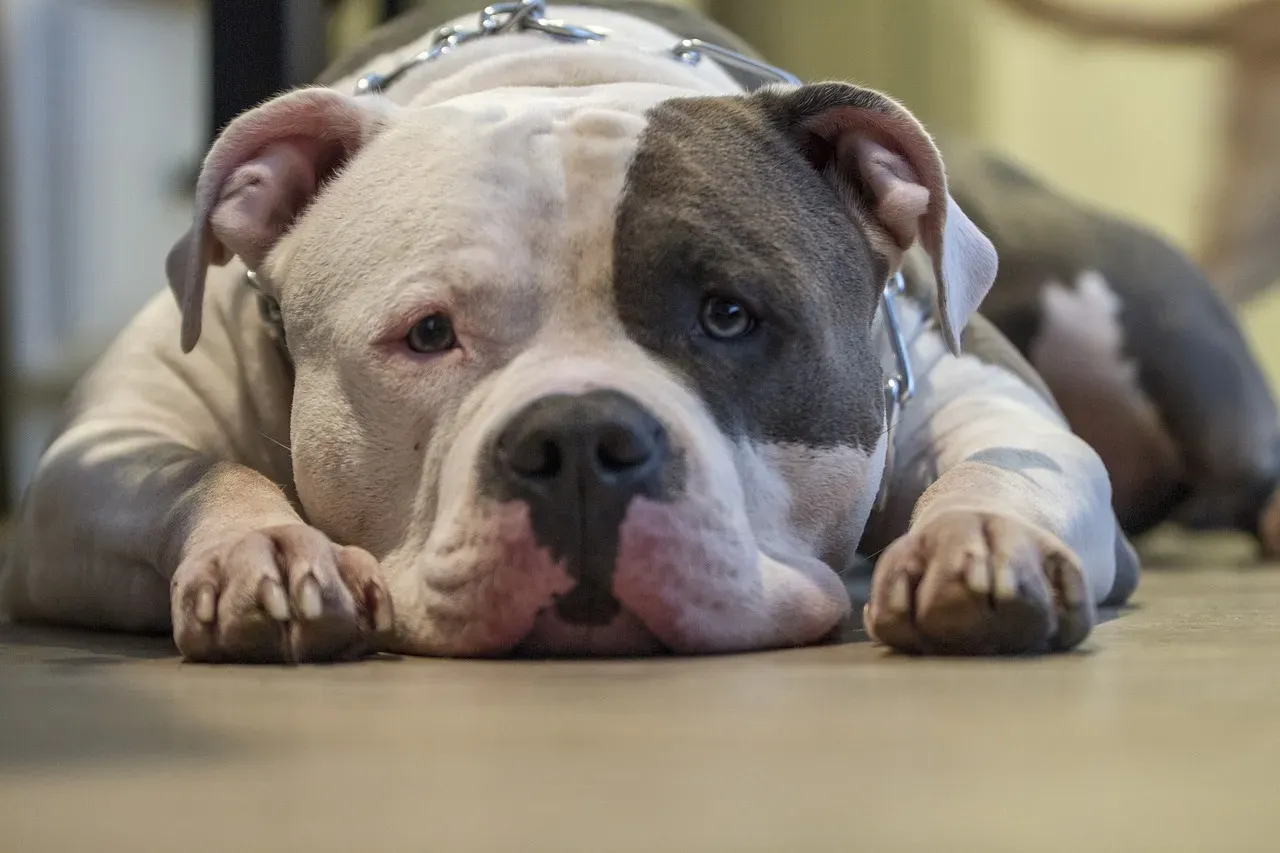
England and Wales added the American XL Bully type to the Act by an order in late 2023. The timeline:
- 31 December 2023. It became illegal to breed, sell, advertise, exchange, gift, rehome or abandon an XL Bully type, and owners had to keep the dog on a lead and muzzled in public.
- 1 February 2024. Owning an XL Bully type without a Certificate of Exemption became a criminal offence. The exemption needed registration, neutering, microchipping and insurance.
There is no breed standard for "XL Bully" in the law. It uses a physical definition with a minimum height and a list of body features, so a dog need not match every point to be caught. Scotland and Northern Ireland set their own dates and details, so owners there should check current rules. The American Bully guide covers the history and the arguments in full. In January 2025 the National Police Chiefs' Council said it had not yet seen evidence of fewer dog attacks after the ban. Many things changed at once, so early figures do not show whether the rules worked.
 GuideDog Breeds by Country: Which Nations Made the Most?Dog breeds by country: how many breeds each nation produced in the Dogs Atlas data, from the UK and France to Japan, plus national dogs and families.GuideDogs in science and spaceSpace dogs Laika, Belka and Strelka, Pavlov's dogs, Snuppy the clone, the dog genome and scent detection: what dogs did for science, and what it cost them.
Ireland
The Control of Dogs Regulations 1998 list restricted breeds. They include the American Pit Bull Terrier, Rottweiler, Staffordshire Bull Terrier, Bull Terrier, Dobermann, German Shepherd, Rhodesian Ridgeback, Japanese Akita, Japanese Tosa, Bandog and Bullmastiff, and crosses of these. In public, a restricted breed must be muzzled and held on a strong lead no more than 2 metres long by a person aged 16 or over. The dogs are legal to own. Ireland added the XL Bully in two steps: from 1 October 2024 importing, breeding, selling and rehoming one became illegal, and from 1 February 2025 owners need a certificate of exemption to keep one. Several of these are breeds that other countries do not regulate at all, for example the German Shepherd, Dobermann and Rhodesian Ridgeback.
 GuideMy Dog Is Vomiting: Causes and What to DoDog throwing up? Vomiting vs regurgitation, emergency signs like bloat, common causes, safe home care, what not to do, and when to see a vet.
 GuideMy Dog Injured His Paw: First Aid and When to See a VetDog paw injury: cut pads, torn nails, grass seeds, hot pavement burns and limping.GuideMy Dog Is Vomiting: Causes and What to DoDog throwing up? Vomiting vs regurgitation, emergency signs like bloat, common causes, safe home care, what not to do, and when to see a vet.
France
France sorts dogs into two categories under a 1999 law, with a permit system added in 2008 and in force from 2010.
 GuideHow to adopt a dog from a shelter or rescueHow to adopt a dog from a shelter or rescue: the process, costs in general terms, choosing a dog, the first weeks and what if it does not work out.
- Category 1. "Attack dogs" of pit-bull type that have no pedigree registration. They cannot be sold, bought or imported. Dogs already owned before the law must be registered, sterilised and muzzled.
- Category 2. "Guard and defence dogs", including the American Staffordshire Terrier, the Rottweiler, the Tosa and Rottweiler-type dogs. The Staffordshire Bull Terrier is not in this category.
Owners of both categories need a permit from the town hall. The ministry of agriculture lists the conditions: a 7-hour training course, a behaviour evaluation by an approved vet, and papers showing identification, rabies vaccination and liability insurance. Without a permit, the penalty can reach 3 months in prison and a fine of 3,750 euros. On the road or in public places, both categories must be muzzled and leashed.
 GuideTicks and fleas on dogs: how to check, remove and prevent themTicks and fleas on dogs: how to tell them apart, check your dog, remove a tick safely, break the flea life cycle and prevent both.GuideHow to adopt a dog from a shelter or rescueHow to adopt a dog from a shelter or rescue: the process, costs in general terms, choosing a dog, the first weeks and what if it does not work out.
Germany
Germany's rules sit on two levels. The federal Hundeverbringungs- und -einfuhrbeschraenkungsgesetz of 2001 bans bringing the Pit Bull Terrier, American Staffordshire Terrier, Staffordshire Bull Terrier and Bull Terrier, and their crosses, into the country. It also lets states add breeds, and a dog may not be imported into a state that presumes it dangerous. The law followed a fatal attack in Hamburg in 2000.
 GuideDog Pregnancy: Length, Signs and Week by WeekHow long dogs are pregnant, signs of pregnancy, a week by week table, giving birth, false pregnancy and when to call a vet.
Each of the 16 states then has its own dog law. Some keep a list of breeds presumed dangerous, often called "Listenhunde". Some states let an owner prove the individual dog is safe with a behaviour test, and others drop breed lists entirely. A consumer guide reports that Schleswig-Holstein, Thuringia, Mecklenburg-Vorpommern, Brandenburg and Lower Saxony have no breed list. Cities can add rules, so a dog allowed in one town may need a licence in the next. The American Staffordshire Terrier and Staffordshire Bull Terrier are the main breeds affected, while the Rottweiler is listed in some states only. Higher dog tax for listed dogs is covered in our dog laws by country guide.
 GuideBest dog breeds for familiesBest dog breeds for families, small homes, allergies, first-time owners and seniors, ranked from our breed ratings, with honest limits and a table.GuideDog Pregnancy: Length, Signs and Week by WeekHow long dogs are pregnant, signs of pregnancy, a week by week table, giving birth, false pregnancy and when to call a vet.
Denmark and Norway
Denmark. The Danish Act on Dogs bans keeping and breeding 13 breeds, including crossbreeds, since 2010. The Danish Veterinary and Food Administration lists them as the Pit Bull Terrier, Tosa Inu, American Staffordshire Terrier, Fila Brasileiro, Dogo Argentino, American Bulldog, Boerboel, Kangal, Central Asian Shepherd Dog, Caucasian Shepherd Dog, South Russian Shepherd Dog, Tornjak and Sarplaninac. Tourists may not bring these dogs in, although transit is allowed. Parliament reviewed the ban in 2013 and kept it unchanged. A news report at the time noted that eight of the 13 breeds had no recorded attacks in Denmark. Breeds of this kind from our library include the Boerboel, Kangal Shepherd Dog, Central Asian Shepherd Dog and Caucasian Shepherd Dog. The Rottweiler and Dobermann are not on the list.
 GuideDogs in myth around the worldFrom Anubis and Cerberus to Fenrir, Xolotl and the Tiangou: how cultures across the world imagined dogs as guardians, guides and monsters.
Norway. The Norwegian Food Safety Authority (Mattilsynet) lists six banned breeds: the Pit Bull Terrier, American Staffordshire Terrier, Fila Brasileiro, Tosa Inu, Dogo Argentino and Czechoslovakian Wolfdog. The ban covers crossbreeds with any share of these breeds, and breeding and importing are illegal. Separately, it is illegal to own dogs trained to attack or defend against people or dogs, whatever the breed. The Czechoslovakian Wolfdog is the unusual name here. Police may take a dog into custody that is held, bred or imported against the rules.
 GuideDog hybrids: what dogs can and cannot breed withCan dogs breed with wolves, coyotes, jackals or foxes? Wolfdogs, coydogs, the Sulimov dog and Dogxim explained, with chromosomes and DNA studies.GuideDogs in myth around the worldFrom Anubis and Cerberus to Fenrir, Xolotl and the Tiangou: how cultures across the world imagined dogs as guardians, guides and monsters.
Spain and Italy
Spain. The Real Decreto 287/2002, which applies the 1999 law on potentially dangerous animals, names breeds whose owners need a licence from the town hall. They include the Pit Bull Terrier, Staffordshire types, Rottweiler, Dogo Argentino, Fila Brasileiro, Tosa Inu and Akita Inu, and crosses with the main traits of those breeds. The licence needs proof of physical and psychological fitness and liability insurance with minimum cover of 120,000 euros. In public the dog must be on a lead and muzzled. Regions and towns can add stricter rules.
 GuideMale vs Female Dogs: Differences, Myths and NeuteringMale vs female dogs: what research says about size, trainability and affection, marking, mounting, roaming, and the spay or neuter timing decision.
Italy. Italy moved the other way. A ministerial ordinance of March 2009 scrapped the blacklist of 17 breeds that had included the Rottweiler and the pit bull, and put responsibility on owners instead. Later ordinances, including one dated 6 August 2013, kept that breed-neutral approach, and a dog owner must make sure the dog behaves around people and other animals. Check the current ordinance, since these were extended by later orders.
 ArticleDog Breed Family Tree: How All Dog Breeds Are RelatedThe dog breed family tree from Ice Age wolves to 29 breed families.GuideMale vs Female Dogs: Differences, Myths and NeuteringMale vs female dogs: what research says about size, trainability and affection, marking, mounting, roaming, and the spay or neuter timing decision.
Netherlands and Switzerland
The Netherlands banned pit bull type dogs in 1993 after fatal bites on children. In June 2008 the agriculture minister, Gerda Verburg, announced the end of the ban because it had not reduced bite incidents, and said dogs should be judged by behaviour. The Cornelissen and Hopster study of 2010 in The Veterinary Journal, which used Dutch data, concluded the law had not protected people from bites in a meaningful way.
 ArticleThe first known dog on every continentEarliest accepted dog on each continent, from Bonn-Oberkassel to the dingo: dates, sites, how dogs arrived and which breeds carry those first dogs.
Switzerland has no national breed law. A national dog law failed in 2010, so each of the 26 cantons decides. Valais acted first after a fatal attack, banning certain breeds. Geneva restricts ownership of several breeds. Basel-City requires a permit for restricted breeds without banning any. St. Gallen chose not to use breed permits or bans in its new law. One animal-welfare group reports that 13 cantons keep a list. For any Swiss move, read the law of your own canton.
 GuideIs your dog suited to therapy work?How to make your dog a therapy dog: temperament checklist, first training steps, how Pet Partners, TDI and Pets As Therapy assess dogs, and welfare limits.ArticleThe first known dog on every continentEarliest accepted dog on each continent, from Bonn-Oberkassel to the dingo: dates, sites, how dogs arrived and which breeds carry those first dogs.
Canada and the United States
Ontario. A 2005 amendment to the Dog Owners' Liability Act bans owning, breeding, importing and transferring pit bulls. That covers the American Pit Bull Terrier, American Staffordshire Terrier, Staffordshire Bull Terrier and dogs of similar appearance. Dogs owned when the law began were grandfathered.
 GuideWinter Care for Dogs: Cold, Paws, Antifreeze and IceWinter care for dogs: how cold is too cold, coats, salt and antifreeze, hypothermia, frostbite, frozen ponds, dark walks and holiday hazards.
United States. There is no national breed ban. Some cities and counties restrict or ban certain breeds, and housing providers and insurers can add their own limits. Many states have gone the other way and block local breed rules. The Animal Legal and Historical Center counts about 22 states with some anti-BSL law (2022), made up of 10 states that bar breed-based rules for all animals and 16 that bar them in dangerous-dog laws. Other counts range from 16 to 23, depending on how a law is counted. Local rules apply to breeds such as the American Pit Bull Terrier and Cane Corso, so check your city and county.
 GuideHow to calm a reactive dogHow to calm a reactive dog: why dogs bark and lunge, what to do in the moment, a step-by-step training plan, what to avoid and when to get help.GuideWinter Care for Dogs: Cold, Paws, Antifreeze and IceWinter care for dogs: how cold is too cold, coats, salt and antifreeze, hypothermia, frostbite, frozen ponds, dark walks and holiday hazards.
Australia and New Zealand
Australia bans the import of five breeds: the American Pit Bull Terrier, Dogo Argentino, Fila Brasileiro, Japanese Tosa and Perro de Presa Canario, under the Customs (Prohibited Imports) Regulations 1956. The Boerboel is not on that federal list. States and councils add their own rules. Victoria has a "restricted breed" category under the Domestic Animals Act 1994: such dogs must be desexed and microchipped before a council can register them, and may be purebred or crossed. Queensland's position has been reported in different ways, so owners there should read the Animal Management (Cats and Dogs) Act 2008 and their council rules.
 GuideMy Dog Is Panting a Lot: Normal or Worrying?Dog panting heavily? Normal vs worrying panting, heatstroke signs and cooling steps, pain, anxiety, Cushing's disease, and when to see a vet.
New Zealand lists breeds in Schedule 4 of the Dog Control Act 1996. Importing them is prohibited, and listed dogs are classed as menacing. They must be leashed and muzzled in public, and neutering is required in some cases. The Dogo Argentino, Fila Brasileiro and Presa Canario are on the list.
 GuideLivestock guardian dogs: what they do and who they suitWhat livestock guardian dogs do, how they differ from herding dogs, 40 LGD breeds by country, the DNA evidence, and whether they make good pets.GuideMy Dog Is Panting a Lot: Normal or Worrying?Dog panting heavily? Normal vs worrying panting, heatstroke signs and cooling steps, pain, anxiety, Cushing's disease, and when to see a vet.
What a listed dog means for the owner
The practical effects fall into the same few groups in most places.
 GuideMy Dog's Eye Is Red: Causes and When to See a VetRed, weepy or squinting dog eye? Emergency signs, common causes like conjunctivitis and ulcers, what to do at home, what to avoid, and when to see a vet.
- Licence or permit. France, Spain and Victoria require paperwork before a listed dog can be kept.
- Muzzle and lead. In public, a muzzle and a short lead of 2 metres or less are common, as in Ireland.
- Insurance. Spain sets a minimum cover for a listed dog, and France requires liability insurance for categories 1 and 2.
- Neutering and microchip. Several systems require both, including Victoria and the UK exemption scheme.
- Tests and training. France requires a 7-hour course and a behaviour evaluation, and some German states allow a behaviour test to remove a listing.
- Housing and travel. Landlords, insurers and airlines have their own lists, which can be stricter than the law. Many countries refuse entry to a listed dog.
- Look-alikes. Because laws judge by type, owners of mixed dogs can be asked to prove what their dog is. A pedigree helps but does not decide the case in the UK.
 GuideSmartest dog breeds: what the rankings measure and what they missCoren's smartest dog breeds list, what it measured, what newer dog cognition research says, three kinds of dog intelligence and why smart dogs need work.GuideMy Dog's Eye Is Red: Causes and When to See a VetRed, weepy or squinting dog eye? Emergency signs, common causes like conjunctivitis and ulcers, what to do at home, what to avoid, and when to see a vet.
The evidence on breed bans
Supporters of bans point to severe injuries from large, powerful dogs and to public concern after a death. In the UK, the government said the XL Bully type was disproportionately involved in fatal attacks, while noting there are no official statistics on dog attacks by breed. Critics make four main points.
 GuideDog Grooming Competitions and Show Standards ExplainedHow breed standards shape dog grooming, from hand-stripped terriers to Poodle show clips, and how grooming competitions and creative grooming work.
 Save
- Weak data. The American Veterinary Medical Association's literature review of studies from several countries concluded that breed bans show no evidence of reducing bite rates or severity, and that breed alone is a poor predictor of bites. It also noted that visual breed identification is unreliable. Many bite reports record a breed that nobody verified.
- Dutch experience. The 2010 Cornelissen and Hopster study found no consistent pattern that would justify the Dutch ban. The share of bites by listed breeds was 2.4 percent before the law and 3.5 percent afterwards, according to one review of the paper. The Dutch government repealed the ban in 2008.
- Irish study. Creedon and Ó Súilleabháin (2017, Irish Veterinary Journal) compared bite reports in Ireland for restricted and unrestricted breeds. They found no difference in the type of injury or the treatment needed, and that unrestricted breeds were less likely to be reported to authorities. The authors argued that breed lists distort how people judge which dogs are safe.
- Professional positions. The British Veterinary Association, the RSPCA, Dogs Trust and the Kennel Club oppose breed-based bans. They support rules based on a dog's behaviour and on owner responsibility, plus early socialisation and education.
None of this means breed has no influence on behaviour. Our breed guides describe temperament and the way dogs were bred for work. The question that studies keep returning to is narrower: whether banning a breed lowers the number of injuries. On that point the evidence so far is mixed and still developing. Several countries now prefer to regulate the owner and the individual dog, as Italy did in 2009 and the Netherlands in 2008.
 GuideHow to Groom a Dog: Brushing, Baths, Nails and CoatsHow to groom a dog at home: coat types, brushing, how often to bathe, cutting nails, ears, teeth, shedding, matting and whether to shave a double coat.GuideDog Grooming Competitions and Show Standards ExplainedHow breed standards shape dog grooming, from hand-stripped terriers to Poodle show clips, and how grooming competitions and creative grooming work.
Staying on the right side of the law
- Check before you buy. Look up national law, then your state or canton, then your city or council.
- Ask about type. If your dog is a cross or a look-alike of a listed breed, find out how the law decides type in your country.
- Keep papers. Registration, pedigree, vet records and microchip details are useful if a dog's breed is questioned.
- Plan travel early. Entry rules, transit rules and airline rules differ. Denmark, for example, bars even tourists from bringing listed dogs in.
- Ask your insurer and landlord. Their lists often exceed the law.
 GuideMy Dog Has Bad Breath: Causes and What to DoDog breath smells? Gum disease is the usual cause, but sweet or ammonia smells can mean illness.

FAQ
Which dog breeds are banned in the UK?
In England and Wales the banned types are the Pit Bull Terrier type, the Japanese Tosa, the Dogo Argentino, the Fila Brasileiro and, since 2024, the XL Bully type. The law judges type, not name.
Is the Staffordshire Bull Terrier banned?
Not in the UK. It is not one of the listed types. It is on lists in some other places, such as Ireland's restricted breeds, Ontario's pit bull definition and Germany's import ban.
Are pit bulls banned in the United States?
There is no national ban. Some cities and counties restrict or ban them, while many states stop local governments from passing breed rules.
Which countries ban the most breeds?
Denmark names 13 breeds and Norway six. Counts vary with how crosses and look-alikes are treated, and many countries list breeds as restricted instead of banned.
Can I travel with a restricted breed?
Sometimes. Denmark and Germany bar listed dogs from entry, while other countries allow them with a muzzle and papers. Check both your destination and any country you cross.
Does breed-specific legislation work?
The studies so far do not show that bans reduce bites. The evidence on newer rules, such as the UK XL Bully rules, is still developing.
Are Rottweilers banned anywhere?
Some places restrict them, including Ireland and France, and Spain requires a licence. The UK Dangerous Dogs Act and the Danish ban do not list the Rottweiler.
Do these laws cover crossbreeds?
Often yes. The UK, Denmark, Norway, Germany and Spain all reach crosses or dogs of the same type.
Read next
 Family storyEuropean MastiffRead the family's story: origins, members, DNA
 Family storyHungarianRead the family's story: origins, members, DNA
 Adopt a dogDog Shelters in EuropeFind dog shelters in Europe, learn how shelters differ from country to country and why adopting a dog is a good option.
Sources (20)
- Dangerous Dogs Act 1991 and Dangerous Dogs (Designated Types) Order 1991 (UK), with the 1997 amendment and the 2023 order adding the XL Bully type (England and Wales).
- Dog Control Coalition and The Kennel Club (UK), statements on the Dangerous Dogs Act, 2023.
- National Police Chiefs' Council, statement on XL Bully dog attacks, January 2025.
- Control of Dogs Regulations 1998 (Ireland).
- French Ministry of Agriculture, page on category 1 and 2 dogs; Code rural article L. 211-14 as created by the law of 20 June 2008.
- Hundeverbringungs- und -einfuhrbeschraenkungsgesetz (Germany, 2001); German police union (GdP) article on the Gefahrhundgesetz; state dog laws.
- Danish Veterinary and Food Administration, Danish legislation on dogs (list of 13 prohibited breeds); Copenhagen Post, report on the 2013 review of the list.
- Norwegian Food Safety Authority (Mattilsynet), banned dogs page, reviewed 2024.
- Real Decreto 287/2002 (Spain), applying Ley 50/1999.
- Italian Ministry of Health, ordinance of 3 March 2009 (Gazzetta Ufficiale no. 68, 23 March 2009) and ordinances of 2013 to 2017.
- Cornelissen J.M.R. and Hopster H. (2010). Dog bites in The Netherlands: a study of victims, injuries, circumstances and aggressors to support evaluation of breed specific legislation. The Veterinary Journal.
- Creedon N. and Ó Súilleabháin P.S. (2017). Dog bite injuries to humans and the use of breed-specific legislation: a comparison of bites from legislated and non-legislated dog breeds. Irish Veterinary Journal.
- American Veterinary Medical Association, literature review on the role of breed in dog bite risk.
- Swissinfo reports on cantonal dog laws and the failed national dog law of 2010.
- Customs (Prohibited Imports) Regulations 1956 (Australia); Domestic Animals Act 1994 (Victoria); Animal Management (Cats and Dogs) Act 2008 (Queensland).
- Dog Control Act 1996, Schedule 4 (New Zealand).
- Dog Owners' Liability Act, 2005 amendment (Ontario, Canada).
- Animal Legal and Historical Center, Overview of states that prohibit breed-specific legislation by state law (2022).
- Expatica report on the Dutch repeal of the pit bull ban, June 2008.
- Dogs Atlas breed articles: American Pit Bull Terrier, American Bully, Dogo Argentino, Rottweiler, Staffordshire Bull Terrier, Boerboel.