What are the Hungarian breeds?
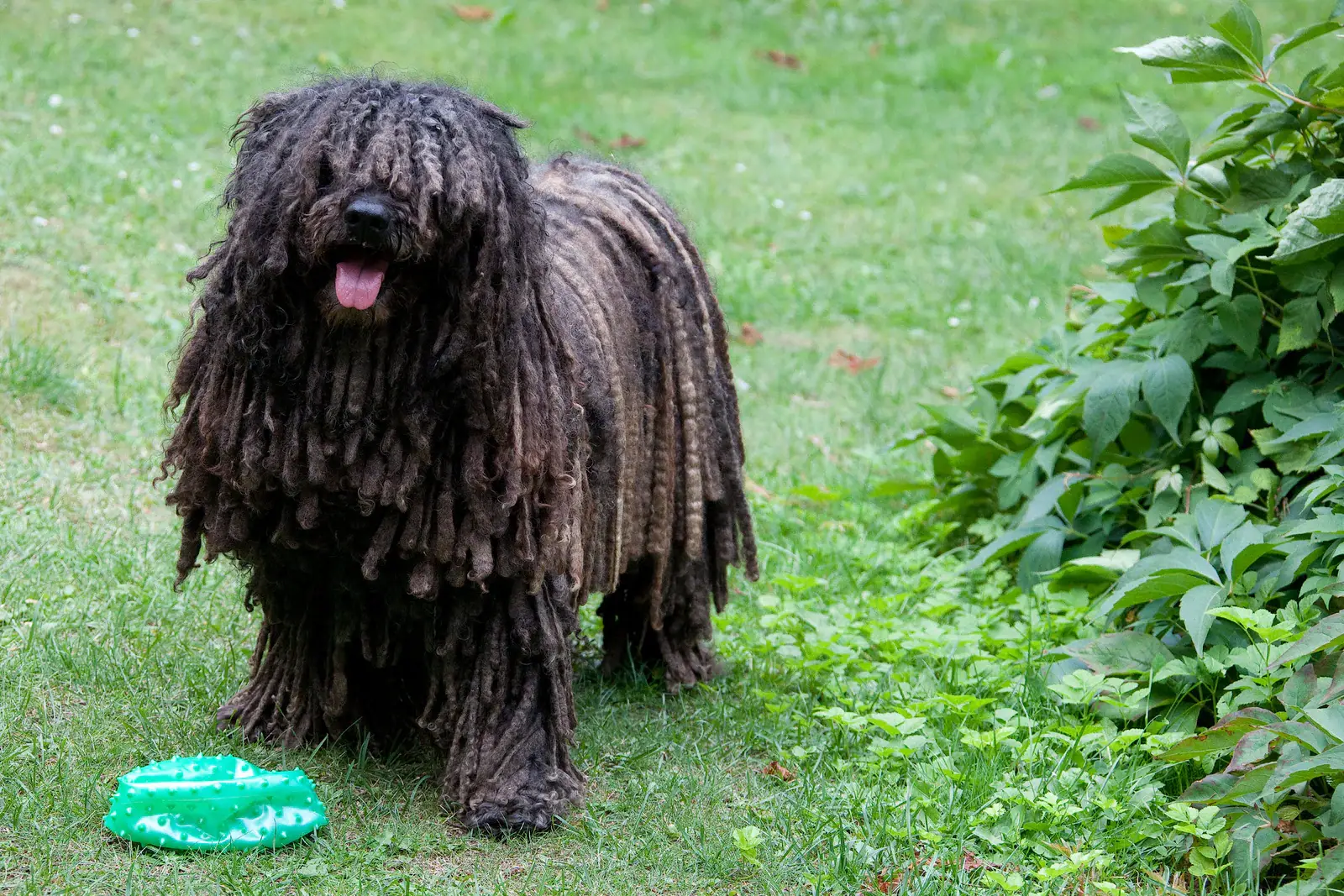
The Hungarian family is a small group of three herding dogs from Hungary: the Puli, the Pumi and the Mudi. All are medium dogs, all are living, and all were bred to drive and guard sheep and cattle. The Puli is the famous one, with a coat that forms long cords.
 Save
 Save
 GuideBest dog breeds for familiesBest dog breeds for families, small homes, allergies, first-time owners and seniors, ranked from our breed ratings, with honest limits and a table.
In this atlas a family is a branch of the dog family tree found by comparing DNA. It is not the same as a kennel club group. The three share a country and a job, and two of them also share DNA.

Quick facts about the Hungarian family
| Fact | Answer |
|---|---|
| Family type | Genetic clade (Parker et al. 2017) |
| Parent | European dogs (see the dog family tree) |
| Breeds in this atlas | 3 (all living) |
| Breeds with DNA tested in the study | 2 (Puli and Pumi), strong support |
| Homeland | Hungary (all 3) |
| Typical size | Medium (all 3) |
| Core job | Herding and driving livestock |
| Strongest tie | Puli and Pumi, 28.4 Mb shared |
 GuideDog Clothes: When Dogs Need Coats, and a Short History of Dog FashionDo dogs need coats in winter? When clothes help, when costumes stress a dog, safe fit, reflective gear, and a short history of dog fashion and dog art.
Family or group: what is the difference?
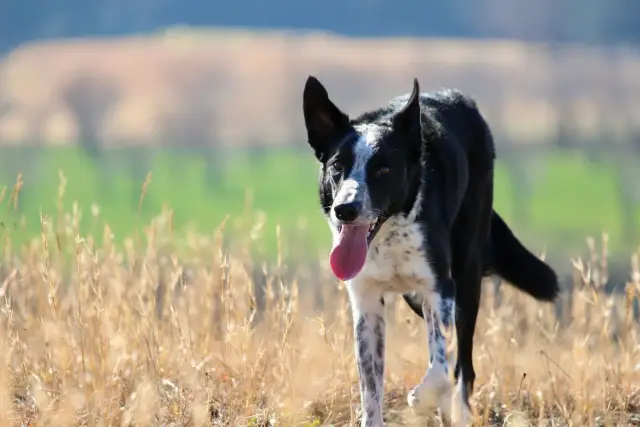
In this atlas, "family" means a DNA clade and "group" means a kennel club group. The three Hungarian breeds are in FCI Group 1, the sheepdogs and cattle dogs. The AKC puts them in its Herding Group, and the AKC added the Mudi in 2022.
 GuideDog hybrids: what dogs can and cannot breed withCan dogs breed with wolves, coyotes, jackals or foxes? Wolfdogs, coydogs, the Sulimov dog and Dogxim explained, with chromosomes and DNA studies.
Two breeds were tested by Parker et al. (2017) and fall in one clade with strong support: the Puli and Pumi. The Mudi was not tested. It is here by history, as the third Hungarian herding dog.
Where the Hungarian family sits in the tree
The parent in the atlas data is European dogs. Its nearest relatives are the herding families, such as the Continental Herder family, which holds the Briard. The links are by crossing, as the next sections show. The three dogs also share small amounts of DNA with the German Shepherd and the Dobermann.
 GuideDogs of Japan: the native breeds and their storiesJapanese dog breeds explained: the six Nihon Ken, the Chin, Tosa, Japanese Spitz and Terrier, Hachiko, wartime near-extinction, DNA and who they suit.
Names and meanings
The origins of all three names are uncertain.
 GuideLivestock guardian dogs: what they do and who they suitWhat livestock guardian dogs do, how they differ from herding dogs, 40 LGD breeds by country, the DNA evidence, and whether they make good pets.
- Puli is often linked to a Hungarian word meaning "driver", for the way the dog drives sheep.
- Pumi is often linked to the Puli. The meaning is not certain.
- Mudi is of uncertain origin. It was called the "driver dog" in some early accounts.
History of the Hungarian breeds
 ArticleThe first known dog on every continentEarliest accepted dog on each continent, from Bonn-Oberkassel to the dingo: dates, sites, how dogs arrived and which breeds carry those first dogs.
Before 1900: Magyar sheepdogs
The Puli is the oldest. The atlas data dates it from about 900 CE with medium confidence. Breed club accounts say the Puli's ancestors came with the Magyars and their livestock into the Carpathian Basin around 800 CE. This is a claim about the ancestral herding dogs in general, not a documented record.
The Pumi came later, from about the 1700s. In the 17th and 18th centuries, Puli stock was crossed with other breeds. The atlas records name the German Spitz and Pomeranian, the French Briard (all medium confidence) and probably small Pyrenean Mountain Dogs imported with Merino sheep (low). Pedigree breeding and classification of Hungarian dogs began in the second half of the 1800s.
1900 to 1940: sorting the dogs by type
In the early 1900s, Hungarians began to tell the three types apart. The first written distinction between Puli and Pumi dates to 1902, according to the Canine Chronicle. The Pumi was identified in the hills of western Hungary, the Mudi in the south and the Puli on the eastern plains. Standards followed in the 1920s for the Puli and Pumi, and the atlas data places the Mudi around 1936.
The Mudi was brought forward by Dr. Dezso Fenyes, a museum director, who showed dogs at a fair in 1936 and filed a standard. Sources spell his name several ways. Accounts of how the Mudi arose differ. Some say it came from Puli and Pumi crosses, and others from local sheepdogs and spitz-type dogs. Neither version is proven.
After 1940: war, recovery and export
The Mudi nearly vanished in World War II, and breeders rebuilt it from a few survivors. A new standard followed in 1963, and the FCI recognised it in 1966. The AKC recognised the Mudi in 2022, and the UK Kennel Club followed in 2025. The Puli and Pumi are also in the AKC.
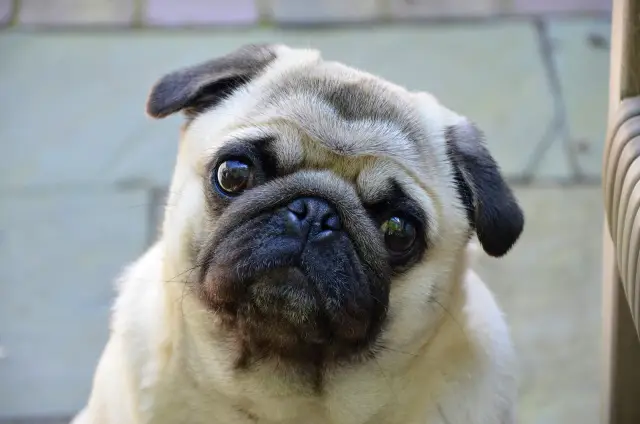
Who are the members of the Hungarian family?
All 3 breeds in the atlas data. The two with DNA tested in the study come first. "Appeared" is the period in which the breed took shape.
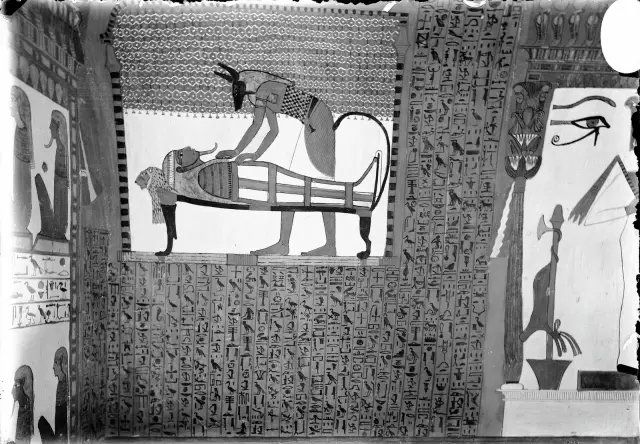 GuideDogs in myth around the worldFrom Anubis and Cerberus to Fenrir, Xolotl and the Tiangou: how cultures across the world imagined dogs as guardians, guides and monsters.
| Breed | Country | Status | Size | Appeared | DNA-tested |
|---|---|---|---|---|---|
| Puli | Hungary | Living | Medium | 900 CE to 1924 | Yes (Parker 2017) |
| Pumi | Hungary | Living | Medium | 1700 to 1923 | Yes (Parker 2017) |
| Mudi | Hungary | Living | Medium | 1800 to 1936 | By history |

Family tree and DNA ties
The numbers are megabases (Mb, millions of DNA letters) that two breeds share in matching stretches in the Parker study. A larger number means closer shared ancestry.
 GuideDog laws by country: tax, insurance and licencesDog tax, compulsory liability insurance, licences, microchips and leash rules in Germany, Austria, Switzerland, Spain, Ireland, the UK, the US and more.
| Pair | Shared DNA (Mb) | What it tells us |
|---|---|---|
| Puli and Pumi | 28.4 | The Pumi came from Puli stock |
| Pumi and German Shepherd | 10.6 | A herding link outside the family |
| Puli and Pug | 9.9 | A small, distant tie |
| Pumi and Dobermann | 9.8 | Another small outside tie |
Source: Parker et al. 2017, Cell Reports, shared haplotypes between 161 breeds (1,346 dogs).
The pattern is simple. The Puli and Pumi are the only close pair, with 28.4 Mb. Every other tie is under 11 Mb. In the written record the Pumi has four recorded parents: the Puli (medium), German Spitz (medium), Briard (medium) and the Pyrenean Mountain Dog (low). The Mudi has no recorded parent in the atlas data.
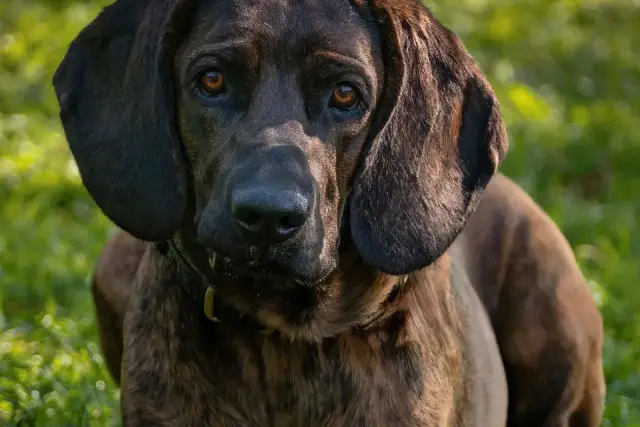
What the Hungarian breeds share
Job. Driving and guarding livestock. All three are described in breed writing as quick and watchful.
 GuideDogs in science and spaceSpace dogs Laika, Belka and Strelka, Pavlov's dogs, Snuppy the clone, the dog genome and scent detection: what dogs did for science, and what it cost them.
Size. Medium. All three are medium by the atlas records.
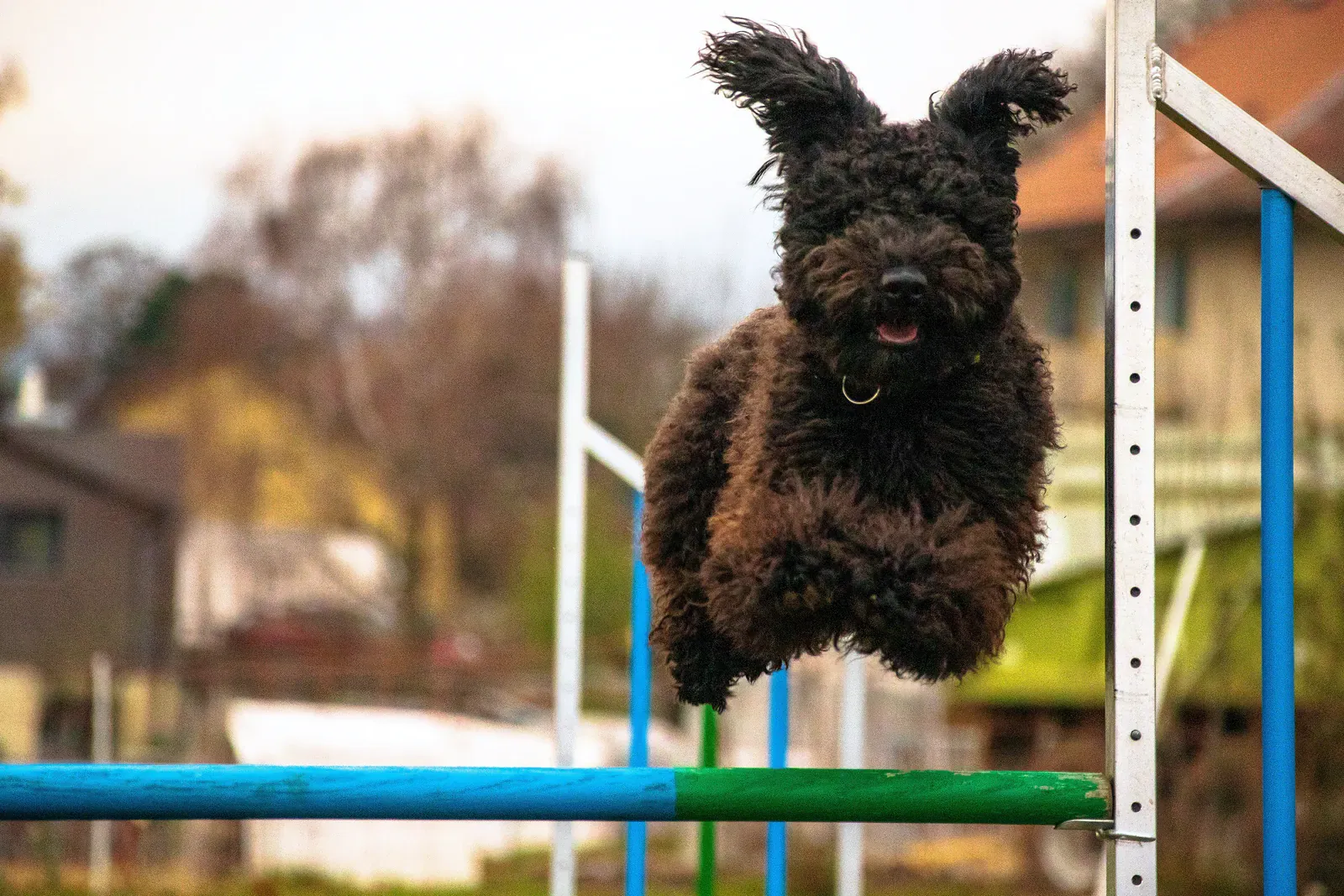
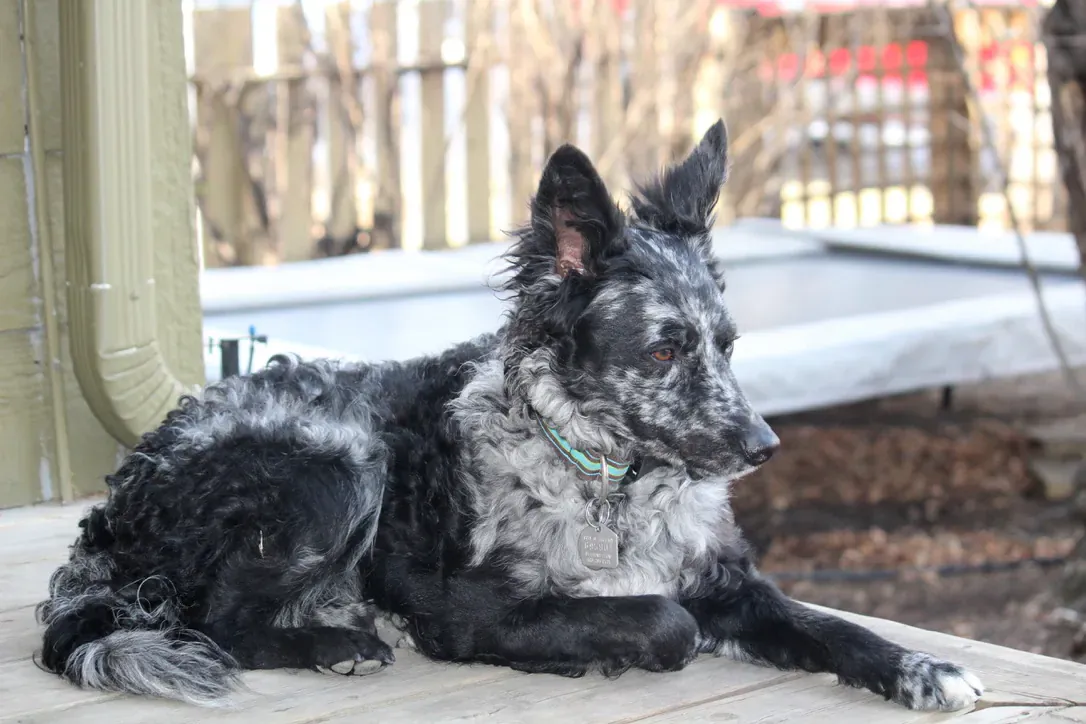
Coat. Different in each. The Puli has a dense coat that forms long cords. The Pumi has curly tufts, and the Mudi a wavy, harsh coat. The Puli's cords need care, and the other two are easier to groom, according to breed descriptions.
Temperament. Alert, bonded to one household, energetic. This is a tendency, not a promise for any dog.
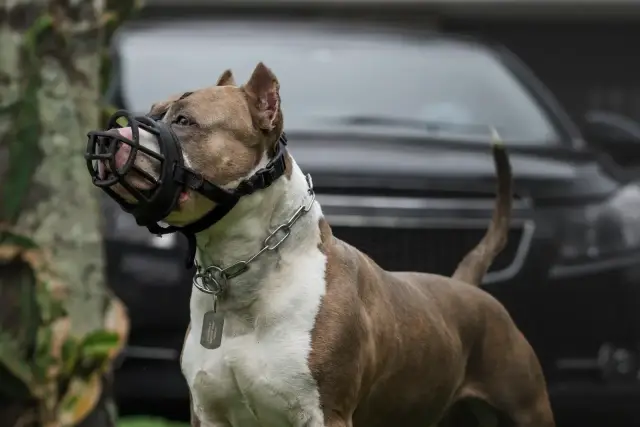 GuideBanned and restricted dog breeds by countryWhich dog breeds are banned or restricted, country by country: UK, Ireland, France, Germany, Denmark, Norway, Spain, Australia and more.GuideDogs in science and spaceSpace dogs Laika, Belka and Strelka, Pavlov's dogs, Snuppy the clone, the dog genome and scent detection: what dogs did for science, and what it cost them.
Health themes
Most dogs in this family live healthy lives. Health depends on the breed, not the family. Public data is thin.
 GuideDogs in Legends and Fairy TalesDogs in folklore and fairy tales: Black Shuck, The Tinderbox, Saint Guinefort, Panhu, Greyfriars Bobby, Barry and Old Drum, with legend and history kept apart.
| Condition | What it is | How common | What helps |
|---|---|---|---|
| Hip dysplasia | A loose hip joint that wears down | In the Pumi, 32 of 344 dogs had abnormal hips, about 1 in 11 (9.3%), in club-reported OFA data to the end of 2024 | Hip scoring of both parents, lean weight |
| Degenerative myelopathy (DM) | A slow spinal cord illness with hind-leg weakness, mostly in older dogs | In the Pumi, 22 of 229 tested dogs were carriers, about 1 in 10 (9.6%), and none were affected (same source) | DNA test of breeding dogs |
| Puli and Mudi | No breed-wide study with prevalence found in the sources used | Not stated | Ask the breed club which tests apply |
The OFA figures come from the Hungarian Pumi Club of America and include only dogs whose results were recorded. The atlas records give life spans of 12 to 16 years for the Puli and 12 to 14 for the Pumi and Mudi. These are record ranges, not study results.
 ArticleDog Breed Family Tree: How All Dog Breeds Are RelatedThe dog breed family tree from Ice Age wolves to 29 breed families.GuideDogs in Legends and Fairy TalesDogs in folklore and fairy tales: Black Shuck, The Tinderbox, Saint Guinefort, Panhu, Greyfriars Bobby, Barry and Old Drum, with legend and history kept apart.
Which Hungarian breeds suit which owner?
This is a guide to type, not a promise for any dog.
 GuideHow to get an assistance dogHow to get a service dog or assistance dog in the USA, UK, Germany, France, Spain, Italy and the Netherlands: accredited schools, waits, owner-training and travel.
- Active, hands-on owners. The Puli needs daily work and cord care, and is wary of strangers.
- Owners who want a sporty dog. The Pumi is a lively herder with a curly coat.
- Experienced herding-dog owners. The Mudi is rare and busy, and needs a job.
 GuideIs your dog suited to therapy work?How to make your dog a therapy dog: temperament checklist, first training steps, how Pet Partners, TDI and Pets As Therapy assess dogs, and welfare limits.GuideHow to get an assistance dogHow to get a service dog or assistance dog in the USA, UK, Germany, France, Spain, Italy and the Netherlands: accredited schools, waits, owner-training and travel.
Fun facts about the Hungarian breeds
- All three breeds come from Hungary.
- The first written distinction between Puli and Pumi dates to 1902.
- The Mudi was recognised by the FCI in 1966 and by the AKC in 2022.
- The Puli is often linked by name to the Hungarian word for a driver of sheep.
 GuideService, therapy and emotional support dogs: what's the difference?Service dog vs emotional support dog vs therapy dog: the real differences, your rights in the USA and Europe, and why online certificates mean nothing.
 GuideSmartest dog breeds: what the rankings measure and what they missCoren's smartest dog breeds list, what it measured, what newer dog cognition research says, three kinds of dog intelligence and why smart dogs need work.GuideService, therapy and emotional support dogs: what's the difference?Service dog vs emotional support dog vs therapy dog: the real differences, your rights in the USA and Europe, and why online certificates mean nothing.
Related families
- Continental Herder: includes the Briard, crossed into the Pumi.
- Small Spitz: includes the German Spitz and Pomeranian, crossed into the Pumi.
- Mediterranean: the Pyrenean Mountain Dog, a low-confidence ancestor of the Pumi.
 GuideHow to adopt a dog from a shelter or rescueHow to adopt a dog from a shelter or rescue: the process, costs in general terms, choosing a dog, the first weeks and what if it does not work out.
 GuideDog Breeds by Country: Which Nations Made the Most?Dog breeds by country: how many breeds each nation produced in the Dogs Atlas data, from the UK and France to Japan, plus national dogs and families.GuideHow to adopt a dog from a shelter or rescueHow to adopt a dog from a shelter or rescue: the process, costs in general terms, choosing a dog, the first weeks and what if it does not work out.
Frequently asked questions
What are the Hungarian dog breeds?
In the atlas data: the Puli, Pumi and Mudi.
Are the Puli and Pumi related?
Yes. They share 28.4 Mb, and the Pumi came from Puli stock crossed with other breeds.
Is the Mudi related to the Puli?
Probably, but the Mudi was not DNA-tested in the study. Accounts of its origin differ.
Why does the Puli have cords?
The dense double coat locks into cords as it grows. Care and grooming are needed to keep them clean.
Are Hungarian dogs herding dogs?
Yes. All three were bred to drive and guard livestock.
Read next
Family storyEuropean dogsRead the family's story: origins, members, DNA Family storySchnauzerRead the family's story: origins, members, DNA
 Family storyModern CrossbreedRead the family's story: origins, members, DNA
Sources (6)
- Parker, H. G., et al. (2017). Genomic analyses reveal the influence of geographic origin, migration, and hybridization on modern dog breed development. Cell Reports, 19(4), 697 to 708.
- FCI standards for the Puli (55), Pumi (56) and Mudi (238).
- Canine Chronicle, articles on the Mudi and the small Hungarian sheepdogs.
- Hungarian Pumi Club of America, origins and history, and health pages with OFA data to 31 December 2024.
- Wikipedia, Mudi and Pumi, checked against the sources above.
- Breed records in the atlas data (Dogs Atlas, internal data).