What are the Toy Spitz breeds?
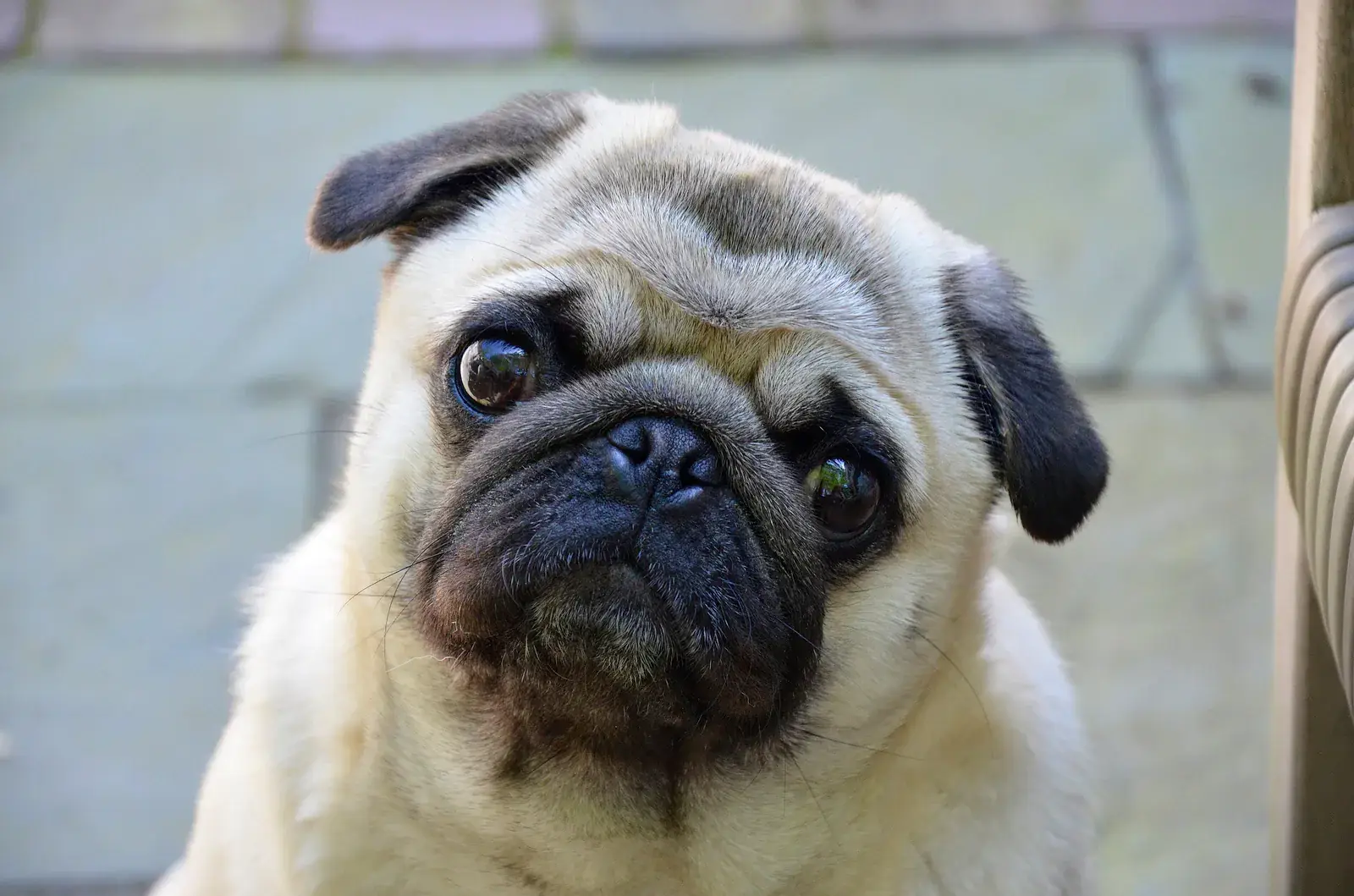
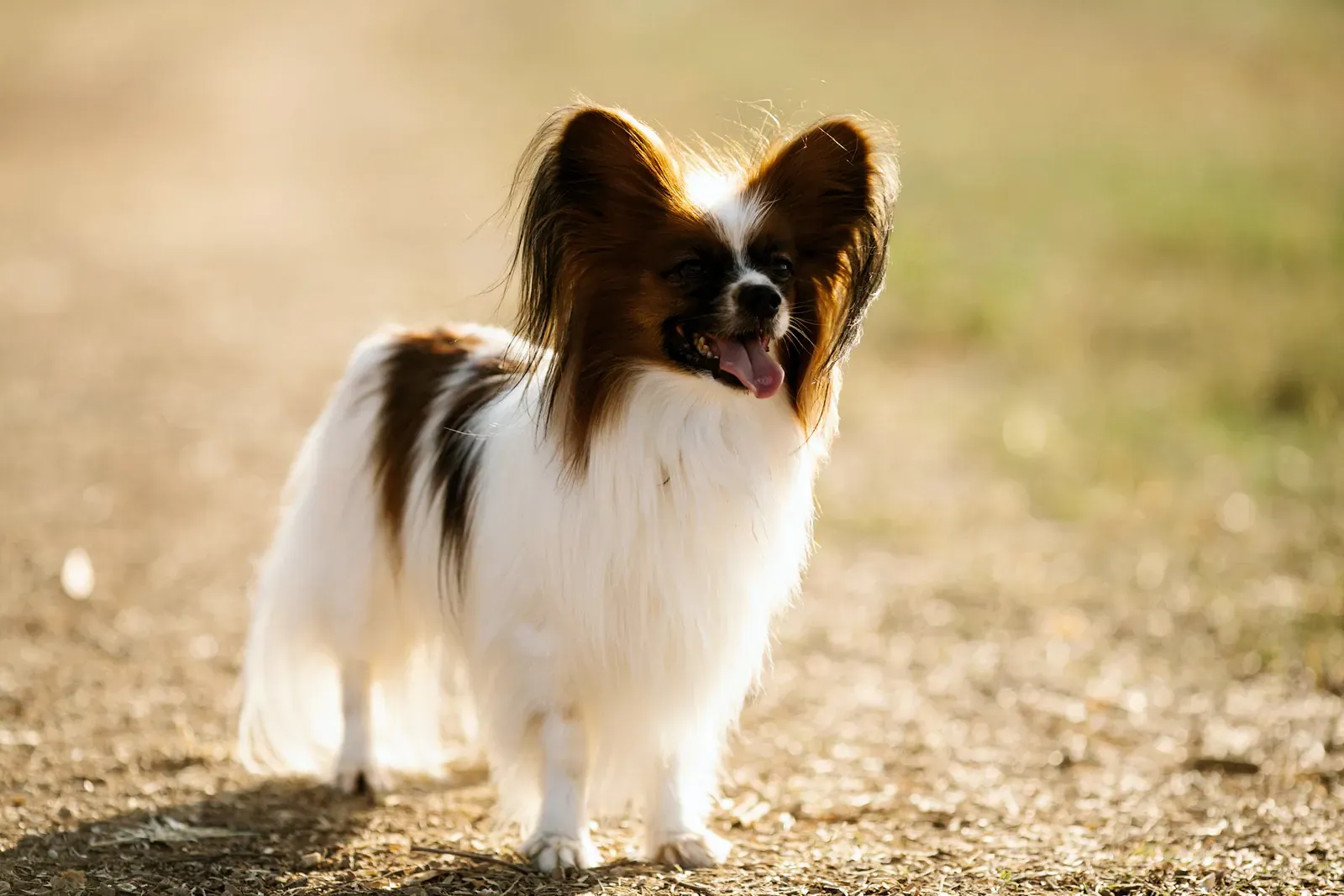
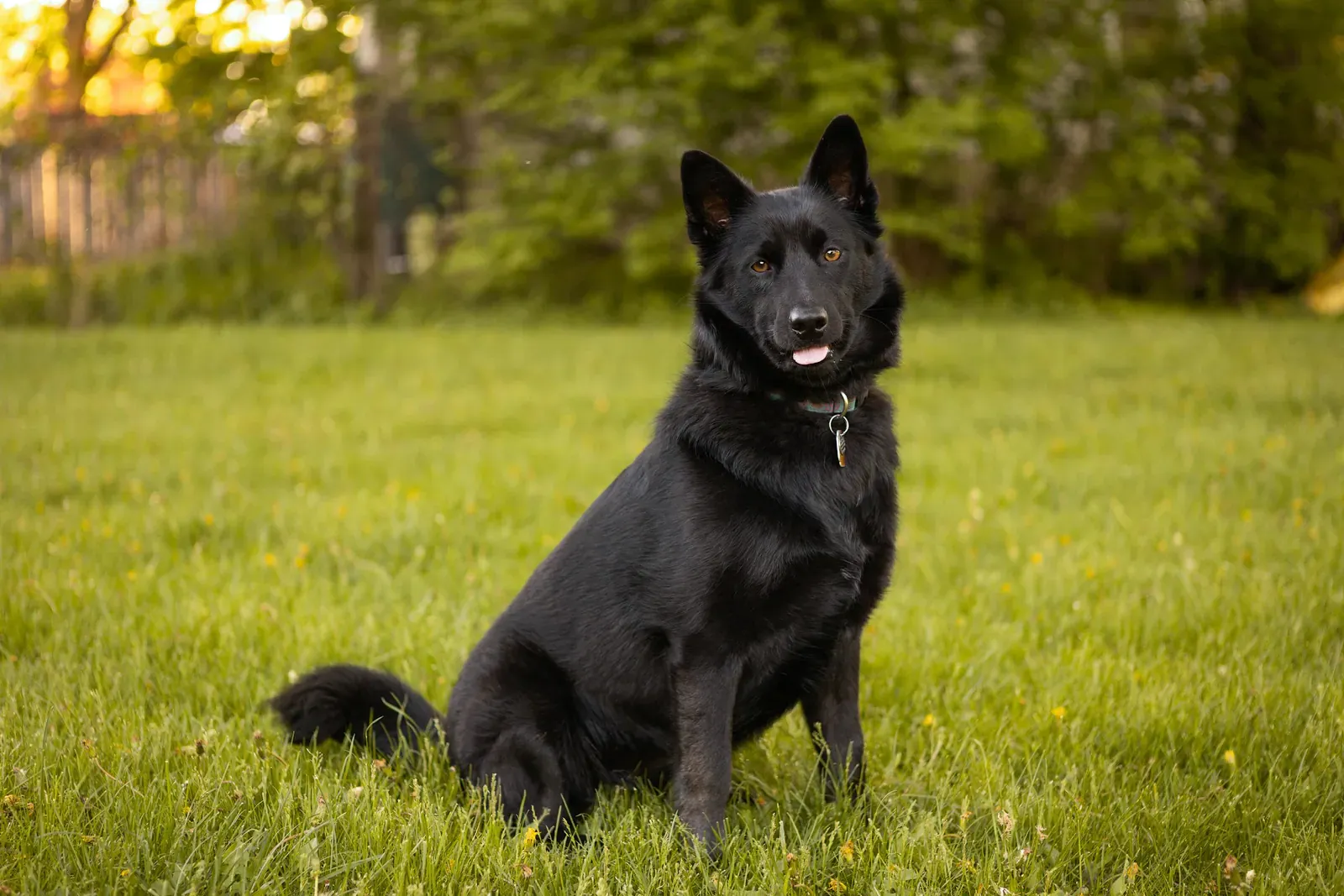
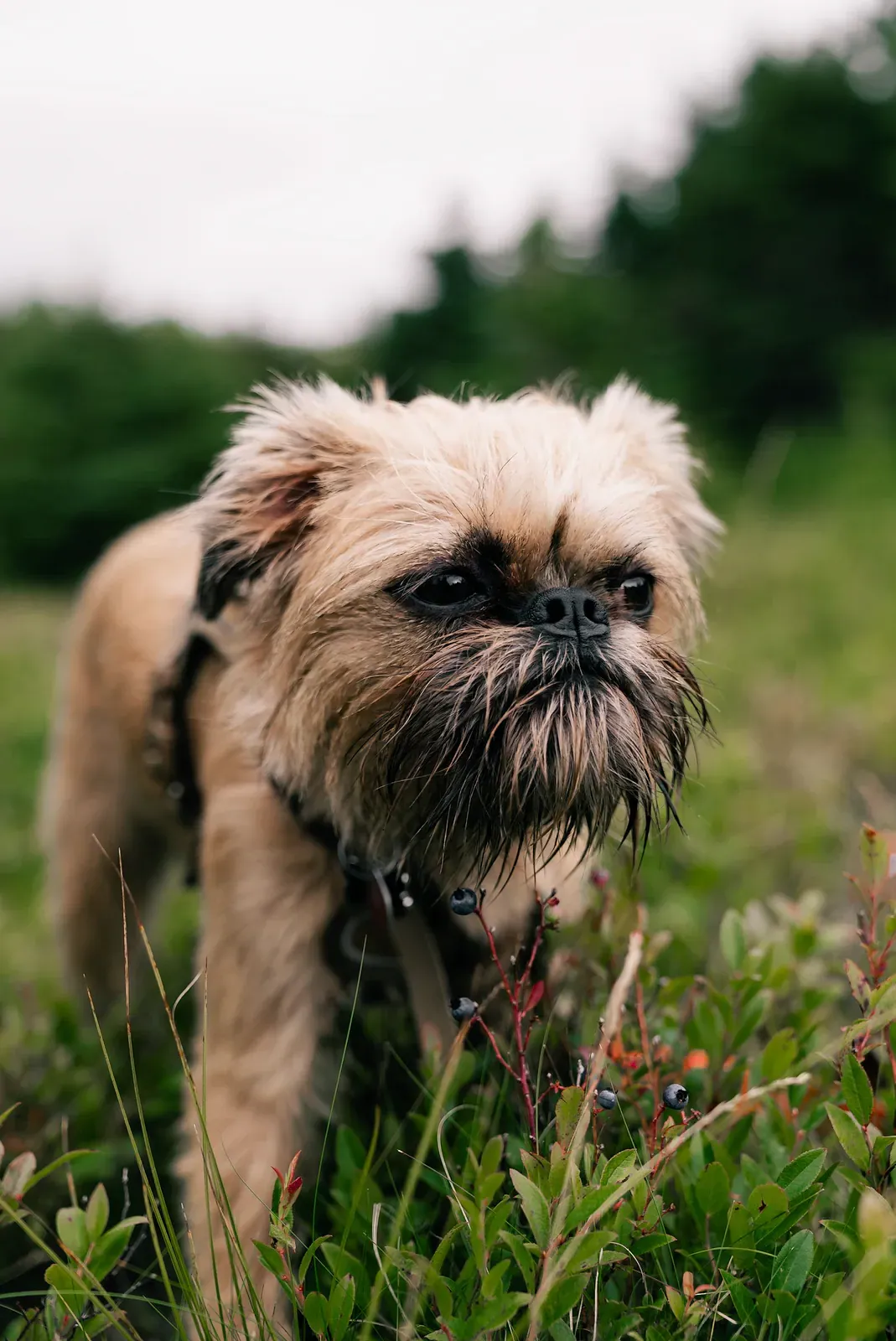
The Toy Spitz family has six breeds in the atlas data: the Pug, Papillon, Schipperke, Griffon Bruxellois and two extinct Belgian dogs, the Leuvenaar and the Smousje. Four are living dogs tested by DNA. Most come from Belgium, and the Pug is the odd one out, from China.
 Save
 Save
 Save
 GuideDogs of Japan: the native breeds and their storiesJapanese dog breeds explained: the six Nihon Ken, the Chin, Tosa, Japanese Spitz and Terrier, Hachiko, wartime near-extinction, DNA and who they suit.
The name is a puzzle at first. A Pug is flat-faced, a Papillon has butterfly ears and a Griffon has a beard, and none of them looks like a typical spitz. The label comes from the genetic study that grouped them, and it is best read as a name for the clade, not a description of the dogs.
Quick facts about the Toy Spitz family
| Fact | Answer |
|---|---|
| Family type | Genetic clade (Parker et al. 2017) |
| Parent | European dogs (see the dog family tree) |
| Breeds in this atlas | 6 (4 living, 2 extinct) |
| Breeds with DNA tested in the study | 4, all with strong support |
| Main homelands | Belgium (4 of 6), France with Belgium (1), China (1) |
| Typical size | Toy (3), small (2), medium (1) |
| Core jobs | Stable ratter, canal-boat guard, lapdog |
| Strongest tie | Griffon Bruxellois and Pug, 59.6 Mb shared |
 GuideBanned and restricted dog breeds by countryWhich dog breeds are banned or restricted, country by country: UK, Ireland, France, Germany, Denmark, Norway, Spain, Australia and more.
Family or group: what is the difference?
In this atlas, "family" means a DNA clade and "group" means a kennel club group. The kennel clubs place these dogs apart. The FCI lists the Pug, Papillon and Griffon Bruxellois in its companion and toy dogs group, and the Schipperke with the Belgian sheepdogs and cattle dogs. The AKC and UK Kennel Club sort the Schipperke into other groups from its relatives.
 GuideIs your dog suited to therapy work?How to make your dog a therapy dog: temperament checklist, first training steps, how Pet Partners, TDI and Pets As Therapy assess dogs, and welfare limits.
Four breeds were tested by Parker et al. (2017) and sit in one clade with strong support. The Leuvenaar and Smousje are extinct and placed by history, since they were named in the stories of the Schipperke and the Griffon.
Why DNA puts them together
The clade is not built on looks. A summary of the Parker paper in Showsight says the Schipperke's closest relatives are the Pug, Brussels Griffon and Papillon, and not the Belgian herding dogs it is often grouped with. The Pomeranian and Schnauzer come next.
 GuideDog laws by country: tax, insurance and licencesDog tax, compulsory liability insurance, licences, microchips and leash rules in Germany, Austria, Switzerland, Spain, Ireland, the UK, the US and more.
The links in the atlas data show how it happens. The Griffon Bruxellois was made in the 19th century by crossing Belgian stable dogs with imported Pugs and with King Charles Spaniels. So the Pug is a direct relative of the Griffon, and the Pug in turn links to the Papillon and the Schipperke through shared stretches of DNA. A toy dog from China, a small spaniel type and a black barge dog meet in Belgium.
Where the Toy Spitz family sits in the tree
The parent in the atlas data is European dogs. The Pug also has an old link outside the family: the atlas data lists the Lo-sze of the Asian Toy family as its ancestor (medium confidence), a link by history, not DNA. DNA ties go further out. The Pug shares 17.7 Mb with the Miniature Schnauzer and 18.8 Mb with the Coton de Tuléar of the Poodle family, and the Griffon shares 27.9 Mb with the Cavalier King Charles Spaniel.
 GuideDogs in science and spaceSpace dogs Laika, Belka and Strelka, Pavlov's dogs, Snuppy the clone, the dog genome and scent detection: what dogs did for science, and what it cost them.
Names and meanings
- Pug is uncertain. It may come from Latin pugnus, "fist", or from an old word for a pet.
- Papillon is French for "butterfly", for the ears. The drop-eared form is the Phalène, "moth".
- Schipperke is Flemish for "little boatman" (schipper, skipper, plus the ending -ke).
- Griffon Bruxellois is French for "Brussels griffon", from the stable ratting dogs of Brussels.
- Leuvenaar is Dutch for a person from Leuven (Louvain). Smousje is the Belgian name of the small rough stable dog.
 GuideDogs in Legends and Fairy TalesDogs in folklore and fairy tales: Black Shuck, The Tinderbox, Saint Guinefort, Panhu, Greyfriars Bobby, Barry and Old Drum, with legend and history kept apart.
History of the Toy Spitz breeds
 GuideHow to get an assistance dogHow to get a service dog or assistance dog in the USA, UK, Germany, France, Spain, Italy and the Netherlands: accredited schools, waits, owner-training and travel.
Before 1800: courts, stables and canal boats
The Pug is the oldest in the atlas data, dated from 400 BCE with medium confidence and tied to the Chinese court dogs. It reached Europe with Dutch traders, and stories of its place in the House of Orange are legends. See the Pug article.
Small dogs like the Papillon appear in European art from about the 1500s, in the atlas data. The Schipperke is said in several accounts to descend from the Leuvenaar, a black sheepdog about 18 kg. Brussels tradition places a cobblers' dog show for the breed in 1690, but this is a story, not a document. The Smousje was the small, rough stable ratter of the 1700s.
1800 to 1914: the Belgian shows
The Griffon Bruxellois took its shape in the 1800s from Smousje stock crossed with Pugs, and King Charles Spaniels gave it the red and black and tan colours. The Schipperke was shown by name at a Brussels show in 1880 according to the vet Adolphe Reul, and the breed was fashionable by the mid-1880s, when Queen Marie Henriette of Belgium took an interest. Accounts differ on dates (1882 at Spa, 1885 at a show), so treat these as approximate. The Pug Dog Club was founded in England in 1883, and the AKC registered the Pug in 1885. The Papillon was set as a modern breed later, by about 1935.
1914 to today: toys and companions
The Schipperke went to the United States in the late 1880s, and the Schipperke Club of America was formed in 1929. Today all four living breeds are companion dogs. The Leuvenaar and Smousje are gone, folded into the breeds that came after them.
Who are the members of the Toy Spitz family?
All 6 breeds in the atlas data. The four with DNA tested in the study come first. "Appeared" is the period in which the breed took shape.
 GuideService, therapy and emotional support dogs: what's the difference?Service dog vs emotional support dog vs therapy dog: the real differences, your rights in the USA and Europe, and why online certificates mean nothing.
| Breed | Country | Status | Size | Appeared | DNA-tested |
|---|---|---|---|---|---|
| Pug | China | Living | Toy | 400 BCE to 1885 | Yes (Parker 2017) |
| Papillon | France, Belgium | Living | Toy | 1500 to 1935 | Yes (Parker 2017) |
| Schipperke | Belgium | Living | Small | 1600 to 1888 | Yes (Parker 2017) |
| Griffon Bruxellois | Belgium | Living | Toy | 1800 to 1883 | Yes (Parker 2017) |
| Leuvenaar | Belgium | Extinct | Medium | 1600 to 1800 | By history |
| Smousje | Belgium | Extinct | Small | 1700 to 1880 | By history |
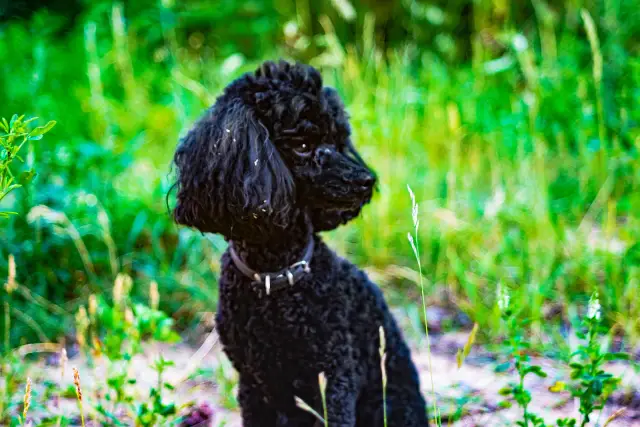
Family tree and DNA ties
The numbers are megabases (Mb) of matching DNA in the Parker study. More shared DNA means a closer shared ancestry.
 GuideHow to adopt a dog from a shelter or rescueHow to adopt a dog from a shelter or rescue: the process, costs in general terms, choosing a dog, the first weeks and what if it does not work out.
| Pair | Shared DNA (Mb) | What it tells us |
|---|---|---|
| Griffon Bruxellois and Pug | 59.6 | The Pug was crossed into the Griffon |
| Griffon Bruxellois and Cavalier King Charles Spaniel | 27.9 | The spaniel side of the Griffon (a different family) |
| Pug and Schipperke | 16.3 | A link by shared old stock |
| Griffon Bruxellois and Schipperke | 15.2 | Two Brussels dogs |
| Papillon and Pug | 12.9 | A spaniel type close to the Pug |
| Griffon Bruxellois and Papillon | 12.6 | Weaker than the Pug link |
Source: Parker et al. 2017, Cell Reports, shared haplotypes between 161 breeds (1,346 dogs).
The Pug is the hub. The Griffon is the closest pair, and the Papillon and Schipperke are linked to the group with smaller values. In the written record, the Griffon has three recorded parents: the Smousje (high confidence), the Pug and the King Charles Spaniel (both medium). The Schipperke has one, the Leuvenaar (medium).
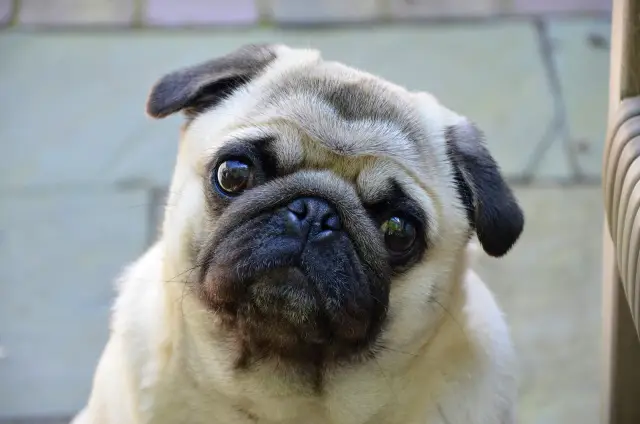
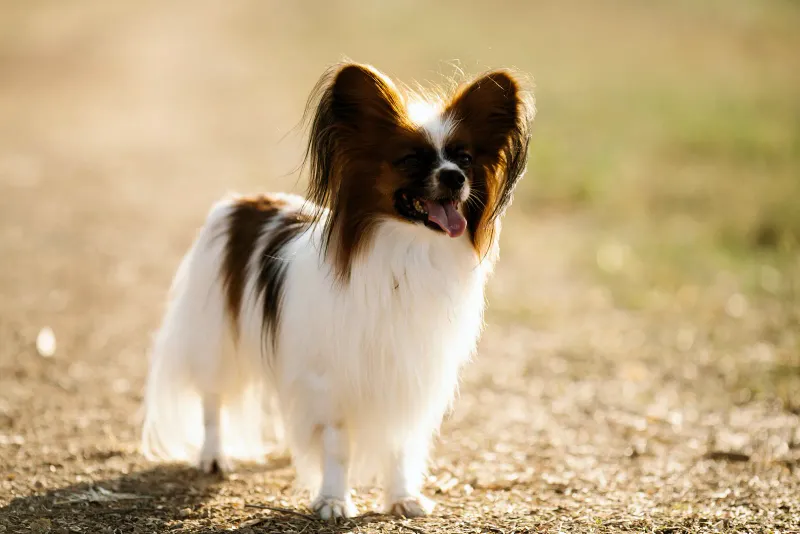
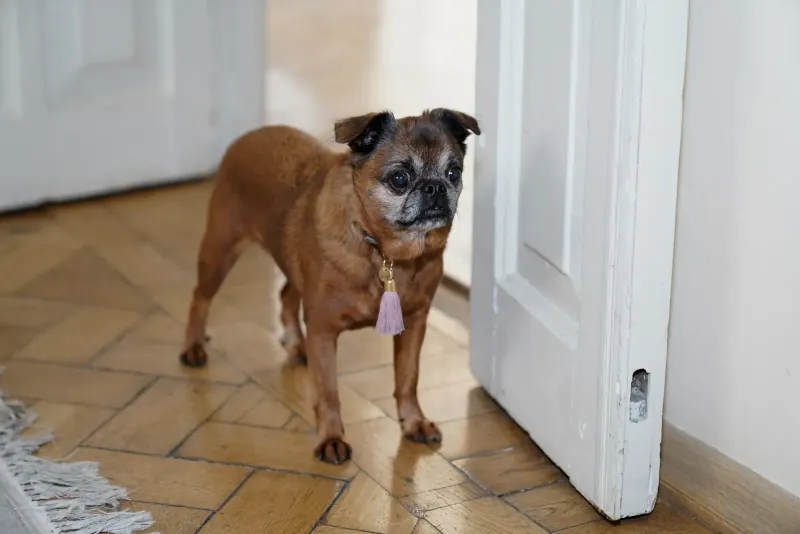 Griffon Bruxellois and Pug
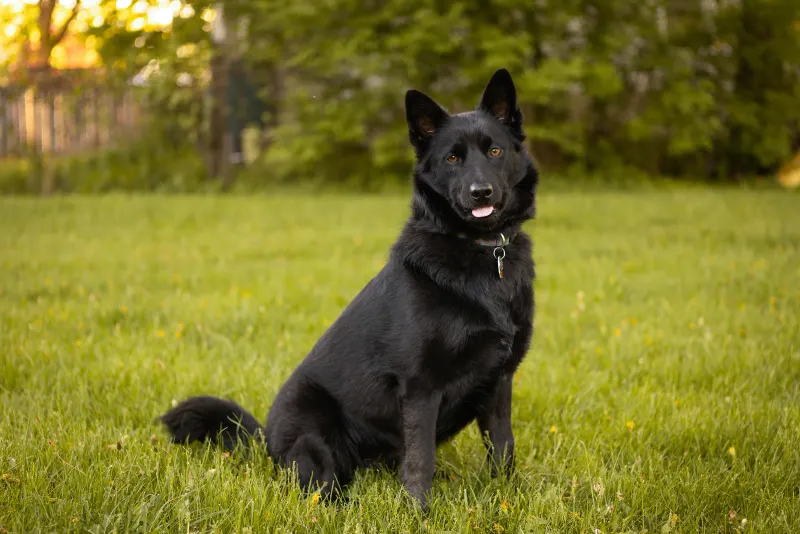 Pug and Schipperke
- Griffon Bruxellois and Schipperke
- Papillon and Pug
- Griffon Bruxellois and Papillon
What the Toy Spitz breeds share
Size. Small. Pug, Papillon and Griffon are toys, and the Schipperke is small.
 ArticleThe first known dog on every continentEarliest accepted dog on each continent, from Bonn-Oberkassel to the dingo: dates, sites, how dogs arrived and which breeds carry those first dogs.
Origins. Belgium for the main stock. The Pug is the one imported ancestor.
Faces and coats. Varied: the Pug is smooth and flat-faced, the Griffon has a beard (rough variety) or a smooth coat, the Papillon has long silky hair and fringed ears, and the Schipperke has a black double coat with a ruff.
Temperament. Alert, people-focused small dogs. Breed writing calls the Schipperke curious and watchful. This is a tendency, not a promise.
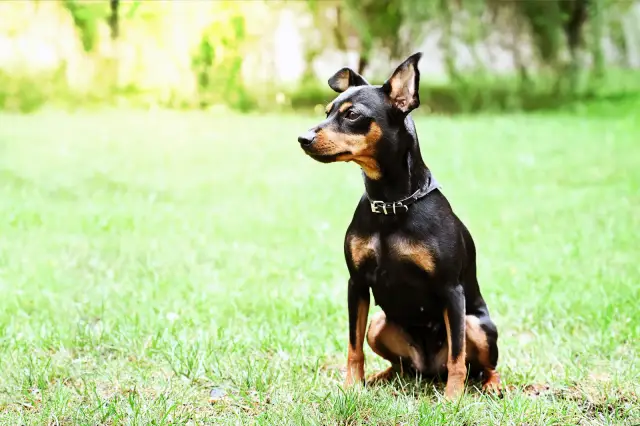
Health themes
Most dogs in this family live healthy lives. Health depends on the breed, not the family. The best data are for the flat-faced breeds, and for one Schipperke disease with a DNA test.
 GuideDog hybrids: what dogs can and cannot breed withCan dogs breed with wolves, coyotes, jackals or foxes? Wolfdogs, coydogs, the Sulimov dog and Dogxim explained, with chromosomes and DNA studies.
| Condition | What it is | How common | What helps |
|---|---|---|---|
| Flat-face breathing (BOAS), Pug | Narrow nostrils, long soft palate and narrow windpipe from the short skull | Only 7% of Pugs assessed were clinically unaffected, about 1 in 14 (Liu et al. 2017, Cambridge) | Choose a Pug with open nostrils and a longer muzzle; airway grading scheme; lean weight; vet advice |
| Chiari-like malformation and syringomyelia, Brussels Griffon | A skull-base shape that can cause fluid pockets near the spinal cord | In 84 American dogs, 65% and 52% had them, and half of those with syringomyelia had no signs (Freeman et al.; small, one registry) | Scanning of breeding dogs; ask the breeder for results |
| Mucopolysaccharidosis IIIB, Schipperke | An inherited enzyme shortage with balance problems from about age 2 to 4 | Carrier rate unknown; the prevalence has dropped with DNA testing (Scientific Reports 2020) | DNA test (NAGLU variant) for all breeding dogs |
| Papillon | No breed-wide study with prevalence found in the sources used | Not stated | Ask the breed club which health tests apply |
Life spans in the atlas data are 12 to 15 years for the Pug and Griffon, 14 to 16 for the Papillon and 13 to 15 for the Schipperke. These are record ranges, not study results. See the Pug article for its full health table.
 GuideBest dog breeds for familiesBest dog breeds for families, small homes, allergies, first-time owners and seniors, ranked from our breed ratings, with honest limits and a table.GuideDog hybrids: what dogs can and cannot breed withCan dogs breed with wolves, coyotes, jackals or foxes? Wolfdogs, coydogs, the Sulimov dog and Dogxim explained, with chromosomes and DNA studies.
Which Toy Spitz breeds are extinct?
- Leuvenaar (Belgium, about 1600 to 1800, low confidence): a medium black sheepdog from the Leuven area, named as the Schipperke's ancestor.
- Smousje (Belgium, about 1700 to 1880, low confidence): the small rough stable ratter, named as the ancestor of all Griffon varieties.
 GuideLivestock guardian dogs: what they do and who they suitWhat livestock guardian dogs do, how they differ from herding dogs, 40 LGD breeds by country, the DNA evidence, and whether they make good pets.
 ArticleDog Breed Family Tree: How All Dog Breeds Are RelatedThe dog breed family tree from Ice Age wolves to 29 breed families.GuideLivestock guardian dogs: what they do and who they suitWhat livestock guardian dogs do, how they differ from herding dogs, 40 LGD breeds by country, the DNA evidence, and whether they make good pets.
Which Toy Spitz breed suits which owner?
This is a guide to type, not a promise for any dog.
 GuideDogs in myth around the worldFrom Anubis and Cerberus to Fenrir, Xolotl and the Tiangou: how cultures across the world imagined dogs as guardians, guides and monsters.
- Calm home, mild climate. The Pug is a devoted companion, but needs care in heat and attention to the airway.
- Active small-dog owners. The Papillon is lively and light.
- Owners who like a watchful dog. The Schipperke is curious and alert, and needs a DNA-tested line.
- Owners who like a character. The Griffon Bruxellois has a human-like face and strong bonds.
 GuideDog Clothes: When Dogs Need Coats, and a Short History of Dog FashionDo dogs need coats in winter? When clothes help, when costumes stress a dog, safe fit, reflective gear, and a short history of dog fashion and dog art.GuideDogs in myth around the worldFrom Anubis and Cerberus to Fenrir, Xolotl and the Tiangou: how cultures across the world imagined dogs as guardians, guides and monsters.
Fun facts about the Toy Spitz breeds
- Schipperke means "little boatman" in Flemish.
- Papillon means "butterfly", and its drop-eared twin is the Phalène, "moth".
- The Pug Dog Club was founded in England in 1883.
- The Pug is a Chinese dog, but its closest DNA partner is a Belgian breed.
- Both Belgian ancestors, the Leuvenaar and the Smousje, are extinct.
 Family storyAlpineRead the family's story: origins, members, DNA

Related families
- Asian Toy: the Lo-sze, an ancestor of the Pug.
- Spaniel: the King Charles Spaniel, crossed into the Griffon.
- Small Spitz: the Pomeranian, a near neighbour of the Schipperke.
- Schnauzer: the Miniature Schnauzer, which shares DNA with the Pug.
 Family storyAmerican Cur & FeistRead the family's story: origins, members, DNA
 GuideSmartest dog breeds: what the rankings measure and what they missCoren's smartest dog breeds list, what it measured, what newer dog cognition research says, three kinds of dog intelligence and why smart dogs need work.Family storyAmerican Cur & FeistRead the family's story: origins, members, DNA
Frequently asked questions
What are the Toy Spitz dog breeds?
In the atlas data: the Pug, Papillon, Schipperke, Griffon Bruxellois and the extinct Leuvenaar and Smousje.
Is a Pug a spitz?
Not in looks. It sits in the family named Toy Spitz by DNA, because it shares stretches with the Griffon, Papillon and Schipperke.
Is the Brussels Griffon related to the Pug?
Yes. They share 59.6 Mb, the highest in the family, and Pugs were crossed into the Griffon.
Is the Schipperke a herding dog?
It is often grouped with Belgian herding dogs, but DNA places it with the Pug and Griffon.
Where does the Schipperke come from?
Belgium, with the extinct Leuvenaar as its ancestor in the accounts.
Read next
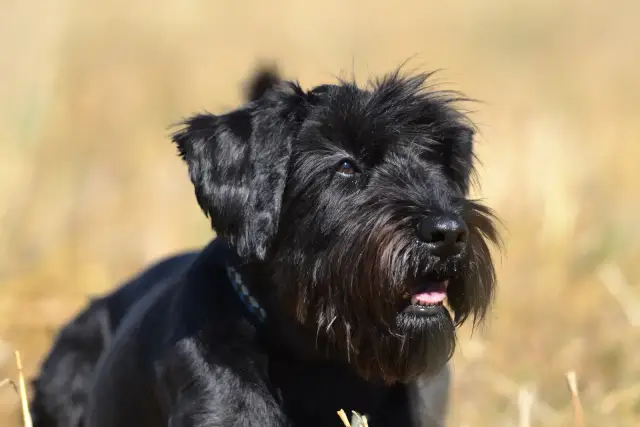 Family storySchnauzerRead the family's story: origins, members, DNA
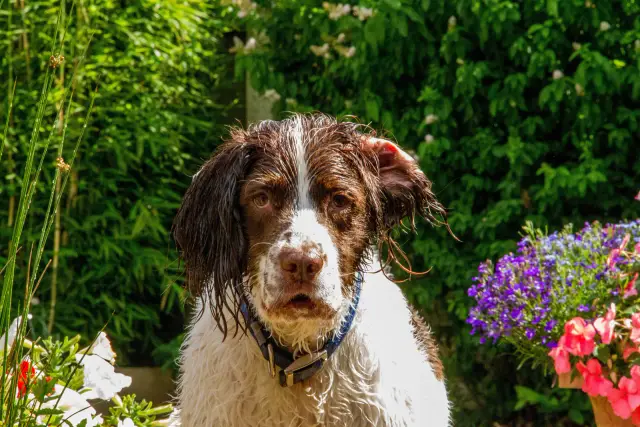 Family storySpanielRead the family's story: origins, members, DNA
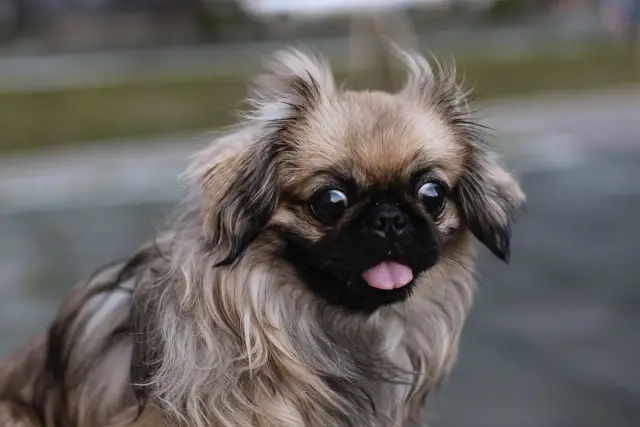 Family storyAsian ToyRead the family's story: origins, members, DNA
Sources (10)
- Parker, H. G., et al. (2017). Genomic analyses reveal the influence of geographic origin, migration, and hybridization on modern dog breed development. Cell Reports, 19(4), 697 to 708.
- Liu, N. C., et al. (2017). Conformational risk factors of brachycephalic obstructive airway syndrome in pugs, French bulldogs and bulldogs. PLOS ONE.
- Freeman, A. C., et al. (2014). Chiari-like malformation and syringomyelia in American Brussels Griffon dogs.
- Scientific Reports (2020), mucopolysaccharidosis IIIB in the Schipperke, genotyping and prevalence.
- AKC Canine Health Foundation, genetic test for MPS IIIB in the Schipperke.
- Showsight Magazine, Schipperke articles summarising the Parker 2017 findings.
- Merriam-Webster, note on the schipperke and Adolphe Reul.
- FCI standards for the Pug (253), Papillon (77), Schipperke (83) and Griffon Bruxellois (80).
- Wikipedia, Schipperke and Griffon Bruxellois, checked against the sources above.
- Breed records in the atlas data (Dogs Atlas, internal data).