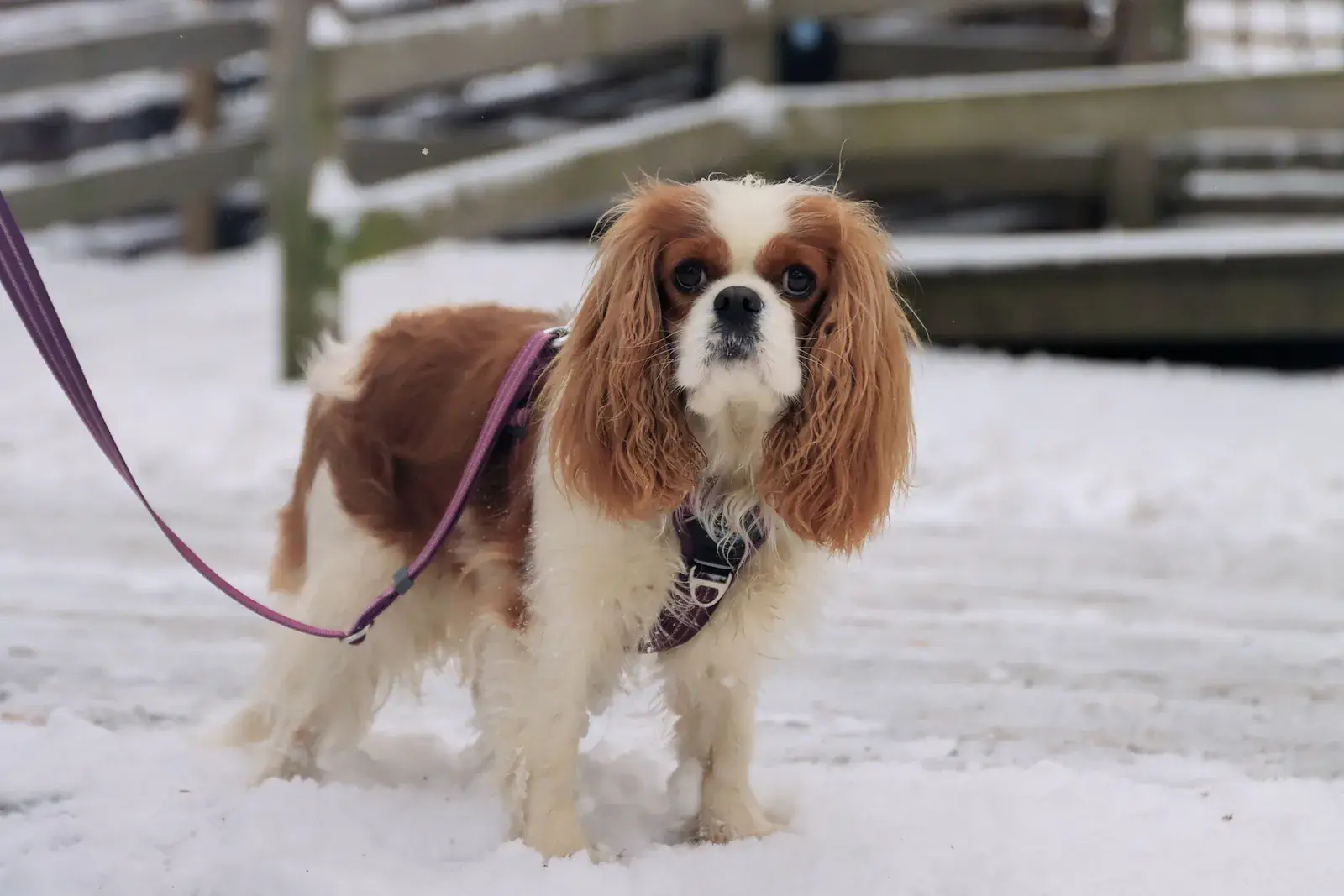
It was recreated in the 1920s from the long-muzzled toy spaniels seen in paintings of the Stuart court, and it is known as a gentle, friendly companion that wants to be with its people. Two inherited conditions, mitral valve disease of the heart and syringomyelia of the spine, are common enough in the breed that breeders screen for them, and Norway's Supreme Court ruled in 2023 that breeding the breed as it is breaches the country's animal welfare law. Read the health section before choosing a puppy.
Cavalier King Charles Spaniel quick facts
 Related breedKing Charles Spaniel1600 to 1903 · United KingdomEarly Modern Era
- Country of origin
- Great Britain (); recreated in England from 1926
- Period of development
- 1926 to 1945 (atlas data, high confidence); the older toy spaniel type goes back to the 1600s
- Other names
- Cavalier
- Type
- Companion dog (FCI Group 9, Companion and Toy Dogs, standard no. 136; AKC Toy Group; UK Kennel Club Toy Group)
- Weight
- 5.4 to 8.2 kg (12 to 18 lb), UK Kennel Club standard
- Height
- About 30 to 33 cm (12 to 13 inches), AKC standard; not given in the UK standard
- Coat
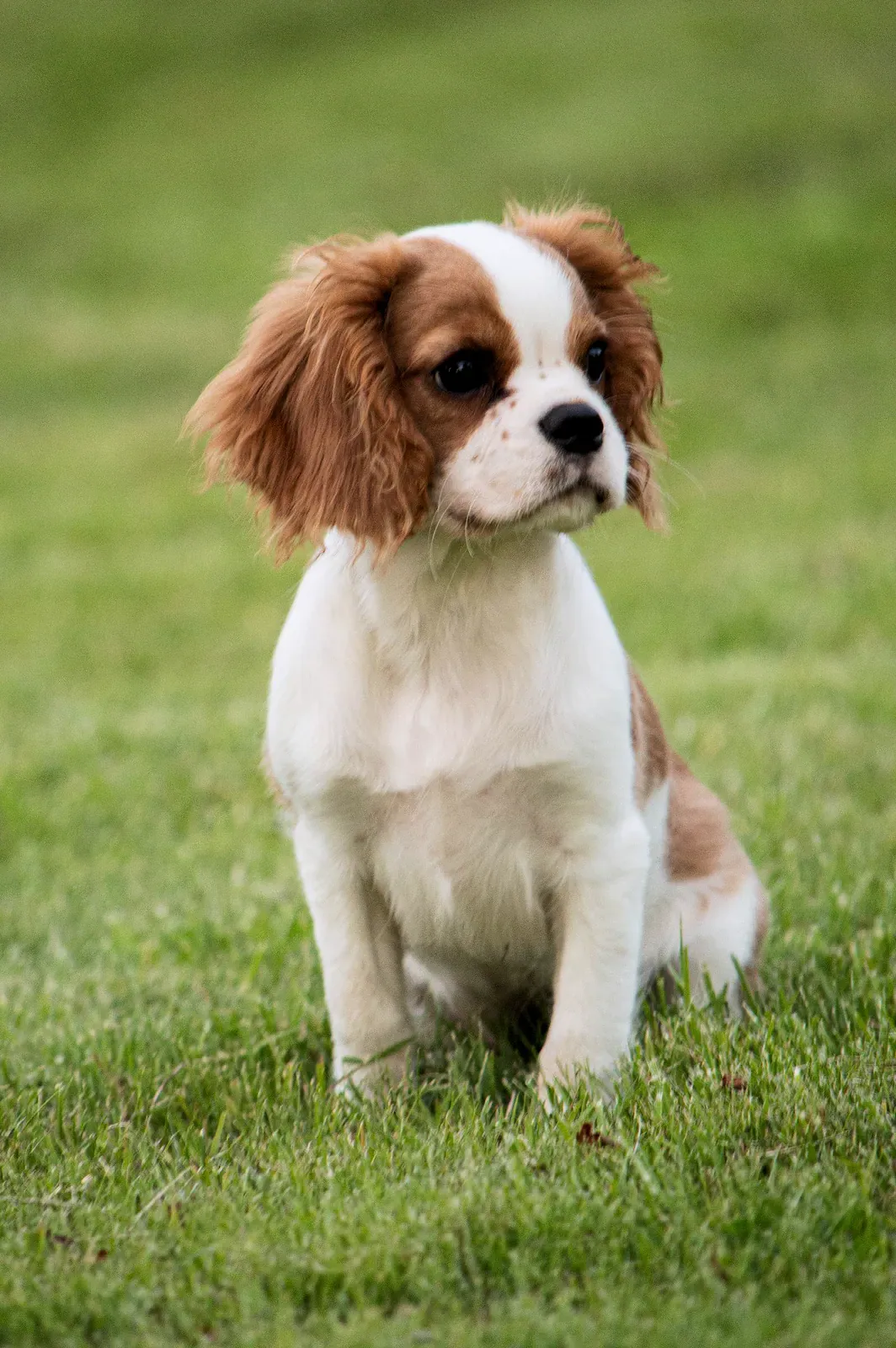
- Long, silky, free from curl, with feathering
- Colours
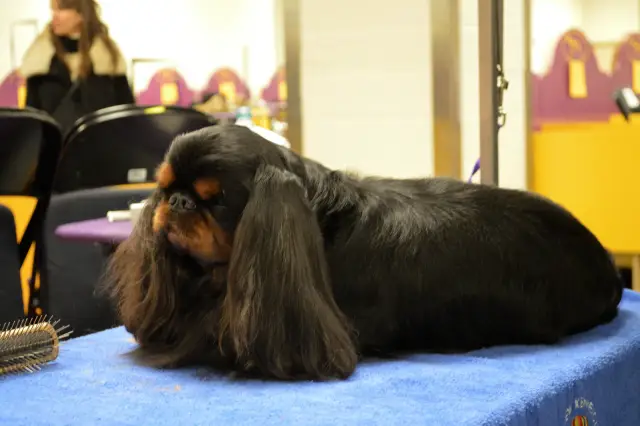
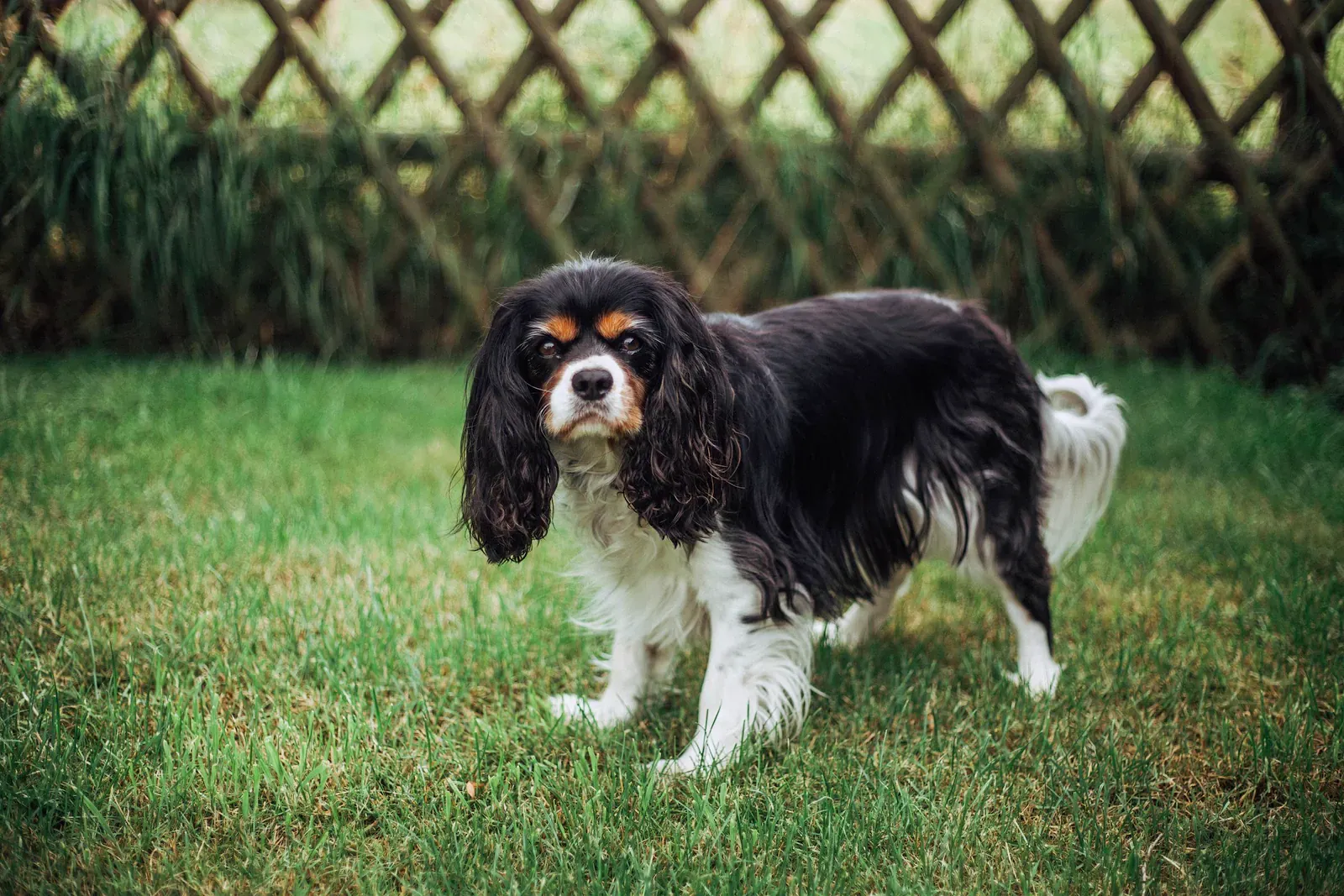
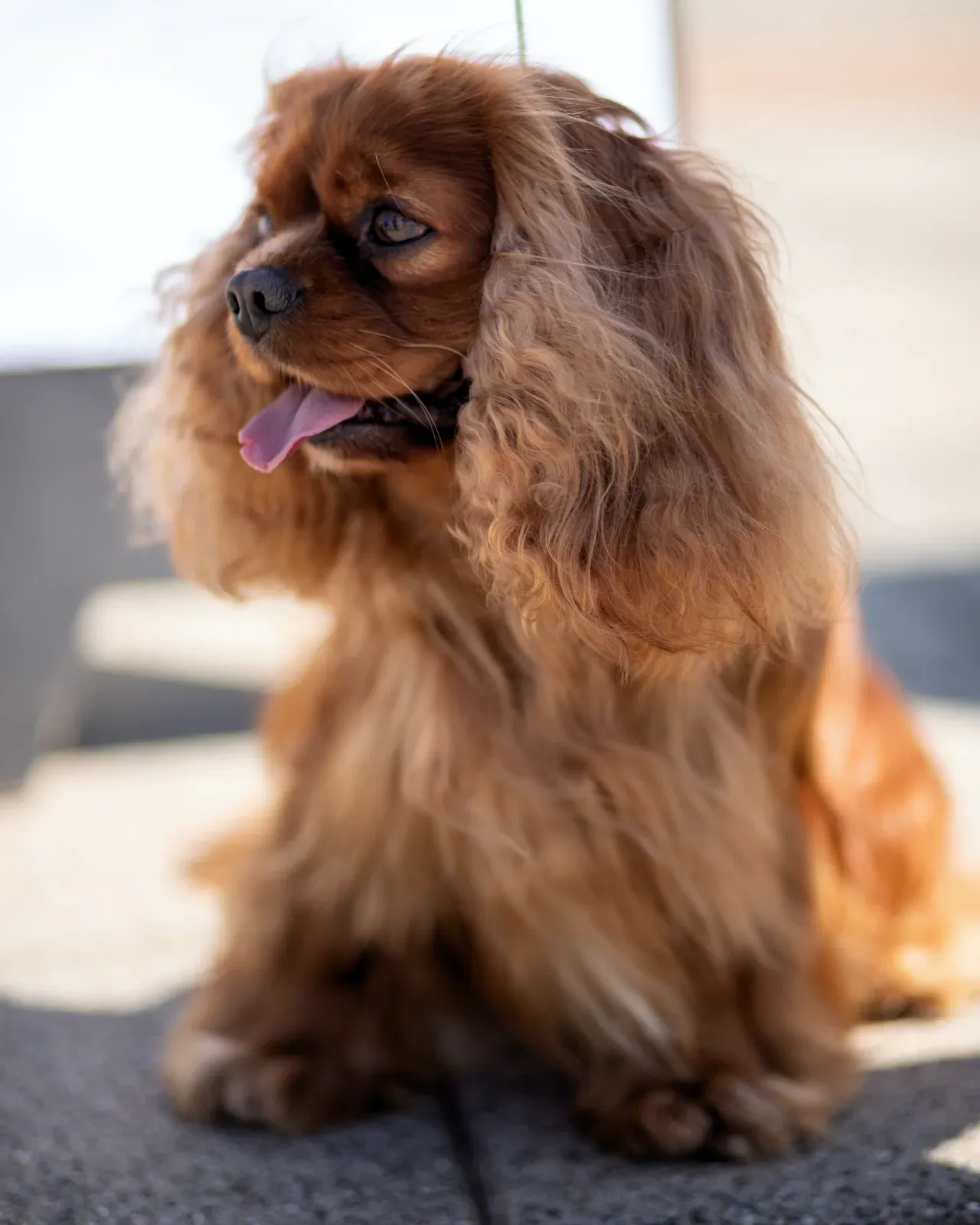
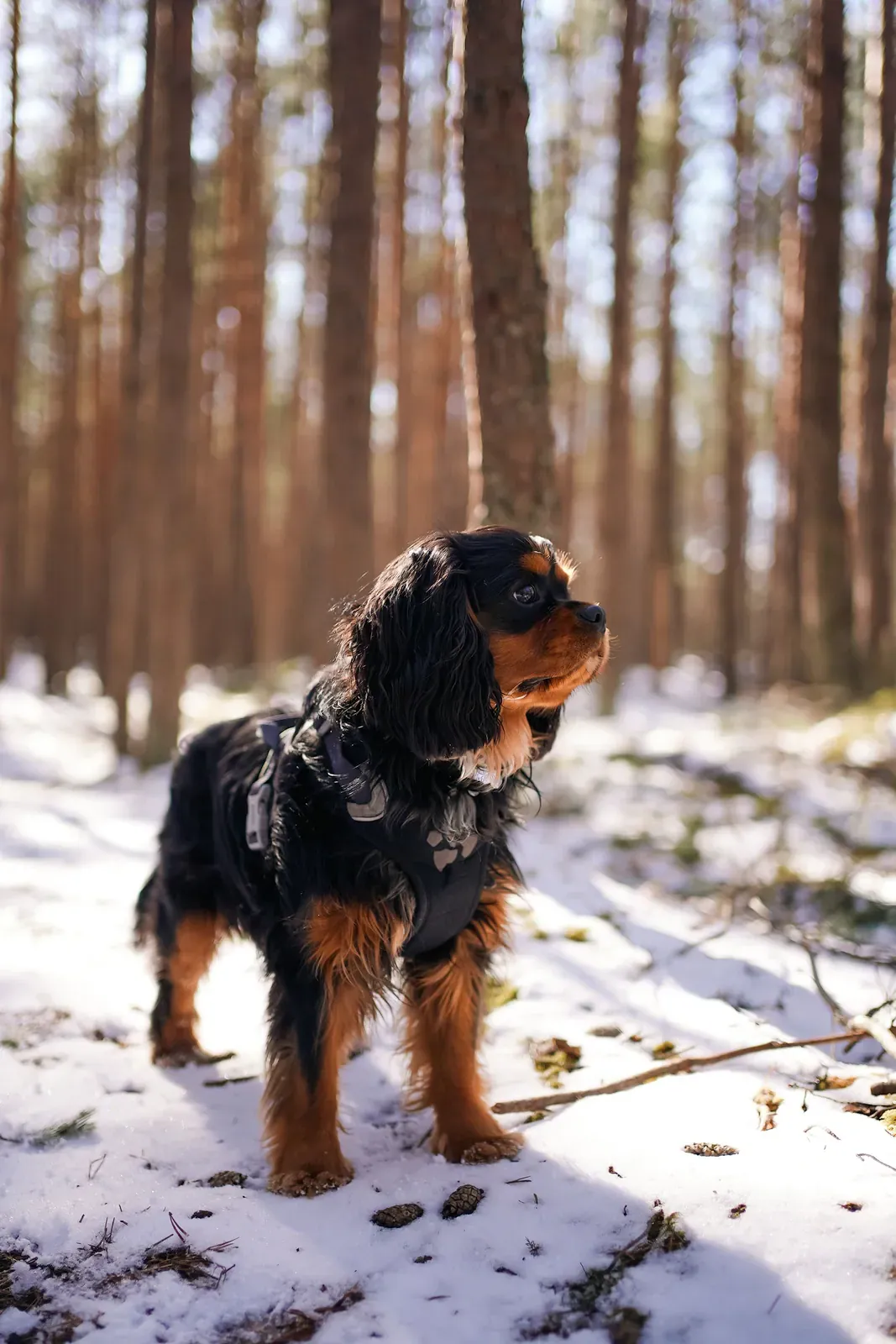
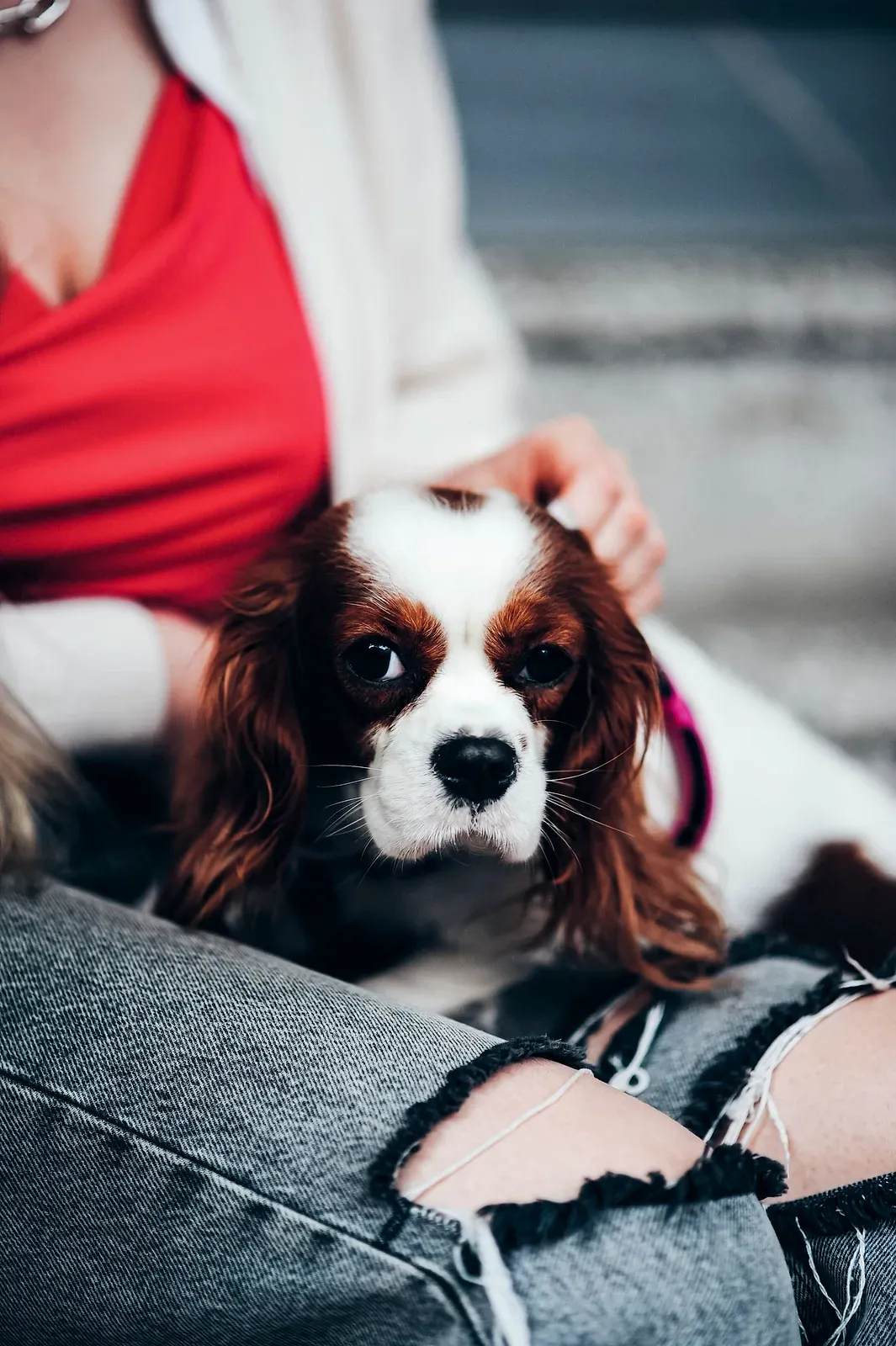
- Blenheim, tricolour, ruby, black and tan
- Life span
- Atlas data: 9 to 14 years
- DNA family
- Spaniel (Parker et al. 2017)
- Closest DNA relative
- Griffon Bruxellois
- Parent and ancestors
- King Charles Spaniel
- Descendant cross
- Cavapoo (designer cross, not a recognised breed)
Drawn to scale in real centimetres. Its back reaches about 32 cm, your shin; its head about 40 cm, just below your knee.
Where it sits in the tree
Modern Era · 1914 to today
Name and origin
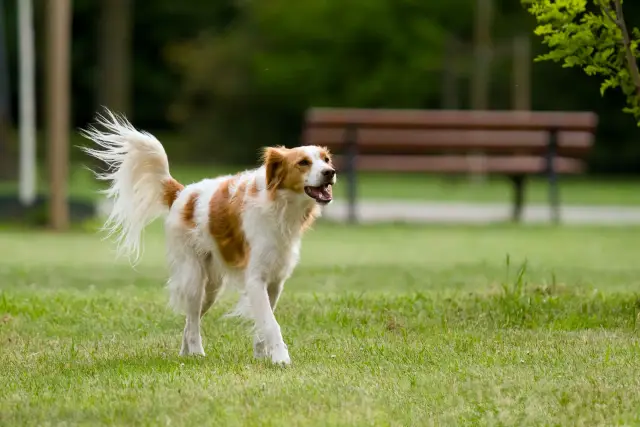 Related breedKooikerhondje1500 to 1966 · NetherlandsAge of Exploration
The name
The breed is named for King Charles II of England, who was famous for his small spaniels. "Cavalier" refers to the royalist side, the Cavaliers, in the English Civil War, and was added in 1928 to tell the revived long-nosed type from the flat-faced dog that kept the older name. Americans call that flat-faced dog the English Toy Spaniel, and in Britain it is still the King Charles Spaniel. The Cavalier is often shortened to "Cavalier".
Toy spaniels at the Stuart court
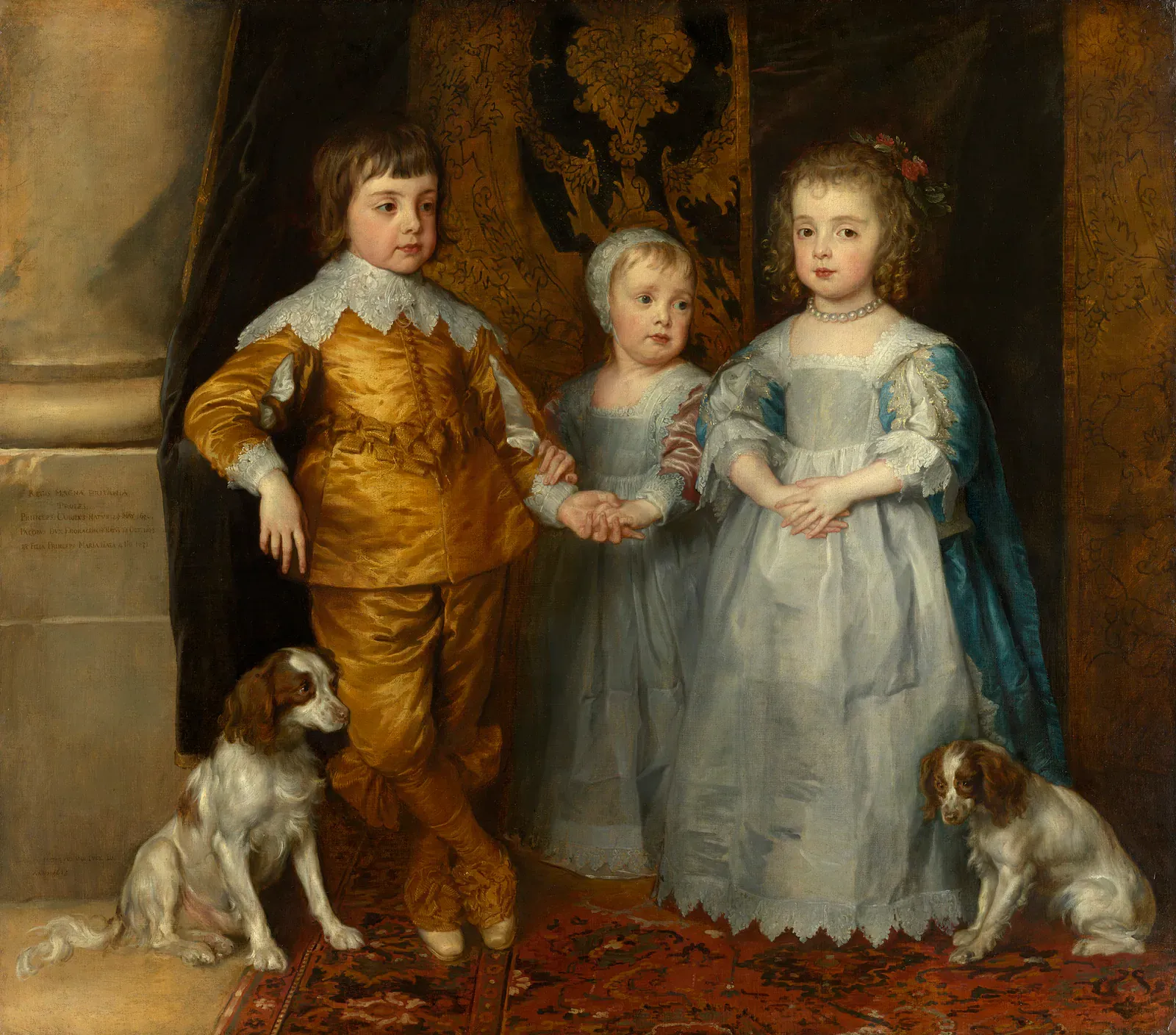
Small spaniels were kept as lap dogs in England and Europe long before Charles II came to the throne in 1660. They appear in Stuart-era portraits, among them paintings by Anthony van Dyck of the royal children, with red and white dogs of a size and shape close to the modern Cavalier: a longer muzzle, a flat skull and long ears. Charles II was known for his spaniels, which is why the type carries his name. The atlas data dates the older King Charles Spaniel to about 1600 to 1903.
The Blenheim colour is said to be named after Blenheim Palace, home of the Dukes of Marlborough, where red and white toy spaniels were bred. A popular story says the thumb-sized chestnut mark on the forehead, the "Blenheim spot" or lozenge, comes from a duchess pressing her thumb on a dog's head while waiting for news of a battle. This is a legend, not a documented event.
How the type changed
By the 1800s breeders favoured short noses and domed heads. Breed histories link this to the fashion for flat-faced Asian breeds such as the Pug. The long-muzzled type of the old paintings became rare, and the flat-faced dog kept the name King Charles Spaniel (English Toy Spaniel in the United States).

History of the Cavalier
 Same eraAlaskan Klee Kai1970 to 1988 · United StatesModern Era
Roswell Eldridge and the 1926 prize
In 1926 an American, Roswell Eldridge, offered prizes at Crufts in London for toy spaniels of the old type seen in paintings from Charles II's reign. The prizes were 25 pounds for the best dog and 25 pounds for the best bitch, paid for five years, and the dogs were to be Blenheims with the longer face and flat skull of the old pictures. Four dogs entered the special classes at Crufts in 1926, and entries grew in later years as breeders set about recreating the type.
The 1928 club
At Crufts in 1928, the third year of Eldridge's prizes, breeders founded a club for the new type and chose the name "Cavalier King Charles Spaniel".
Recognition
| Year | Event |
|---|---|
| 1926 | Eldridge's prizes offered at Crufts |
| 1928 | Cavalier King Charles Spaniel Club founded; the name and first standard set |
| 1945 | The UK Kennel Club recognises the Cavalier as a separate breed |
| 1996 | The AKC recognises the breed, its 140th |
The FCI lists the breed as standard no. 136 (definitive), with Great Britain as the country of origin. The UK Kennel Club and AKC both place it in the Toy Group.
 Save
Cavalier or King Charles Spaniel?
The King Charles Spaniel is the older, flat-faced toy spaniel with a domed skull. The Cavalier was recreated to look like the dogs in the Stuart paintings, with a longer muzzle, a nearly flat skull and a size of 5.4 to 8.2 kg. The UK Kennel Club recognised the Cavalier as a separate breed in 1945. Both sit in the Spaniel clade.
Ancestors, descendants and relatives
 Same familyAmerican Akita1945 to 1956 · United StatesModern Era
Spaniels form one of 29 families in the dog breed family tree: see how they connect to the other lines.
Ancestors. The King Charles Spaniel is the parent breed in the atlas data. Atlas data also links the Maltese as a more distant ancestor, which fits the old story of small European lap dogs mixing with toy spaniels, though no pedigree records show it.
Descendant cross. The Cavapoo is a modern designer cross of a Cavalier and a Poodle. It is not a recognised breed.
What does DNA say?
A 2017 study by Parker and colleagues (Cell Reports) analysed 1,346 dogs from 161 breeds and sorted them into 23 supported clades. The Cavalier sits in the Spaniel clade, with strong support. The study also measured shared , long stretches of identical DNA inherited from common ancestors. The more () two breeds share, the stronger the sign of a common founder or past crossing. It cannot say which way genes flowed.
Source: Parker et al. 2017, as recorded in this site's breed database.
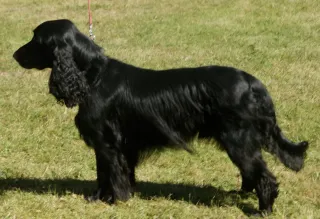
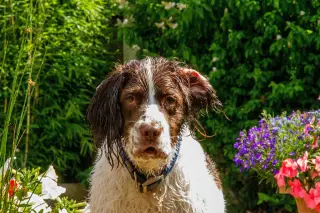
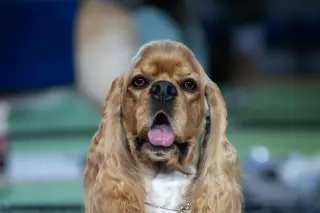
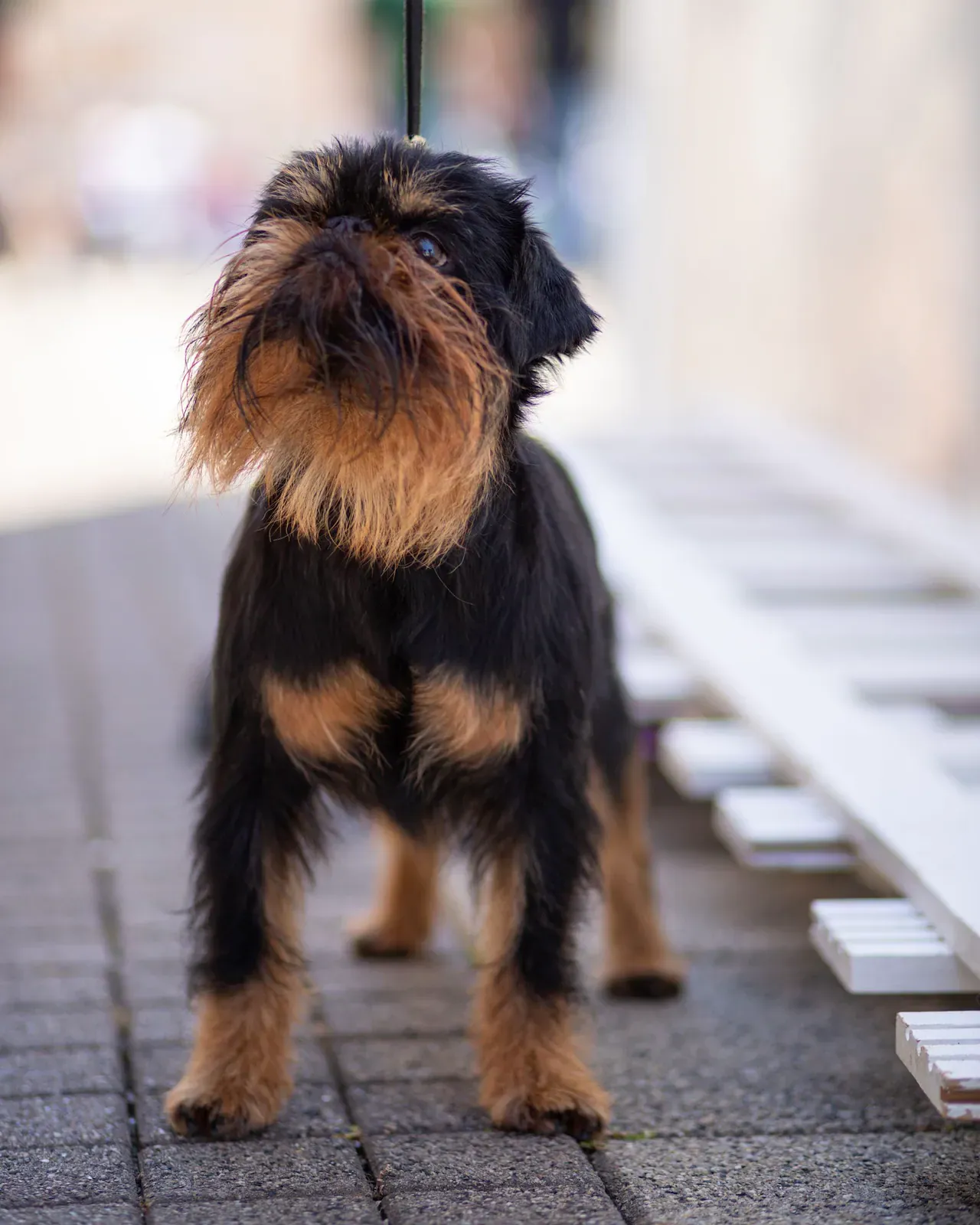
The Griffon Bruxellois at the top fits the history of toy spaniels in building the Brussels breeds, though the study cannot show direction. The cocker and springer spaniels reflect the shared spaniel root.
 Save
Sister breeds · 2
- Clumber Spaniel1770 to 1880
- Toy Trawler Spaniel1850 to 1900
Descend from it · 1
- CavapooUnited States
- Griffon Bruxellois27.9 Mb 1.2%
- English Cocker Spaniel21.1 Mb 0.9%
- Field Spaniel19.6 Mb 0.8%
- English Springer Spaniel15.5 Mb 0.6%
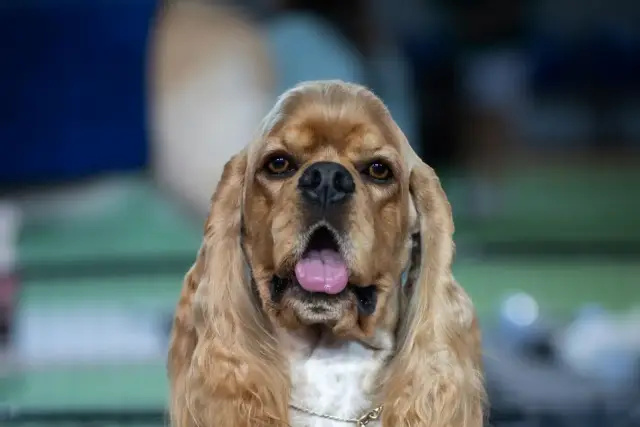
- American Cocker Spaniel14.8 Mb 0.6%
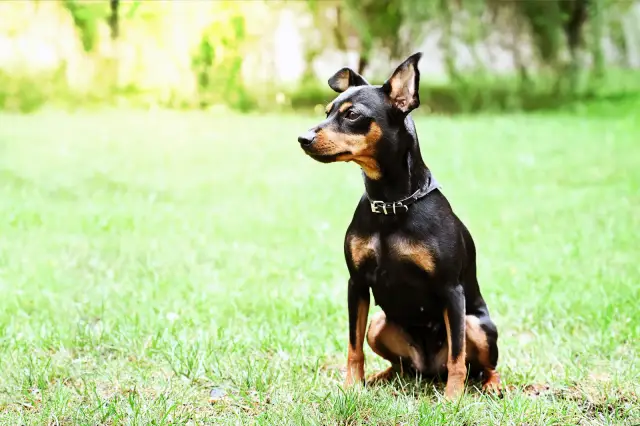
- Toy Manchester Terrier12.2 Mb 0.5%
- Miniature Pinscher12.1 Mb 0.5%
Source: Parker et al. 2017. Percent of the whole genome.
| Breedwith Cavalier | with Cavalier (Mb)Shared DNA (Mb) |
|---|---|
| Griffon Bruxellois | 27.9 |
| English Cocker Spaniel | 21.1 |
| Field Spaniel | 19.6 |
| English Springer Spaniel | 15.5 |
| American Cocker Spaniel | 14.8 |
| Toy Manchester Terrier | 12.2 |
| Miniature Pinscher | 12.1 |
Source: Parker et al. 2017, Cell Reports, shared haplotypes between 161 breeds (1,346 dogs).
The breed standard
 Looks relatedAmerican Bully1980 to 2004 · United StatesModern Era
A is the written ideal for a breed that a kennel club judges dogs against. The UK Kennel Club describes an "active, graceful and well balanced" dog with a gentle expression. The AKC and UK standards are close, with small differences in how size is given.
| Trait | UK Kennel Club | AKC |
|---|---|---|
| Weight | 5.4 to 8.2 kg (12 to 18 lb); smaller dogs within the range preferred, if well balanced | Proportionate to height, about 13 to 18 lb |
| Height | Not given | About 12 to 13 inches (30 to 33 cm) at the withers |
| Coat | Long, silky, free from curl; a slight wave is allowed; plenty of feathering; no trimming | Long, silky, free from curl; slight wave allowed; feathering on ears, chest, legs and tail |
| Colours | Black and tan, ruby, Blenheim, tricolour | Blenheim, tricolour, ruby, black and tan |
| Skull | Nearly flat between the ears, shallow stop | Slightly rounded, with a shallow stop |
| Eyes | Large, dark, round but not prominent, well apart | Large, round, dark, well apart |
| Ears | Long, set high, with plenty of feather | Long, set high, with plenty of feathering |
| Tail | Set high, balanced with the body, carried happily but never much above the level of the back | Well set on, in constant motion when moving; docking is not required |
The FCI standard (no. 136) was not retrieved. The UK standard states that absolute soundness is essential.
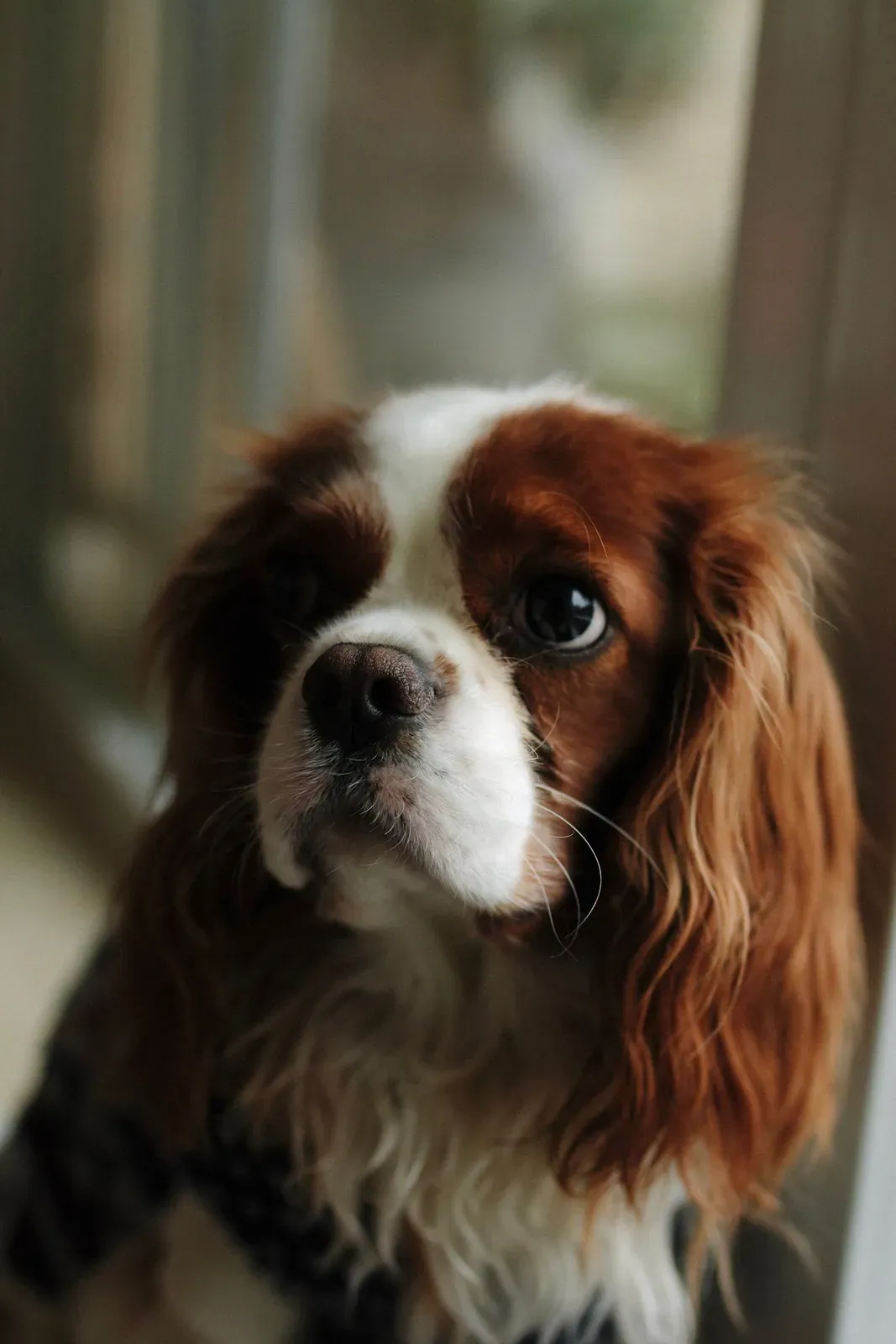
The four colours
- Blenheim. Rich chestnut markings on a pearly white ground, with the lozenge or "spot" in the centre of the skull highly valued.
- Tricolour. Black and white, well spaced and broken up, with tan markings over the eyes, on the cheeks, inside the ears and legs, and on the underside of the tail.
- Ruby. A solid rich red.
- Black and tan. Raven black with bright tan markings over the eyes, on the cheeks, chest, legs and under the tail.
 Save
 Save
 Save
 Save
Temperament
 Related breedCavapoo1990 to 2000 · United StatesModern Era
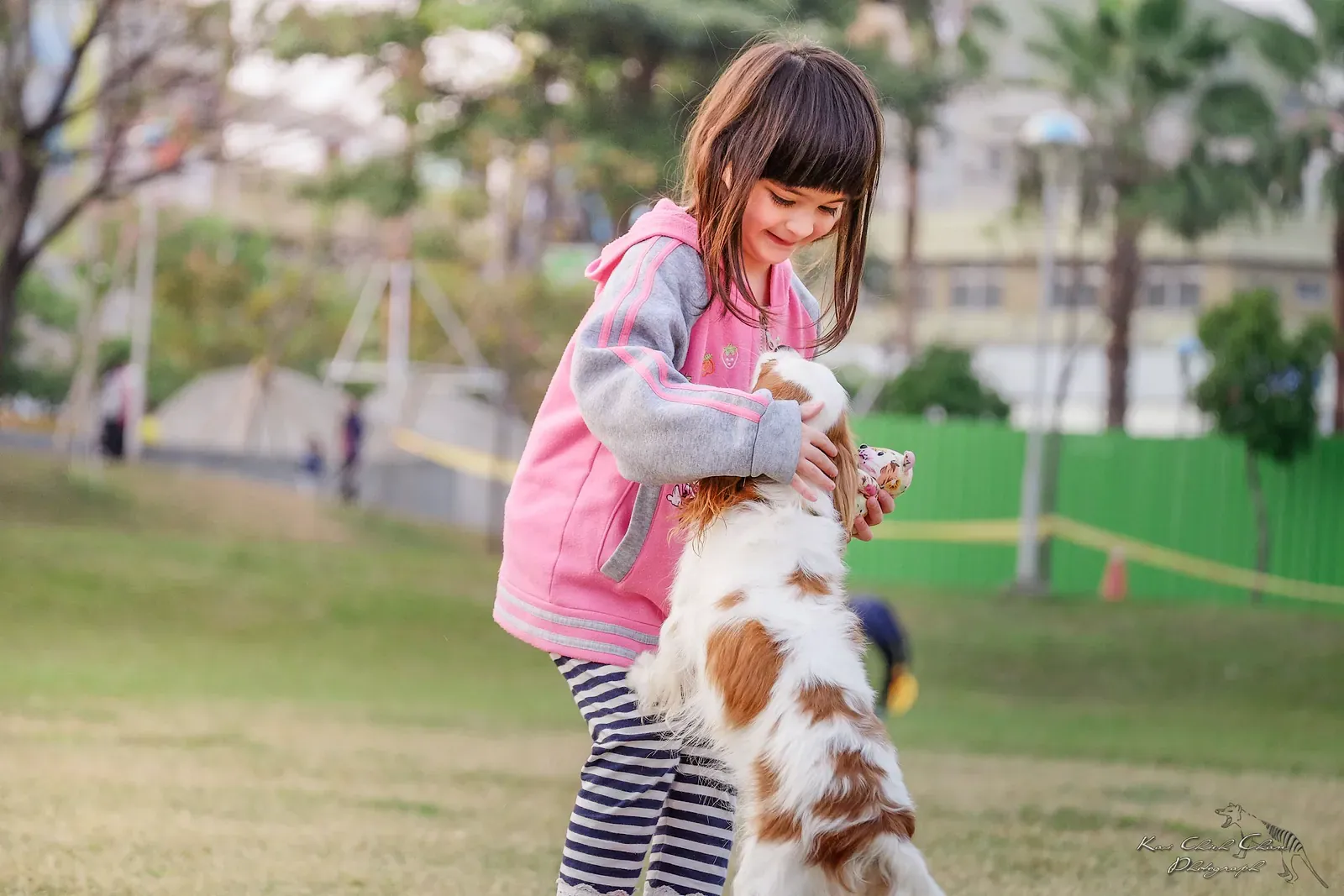
The UK standard calls the Cavalier gay, friendly and non-aggressive, with no tendency to nervousness or shyness. Most are affectionate and gentle with children and visitors. Bred as lap companions, many struggle to be left alone for long. Spaniel instincts remain, so a Cavalier may chase birds off the lead.

Daily needs
 Related breedCockapoo1950 to 1960 · United StatesModern Era
Exercise is moderate, and dogs with heart disease need it adjusted by a vet. Cavaliers respond to short, friendly training. The long coat needs brushing several times a week, with no trimming.
Health
 Related breedCzechoslovakian Wolfdog1955 to 1999 · Slovakia, Czech RepublicModern Era
Many Cavaliers live long, happy lives with their families. The breed has two well-known inherited conditions, and responsible breeders screen for both. What follows is what researchers have found and what helps. Figures are from named studies. They describe groups of dogs, not any single dog, and a vet can advise on your own.
"About 1 in N" figures below are study percentages converted to a simple ratio.
| Condition | What it is | How common | What helps |
|---|---|---|---|
| Myxomatous mitral valve disease (MMVD) | Gradual thickening and leaking of the heart's mitral valve, heard by a vet as a murmur. Signs usually appear later in life | In an echocardiography study of 126 Cavaliers aged 8 years or older (Animals, 2021), a murmur was heard in 89 percent (about 9 in 10) and every dog had changes consistent with MMVD. In the Danish Kennel Club breeding scheme, 10 percent of 1,380 examinations of young breeding dogs (about 1 in 10) found a mitral murmur (Birkegård et al., 2016) | Buy from breeders who follow a heart-screening scheme (auscultation and echocardiography by a specialist, repeated over the dog's life); regular vet heart checks; healthy weight; early treatment once a vet advises it |
| Chiari-like malformation (CM) and syringomyelia (SM) | CM is a skull that is too small for the brain. SM is fluid-filled pockets in the spinal cord, often a result of CM. Signs can include scratching at the neck or shoulder, sensitivity and, in some dogs, pain | Reported overall prevalence of syringomyelia in the breed is about 39 to 46 percent (about 1 in 2 to 2.5; Dutch and Danish MRI study, Frontiers in Veterinary Science, 2024). Among MRI-screened breeding dogs, the mean prevalence fell from 38 percent (2010 to 2014, about 1 in 3) to 27 percent (2015 to 2019, about 1 in 4) | MRI screening of breeding dogs, with breeding choices based on the result (schemes in the Netherlands since 2004 and Denmark since 2015); a vet or veterinary neurologist for any signs of neck pain or scratching; medical care to ease discomfort |
| Episodic falling and dry eye curly coat syndrome | Two other inherited conditions recognised in the breed, for which DNA tests exist | No published prevalence figure | Ask the breeder for DNA test results |
Two points. The Danish scheme gave encouraging results: by 2010 to 2011 the odds of a murmur in dogs from approved parents were 0.27 of those in 2002 to 2003 (a 73 percent drop), while dogs not from the scheme did not improve. And the fall in syringomyelia in screened Dutch and Danish dogs suggests breeding choices work, though those figures are for dogs selected for breeding, not every pet.
Life span. The atlas data gives 9 to 14 years. A vet can discuss what is typical for your dog.

The Norway ruling
 Related breedDogo Argentino1928 to 1973 · ArgentinaModern Era
On 10 October 2023 the Supreme Court of Norway ruled, by majority, that continued breeding of Cavalier King Charles Spaniels breaches section 25 of the Norwegian Animal Welfare Act (HR-2023-1901-A). The case was brought by the Norwegian Society for Protection of Animals against the Norwegian Kennel Club, the Cavalier and Bulldog clubs and six breeders; the Oslo District Court had ruled for the society in 2022. The court found that existing breeding programmes showed no significant improvement in the short term, pointing to syringomyelia and heart disease.
The same case covered the English Bulldog, which may still be bred under a specific programme. The ruling concerns breeding, not ownership, and news reports say breeders may consider scientifically based crossbreeding. Breed clubs elsewhere point to the Dutch and Danish screening results.
Living with a Cavalier King Charles Spaniel
 Related breedGoldendoodle1969 to 1992 · United StatesModern Era
| Daily reality | Rating | Reason |
|---|---|---|
| Exercise per day | Medium | Enjoys walks and play; adjust with a vet if heart disease is found |
| Training needs | Low to medium | Eager to please, friendly and food-motivated |
| Grooming | Medium | Long silky coat; brush several times a week, no trimming (UK standard) |
| Shedding | Medium | Long coat sheds steadily (breed experience; no study cited) |
| Barking | Low | Standard describes a friendly, non-aggressive dog; varies by dog |
| Time alone | Poor | Bred as a lap companion; most prefer company |
| Children | Good | Gentle and friendly in the standard; supervise small children |
| Other dogs | Good | Described as non-aggressive; varies |
| Cats and small pets | Varies | Spaniel chase instincts exist; no reliable study found |
| Flat living | Good | Small, calm indoors, needs regular walks |
| Heat tolerance | Fair | Longer muzzle than flat-faced breeds, but long coat; heart disease lowers tolerance |
| Cold tolerance | Fair | Silky coat gives some protection; small body |
| First-time owner fit | Fair | Easy to live with, but health screening and vet bills need planning |
A great fit if...
- You want a gentle companion that will sit with you through the day.
- You are home for most of the day, or can arrange company for the dog.
- You can set aside time for coat brushing and regular vet checks.
- You are ready to choose a breeder who health-tests both parents.
Think twice if...
- You are away from home for long hours every day.
- You want a dog for hard running or long hikes.
- You would find regular heart checks and possible lifelong medication hard to afford.
- You want a low-shedding, low-grooming dog.
Before you get one
- Ask a breeder for: heart screening results for both parents (a specialist echocardiogram, repeated over the dog's life), MRI results for syringomyelia in the parents and grandparents, DNA test results for episodic falling and dry eye curly coat syndrome, and the ages and health history of the dogs' relatives.
- Look at the dogs: a calm, friendly temperament, bright clear eyes, a coat free of tangles, a muzzle with some length.
- Adult or rescue. Breed rescues exist and often have adult Cavaliers whose health and temperament are known.
- First year. Plan for socialisation, a vet check, weight monitoring and early brushing habits. A vet can listen for a murmur at the first visit.
Similar breeds to consider
- King Charles Spaniel. The older, flat-faced toy spaniel with a similar temperament, with its own health concerns.
- Papillon. A small, bright companion with a normal-length muzzle.
- Bichon Frisé. A cheerful small companion with a low-shedding coat.
- Havanese. A friendly, sociable small dog with a silky coat.
 Save

Cavalier fun facts
 Related breedLabradoodle1988 to 1989 · AustraliaModern Era
- The Blenheim spot is said to be a duchess's thumbprint, a legend, not a recorded fact.
- Eldridge offered 25 pounds each for the best dog and bitch, for five years from 1926.
- The AKC recognised the Cavalier in 1996 as its 140th breed.
Frequently asked questions
Are Cavalier King Charles Spaniels good family dogs?
Many are. Most are gentle, friendly and patient with children. They need company and regular health checks.
How long do Cavalier King Charles Spaniels live?
Atlas data gives 9 to 14 years. Heart disease is the main influence on life span.
How big do Cavaliers get?
The UK standard gives 5.4 to 8.2 kg. The standard gives a height of about 12 to 13 inches (30 to 33 cm).
What colours do Cavaliers come in?
Four: Blenheim (chestnut and white), tricolour (black, white and tan), ruby (solid red) and black and tan.
What is the difference between a Cavalier and a King Charles Spaniel?
The Cavalier has a longer muzzle and a flat skull. The King Charles Spaniel is the older flat-faced, domed-skull type. The Cavalier was recreated from 1926 to match the dogs in Stuart paintings.
What is syringomyelia in Cavaliers?
Fluid-filled pockets in the spinal cord, linked to a skull that is too small for the brain. MRI screening of breeding dogs has lowered the rate in the Netherlands and Denmark.
Why did Norway rule against breeding Cavaliers?
In October 2023 the Supreme Court found that breeding the breed breaches the Animal Welfare Act, citing the neurological and heart problems.
Read next
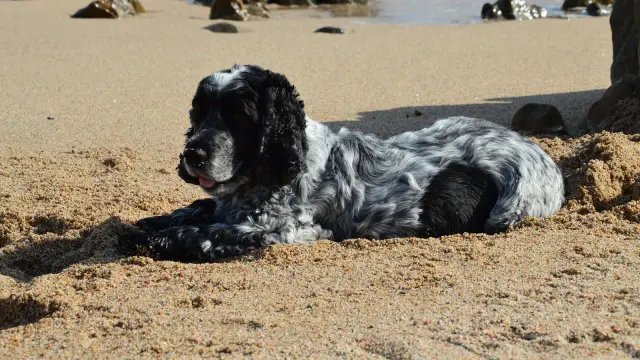 Closest DNAEnglish Cocker Spaniel21.1 Mb shared
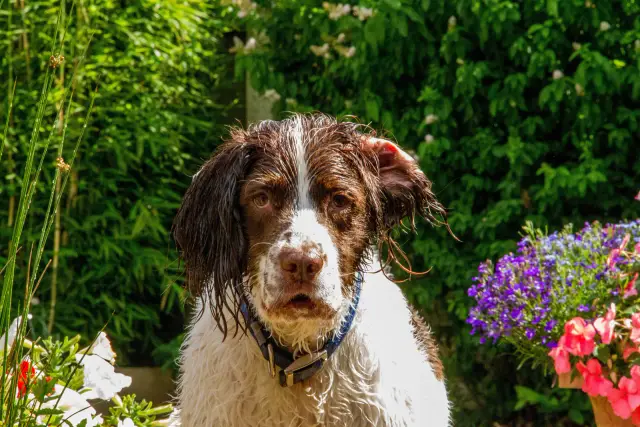 FamilySpanielThe whole family
 Adopt a dogDog Shelters in EuropeFind dog shelters in Europe, learn how shelters differ from country to country and why adopting a dog is a good option.
Sources (11)
- American Kennel Club, Cavalier King Charles Spaniel breed information and history.
- Birkegård A.C. et al., "Breeding restrictions decrease the prevalence of myxomatous mitral valve disease in Cavalier King Charles Spaniels over an 8- to 10-year period", Journal of Veterinary Internal Medicine, 2016.
- Cavalier King Charles Spaniel Club (USA), general history.
- Fédération Cynologique Internationale, Cavalier King Charles Spaniel, standard no. 136.
- Dutch and Danish researchers, "The effect of MRI-based screening and selection on the prevalence of syringomyelia in the Dutch and Danish Cavalier King Charles Spaniels", Frontiers in Veterinary Science, 2024.
- Mandigers P. and Rusbridge C., review of Chiari-like malformation and syringomyelia in the Cavalier King Charles Spaniel, 2009.
- Norwegian Supreme Court, HR-2023-1901-A, 10 October 2023, and Science Norway report on the ruling.
- Parker H.G. et al., "Genomic analyses reveal the influence of geographic origin, migration, and hybridization on modern dog breed development", Cell Reports, 2017.
- Study of clinical and echocardiographic findings in an aged population of Cavalier King Charles Spaniels, Animals, 2021.
- The Kennel Club (UK), Cavalier King Charles Spaniel breed standard.
- Atlas data, breed record and Parker 2017 shared-haplotype table (this site).