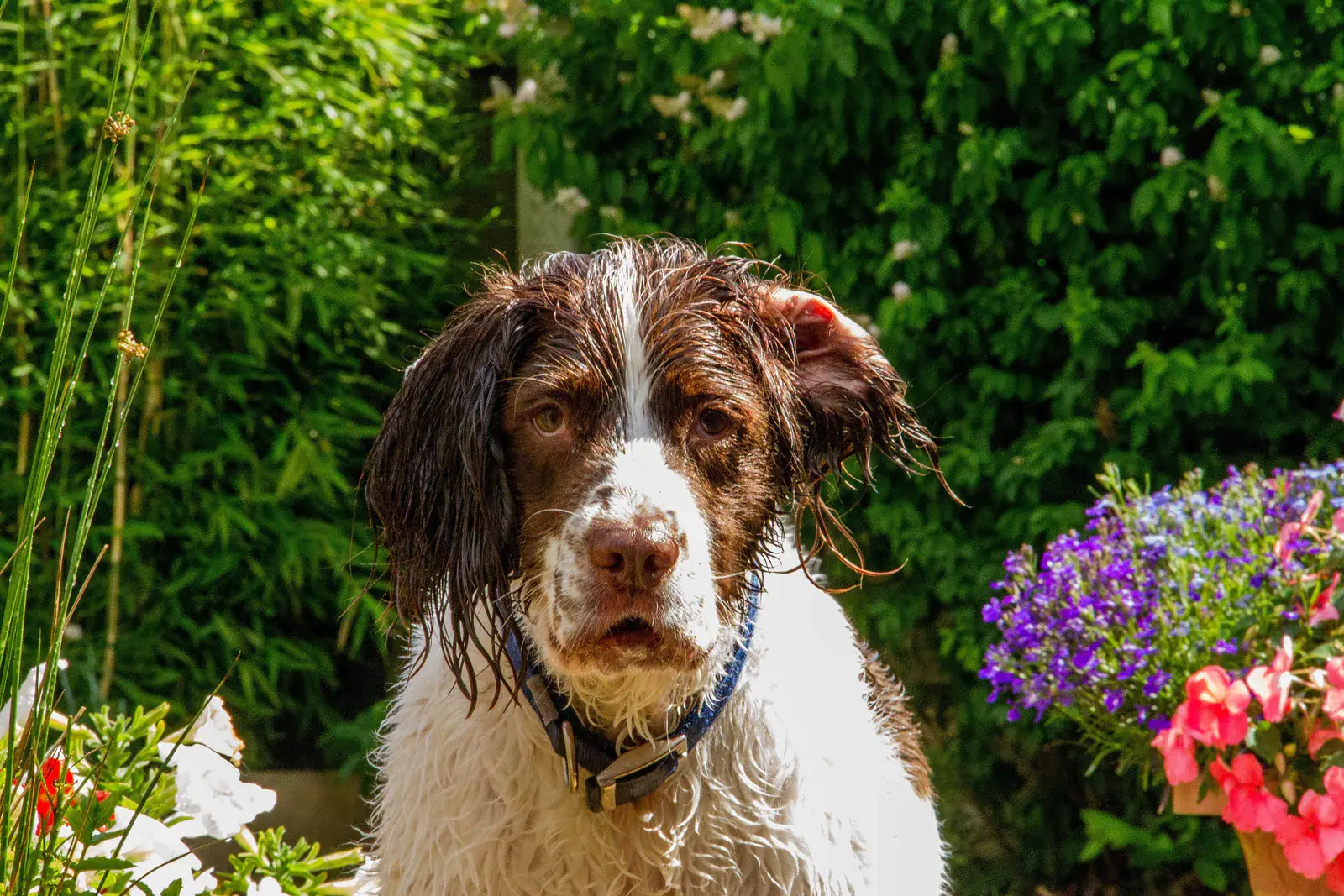
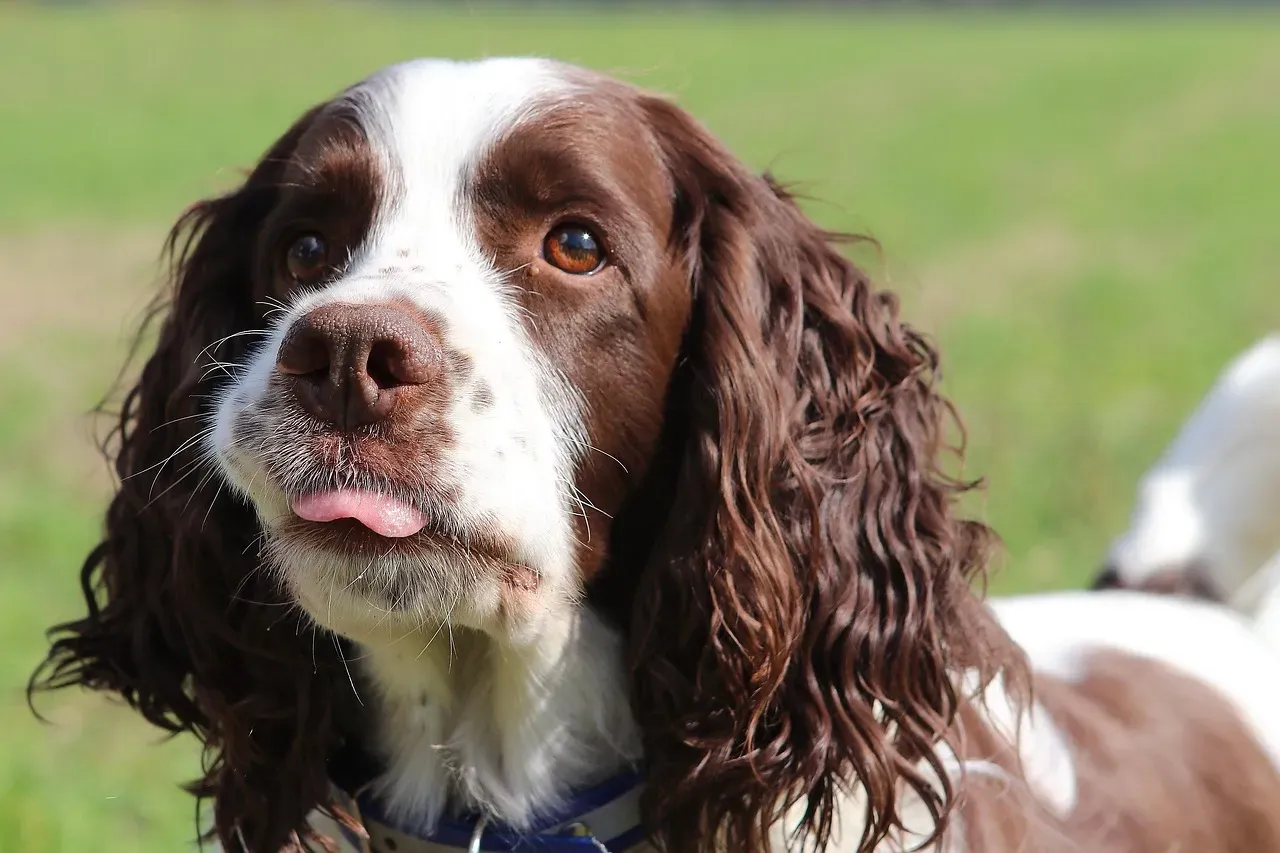
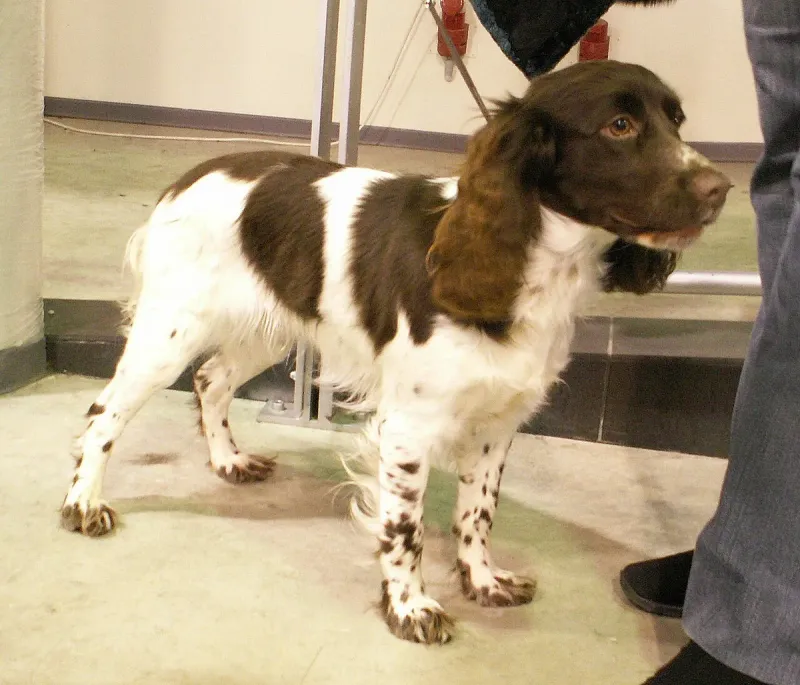
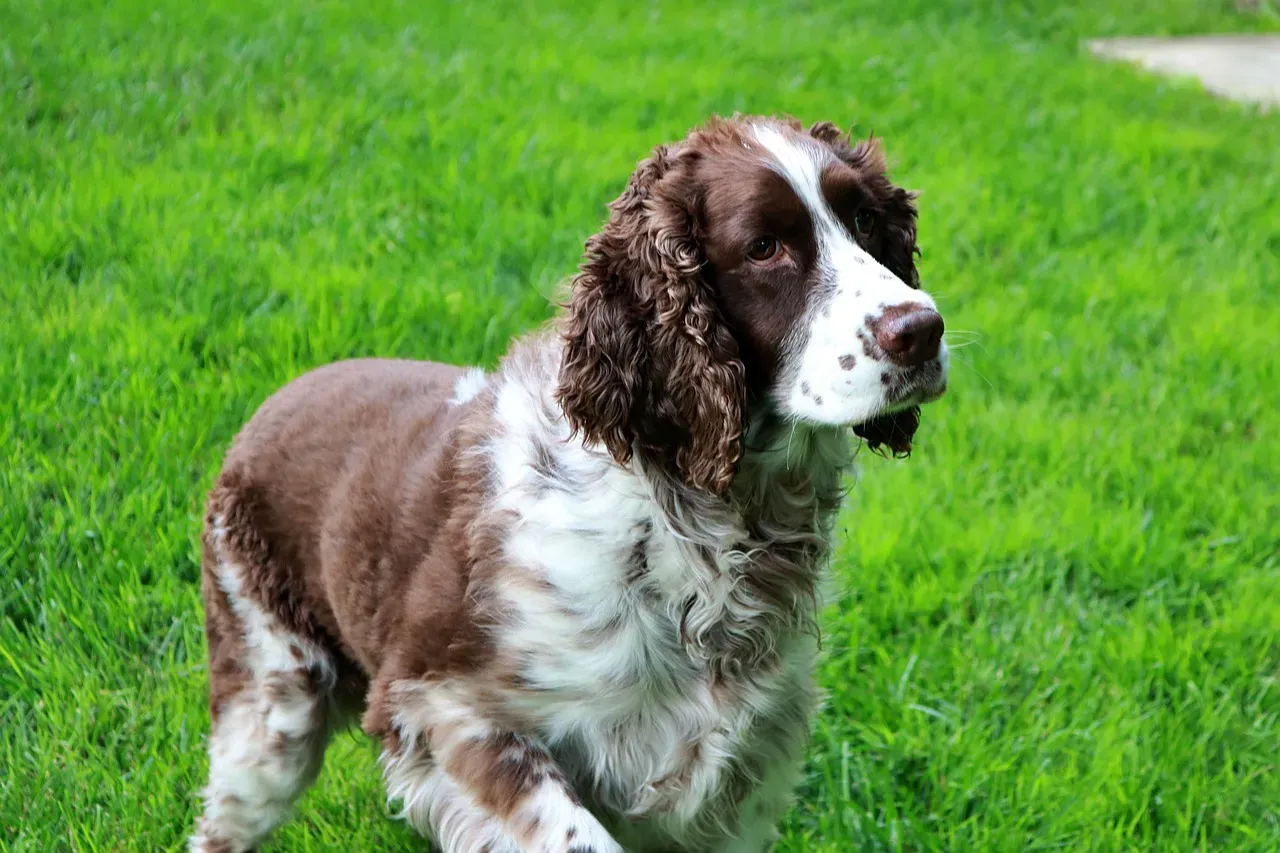
That job gave the breed its name. Today it works as a shooting dog, as a detection dog in police, customs and military teams, and as a family companion. It is friendly, quick and energetic, and it needs real daily exercise and something to do with its nose. The breed has two quite different types, show-bred and field-bred, and the type you pick shapes how your dog looks and how much work it needs.
English Springer Spaniel quick facts
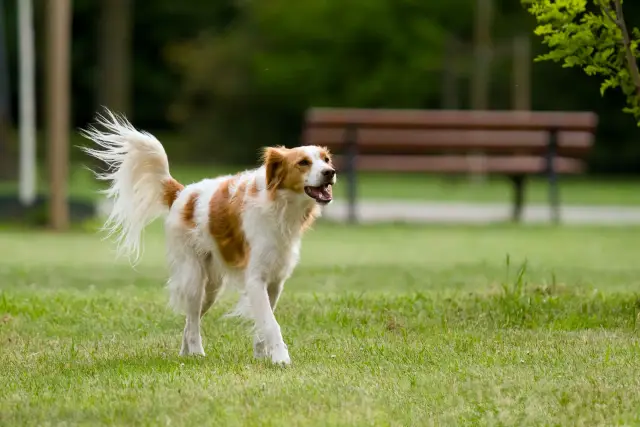 Related breedKooikerhondje1500 to 1966 · NetherlandsAge of Exploration
- Closest DNA relatives
- Field Spaniel, English Cocker Spaniel, American Cocker Spaniel, Cavalier King Charles Spaniel
- Country of origin
- Great Britain (England)
- Period of development
- 1800 to 1902 (atlas data); recognised as a separate breed by the UK Kennel Club in 1902 per most sources
- Original job
- Flushing (springing) game birds and rabbits for the gun, nets, falcons or greyhounds; retrieving
- Type
- Flushing spaniel (FCI Group 8, Retrievers, Flushing dogs, Water dogs; FCI standard no. 125; AKC Sporting Group; UK Kennel Club Gundog Group)
- Height
- AKC: dogs 51 cm, bitches 48 cm. FCI: about 51 cm
- Weight
- AKC: about 23 kg for a 51 cm dog, about 18 kg for a 48 cm bitch
- Coat
- Medium-length, feathered on ears, chest, legs and belly; field lines have shorter, coarser coats
- Colour
- Liver and white, black and white, or either with tan markings
- Life span
- Atlas data: 12 to 14 years
- Exercise
- High; hunting, retrieving and scent work suit it
- DNA family
- Spaniel family (Parker et al. 2017)
Drawn to scale in real centimetres. Its back reaches about 50 cm, your knee; its head about 63 cm, mid-thigh.
Where it sits in the tree
Industrial Revolution · 1800 to 1849

Name and origin
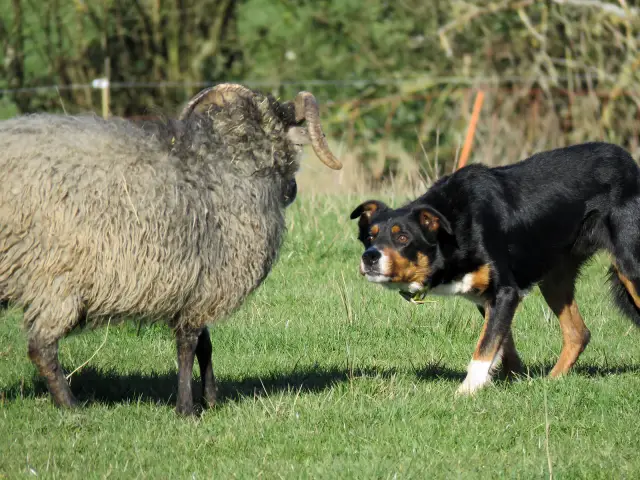
 Related breedAustralian Cattle Dog1840 to 1903 · AustraliaIndustrial Revolution
The name comes from the work. "Springing" means flushing game, which is making hiding birds or rabbits break cover so a hunter can shoot, net or fly a falcon at them. The breed's earliest job was to find and spring game for a net, a falcon or a greyhound. A spaniel of this kind works close to the hunter, hunts through thick cover and flushes on command, and it then sits or drops until sent to retrieve.
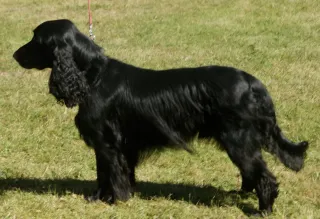
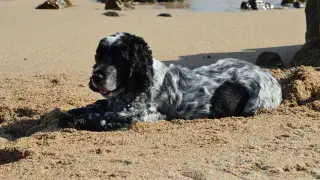
"English" separates the breed from the Welsh Springer Spaniel, which is a sister breed, and from the American types. The English Springer is also separate from the English Cocker Spaniel, with which it once shared litters, and Cocker Spaniel dogs are smaller. The family link is also visible in DNA, where the Springer's strongest haplotype sharing is with the Field Spaniel and the English Cocker Spaniel. For the wider family, see Spaniel.
 Save

History
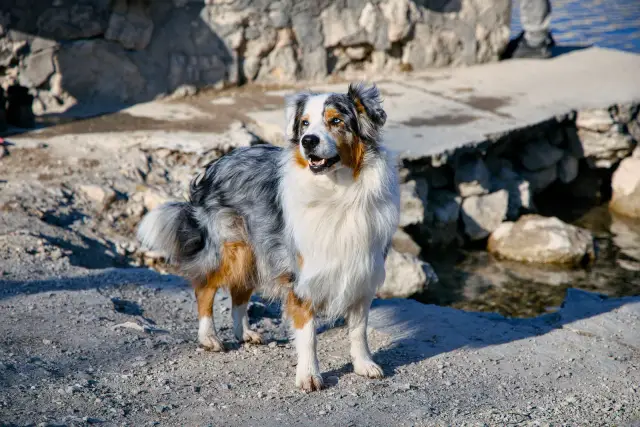 Same eraAustralian Shepherd1840 to 1957 · United StatesIndustrial Revolution
Springers and cockers from the same litters
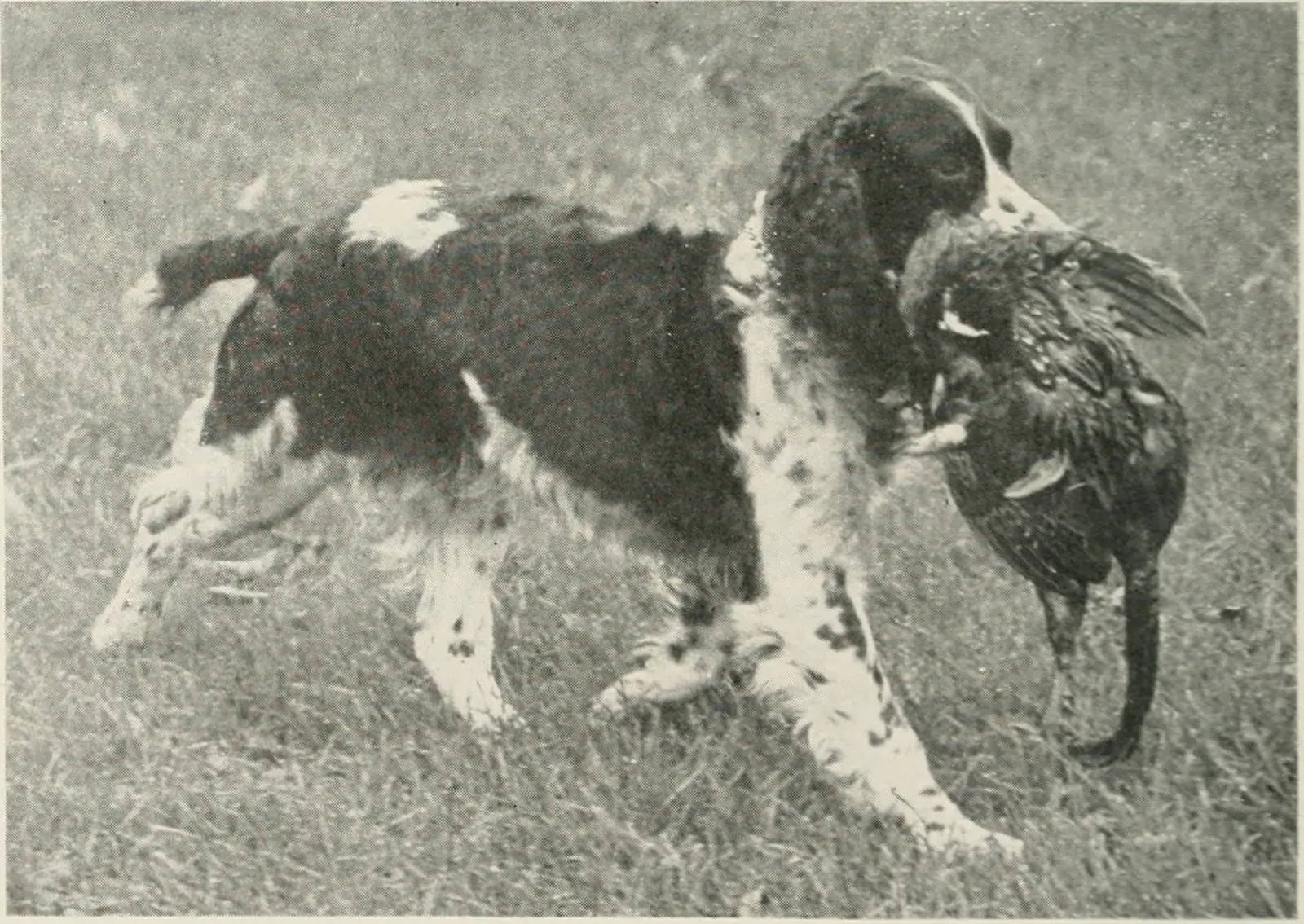
Before modern breed standards, spaniels were described by their size and their work. Cockers and springers came from the same litters, and the way to tell them apart was weight. The smallest were Cockers, the medium were called Field spaniels, and the largest were Springers, and a dog could change its registration as it grew. Accounts disagree on the cutoff: one gives under 25 pounds (about 11 kg) as a Cocker and over 25 pounds as a Springer, another puts the line at 28 pounds (about 13 kg). That variety of sizes led to confusion, and the breeds were gradually separated.
Breed histories record that cockers and springers came from the same litters until the Kennel Club separated them, with an 1893 date. Most other sources date the recognition of the English Springer Spaniel as its own breed to 1902, and they credit a combination of the physical standard from the Spaniel Club of England and the working standard from the Sporting Spaniel Society. The two dates may describe different steps: the separation of cockers from other spaniels at shows, and the full recognition of the Springer as a breed. Both dates are given here because the sources do not agree.
The atlas data also lists the Norfolk (or Shropshire) Spaniel as the older type from which the Springer descends, a link recorded with medium confidence.
 Save
Clubs and recognition
In the United Kingdom the Kennel Club recognised the breed in 1902. Several sources give 1910 for recognition by the American Kennel Club. The Fédération Cynologique Internationale lists the breed as standard no. 125, with Great Britain as country of origin.
In the United States the AKC registers all English Springer Spaniels as a single breed. That matters, because the dogs bred for the show ring and the dogs bred for field trials are in practice two different populations, as the next section explains.
Relatives and DNA
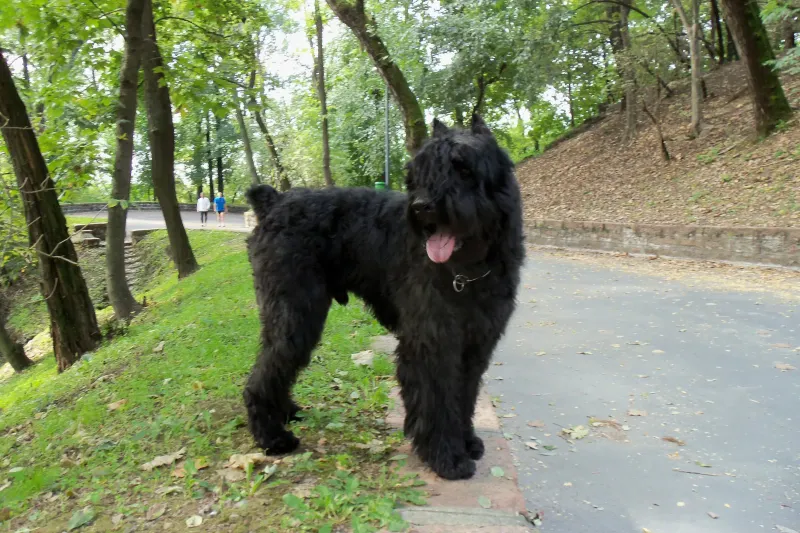 Same familyBouvier des Flandres1800 to 1912 · Belgium, FranceIndustrial Revolution
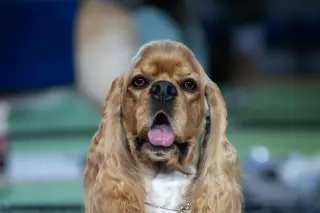
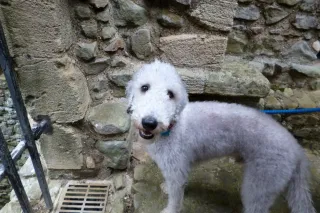
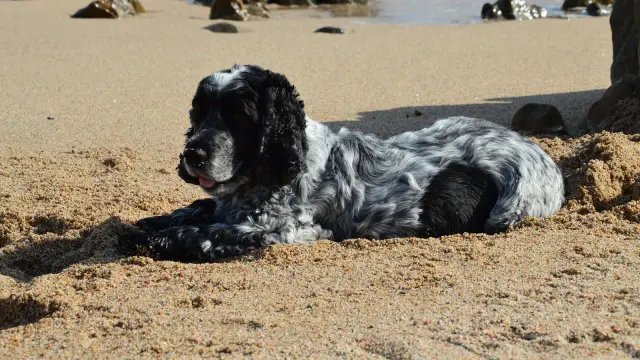
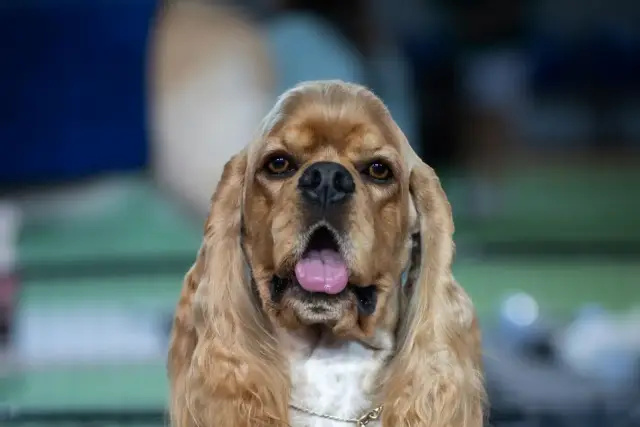
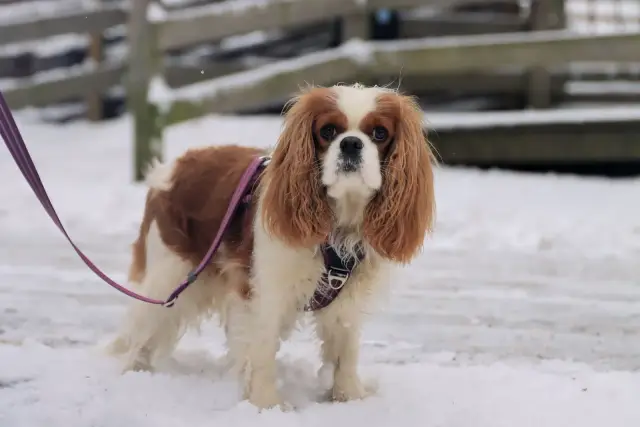
In the 2017 study by Parker and colleagues, the English Springer Spaniel sits in the Spaniel family (here "family" means the DNA ). Its closest sharing was with the Field Spaniel (about 44.7 ) and the English Cocker Spaniel (about 40 Mb), followed by the American Cocker Spaniel (about 20.9 Mb) and the Cavalier King Charles Spaniel (about 15.5 Mb). The Bedlington Terrier appears further down the list (about 10.2 Mb).
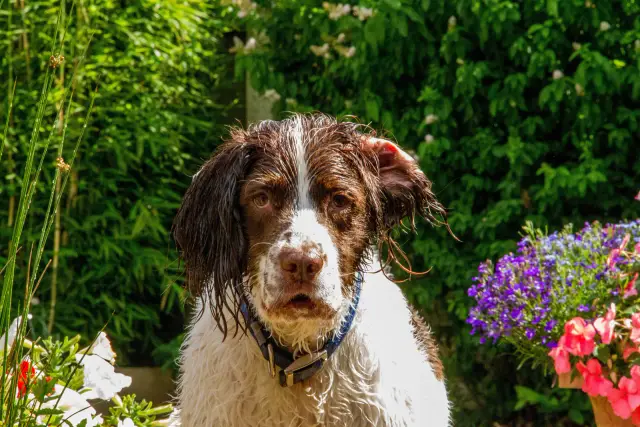
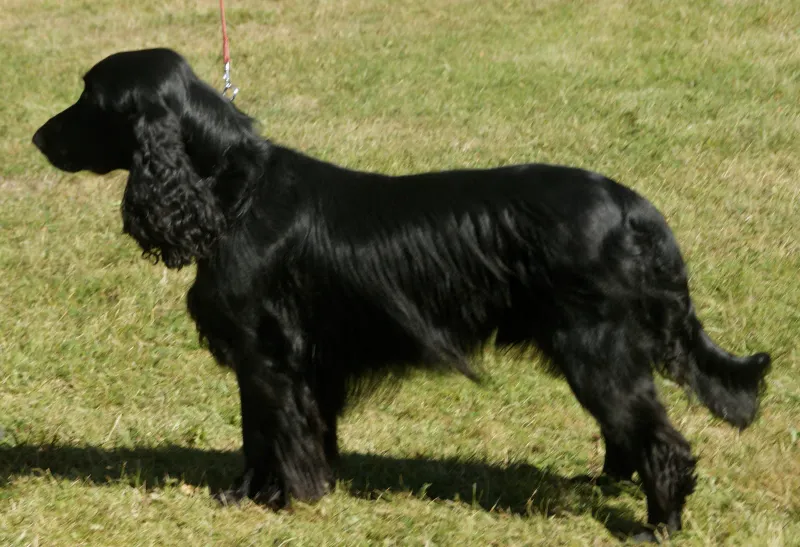 English Springer and Field Spaniel
- English Springer and English Cocker
- English Springer and American Cocker
- English Springer and Cavalier
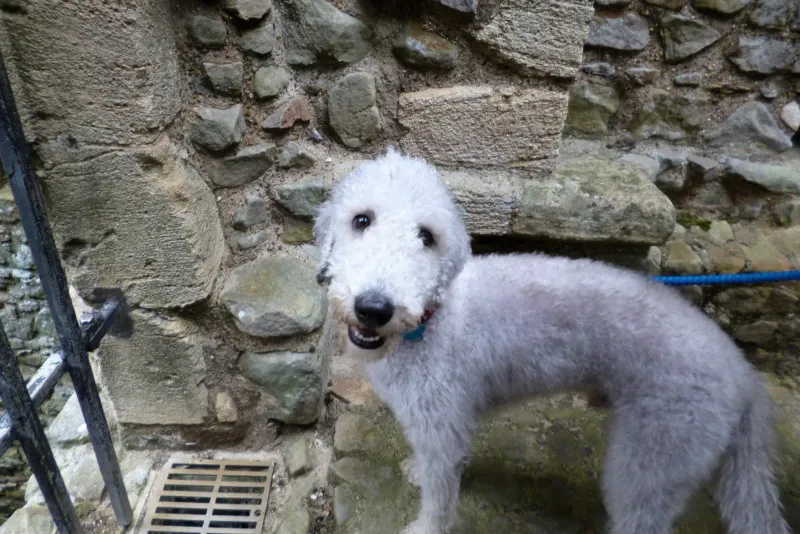 English Springer and Bedlington Terrier
The atlas data lists the Welsh Springer Spaniel as a sister breed, also with medium confidence, and the Boykin Spaniel and Russian Spaniel as descendants. For close cousins, see English Cocker Spaniel, Welsh Springer Spaniel and Field Spaniel.
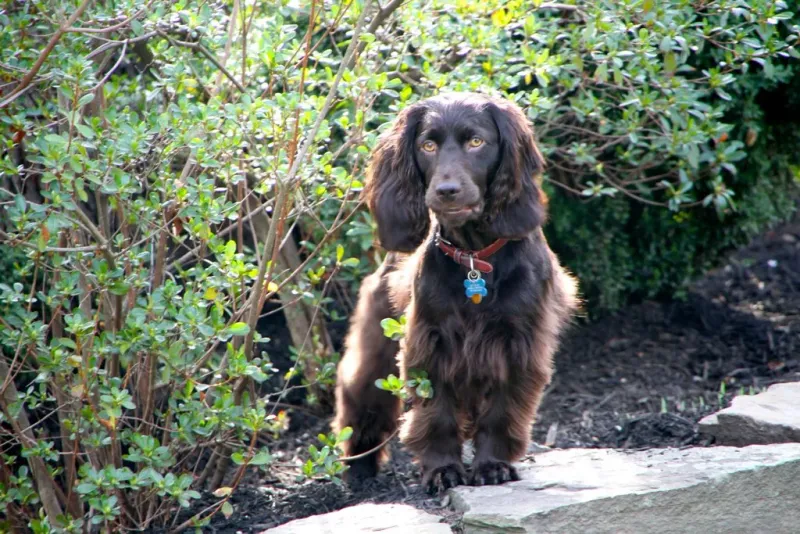 Boykin Spanieldescendant
 Russian SpanieldescendantBoykin SpanieldescendantRussian Spanieldescendant
 Save
Sister breeds · 2
- Welsh Springer Spaniel1600 to 1902
- English Cocker Spaniel1800 to 1892
Descend from it · 2
- Boykin SpanielUnited States
- Russian SpanielRussia
- Field Spaniel44.7 Mb 1.9%
- English Cocker Spaniel40.0 Mb 1.7%
- American Cocker Spaniel20.9 Mb 0.9%
- Cavalier King Charles Spaniel15.5 Mb 0.6%
- Bedlington Terrier10.2 Mb 0.4%
Source: Parker et al. 2017. Percent of the whole genome.
Field lines and show lines
 Related breedBulldog1835 to 1875 · United KingdomIndustrial Revolution
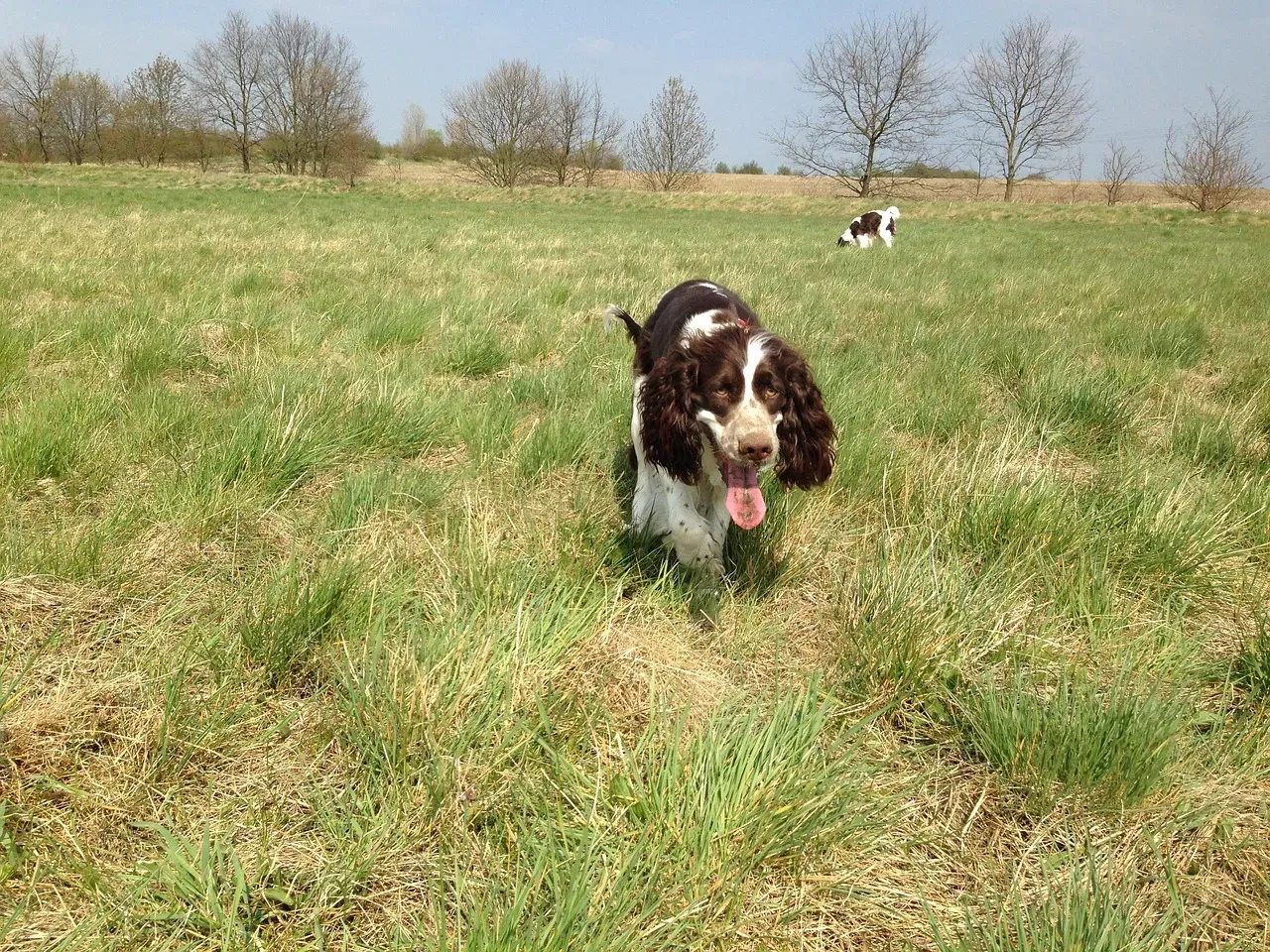
The English Springer Spaniel is often described as two breeds under one name. This is a widely held view in breed guides rather than a formal split, and the sources below are mostly breed information sites and forums, so treat the details as generalisations.
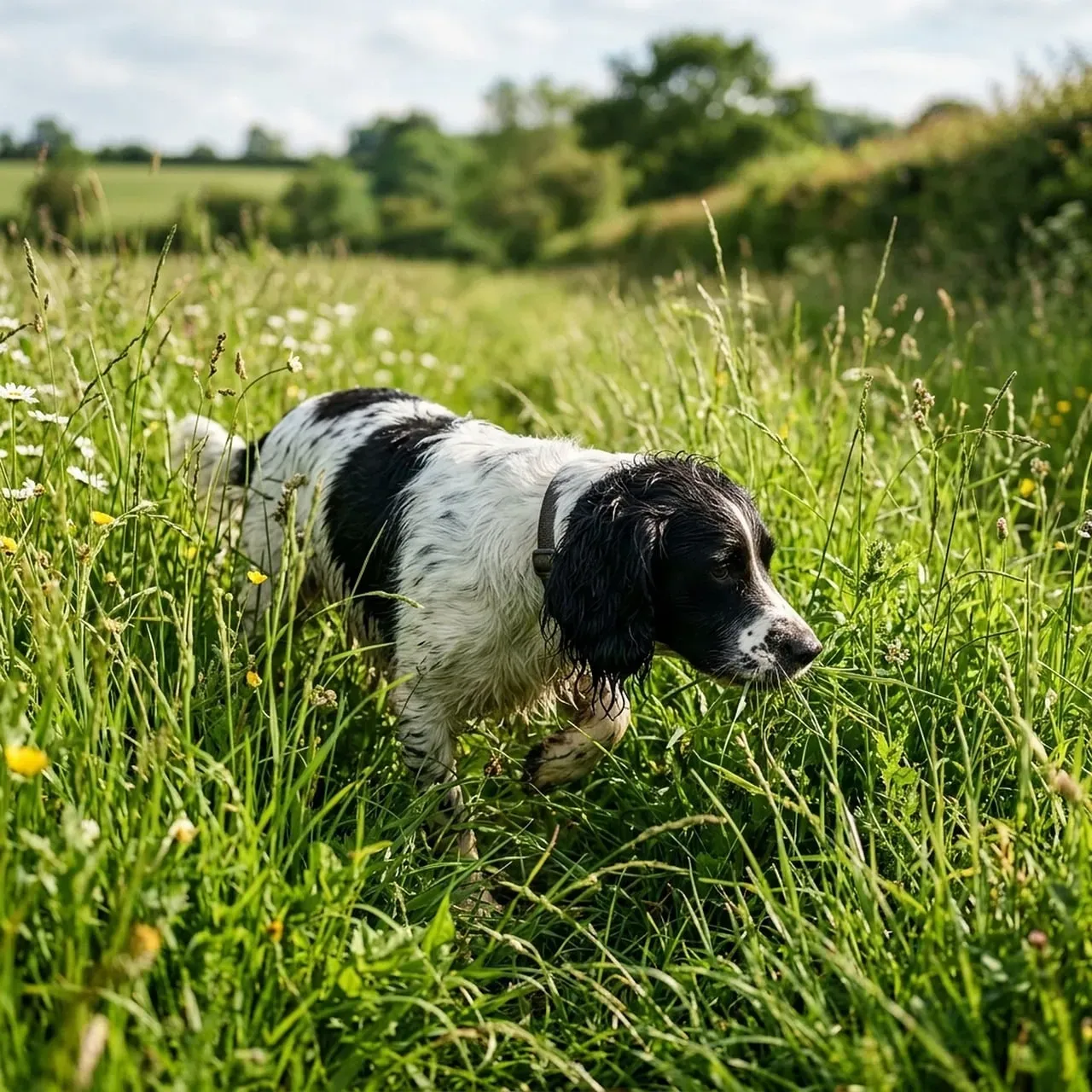
- Show (bench) lines. Bred for the ring. Generally heavier, with longer, fuller coats and more pendant ears. Often described as milder and more settled in the house. One source gives show-line weight as 40 to 50 pounds, about 18 to 23 kg.
- Field lines. Bred for scent, hunting drive and response to training, not for appearance. Generally wirier, with shorter, coarser coats and a lighter, more athletic frame. In the US, bench dogs are often docked short while field dogs are left longer, around three quarters of the natural tail length.
- The usual claim. A field-bred dog would not be competitive in a modern dog show, and a show dog would not have the speed or stamina to succeed in a field trial. Some breeders point out that the lines overlap and that both types follow the standard.
The practical meaning for an owner: a field-bred Springer can be a very driven dog that needs hours of purposeful work every day, and a show-bred Springer is often easier in a family home but still needs real exercise. Ask the breeder what the parents do, and meet them.
 Save
The breed standard
 Looks relatedChesapeake Bay Retriever1807 to 1918 · United StatesIndustrial Revolution
A is the written ideal for a breed that kennel clubs judge dogs against. The standards for the English Springer Spaniel agree closely on height. The UK Kennel Club figure comes from a secondary source, so it is marked.
| Trait | What the standards say |
|---|---|
| Height, dogs (AKC) | Ideal 51 cm (20 in) at the shoulder; faulted if more than 2.5 cm over or under |
| Height, bitches (AKC) | Ideal 48 cm (19 in) |
| Weight (AKC) | A 51 cm dog in good condition weighs about 23 kg (50 lb); a 48 cm bitch about 18 kg (40 lb) |
| Height (FCI, standard no. 125) | Approximate height at the withers 51 cm (20 in) |
| Height (UK Kennel Club) | Reported as 51 cm (20 in) at the withers; club document not seen |
| Weight (FCI, UK Kennel Club) | Not found; omitted |
| Group | AKC Sporting; FCI Group 8; UK Kennel Club Gundog |
Other weight ranges in circulation are wider. The AKC breed weight chart lists 18 to 23 kg (40 to 50 lb). Wikipedia gives show-line males about 48 to 53 cm and 18 to 27 kg (40 to 60 lb), and females about 46 to 51 cm and usually 16 to 25 kg (35 to 55 lb). Field-bred dogs are often lighter than these figures.
Colour. Liver and white, black and white, and either of these with tan markings are the usual colours in the standard.
Tail. The AKC standard is the one most often tied to tail docking in the United States. Docking is restricted in much of Europe, and field dogs in many places keep a longer tail. Check the rules in your country.
 Save
Temperament
 Related breedGerman Shorthaired Pointer1800 to 1872 · GermanyIndustrial Revolution
The English Springer Spaniel is usually described as friendly, eager to please and full of energy. It was bred to work in close partnership with a hunter, so many Springers are people-focused, cheerful and quick to learn. They tend to greet visitors warmly and love to carry things in their mouth.
What owners should expect:
- Energy and focus. A Springer working a scent trail is intensely absorbed. Without a job, the same energy can turn into digging, chewing or restless pacing.
- Sensitivity. Many respond best to calm, consistent, reward-based training. Harsh methods can make a sensitive dog shut down.
- Noses and wandering. The nose leads, so recall training from the start matters, especially near water, game or traffic.
- Time alone. A people-oriented gundog can struggle with long absences. Build up gradually and give a good exercise session first.
- Variation. Field-bred dogs tend to be more driven and show-bred dogs milder, but individuals vary.
 Save

Working roles: gundog and detection dog
 Related breedJack Russell Terrier1819 to 1976 · United KingdomIndustrial Revolution
As a gundog, the Springer hunts close, flushes birds and rabbits, and retrieves on command. Field trial and working tests reward that skill, and many Springers still work on shoots.
The same nose and drive made the breed popular in detection work. News and agency reports show English Springer Spaniels in several countries:
- Australia. The New South Wales Police Dog Unit uses Springers mainly for detection, including drugs, firearms and explosives, and has considered training one for cash detection.
- Hong Kong. Correctional Services and Customs breed Springers for their detector dog teams. An officer described the breed as energetic and smart with a strong sense of smell. Customs detector dogs cover narcotics, explosives, cash, firearms and tobacco.
- United Kingdom and military. American Hunter reports that British forces have long favoured Springers for explosives work, and that one Springer named Buster found a major weapons cache hidden by insurgents in Iraq in 2003. The breed's small size helps it search tight spaces.
- Canada and the United States. The Toronto Police Service lists a Springer named Reilly for explosives and firearms detection, and a Virginia department added a Springer trained for explosives detection.
These are reports of individual dogs and teams, not a count of Springers in service. They do show why the breed needs a mental job: a dog that can search all day for a toy or a scent is not satisfied by a ten minute lap of the block.
Health
 Related breedLabrador Retriever1800 to 1903 · United KingdomIndustrial Revolution
Most English Springer Spaniels live healthy lives. This section covers what breeders screen for and what owners can watch for. A figure is given as "about 1 in N dogs" only where a named study gives one for this breed. For several conditions no study figure was found, and the text says so.
| Condition | What it is | How common | What helps |
|---|---|---|---|
| Ear disease (otitis externa) | Inflammation of the ear canal, with head shaking, scratching, smell or discharge | A Finnish records review reported otitis externa in 19.6% of English Springer Spaniels, about 1 in 5 dogs (journal not confirmed). In UK , 7.30% of all dogs were affected, and pendulous drop ears carried higher odds than erect ears | Check and dry ears after swimming, early vet visits, treat any underlying allergy |
| Progressive retinal atrophy (PRA, cord1) | Inherited loss of the light-sensing cells in the retina | No prevalence figure found; the Kennel Club lists a cord1 DNA test as Best Practice for the breed | DNA test of both parents; yearly eye tests |
| PFK deficiency | Inherited lack of an enzyme (phosphofructokinase) that affects red blood cells and muscle during hard exercise or heat | No peer-reviewed prevalence found; the Kennel Club lists a DNA test as Best Practice | DNA test of both parents; can be bred to clear dogs |
| Fucosidosis | Inherited storage disease affecting the nervous system | No prevalence figure found; the Kennel Club lists a DNA test | DNA test of both parents |
| Hip and elbow problems | Joint shape that can wear early | No prevalence figure found; the Kennel Club lists hip, elbow and eye testing as Good Practice | Hip and elbow scores of both parents, lean weight |
Ear disease
Spaniels have long, heavy ears that trap moisture and warm air, and swimming and working in wet cover add to it. In the UK VetCompass study of 22,333 dogs, breed and ear carriage were the top-ranked risk factors for otitis externa, and pendulous and V-shaped drop ears had higher odds than erect ears. That study's visible results did not name the English Springer Spaniel, so the Springer figure comes only from the Finnish review above, which also found the English Springer at a lower rate than the Welsh Springer Spaniel (31.8%) and the American Cocker Spaniel (27.0%). A VetCompass study of English Cocker Spaniels found ear problems very frequent in that breed, but its figures belong to cockers and are not applied here.
What helps: look at the ears weekly, keep them dry, and see a vet at the first sign of redness, smell or head shaking. Recurrent ear disease may point to an underlying allergy.
PFK deficiency and PRA
PFK deficiency is inherited as an autosomal trait. That means a dog needs two copies of the faulty gene to be affected, and carriers with one copy show no signs. Two carriers have a one in four chance of an affected puppy in each litter. A 1992 case report of an American Cocker Spaniel found the same mutation previously reported in the English Springer, which suggests the mutation is older than the split between the two breeds. No peer-reviewed prevalence for the breed was found; testing results from laboratories vary between field and show populations, so ask the breeder for the actual results rather than relying on a number.
The Kennel Club lists a DNA test for PRA (cord1) as Best Practice for the Springer, along with tests for fucosidosis and PFK deficiency. If both parents test clear, their puppies cannot inherit the condition.
Life span
Atlas data gives 12 to 14 years. No named UK median was found for this article, so treat it as an estimate.

Living with an English Springer Spaniel
 Related breedLeonberger1846 to 1895 · GermanyIndustrial Revolution
 Save
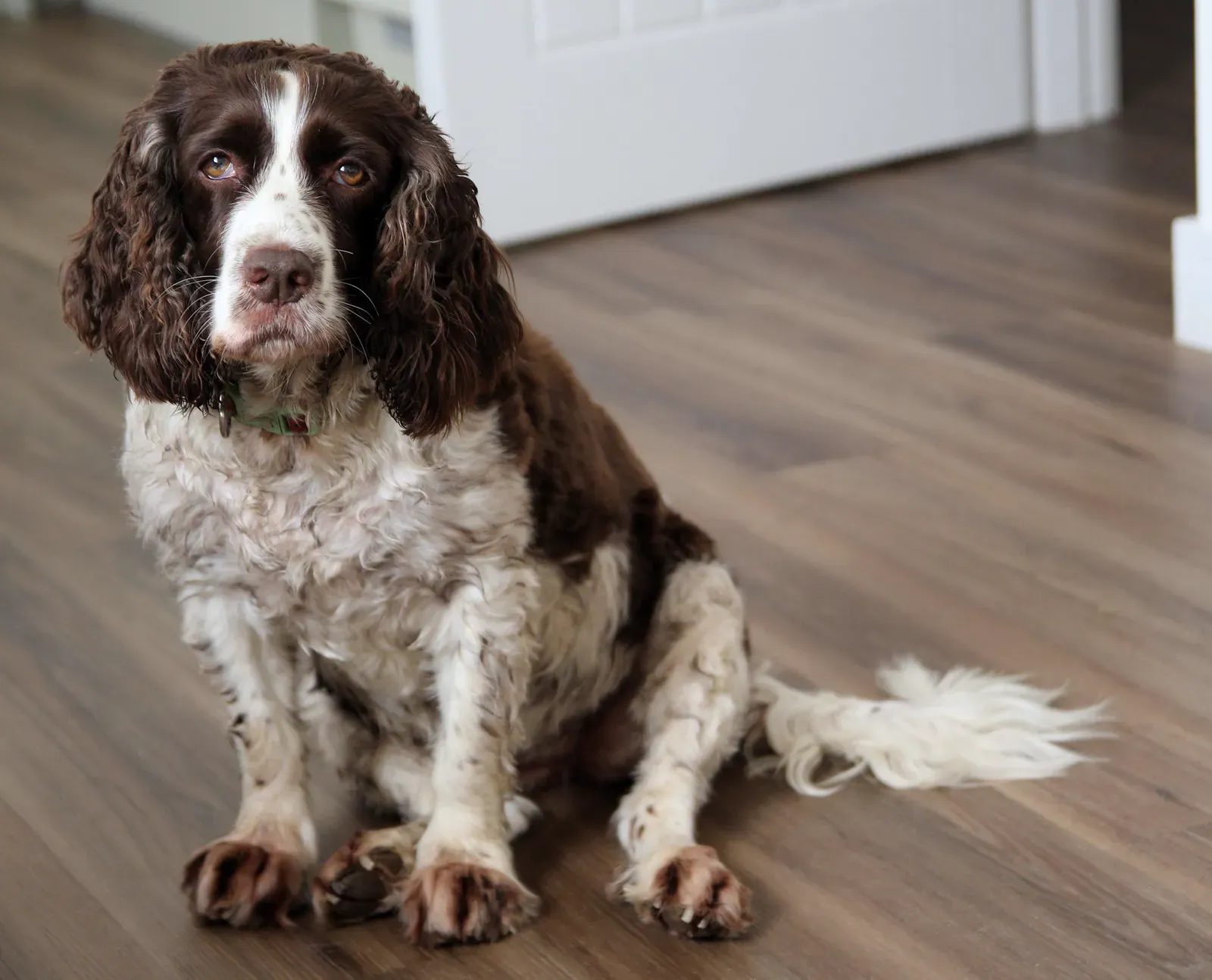 Save
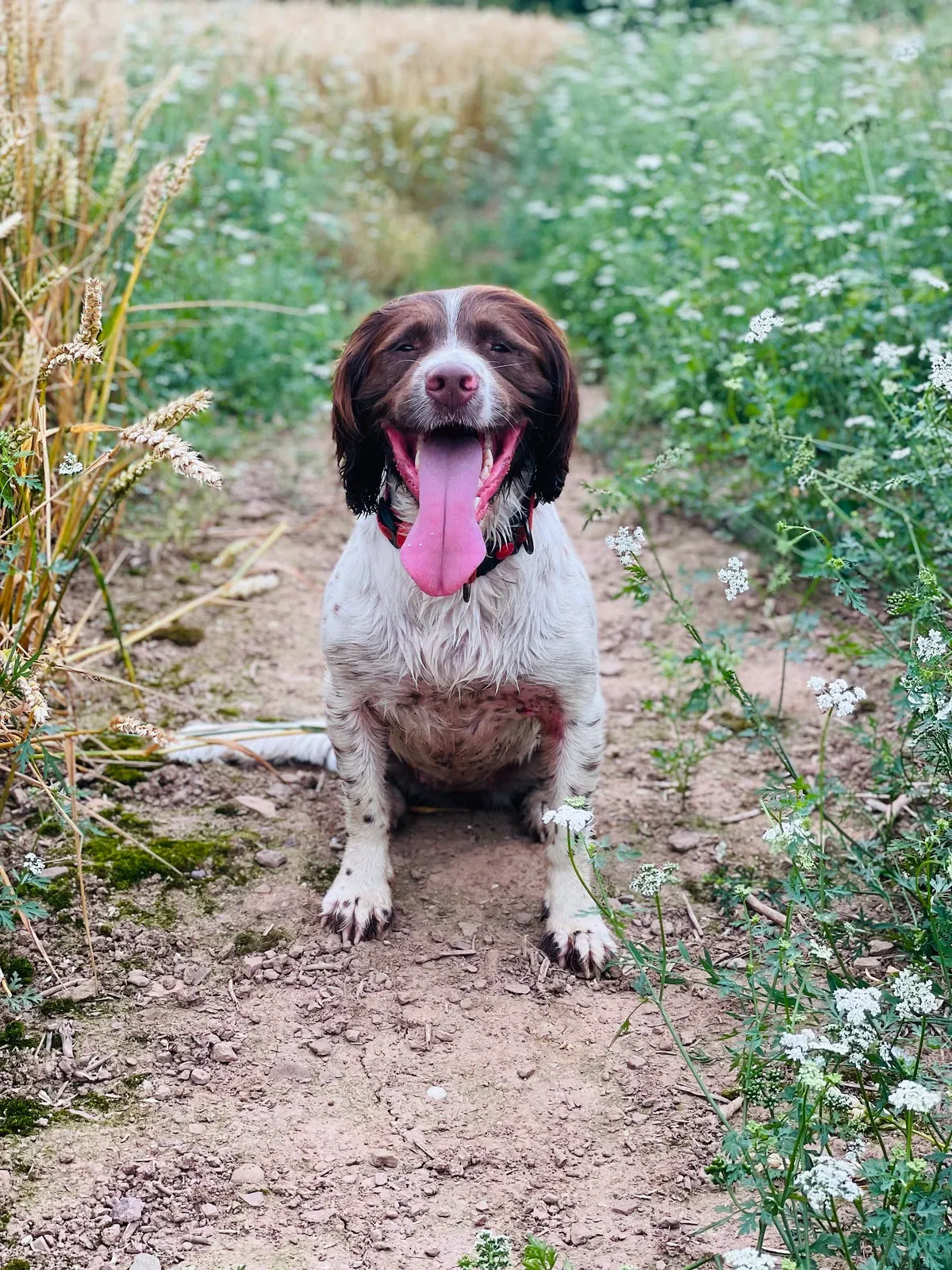
| Daily reality | Rating | Why |
|---|---|---|
| Exercise per day | High | Bred for a day in the field; field lines most of all |
| Training needs | High | Quick learner but energetic and nose-led; recall needs work |
| Grooming | Medium | Feathered coat needs regular brushing; ears need checks |
| Shedding | Medium | Sheds; show-type coats shed and tangle more |
| Barking | Varies | No source rates it; depends on the dog and its boredom level |
| Time alone | Fair | People-oriented; long absences risk boredom and distress |
| Children | Good | Usually friendly and playful; supervise because of its bounce |
| Other dogs | Good | Usually sociable with good early socialisation |
| Cats and small pets | Varies | Bred to flush small animals, so instinct can be strong; evidence is thin |
| Flat living | Fair | Possible only with long daily outdoor time |
| Heat tolerance | Fair | Working coat and effort in warm weather call for care (PFK carriers and affected dogs most of all) |
| Cold tolerance | Good | Medium coat suits wet and cold work |
| First-time owner fit | Fair | Willing and friendly, but high energy needs commitment |
A great fit if
- You enjoy long walks, running, swimming or working your dog in a sport, and can do it every day.
- You want a dog that joins in family life and likes to be with you.
- You are keen to try scent work, gundog training or agility.
- You have a secure garden and time for ear checks and brushing.
Think twice if
- You are out at work most of the day and cannot arrange exercise or company.
- You want a calm dog that is content with a short walk.
- You keep small pets that a flushing dog would find exciting.
- You do not want regular grooming or muddy paws.
Before you get one
- Health tests. Ask the breeder for hip and elbow scores, a current eye certificate, and DNA results for PRA (cord1), fucosidosis and PFK deficiency for both parents. Ask to see the original certificates.
- Field or show. Decide which type suits your life and ask what the parents do. A field-bred puppy from working parents can be a very different dog from a show-bred one.
- Puppy or adult rescue. Breed rescues exist and often place adults whose energy and manners are already known.
- First year. Plan puppy classes, recall training from the start, steady exercise while joints grow, and a lean body weight.
Similar breeds to consider
- English Cocker Spaniel. A smaller cousin with a similar friendly temperament, but with its own ear and eye health needs.
- Welsh Springer Spaniel. A sister breed from Wales, also a flushing spaniel.
- Brittany. A French pointing and flushing gundog with high energy.
- Golden Retriever. A larger retrieving gundog, usually mellower in the house, with different health priorities.

English Springer Spaniel fun facts
 Related breedPomeranian1800 to 1900 · GermanyIndustrial Revolution
- Named for the job. "Springer" comes from "springing" game, which means flushing it from cover.
- Same litters. Cockers and springers once came from the same litters, and size decided which a puppy would be.
- Two types. Field-bred and show-bred Springers look and behave differently, though both belong to one breed standard in most clubs.
- Nose for the job. Springers work as detection dogs in police, customs and military teams in several countries, including Australia, Hong Kong and Canada.
Frequently asked questions
How big does an English Springer Spaniel get?
The standard gives an ideal of 51 cm for dogs and 48 cm for bitches, with about 23 kg and 18 kg in good condition. The gives about 51 cm. Field-bred dogs are often lighter than show-bred dogs.
Is an English Springer Spaniel a good family dog?
Many are friendly, playful and good with children. They are also energetic and need a lot of exercise and training, so they suit active families better than quiet households.
What is the difference between field and show Springers?
Show lines are generally heavier with longer coats. Field lines are generally lighter and wirier with shorter coats and more drive. Both follow the same standard, but they behave differently, so ask the breeder which type the puppy is.
How long does an English Springer Spaniel live?
Atlas data gives 12 to 14 years. No named UK median was found for this article.
Are English Springer Spaniels prone to ear infections?
Spaniels as a type have heavy drop ears that raise the risk. A Finnish review reported otitis externa in about 1 in 5 Springers, and UK data show drop ears raise the odds. Check and dry the ears regularly.
What is the difference between a Springer and a Cocker Spaniel?
Size, mainly. The two once shared litters, and the larger dogs became Springers. The English Cocker Spaniel is smaller, and the two are close DNA relatives.
Read next
Closest DNAEnglish Cocker Spaniel40.0 Mb shared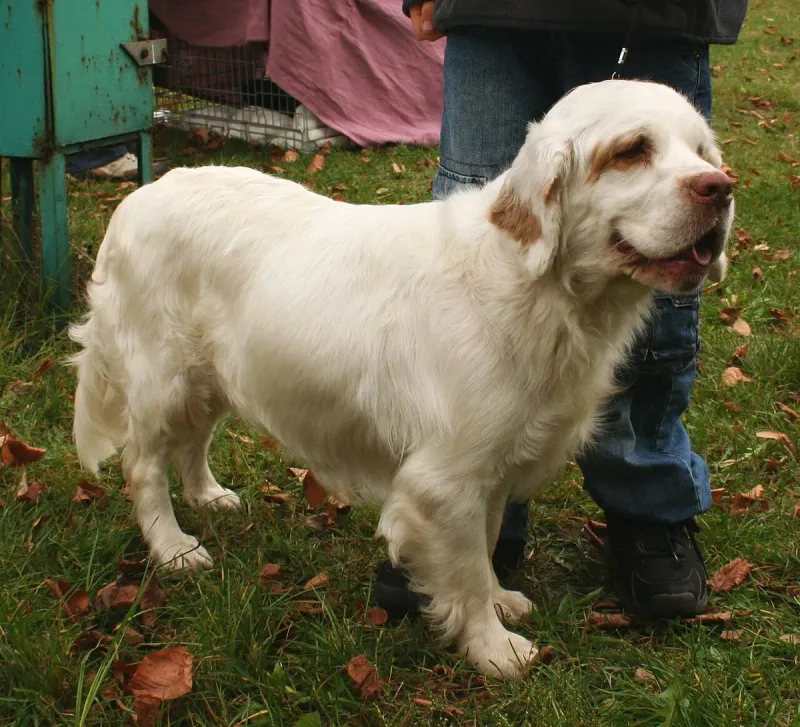 FamilySpanielThe whole family
 Adopt a dogDog Shelters in EuropeFind dog shelters in Europe, learn how shelters differ from country to country and why adopting a dog is a good option.
Sources (14)
- American Kennel Club, Official Standard of the English Springer Spaniel.
- American Kennel Club, Breed Weight Chart.
- Fédération Cynologique Internationale, English Springer Spaniel, standard no. 125.
- The Kennel Club (UK), English Springer Spaniel breed page, including Good Practice and Best Practice health test lists.
- Wikipedia, "English Springer Spaniel" (history, size and weight summary).
- Parker H.G. et al., "Genomic analyses reveal the influence of geographic origin, migration, and hybridization on modern dog breed development", Cell Reports, 2017.
- Frequency and predisposing factors for canine otitis externa in the UK, a primary veterinary care epidemiological view, Canine Medicine and Genetics, 2021.
- Finnish records review of canine otitis externa prevalence by breed, Acta Veterinaria Scandinavica (journal and authors not confirmed).
- "Inherited phosphofructokinase deficiency in an American cocker spaniel", case report, PubMed record 1289336, 1992.
- American Hunter, "From Field to Frontline" (Springer Spaniels in military and police detection work).
- Border Mail (Australia), "Take note, these pups are on the case" (New South Wales Police dog unit).
- South China Morning Post, report on Hong Kong's drug detection dog force.
- Toronto Police Service, police dog profile page for Reilly.
- Dogs Atlas breed records and Parker 2017 shared-haplotype table (this site).