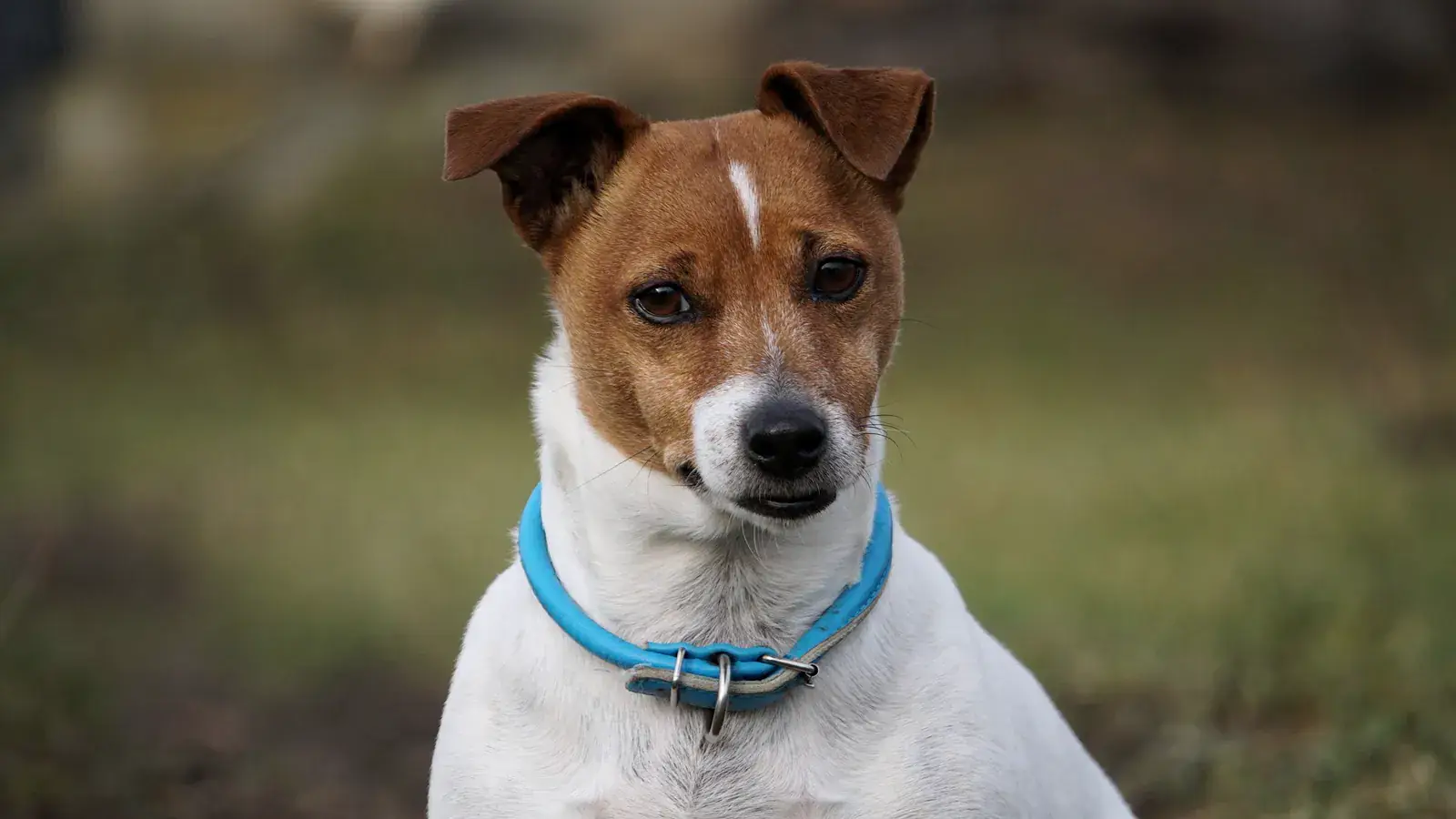
It is also one of the longest-lived dogs in the UK, and one of the most confusingly named: depending on the club and the country, "Jack Russell", "Parson Russell" and "Russell Terrier" can mean three different breeds or the same dog. This profile explains the history, sorts out the names, and covers drive, health and daily life.
Jack Russell Terrier quick facts
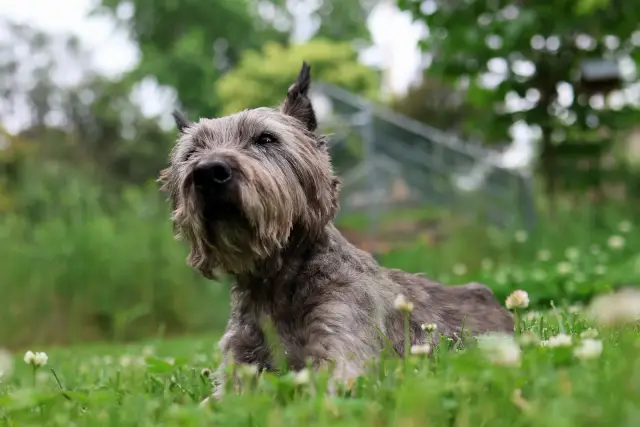 Related breedCairn Terrier1500 to 1910 · United KingdomAge of Exploration
- Other names
- JRT, Jack Russell
- Country of origin
- England (Devon); also lists development in Australia
- Family (DNA)
- Terrier (Parker 2017)
- Kennel club group
- FCI Group 3 (Terriers, Section 2, no. 345); recognised by the UK Kennel Club per atlas data
- Size
- Small; FCI standard describes the shorter, slightly longer-bodied type
- Lifespan
- Atlas data gives 13 to 16 years; VetCompass median at birth 12.72 years
- Coat
- Smooth, broken or rough, mostly white
- Original job
- Bolting foxes from earths for the hunt
- Best known for
- Energy, drive, long life

Where it sits in the tree
Industrial Revolution · 1800 to 1849

Name and origin
 Related breedScottish Terrier1700 to 1882 · United KingdomEarly Modern Era
The breed is named after the Rev. John "Jack" Russell (1795 to 1883), a Devon parson and passionate fox hunter. He was vicar at Swimbridge in north Devon (sources give 1832 or 1833 for his arrival) and later rector of Black Torrington. Our atlas data records the origin as Devon, England, with the appearance date as 1819 and the modern standard developed later, partly in Australia.

History
 Same eraWest Highland White Terrier1800 to 1904 · United KingdomIndustrial Revolution
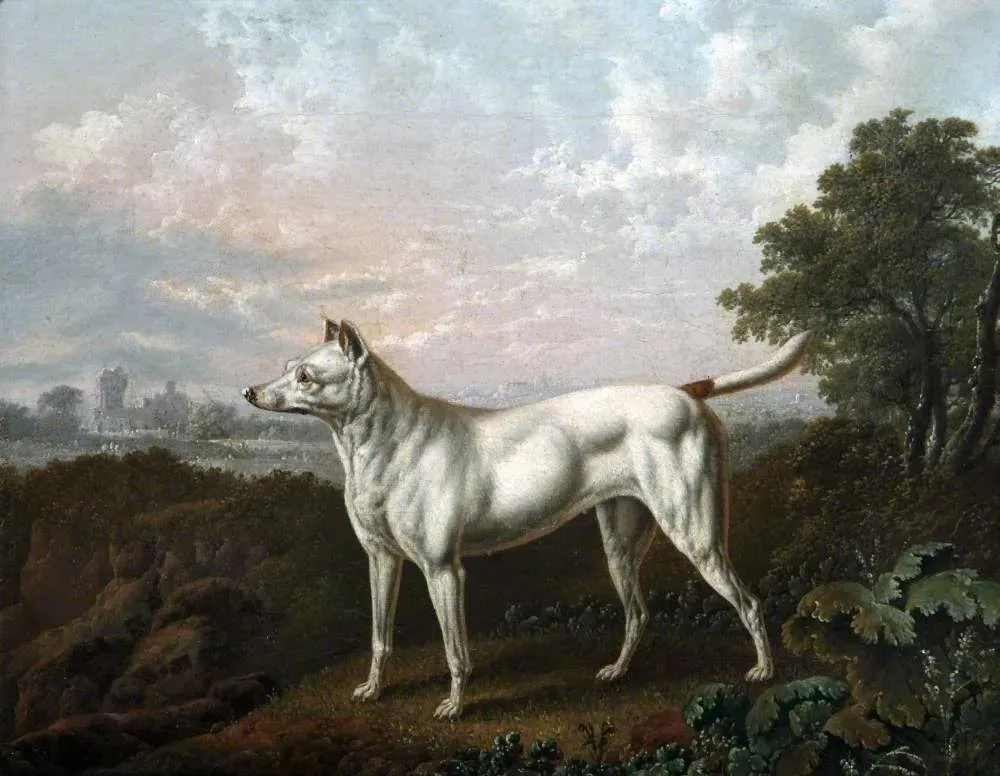
Rev. John Russell and Trump
The founding story is simple and well known. While a student at Oxford, the young Russell bought a small white and tan terrier bitch from a local milkman. He named her Trump, took her home to Devon and used her as the foundation of his working strain. Sources do not agree on the college (Exeter College or Magdalen are both named), and they date the purchase to between about 1814 and 1819. Our atlas data uses 1819. The milkman purchase is traditional, not documented, so treat it as a founding story. One historian argues that no dog alive at Russell's death in 1883 can be shown to descend from Trump, so even the line from her is contested.
What is solid: Russell was a keen hunting man, bred terriers for working ability, and was one of the founder members of the Kennel Club in 1873. A painting of Trump hangs at Sandringham, and a reproduction hangs at the Jack Russell Inn in Swimbridge.
Fox-working terriers
The short, strong legs suited going to ground. His dogs were used to dig out or bolt foxes that had gone to earth after being hunted above ground. In our data the Jack Russell descends from the extinct English White Terrier by way of Russell's breeding, which is stated with medium confidence.
 Save
The modern working type
Over time the type divided into a working Jack Russell and a taller show-oriented Parson Russell, which is the root of the naming problem below. The FCI standard for the Jack Russell was written around the Australian-developed type and the shorter, slightly longer-bodied build.
The Jack Russell, Parson Russell and Russell Terrier naming tangle
 Related breedYorkshire Terrier1850 to 1874 · United KingdomVictorian Breed Boom
There are three names, and the same dog can carry any of them.
Jack Russell Terrier. The traditional name of the working type. It is smaller and more rectangular, bred for work above all. Shooting UK gives roughly 10 to 15 inches for the Jack Russell, against 12 to 14 inches for the Parson; those are one magazine's figures, not club standards. The FCI lists the Jack Russell Terrier as no. 345, and its standard text says the taller, more squarely built variety became the Parson Russell Terrier, while the shorter, slightly longer variety kept the Jack Russell name. The FCI also lists Great Britain as country of origin and Australia as country of development.
Parson Russell Terrier. The taller, squarer, show-oriented type. The Parson Russell Terrier Club in the UK says the Kennel Club recognised the breed in 1990 and that in August 1999 the word "Jack" was dropped from both the breed title and the club name. The adopted the name in 2003 according to Britannica. A comparison table on one breed-association site gives the AKC date for Parson Russell acceptance as 1997, so sources conflict on that date.
Russell Terrier. A separate breed in the US with its own standard, described as the shorter-legged version. That comparison table gives 2004 for AKC acceptance of the Russell Terrier.
What the clubs do. Britannica says the UK Kennel Club and the United Kennel Club both list the Parson and the Jack Russell as separate breeds. The AKC lists the Parson Russell and the Russell Terrier but not the Jack Russell, in part because the Jack Russell Terrier Club of America opposed registration to protect working type. No sourced account covers every club's position, so if you are buying a dog, ask which registry, which standard and which size the breeder means.
In practice. Many pet dogs sold as "Jack Russells" are an informal mix of types. Pedigree papers, and the club that issued them, are the only reliable guide.
Our atlas data lists the Parson Russell Terrier as a descendant of the Jack Russell, with 55.4 of in Parker 2017.
Relatives and DNA
 Same familyAustralian Cattle Dog1840 to 1903 · AustraliaIndustrial Revolution
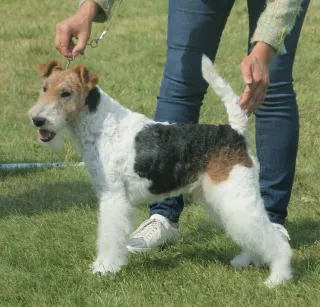
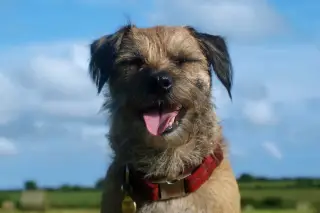
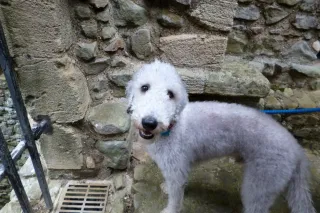
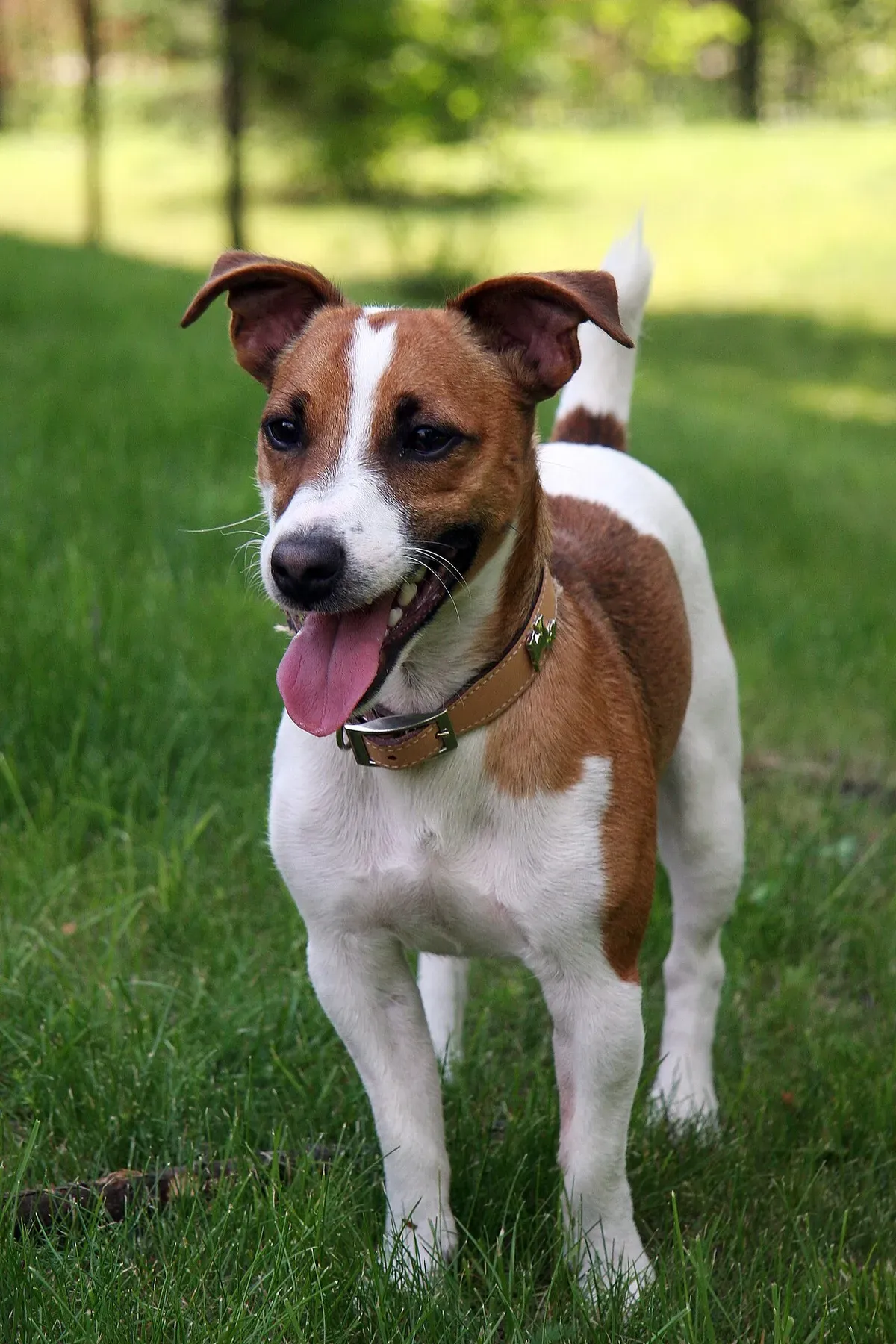
The Jack Russell sits in the Terrier family in the Parker 2017 analysis. Its largest shared-DNA partner in our data is the Wire Fox Terrier at 84.5 Mb, followed by the Parson Russell Terrier at 55.4 Mb and the Border Terrier at 29.7 Mb. The English White Terrier is its listed ancestor. Related working terriers in the atlas include the Patterdale Terrier, the Rat Terrier, the Lancashire Heeler and the Tenterfield Terrier.
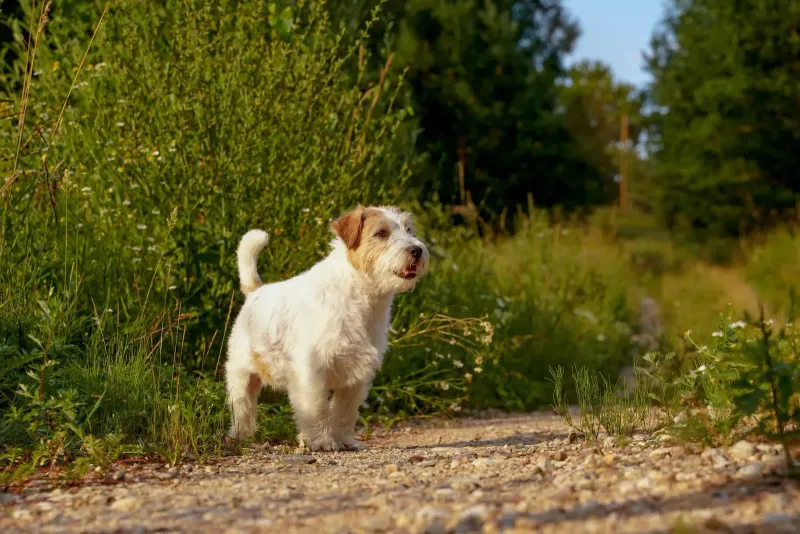 Parson Russell TerrierdescendantParson Russell Terrierdescendant
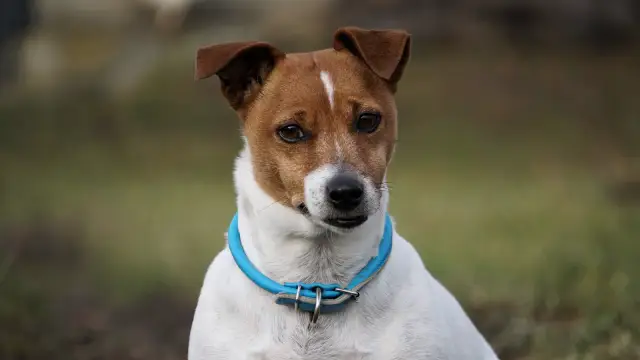
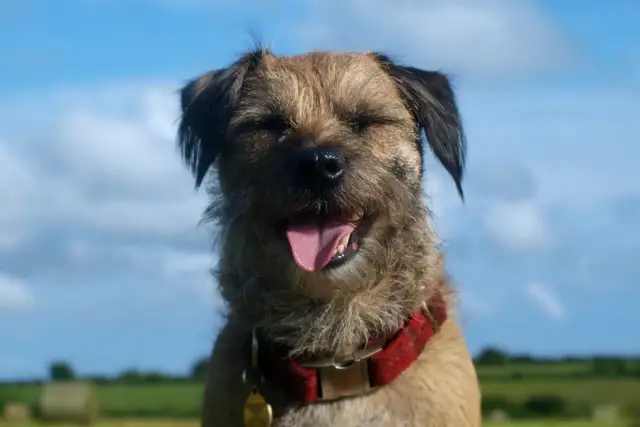
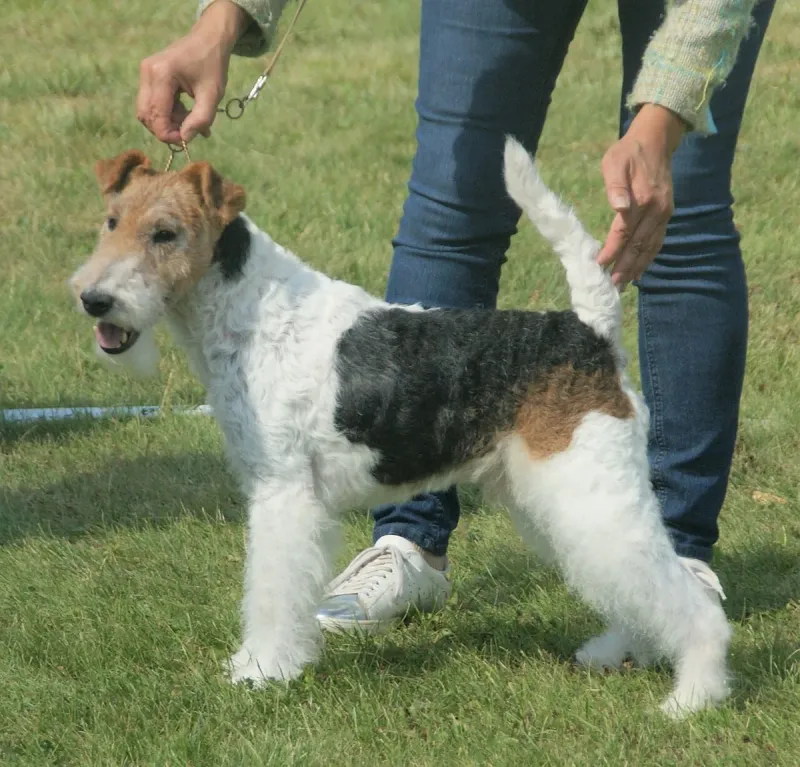 Jack Russell and Wire Fox Terrier
- Jack Russell and Parson Russell
- Jack Russell and Border Terrier
 Save
 Save
Descend from it · 4
- Brazilian TerrierBrazil
- Parson Russell TerrierUnited Kingdom
- Sporting Lucas TerrierUnited Kingdom
- Plummer TerrierUnited Kingdom
- Wire Fox Terrier84.5 Mb 3.5%
- Parson Russell Terrier55.4 Mb 2.3%
- Border Terrier29.7 Mb 1.2%
- Bedlington Terrier14.6 Mb 0.6%
- Toy Fox Terrier13.0 Mb 0.5%
- Toy Manchester Terrier12.9 Mb 0.5%
- Rat Terrier12.5 Mb 0.5%
- American Hairless Terrier11.8 Mb 0.5%
- Irish Terrier10.9 Mb 0.5%
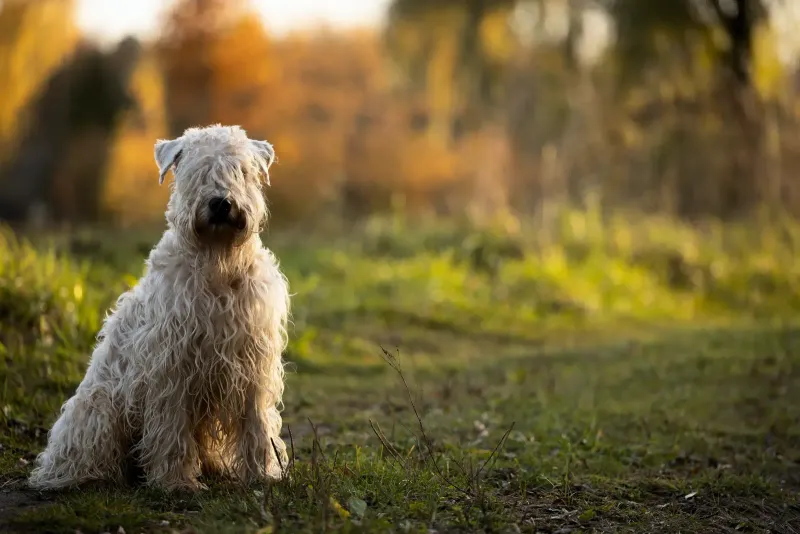
- Soft-coated Wheaten Terrier10.6 Mb 0.4%
Source: Parker et al. 2017. Percent of the whole genome.
The breed standard
 Looks relatedAustralian Shepherd1840 to 1957 · United StatesIndustrial Revolution
A is the written ideal a kennel club judges dogs against. For this breed the point of the standard is the size and build: it asks for a dog that can work underground, not a show-ring leggy terrier.
| Trait | What the standards say |
|---|---|
| Group | FCI Group 3, Terriers, Section 2, Small Terriers (no. 345) |
| Build | FCI: the shorter, slightly longer-bodied type kept the Jack Russell name |
| Taller type | FCI: the taller, squarer type became the Parson Russell Terrier |
| Country | FCI: Great Britain origin, Australia development |
| Coat | Smooth, broken or rough (atlas data; check the club standard for exact wording) |
No withers height or weight from an FCI or Kennel Club standard text is shown. Secondary sources commonly quote about 25 to 30 cm, but check the official standard before relying on a figure.
Save
Temperament
 Related breedBouvier des Flandres1800 to 1912 · Belgium, FranceIndustrial Revolution
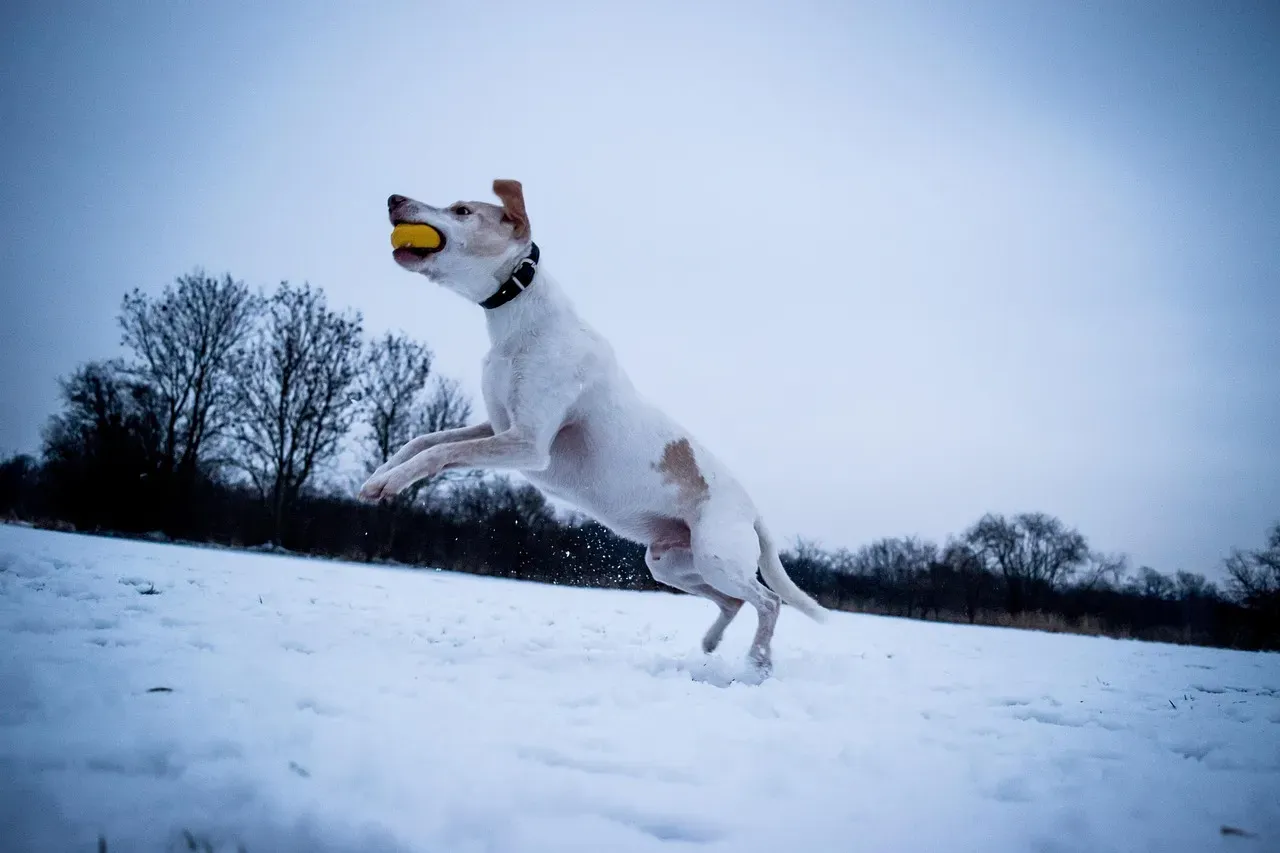
The Jack Russell is a small dog with large energy. Temperament is not measured in the standards, and the points below come from general breed experience, not a named study.
High drive. The dog was bred to go underground after a fox, which takes persistence, courage and independence. In a home this appears as digging, chasing and a refusal to give up. Bored Jack Russells tend to invent their own jobs.
Prey drive. Expect interest in squirrels, rats, cats and small pets. A securely fenced garden and a reliable lead are the practical answer.
Sharp and trainable. The breed is intelligent and quick to learn, but it will test boundaries. Short, varied, reward-based sessions work better than long drills.
Confident with other dogs. Many are bold with larger dogs. Socialise early and supervise.
Noise. Many bark. A terrier on watch is a terrier that announces things.
 Save

Jack Russells on screen
 Related breedBulldog1835 to 1875 · United KingdomIndustrial Revolution
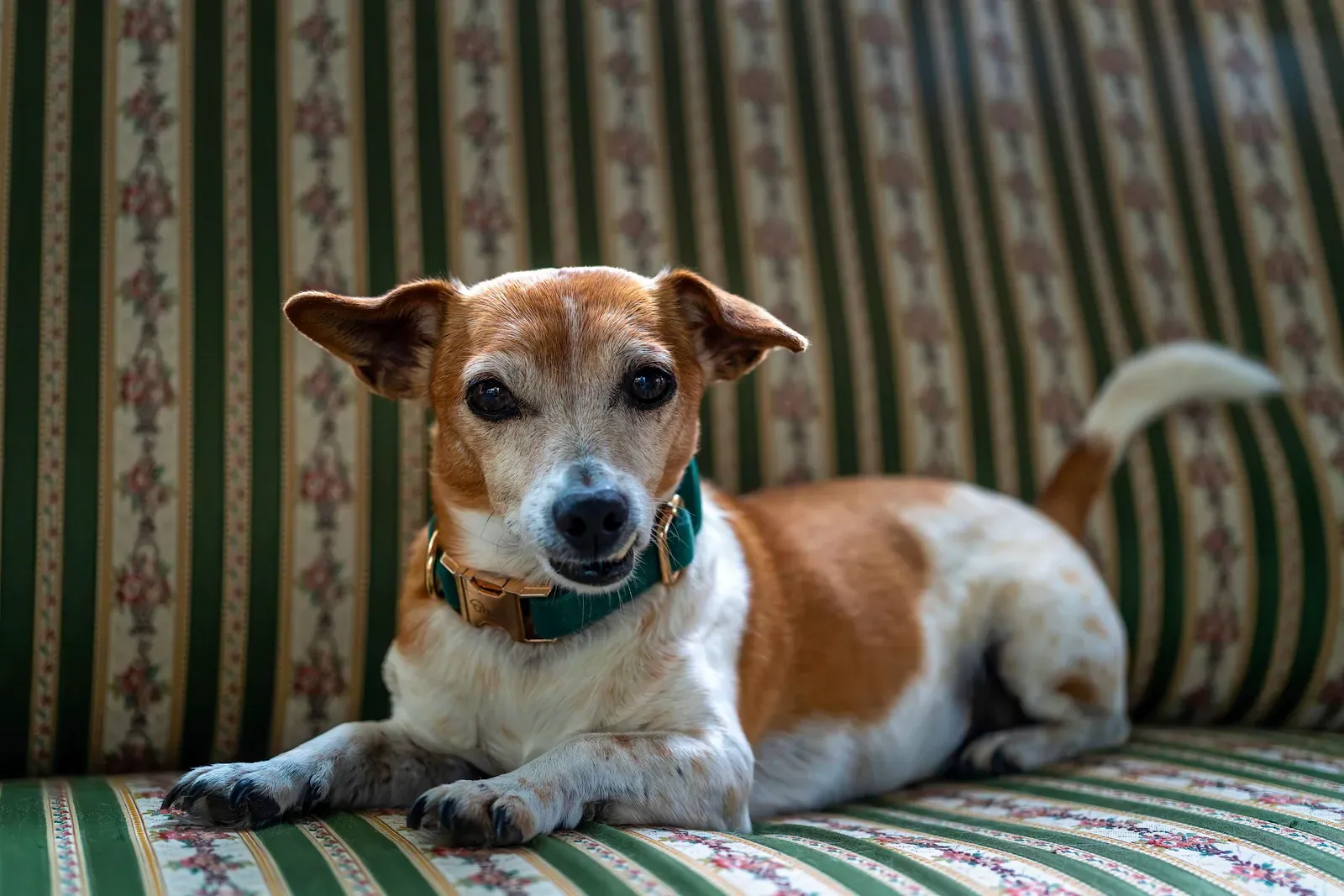
A few Jack Russells became well known through film and television. The best documented is Moose (1990 to 2006), a wire-haired Jack Russell who played Eddie Crane on the American sitcom Frasier, the older Skip in My Dog Skip and Milo in The Mask (1994). Enzo, Moose's son, played the younger Skip and later took on Eddie. These roles raised the breed's profile. They also led to a rise in buyers who did not know the dog's drive; a screen dog is trained by professionals, and the real-life version needs the same effort.
 Save
Lifespan
 Related breedChesapeake Bay Retriever1807 to 1918 · United StatesIndustrial Revolution
A 2022 VetCompass study in Scientific Reports, by Teng and O'Neill, analysed 30,563 dog death records from UK veterinary practices (2016 to 2020), covering 18 Kennel Club breeds and crossbreeds. The Jack Russell Terrier had the highest life expectancy at birth in that study, at 12.72 years. The Yorkshire Terrier was next at 12.54 years, then the Border Collie at 12.10 and the Springer Spaniel at 11.92. The average across all dogs was 11.2 years. That ranks the Jack Russell first of the 18 breeds tested, not necessarily first of all breeds. Our atlas data gives a wider 13 to 16 years for well-kept dogs.
Health
 Related breedEnglish Cocker Spaniel1800 to 1892 · United KingdomIndustrial Revolution
Most Jack Russells are hardy and long-lived. The conditions below are the ones with the clearest breed link. Figures are shown as "about 1 in N" only where a named study gives a prevalence.
| Condition | What it is | How common | What helps |
|---|---|---|---|
| Primary lens luxation (PLL) | The lens of the eye slips out of position | Common cause is a known gene variant; no independent population figure exists | DNA test for the ADAMTS17 variant before breeding; eye checks |
| Deafness | Hearing loss in one or both ears, present from birth | About 4% total in a 2012 study of 1,009 US dogs (about 1 in 25) | BAER hearing test of puppies and breeding dogs |
| Longevity | Lifespan | 12.72 years at birth (VetCompass 2022) | Lean weight, dental care, regular vet checks |
Primary lens luxation
The ADAMTS17 gene variant is the main known cause of PLL in the breed. An AKC Canine Health Foundation research story describes the discovery in terriers: the original study covered Jack Russell Terriers, Miniature Bull Terriers and Lancashire Heelers, and a splice-site variant in the gene was found in most affected dogs, though not all, so it is a common cause and not the only one. Inheritance is described differently by different labs, so a breeder needs to know exactly what the DNA result means. Commercial labs report that a substantial share of tested Jack Russells carry one copy. I do not cite those testing-company figures as a population prevalence.
What helps. Ask for the DNA result of both parents. Watch for a red, cloudy or painful eye and see a vet the same day; a luxated lens is an emergency.
Deafness
Total deafness (deaf in one or both ears) was about 4.07% in a 2012 study by Comito, Knowles and Strain of 1,009 US Jack Russell Terriers: 3.57% in one ear and 0.5% in both. That is about 1 in 25. A smaller LSU table lists 197 dogs with 7.6% total deafness; the larger study is the better guide. A 2004 study of at-risk breeds, including the Jack Russell, found no gender difference in deafness.
What helps. Ask for BAER hearing test results for the puppy's parents and, if possible, the puppy. Deafness appears in the first weeks of life.
Other
Patellar luxation was 1.30% across all dogs in a VetCompass study of 210,824 dogs in England, but the breeds named at highest risk were the Pomeranian, Yorkshire Terrier and Chihuahua. No breed-specific figure has been published for the Jack Russell.

Living with a Jack Russell Terrier
 Related breedEnglish Springer Spaniel1800 to 1902 · United KingdomIndustrial Revolution
 Save
| Daily reality | Rating | Why |
|---|---|---|
| Exercise per day | High | Working-bred; plenty of walking and play plus mental work |
| Training needs | High | Quick but strong-willed; needs consistent boundaries |
| Grooming | Low | Short coat; weekly brushing is usually enough |
| Shedding | Medium | Short coat sheds year-round |
| Barking | Medium | Alert; many bark readily |
| Time alone | Poor | Bored terriers dig, chew and escape |
| Children | Varies | Sturdy and playful; supervise, and teach children to leave the dog alone at meals |
| Other dogs | Varies | Often bold; socialise early |
| Cats and small pets | Poor | High prey drive from its working history |
| Flat living | Fair | Possible if exercise is met every day |
| Heat tolerance | Good | Small, short-coated; no source rates it |
| Cold tolerance | Fair | Short coat; may want a coat in winter |
| First-time owner fit | Fair | Manageable for committed beginners; hard for casual ones |
A great fit if
- You want an active small dog for walks, games and training every day.
- You have a securely fenced garden and are prepared to keep a lead on in open areas.
- You are home for much of the day, or can arrange company and activity.
- You like a clever, determined dog and enjoy training.
Think twice if
- You want a calm lap dog.
- You keep cats, rabbits, guinea pigs or other small pets.
- You are away for long hours.
- You want a dog that always comes back when called near wildlife.
Before you get one
- Which breed do you mean? Ask the breeder which registry and which standard the puppy belongs to. A "Jack Russell", a Parson Russell and a Russell Terrier can differ in size and build.
- Health tests. Ask for a DNA result for primary lens luxation and BAER hearing test results for the parents. Ask to see the certificates.
- Puppy or adult rescue. Terrier rescues place many adult Jack Russells, often with a note on behaviour with cats and children.
- First year. Plan puppy classes, a recall training routine from the first weeks, and a daily schedule of exercise and mental work.
Similar breeds to consider
- Parson Russell Terrier. The taller, squarer Russell type, usually bred with the show ring in mind.
- Border Terrier. Working terrier with a harder coat; often described as more easygoing.
- Cairn Terrier. Small, tough and busy, with a shaggy coat that needs more grooming.
- Norwich Terrier. Smaller and sociable, with similar terrier drive in a gentler package.

Jack Russell Terrier fun facts
 Related breedGerman Shorthaired Pointer1800 to 1872 · GermanyIndustrial Revolution
- Rev. John Russell was a founder member of the Kennel Club, yet his name sits on a breed the Kennel Club renamed in 1999.
- The Jack Russell had the highest life expectancy of 18 breeds in a 2022 VetCompass study: 12.72 years.
- A Jack Russell called Moose played Eddie on Frasier, and his son Enzo took over the role.
- Our data shows the Jack Russell sharing 84.5 Mb of DNA with the Wire Fox Terrier, more than any other breed.
Frequently asked questions
What is the difference between a Jack Russell and a Parson Russell?
Mainly build and registry. The Parson Russell is the taller, squarer, show-oriented type; the Jack Russell is shorter, longer in the body and working-bred. The UK Kennel Club dropped "Jack" from the show breed's name in 1999.
How long do Jack Russell Terriers live?
The 2022 study found a life expectancy at birth of 12.72 years, the highest of 18 UK breeds in that study. Atlas data gives 13 to 16 years.
Are Jack Russells good with children?
They are sturdy and playful, but high-energy and sharp when handled roughly. Supervise young children and teach everyone to leave the dog alone while it eats or rests.
How much exercise does a Jack Russell need?
A lot for its size. Plan for substantial walks and play each day, plus training or puzzle work.
What health problems do Jack Russells have?
Primary lens luxation (a gene test exists) and deafness (about 1 in 25 in one 2012 study) are the best documented.
Who was Trump?
The terrier bitch that Rev. John Russell is said to have bought from a milkman while at Oxford, and the foundation of his strain. The story is traditional, and later descent from her is disputed.
Read next
Closest DNABorder Terrier29.7 Mb shared FamilyTerrierThe whole family
 Adopt a dogDog Shelters in EuropeFind dog shelters in Europe, learn how shelters differ from country to country and why adopting a dog is a good option.
Sources (14)
- Parker, H. G., et al. (2017). Genomic analyses reveal the influence of geographic origin, migration and hybridization on modern dog breed development. Cell Reports. (Clade and shared-DNA figures in atlas data.)
- Fogle, B. (2009). The New Encyclopedia of the Dog. Dorling Kindersley.
- FCI Breed Standard no. 345, Jack Russell Terrier.
- Parson Russell Terrier Club (UK). History.
- Encyclopaedia Britannica. Jack Russell Terrier.
- Shooting UK. How to spot the difference between a Jack Russell terrier and a Parson Russell.
- The Real Jack Russell (breed association site). History of the Jack Russell Terrier, and Breed comparison.
- Teng, K. T. and O'Neill, D. G., et al. (2022). VetCompass life-expectancy study of 18 Kennel Club breeds. Scientific Reports.
- Comito, Knowles and Strain (2012). Deafness study of 1,009 US Jack Russell Terriers.
- Deafness prevalence and pigmentation and gender associations in dog breeds at risk. PubMed 14623147 (2004).
- Louisiana State University School of Veterinary Medicine. Breed-specific deafness prevalence in dogs.
- AKC Canine Health Foundation. Eyes are the prize: identifying the cause of lens luxation in terriers.
- The epidemiology of patellar luxation in dogs attending primary-care veterinary practices in England (VetCompass, 2016).
- Wikipedia. Moose (dog).