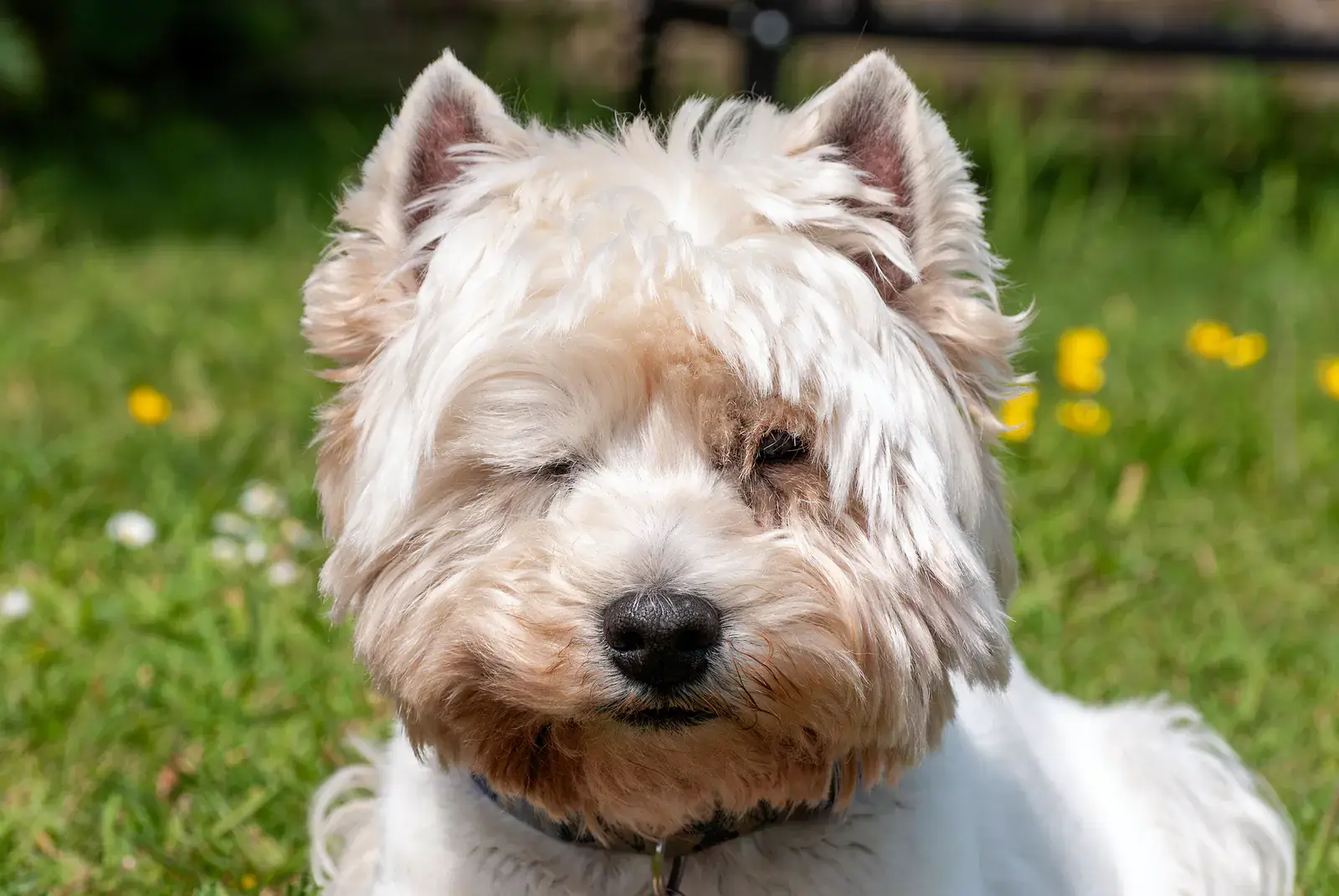
It was developed to go to ground after foxes, badgers and other vermin on Highland estates, and the white coat is the breed's trademark. Today it is a bright, confident, busy companion that suits many homes. It needs daily exercise, regular coat care and an owner who is comfortable with a strong-willed little dog. UK VetCompass data put its median life span at 13.4 years, which is long for a dog of any size. It also has a few breed-linked health issues to know about, mainly skin allergies and a lung disease called Westie lung disease.
West Highland White Terrier quick facts
 Related breedJack Russell Terrier1819 to 1976 · United KingdomIndustrial Revolution
- Closest DNA relatives
- Cairn Terrier, Scottish Terrier, Norwich Terrier
- Country of origin
- Great Britain (Argyll, Scotland)
- Period of development
- 1800s; named and shown from the early 1900s (atlas data: 1800 to 1904)
- Original job
- Hunting fox, badger and other vermin
- Type
- Terrier (FCI Group 3, standard no. 85; Terrier Group; UK Kennel Club Terrier Group)
- Other names
- Westie, Poltalloch Terrier, Roseneath Terrier
- Height
- About 28 cm at the withers (FCI and UK Kennel Club)
- Weight
- Not given in the standards seen; typically about 6.8 to 9.1 kg (secondary source)
- Coat
- White double coat; clipped or hand stripped
- Life span
- UK VetCompass median 13.4 years; atlas data 12 to 16 years
- Exercise
- PDSA: enough daily exercise to suit country or city living
- DNA family
- Terrier (Parker et al. 2017, atlas data)
Drawn to scale in real centimetres. Its back reaches about 28 cm, your shin; its head about 36 cm, just below your knee.
Where it sits in the tree
Industrial Revolution · 1800 to 1849




Name and origin
 Related breedSoft-coated Wheaten Terrier1700 to 1937 · IrelandEarly Modern Era
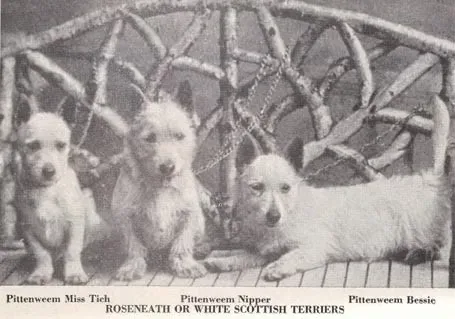
The name is geographic and descriptive: a terrier from the West Highlands of Scotland with a white coat. Before the name settled, the breed went under several others, including Poltalloch Terrier, Roseneath Terrier, White Scottish Terrier, and Little Skye Terrier. "West Highland White Terrier" was adopted in 1904, according to one breed history.
Two estates. The two names that stuck point to two estates. Poltalloch, in Argyllshire, was the home of the Malcolm family, and the Duke of Argyll's Roseneath estate bred white terriers at about the same time. FCI and the atlas data list the country of origin as Great Britain, with the region as Argyll, Scotland.
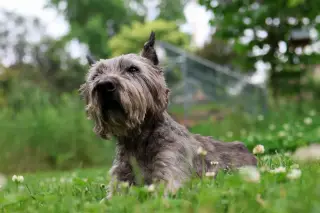
The Westie belongs to the Terrier family in Parker et al. (2017), the DNA study that groups breeds into clades. It is closely related to the Cairn Terrier and the Scottish Terrier, discussed below.
 Save

History
 Same eraYorkshire Terrier1850 to 1874 · United KingdomVictorian Breed Boom
Poltalloch and Colonel Malcolm
The best-known story is the legend of Colonel Edward Donald Malcolm of Poltalloch in Argyllshire. In the legend, a reddish terrier of his emerged from cover and was shot by mistake because the Colonel took it for a fox. He then vowed to breed white dogs that could never be mistaken in the field. That is a legend. One source puts it in 1860, while others only say the 1800s, and none cites a primary document. What is better supported is the wider context: several Highland estates kept working terriers of various colours, and some breeders favoured white ones because they were easy to see.
Cairn-type foundation stock
Several sources say the Malcolm family's terriers were of Cairn type, and that white puppies appeared in litters of otherwise coloured dogs. Atlas data records that pedigrees could include Cairn Terriers and Scottish Terriers until 1924, which shows how fluid the breed's early boundaries were. The atlas data also lists the Skye Terrier among ancestors.
Names, shows and recognition
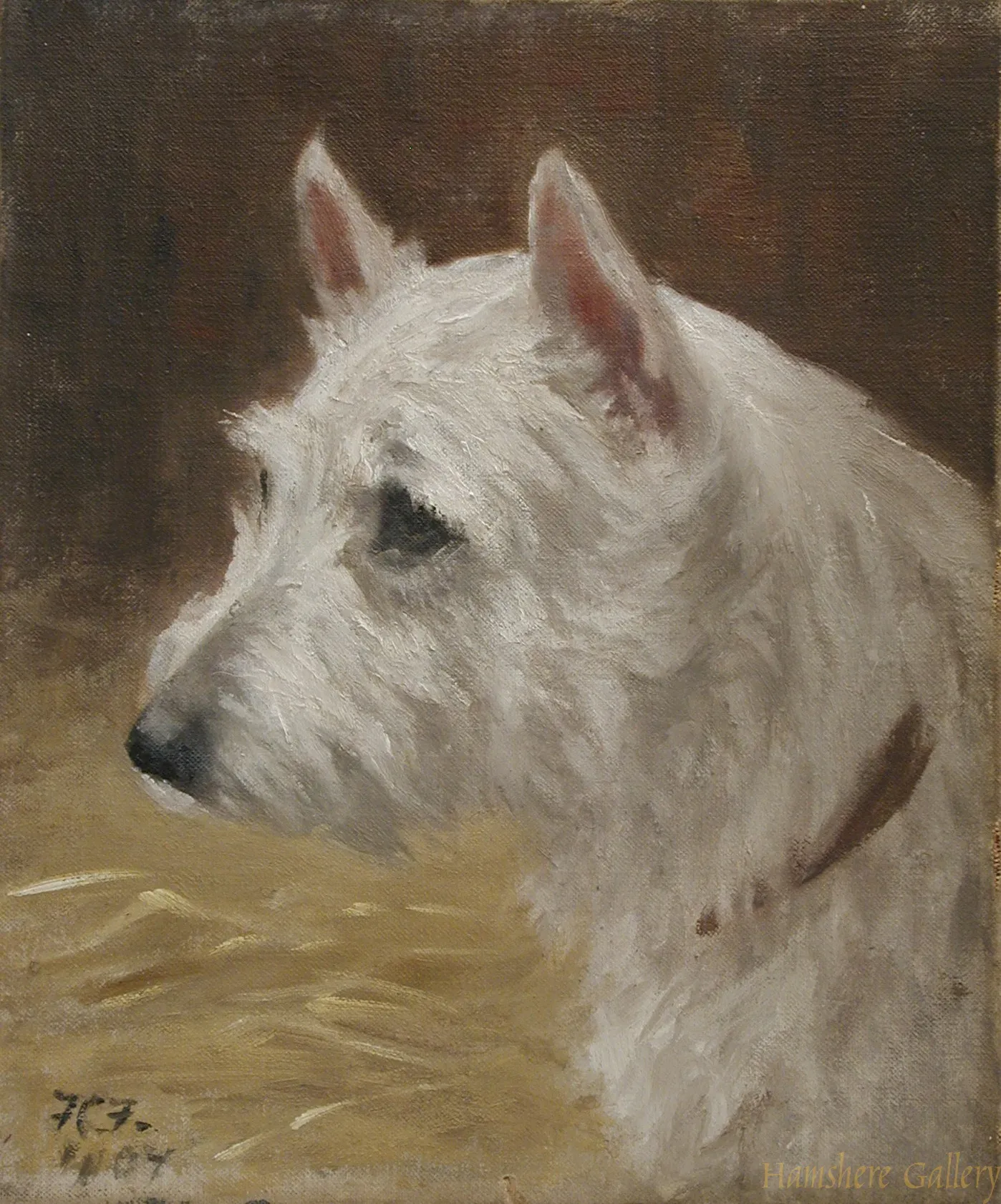
The breed was first shown under various names. The UK Kennel Club says the breed was recognised in 1907, and another history says it appeared at Crufts that year. In the United States, one source says the AKC accepted it in 1908 as the Roseneath Terrier and changed the name to West Highland White Terrier the next year. Dates differ slightly between sources, so treat these as approximate.
 Save
Popularity and its fall
In recent decades, the Westie has had a high profile in the UK. The VetCompass study led by Dan O'Neill at the Royal Veterinary College found a steep drop. Westies made up 1.69% of puppies born in 2004 and only 0.43% of puppies born in 2015, a fall to about a quarter. The Royal Veterinary College's Clinical Connections newsletter reports that Westie registrations with the Kennel Club fell 70.8% over 2008 to 2017, from 2.7% to 0.9% of all registrations. The lead author blamed social media and celebrity endorsement for polarising ownership preferences, and noted that the fall may have eased pressure on breeders, which may have helped skin health. That last point is a suggestion by the researchers, not a proven effect. The breed is still "relatively common" in the UK according to the study's abstract.
Relatives and DNA
 Same familyAustralian Cattle Dog1840 to 1903 · AustraliaIndustrial Revolution
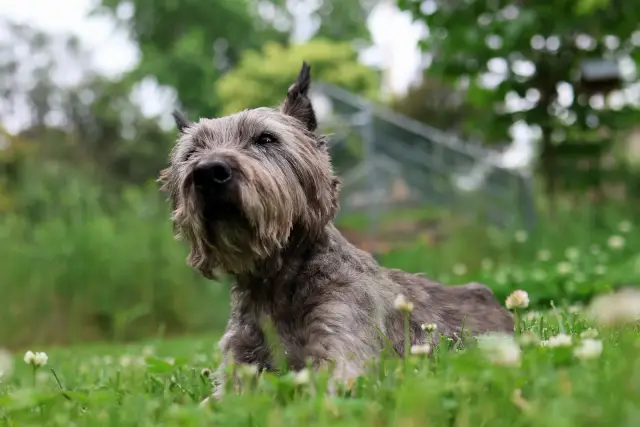
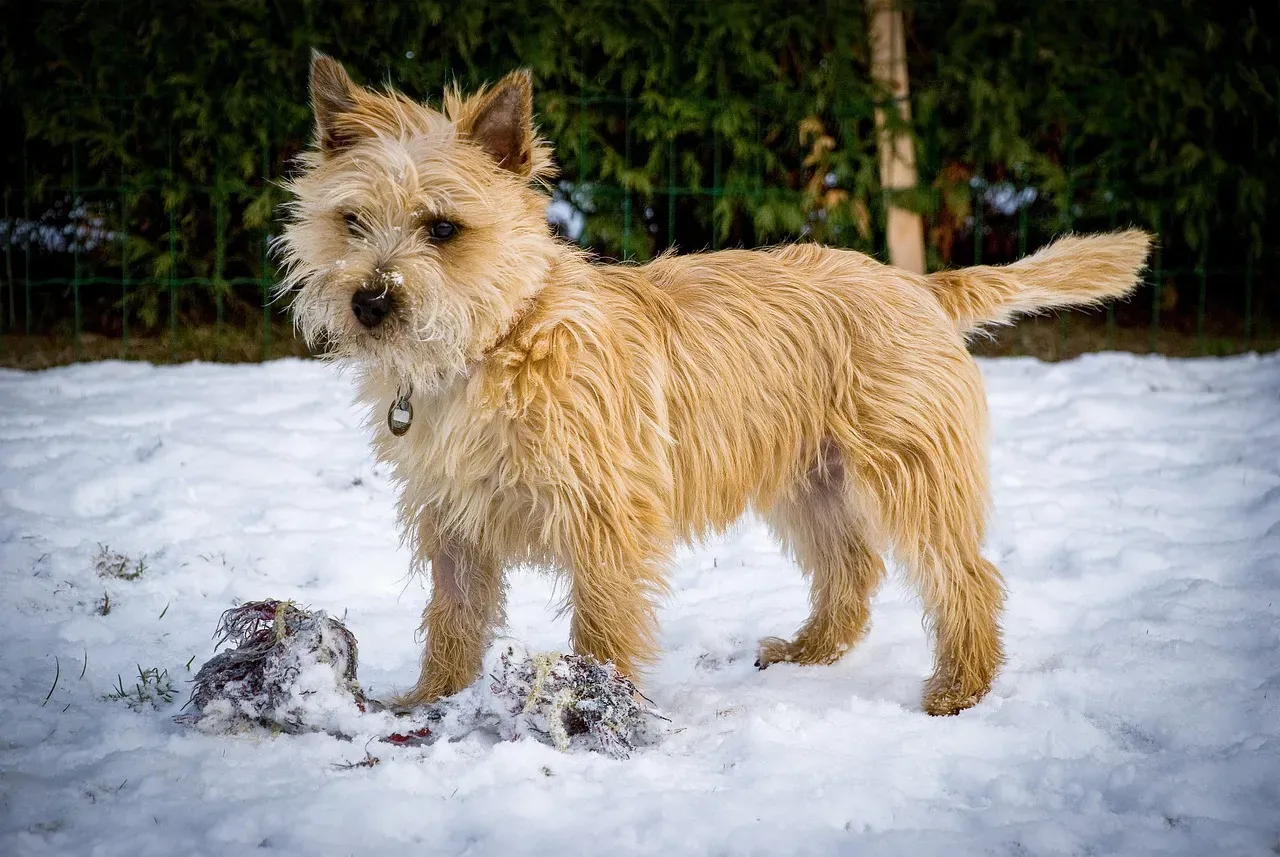
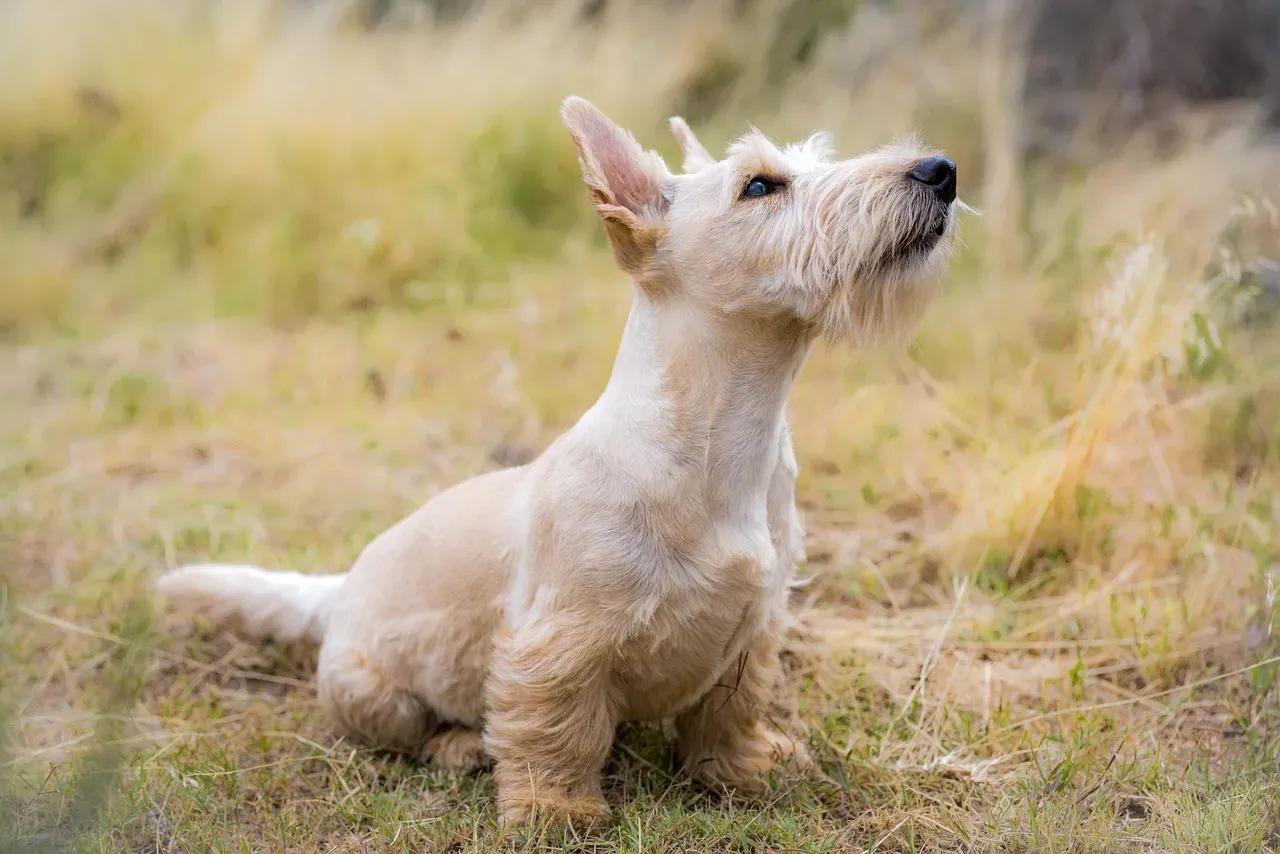
In the Parker et al. (2017) data used by this site, the closest DNA relatives of the Westie are the Cairn Terrier (156.7 shared) and the Scottish Terrier (134.6 Mb). The next are the Norwich Terrier (42.1 Mb), the Norfolk Terrier (29.6 Mb) and the Airedale Terrier (12.7 Mb). The Scottish Terrier is listed as a sister breed: closely related, with forefathers from the same Perthshire region.

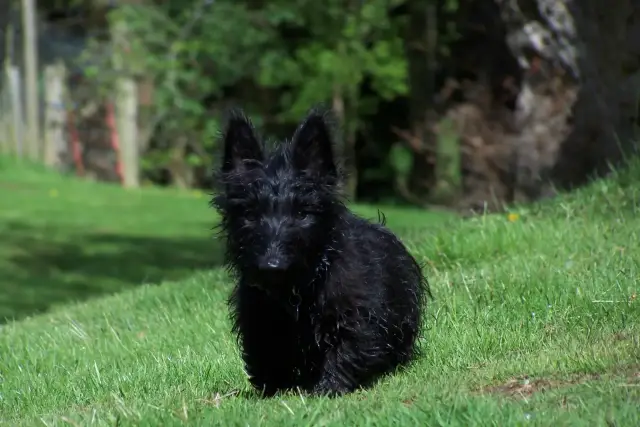

- Westie and Cairn Terrier
- Westie and Scottish Terrier
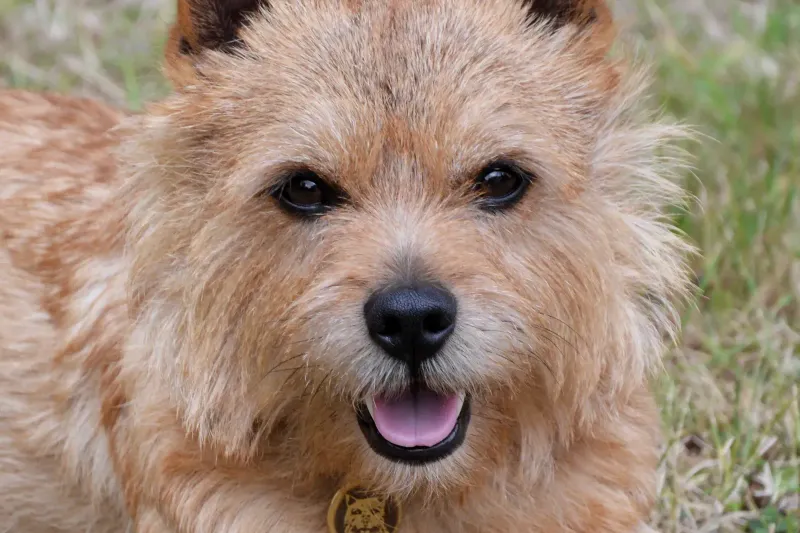 Westie and Norwich Terrier
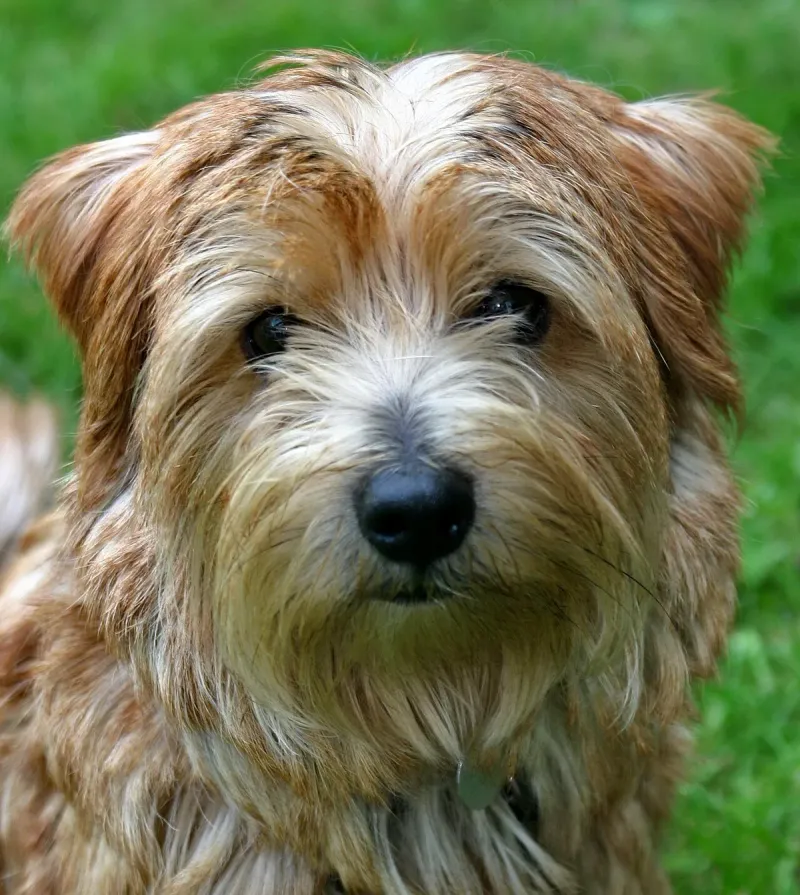 Westie and Norfolk Terrier
- Westie and Airedale Terrier
The Cairn Terrier and the Scottish Terrier are the Westie's main relatives and, in atlas data, its ancestors. They also share at least one health condition with it, craniomandibular osteopathy, covered under Health. The Westie has no recorded descendant breeds in the atlas data.
WestieScottish Terrierancestor, pedigrees until 1924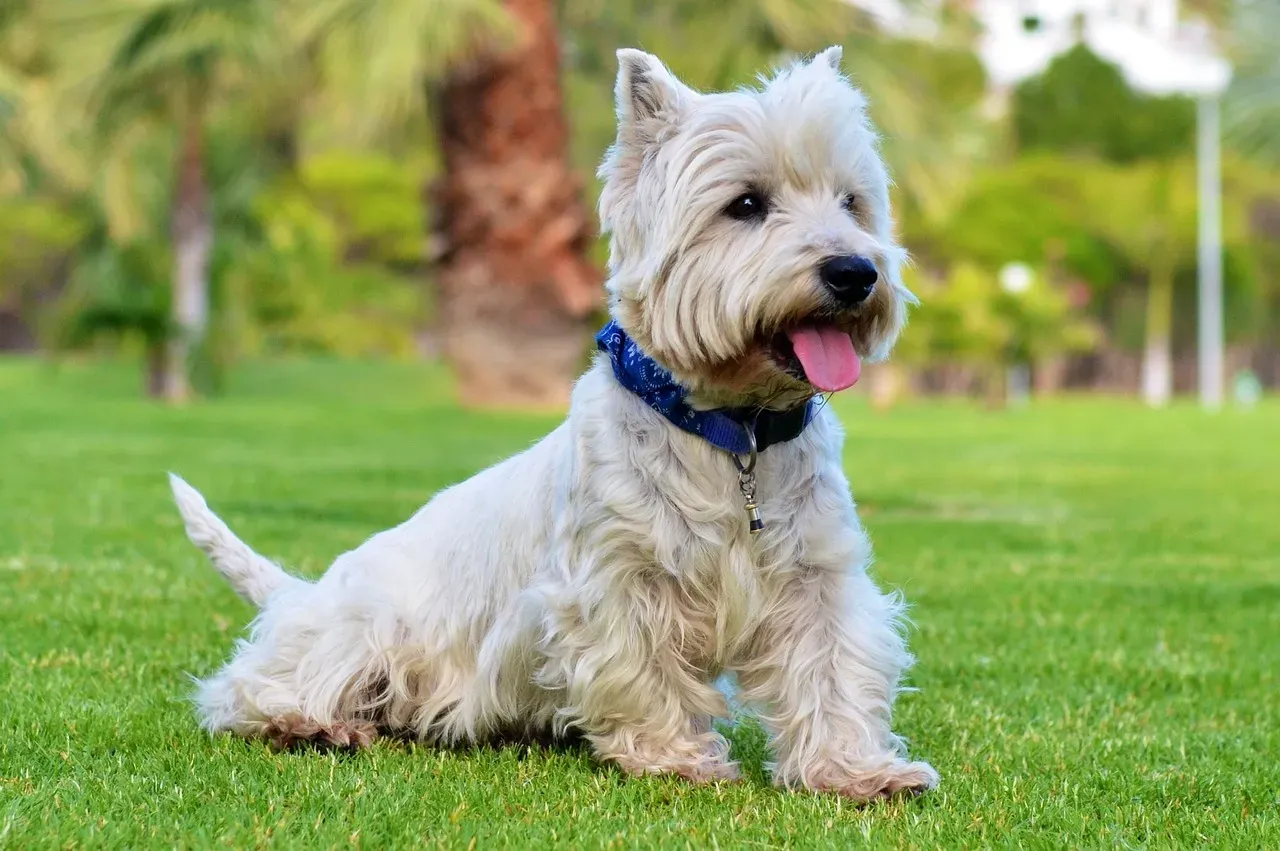 Save
 Save
 Save
Sister breeds · 1
- Scottish Terrier1700 to 1882
- Cairn Terrier156.7 Mb 6.5%
- Scottish Terrier134.6 Mb 5.6%
- Norwich Terrier42.1 Mb 1.8%
- Norfolk Terrier29.6 Mb 1.2%
- Airedale Terrier12.7 Mb 0.5%
Source: Parker et al. 2017. Percent of the whole genome.

The breed standard
 Looks relatedAustralian Shepherd1840 to 1957 · United StatesIndustrial Revolution
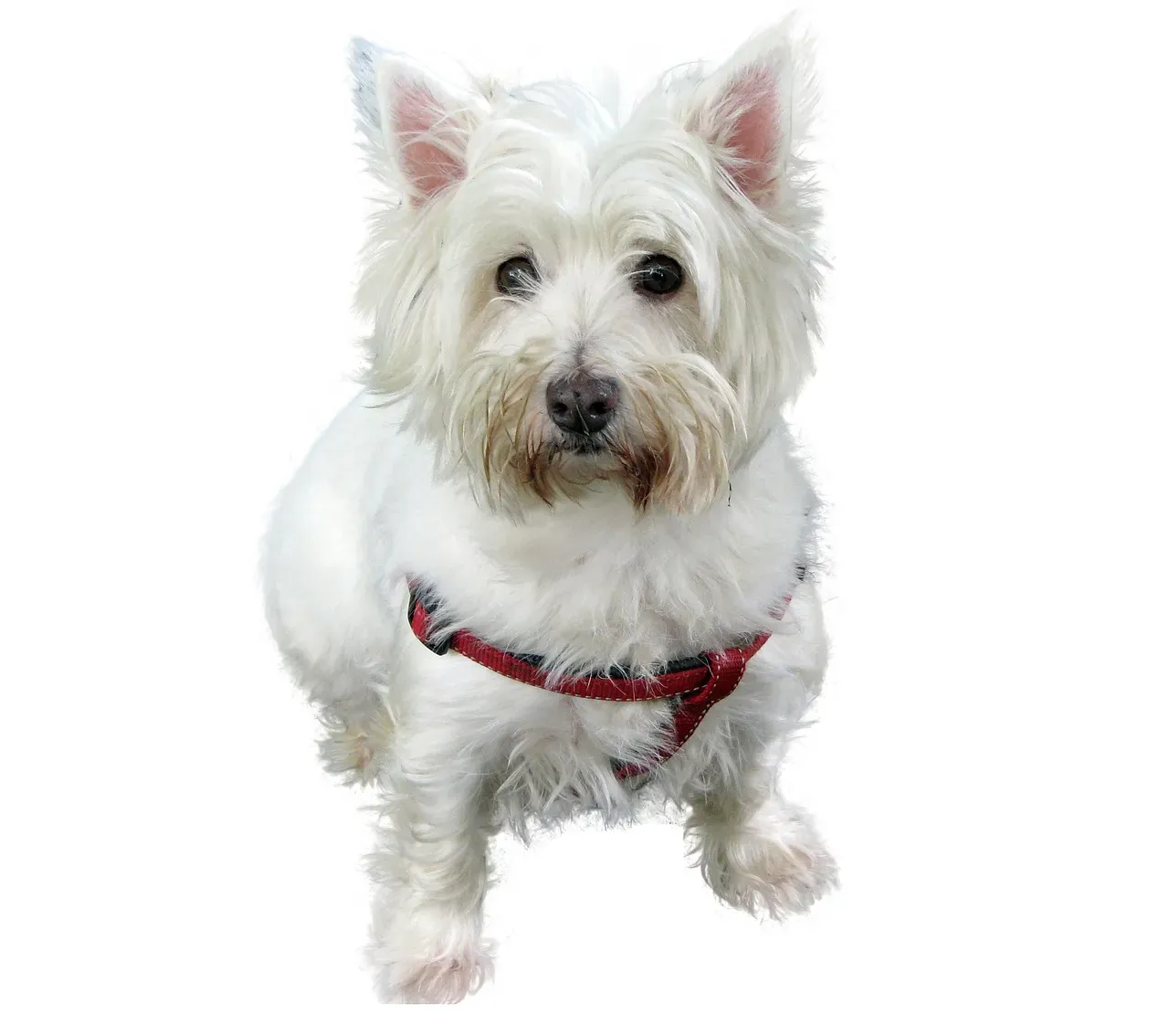
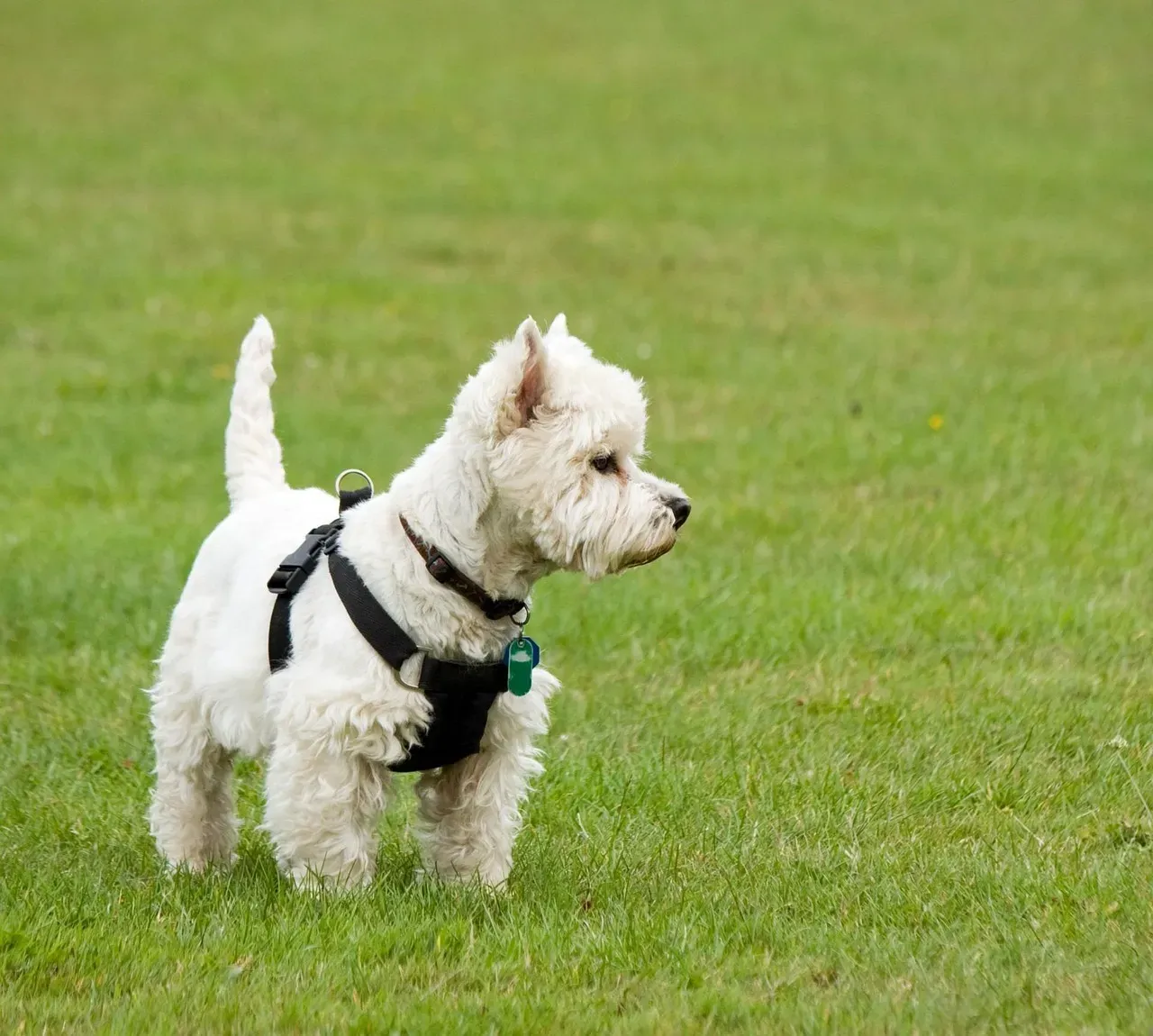
A is the written ideal for a breed that kennel clubs judge dogs against. For the Westie, the FCI standard (no. 85, dated 12 January 2011) and the UK Kennel Club standard describe a small, compact, white terrier with a hard outer coat and a soft undercoat. Weight is not in the standards seen.
| Trait | What the standards say |
|---|---|
| Group | FCI: Group 3, Terriers, standard no. 85. AKC: Terrier Group. UK Kennel Club: Terrier Group |
| Height at withers | FCI: approximately 28 cm. UK Kennel Club: approximately 28 cm (about 11 inches), given as a guide to the ideal |
| Weight | Not given in the FCI or UK Kennel Club text seen. Typical 6.8 to 9.1 kg (secondary source) |
| Coat | White double coat (the name of the breed; FCI and UK Kennel Club texts not quoted here) |
| Country of origin | FCI: Great Britain |
The UK Kennel Club notes that the size is a guide and that individual dogs may differ. Secondary sources give a slightly wider range of 25 to 28 cm.
White coat. The white is part of the breed's identity. Standards word colour differently, so check the club text before buying a show prospect.
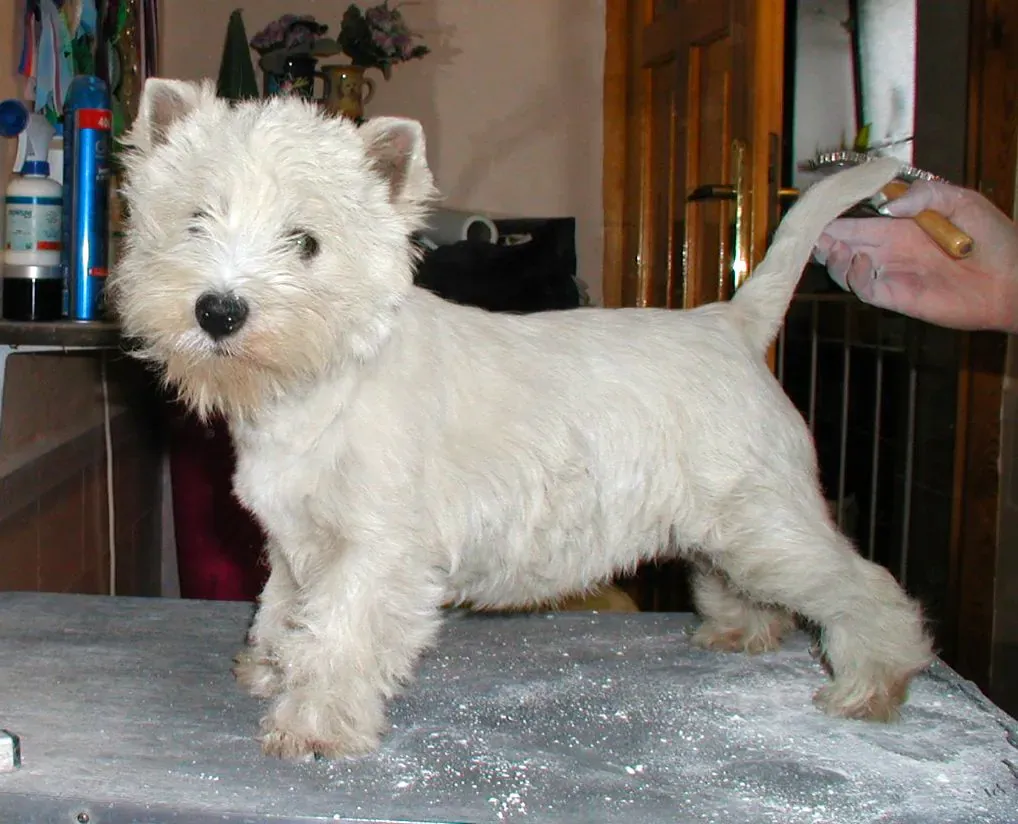
Coat care. A Westie's coat is usually clipped or hand stripped, which means pulling out dead hair by hand. The Westminster Kennel Club profile rates grooming needs 3 out of 5. In practice, expect brushing several times a week and a groomer every few weeks if you do not strip it yourself. For general coat and skin care, see our dog grooming guide.

Temperament
 Related breedBouvier des Flandres1800 to 1912 · Belgium, FranceIndustrial Revolution
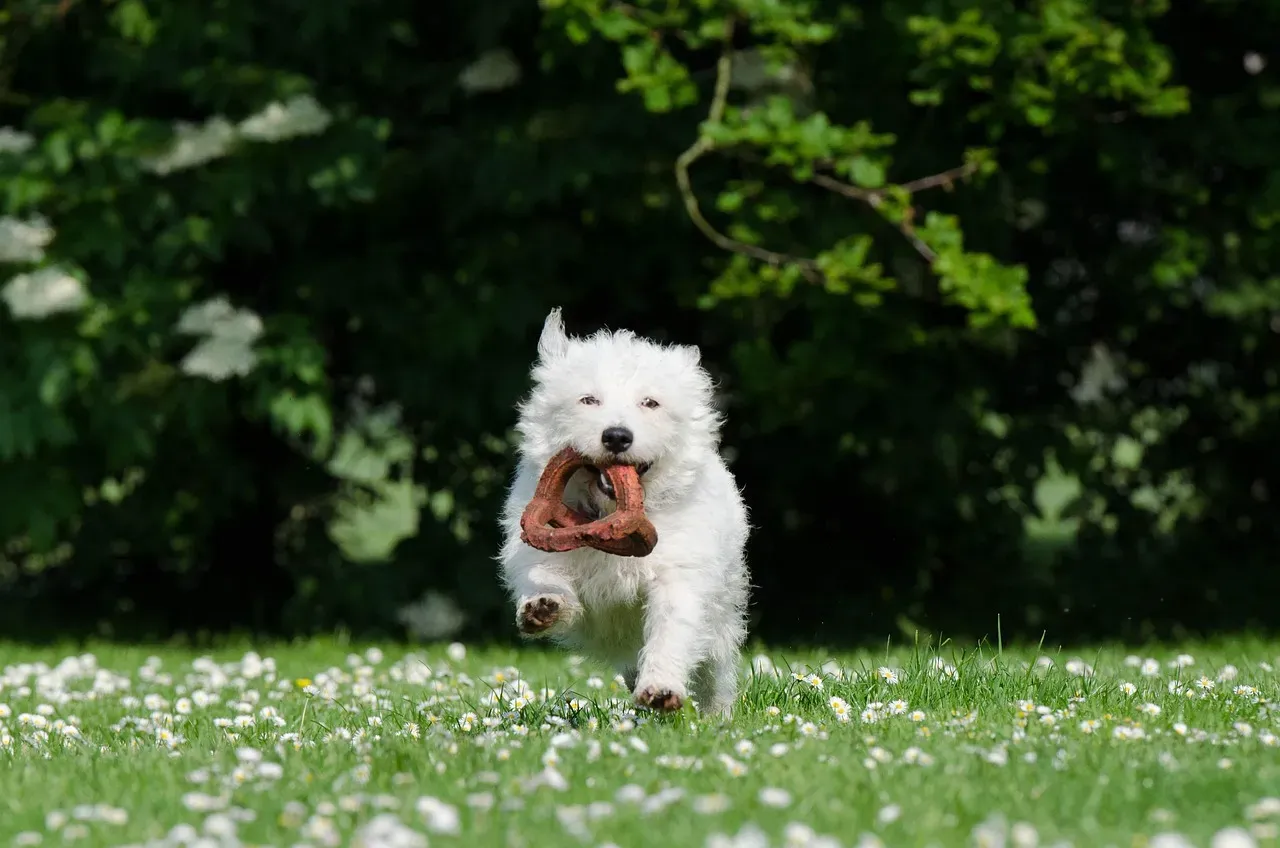
The Westie is bright, confident and busy. It is described as intelligent and quick to learn, sociable, and good with children who handle it gently, though it rarely tolerates rough handling. PDSA calls it strong-willed, so early socialisation and consistent training matter.
Terrier traits. Westies were bred to work independently underground, so they dig, bark at movement and chase small animals. A Westie in a garden will find the weak spot in the fence. Mental work such as scent games and training tricks keeps it content.
Independence. Wikipedia notes the Westie sometimes prefers solitude: it enjoys company but does not need to sit on your lap all day. It can be a good flat dog if exercise is met, and it adapts to both the country and the city, according to PDSA.
With other dogs. Terrier dogs can be quick to argue with other dogs. Early meetings with calm adult dogs help. Evidence on cats and small pets is thin, and a Westie's hunting history means small pets are a risk.
 Save

Health
 Related breedBulldog1835 to 1875 · United KingdomIndustrial Revolution
Most Westies live long, active lives. This section sets out what breeders screen for and what owners can watch for. The main data come from the VetCompass study of 2016 (O'Neill et al., 2019, Canine Genetics and Epidemiology), which looked at Westies in UK primary-care practice.
Life span. The median life span was 13.4 years (interquartile range 11.0 to 15.0), and males lived longer than females (13.8 versus 12.9 years). The leading causes of death were respiratory disorders, cancer and spinal cord disorders. Lower respiratory tract disorders accounted for about 1 in 10 deaths (10.2% in the paper; the RVC infographic gives 10.4%).
| Condition | What it is | How common | What helps |
|---|---|---|---|
| Dental disease | Plaque, tartar and gum disease | About 1 in 6 dogs (15.7%, VetCompass 2016) | Daily tooth brushing; dental checks |
| Ear disease | Inflammation or infection of the ear canal | About 1 in 9 dogs (10.6%, VetCompass 2016) | Regular ear checks; treat any allergy underneath |
| Overgrown nails | Nails that wear too little | About 1 in 14 dogs (7.2%, VetCompass 2016) | Regular trimming |
| Allergic skin disorder | An itchy, inflamed skin from allergies | About 1 in 15 dogs in the VetCompass records (6.5%); a US owner survey reported about 1 in 4 (23.2%) for atopic dermatitis; a UK Kennel Club survey reported about 1 in 12 (8.6%) for hypersensitivity skin disorder | Vet diagnosis, allergy management, regular bathing and skin checks |
| Overweight | Extra body weight that stresses joints and breathing | About 1 in 16 dogs (6.1%, VetCompass 2016) | Weighed meals, regular exercise |
| Canine idiopathic pulmonary fibrosis (Westie lung disease) | Scarring of lung tissue that makes breathing harder over time | Seen more often than in other breeds; no prevalence figure found | Vet checks for persistent cough or breathlessness; ask the breeder about lung disease in the family |
| Craniomandibular osteopathy | Extra bone growth on the jaw in puppies, causing pain on chewing | Recognised in the breed; no prevalence figure found | DNA testing where available; vet care for affected puppies |
Skin allergies and atopic dermatitis
Atopic dermatitis is an inherited tendency to allergic skin disease, usually showing up as itching, licking and chewing, red skin and ear problems. The numbers above differ because the studies used different methods: records from UK vets (VetCompass) against an owner survey in the US. They are not directly comparable. The VetCompass paper found that skin disorders as a group were the most common disorder type (22.7%, about 1 in 4 dogs), though allergic skin disorder alone was 6.5%.
Researchers are still looking for the genetic cause. A 2011 -wide linkage study in three families (108 dogs) did not find chromosome regions significantly linked to atopic dermatitis, with the authors suggesting a mutation of low penetrance among possible causes. A later study in a university thesis used 96 cases and 87 controls and found candidate genes (HMGCR and F2RL1) but no result that passed the strict statistical threshold. The American Kennel Club Canine Health Foundation has funded work on the heritability of atopic dermatitis in Westies, with the aim of identifying puppies that will develop the disease before skin lesions appear. A longitudinal puppy cohort found signs in most affected dogs during their first year. If your dog scratches a lot, see our scratching guide for how to tell allergy from fleas and other causes.
Westie lung disease
Canine idiopathic pulmonary fibrosis (CIPF) is a chronic scarring lung disease seen at a higher frequency in the Westie than in other breeds. A 2011 prospective study by Heikkilä and colleagues compared 12 affected Westies with 14 healthy Westies using clinical signs, blood gases, imaging, bronchoscopy and tissue examination. Thierry and colleagues (2017) described CT and clinical features used to stage the disease and judge prognosis. A 2020 genome-wide association study of 28 affected and 44 unaffected dogs identified variants in the CPSF7 and SDHAF2 genes as associated with the disease. A 2021 study in BMC Veterinary Research found that pulmonary hypertension is a known companion condition in affected Westies. No prevalence figure was found in these results. The practical advice is to see a vet if your Westie develops a persistent dry cough, tires quickly or breathes with effort, because early diagnosis helps manage symptoms.
Craniomandibular osteopathy
Craniomandibular osteopathy (CMO), sometimes called "Westie jaw", is a puppy disease where the jaw bones thicken, which can make opening the mouth painful. It is recognised in the Westie, Cairn Terrier, Scottish Terrier and Basset Hound, according to OMIA (Online Mendelian Inheritance in Animals). Hytönen and colleagues (2016) identified a likely causal splicing variant in the SLC37A2 gene, c.1332C>T, in the Westie, Cairn Terrier and Scottish Terrier. Padgett and Mostosky (1965) concluded autosomal inheritance in Westies. OMIA now lists autosomal dominant with incomplete penetrance, and Hytönen and colleagues noted the exact pattern is hard to determine because the variant is leaky and the disease is mild and self-limiting, so affected dogs may go undiagnosed. A different variant (c.1446+1G>A) was reported in a Basset Hound in 2020, not in a Westie. Ask your breeder whether the parents have been DNA tested for CMO.

Living with a West Highland White Terrier
 Related breedChesapeake Bay Retriever1807 to 1918 · United StatesIndustrial Revolution
 Save
| Daily reality | Rating | Why |
|---|---|---|
| Exercise per day | Medium | PDSA: needs enough exercise; a short daily walk plus play is typical, varies |
| Training needs | Medium | Intelligent but strong-willed; consistency matters |
| Grooming | High | Clipping or hand stripping plus brushing; Westminster rates it 3 out of 5 |
| Shedding | Low | Hard white coat that is stripped; varies |
| Barking | Medium | Terrier alertness; varies by dog |
| Time alone | Fair | Sociable; will cope with some alone time if trained |
| Children | Good | Good with gentle children; does not tolerate rough handling |
| Other dogs | Varies | Terrier temper; early socialisation helps |
| Cats and small pets | Poor | Hunting background; evidence is thin |
| Flat living | Good | Adapts to city life if exercise is met (PDSA) |
| Heat tolerance | Fair | Thick white double coat; no source rates it |
| Cold tolerance | Good | Double coat |
| First-time owner fit | Fair | Fine for owners who commit to training and coat care |
 Save
 Save
A great fit if
- You want a small dog with a big personality and a long life expectancy.
- You will brush the coat weekly and book regular grooming.
- You enjoy training games and daily walks.
- You can watch for itchy skin and speak to a vet early.
Think twice if
- You have rabbits, guinea pigs or other small pets at home.
- You want a quiet, low-maintenance dog.
- You dislike coat care and grooming costs.
- You have a young child who will grab and squeeze.
Before you get one
- Health tests. Ask the breeder about lung disease in the family and whether the parents were DNA tested for craniomandibular osteopathy. PDSA recommends buying from a Kennel Club Assured Breeder and checking the parents' health screening.
- Puppy or adult rescue. Terrier rescues exist and often have adult Westies whose coat, habits and health history are known.
- First year. Plan for puppy classes, tooth brushing from the start, early skin and ear checks, and a grooming routine from the first weeks.
Similar breeds to consider
- Yorkshire Terrier. Another small terrier with a long coat that needs regular grooming.
- Miniature Schnauzer. A small, sturdy terrier-type dog that also needs regular trimming.
- Cairn Terrier. A close DNA relative with a shaggier, easier coat (no page on this site yet).

West Highland White Terrier fun facts
 Related breedEnglish Cocker Spaniel1800 to 1892 · United KingdomIndustrial Revolution
- The Westie went by the names Poltalloch Terrier and Roseneath Terrier before its present name was adopted in 1904.
- The story that Colonel Malcolm shot his own terrier by mistake and decided to breed white dogs is a legend.
- The Westie's share of UK puppies fell from 1.69% in 2004 to 0.43% in 2015, according to VetCompass.
- Craniomandibular osteopathy is found in the Westie, the Cairn Terrier and the Scottish Terrier, and has been linked to a variant in the SLC37A2 gene.
Frequently asked questions
Are Westies good family dogs?
They can be, in homes with gentle handling. The breed rarely tolerates rough handling, so supervise young children.
How big is a Westie?
About 28 cm at the withers ( and UK Kennel Club). Typical weight is about 6.8 to 9.1 kg, from a secondary source.
How long do Westies live?
The UK median was 13.4 years, with males at 13.8 and females at 12.9 years.
What health problems do Westies have?
Dental disease, ear disease, skin allergies, Westie lung disease and craniomandibular osteopathy are the main ones covered here.
Why does my Westie scratch?
Allergic skin disease is one of the breed's best-documented problems. Fleas and other causes also exist; see our scratching guide.
Do Westies need grooming?
Yes. The coat is clipped or hand stripped, and brushing is regular.
Read next
Closest DNACairn Terrier156.7 Mb sharedSister breedScottish Terrier1700 to 1882 Adopt a dogDog Shelters in EuropeFind dog shelters in Europe, learn how shelters differ from country to country and why adopting a dog is a good option.
Sources (16)
- Fédération Cynologique Internationale, West Highland White Terrier, standard no. 85 (12 January 2011).
- The Kennel Club (UK), West Highland White Terrier breed page and breed standard.
- O'Neill D.G. et al., "West Highland White Terriers under primary veterinary care in the UK in 2016: demography, mortality and disorders", Canine Genetics and Epidemiology, 2019.
- Royal Veterinary College VetCompass, news release "UK falls out of puppy love with Westies", 2019, and Clinical Connections newsletter, Spring 2020.
- Heikkilä H.P., Lappalainen A.K., Day M.J. et al., study of idiopathic pulmonary fibrosis in West Highland White Terriers, Journal of Veterinary Internal Medicine, 2011.
- Thierry F. et al., "Further characterization of computed tomographic and clinical features for staging and prognosis of idiopathic pulmonary fibrosis in West Highland White Terriers", Veterinary Radiology and Ultrasound, 2017.
- "Association of common genetic variants in the CPSF7 and SDHAF2 genes with canine idiopathic pulmonary fibrosis in the West Highland White Terrier", 2020.
- BMC Veterinary Research, 2021 study on pulmonary hypertension in West Highland White Terriers with canine idiopathic pulmonary fibrosis.
- Online Mendelian Inheritance in Animals (OMIA), entry 002244-9615, craniomandibular osteopathy, SLC37A2-related.
- American Kennel Club Canine Health Foundation, project 00572-A, "Heritability of Atopic Dermatitis in West Highland White Terriers".
- "Genome-wide linkage study of atopic dermatitis in West Highland White Terriers", BMC Genetics, 2011.
- PDSA, West Highland White Terrier breed information.
- Canine Chronicle, "The story of the West Highland White Terrier".
- Heart of Argyll, West Highland White Terrier history page.
- Westminster Kennel Club, West Highland White Terrier breed profile.
- Wikipedia, West Highland White Terrier (secondary, for weight and temperament notes).