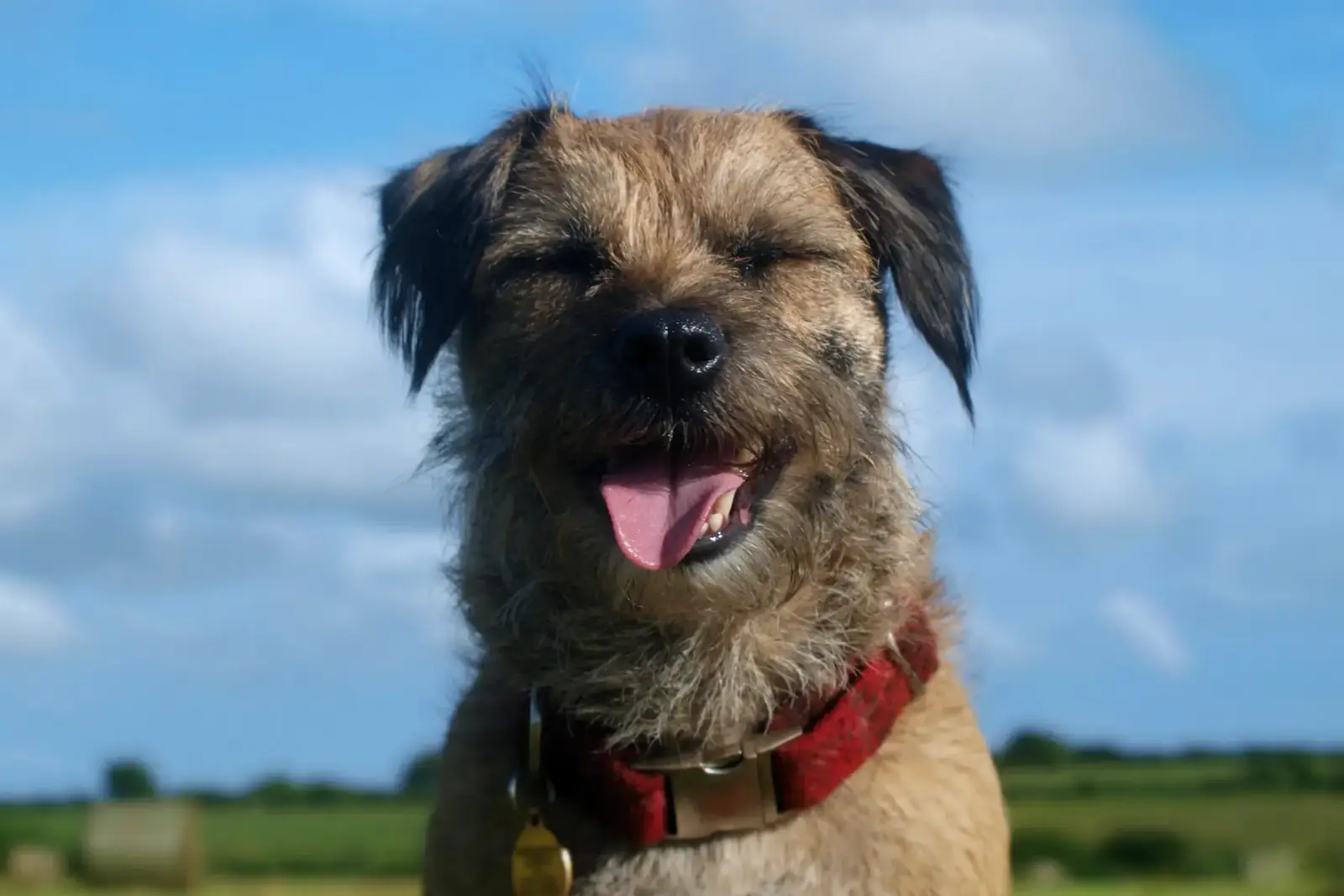
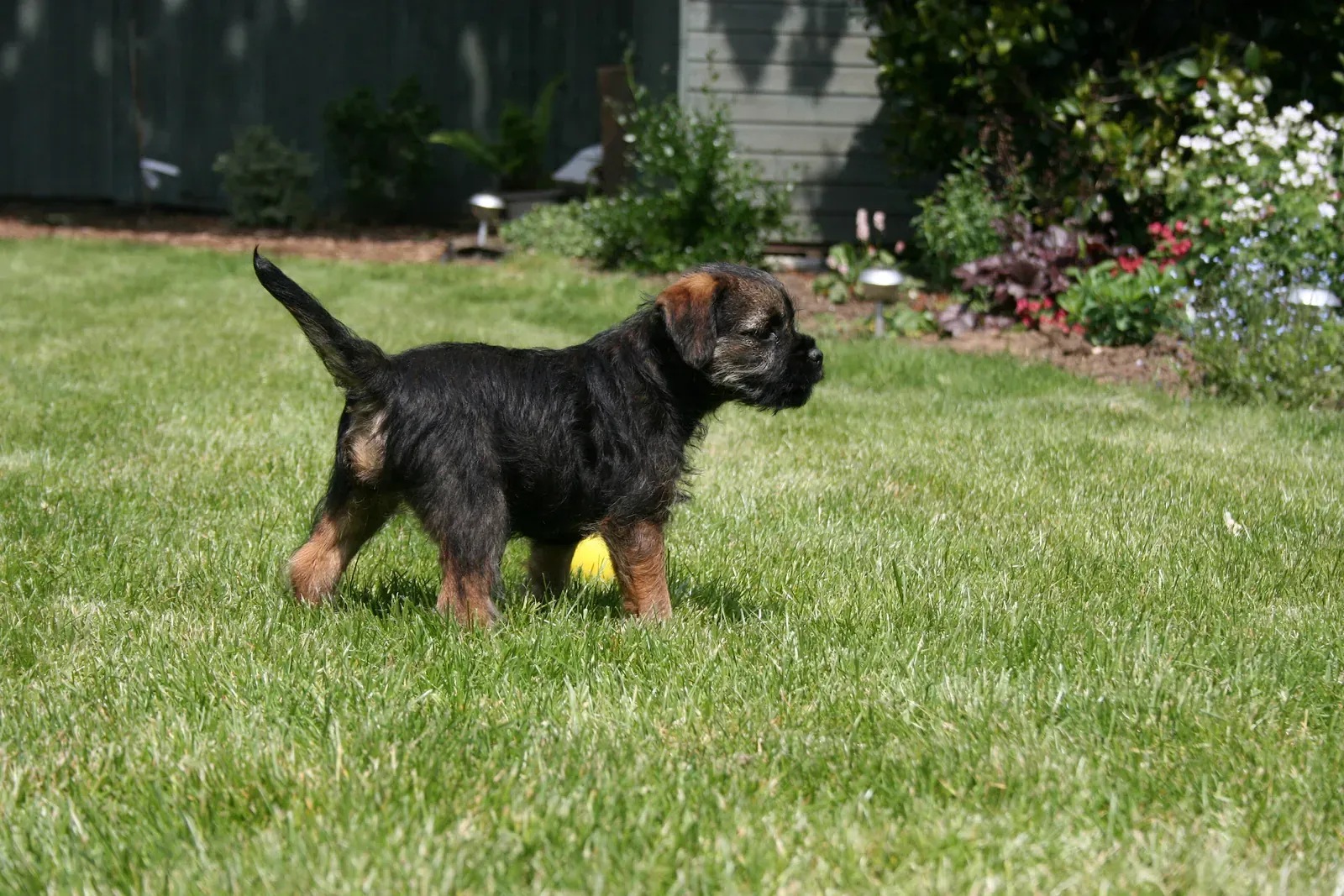
It was bred to run with the hunt on foot and then go to ground after a fox, so it is built narrow in the chest, long in the leg for a terrier, and tough in the hide. Its head is described in every standard as otter-like. It is a cheerful, adaptable and sociable terrier that is usually easier to live with than many of its cousins, but it still digs, chases and thinks for itself. This profile covers where the breed came from, what the standards say, how its coat works, what is known about its health, and who it suits.
Border Terrier quick facts
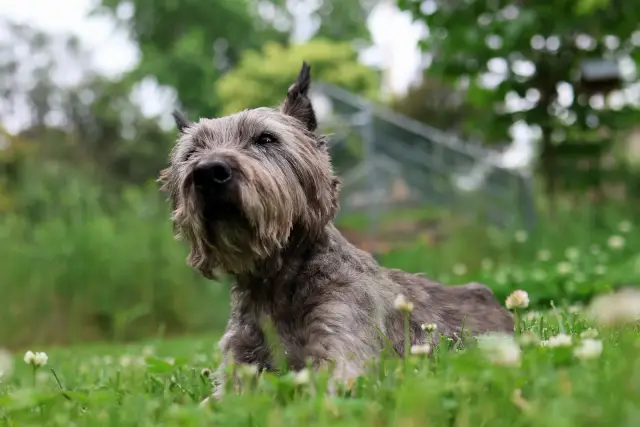 Related breedCairn Terrier1500 to 1910 · United KingdomAge of Exploration
- Country of origin
- United Kingdom (Anglo-Scottish Border, Northumberland and the Cheviot hills)
- Period of development
- 1700 to 1920 (atlas data); Kennel Club recognition 1920
- Original job
- Following the hounds and bolting foxes from rocky earths, general vermin control
- Type
- Terrier. : Group 3, Terriers, no. 10. : Terrier Group. UK Kennel Club: Terrier Group
- Height
- Not fixed by the standards; most adults stand about 25 to 28 cm at the withers
- Weight
- Kennel Club and FCI: dogs 5.9 to 7.1 kg, bitches 5.1 to 6.4 kg
- Coat
- Harsh, dense, wiry outer coat over a close undercoat
- Colour
- Red, wheaten, grizzle and tan, blue and tan
- Life span
- Atlas data: 12 to 15 years. A 2017 UK veterinary study gave a median of 12.7 years
- Exercise
- Moderate to high: an hour a day, with real chances to sniff and run
- DNA family
- Terrier
- Closest relatives
- Parson Russell Terrier, Bedlington Terrier, Jack Russell Terrier (, Parker 2017)
- Other names
- Earlier local names: Coquetdale, Redesdale, Reedwater and Ullswater Terrier
Drawn to scale in real centimetres. Its back reaches about 27 cm, your shin; its head about 34 cm, your shin.
Where it sits in the tree
Early Modern Era · 1600 to 1799

Name and origin
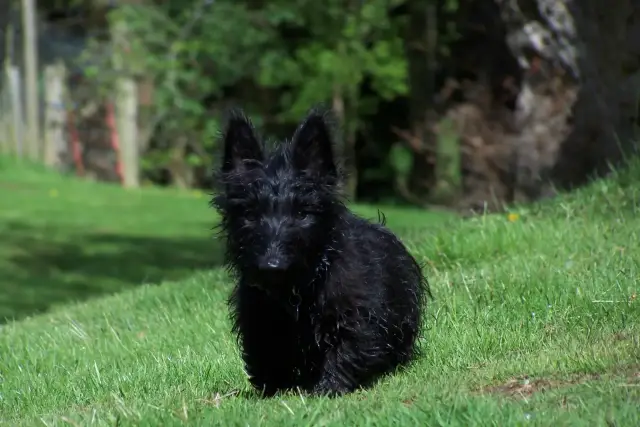 Related breedScottish Terrier1700 to 1882 · United KingdomEarly Modern Era
The breed takes its name from the Border country, the hill land either side of the English and Scottish frontier, and from the Border Hunt, a pack of foxhounds that hunted the Cheviot hills and the Coquet and Reed valleys of Northumberland. The atlas data gives the name's meaning as the Border country and the Border Hunt.
Before the name settled, the dogs were known by the valley or village where they were kept. Reedwater, Coquetdale, Redesdale and Ullswater Terrier are all recorded as local names. These were working farm and hunt terriers of a common type, not a bred-to-a-pattern show dog. The name Border Terrier is generally dated to the late 19th century, when the type was established well enough to be called one thing across the district.

History
 Same eraWest Highland White Terrier1800 to 1904 · United KingdomIndustrial Revolution
Fell country, farmers and foxes
The hill farms of Northumberland, Cumbria and the Scottish Borders kept sheep and lambs on open fell land. Foxes took lambs, and the farmers could not follow them on horseback across crags and screes. Hounds and men on foot did the hunting, and a terrier was needed to go into the rock earth and either bolt the fox or hold it until it could be dealt with.
That job set the shape of the breed. The terrier had to run with the hunt over long distances, so it needed legs and stamina. It had to fit into a narrow earth, so it needed a small, flexible chest, a loose hide and a head that was flat across the skull and not too deep in the muzzle. It also had to be small enough to get in and still big enough to hold its own, which is why the standards stress a working size.
The atlas data places the breed's ancestry in the Fell Terrier type, the hardy working terriers of the northern hills, and gives a low-confidence link. The Fell Terrier is not a single recognised breed but a type, and the Patterdale Terrier and Lakeland Terrier come from the same stock.
The Border Hunt and the first names
The Border Hunt was one of several packs working the hills in the 18th and 19th centuries. The terriers kept by its followers and the surrounding farmers became known for their courage and gameness. Accounts of the breed's story mention Jacob Robson, a huntsman and terrier breeder associated with the Border Hunt, as an important figure in shaping the type. Treat the stories attached to individual early dogs as local tradition, because the records from this period are thin.
1914 and 1920: recognition
The Kennel Club was asked to recognise the breed in the years before the First World War and, according to breed histories, turned the application down in 1914. The war then interrupted everything. In 1920 the Kennel Club accepted the Border Terrier as a breed, and the Border Terrier Club was founded the same year. Breed histories name Jacob Robson and John Dodd as the men who wrote the first standard. That is why 1920 is the date given to the breed in most reference books, even though the dogs themselves are much older.
Spreading abroad
The American Kennel Club recognised the Border Terrier in 1930. The FCI standard, no. 10, lists Great Britain as the country of origin and puts the breed in Group 3, Terriers. The breed has since spread widely as a companion. In the atlas data it is recognised by the FCI, the AKC and the UK Kennel Club.
From earth dog to family dog
Fox hunting with terriers has changed greatly in the UK and has been regulated by law, and a small hunting terrier is no longer a common farm tool. The Border Terrier survived this change better than many working breeds, mainly because it adapted to home life. It is small enough for most households, has a coat that sheds less than many, and is friendly with people and children. Most are now family pets, with a core of dogs in terrier work trials, agility, obedience and earthwork-style activities.
 Save
Relatives and DNA
 Same familyYorkshire Terrier1850 to 1874 · United KingdomVictorian Breed Boom
The atlas data places the Border Terrier in the Terrier family. In the 2017 Parker et al. study of 161 breeds (Cell Reports), the terriers formed a strong, distinct group. The shared DNA figures in the atlas data show where the Border Terrier sits within it.
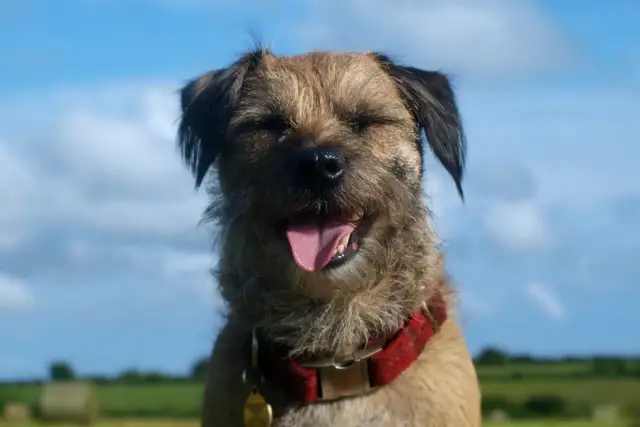
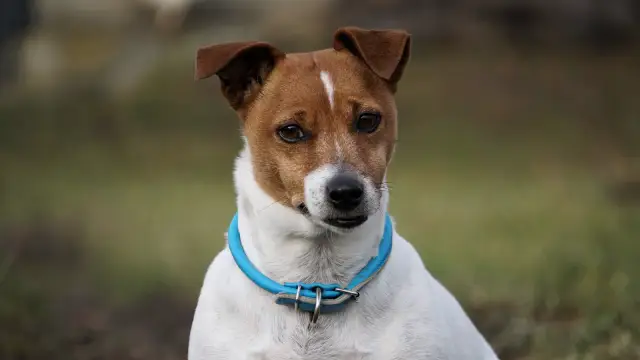
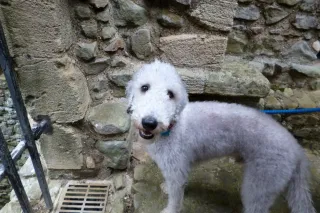
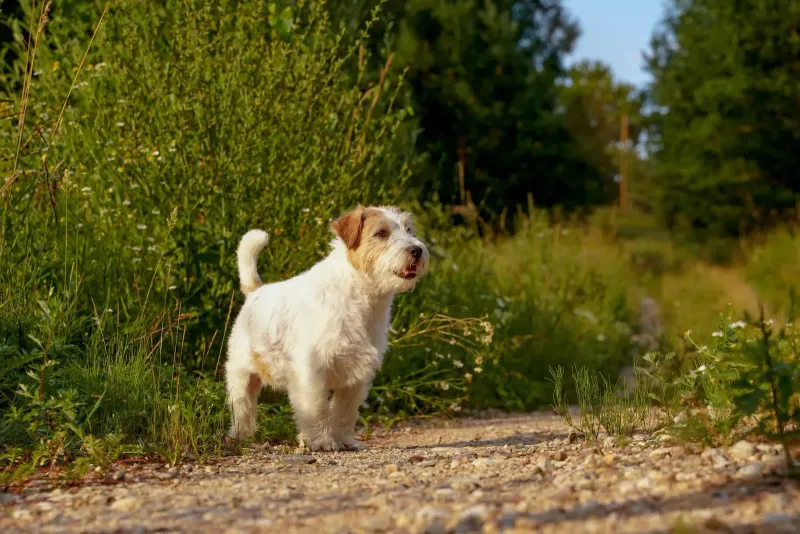 Border Terrier and Parson Russell Terrier
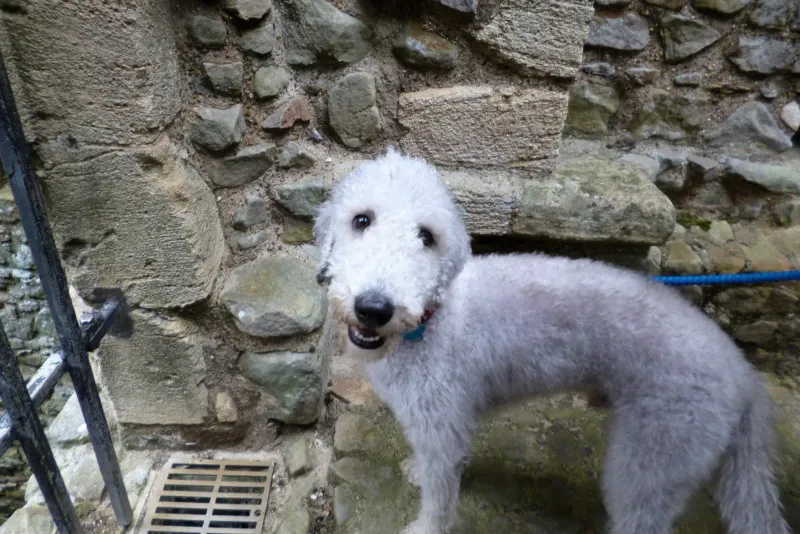 Border Terrier and Bedlington Terrier
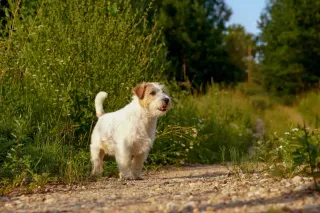
- Border Terrier and Jack Russell Terrier
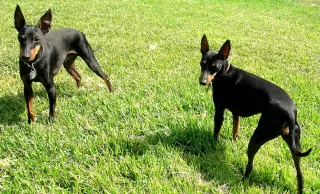
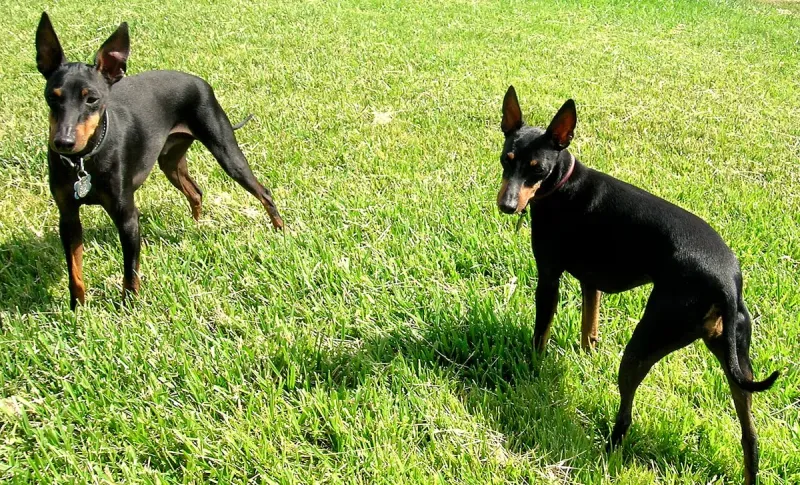 Border Terrier and Toy Manchester Terrier
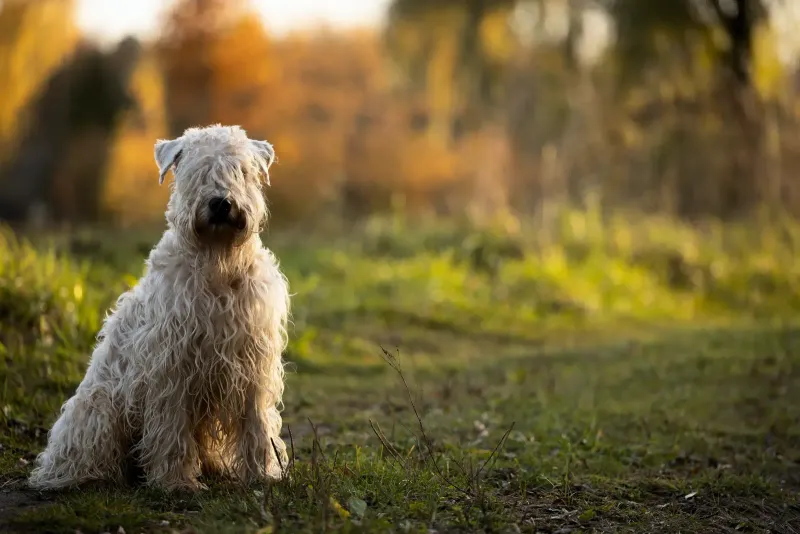
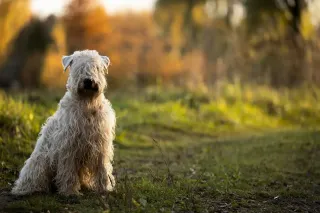
- SBorder Terrier and Soft Coated Wheaten Terrier
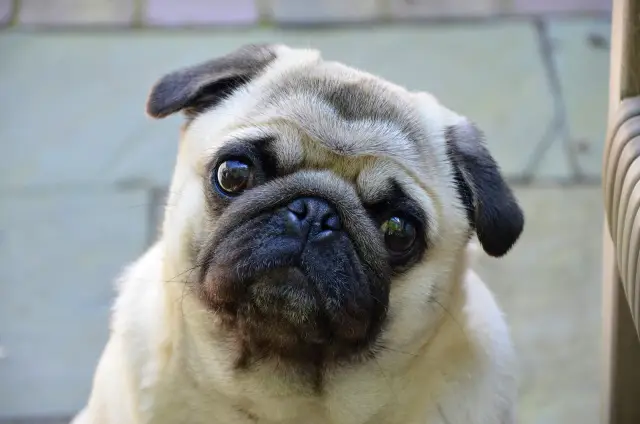
The numbers measure stretches of DNA that two breeds share, in (Mb). They show a close tie to the Parson Russell Terrier and the Bedlington Terrier, which fits the shared border-country story. The Jack Russell Terrier comes next. Lower down the list are the Irish Terrier, the Wire Fox Terrier, the Glen of Imaal Terrier, and, surprisingly, the Pug and the Otterhound, at about 10 Mb each.
Descent runs one way in the atlas data: the Border Terrier comes from fell terrier stock, and the Dutch Smoushond is listed as its descendant.
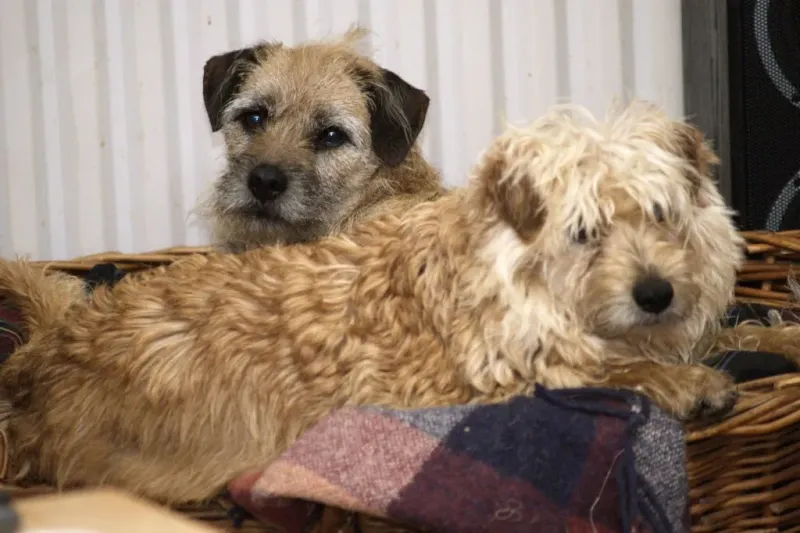 Dutch SmoushondDutch Smoushond
The atlas data also lists the Dandie Dinmont Terrier and the Bedlington Terrier as sister breeds from the same border country stock. The Dandie Dinmont was named after a character in a Walter Scott novel and comes from the same hills. To see how the terriers sit among all the breed families, open the dog breed family tree.
 Save
Border Terrier vs Patterdale Terrier
Both are hill terriers from the north of England, and people often mix them up.
The Patterdale is mostly bred for work and varies more between lines. The Border Terrier is a recognised breed with a written standard and a steadier home temperament.
Sister breeds · 6
- Dandie Dinmont Terrier1700 to 1875
- Patterdale Terrier1700 to 1950
- Welsh Terrier1700 to 1885
- Bedlington Terrier1780 to 1877
- Lakeland Terrier1800 to 1921
- Sporting Lucas Terrier1940 to 1985
Descend from it · 1
- Dutch SmoushondNetherlands
- Parson Russell Terrier55.5 Mb 2.3%
- Bedlington Terrier44.7 Mb 1.9%
- Jack Russell Terrier29.7 Mb 1.2%
- Toy Manchester Terrier19.3 Mb 0.8%
- Soft-coated Wheaten Terrier12.7 Mb 0.5%
- Irish Terrier10.5 Mb 0.4%
- Wire Fox Terrier10.5 Mb 0.4%
- Pug10.3 Mb 0.4%
- Glen of Imaal Terrier9.8 Mb 0.4%
- Otterhound9.7 Mb 0.4%
Source: Parker et al. 2017. Percent of the whole genome.
| Point | Border Terrier | Patterdale Terrier |
|---|---|---|
| Coat | Wiry, dense, with an undercoat | Smooth or broken, short |
| Head | Otter head, broad skull | Narrower, more pointed |
| Colour | Red, wheaten, grizzle and tan, blue and tan | Black, chocolate, red and others |
| Recognition | FCI, AKC, UK Kennel Club | Mostly a working type, not a recognised show breed in most countries |
| Temperament | Cheerful, sociable, adaptable | Often more intense, with a stronger drive |
The breed standard
 Looks relatedAkita1600 to 1931 · JapanEarly Modern Era
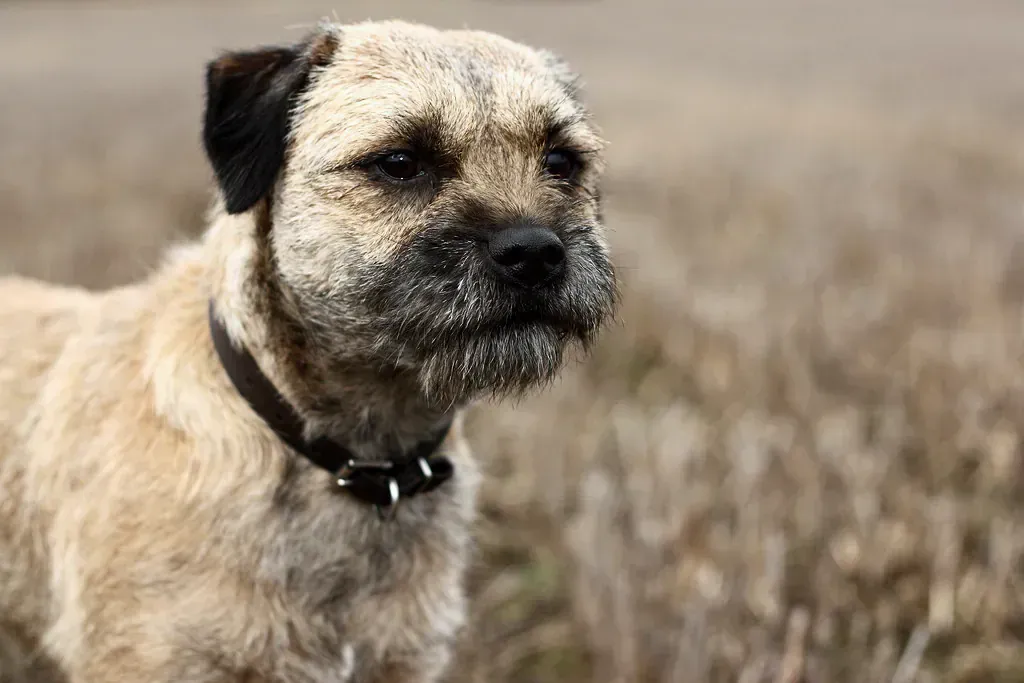
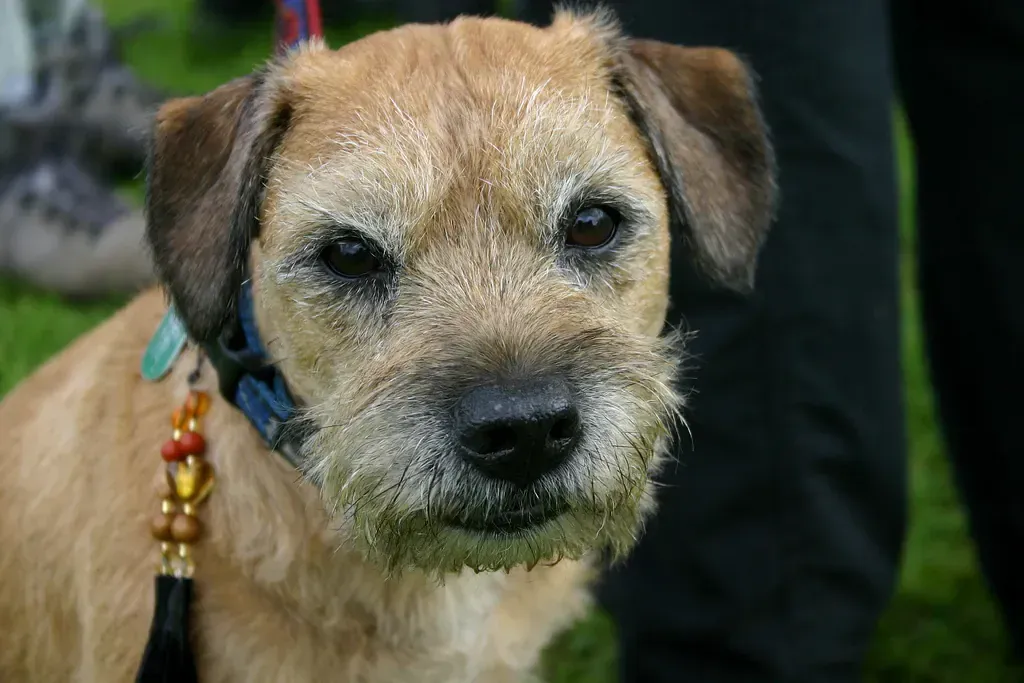
The Kennel Club and FCI standards describe a small, workmanlike terrier with a particular head and a coat that sheds dirt and weather.
| Trait | What the standards say |
|---|---|
| Size | KC and FCI: ideal weight 5.9 to 7.1 kg for dogs, 5.1 to 6.4 kg for bitches. The standard describes a guide, not a hard rule |
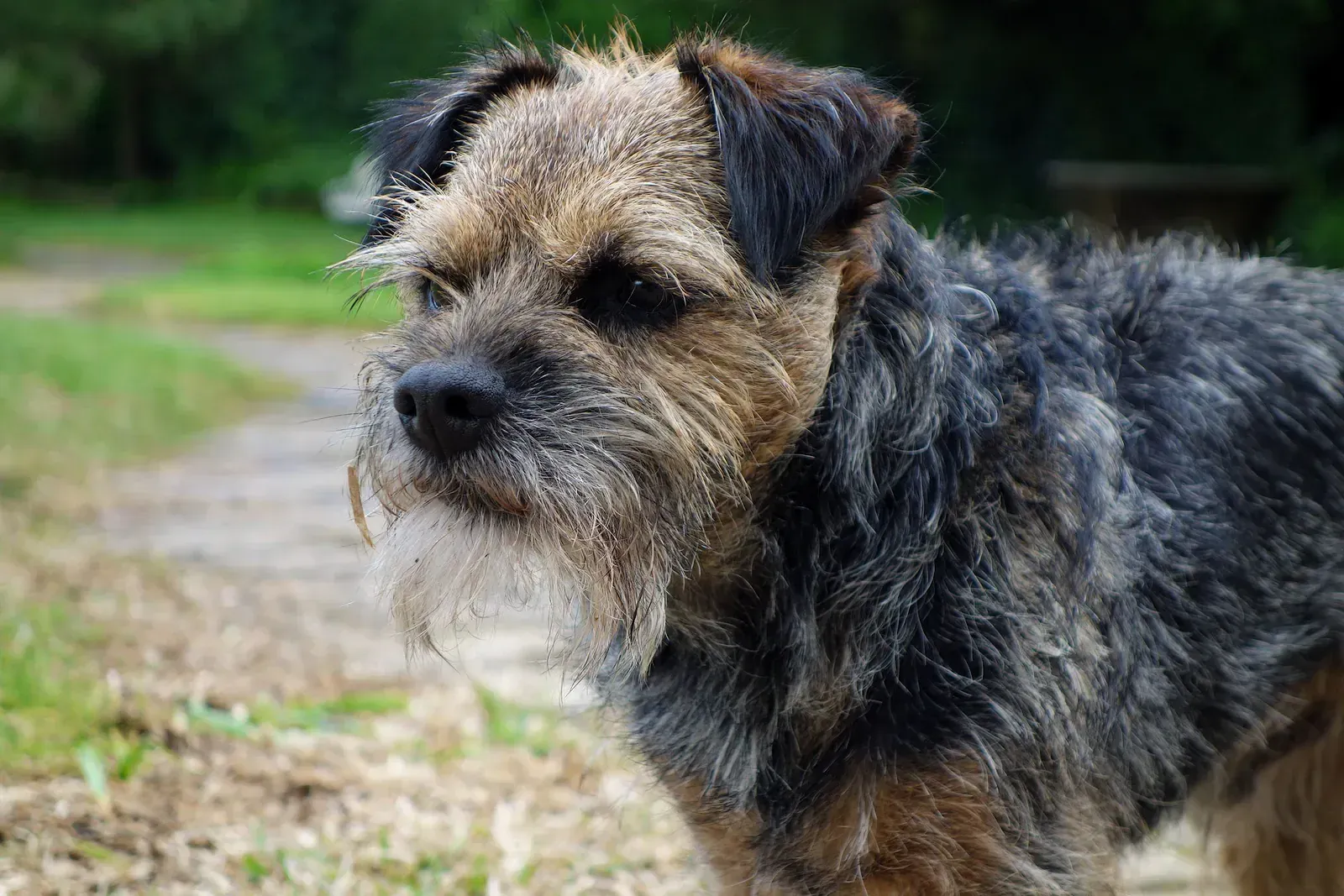
| Head | KC and FCI: like that of an otter, with a moderately broad, flat skull and a short, strong muzzle |
| Ears | KC and FCI: small, V-shaped, folding forward close to the cheeks |
| Eyes | KC and FCI: dark hazel, with a keen expression |
| Teeth | KC and FCI: strong, with a scissor bite; "teeth should be large, jaws strong" |
| Body | KC and FCI: deep, narrow and long enough in the ribs to allow the dog to go to ground |
| Legs | KC and FCI: long enough to run with horses and hounds, but not so long as to make the dog hard to carry through an earth |
| Coat | KC and FCI: harsh and dense, with a close undercoat; the skin is thick and loose |
| Colour | KC and FCI: red, wheaten, grizzle and tan, or blue and tan |
| Tail | KC and FCI: moderately short and thick at the base, tapering, carried gaily but not over the back |
| Movement | KC and FCI: free, with long strides that cover the ground without effort |
The otter head. The wide, flat skull gives the face its famous look, and it has a job: the jaws are strong, the muzzle is short, and the dog can work in tight rock. A head that is too narrow or too long is a fault.
Thick, loose skin. The hide is meant to be thick and loose. In the field it protects against bites and brambles, and it lets the dog turn in a narrow space.
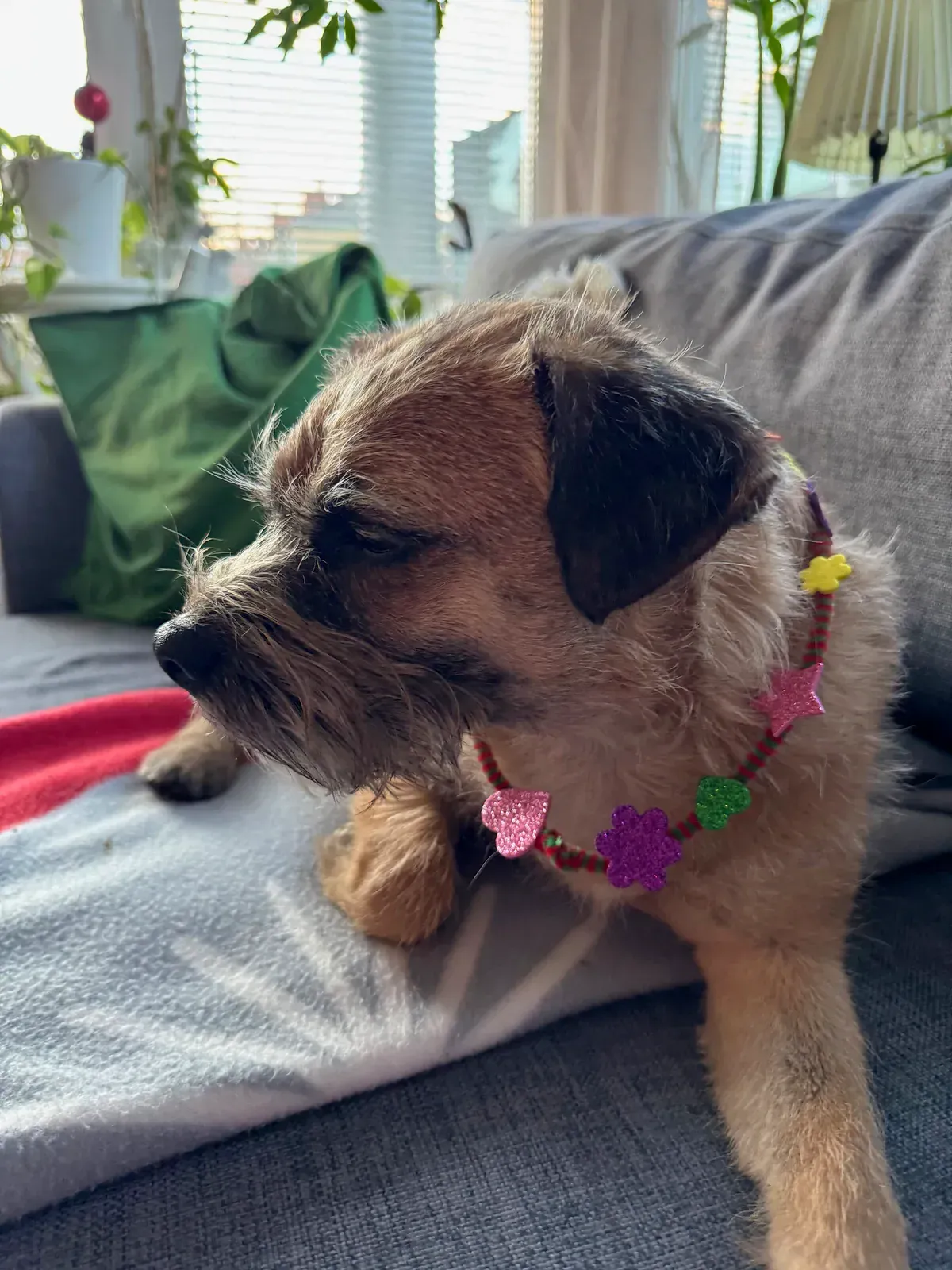
The coat. The standard asks for a harsh top coat and a dense undercoat. A soft or curly coat is a fault. Some pet dogs have a softer coat than the standard describes, which grows longer and needs more work to keep tidy.
Size is a guide. The standards give a target weight and do not set a height. Pet dogs often run slightly above the show weights. The point of the weight guide was to allow a terrier that could be lifted in and out of a hole by hand.
Coat and grooming
 Related breedAmerican Bulldog1700 to 1980 · United StatesEarly Modern Era
A correct Border Terrier coat is a working one. The harsh top layer sheds water and mud, and the undercoat keeps the dog warm. Brushed regularly, it keeps itself fairly clean, and many owners say a muddy dog dries and brushes out.
Hand-stripping. The traditional way to keep the coat in condition is to pull the dead outer hairs out by hand, once or twice a year. Stripping keeps the texture harsh and the colour clear, and it reduces shedding. Clipping with clippers cuts the coat and tends to make it softer and duller over time. Many pet owners clip anyway, because stripping takes skill and time. For the grooming basics, see the dog grooming guide.
Everyday care. A brush or comb once a week is enough for most dogs. Check the ears, nails and teeth regularly.
Shedding. Border Terriers shed less than many breeds, especially if the coat is hand-stripped. They are not shed-free, and no breed is truly hypoallergenic, so people with allergies should spend time with the dog before committing.
Temperament
 Related breedBlack Mouth Cur1700 to 1900 · United StatesEarly Modern Era
The Border Terrier is the friendly one of the terrier world. It keeps the courage and the curiosity of a working earth dog, but it was also bred to work as part of a group, with hounds and men, so it tends to be more tolerant of company than the more solitary terriers.
Sociable and affectionate. Most are warm with their own household and enjoy being in the same room. They are usually good with visitors and are rarely aggressive without cause.
Active but adaptable. A good walk and some play will satisfy most. They can switch from a hill walk to a quiet evening on the sofa, which is one reason the breed suits many homes.
Terrier brain. It still has the prey drive and the digging habit of a dog that was bred to chase and tunnel. Squirrels, rabbits and cats outdoors are fair game, and a Border Terrier that picks up a scent can be deaf to the recall.
Clever and stubborn. It learns quickly and uses that to ignore a boring instruction. Short, varied, reward-based sessions work better than long drills.
With children and other pets. Most do well with children, especially children who know how to be calm with a dog. They often live happily with other dogs. Cats in the household are usually fine if the dog was introduced young, but small pets such as rabbits, rats and hamsters should be kept apart. See the best dog breeds for families for how breeds compare.
Barking and digging. They bark at things that move and dig when bored. A fenced garden with a secure base is advisable.
Training tips
- Start early. Puppy classes and calm exposure to traffic, people and other dogs in the first months. See dog training basics.
- Teach recall with a long line. Do not trust the recall near wildlife until it is solid, and perhaps not then.
- Give the nose a job. Scatter feeding, scent games and trailing use the terrier instinct harmlessly.
- Provide a digging spot. A sandpit or a corner of the garden beats a ruined lawn.
- Keep it kind. Reward-based methods; harsh handling makes terriers shut down or fight back.

Health
 Related breedBluetick Coonhound1700 to 1945 · United StatesEarly Modern Era
The Border Terrier is a long-lived and generally sturdy breed. The atlas data gives 12 to 15 years. A large veterinary study, "Border Terriers under primary veterinary care in England: demography and disorders" (Canine Genetics and Epidemiology, 2017), used the programme of the Royal Veterinary College and reported a median lifespan of 12.7 years, with the breed described as relatively long-lived. The study found that dental and neurological disease were among the breed's more common problems.
| Condition | What it is | How common | What helps |
|---|---|---|---|
| Spongiform leukoencephalomyelopathy (SLEM, also called Spike's disease) | An inherited nervous system disease in young dogs, with episodes of shaking, stiffness and trouble walking | Inherited in a way. No published figure for how many dogs carry it | DNA test of breeding dogs, offered through the Kennel Club Genetics Centre and breed health group; ask the breeder for results |
| Canine epileptoid cramping syndrome (also called paroxysmal gluten-sensitive dyskinesia) | Episodes of cramping, stiffness or odd posture in a dog that stays aware | No published figure; reported in breed health surveys | Vet diagnosis. Some owners report that a change of diet helps, but evidence is limited |
| Dental disease | Plaque, tartar and gum disease | Among the more common findings in the 2017 UK study | Brushing, dental chews on a vet's advice, regular checks |
| Heart disease | Defects present from birth or changes with age | No published figure | Heart check at the vet; ask the breeder about the parents |
| Cushing's syndrome | A hormone disorder with excess thirst, appetite and skin changes | Preliminary research linked it with SLEM risk. No published figure | Report increased thirst or a pot belly to a vet |
| Eye disease | Cataract and other eye changes | No published figure | Eye test of breeding dogs |
| Hip and knee problems | or a slipping kneecap (patellar luxation) | No published figure | Joint checks of both parents, lean weight |
SLEM. The best-known inherited problem is SLEM. A DNA test exists for the gene, and responsible breeders test their dogs and avoid breeding two together. A puppy from tested parents has a very low chance of the disease. Testing was disrupted when the Animal Health Trust closed in 2020 and was restarted through the breed health group and the Kennel Club Genetics Centre. Ask for the parents' results in writing.
Lifespan. 12 to 15 years is a typical range, not a promise. The UK study's median of 12.7 years shows what happens in ordinary veterinary practice, where the dogs range from very healthy to unwell.
Weight. The breed's neat build is easy to hide under a thick coat. Check the ribs by touch. Extra weight strains the joints and is one of the few health factors owners control.
Before you buy. Ask for the SLEM status of both parents, a heart check, and an eye test. Ask what the breed club recommends.

Living with a Border Terrier
 Related breedBoerboel1650 to 1983 · South AfricaEarly Modern Era
| Daily reality | Rating | Why |
|---|---|---|
| Exercise per day | Moderate to high | An hour of walking plus play |
| Training needs | Medium | Clever, but independent |
| Grooming | Medium | Weekly brushing and stripping or clipping a few times a year |
| Shedding | Low to medium | Lower if hand-stripped |
| Barking | Medium | Alert; reacts to movement |
| Time alone | Fair | Dislikes long absences |
| Children | Good | Sturdy and friendly |
| Other dogs | Good | Usually sociable |
| Cats and small pets | Varies | Prey drive; fine with a cat it grew up with |
| Flat living | Fair | Possible with daily exercise and a quiet habit |
| Heat tolerance | Fair | Keep hard exercise to cooler hours |
| Cold tolerance | Good | Weatherproof coat |
| First-time owner fit | Fair to good | Easier than many terriers, but needs consistent training |
 Save
A great fit if
- You want an active small dog that is happy on a hill walk and on the sofa.
- You like a scruffy, low-maintenance look and can live with some hair.
- You have a secure garden and can supervise it.
- You enjoy a clever dog that needs mental work, such as scent games or trick training.
Think twice if
- You want a dog that will walk off lead anywhere. A Border Terrier may disappear after a rabbit.
- You keep rabbits, hamsters or other small pets in the home.
- You are away from home for long hours.
- You want a lap dog that never digs or barks.
Before you get one
- Health tests. Ask for the parents' SLEM test results and check the Kennel Club's breed health information.
- Coat. Ask whether the parents are stripped or clipped and what a typical coat looks like at the age you are buying.
- Cost of time. A puppy needs weeks of training and a secure garden before it can be trusted outdoors.
- Rescue. The breed is popular and often turns up in rescue. Breed-specific rescue groups exist in many countries.
Similar breeds to consider
- Norfolk Terrier. Smaller and a little softer, with a similar wiry coat.
- Cairn Terrier. A Scottish terrier with a shaggy coat and a similar friendly nature.
- Parson Russell Terrier. A leggier, more energetic terrier.
- Lakeland Terrier. Another hill terrier, taller and with a harder edge.

Border Terrier fun facts
 Related breedCatahoula Leopard Dog1700 to 1979 · United StatesEarly Modern Era
- The breed's first Kennel Club recognition came in 1920, after an application is said to have been turned down in 1914.
- Its head is likened in every standard to that of an otter.
- Earlier names include Coquetdale, Redesdale, Reedwater and Ullswater Terrier.
- The standards give weight and not height, because the dog had to be small enough to be lifted from an earth.
- The Dutch Smoushond is listed in the atlas data as a descendant.
Frequently asked questions
Is a Border Terrier a good family dog?
Yes, for most families. It is sturdy, friendly and sociable. It still needs supervision with young children and with small pets.
How big is a Border Terrier?
The standards give ideal weights of 5.9 to 7.1 kg for dogs and 5.1 to 6.4 kg for bitches. Height is not fixed, but most stand about 25 to 28 cm tall.
How long do Border Terriers live?
Atlas data gives 12 to 15 years. A 2017 UK veterinary study reported a median of 12.7 years.
Do Border Terriers shed?
A little. The harsh coat sheds less than many breeds, and hand-stripping reduces it more. It is not hypoallergenic.
Do Border Terriers bark a lot?
They bark at movement and visitors, and more when bored. Exercise and training keep it moderate.
Are Border Terriers easy to train?
They learn fast but can be stubborn. Short, varied, reward-based sessions work best, and recall needs steady work.
What is SLEM in Border Terriers?
Spongiform leukoencephalomyelopathy is an inherited nervous system disease in young dogs. A DNA test exists, and breeders can use it to avoid affected puppies.
What is the difference between a Border Terrier and a Patterdale Terrier?
The Border Terrier has a wiry coat and an otter head and is a recognised show breed. The Patterdale has a smooth or broken coat and is mainly a working type.
Read next
Closest DNAJack Russell Terrier29.7 Mb shared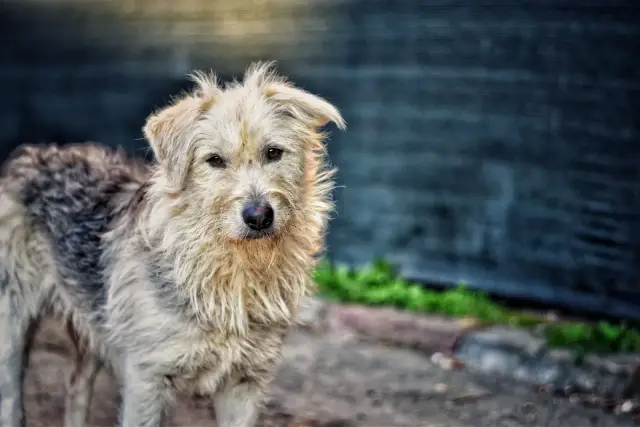 FamilyTerrierThe whole family
 Adopt a dogDog Shelters in EuropeFind dog shelters in Europe, learn how shelters differ from country to country and why adopting a dog is a good option.
Sources (12)
- Fédération Cynologique Internationale, Border Terrier, standard no. 10.
- The Kennel Club (UK), Border Terrier breed standard and breed health information.
- American Kennel Club, Border Terrier breed standard and history.
- Border Terrier Club (UK), breed history.
- Border Terrier Club of America, breed standard.
- Parker H.G. et al., "Genomic analyses reveal the influence of geographic origin, migration, and hybridization on modern dog breed development", Cell Reports, 2017.
- Fogle B., The New Encyclopedia of the Dog, 2009.
- Royal Veterinary College, VetCompass, "Border Terriers under primary veterinary care in England: demography and disorders", Canine Genetics and Epidemiology, 2017.
- Kennel Club Genetics Centre, SLEM DNA test for Border Terriers.
- Border Terrier Breed Health Group, breed health report.
- Royal Veterinary College, Border Terrier VetCompass infographic.
- Dogs New South Wales, Border Terrier breed standard.