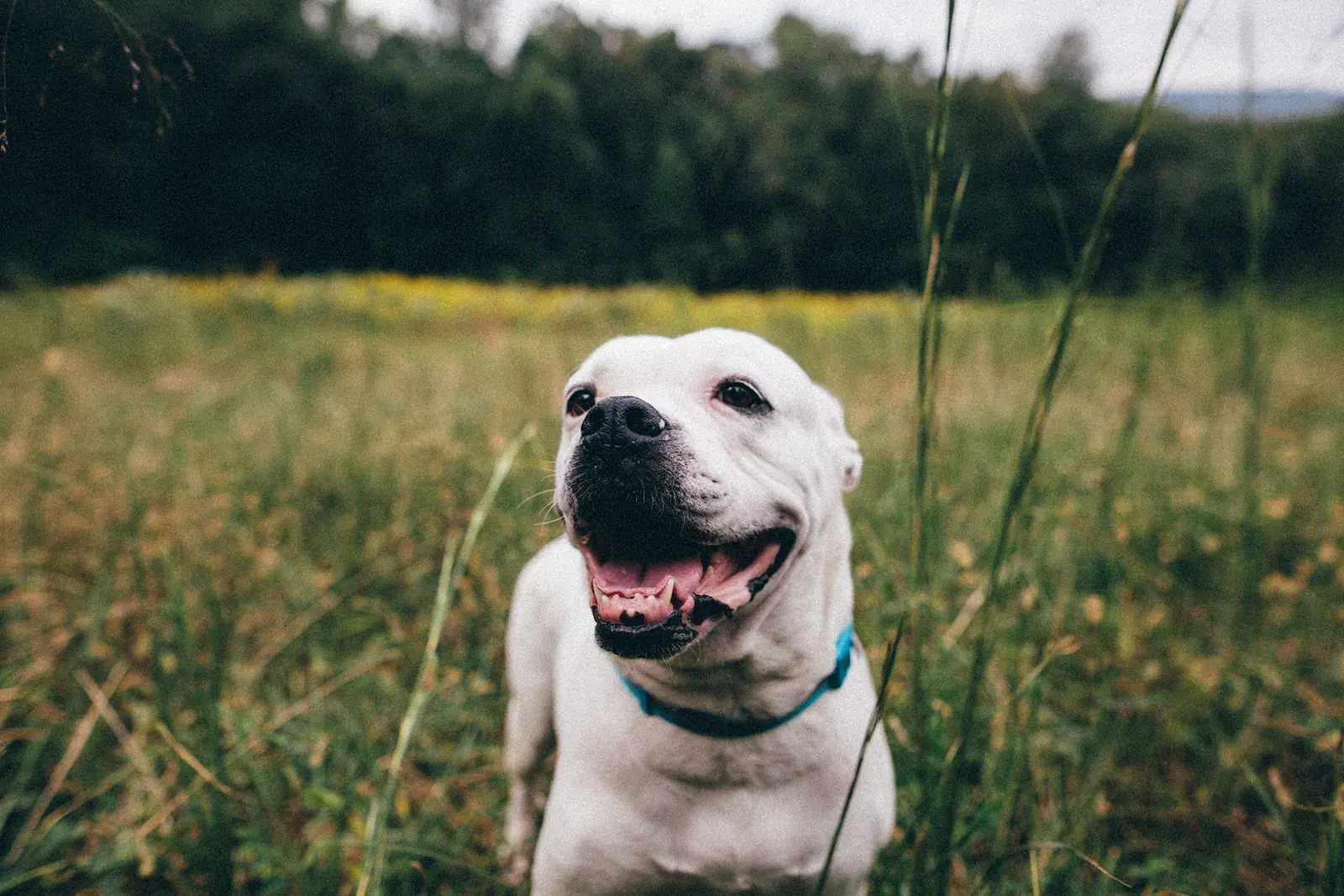
Its ancestors came from England in the 1700s as bulldog-type working dogs and spent generations on farms, catching and holding cattle and wild hogs and guarding the homestead. By the end of the Second World War the type was close to extinct. A few breeders, above all John D. Johnson and Alan Scott, rebuilt it in the following decades. Today it is a confident, athletic and loyal dog for owners who have space, time and the experience to train a strong breed. It is not recognised by the or the American Kennel Club in the atlas data, and Denmark bans it. The atlas data gives a life span of 10 to 15 years.
American Bulldog quick facts
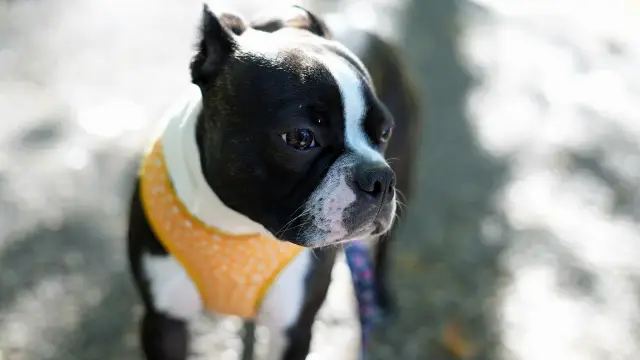 Related breedBoston Terrier1870 to 1893 · United StatesVictorian Breed Boom
- Country of origin
- United States (Southern states)
- Period of development
- About 1700 to 1980 (atlas data, medium confidence)
- Original job
- Farm and catch dog: working cattle and wild hogs, guarding the farm
- Type
- Bull and fighting dog type (recognised by the United Kennel Club; not an FCI breed)
- Family
- European Mastiff (the atlas data group)
- Parent breed in the atlas data
- Old English Bulldog
- Size
- Large; the UKC standard sets sizes for each sex
- Colours
- Solid colours, white with coloured patches, and brindle (UKC)
- Life span
- 10 to 15 years (atlas data)
- Other names
- Old Country Bulldog, Old Southern White
- Restricted
- Banned in Denmark (see Breed laws)
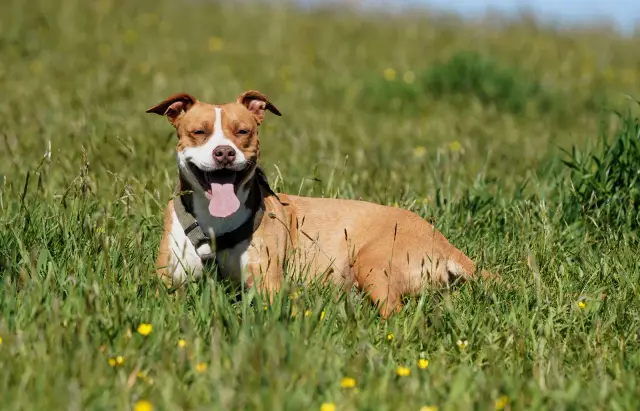
Where it sits in the tree
Early Modern Era · 1600 to 1799
Name and origin
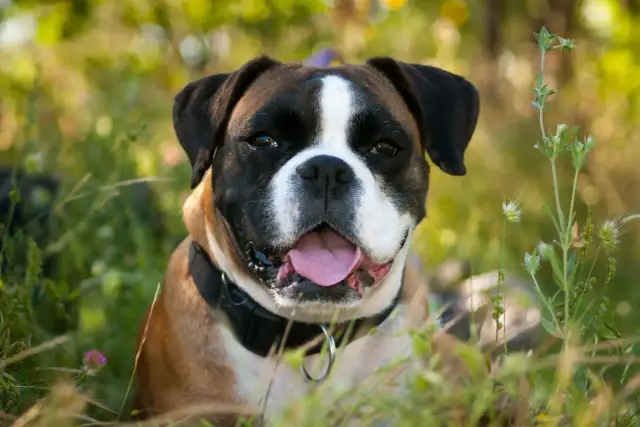 Related breedBoxer1880 to 1904 · GermanyVictorian Breed Boom
The name says what the dog is: a bulldog developed in America. The atlas data explains the etymology as the American development of British bulldogs used on farms of the South. Older names show how local the type was. In the rural South the dogs were called Old Country Bulldogs or Old Southern Whites, after the colour of many farm dogs.
The breed sits in the same part of the dog family as the Bulldog, the Old English Bulldog and the English Mastiff. The atlas data names the extinct Old English Bulldog as the parent and lists the English Mastiff, the Alaunt and the Alpine Mastiff as older ancestors. The Old English Bulldog is not today's Bulldog. It was a leaner, longer-legged and more athletic dog used to hold bulls and to work livestock, and it is the type that settled on British farms and then crossed the Atlantic with farm families.

History
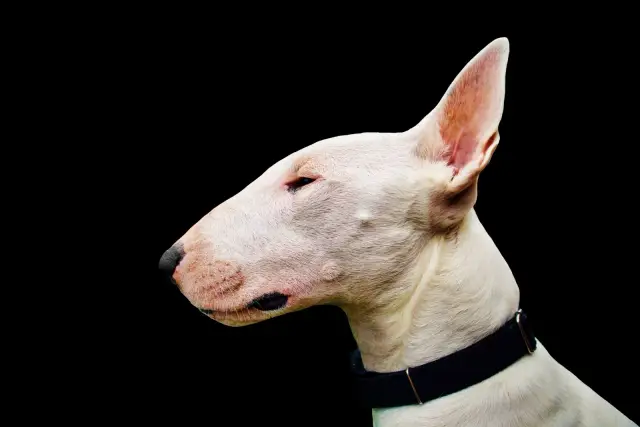 Same eraBull Terrier1850 to 1888 · United KingdomVictorian Breed Boom
From English farms to the American South
British settlers took bulldog-type farm dogs to the American colonies, where the dogs were useful on farms: they caught and held free-ranging cattle and wild hogs, and they guarded property. In the Southern states the dogs kept this working role long after the dogs of England had changed. The atlas data dates the development from about 1700 to 1980, with medium confidence. The long range reflects how little was written down until the breed was revived.
Close to extinction
The breeders who revived the type describe it as nearly gone after the Second World War, with the surviving dogs mostly on farms in the southeastern states. Farm work was changing and the old dogs were not being bred on purpose. Accounts of how many survived are breeders' memory and have not been checked in a study.
Johnson, Scott and the revival
John D. Johnson, a returning war veteran, set out to bring the dog back. Alan Scott worked with him. Johnson and Scott are widely credited with saving the American Bulldog from extinction. The UKC says the best-known lines are usually called the Johnson and Scott types. Spellings of Scott's first name vary between "Alan" and "Allen" in the sources.
How the two types began is told in different ways. The usual account is that Scott built a second line from working farm dogs in the South and crossed in dogs from Johnson's stock, which gave the lighter Scott type. Some accounts also say Johnson used a bulldog from northern England, but that point is poorly sourced. The two types are still described in the UKC material:
- Johnson type. Bulkier and heavier with a broad head and a shorter muzzle, often called "bully" or "classic".
- Scott type. More of a performance dog, athletic and sleeker, with less bone and a longer muzzle, often called "standard".
Many modern American Bulldogs are a mix of the two, usually called "hybrids".
Recognition
The United Kennel Club (UKC) recognised the American Bulldog on 1 January 1999 by one account; another source says 1998. The atlas data lists the UKC as the only major recognising body. The FCI does not list the breed as a standard.
Descendants
The breed went on to shape other modern dogs. The atlas data lists the Olde English Bulldogge and the American Bully as children of the American Bulldog, and the Continental Bulldog as a descendant. Not every owner or breeder agrees with these links, and the history of the Bully types is told in several ways.
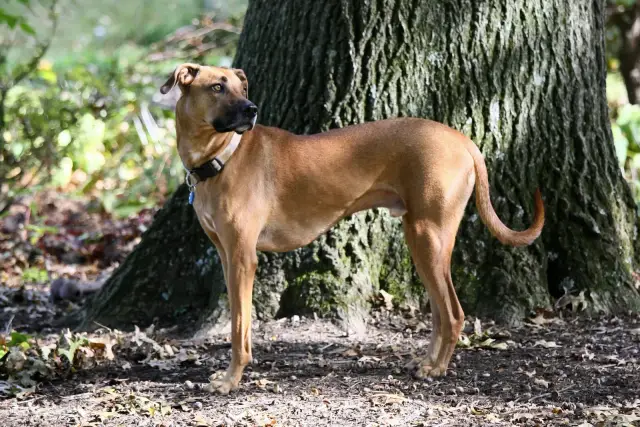
Ancestors, descendants and relatives
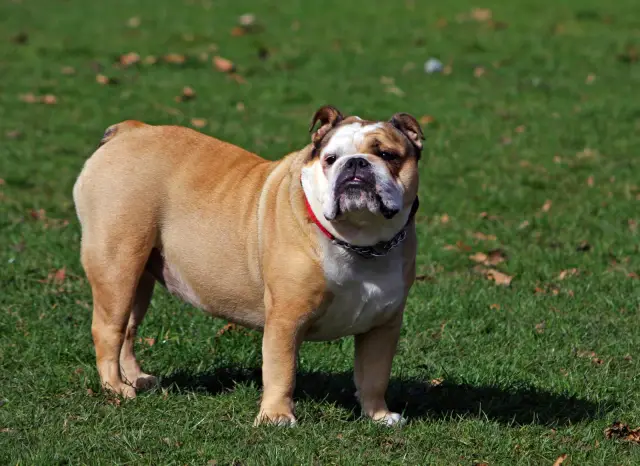 Same familyBulldog1835 to 1875 · United KingdomIndustrial Revolution
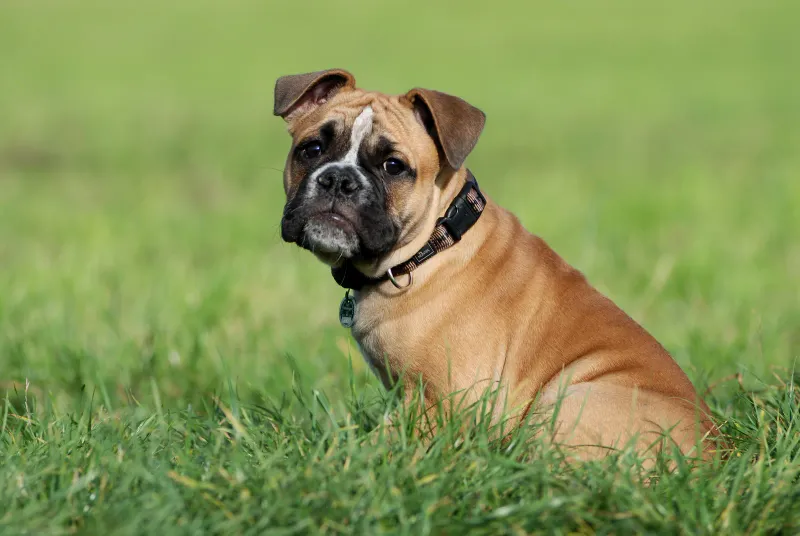 Olde English Bulldogge
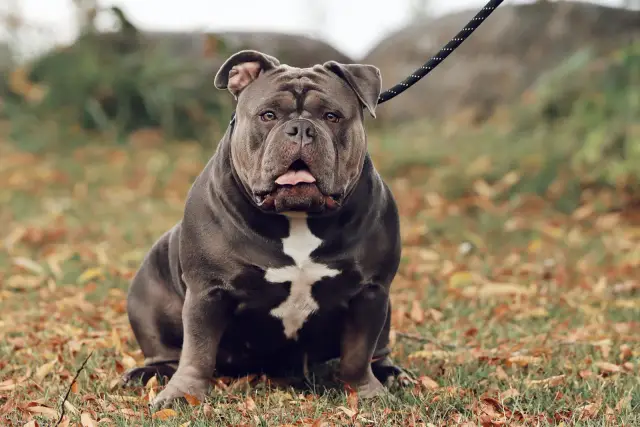 American BullyOlde English BulldoggeAmerican Bully
The atlas data has no shared-DNA figures for the American Bulldog, so no DNA chart is shown here. The breed's place in the European Mastiff family comes from written breed history.
Siblings in the atlas data include the Alapaha Blue Blood Bulldog, the Bulldog, the extinct Bull and Terrier and the Toy Bulldog.
Sister breeds · 4
- Alapaha Blue Blood Bulldog1800 to 1979
- Bull and Terrier1800 to 1860
- Bulldog1835 to 1875
- Toy Bulldog1850 to 1890
Descend from it · 2
- Olde English BulldoggeUnited States
- American BullyUnited States
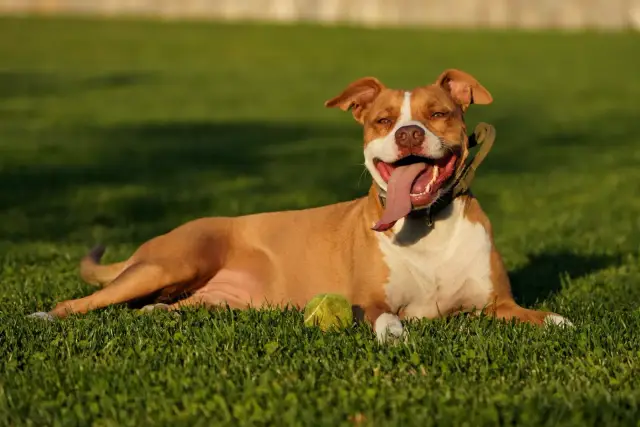
The breed standard
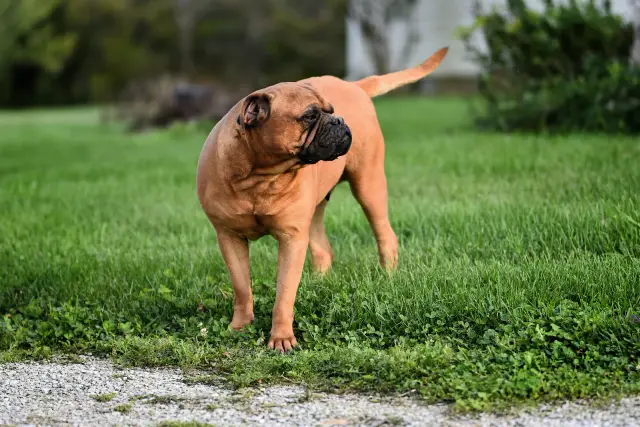 Looks relatedBullmastiff1860 to 1924 · United KingdomVictorian Breed Boom
A is the written ideal for a breed that clubs judge dogs against. The American Bulldog has no FCI, or UK Kennel Club standard. The main standard is from the United Kennel Club, which last revised it on 12 September 2023.
| Trait | What the standards say |
|---|---|
| Recognition | UKC: recognised in 1999 by one account, 1998 by another. FCI, AKC and UK Kennel Club: no standard |
| Build | UKC: powerful, athletic, strongly muscled and well boned; body only slightly longer than tall |
| Size | UKC: males are typically larger than females; the standard gives ranges for each sex |
| Head | UKC: large and broad, with a wide muzzle |
| Coat | UKC: short and close |
| Colours | UKC: solid colours, white with coloured patches, and brindle |
| Disqualification | UKC: a dog that shows difficulty breathing in the ring is disqualified |
| Types | UKC material describes the Johnson (heavier) and Scott (lighter, more athletic) types and their hybrids |
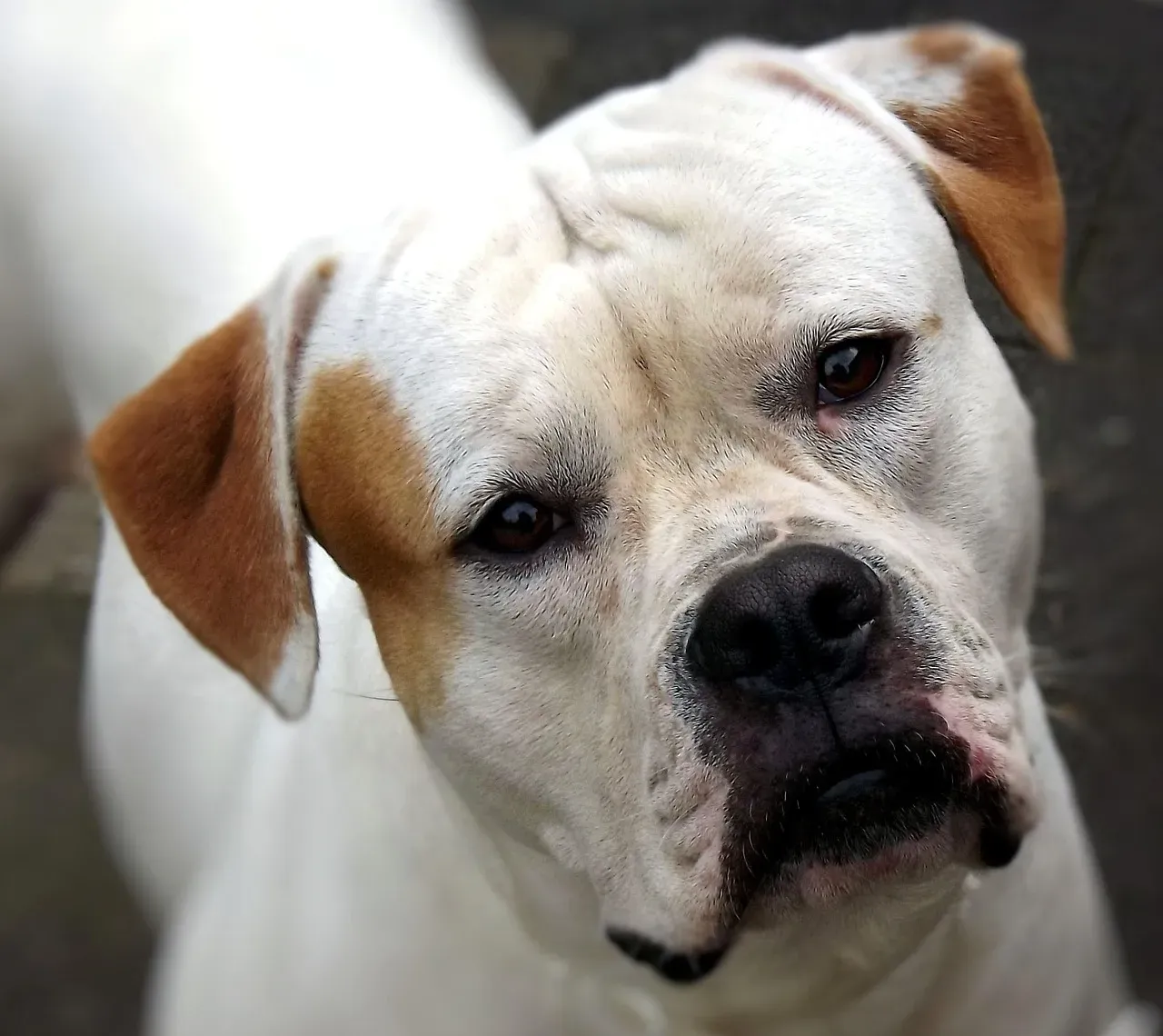
Two types in one breed. A Johnson-type dog and a Scott-type dog can look quite different side by side. The UKC standard asks for the same working build in both, but breeders prefer one or the other, and buyers should ask which type the parents are.
Breathing. The UKC disqualifies any American Bulldog that struggles to breathe in the ring. This rule is not in every bulldog-type standard. It shows that club judges want a free-breathing athletic dog and not an exaggerated head.
 Save
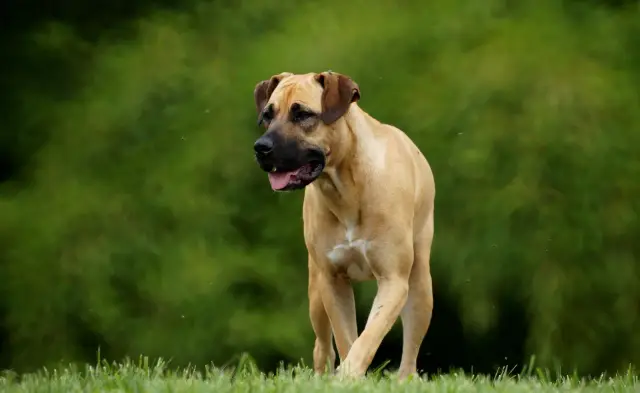
Temperament
 Related breedCane Corso1000 to 1996 · ItalyEarly Middle Ages
The American Bulldog is a confident, strong-willed and devoted farm dog. Its work was to catch, hold and guard, which took courage, stamina and a willingness to work alongside people. These traits make it a good companion for the right home and a poor match for the wrong one.
- Loyal. It bonds closely with its family and wants to be involved in what they do.
- Strong. An adult is heavy and powerful. Even friendly leaning or pulling can knock a person over.
- Wary of strangers. It is bred to guard, so early socialisation with people matters.
- Active. It was a working dog and needs a job, daily exercise and mental effort.
- Dog-selective. Many bulldog-type dogs become less tolerant of other dogs as they mature. Early socialisation helps, but no study measures this in the breed.
A well-bred, socialised American Bulldog is steady. A badly bred or untrained one is a risk, as with any strong dog. Training should begin in puppyhood, with calm, consistent rules and no rough play that teaches the dog to push people around.

Health
 Related breedDogo Argentino1928 to 1973 · ArgentinaModern Era
Many American Bulldogs live active lives into their low teens, and the atlas data gives a life span of 10 to 15 years. This section sets out what the available sources say, and what breeders and owners can do. For most conditions in this breed, no named study gives a prevalence figure, and the table says so.
Hip dysplasia
The one numbers-based source on the breed is the Orthopedic Foundation for Animals (OFA) hip database. A published table of OFA results lists 1,733 American Bulldogs evaluated, with 33.2 percent found dysplastic. That is about 1 in 3 evaluated dogs. The data are from dogs whose owners chose to submit X-rays, which may over- or under-state the true level in the whole breed, and the table's date is not stated. OFA describes as a polygenic inherited disease, which means many genes affect it. Environment such as a high-calorie diet during rapid growth can make the changes worse, but it does not create the disease.
| Condition | What it is | How common | What helps |
|---|---|---|---|
| Hip dysplasia | A loosely fitting hip joint that wears early and causes pain and stiffness | About 1 in 3 evaluated dogs in the OFA hip database (1,733 dogs) | Hip scoring of both parents; lean body weight; no hard exercise while growing |
| Poor fit of the elbow joint | No published figure | Elbow scoring of both parents; weight control | |
| Cruciate ligament injury | A torn knee ligament, common in heavy athletic dogs | No published figure | Lean weight, fitness and warm-up before hard play |
| Ichthyosis | An inherited skin condition with scaly skin | Reported in the breed by university research; no published figure | DNA test of breeding dogs |
| Skin allergies | Itchy skin, often with ear infections | No published figure | Vet work-up; allergy management |
| Breathing difficulty | Narrow airways in dogs with very short muzzles | The UKC disqualifies it; no published figure | Choose a dog with a free-breathing muzzle; avoid hard exercise in heat |
| Heat stress | Dogs with heavy muscle and a broad head overheat quickly | No published figure | Exercise in cool hours, shade and water |
Keep the dog lean. A lean bulldog-type dog is easier on its joints and its breathing.

Breed laws
 Related breedDogue de Bordeaux1300 to 1896 · FranceLate Middle Ages
The American Bulldog is restricted in Denmark. The Danish Act on Dogs bans keeping and breeding 13 breeds, including crossbreeds, since 2010. The Danish Veterinary and Food Administration lists them as the Pit Bull Terrier, Tosa Inu, American Staffordshire Terrier, Fila Brasileiro, Dogo Argentino, American Bulldog, Boerboel, Kangal, Central Asian Shepherd Dog, Caucasian Shepherd Dog, South Russian Shepherd Dog, Tornjak and Sarplaninac. Tourists may not bring these dogs in, although transit is allowed. Parliament reviewed the ban in 2013 and kept it unchanged. A news report at the time noted that eight of the 13 breeds had no recorded attacks in Denmark.
Rules on bully breeds change often in other countries and towns, and landlords and insurers may set their own limits. Check the rules in your area before buying a dog. The atlas guide to banned dog breeds covers the main national rules.
Living with an American Bulldog
 Related breedEnglish Mastiff1300 to 1880 · United KingdomLate Middle Ages
| Daily reality | Rating | Why |
|---|---|---|
| Exercise per day | High | Farm working dog; strong and athletic; at least an hour or more is a fair guide, and no club figure is given |
| Training needs | High | Strong, guarding and strong-willed; early training and socialisation needed |
| Grooming | Low | Short, close coat (UKC) |
| Shedding | Medium | Short coat sheds; evidence is thin |
| Barking | Varies | Depends on training and the individual dog |
| Time alone | Fair | Bonds closely; long hours alone are hard |
| Children | Varies | Loyal, but big and strong; supervise, and teach children calm manners |
| Other dogs | Varies | Early socialisation is needed; some dogs become dog-selective |
| Cats and small pets | Varies | Hunting and catching heritage; depends on early exposure |
| Flat living | Poor | Large, active dog that needs a garden or easy outdoor access |
| Heat tolerance | Fair | Heavy muscle and a broad head; keep exercise to cool hours |
| Cold tolerance | Good | Short coat, but a large body; no source rates it |
| First-time owner fit | Poor | Needs informed, confident handling |
| Legal fit | Check | Banned in Denmark; check local rules |
A great fit if
- You have a house with a secure garden and time for daily exercise and training.
- You have owned a large, strong-willed breed before and will go to training classes.
- You want a devoted dog that stays close to its family.
- You can socialise the dog widely in its first year.
Think twice if
- You are away most of the day.
- You live in a small flat without a garden.
- You have no interest in training, or want a dog that is friendly with every stranger and every dog.
- You plan to travel to Denmark, or live where bully types face limits or insurance exclusions.
Before you get one
- Health tests. Ask the breeder for hip and elbow scores of both parents, and for the ichthyosis DNA result. Ask for the original certificates.
- Which type. Ask whether the parents are Johnson, Scott or hybrid, and meet both parents if you can.
- Puppy or adult rescue. Bulldog-type rescues exist and often place adults whose size and character are known.
- First year. Plan for puppy classes, steady calm walks and a lean body weight, because a heavy puppy can strain young joints.
Similar breeds to consider
- Boxer. Athletic and playful, with a shorter coat and a lighter build.
- Bulldog. Calmer and much smaller, but with serious breathing problems in many dogs.
- Boerboel. A bigger guardian that also needs an experienced owner.
- Staffordshire Bull Terrier. Smaller, known for its affection for people, but strong with other dogs.

American Bulldog fun facts
 Related breedFrench Bulldog1850 to 1898 · FranceVictorian Breed Boom
- The American Bulldog was once called the Old Southern White after the colour of many farm dogs.
- John D. Johnson and Alan Scott gave the breed its two best-known types, the Johnson and the Scott.
- The UKC disqualifies a dog that shows difficulty breathing in the ring.
- The breed is on Denmark's list of 13 banned breeds.
Frequently asked questions
How big does an American Bulldog get?
It is a large dog, with males typically larger than females. The UKC standard sets size ranges for each sex. The Johnson type is heavier and bulkier than the Scott type.
How long does an American Bulldog live?
The atlas data gives 10 to 15 years. No published study gave a median life span for the breed that this article could use.
What is the difference between Johnson and Scott types?
The Johnson type is bulkier with a broader head and shorter muzzle. The Scott type is lighter, more athletic and longer in the muzzle. Many dogs today are hybrids.
Is the American Bulldog a banned breed?
It is banned in Denmark, where keeping and breeding are illegal. Other places set their own rules, so check locally.
Is an American Bulldog a good family dog?
It can be in a home that understands strong breeds and trains the dog. Supervise children and socialise the dog early.
Is the American Bulldog the same as the American Bully?
No. The American Bully is a separate breed that the atlas data lists as a descendant of the American Bulldog.
Read next
Sister breedBulldog1835 to 1875 FamilyEuropean MastiffThe whole family
 Adopt a dogDog Shelters in EuropeFind dog shelters in Europe, learn how shelters differ from country to country and why adopting a dog is a good option.
Sources (9)
- United Kennel Club, American Bulldog breed standard, revised September 2023.
- United Kennel Club, American Bulldog breed history and the Johnson and Scott types.
- United Kennel Club, American Bulldog breed information.
- Orthopedic Foundation for Animals, hip dysplasia statistics and disease information.
- Orthopedic Foundation for Animals, general screening procedure and FAQ.
- Danish Veterinary and Food Administration, list of banned dog breeds under the Danish Act on Dogs.
- Fogle B., The New Encyclopedia of the Dog, Dorling Kindersley, 2009.
- Fédération Cynologique Internationale, breed nomenclature (American Bulldog not listed).
- Dogs Atlas breed records and the banned dog breeds guide (this site).