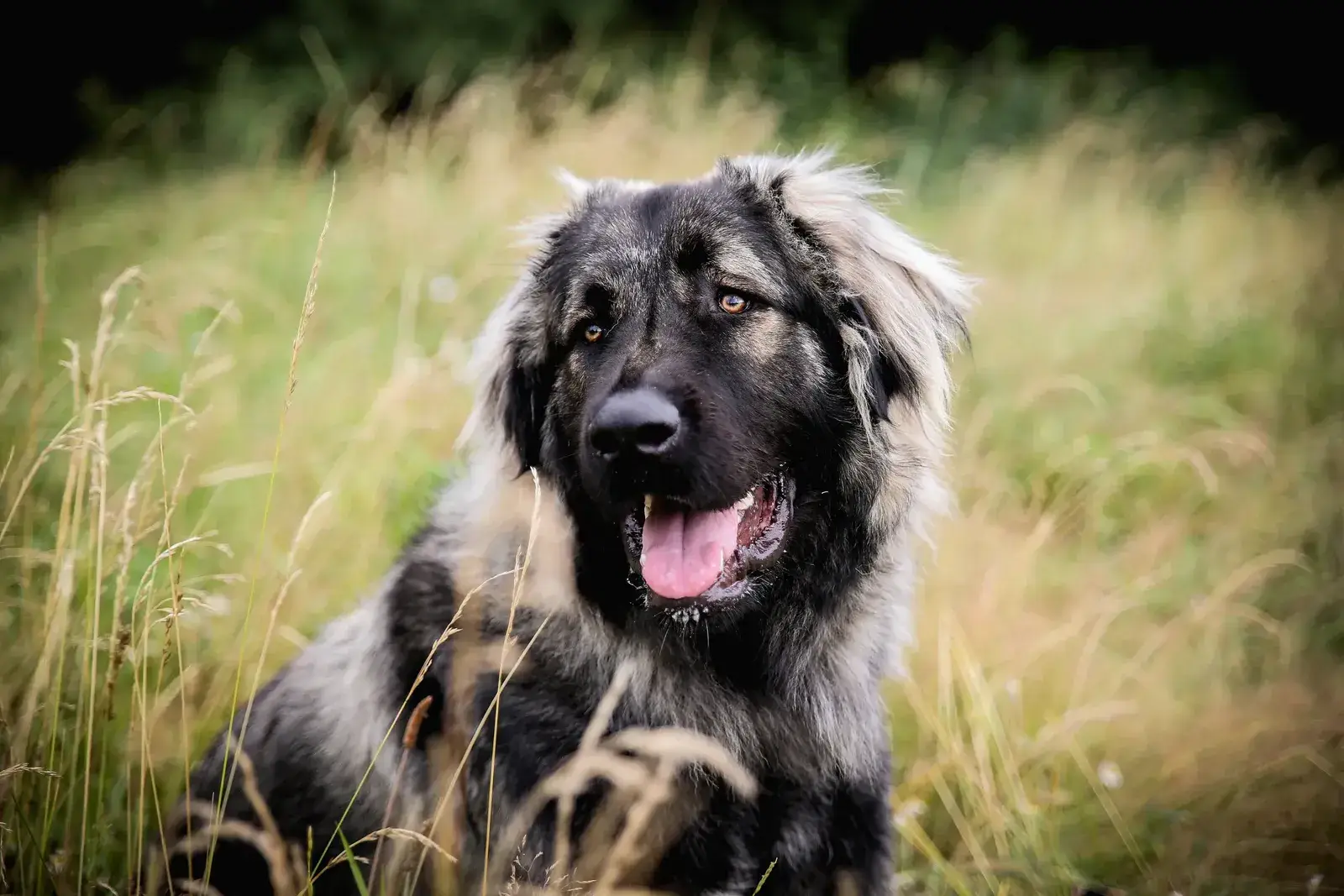
For centuries it lived with flocks and guarded them against wolves and bears. In the 20th century the Soviet Union turned local dogs into a single standardised breed for guarding property and borders. Today it is a rare, very large and very serious dog. It is wary of strangers, strongly territorial and independent, and it is not a breed for most homes. This guide covers where it came from, what the standards say, how it is treated in law, and who can live with one.
Caucasian Shepherd Dog quick facts
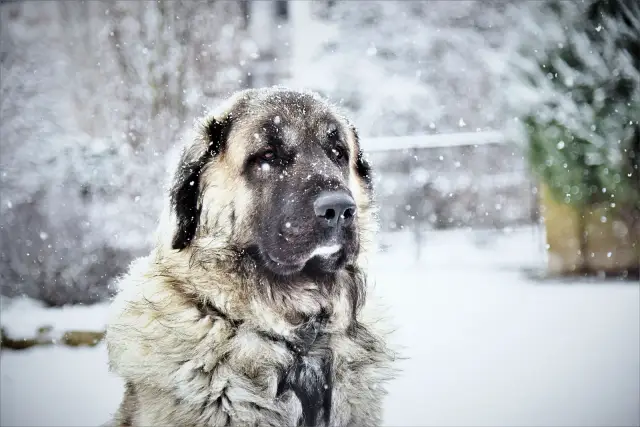 Related breedLeonberger1846 to 1895 · GermanyIndustrial Revolution
- Country of origin
- Caucasus region; FCI lists Russian Federation as the country of origin
- Period of development
- Ancient regional dogs (date uncertain); organised selection from the 1920s in the USSR
- Original job
- Guarding flocks against wolves and bears; later guarding property and borders
- Type
- Livestock guardian, Molossoid (FCI Group 2; FCI standard no. 328; Foundation Stock Service)
- Height
- FCI minimum as reported: 68 cm males, 64 cm females
- Coat
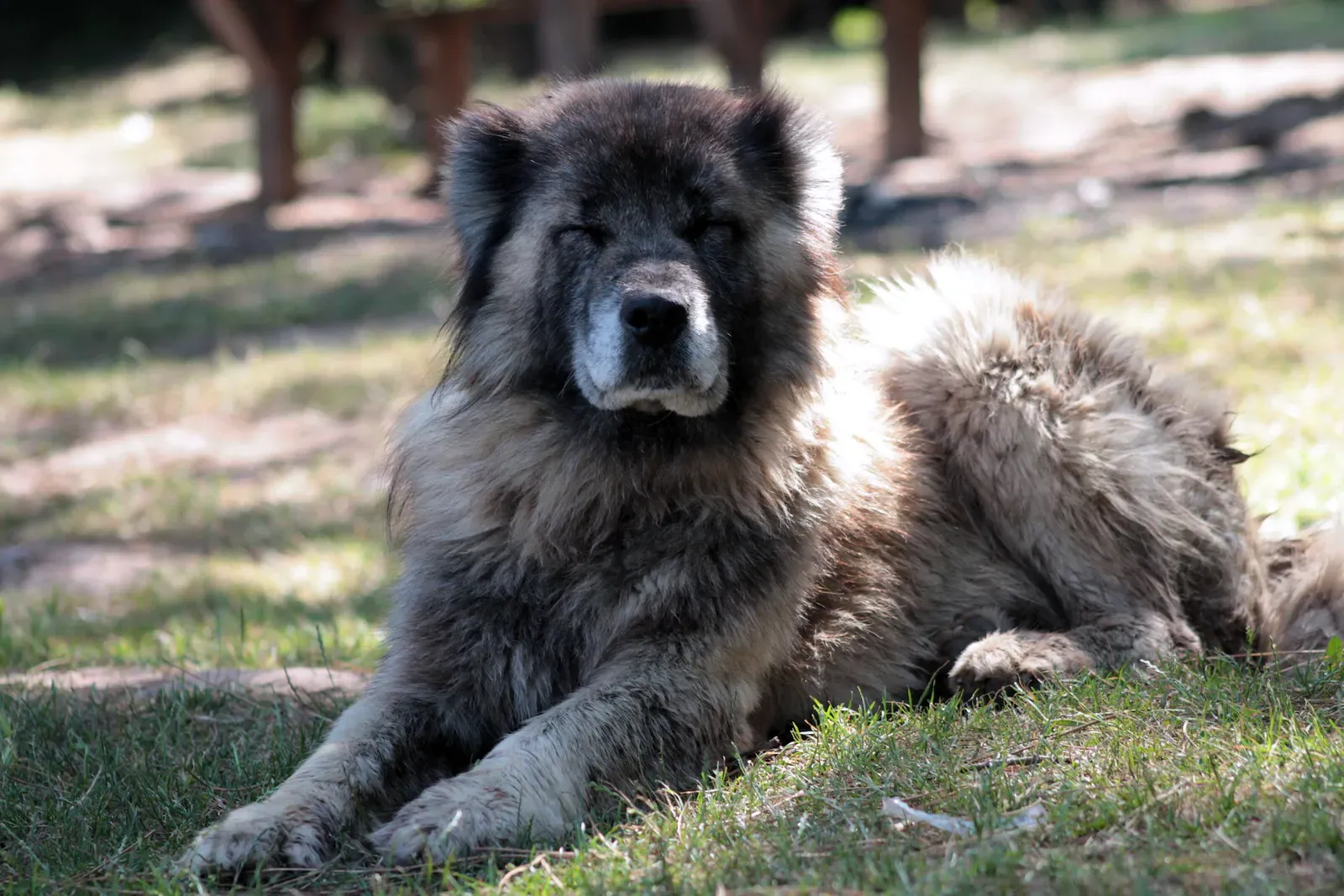
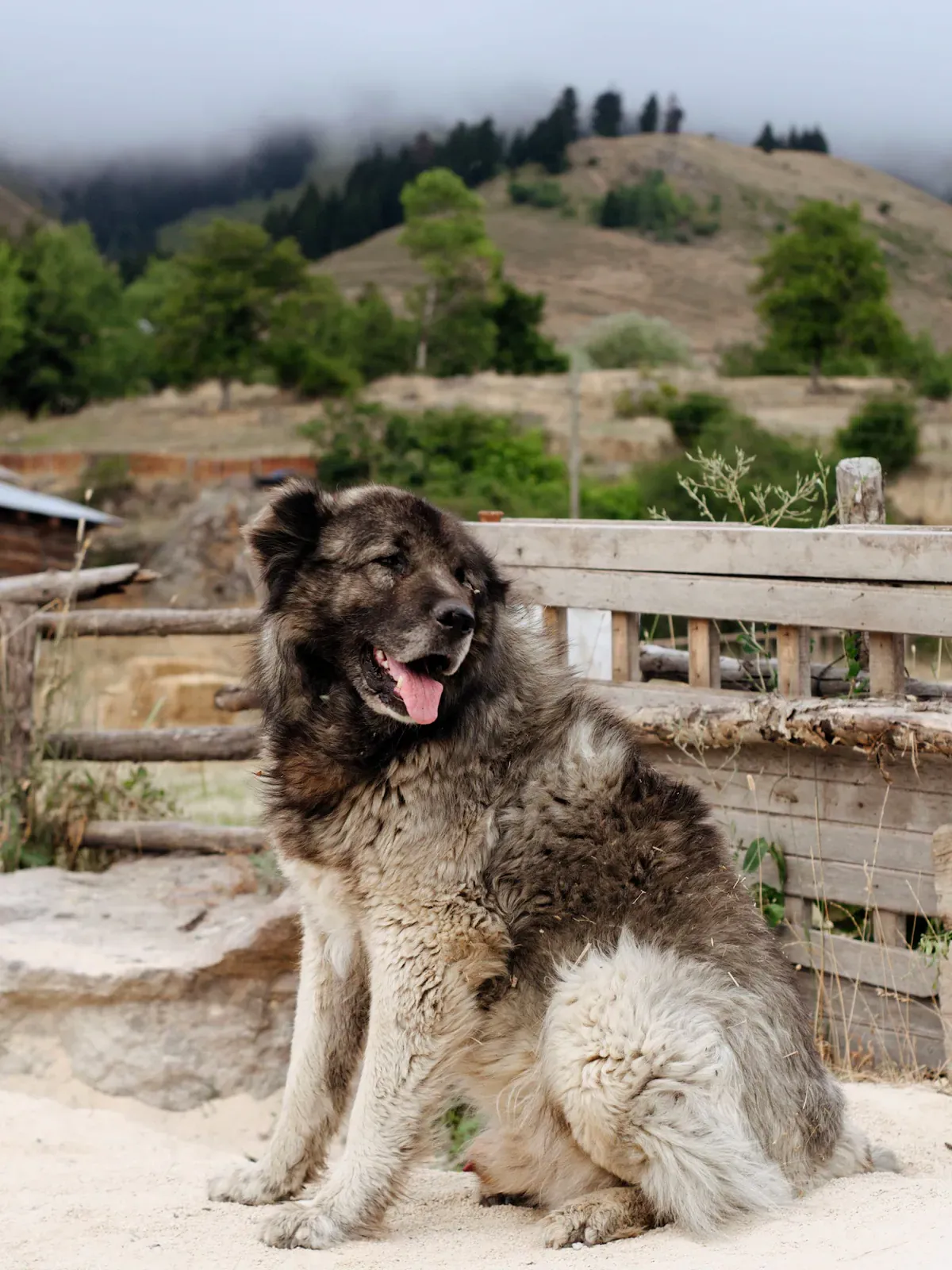
- Two regional types: longer, heavier mountain coat; shorter, lighter steppe coat
- Life span
- Atlas data: 10 to 12 years; breed profiles repeat the same range
- Exercise
- Daily walks and a secure, large space; no study gives a number
- DNA family
- Placed in the Mediterranean family by ancestry and type; not
- Likely relatives
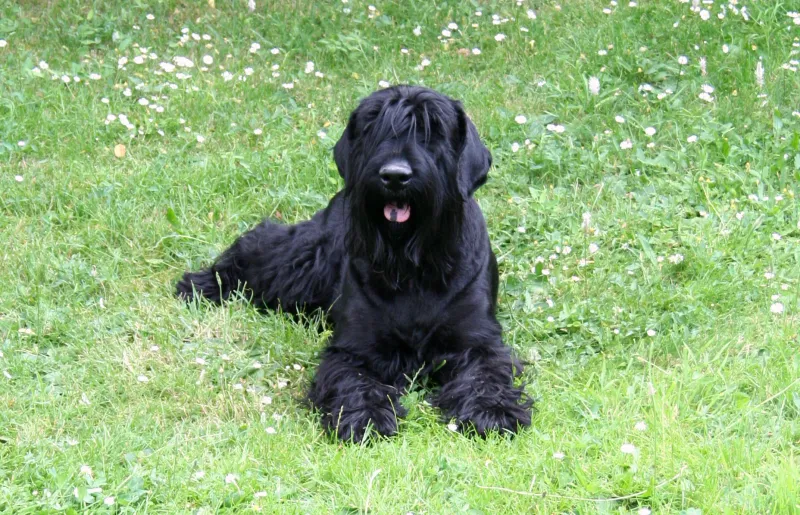
- Armenian Gampr, Moscow Watchdog, Black Russian Terrier
Drawn to scale in real centimetres. Its back reaches about 70 cm, mid-thigh; its head about 88 cm, your hip.
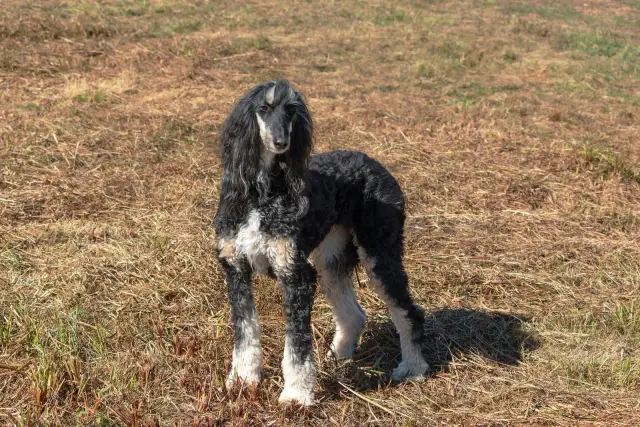
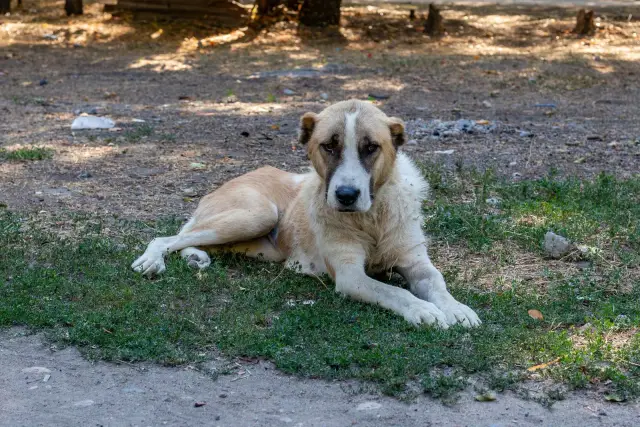
Where it sits in the tree
Ancient World · 3,000 BCE to 499
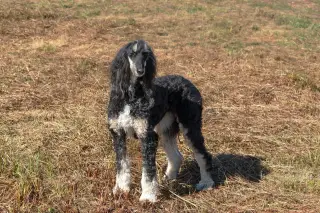
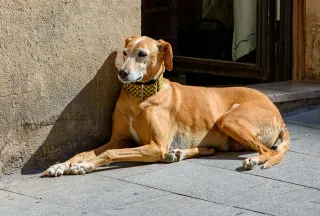
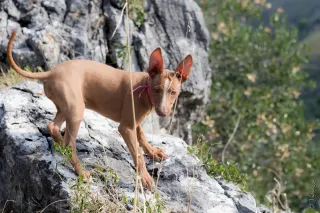
Name and origin
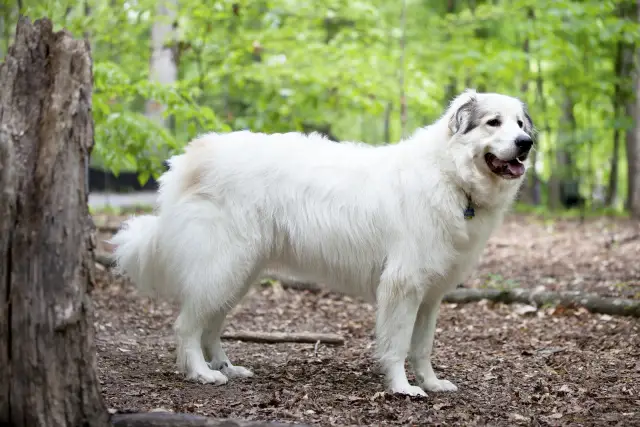 Related breedPyrenean Mountain Dog1000 BCE to 1923 · FranceAncient World
"Caucasian" names the mountain range between the Black Sea and the Caspian Sea. "Ovcharka" is the Russian word for a sheepdog, and "Kavkazskaya Ovcharka" is the breed's name in its home language. The FCI standard (no. 328) lists the breed under the Russian Federation as country of origin, because the Soviet breeding programme was run from Russia. The dogs themselves come from a wider area: Georgia, Armenia, Azerbaijan and Dagestan, along with the steppes of southern Russia.
The Russian cynologist Aleksandr Mazover is credited, in one breed-history source, with the first scientific description of the dogs. He named Georgia, Azerbaijan, Armenia and Dagestan as the centres of the population, in numbers and in quality.
A note on DNA. The breed is not in the 2017 Parker study of dog families. Our data places it in the Mediterranean family because of its ancestry and type: it descends from flock-guarding Molossoid dogs of the region. That placement is an inference and has not been confirmed by DNA testing. The same is true of most large guardian breeds in this family; see our guide to livestock guardian dogs for which ones have actually been tested.

History
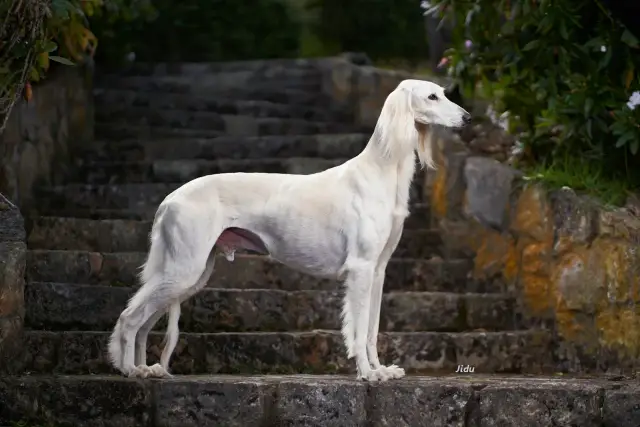 Same eraSaluki3000 BCE to 1922 · IraqAncient World
Mountain dogs of the Caucasus
The FCI standard and breed-history sources call the breed a descendant of ancient Caucasian dogs. One source says the first mention of large Molossoid dogs in an Armenian royal army dates to the 1st century BC, in the time of King Tigran II. Treat that as a historic claim about large dogs in the region, not as proof of this exact breed. Other sites say the dogs go back to Mesopotamia or descend from Tibetan Mastiffs. Those claims are poorly sourced and are best read as speculation.
What is not in doubt is the job. In the mountains, flocks moved between valley and summer pasture, and wolves and bears were a constant threat. Dogs lived with the flock and guarded it, and the strongest, most fearless ones were kept for breeding. That is the same working pattern seen in other guardian breeds, from the Kangal Shepherd Dog in Turkey to the Pyrenean Mountain Dog in France.
Regional types, as sources describe them
Over time the dogs developed regional types, shaped by climate and by the use the local people had for them. Sources agree on two main kinds:
- Mountain type. Heavier, with a longer coat.
- Steppe type. Lighter, rangier and leggier, often short-coated.
The UKC standard adds that dogs from the trans-Caucasus tend to be more massive, while dogs from the steppe regions are leaner. One source calls Georgia the historic centre of the breed by number and quality.
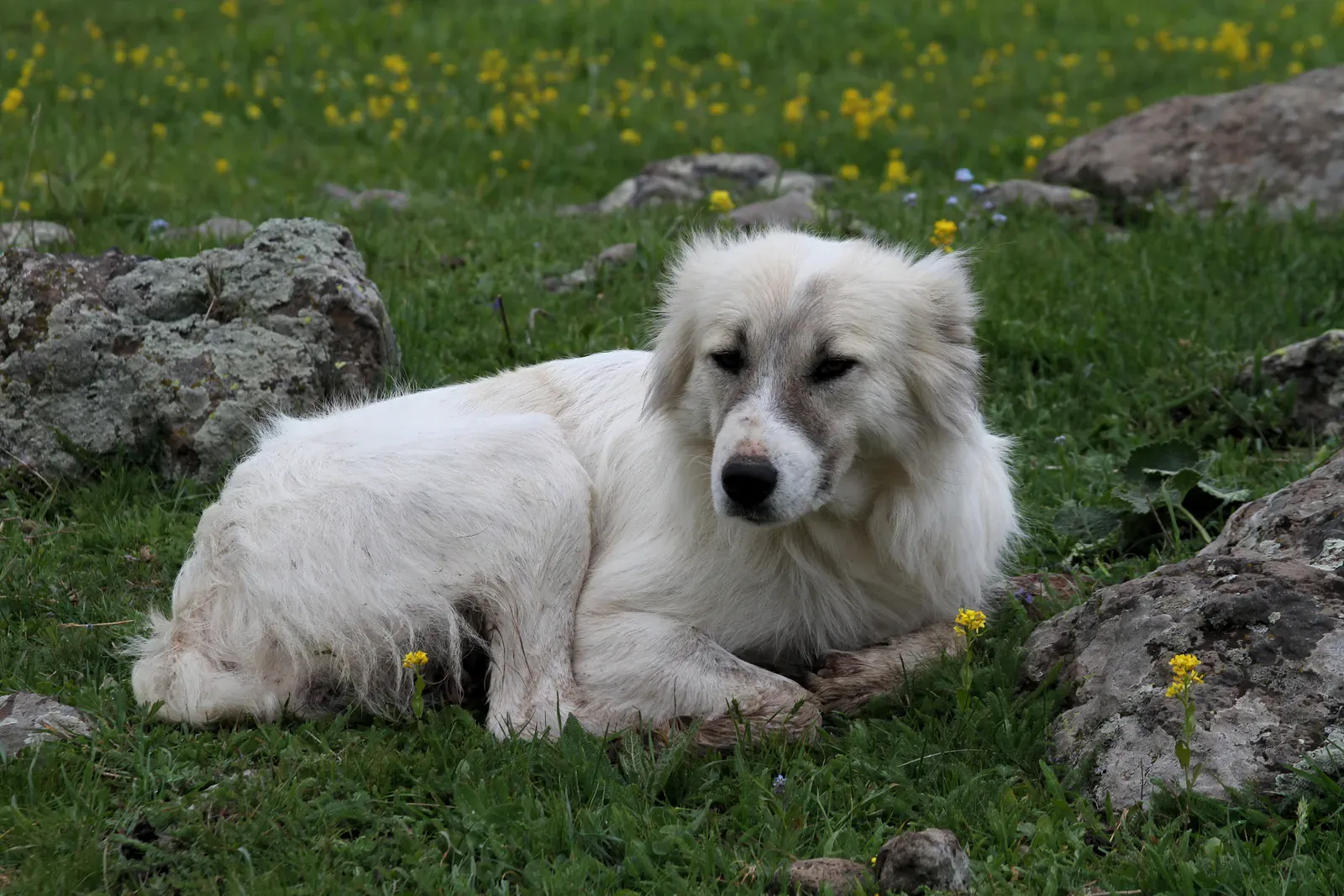
Beyond that, the picture is thin. Georgian, Armenian, Azerbaijani and Dagestani dogs are often described as separate types, but no sources give separate named standards or traits for them. Armenia's own livestock guardian, the Armenian Gampr, is treated as its own breed and as an ancestor of the Caucasian Shepherd Dog: Gampr dogs taken to Russia from the 1920s are reported to have played a key part in developing it. Any claim that a given regional type is purer, older or better than another should be read as a regional claim, not a documented fact.
The Soviet breed
Organised selection began in the 1920s, according to the FCI standard. The Soviet state wanted large, tough guard dogs for industrial sites, military facilities and borders, and it bred dogs from the Caucasus mountains and the steppes of southern Russia for that use. The Georgian SSR became the main region for producing the dogs, and the breed was accepted by the FCI in 1984 under Soviet patronage. One source says that in 1976 the two regional types were reclassified as a single breed with one standard, while regional differences remained visible.
You may read that the state-owned Red Star Kennel in Moscow handled the breed. One source does say breeding and promotion of the Caucasian Shepherd Dog for military and industrial use fell to Red Star. Red Star is much better documented for the Black Russian Terrier, and no detailed Red Star record exists for the Caucasian Shepherd Dog itself, so treat that link as plausible but not documented. The Caucasian Shepherd Dog was also used to develop the Moscow Watchdog, the Moscow Water Dog and, through its role in Soviet programmes, the Black Russian Terrier.
Stories of thousands of Caucasian Shepherd Dogs guarding the Berlin Wall come from an informal forum post and are undocumented. They are not repeated here as fact.
Recognition today
The FCI recognises the breed (standard no. 328, group 2, Molossoid). The American Kennel Club lists it in the Foundation Stock Service, the first step toward full recognition. Outside Russia and its neighbours, numbers are small.
Relatives and DNA
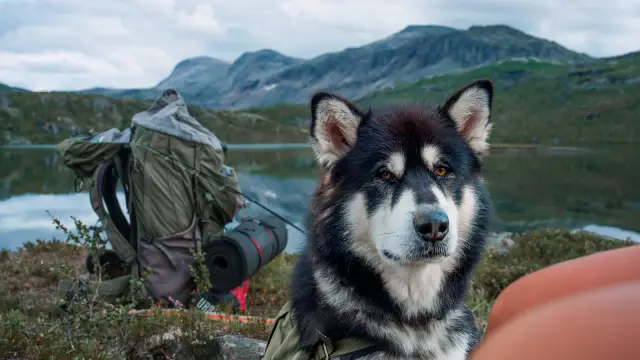 Same familyAlaskan Malamute1000 BCE to 1935 · United StatesAncient World
The only documented relationship in our data is with the Armenian Gampr, a breed from the same mountains. Both are placed in the Mediterranean family by ancestry and type. Neither has been DNA-tested for the 2017 study, so those links are historical, not genetic. The Moscow Watchdog, Moscow Water Dog and Black Russian Terrier are Soviet breeds that used Caucasian Shepherd Dog blood.
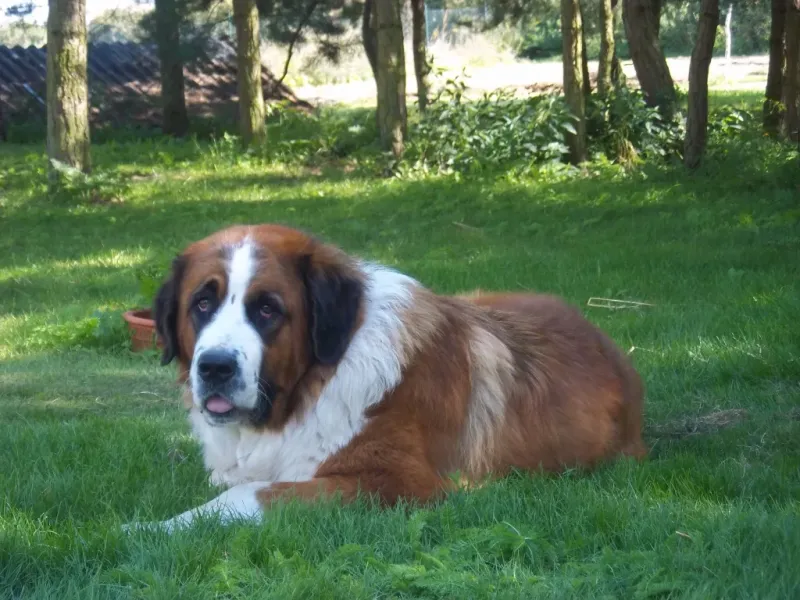
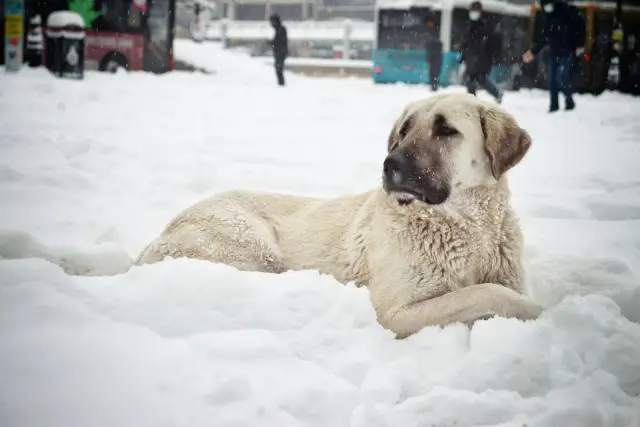
For comparison, the Kangal Shepherd Dog is another Mediterranean-family guardian from the same broad region; see our livestock guardian dogs guide for the full picture.
 Save
Descend from it · 3
- Moscow Water DogRussia
- Black Russian TerrierRussia
- Moscow WatchdogRussia
The breed standard
 Looks relatedBasenji3000 BCE to 1937 · Democratic Republic of the CongoAncient World
A is the written ideal a kennel club judges dogs against. The Caucasian Shepherd Dog is recognised by the FCI, and the AKC holds it in the Foundation Stock Service, which has no full standard. The table below uses only figures the sources state.
| Trait | What the standards say |
|---|---|
| Height (FCI, as reported) | Minimum 68 cm males, 64 cm females; preferred ranges reported as 72 to 75 cm and 67 to 70 cm |
| Weight | Sources disagree on the FCI minimums, so we give no figure; the dogs are heavy and powerfully built |
| Coat types (FCI, UKC) | Mountain type with a longer, heavier coat; steppe type lighter with a shorter coat |
| Build (UKC) | Trans-Caucasus dogs more massive; steppe dogs leaner and leggier |
| Use (FCI) | Guard and watchdog |
| Behaviour (FCI) | Steady, active, self-confident, fearless and independent, devoted to the master |
Weights vary widely by source and by the dog's type, and no clean figure exists. If an official figure matters to you (for a show, say), read the FCI standard itself.
Docking and cropping. No source states a cropping or docking rule, so none is claimed. Cropping and docking are banned or restricted in many countries; ask a breeder where they stand.
Temperament
 Related breedCarolina Dog1000 BCE to 1990 · United StatesAncient World
The FCI standard describes a steady, active, self-confident, fearless and independent dog with a devoted attachment to its master and a very good guarding ability. A Czech site reproducing the standard adds that a tendency to aggression and mistrust of strangers is a typical feature of the breed. That sentence is not confirmed in the official FCI text, so it is a secondary report.
In everyday terms:
- Wary of strangers. The dog is bred to be suspicious of people it does not know, and it is not a dog that welcomes visitors.
- Territorial. It guards its yard, its family and its flock. A gate left open or a visitor arriving unannounced can become a serious problem.
- Independent. It was bred to make its own decisions at night, far from a human. A comparison site rates trainability as low. Such sites are not breed standards, but the independence fits the job.
- Devoted at home. Family members it knows are treated with loyalty, and many owners describe a calm dog indoors.
Adolescence is a testing time for any giant guardian, and for this breed even more so. Early, wide socialisation and calm, consistent training are not optional.

Use as a guard dog
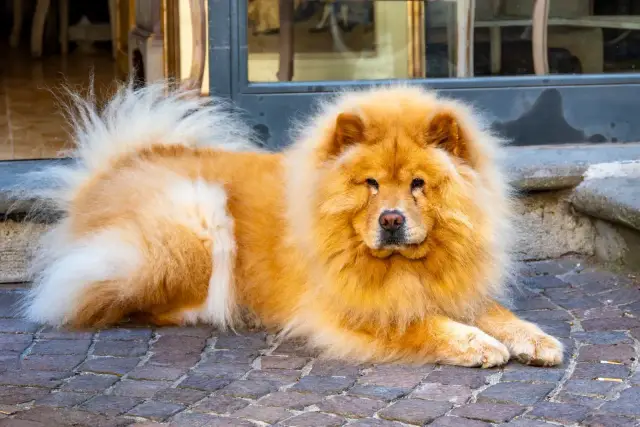 Related breedChow Chow200 BCE to 1895 · ChinaAncient World
The FCI lists the breed's use as guard and watchdog. In its home region it guards flocks and farm compounds. In the Soviet period it guarded industrial and military sites and was used on borders, according to one source. Today it still guards property and livestock in rural areas.
A guard breed brings responsibilities. The dog must be fenced securely, ideally behind a solid, high fence. Owners also carry legal liability if the dog hurts someone, and that liability is greater where the breed is restricted.
Breed restrictions in law
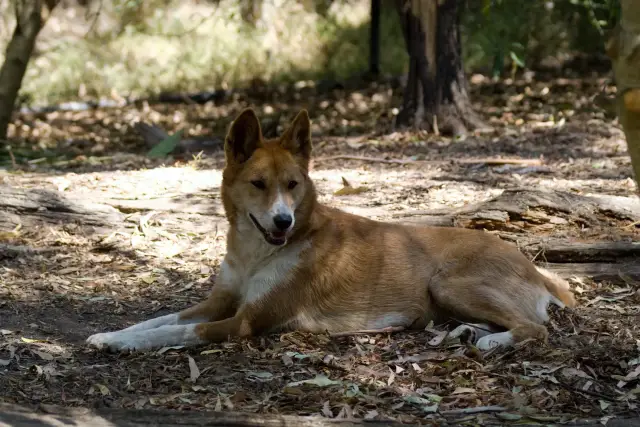 Related breedDingo3000 BCE to 1500 BCE · AustraliaAncient World
Some countries restrict or ban the Caucasian Shepherd Dog. Laws change, so check the current rules before you buy, import or travel.
- Denmark. The Danish Veterinary and Food Administration lists the Caucasian Shepherd Dog (ovcharka) among 13 breeds whose keeping and breeding are prohibited under sections 1a and 1b of the Danish Act on Dogs. The ban covers crosses and applies to visitors who bring a dog in.
- Germany. Rules are set by the individual states. A German customs page on dangerous dogs lists the breed in some states' provisions, for example under fighting-dog presumptions in Hamburg and import restrictions in Hesse. The import ban under state law is not absolute.
- Russia. In March 2019 the Interior Ministry proposed a list of 69 breeds that would have been walked on a leash and in a muzzle, and the draft named the Caucasian Shepherd Dog. After public criticism the list was cut to 12 breeds plus crosses, approved by the government in 2019, and a muzzle and leash rule took effect in January 2020. Reports describe the final list as including a "North Caucasian dog". Sources do not confirm whether that entry covers the Caucasian Shepherd Dog, so it is not said to be listed.
Other countries and some towns and insurers also place limits, often by breed type or size. Check local law and your home insurance first.
Health
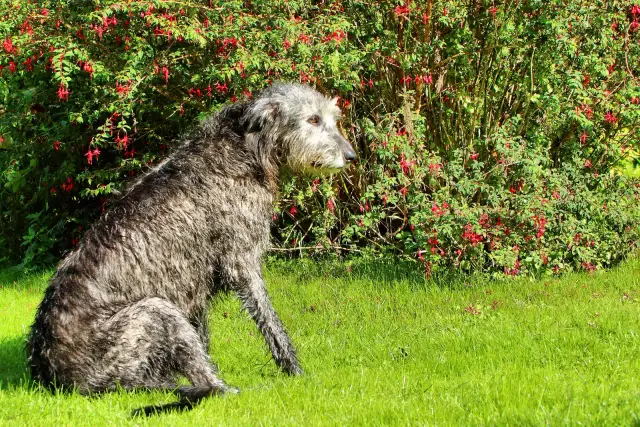 Related breedIrish Wolfhound100 BCE to 1885 · IrelandAncient World
Most Caucasian Shepherd Dogs live to around 10 to 12 years. That is a normal span for a giant breed, and many reach it without major problems. No peer-reviewed study of this breed's health gives prevalence figures, so none are given. Breed profiles by Dogs Victoria and other sources are general, and this section reports what they say in plain words.
| Condition | What it is | How common | What helps |
|---|---|---|---|
| A loose or misshapen hip joint that can lead to lameness and arthritis | Named by Dogs Victoria as a condition that occasionally occurs; no breed-specific rate found | Hip scoring of both parents; lean weight; controlled exercise while growing | |
| A developmental problem in the elbow joint | Described as a risk for large breeds in general; no breed rate found | Elbow scoring of parents; steady growth | |
| Gastric torsion (bloat) | The stomach fills with gas and may twist; an emergency | Named by Dogs Victoria; deep-chested giant breeds are at higher risk in general | Several smaller meals; calm time after eating; know the signs and see a vet at once |
| Eye and other conditions | Cataracts and appear in some profiles | Mentioned without data | Eye exams and regular vet checks |
What helps in general. Choose a breeder who health-tests and will show you the results. Keep your dog lean, because extra weight loads the joints of a giant dog. Do not exercise a growing puppy hard. Giant dogs grow slowly, and their joints take more than a year to firm up.

Living with a Caucasian Shepherd Dog
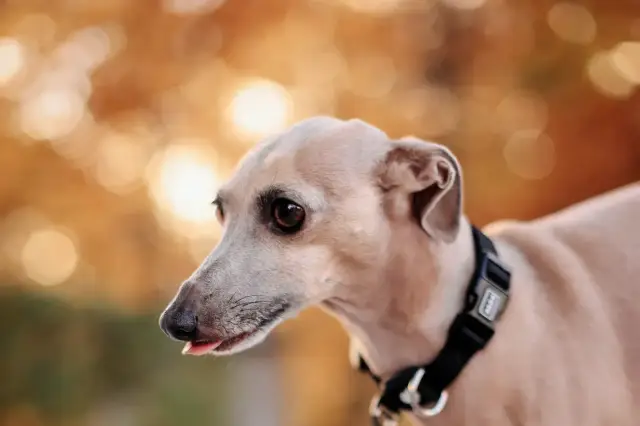 Related breedItalian Greyhound500 BCE to 1900 · ItalyAncient World
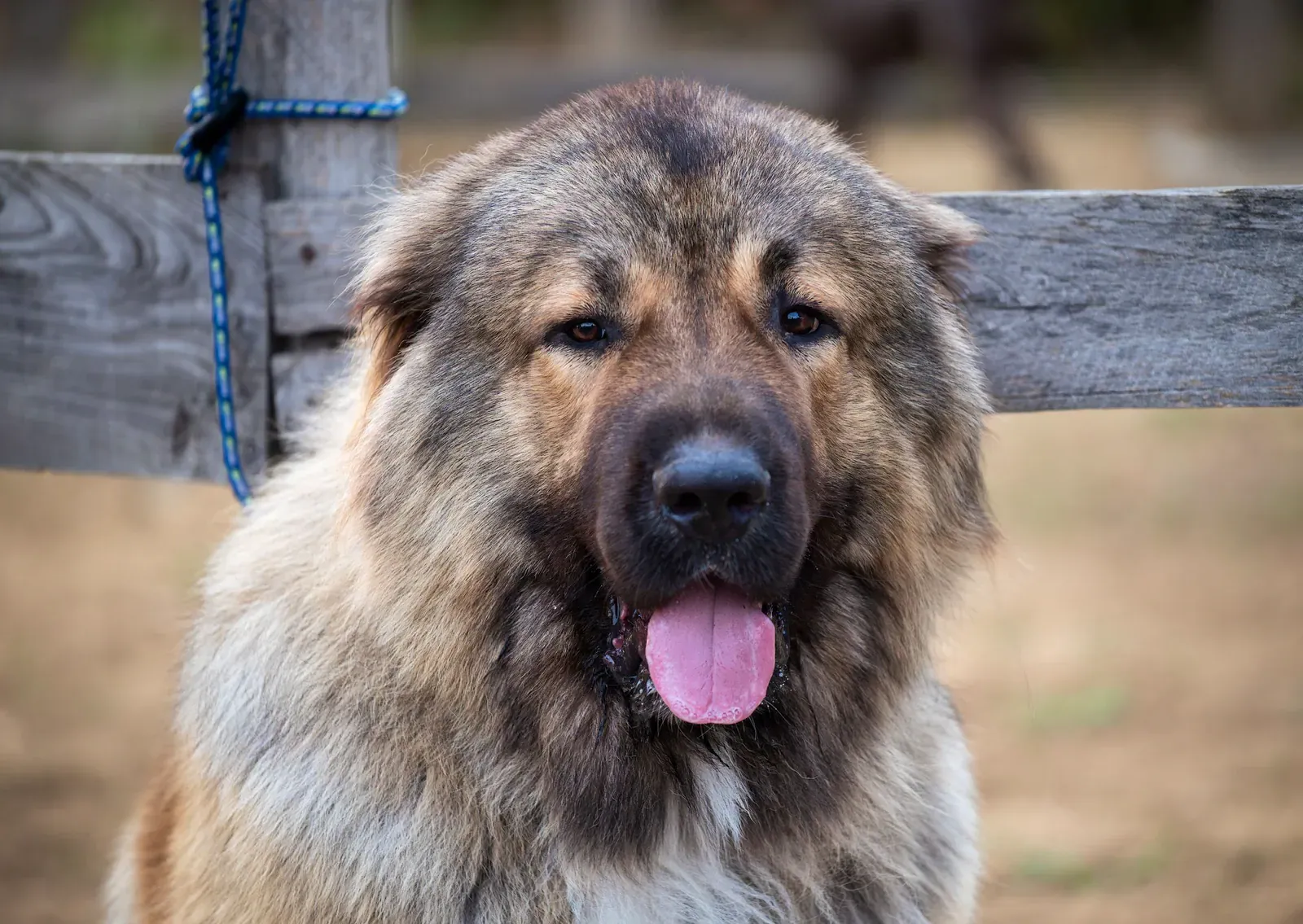 Save
| Daily reality | Rating | Why |
|---|---|---|
| Exercise per day | Medium | Needs daily walks and room to patrol; no study gives a number |
| Training needs | High | Independent guardian; firm, calm, early training and socialisation are a must |
| Grooming | Medium | Long-coated dogs need regular brushing; heavy seasonal shedding is common in the mountain type |
| Shedding | High | Thick double coat in the mountain type |
| Barking | Varies | Guard dogs bark to warn; night barking is common for livestock guardians |
| Time alone | Fair | Bred to work independently, but a bored giant can be destructive |
| Children | Varies | Devoted to its own family, but a very large, strong dog; supervision always |
| Other dogs | Poor | Territorial and often dominant; sources stress early socialisation |
| Cats and small pets | Varies | Depends on early exposure; no evidence either way |
| Flat living | Poor | Giant and territorial |
| Heat tolerance | Poor | Heavy coat on a giant dog; keep cool |
| Cold tolerance | Good | Bred for mountain winters |
| First-time owner fit | Poor | Needs an owner who has handled large guardian dogs |
A great fit if
- You have a large property with a secure, high fence and no regular visitors.
- You have experience with giant guardian dogs and can be calm and consistent for years.
- You live where the breed is legal and your insurer accepts it.
- You want a watchful working dog, not a sociable one.
Think twice if
- You live in a town, flat or terraced house, or near neighbours who will hear a nightly guard dog.
- You are a first-time dog owner, or want a dog that is relaxed with strangers.
- You have small children who will have friends visiting, or other pets that must mix with a dominant dog.
- You live in a place with breed restrictions, or plan to travel to Denmark or other countries with limits.
Before you get one
- Health tests. Ask the breeder for hip and elbow scores of both parents, and ask about gastric torsion in the family.
- Puppy or adult rescue. Adults needing new homes often have known temperaments. Contact a breed rescue before buying.
- First year. Plan for puppy classes, secure fencing in place before the puppy arrives, lean growth, and professional help if the dog shows serious aggression.
- Legal checks. Confirm your local rules and your insurance in writing.
Similar breeds to consider
- Kangal Shepherd Dog. Another Mediterranean-family giant guardian, usually a bit lighter, with a documented use on farms.
- Armenian Gampr. The local guardian said to be an ancestor.
- Tibetan Mastiff. A giant guardian from the Himalayas with its own needs.

Caucasian Shepherd Dog fun facts
 Related breedMaltese500 BCE to 1888 · MaltaAncient World
- "Ovcharka" simply means "sheepdog" in Russian.
- The breed was accepted by the FCI in 1984 under Soviet patronage.
- Two regional types, mountain and steppe, were combined under one standard, but both are still seen.
- The Moscow Watchdog, the Moscow Water Dog and the Black Russian Terrier all list the Caucasian Shepherd Dog as a parent breed in our data.
Frequently asked questions
Is the Caucasian Shepherd Dog a good family dog?
Rarely. It can be devoted to its own people, but it is wary of strangers, territorial and very large. It suits only experienced owners with space and a secure property.
How big is a Caucasian Shepherd Dog?
The minimums, as reported, are 68 cm for males and 64 cm for females. They are powerful, heavy dogs. We give no weight figure because sources disagree.
How long do Caucasian Shepherd Dogs live?
Breed sources and atlas data give about 10 to 12 years.
Is the Caucasian Shepherd Dog banned anywhere?
Denmark prohibits keeping and breeding the breed. German states have varying rules, and Russia drew up a list in 2019 of breeds to be walked on a lead and muzzled. Check current local law before you buy or travel.
What is the difference between mountain and steppe types?
The mountain type is heavier and longer-coated. The steppe type is lighter and leggier, with a shorter coat.
Where does the Caucasian Shepherd Dog come from?
The Caucasus mountains and the steppes to the north, mainly Georgia, Armenia, Azerbaijan, Dagestan and southern Russia. The Soviet Union standardised the breed from the 1920s.
Read next
 FamilyMediterraneanThe whole family
 Adopt a dogDog Shelters in EuropeFind dog shelters in Europe, learn how shelters differ from country to country and why adopting a dog is a good option.
Sources (14)
- Fédération Cynologique Internationale, Kavkazskaïa Ovtcharka (Caucasian Shepherd Dog), standard no. 328.
- Kennel Union of Southern Africa, copy of the FCI standard for the Caucasian Shepherd Dog (02/2017).
- United Kennel Club, Caucasian Ovcharka breed standard, as quoted in breed-history sources.
- Dogs Australia, Caucasian Shepherd Dog breed information page.
- Dogs Victoria, Caucasian Shepherd Dog breed profile.
- PetMD, Caucasian Shepherd Dog breed profile.
- Danish Veterinary and Food Administration, Danish legislation on dogs (list of 13 prohibited breeds).
- German Customs (Zoll), provisions imposed by individual federal states on dangerous dogs.
- TASS, report on the Russian Interior Ministry's list of potentially dangerous dog breeds (2019).
- Interfax, report on the reduced Russian list of potentially dangerous breeds (2019).
- Mazover, A., early description of the Caucasian Shepherd Dog, as cited in breed-history sources.
- Parker H.G. et al., "Genomic analyses reveal the influence of geographic origin, migration, and hybridization on modern dog breed development", Cell Reports, 2017 (for the family framework).
- Fogle B., The New Encyclopedia of the Dog, 2009.
- Project breed data (knowledge base): Caucasian Shepherd Dog and Armenian Gampr entries.