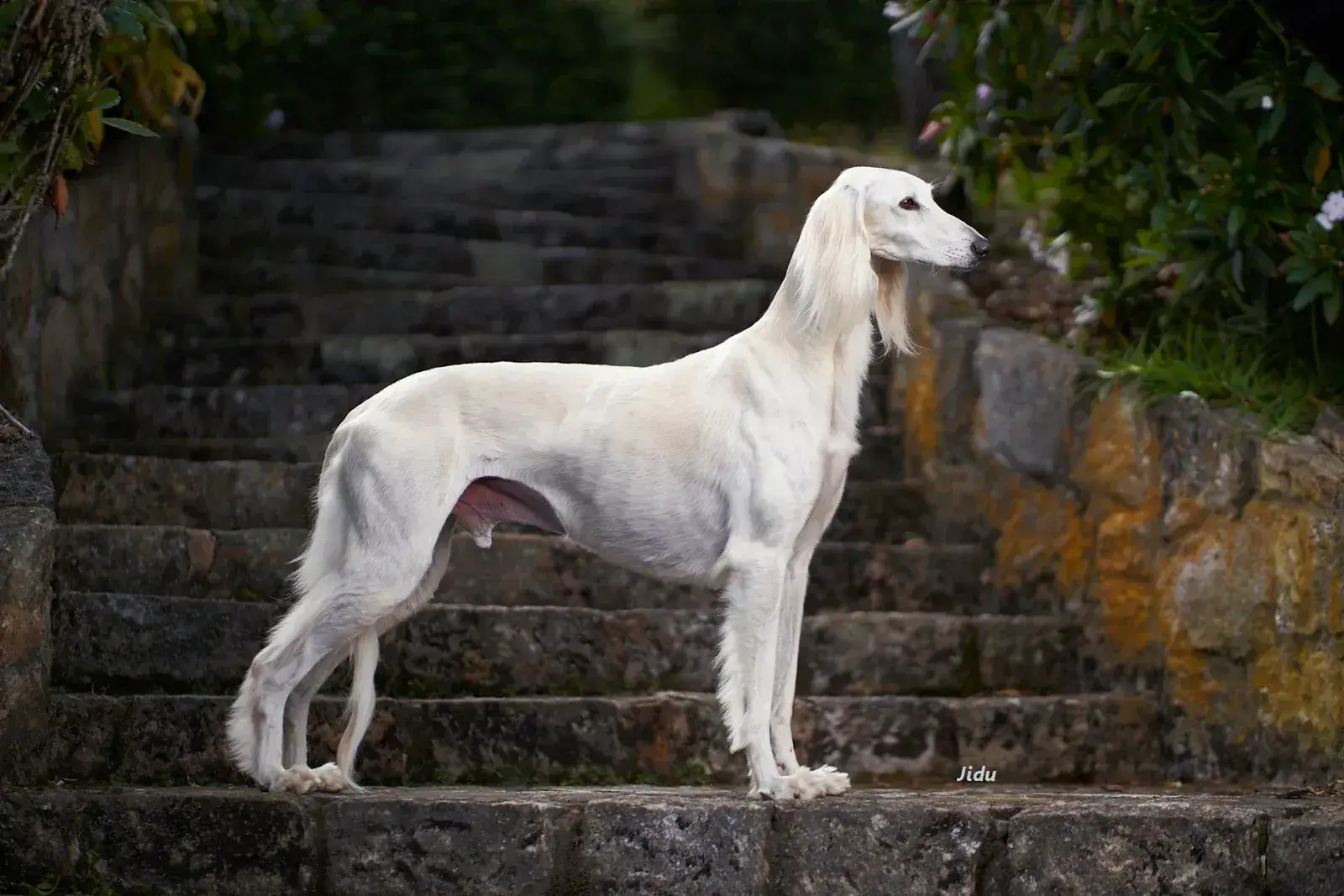
It is a quiet, dignified and independent dog that is gentle at home and fast outdoors. It comes in two coat types, smooth and feathered. It suits owners with a securely fenced garden, a lot of patience for recall training and a calm house, and it does not suit homes with off-lead walking as the main plan or with small pets that run.
Saluki quick facts
 Related breedKomondor1200 to 1920 · HungaryLate Middle Ages
- Closest DNA relatives
- Afghan Hound (27.8 shared), Sloughi (12 Mb shared)
- Country of origin
- Middle East ( lists "Middle East"; atlas data places the early centre in the Fertile Crescent, Iraq)
- Original job
- Hunting gazelle, hare and fox by speed and sight, sometimes together with a falcon
- Type
- Sighthound (FCI Group 10, Sighthounds, standard no. 269; AKC Hound Group; UK Kennel Club Hound Group)
- Other names
- Arabian Hound, Persian Greyhound, Gazelle Hound
- Height
- Dogs 58 to 71 cm (UK Kennel Club); bitches proportionately smaller
- Weight
- Not set in the standards; about 18 to 27 kg is commonly quoted (secondary source)
- Coat
- Two types: smooth, and feathered on ears, legs and tail
- Colours
- Many; see the section
- Life span
- Atlas data: 12 to 14 years. Breed summaries quote 12 to 14; Britannica lists 11 to 13
- Exercise
- High, with short fast runs and a secure place to do them
- DNA family
- Mediterranean family (Parker et al. 2017)
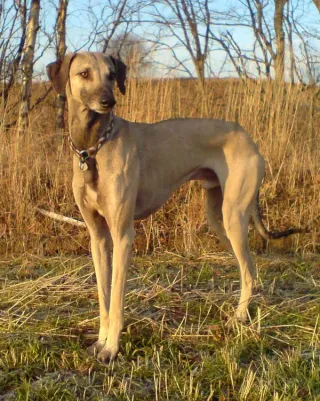
Drawn to scale in real centimetres. Its back reaches about 65 cm, mid-thigh; its head about 82 cm, your hip.
Where it sits in the tree
Ancient World · 3,000 BCE to 499
Name and origin
 Related breedLeonberger1846 to 1895 · GermanyIndustrial Revolution
The Saluki comes from the lands between Egypt and Persia, a region that stretches across today's Iraq, Syria, Arabia and Iran. The FCI names the country of origin as the Middle East rather than a single state, which fits a dog that was kept by many peoples who moved and traded across the desert.
The name. The breed name comes from the Arabic salūqī. Two theories for where that word comes from are repeated often, and neither is proven:
- Seleucia. Some writers link it to the ancient city of Saluq or Seleucia, a Hellenistic city on the Tigris.
- Saluq in Yemen. Others link it to a town of that name in Yemen.
Both are guesses about a word whose root is not documented, so treat them as theories, not facts. Other old names include Arabian Hound, Persian Greyhound and Gazelle Hound. Arab hunters traditionally did not sell the dog but gave it as a gift, and breed writers often repeat the claim that it was held in high regard as a "noble" dog. That idea comes from travellers' reports and breed-club history pages, not from a primary source.
What "origin" means here. The Saluki is not one uniform breed across the whole region. Hunters in different areas kept local sighthound types of the same general kind: long legs, deep chest, lean body, large lungs and a tail used for balance. The "Saluki" of Western dog shows is the type brought to Britain from the 1890s and later bred to a written standard. Dogs in the Middle East that are still used for hunting are bred for work and may look different. DNA suggests some of them kept their local ancestry more than show dogs did (see "Relatives and DNA").
 Save

History
 Same eraPyrenean Mountain Dog1000 BCE to 1923 · FranceAncient World
Hunting in the desert
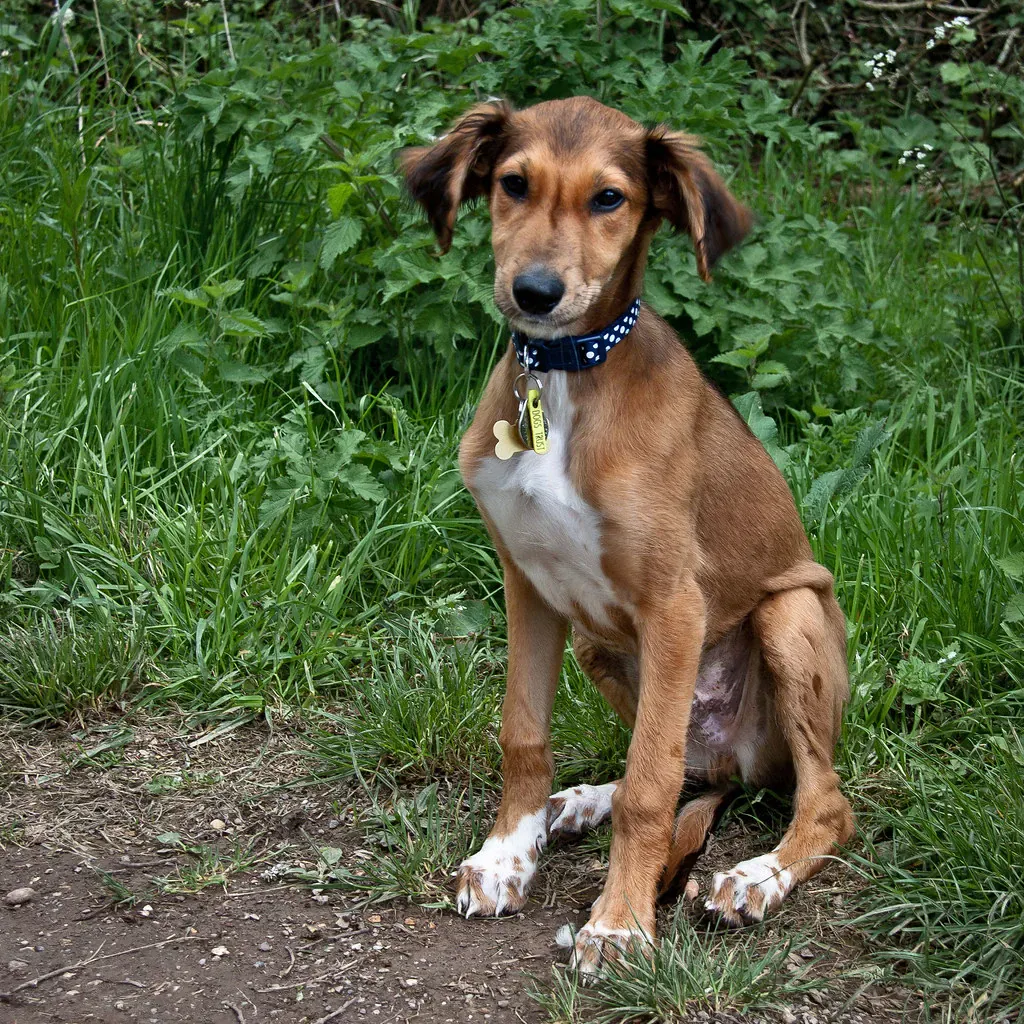
Across the Arabian peninsula and nearby lands, Saluki-type hounds hunted for the table. Their typical quarry was gazelle, hare, fox and jackal. Hunting was often done in groups. One account in Aramco World (1961) describes the training of a hound that begins at about three months, on desert rats, and continues until the dog is ready to hunt game at around eighteen months. The same article notes that gazelle hunting was declining even then, because gazelle themselves had become scarce.
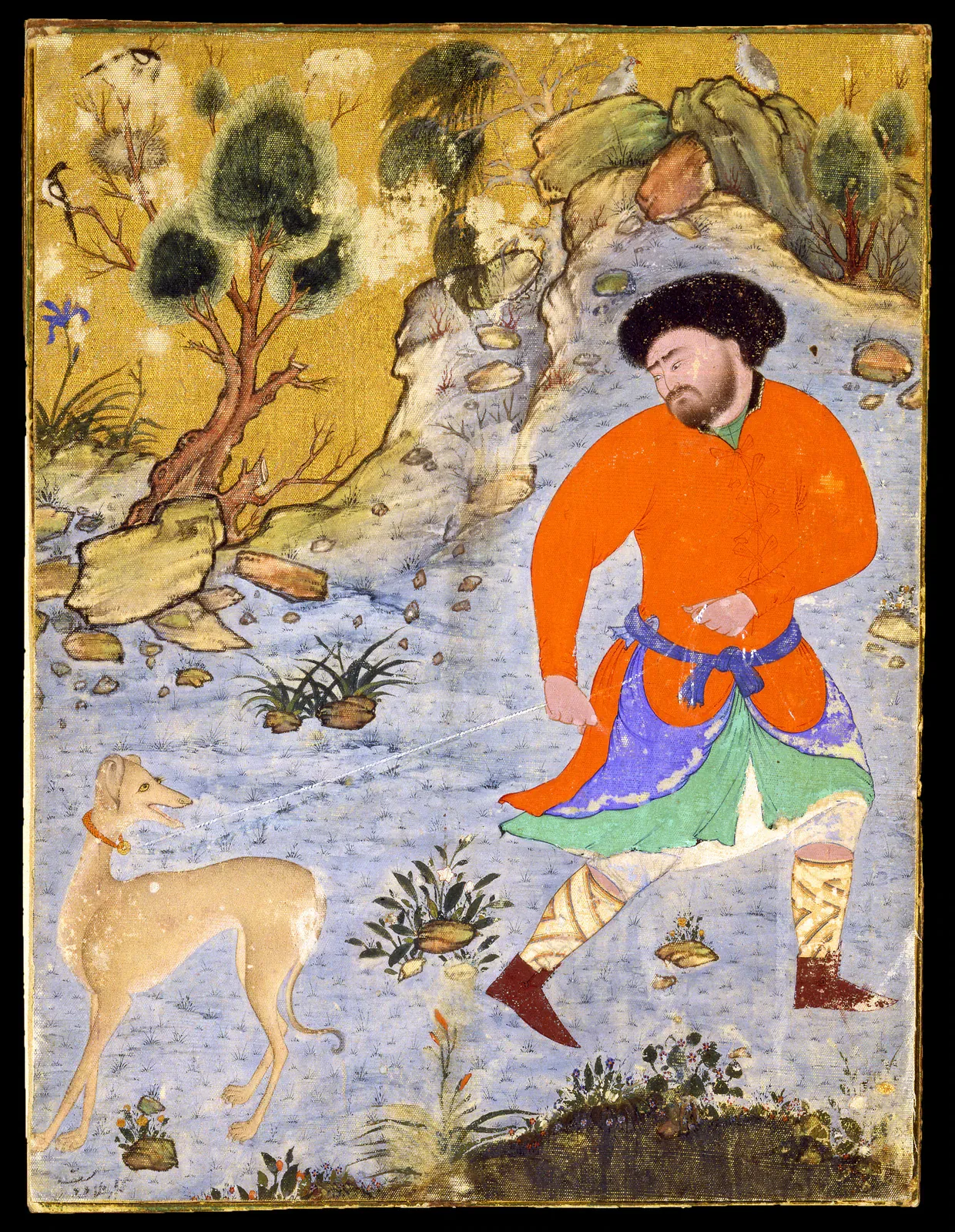
Hunting with falcons. The best-known method is the hound and falcon team. As described in modern reports from the Gulf, the falcon spots game from above and may hover over it or strike at its head, which slows or distracts the animal. The Saluki then runs it down, with the hunters following on horses, camels or later on vehicles. This is a specialised tradition of some Bedouin and Gulf hunters, not a description of every Saluki. Today, in the UAE and nearby countries, some trainers have revived the tradition, and Salukis are raced and shown there.
The "ancient breed" claim and the evidence
Breed clubs and popular pages often say the Saluki is the oldest dog breed in the world, with a past that goes back to 7000 BCE or to the first cities. The honest picture has three layers:
- Art shows sighthound-type dogs, not necessarily the Saluki. Long-legged hounds with narrow heads, drooping ears and thin curled tails appear on seal impressions from Tepe Gawra in northern Iraq. A paper on hunting hounds along the Silk Road dates such images to the fourth millennium BCE. A different hound type, with pricked ears and a curled tail, appears on Egyptian monuments. Art can only show a type. It cannot show that the dog in a carving is an ancestor of today's breed. Claims that a particular ancient picture "is a Saluki" are an interpretation (label: art-based claim).
- Genetics ranks the Saluki among the most distinct breeds. Parker and colleagues (Science, 2004) studied 85 breeds and found that a small group of "ancient" or basal breeds separated from the rest, which were mostly modern European. In that work, as reported in later reviews, the Saluki and Afghan Hound are among the breeds with the highest haplotype diversity. A later study with 161 breeds (Parker et al., Cell Reports, 2017) placed the Saluki in a Mediterranean family with breeds such as the Sloughi and the Afghan Hound. Both studies measure how different a breed's DNA is today. High diversity does not give an age in years, and it does not say where a breed was born.
- The line from 7000 BCE to the breed standard is not documented. No chain of records connects ancient pictures to today's registered Salukis. "Old type of dog" is supported. "Oldest breed, unchanged for 9,000 years" is not.
Coming to the West
Travellers took Saluki-type dogs to Europe for centuries, but the breed as it exists in the West traces mainly to the 1890s. According to Brian Patrick Duggan's history of the breed, after a family holiday on the Nile in 1895 the Hon. Florence Amherst imported two puppies from the Tahawi tribe in Lower Egypt to her home in Norfolk. Her friend Wilfred Jennings-Bramly arranged the shipment. Over the following decades she bred many litters (Duggan counts about 50 litters and 199 registered puppies) and brought the breed to public notice.
Dates for official recognition vary by source. A breed summary says The Kennel Club recognised the Saluki in 1923 and the AKC in 1929. These dates come from a secondary page, so treat them as reported, not confirmed. The first Salukis in the German studbook, Cyrus and Slongha Peri, came from Iran, a separate early line.
Importing continued through the 20th century, and some breeders in the West and in the Middle East still bring in desert-bred dogs to widen the gene pool.
 Save
Clubs and recognition
The FCI standard is no. 269 (Group 10, Sighthounds, Section 1, Long-haired or fringed sighthounds), with the Middle East as country of origin. The AKC recognises the Saluki in the Hound Group, and the standard held by the Saluki Club of America dates to 1927. The UK Kennel Club lists it in the Hound Group. All three treat smooth and feathered dogs as one breed.
Relatives and DNA
 Same familyAlaskan Malamute1000 BCE to 1935 · United StatesAncient World
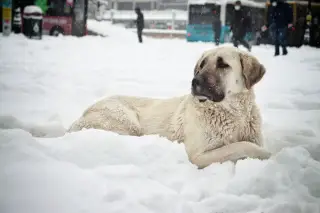
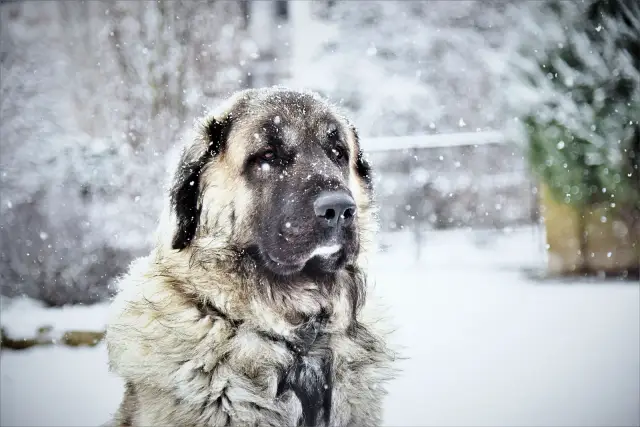
Parker et al. (2017) placed the Saluki in the Mediterranean family. In the atlas shared-segment data from that paper, the Saluki shares the most DNA with the Afghan Hound (27.8 Mb), then with the Sloughi (12 Mb) and the Kangal Shepherd Dog (9.8 Mb). The Afghan Hound is the relative most often named in breed writing. A thesis on Saluki Y-chromosome and mitochondrial DNA reported that Salukis from southwest Asia kept indigenous ancestry and showed considerable isolation from other purebred dogs except the Afghan Hound.
Not all sighthounds are close. A magazine article reviewing the genetics notes that the sighthound group spreads across several genetic clades. The shape of a hound (long legs, deep chest) appears to have arisen more than once, so a lean running dog is not proof of kinship. The Greyhound and Whippet look like the Saluki but come from a different, European line.
Descendant breeds. The atlas data lists the Borzoi, the Chippiparai and Sarail Hound of India, and the Xigou of China as breeds with a Saluki-related ancestry. It also lists herding and retriever breeds that carry traces of Saluki-type DNA, which reflects how early hound types fed into breeds across Eurasia.
Sister breeds · 4
- Kazakh Tazy1000 BCE to 1990
- Sloughi500 BCE to 1973
- Taigan500 CE to 1990
- Afghan Hound1000 to 1926
Descend from it · 4
- XigouChina
- BorzoiRussia
- ChippiparaiIndia
- Sarail HoundBangladesh
- Afghan Hound27.8 Mb 1.2%
- Sloughi12.0 Mb 0.5%
- Kangal Shepherd Dog9.8 Mb 0.4%
Source: Parker et al. 2017. Percent of the whole genome.
| Breed | Link to the Saluki | Evidence |
|---|---|---|
| Afghan Hound | Closest DNA relative | Parker 2017 (27.8 Mb shared) |
| Sloughi | North African sighthound, possible shared ancestor | Parker 2017 (12 Mb shared); link marked low confidence |
| Taigan, Kazakh Tazy | Central Asian sighthounds, described as related | Breed literature; confidence low to medium |
| Borzoi | Listed as a descendant breed | Atlas data from Parker 2017 and breed history |
The breed standard
 Looks relatedBasenji3000 BCE to 1937 · Democratic Republic of the CongoAncient World
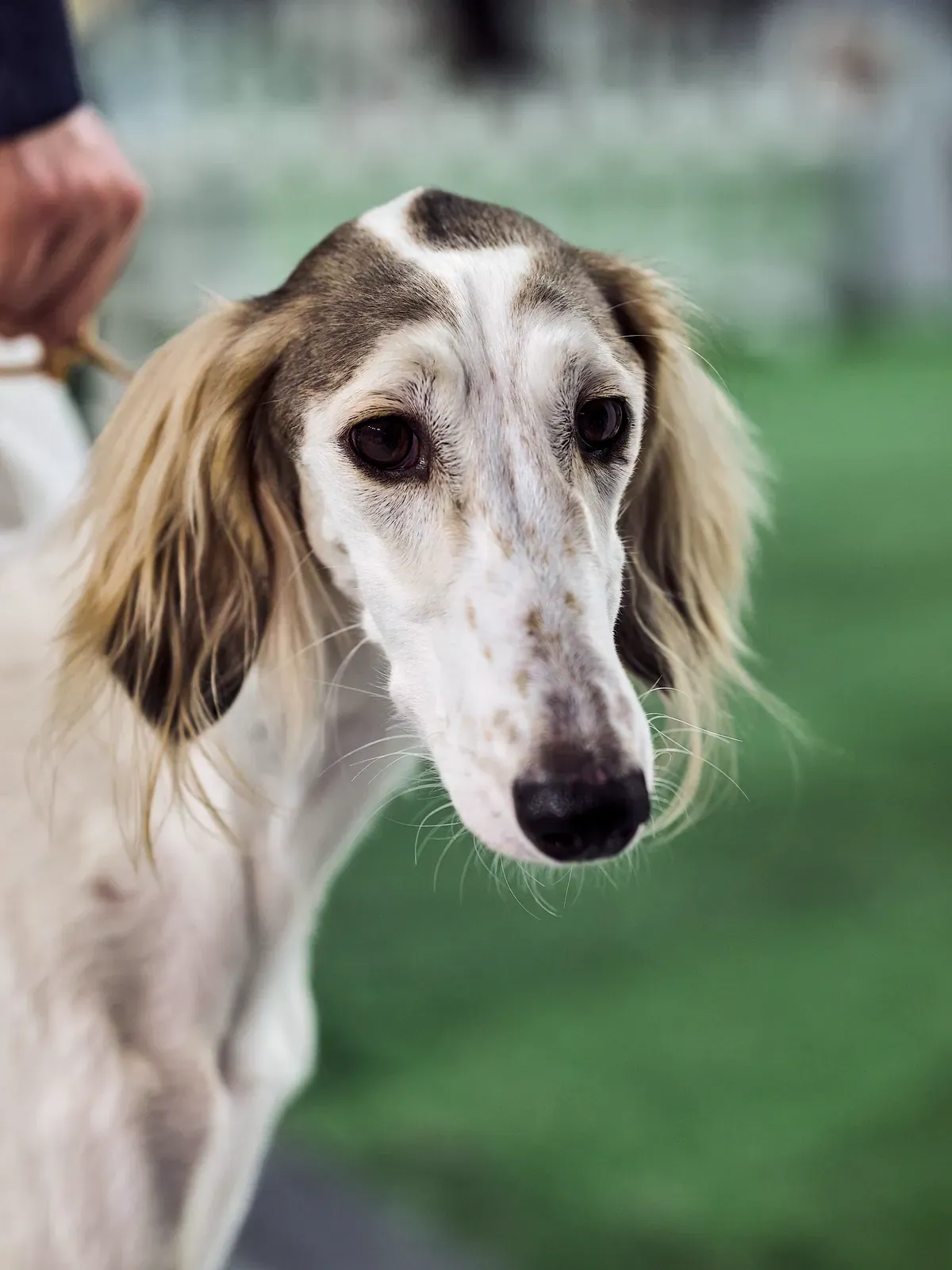
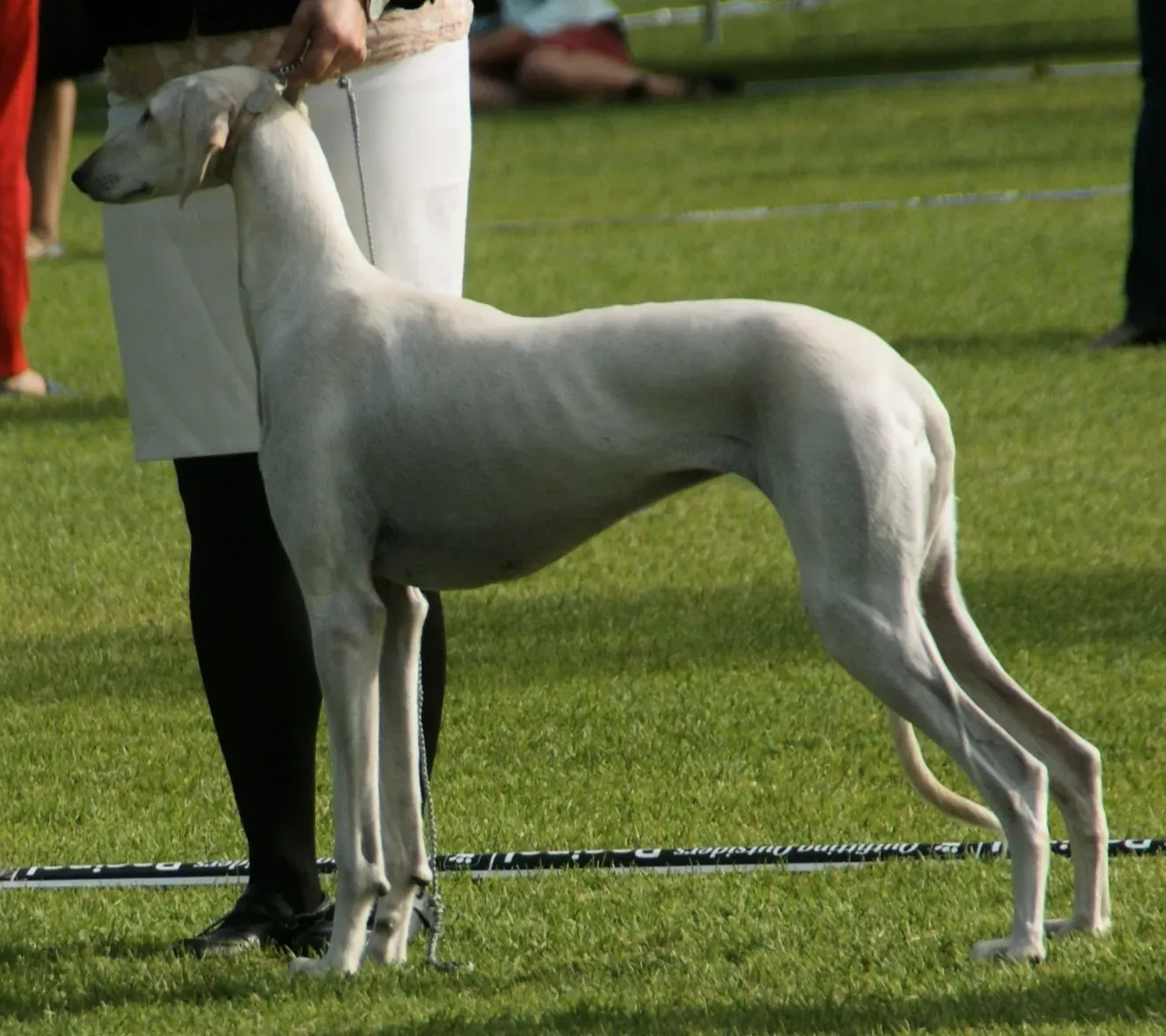
A breed standard is the written ideal a kennel club judges dogs against. The three standards describe the same dog, a graceful, lean, deep-chested hound that looks capable of great speed and endurance. The wording on size differs.
| Trait | What the standards say |
|---|---|
| Height, dogs | UK Kennel Club: 58 to 71 cm (about 23 to 28 in) at the withers. AKC (standard held by the Saluki Club of America): dogs average 23 to 28 in |
| Height, bitches | UK Kennel Club: proportionately smaller. AKC: may be considerably smaller |
| Weight | None given in the standards |
| Proportions | FCI: body length from point of shoulder to point of buttock is about equal to height at the withers, though the dog often looks longer |
| Coat | UK Kennel Club: feathered and smooth varieties. AKC: both types accepted and judged on an equal basis; smooths have the same points but no feathering |
| Feathering | Longer hair on the ears and tail, and light feathering on the back of the legs |
| Colour | A wide range is accepted (the FCI, AKC and KC allow white, cream, fawn, golden, red, grizzle, tricolour and black and tan; each club's exact list differs slightly) |
The FCI height range is not shown. The FCI standard number is 269, and it is the document that sets the rules for FCI shows.
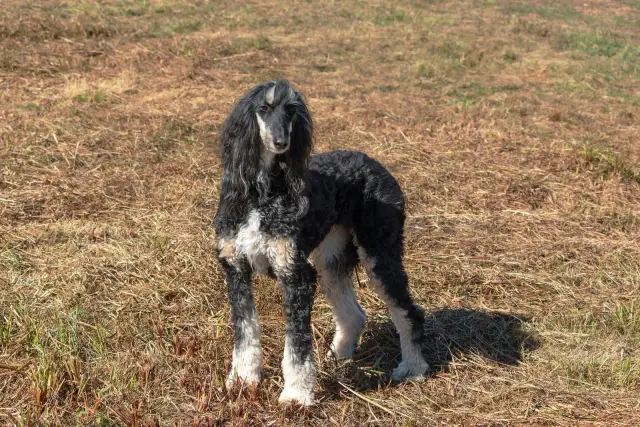
Two coats, one breed. The feathered Saluki has silky hair on the ears, the backs of the legs and the underside of the tail. The smooth Saluki has very short hair all over. Both are the same breed and may be born in the same litter.
Show type versus working type. The standards focus on lean athletic structure. Hunters in the Middle East select first for speed, stamina and the ability to hunt with the pack and handler. Some desert-bred dogs are smaller, lighter or differently coloured than show-ring dogs.
Temperament
 Related breedCarolina Dog1000 BCE to 1990 · United StatesAncient World
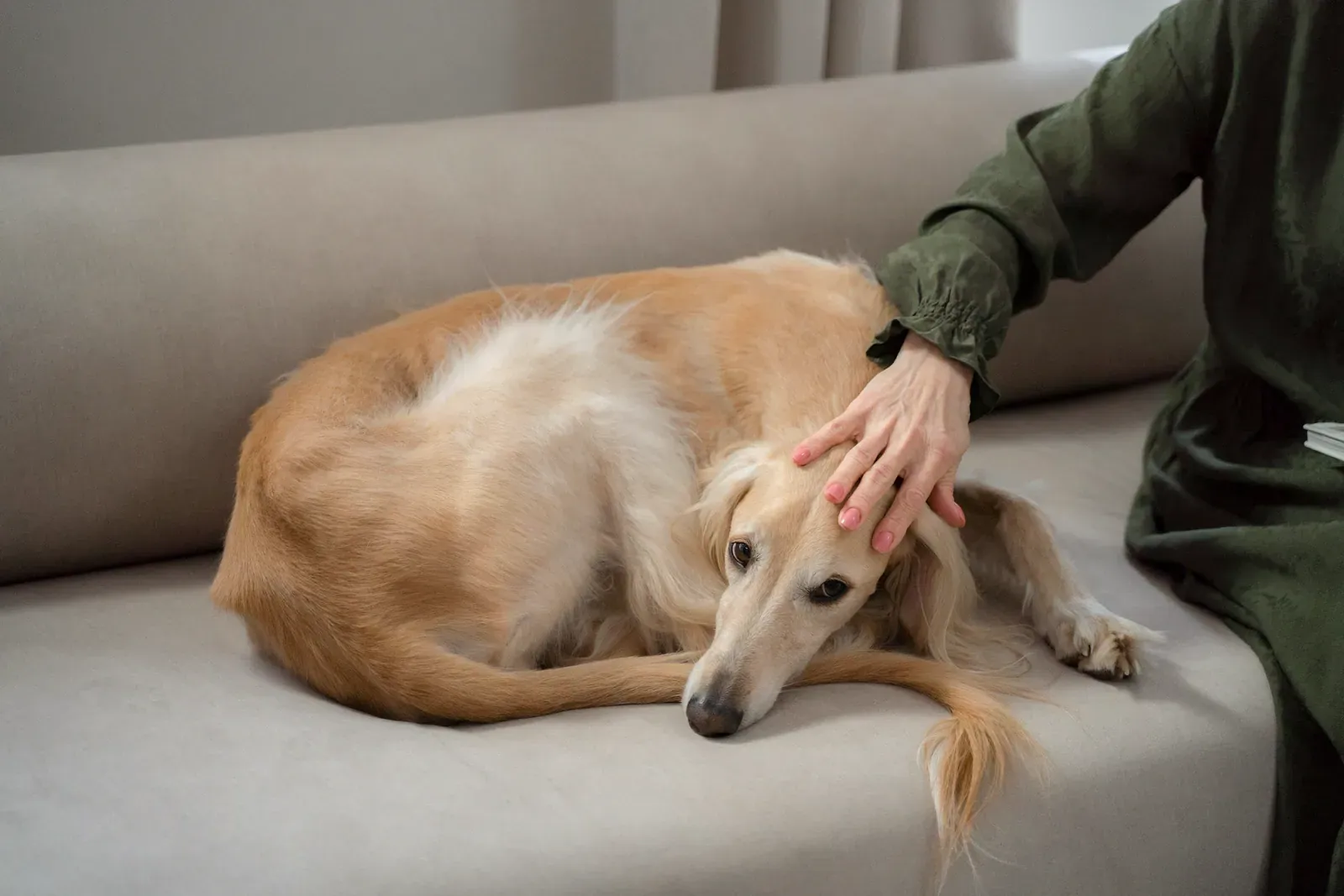
The standards describe a dignified, gentle dog, reserved with strangers but not shy. In daily life that is borne out by owners and breed clubs: the Saluki is usually calm and quiet indoors, affectionate with its own people, and independent in how it shows it. It does not usually seek attention from visitors. See the smartest dog breeds for how this breed compares with others on trainability.
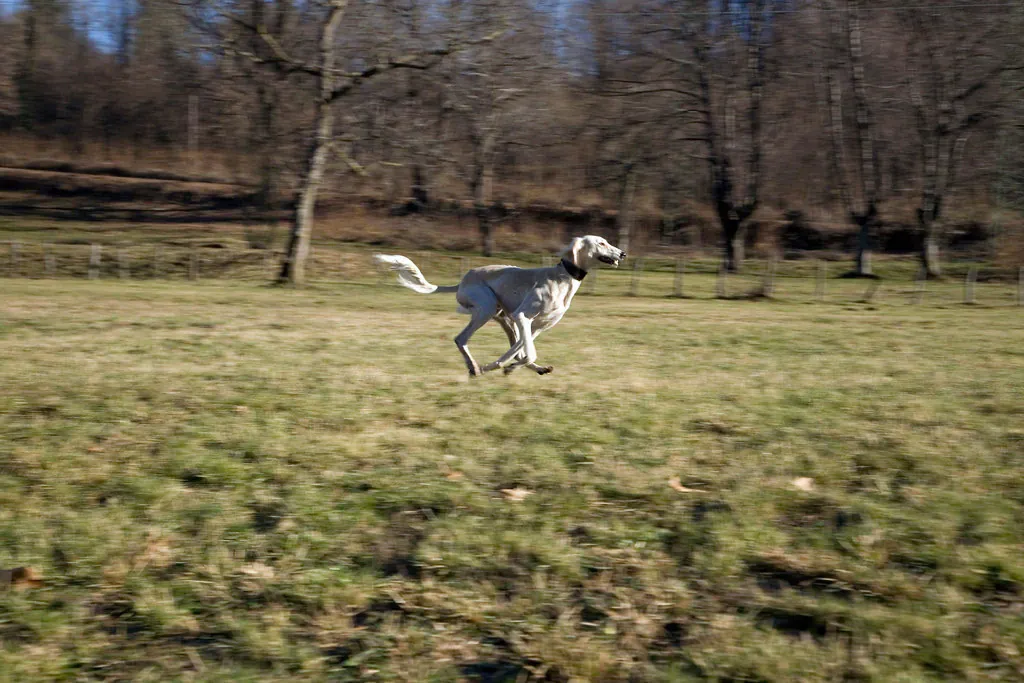
Calm in the house, fast outside. Many Salukis rest for most of the day on a sofa or bed and then run in short, intense bursts. They need space to sprint more than long, steady walks. A fenced area of enough size matters, because a Saluki that sees a rabbit or a moving object will go, and a dog at full speed cannot be called back.
Prey drive. The Saluki was bred to chase moving animals, and that is not trained out. Cats, rabbits and small dogs that run can trigger the chase. Some Salukis live peacefully with a cat or small dog they were raised with, but a household animal that suddenly bolts may still be seen as prey. Evidence on this is mixed and varies by dog.
Training. Sighthounds are intelligent but were bred to decide for themselves while hunting at a distance from the handler. Salukis are sensitive and often respond poorly to harsh methods. Short, varied, reward-based sessions work best. Reliable off-lead recall is very hard in an open area. Many owners use long lines, fenced fields and lure coursing, a sport that lets the dog chase a moving lure in a safe way.
Noise. Typically quiet. Some bark when excited or lonely.
With people and other dogs. The breed is usually mild with children who are calm and respectful. A very small child pulling at a thin-skinned dog may be a problem for the dog. With other dogs, sighthounds usually get on well, especially with their own kind, but each dog is different.
Alone. A Saluki left alone for long periods can become bored or distressed. They usually prefer company.

Working instincts and training
 Related breedChow Chow200 BCE to 1895 · ChinaAncient World
Coursing and racing. Lure coursing and straight track racing are good outlets that match what the breed was built to do. In the Gulf, Saluki racing and hunting festivals are a feature of cultural life.
Early social learning. Puppies need wide, gentle socialisation: people, noises, vehicles, other dogs. A shy Saluki can become fearful if not exposed early, because the breed is naturally reserved.
Recall and lead. Teach a solid "come" on a long line from the first weeks. Consider off-lead running only in fully fenced spaces. Do not trust off-lead recall near roads or livestock.
Fences. Salukis are known to jump. A fence of 1.8 m (6 ft) is a common recommendation among breed clubs and breeders. This is guidance, not a measured rule.
Health
 Related breedDingo3000 BCE to 1500 BCE · AustraliaAncient World
Most Salukis live active, healthy lives, and the breed is often called a hardy one. This section lists what breeders screen for and what owners can watch for. Figures come from named studies and are small, so read them as clues, not final numbers.
Life span. UK Kennel Club-linked research (Lewis et al., 2018, on 5,663 deceased dogs across all breeds) gives an overall median age at death of 10.33 years. That paper gives no Saluki-specific median. Breed summaries quote 12 to 14 years, and Britannica lists 11 to 13. Breed sources use 12 to 14.
| Condition | What it is | How common | What helps |
|---|---|---|---|
| Heart disease | Includes heart muscle disease (cardiomyopathy) and rhythm problems | In the UK Kennel Club and BSAVA health survey (Adams et al., 2010), heart disease was the most commonly reported condition: 16 of 93 reports (17.2%), about 1 in 6. Small sample, owner reported | Regular vet checks, listening to the heart, heart screening where a vet offers it |
| Cardiac haemangiosarcoma | A cancer of blood vessel cells that can occur in the heart | A Saluki Health Research and Michigan State University outline (2000) found it in 17 of 55 hearts submitted (about 31%). Hearts were mostly from dogs that died suddenly, so this is not a breed-wide rate and no "1 in N" figure can be taken from it | Report breathlessness, weakness or collapse to a vet quickly |
| Cancer, general | Several types seen in older dogs | Cancer was among the top owner-reported causes of death in the UK survey; no breed-specific rate was found | Regular senior checks, early lump checks |
| Sensitivity to anaesthesia | Sighthounds have low body fat and process some anaesthetic drugs differently | Seen more often than in many other breeds (well-known vet advice; no prevalence figure) | Tell the vet the breed before any procedure |
| Eye problems | Cataract and others reported in sighthounds | Uncommon; no Saluki figure found | Annual eye check, breeder eye tests |
| Hypothyroidism | Underactive thyroid | Seen in sighthounds; no prevalence figure found | Blood test if the dog gains weight or has a thin coat |
What helps. Heart disease and cancer risks are real but not universal. Ask breeders what they know about the heart health of the parents and close relatives, and how old those relatives were when they died. Cardiac screening by a heart specialist is offered in some countries; ask what is available. Keep your Saluki lean and do regular checks as it ages. The Saluki Club and national breed clubs run health research and welcome contact from owners.
Thin coat and skin. The smooth-coated Saluki and its short hair means little insulation against cold and little protection from scratches. Many owners use a coat in winter.

Living with a Saluki
 Related breedIrish Wolfhound100 BCE to 1885 · IrelandAncient World
 Save
| Daily reality | Rating | Why |
|---|---|---|
| Exercise per day | High | Needs sprinting space; about an hour or more with a chance to run |
| Training needs | Medium | Sensitive and independent; recall is the hard part |
| Grooming | Low to medium | Smooth coat: quick brush; feathered coat: weekly brushing of ears, legs and tail |
| Shedding | Low to medium | Seasonal; varies by coat |
| Barking | Low | Typically quiet |
| Time alone | Fair | Prefers company; long hours alone are a concern |
| Children | Good | Gentle with calm, respectful children |
| Other dogs | Good | Often sociable, especially with other sighthounds |
| Cats and small pets | Poor | Strong chase instinct; depends on the individual and early exposure |
| Flat living | Fair | Calm indoors, but needs a secure place to run nearby |
| Heat tolerance | Fair | Desert origin, but lean and short coated; avoid hard exercise at midday |
| Cold tolerance | Poor | Thin coat and little body fat; a coat helps |
| First-time owner fit | Fair | Gentle, but independent and hard to recall |
A great fit if
- You have, or can find, a securely fenced area for daily sprints.
- You want a quiet, elegant house dog that is calm indoors.
- You like an independent dog that shows love on its own terms.
- You are interested in lure coursing, racing or similar sport.
Think twice if
- You have a rabbit, small cat or other small pet that runs.
- You want a dog that will walk off lead anywhere with reliable recall.
- You are away for long hours every day.
- You want a very obedient, eager-to-please breed.
Before you get one
- Health tests. Ask breeders what heart screening and eye checks they use, and ask for the ages and causes of death of close relatives.
- Puppy or adult rescue. Saluki and sighthound rescues exist in many countries. An adult may be calm, with a known response to cats.
- First year. Plan secure fencing before the puppy arrives. Start recall on a long line, and plan for gentle, short training.
Similar breeds to consider
- Afghan Hound. Close DNA relative, with a long silky coat that needs far more grooming.
- Sloughi. North African sighthound with a smooth coat and a reserved nature.
- Whippet. Smaller and often easier to live with, with a short coat.
- Greyhound. Calm indoors, and well suited to adoption from racing homes.
 Save

Saluki fun facts
 Related breedItalian Greyhound500 BCE to 1900 · ItalyAncient World
- The Saluki hunts by sight and speed; in the desert it sometimes works with a falcon that finds the game first.
- Salukis come in smooth and feathered coats, and both can appear in the same litter.
- Florence Amherst's 1895 import of two puppies from Lower Egypt is credited with starting the breed in Britain.
- Parker et al. (2004) placed the Saluki among the breeds that separate from modern European breeds in DNA.
Frequently asked questions
What is a Saluki?
A Saluki is a lean sighthound from the Middle East that was bred to chase gazelle and hare. It comes in smooth and feathered coats.
Is the Saluki the oldest dog breed?
Not proven. Art shows similar hounds from several thousand years ago, and DNA puts the Saluki among the most distinct breeds, but nothing records a line of breeding from ancient dogs to today's breed.
How big is a Saluki?
The UK Kennel Club standard gives 58 to 71 cm for dogs, with bitches proportionately smaller. The standard says 23 to 28 inches for dogs, with bitches considerably smaller.
Is a Saluki good with cats?
It varies. Some Salukis live with a cat they met as puppies, but the chase instinct is strong. Never trust a Saluki loose with a small animal.
How long does a Saluki live?
Breed summaries quote 12 to 14 years, and Britannica lists 11 to 13.
What is the difference between a Saluki and an Afghan Hound?
Both are sighthounds and the closest DNA relatives in the 2017 study. The Afghan Hound has a long, thick coat from the mountains of Afghanistan, while the Saluki is lighter, with smooth or lightly feathered hair.
Read next
 Closest DNAAfghan Hound27.8 Mb shared
 FamilyMediterraneanThe whole family
 Adopt a dogDog Shelters in EuropeFind dog shelters in Europe, learn how shelters differ from country to country and why adopting a dog is a good option.
Sources (13)
- FCI standard no. 269, Saluki (2000).
- The Kennel Club (UK), Saluki breed standard.
- American Kennel Club standard for the Saluki, as held by the Saluki Club of America (1927).
- Parker HG et al. (2004). Genetic structure of the purebred domestic dog. Science 304: 1160 to 1164.
- Parker HG et al. (2017). Genomic analyses reveal the influence of geographic origin, migration, and hybridization on modern dog breed development. Cell Reports 19: 697 to 708.
- Lewis TW et al. (2018). Longevity and mortality in Kennel Club registered dog breeds in the UK in 2014. Canine Genetics and Epidemiology 5: 10.
- Adams VJ et al. (2010). Methods and mortality results of a health survey of purebred dogs in the UK. Journal of Small Animal Practice 51: 512 to 524.
- Saluki Health Research and Michigan State University (2000). Cardiac haemangiosarcoma outline, Saluki Club of America (not peer reviewed).
- Duggan BP (2009). Saluki: The Desert Hound and the English Travelers Who Brought It to the West. McFarland.
- Aramco World (May 1961). Greyhound of the Desert.
- American University Silk Road Journal (2017). Hunting Hounds along the Silk Road.
- Saluki Club (UK) history pages.
- Dogs Atlas breed records, Saluki record (FCI, Parker 2017).