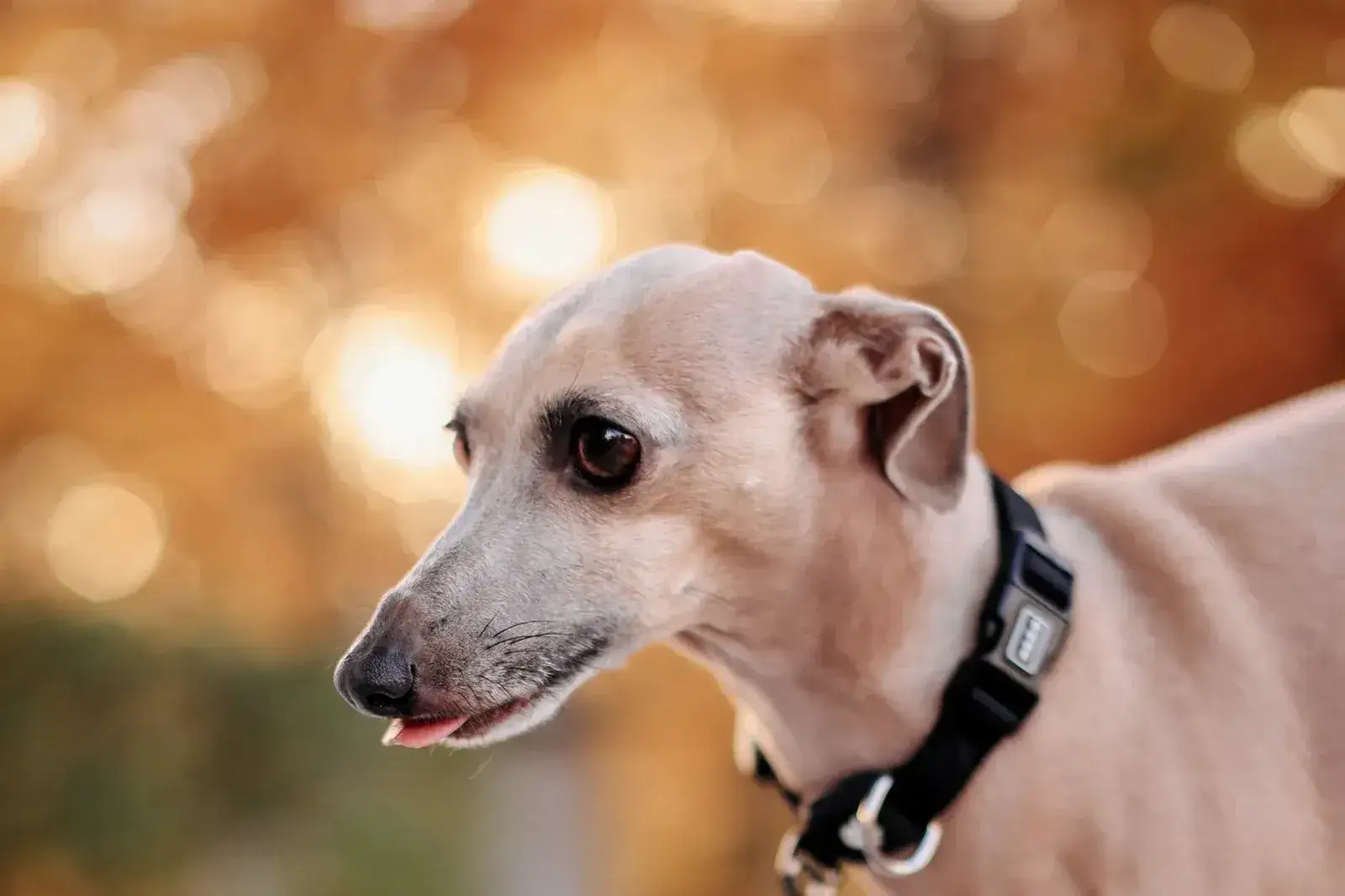
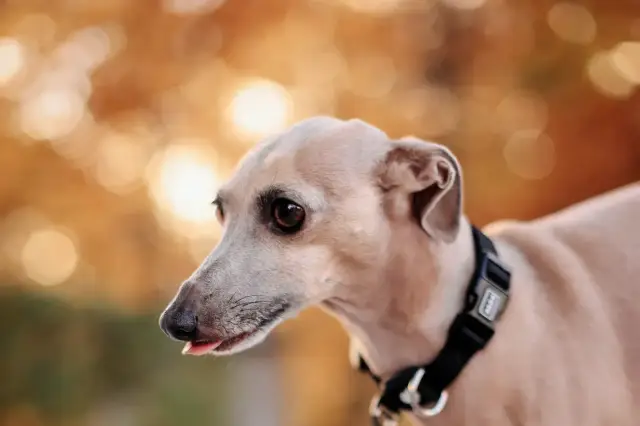
It stands 32 to 38 cm at the withers and weighs about 5 kg at most under the FCI standard. The name points to Renaissance Italy, where small sighthounds were popular in noble households and appear in paintings, though dogs of this type are much older than that. Today it is a quiet, affectionate house companion that also sprints like a true sighthound. It suits owners who want a clean, devoted lap dog and are ready to protect its thin legs, keep it warm and put in patient house training. Atlas data gives a life span of 13 to 15 years.
Italian Greyhound quick facts
 Related breedAustralian Shepherd1840 to 1957 · United StatesIndustrial Revolution
- Closest DNA relatives
- Whippet, Greyhound, Toy Manchester Terrier
- Descendant breeds
- English White Terrier, Toy Fox Terrier (atlas data), with many terrier breeds further down the line
- Country of origin
- Italy (FCI country of origin)
- Period of development
- Small sighthounds are depicted from antiquity; the modern breed was shaped in Europe in the 1800s. Atlas data: about 500 BCE to 1900 (low confidence)
- Original job
- Companion of nobles; small game hunting is also reported
- Type
- Sighthound (FCI Group 10, Sighthounds, standard no. 200, official name Piccolo Levriero Italiano; AKC Toy Group; UK Kennel Club Toy Group)
- Height
- 32 to 38 cm (FCI); 13 to 15 inches, about 33 to 38 cm (AKC)
- Weight
- Up to 5 kg (FCI)
- Coat
- Fine, short, glossy, close-lying
- Colour
- Black, grey, slate grey, yellow and shades of these, or white (FCI)
- Life span
- Atlas data: 13 to 15 years. A 2004 UK Kennel Club health survey reported a median of 13.5 years
- DNA family
- UK Rural family (Parker et al. 2017, strong support)
Drawn to scale in real centimetres. Its back reaches about 35 cm, just below your knee; its head about 44 cm, just below your knee.
Where it sits in the tree
Ancient World · 3,000 BCE to 499
Name and origin
 Related breedBearded Collie1500 to 1944 · United KingdomAge of Exploration
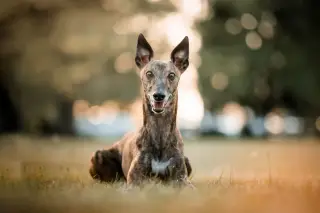
The English name is a plain description: an Italian version of the Greyhound. The atlas data gives the etymology as the breed's popularity in Renaissance Italy, and the FCI names it Piccolo Levriero Italiano, "small Italian sighthound." Common nicknames are Iggy and Italian, and the name is often shortened to IG.
Where the dog really comes from is less settled than the name suggests. Small sighthound types appear in the art of the ancient Mediterranean and the Middle East, and breed histories often tie the Italian Greyhound to that region. A well-known story links it to the remains of a small dog found at Pompeii, which was buried in AD 79. That is a tradition repeated in breed articles, and it is better read as a legend than a confirmed link to the modern breed. Claims for how old the breed is run from about 2,000 years to over 5,000 years, depending on the source, and none of them rests on a dated bone or a DNA test.
What can be said firmly is that miniature sighthounds were kept as companions in Italy by the 1400s and 1500s, and that the breed then spread across Europe. Italy is the country of origin recognised by the FCI.

History
 Same eraBorder Collie1800 to 1915 · United KingdomIndustrial Revolution
Renaissance courts and portraits
From the late Middle Ages, small elegant dogs of this type show up in Italian paintings, often at the feet or in the laps of the wealthy. The American Kennel Club names artists such as Carpaccio among those who painted them. Families such as the Medici are among those said to have kept them. These are art-history facts, not studies, and they show popularity among the wealthy more than a specific pedigree.
Royal houses across Europe
By the 1600s the dog had spread to northern Europe. Charles I of England and his queen's household, Anne of Denmark, are named as owners in breed histories. Frederick the Great of Prussia is the best-known fan: stories say he kept several, carried one on campaign and asked to be buried near his dogs. These stories are told in many breed accounts and are anecdotes, not documented records. Queen Victoria also kept Italian Greyhounds, according to breed histories.
Decline, smaller sizes and the show ring
Breed histories say the dog was bred ever smaller in the 1800s, and that it nearly vanished in the early 1900s through poor breeding and weak legs, before careful breeding restored it. The reported smaller dogs are linked to the breed's well-known leg fragility, though no study dates the change. At the same time, the breed's DNA places it in the UK Rural family together with the Whippet and Greyhound, which fits a link with British sighthounds and terriers in that period.
Clubs and recognition
Clubs and registries took the breed up in the second half of the 1800s. Breed accounts give 1886 for AKC registration and 1900 for the founding of the Italian Greyhound Club in Britain. The FCI lists it as a definitive breed, standard no. 200, in Group 10. The AKC places it in the Toy Group, as does the UK Kennel Club.
Ancestors, descendants and relatives
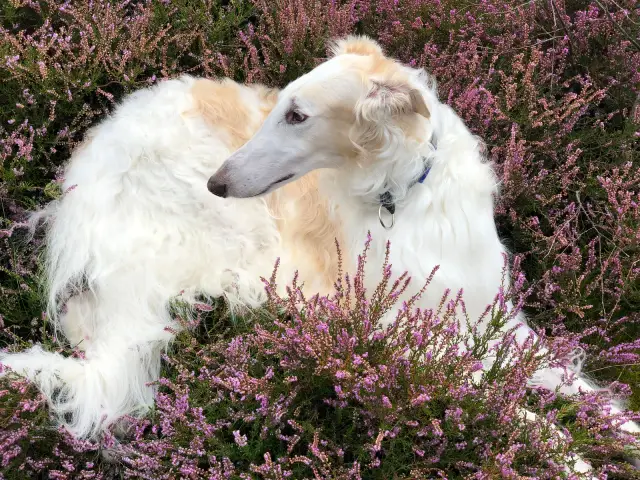 Same familyBorzoi1200 to 1650 · RussiaLate Middle Ages
The atlas data records no fixed parent breeds. It places the Italian Greyhound in the UK Rural family, the that Parker and colleagues (Cell Reports, 2017) found around the Greyhound and its relatives.
Descendant breeds (atlas data)
- English White Terrier. Listed as a child of the Italian Greyhound.
- Toy Fox Terrier. Also listed as a child.
- Further terriers. The atlas data goes on to list a long chain of terrier breeds, among them the Boston Terrier, as descendants reaching further down the line. Breed histories often credit small sighthound blood for slim legs and speed in terriers.
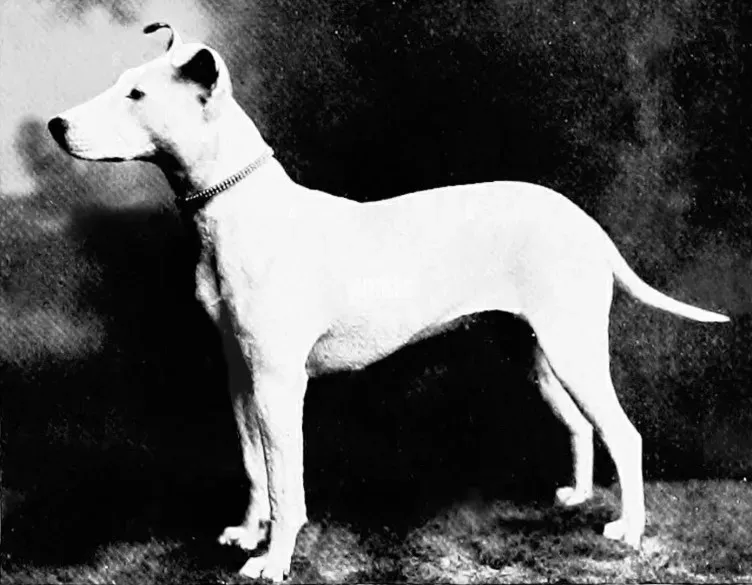 English White Terrier
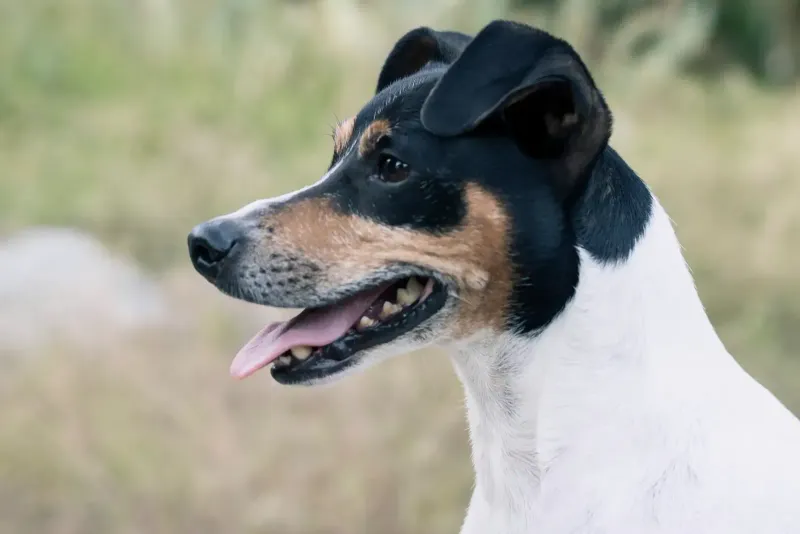 Toy Fox Terrier
What does DNA say?
The 2017 study by Parker and colleagues analysed 1,346 dogs from 161 breeds and sorted them into 23 clades. It measured shared , long stretches of identical DNA inherited from common ancestors. More shared (Mb) suggest a closer link through crossing or common founders. The study cannot say which way the genes moved.
Source: Parker et al. 2017, as recorded in the atlas data.
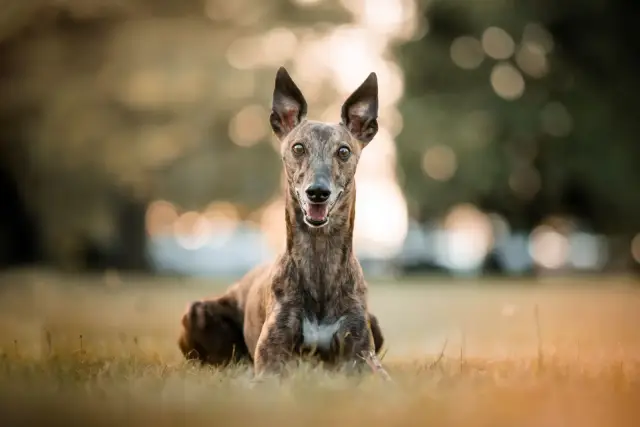
- Italian Greyhound and Whippet
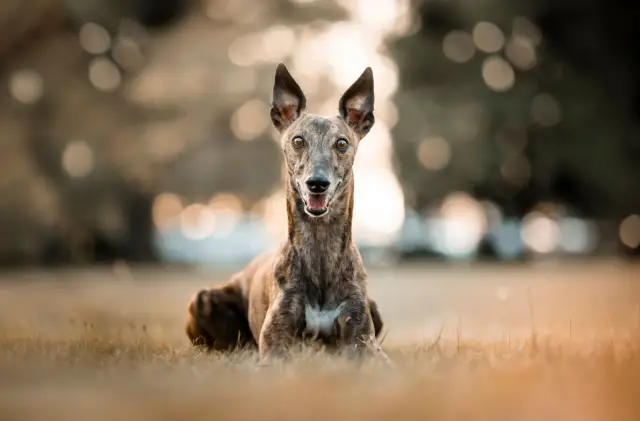
- Italian Greyhound and Greyhound
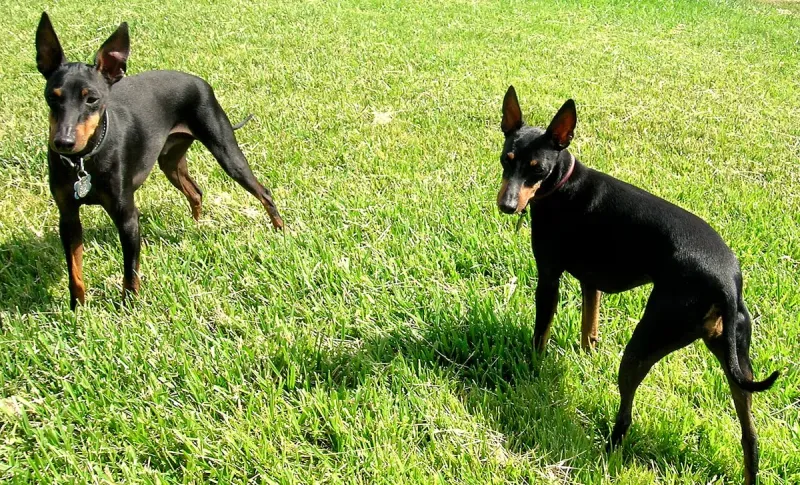 Italian Greyhound and Toy Manchester Terrier
The Whippet link fits breed histories that say Italian Greyhound blood was used in the Whippet's creation. The Toy Manchester Terrier result agrees with the old idea that small sighthound and terrier lines mixed.
Descend from it · 2
- English White TerrierUnited Kingdom
- Toy Fox TerrierUnited States
Source: Parker et al. 2017. Percent of the whole genome.
| Breedwith Italian Greyhound | with Italian Greyhound (Mb)Shared DNA (Mb) |
|---|---|
| Whippet | 28.1 |
| Greyhound | 16.5 |
| Toy Manchester Terrier | 10.7 |
Source: Parker et al. 2017, Cell Reports, shared haplotypes between 161 breeds (1,346 dogs).
The breed standard
 Looks relatedCardigan Welsh Corgi1200 to 1934 · United KingdomLate Middle Ages
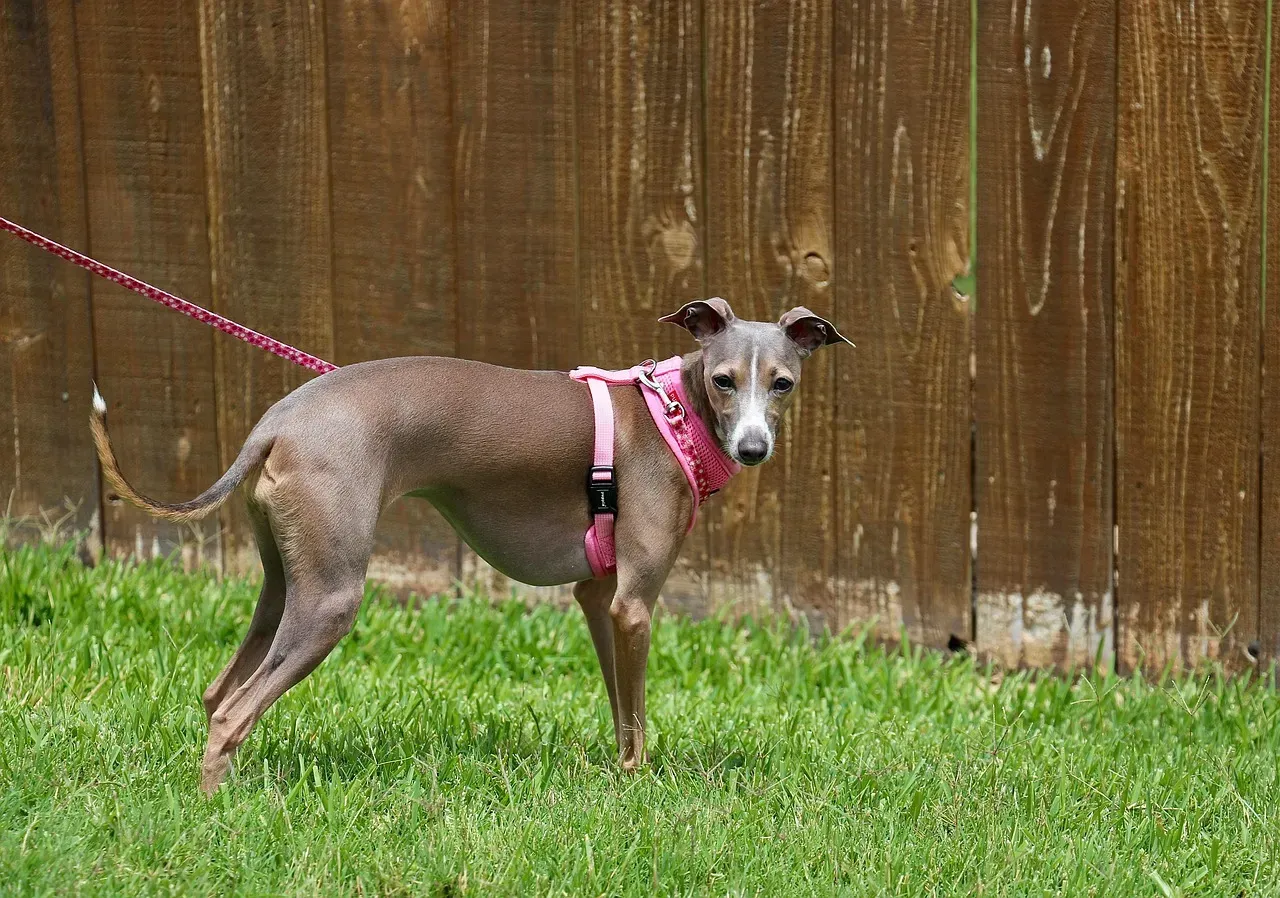
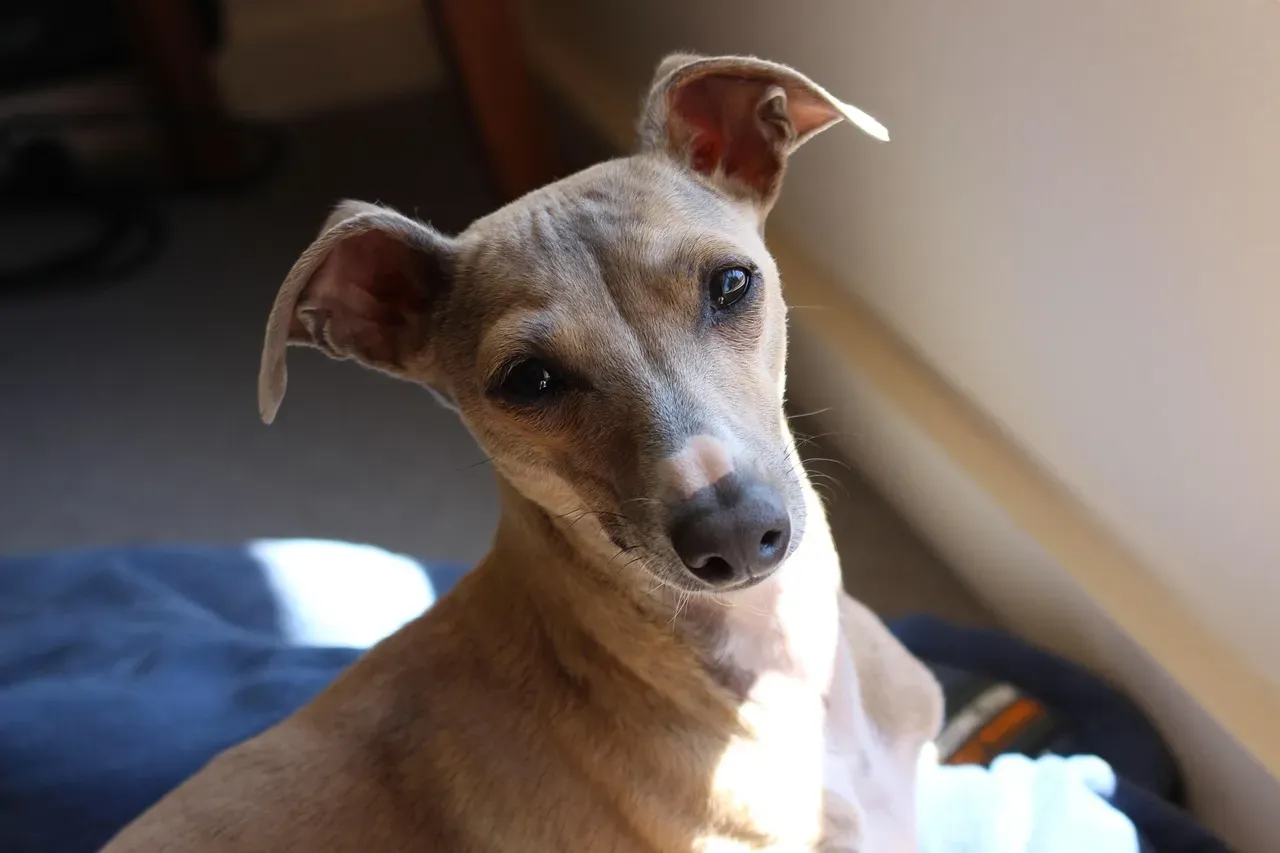
A is the written ideal for a breed that kennel clubs judge dogs against. The standards describe a miniature sighthound: slim, graceful and deep in the chest, with a long neck and a high-stepping, free movement.
| Trait | What the standards say |
|---|---|
| Height | FCI: 32 to 38 cm at the withers. AKC: 13 to 15 inches (about 33 to 38 cm) |
| Weight | FCI: up to 5 kg |
| Coat | FCI: fine, short, glossy, soft; a single layer with no undercoat |
| Colour | FCI: black, grey, slate grey, yellow and its shades, or white. AKC: any colour and marking is accepted except the tan markings of a black-and-tan and brindle |
| Head | FCI: long and narrow, with a fine, tapering muzzle |
| Ears | FCI: small, fine, folded back (rose-shaped); AKC: rose ear, folded back along the neck when relaxed |
| Build | FCI and AKC: square, slim, with a deep chest, a tucked-up belly and a slight arch over the loin |
| Gait | High-stepping, free and graceful |
Colour. The accepted colours are solid shades with some white on chest and feet. The AKC excludes tan markings as seen on a black-and-tan dog and brindle, but not other colours.
Size and weight. The FCI standard sets a weight ceiling and no lower figure. Pet dogs are often smaller or larger than the show ideal.
Temperament
 Related breedMiniature American Shepherd1968 to 2015 · United StatesModern Era
The Italian Greyhound is a close, gentle and sensitive dog. Breed clubs describe it as affectionate, playful and often reserved with strangers. Many follow their owners from room to room and sleep under blankets.
- Sensitive. It reacts to a raised voice and to rough handling. Training works best with calm, reward-based methods.
- A true sighthound. Fast, quiet indoors, and ready to burst into a sprint outdoors. It tends to chase small moving things and may ignore a recall when something runs.
- Attached to its people. A University of Padua study (Normando and colleagues, Journal of Veterinary Behavior, 2023) surveyed caretakers of 162 Italian Greyhounds and 164 Whippets. It reported that the Italian Greyhounds showed more house soiling and more separation distress than the Whippets. The data are caretaker reports and not tests of the dogs.
- Cold-sensitive. The thin coat and low body fat make it dislike wet and cold weather. This is observed by owners and breed clubs, with no measured threshold.

Training and everyday behaviour
 Related breedOld English Sheepdog1700 to 1888 · United KingdomEarly Modern Era
House training is the topic owners mention most. The Padua results fit what breed clubs say: the dog is slow to house-train and often refuses to go out in cold or rain. Steady routines, a warm place to go and rewards for success help, and many owners use a crate or an indoor option for bad weather.
Recall needs care. A sighthound that spots something may not hear a call, so off-lead exercise belongs in a secure, fenced area. Small dogs are also hard to see in long grass at speed. Short, frequent training sessions work better than long drills, as for most sighthounds.
Italian Greyhounds climb on sofas and tables with ease, and a jump from a height can break a leg. This is the main safety rule of daily life with the breed.
Coat, grooming and daily care
 Related breedPembroke Welsh Corgi1100 to 1934 · United KingdomEarly Middle Ages
The coat is the easy part. It is fine, short and single-layered, so a weekly rub with a soft glove or cloth keeps it glossy. Baths are needed only when the dog is dirty. Because there is no undercoat, the dog has little insulation: most owners keep a coat or jumper for walks below about the mid-teens in degrees Celsius, though no source sets a precise threshold, and a warm bed with blankets matters indoors.
Nails and teeth need more attention than fur. Thin legs and quick-growing nails make regular trimming worthwhile, and the small mouth collects plaque, so brushing several times a week is the usual advice from breed clubs. Exercise is modest: a daily walk plus short sprints in a fenced area is enough for most dogs, and many sleep for much of the rest of the day.
Health
 Related breedRough Collie1800 to 1886 · United KingdomIndustrial Revolution
Most Italian Greyhounds live long, healthy lives. This section lists what breeders screen for and what owners can watch for. Where a named study gives no figure, the table says so. Information here is general; talk to a vet about your own dog.
Life span. The atlas data gives 13 to 15 years. A 2004 UK Kennel Club health survey reported a median of 13.5 years. That is long for any dog, and long for a toy breed.
| Condition | What it is | How common | What helps |
|---|---|---|---|
| Leg fractures | Breaks in the thin bones of the front or back legs, often after a jump or a fall | No published figure; breed clubs and vets name it as the breed's best-known risk | Prevent jumping from furniture; use ramps or steps; supervise play with larger dogs; see a vet quickly for limping |
| Dental disease | Plaque, gum disease and early tooth loss in a small mouth | No published figure; breed clubs describe the breed as prone | Regular tooth brushing; routine vet dental checks |
| Patellar luxation | The kneecap slips out of its groove | No published figure | Vet exam of breeding dogs; weight control |
| A loose hip joint that wears early | OFA statistics list the breed among the least affected of the breeds it evaluates | Screening of breeding dogs is still advised where schemes exist | |
| Eye disease (PRA) | Inherited loss of the retina's cells that gradually reduces sight | No published figure | Eye examinations of breeding dogs |
| Autoimmune disease | The immune system attacks the dog's own tissues | The UC Davis Center for Companion Animal Health ran a study of the breed; no prevalence figure is given | Vet diagnosis; follow breed club advice |
| Legg-Calve-Perthes disease | Collapse of the thigh bone's head in young small dogs | No published figure | X-rays and early surgery when a puppy limps |
The honest summary is that there are few large published health studies for this breed, so there are few percentages. The Kennel Club runs an Italian Greyhound health programme, and breed clubs in the US and Europe run owner surveys. One of these is a 2012 national survey by the Italian Greyhound Club of America.
Anaesthesia and weight
Lean sighthounds can react differently to some anaesthetic drugs. Tell any vet the dog is a sighthound before a procedure. Keep the dog slim, but not so thin that ribs are sharp: extra weight is hard on small joints and too little leaves less padding for the bones.
 Ticks and fleasTicks and fleas on dogs: how to check, remove and prevent themTicks and fleas on dogs: how to tell them apart, check your dog, remove a tick safely, break the flea life cycle and prevent both.
 GuidesPractical guidesBehaviour, training, health and adoptionRelated breedRough Collie1800 to 1886 · United KingdomIndustrial Revolution
Living with an Italian Greyhound
 Related breedShetland Sheepdog1700 to 1909 · United KingdomEarly Modern Era
 Save
| Daily reality | Rating | Why |
|---|---|---|
| Exercise per day | Medium | Short sprints and a daily walk; fenced space for running |
| Training needs | High | Sensitive; house training can be slow (Normando et al. 2023) |
| Grooming | Low | Short single coat; occasional wipe-down |
| Shedding | Low | Fine short hair |
| Barking | Low | Quiet indoors; varies by dog |
| Time alone | Poor | More separation distress than Whippets in a 2023 survey |
| Children | Fair | Gentle dogs, but small and breakable; supervise with young children |
| Other dogs | Good | Gets on well with its own kind and sighthound friends; careful with large rough dogs |
| Cats and small pets | Varies | Sighthound chase instinct; depends on early exposure |
| Flat living | Good | Small and calm indoors |
| Heat tolerance | Fair | Thin coat; no source rates it, but it enjoys warm sun |
| Cold tolerance | Poor | Thin coat and little body fat |
| First-time owner fit | Fair | Easy to groom, but demands patience with house training and care for the legs |
A great fit if
- You want a quiet companion that stays close and enjoys a warm lap.
- You can stay home much of the day or have a second dog for company.
- You are patient with house training and will keep a routine.
- You can fence a garden or have a safe place for sprints.
Think twice if
- You have a boisterous young child or a large, rough dog at home.
- You are away for long hours every day.
- You want a dog to take on long hikes in cold or wet weather.
- You cannot stop a dog from jumping from sofas and beds.
Before you get one
- Health tests. Ask the breeder what tests the parents have had. Breed clubs recommend eye checks and knee checks, and the breeder should be able to show the certificates for the puppy's parents. Ask about leg fractures in the pedigree.
- Puppy or adult rescue. Breed rescues exist and often place adults whose house habits and behaviour are already known.
- First year. Puppies are active and fragile. Block access to heights, set up a warm sleeping place and plan for lots of short house-training trips.
Similar breeds to consider
- Whippet. A larger, sturdier relative with more exercise needs and a similar quiet nature indoors.
- Greyhound. The full-size sighthound, calm indoors and less fragile.
- Toy Manchester Terrier. A slim toy dog with a distinct terrier outlook and a DNA link to the Italian Greyhound.
- Miniature Pinscher. A lively small dog with similar short coat care, but more energetic and bolder.

Italian Greyhound fun facts
 Related breedAlaskan Malamute1000 BCE to 1935 · United StatesAncient World
- The AKC and FCI standards set a height of about 32 to 38 cm, which makes the Italian Greyhound the smallest of the sighthounds.
- Breed stories say Frederick the Great took an Italian Greyhound on campaign; this is an anecdote and not a documented record.
- The Whippet shares more DNA with the Italian Greyhound (28.1 Mb in the Parker 2017 study) than any other breed listed.
- A 2023 University of Padua survey compared 162 Italian Greyhounds with 164 Whippets and found more separation distress in the Italian Greyhounds.
Frequently asked questions
Is an Italian Greyhound a good family dog?
It can be, in a calm home. It is gentle but small and fragile, so supervise play with young children.
How big is an Italian Greyhound?
32 to 38 cm tall, and up to 5 kg (). The gives 13 to 15 inches.
How long do Italian Greyhounds live?
The atlas data gives 13 to 15 years. A 2004 UK Kennel Club survey reported a median of 13.5 years.
Do Italian Greyhounds break their legs easily?
Leg fractures are the breed's best-known injury, but no study gives a rate. Preventing jumps from furniture and supervising play lower the risk.
Are Italian Greyhounds hard to house-train?
Often, yes. A 2023 survey of caretakers found more house soiling in Italian Greyhounds than in Whippets. A steady routine and warm, easy access to the right spot help.
What is the difference between an Italian Greyhound and a Whippet?
The Whippet is larger, sturdier and a stronger runner, with higher exercise needs. The Italian Greyhound is a toy, and shares 28.1 of DNA with the Whippet in the Parker 2017 study.
Read next
Closest DNAWhippet28.1 Mb shared FamilyUK RuralThe whole family
 Adopt a dogDog Shelters in EuropeFind dog shelters in Europe, learn how shelters differ from country to country and why adopting a dog is a good option.
Sources (12)
- Fédération Cynologique Internationale, Piccolo Levriero Italiano (Italian Sighthound), standard no. 200.
- American Kennel Club, Italian Greyhound breed standard and breed history pages.
- The Kennel Club (UK), Italian Greyhound breed information and breed health pages.
- Kennel Club (UK), 2004 purebred dog health survey.
- Italian Greyhound Club of America, breed history and health information.
- Italian Greyhound Club (UK), breed history pages.
- Parker H.G. et al., "Genomic analyses reveal the influence of geographic origin, migration, and hybridization on modern dog breed development", Cell Reports, 2017.
- Normando S. et al., "Satisfaction, behavior and health problems in whippets and miniature Italian greyhounds, as reported by their caretakers", Journal of Veterinary Behavior, 2023 (University of Padua).
- University of California Davis, Center for Companion Animal Health, Italian Greyhound autoimmune study page.
- Orthopedic Foundation for Animals (OFA), breed statistics for hip dysplasia.
- Dogs NSW, Italian Greyhound breed pages.
- Italian Greyhound Club of America and Veterinary Research Institute, national health survey, 2012.