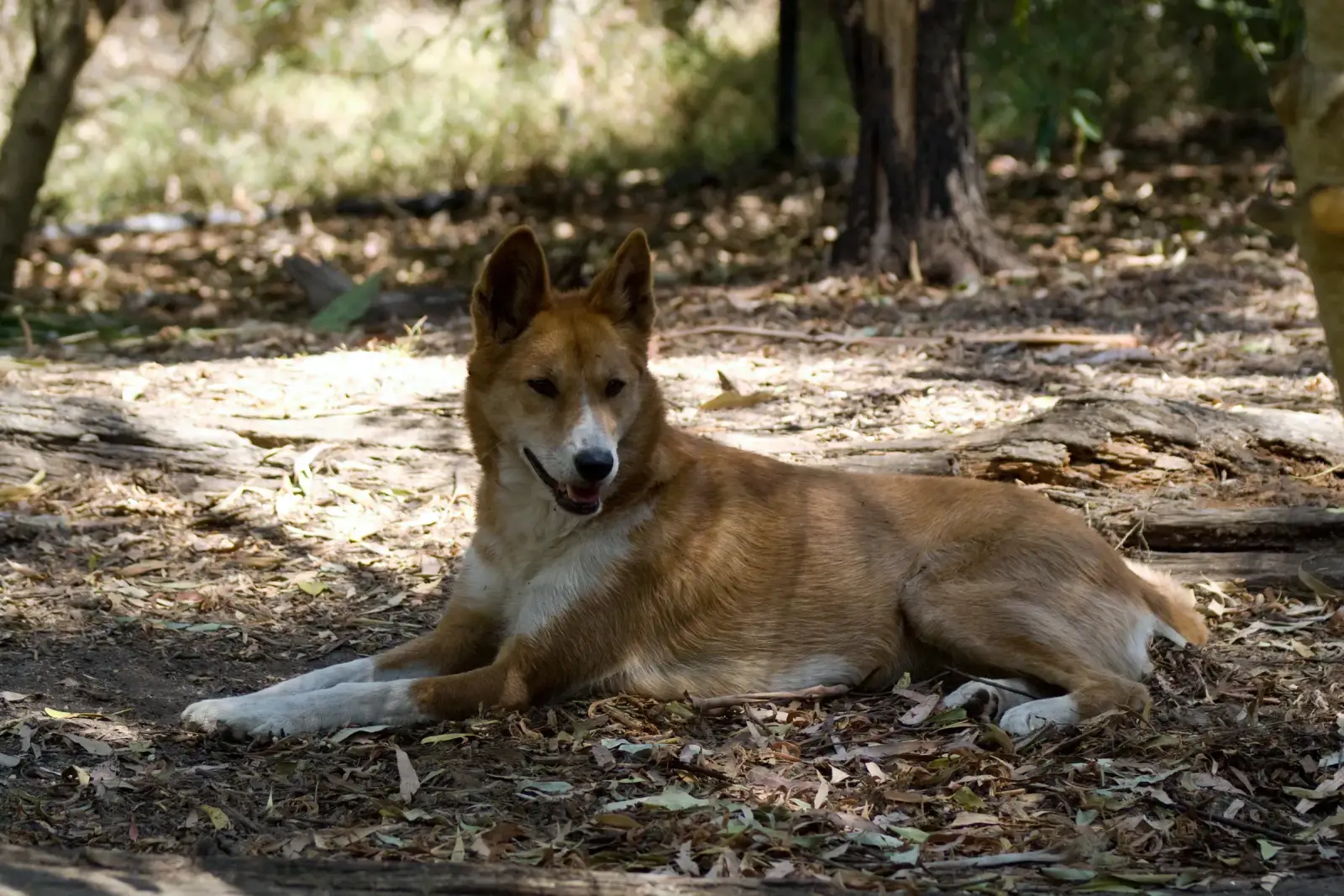
It is not a kennel club breed in the usual sense. Scientists still argue about whether it is a separate species (Canis dingo), a wolf subspecies, or a free-living kind of domestic dog (Canis familiaris). It has lived alongside Aboriginal people for thousands of years, it is fenced out of Australia's south-east sheep country, and its legal status as a pet differs from state to state. This page keeps to what the sources say and marks where they disagree.
Dingo quick facts
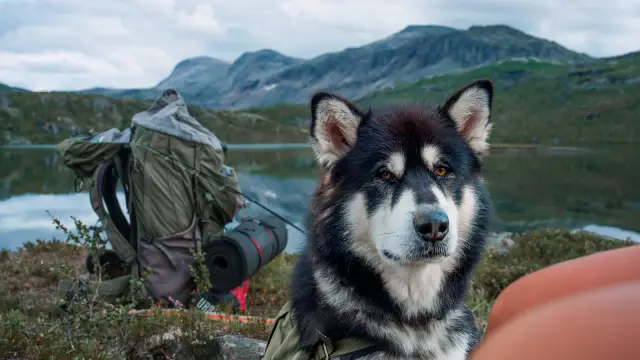 Related breedAlaskan Malamute1000 BCE to 1935 · United StatesAncient World
- Country of origin
- Australia (arrived by sea, probably from island Southeast Asia)
- Arrival
- At least 3,348 to 3,081 years ago in southern Australia (directly dated bones, Balme et al. 2018); the atlas data gives 3000 BCE to 1500 BCE (medium confidence)
- Type
- Wild or free-living dog; not recognised by the
- Other names
- Canis dingo, Australian wild dog, warrigal
- Height
- Roughly 44 to 63 cm at the shoulder; a Queensland parks page gives an average adult of about 60 cm
- Weight
- Roughly 13 to 23 kg; the same page gives about 18 kg for an adult
- Coat
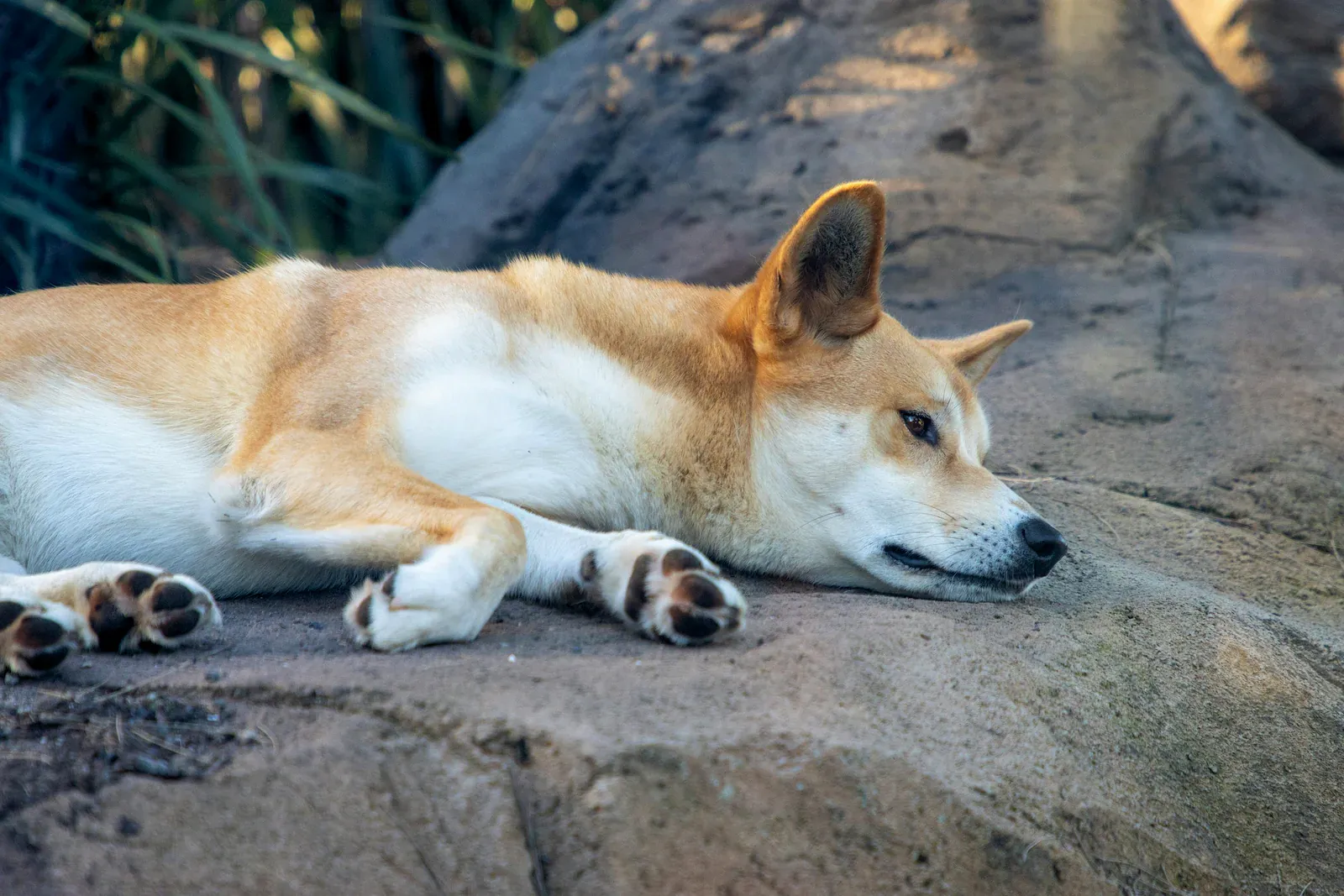
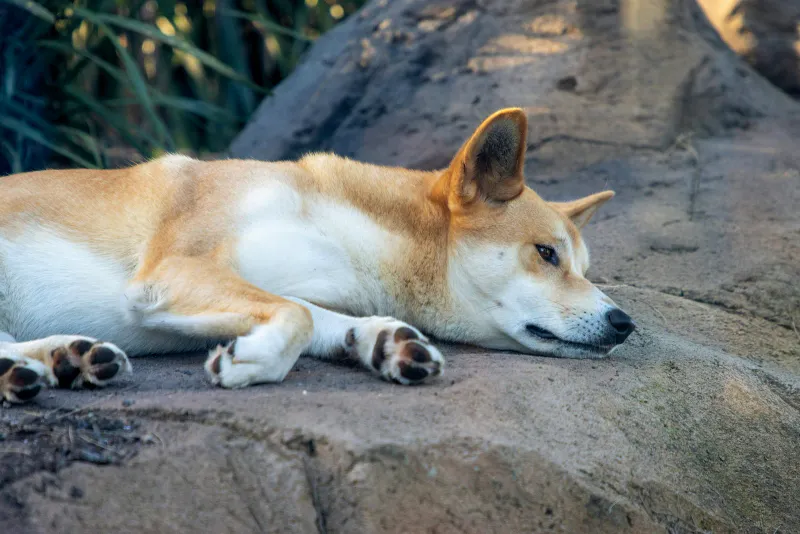
- Short; typically ginger, from sandy-yellow to red-ginger; occasionally black and tan, white or black
- Life span
- Atlas data: 10 to 14 years
- DNA family
- Dingo and Pacific (atlas data)
- Closest relative
- New Guinea Singing Dog, a sister
Drawn to scale in real centimetres. Its back reaches about 54 cm, just above your knee; its head about 68 cm, mid-thigh.
Where it sits in the tree
Ancient World · 3,000 BCE to 499
Name and origin
 Related breedBasenji3000 BCE to 1937 · Democratic Republic of the CongoAncient World
The word "dingo" comes from "din-go", a word in the Dharug language of the Sydney region that, per the atlas data, referred to tame camp dogs. Early settlers wrote the word down and applied it to the wild dogs they met. Other names in use include warrigal and Australian wild dog.
The dingo's origin is a question about people as much as about dogs. No dog is native to Australia, so the dingo's ancestors must have come by boat. The mitochondrial DNA study of Savolainen and colleagues (PNAS, 2004) found that all the dingoes they tested shared one lineage also found in East Asian and Arctic American dogs, which suggests a small founding group of dogs from East Asia. More recent work (Bergström et al. 2020) reports the New Guinea Singing Dog as an unadmixed East Asian lineage that shares ancestry with the dingo.
When did the dingo arrive?
Older estimates ranged widely. Archaeological layers pointed to about 5,000 to 4,000 years ago, and DNA clock estimates ran as far back as 18,000 years. Neither dated the dingo bones themselves. The best-dated record is from Madura Cave on the Nullarbor Plain in Western Australia. Balme, O'Connor and Fallon (Scientific Reports, 2018) dated dingo bones directly and found them in southern Australia between 3,348 and 3,081 years ago. Because the Nullarbor is far from the north, where the first dogs probably landed, the authors suggest the arrival was earlier, about 3,500 years ago, and that dingoes spread extremely fast across the mainland. The 3,500 figure is a rounded interpretation and not a measured date. For where this fits among the earliest dogs on every continent, see first dogs on every continent.
 Save

History
 Same eraCarolina Dog1000 BCE to 1990 · United StatesAncient World
From the coast to the whole continent
The dingo is the only dog with a firm pre-European record in Australia. Once it arrived it spread across the mainland. A 2024 PNAS study of nine ancient dingo genomes (Australian and UWA coverage) found that the continent-wide population structure seen in dingoes today had already formed several thousand years ago. The same study found extra shared ancestry between New Guinea Singing Dogs and ancient dingoes from coastal New South Wales, and suggested at least two waves of arrival from source dogs with different links to New Guinea.
Living with people
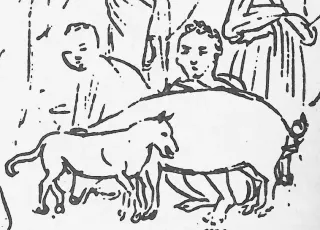
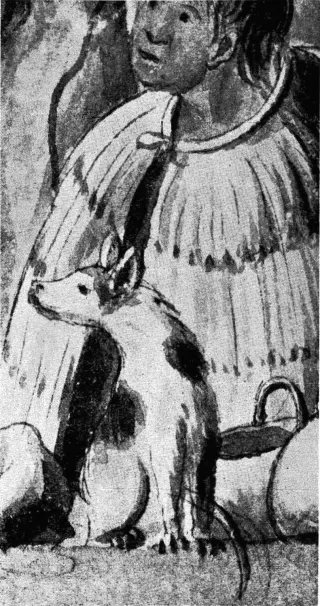
The relationship between Aboriginal people and dingoes is documented in both ethnography and archaeology, and it was not one single arrangement. Brumm and Koungoulos (2022) review historical sources and Indigenous oral traditions and describe Aboriginal people commonly rearing wild-caught dingo pups as tamed companions, with intensive socialisation, while oral traditions also carry awareness of the danger that wild or unfamiliar dingoes can pose to children. Koungoulos and colleagues (PLOS ONE, 2023) studied burials at Curracurrang in New South Wales and report that dingoes were buried near people, and where burials are recorded the treatment is identical or almost identical to human burial rites. The authors stress limits: this does not mean all dingoes were domesticated, and it does not show that dingoes descend from domestic dogs. The usual scholarly view, they note, is that because camp dingoes left to breed in the wild, they should not be called domesticated.
Aboriginal peoples have many different cultures and languages, and their relationships with dingoes differ between places. Readers who want a specific community's account should look to that community's own sources; this page does not generalise from one region.
European settlement and the fence
Sheep farming changed the dingo's status. Dingoes take livestock, and settlers treated them as a pest. The Dingo Fence (also called the Dog Fence) is the best-known response. Wikipedia gives its length as 5,614 km, built from 1880 to 1885 of wire mesh, running from Jimbour near Dalby in Queensland to the Nullarbor cliffs near Nundroo in South Australia, above the Great Australian Bight. It was reportedly shortened from over 8,000 km, and poison baiting with 1080 (sodium monofluoroacetate) has been used as a cheaper partner to fence upkeep. It has been only partly successful: dingoes persist in parts of the southern states. This is a single secondary source, so the length and dates should be checked against a government or heritage source.
Dingo descendants in Australian working dogs
The atlas data lists the Australian Cattle Dog and Hall's Heeler as descendants of the dingo, and the Australian Stumpy Tail Cattle Dog as a further descendant. These links come from the atlas lineage data, which is of mixed strength. The commonly repeated story is that settlers crossed imported herding dogs with dingoes to produce a hardy cattle dog.
Relatives and DNA
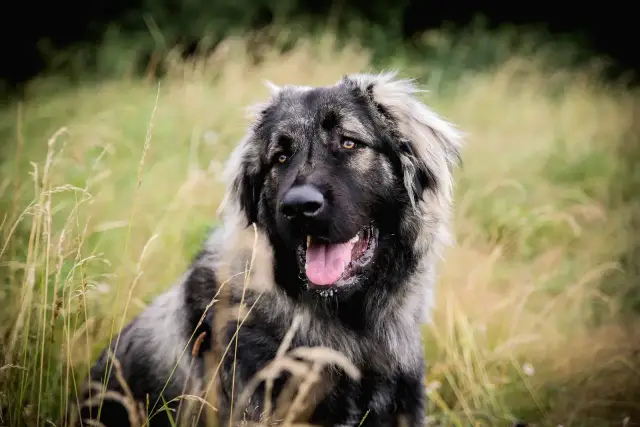 Same familyCaucasian Shepherd Dog500 BCE to 1920 · RussiaAncient World
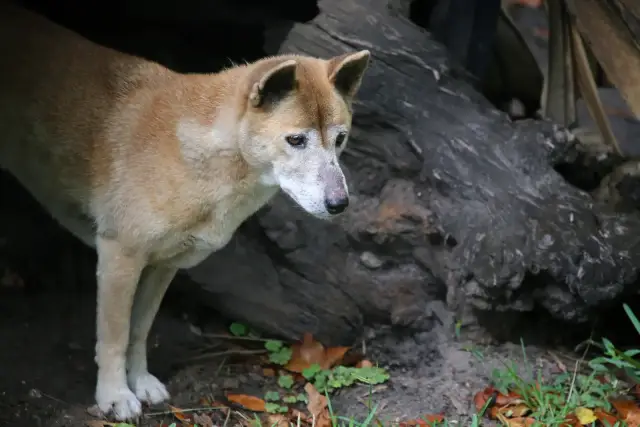
The atlas data places the dingo in the Dingo and Pacific family, which is part of the East Asian dog branch. The closest relative is the New Guinea Singing Dog, which the data lists as a sister lineage that split from a shared Asian ancestor. A 2020 PNAS study (Surbakti et al.) confirmed that wild Highland dogs in New Guinea are a direct ancestor of the captive Singing Dog, and that both are close relatives of the Australian dingo. One source dates the dingo and Singing Dog split to about 8,000 years ago, tied to rising seas separating Australia from New Guinea; a popular-science piece gives about 3,500 years for a different split, so this page gives no date for it. The atlas data includes no of for the dingo, so no DNA web chart is drawn.
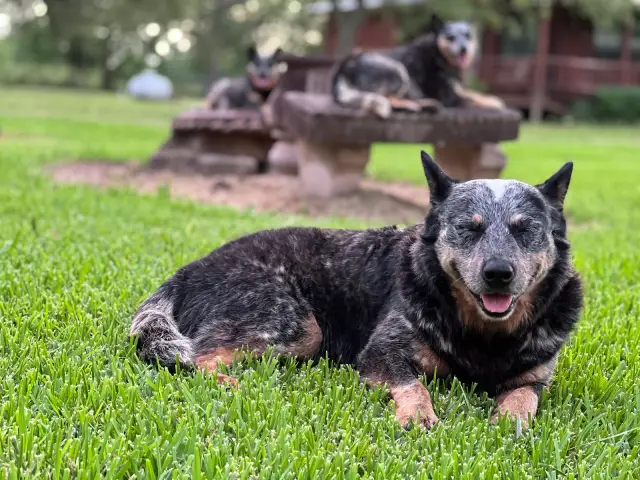 Australian Cattle Dog
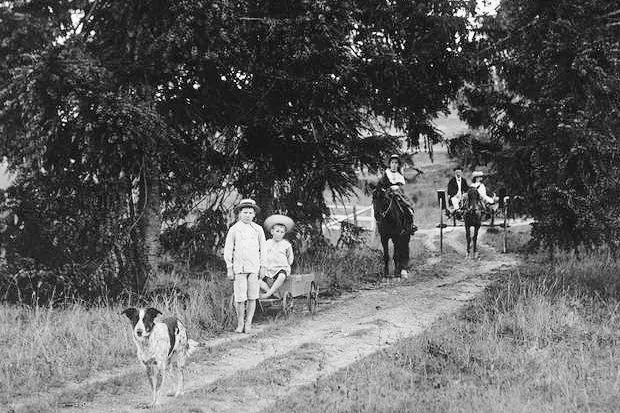 Hall's Heeler
Sister breeds · 1
- New Guinea singing dog8000 BCE to 1957
Descend from it · 2
- Halls HeelerAustralia
- Australian Cattle DogAustralia
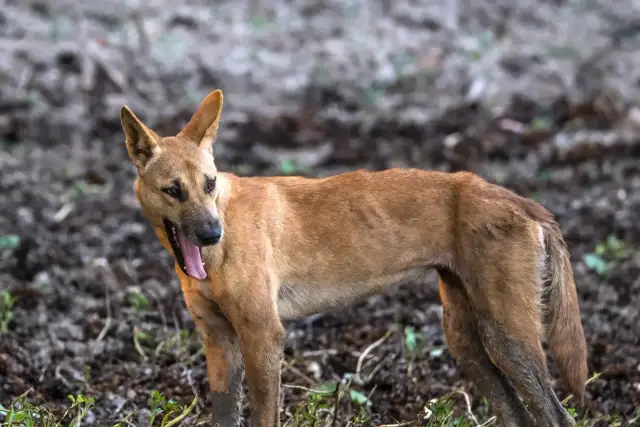
Is the dingo a species, a breed or a dog?
 Related breedCentral Asian Shepherd Dog2000 BCE to 1990 · Turkmenistan, Uzbekistan, KazakhstanAncient World
This is the question that decides how the dingo is named, managed and protected, and the specialists still disagree.
The case for Canis dingo. Crowther and colleagues (2014) proposed Canis dingo as the name for the dingo as a species-level group separate from other canids, to end confusion over its name. Smith and colleagues (Zootaxa, 2019) argued that the dingo is a geographically isolated species that is genetically, physically, ecologically and behaviourally distinct. A review in Australian Mammalogy likewise argues that dingoes are on a different evolutionary path from domestic dogs and that the right name is Canis dingo or Canis lupus dingo, not Canis familiaris.
The case for Canis familiaris. Jackson and colleagues (Zootaxa, 2017) argued that dingoes and New Guinea Singing Dogs should stay within the domestic dog, Canis familiaris, because there is no taxonomic need to treat them as separate species and because the name familiaris (Linnaeus, 1758) has priority over dingo (Meyer, 1793). Smith et al. replied that applying the biological species concept strictly, as Jackson et al. do, would lump all Canis populations together.
The names used over the past 30 years are Canis lupus dingo (a wolf subspecies), Canis dingo and Canis familiaris. The debate matters outside science: in law and in conservation, a "wild dog" and a "domestic dog" are managed differently.
Dingo or hybrid? Conservation
 Related breedChow Chow200 BCE to 1895 · ChinaAncient World
The conservation concern is hybridisation: that interbreeding with domestic dogs dilutes dingo ancestry. The studies disagree, largely because of the genetic tests they used.
- Earlier baseline (Stephens, Wilton and colleagues, 2015): 24-locus genotypes from 3,637 free-ranging dogs reported extensive dingo and domestic dog hybridisation across the continent.
- Cairns and colleagues (Molecular Ecology, 2023): DNA from 391 wild and captive dingoes, using about 195,000 genetic markers compared with 23 earlier, found that in New South Wales and Queensland, where hybridisation was assumed to be widespread, most animals were pure dingoes. In Victoria, where earlier reports put the pure dingo share at as low as 4 per cent, 87.1 per cent of those tested were pure (press coverage of the study).
- Western Australia, Murchison region (Wildlife Research, 2023): samples from 2009, 2014 and 2020 showed no change in dingo purity, and the authors found no evidence that lethal control was putting purity at risk, although barrier fencing may affect gene flow.
- Community dogs in Western Australia (2024 study of 345 dogs): one was a dingo, 96 per cent were domestic dogs and 3.5 per cent were hybrids. This counts dogs in towns and camps, not wild dingoes, and it used dingo ancestry thresholds (more than 90 per cent as dingo, 11 to 89 per cent as hybrid, under 10 per cent as domestic).
Cairns has said that dingo and dog mixes in the wild are rare but that pure dingoes are still at risk. No IUCN assessment for the dingo is cited here. Lethal control and fencing continue in many livestock regions while conservation groups argue for protection; this page reports the science without taking a side on management.
What does a dingo look like?
 Looks relatedIrish Wolfhound100 BCE to 1885 · IrelandAncient World
A is the written ideal a kennel club judges dogs against. For the dingo, No current Australian National Kennel Council (ANKC) standard is cited. Two weak sources (a rescue site and a forum-type page) say the ANKC recognised the dingo in 1994 and placed it in the hound group, but this is not confirmed and the standard's text is not cited, so this section describes appearance from scientific and park sources instead.
| Trait | What the sources say |
|---|---|
| Size | Medium-sized; about 44 to 63 cm at the shoulder; a Queensland parks page gives an average adult of about 60 cm; males are generally larger |
| Weight | Roughly 13 to 23 kg; the same page gives about 18 kg for an adult |
| Coat colour | Typically ginger; varies from sandy-yellow to red-ginger; occasionally black and tan, white or black. A museum study found tan is not a defining feature, and historical skins varied a lot |
| Markings | Most have white on the paws (socks), tail tip and chest; some have a black muzzle |
| Ears and tail | Pricked ears, bushy tail |
| Recognition | Not recognised by the FCI; ANKC status could not be verified |
Temperament
 Related breedItalian Greyhound500 BCE to 1900 · ItalyAncient World
Wild dingoes are wary of people but not harmless. Park authorities and the Brumm and Koungoulos review notes oral traditions that warn of danger to children from wild or unfamiliar dingoes. Check local park rules where dingoes live. Dingoes reared from pups by people can be tame and companionable, but the 2022 review describes this as the result of intensive socialisation, not an automatic trait.
Captive dingoes are usually described as independent, intelligent, escape-prone and slow to accept commands the way a working breed does. No source with a study of captive dingo behaviour turned up in the searches for this page, so no figures are given.

Health
 Related breedMaltese500 BCE to 1888 · MaltaAncient World
No study or health survey of dingoes under veterinary care turned up in the searches, so this page gives no prevalence figures and invents none. The atlas data gives a life span of 10 to 14 years. For those who keep a dingo, the general advice is the same as for any dog: regular vaccination and parasite control, desexing, and a vet familiar with unusual canids. The common issues are those of confinement: boredom, escaping and a need for a high, secure fence.

Dingoes as pets: the legal picture
 Related breedPug400 BCE to 1885 · ChinaAncient World
Laws differ across the states and territories and they change, so treat the following as a rough guide and check with the relevant state agency before acting. The sources found were PetRescue, Mental Floss and a dated Dingo Foundation page, not government pages.
| State or territory | Pet dingo (as reported) |
|---|---|
| New South Wales | Allowed without a permit (PetRescue, Mental Floss) |
| Western Australia | Allowed without a permit (PetRescue, Mental Floss) |
| Victoria | Permit required (PetRescue; an older page names the state environment department) |
| Northern Territory | Permit required (PetRescue) |
| Queensland | Reported as not allowed |
| South Australia | Reported as not allowed |
| Tasmania | Reported as not allowed |
One report says Queensland authorities have considered reclassifying dingoes as Canis familiaris, which would permit keeping them. The current status of that review is not confirmed. Because the species debate feeds directly into these rules, expect the laws to move as the science and the politics do.
Living with a dingo
 Related breedPyrenean Mountain Dog1000 BCE to 1923 · FranceAncient World
| Daily reality | Rating | Why |
|---|---|---|
| Exercise per day | High | Lean, athletic wild canid; no study found, so this is a general expectation |
| Training needs | High | Socialisation from pup age is described as essential (Brumm and Koungoulos 2022) |
| Grooming | Low | Short coat |
| Shedding | Medium | Seasonal; varies |
| Barking | Varies | Wild dingoes howl more than they bark; evidence for pets is thin |
| Time alone | Poor | Escape-prone and social; varies |
| Children | Varies | Wild dingoes can be dangerous to children; supervision always |
| Other dogs | Varies | No source found |
| Cats and small pets | Poor | Predator by nature |
| Flat living | Poor | Needs a secure outdoor space |
| Heat tolerance | Good | Native to Australia's hot climates, but no source rates it |
| Cold tolerance | Varies | No source found |
| First-time owner fit | Poor | Law, security and socialisation are demanding |
A great fit if
- You live where a permit or no permit is clearly legal and you have checked.
- You have a very secure, high enclosure and experience with primitive or working dogs.
- You can socialise a pup intensively from the first weeks.
- You see the dog as a lifelong commitment and not a status pet.
Think twice if
- You live in Queensland, South Australia or Tasmania, where reports say ownership is banned.
- You want an easy, obedient dog.
- You have small livestock or pets.
- You have young children and cannot supervise.
Before you get one
- Check the law: the state environment or primary industries department is the authority. The sources found here are secondary.
- Source carefully: ask about ancestry (a DNA test shows dingo ancestry) and whether the animal came from a registered keeper. No health tests are established for the breed in the sources found.
- Rescue: specialist dingo rescue and sanctuary groups exist in Australia.
- First year: socialisation, escape-proofing and vet care.
Similar breeds to consider
- Carolina Dog. The American free-living dog, sometimes called the American dingo; far easier to keep as a pet.
- Canaan Dog. A primitive pariah type from the Middle East with a wild streak, but bred to live with people.
- Australian Cattle Dog. An Australian working dog with dingo ancestry in the atlas data and a long record of working with people.
- New Guinea Singing Dog. The dingo's sister lineage, rare in captivity.

Dingo fun facts
 Related breedRottweiler100 CE to 1901 · GermanyAncient World
- The oldest firmly dated dingo bones come from Madura Cave, between 3,348 and 3,081 years old.
- The word "dingo" comes from the Dharug "din-go", per the atlas data, a name for tame camp dogs near Sydney.
- Three scientific names have been used for the dingo in 30 years: Canis lupus dingo, Canis dingo and Canis familiaris.
- The Dingo Fence is reported at 5,614 km and was built from 1880 to 1885, with some sections later removed.
Frequently asked questions
Is a dingo a dog or a wolf?
It is a canid whose scientific name is disputed: Canis dingo (a separate species), Canis lupus dingo (a wolf subspecies) and Canis familiaris (a domestic dog) are all in use. Genetic work puts its ancestors with East Asian dogs.
When did dingoes arrive in Australia?
Directly dated bones show they were in southern Australia 3,348 to 3,081 years ago, and the arrival was probably about 3,500 years ago.
Can you keep a dingo as a pet?
It depends on the state. Reports say no permit in New South Wales and Western Australia, a permit in Victoria and the Northern Territory, and no in Queensland, South Australia and Tasmania. Check with the state agency.
Are there any pure dingoes left?
Yes. A 2023 study of 391 dingoes found most animals in New South Wales and Queensland were pure, and 87.1 per cent in Victoria. Earlier work reported widespread hybridisation, and the two disagree mainly on the genetic method.
What is the Dingo Fence?
A pest-exclusion fence that keeps dingoes out of Australia's south-east sheep country. It is reported at 5,614 km and built from 1880 to 1885.
How is the dingo related to the New Guinea Singing Dog?
They are sister lineages that share an East Asian origin. A 2020 study showed wild Highland dogs in New Guinea are a direct ancestor of the Singing Dog.
Read next
 Sister breedNew Guinea singing dog8000 BCE to 1957
 FamilyDingo & PacificThe whole family
 Adopt a dogDog Shelters in EuropeFind dog shelters in Europe, learn how shelters differ from country to country and why adopting a dog is a good option.
Sources (17)
- Balme J., O'Connor S. and Fallon S., "New dates on dingo bones from Madura Cave provide oldest firm evidence for arrival of the species in Australia", Scientific Reports, 2018.
- Brumm A. and Koungoulos L., "The role of socialisation in the taming and management of wild dingoes by Australian Aboriginal people", 2022.
- Koungoulos L. et al., study of dingo burials at Curracurrang, PLOS ONE, 2023.
- Crowther M.S. et al., "An updated description of the Australian dingo (Canis dingo Meyer, 1793)", 2014.
- Jackson S.M. et al., "The Wayward Dog: Is the Australian native dog or Dingo a distinct species?", Zootaxa, 2017.
- Smith B.P. et al., reply on the dingo as a distinct species, Zootaxa, 2019.
- Australian Mammalogy review on dingo nomenclature (CSIRO Publishing).
- Cairns K.M. et al., "Genome-wide variant analyses reveal new patterns of admixture and population structure in Australian dingoes", Molecular Ecology, 2023.
- Stephens D. et al., continent-wide microsatellite study of dingo and domestic dog hybridisation, 2015.
- Wildlife Research (CSIRO), "Stable dingo population structure and purity over 11 years of lethal management", 2023.
- Surbakti S. et al., "New Guinea highland wild dogs are the original New Guinea singing dogs", PNAS, 2020.
- Savolainen P. et al., "A detailed picture of the origin of the Australian dingo, obtained from the study of mitochondrial DNA", PNAS, 2004.
- Bergström A. et al., "Origins and genetic legacy of prehistoric dogs", Science, 2020.
- University of Western Australia and ANU, news releases on ancient dingo genomes (PNAS, 2024).
- Queensland Parks, K'gari (Fraser Island) dingo ecology page (size and colour).
- Wikipedia, Dingo and Dingo Fence (secondary, for fence length and history).
- PetRescue, Mental Floss and the Dingo Foundation, dingo ownership by state (secondary, to be checked against state agencies).