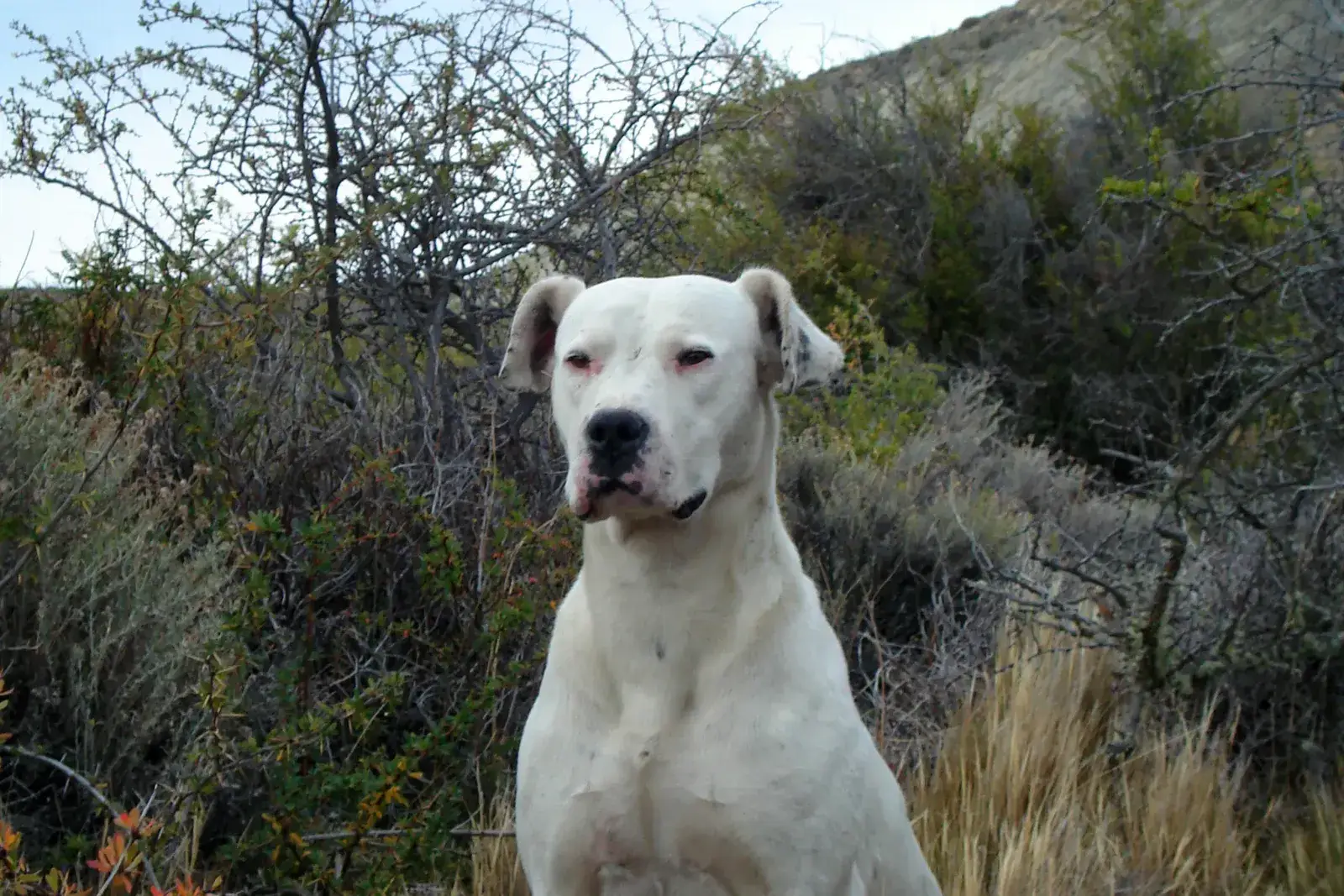
Dr. Antonio Nores Martinez began building it in the 1920s, and his brother Agustin carried the work on afterwards. The aim was a pack dog that could hold big game such as wild boar and pumas, with the courage of the old Cordoba fighting dog but more size, speed and nose. It is the only Argentine breed recognised by the FCI. It is also a legally restricted breed: it is a banned type in the UK and listed in New Zealand law, so anyone considering one must check local rules first. It is a breed for experienced, well-informed owners with space, time and a clear plan. Roughly a quarter of tested dogs have some hearing loss, which is the main health point to know about.
Dogo Argentino quick facts
 Related breedBoerboel1650 to 1983 · South AfricaEarly Modern Era
- Closest DNA relatives
- No DNA links recorded in this site's Parker 2017 data
- Country of origin
- Argentina (Cordoba)
- Period of development
- Started 1928 (atlas data: 1928 to 1973); first shown 1947; FCI recognition 1973
- Original job
- Big-game hunting in packs: wild boar, peccary, puma
- Founders
- Dr. Antonio Nores Martinez and his brother Dr. Agustin Nores Martinez
- Type
- Mastiff / molossoid (FCI Group 2, Section 2.1; FCI standard no. 292; AKC Working Group since 1 January 2020)
- Height
- About 60 to 68 cm (FCI, as reported); AKC 61 to 67 cm dogs, 61 to 65 cm bitches
- Weight
- About 40 to 45 kg (FCI, as reported; AKC 40 to 45 kg dogs, 40 to 43 kg bitches)
- Coat
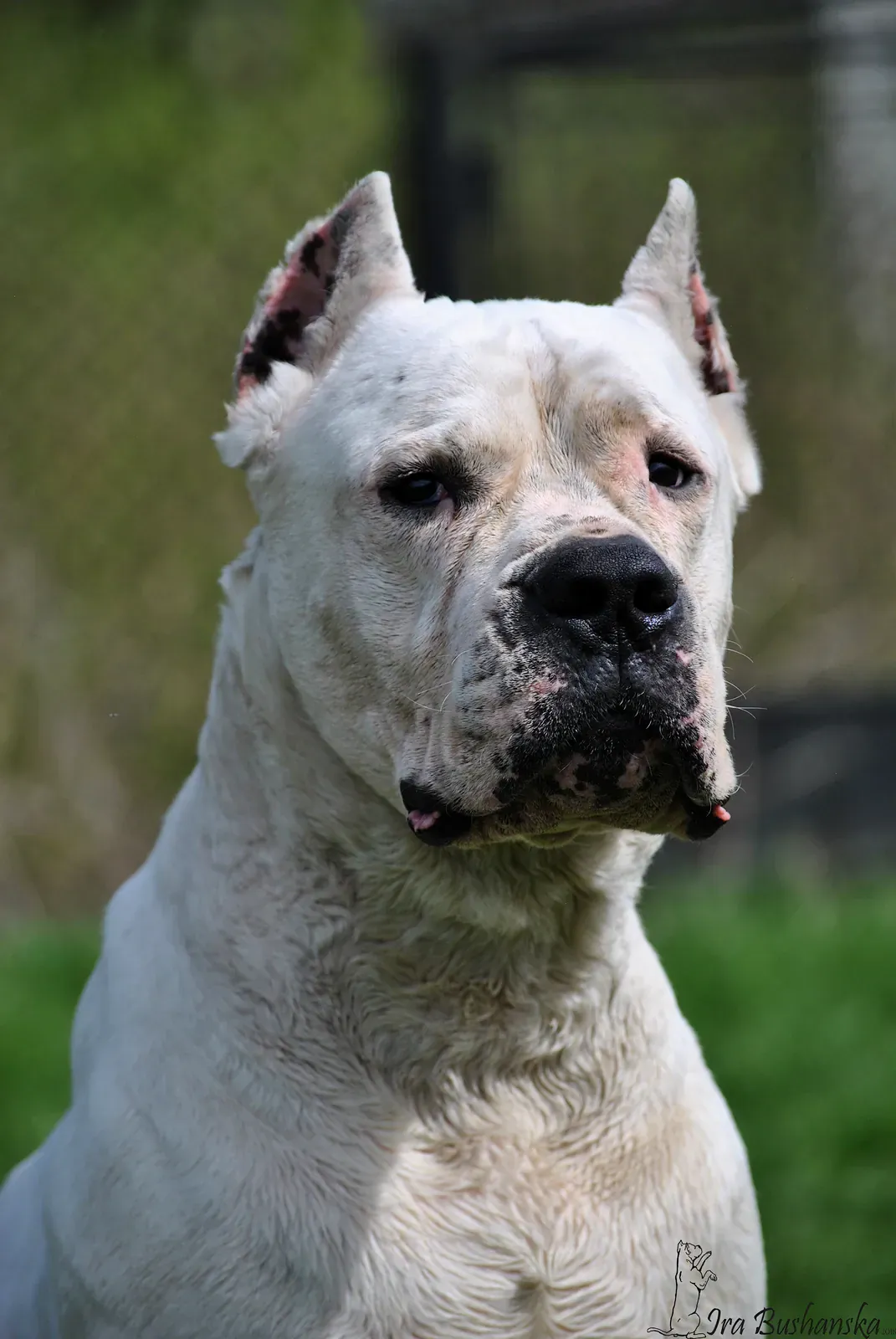
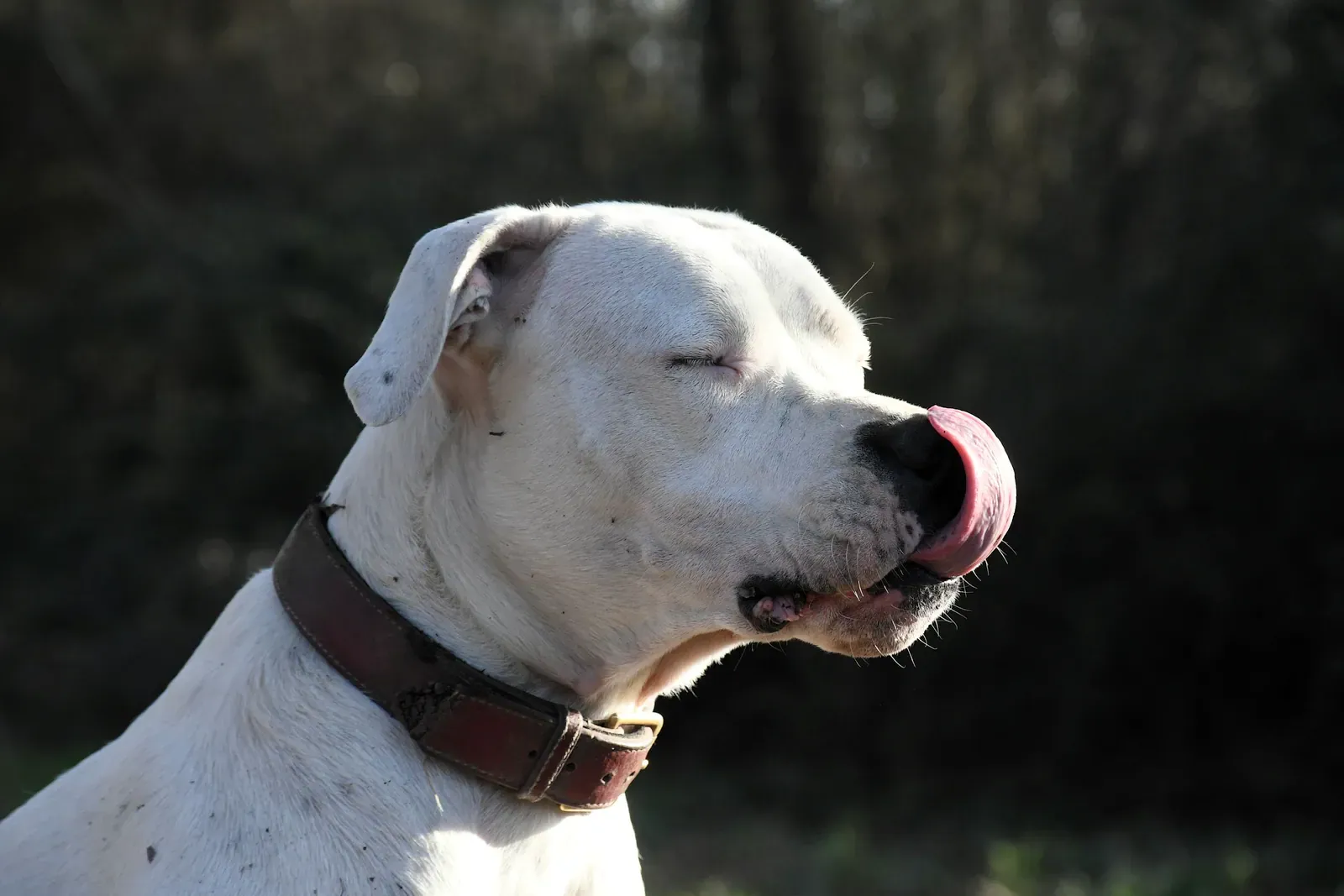
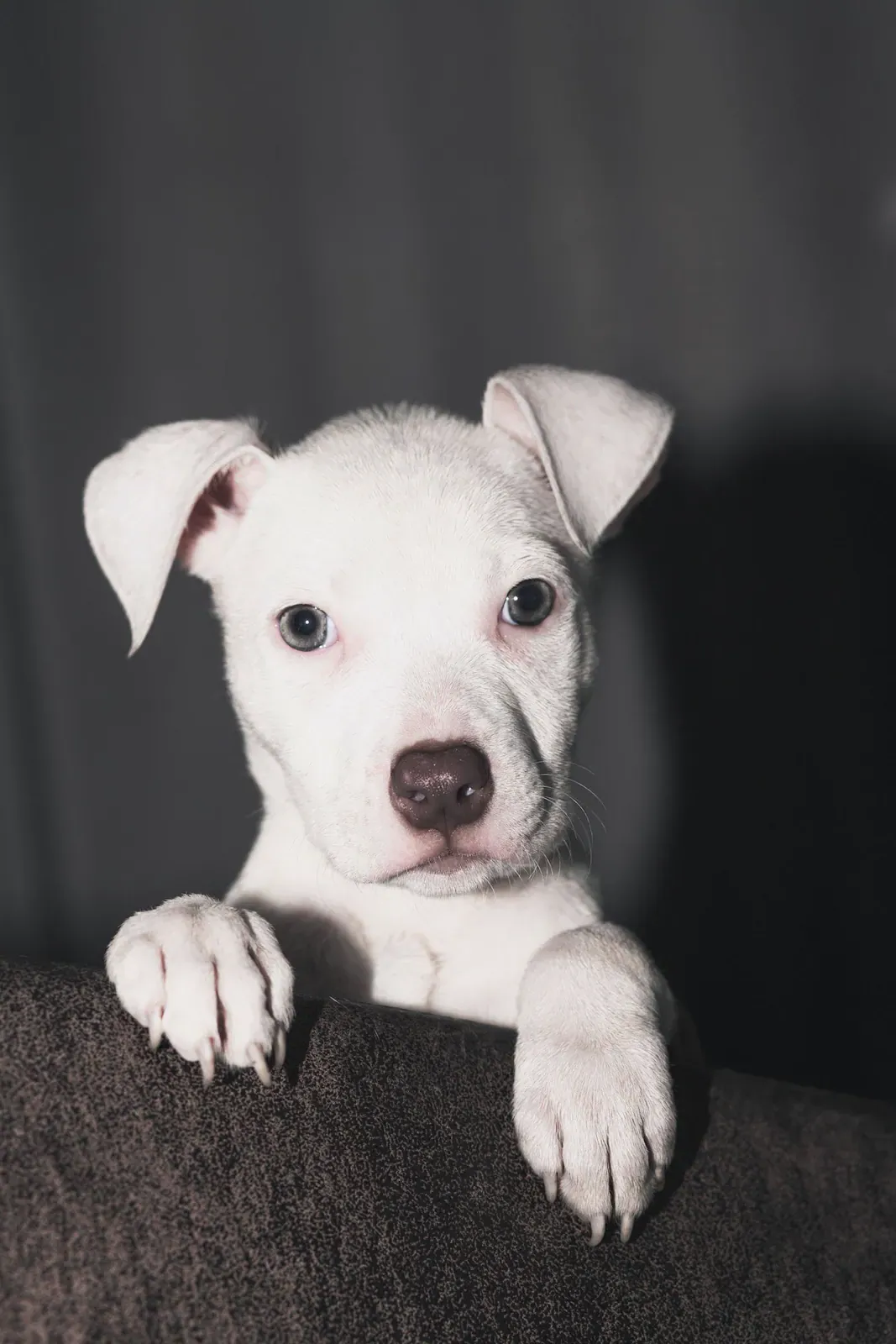
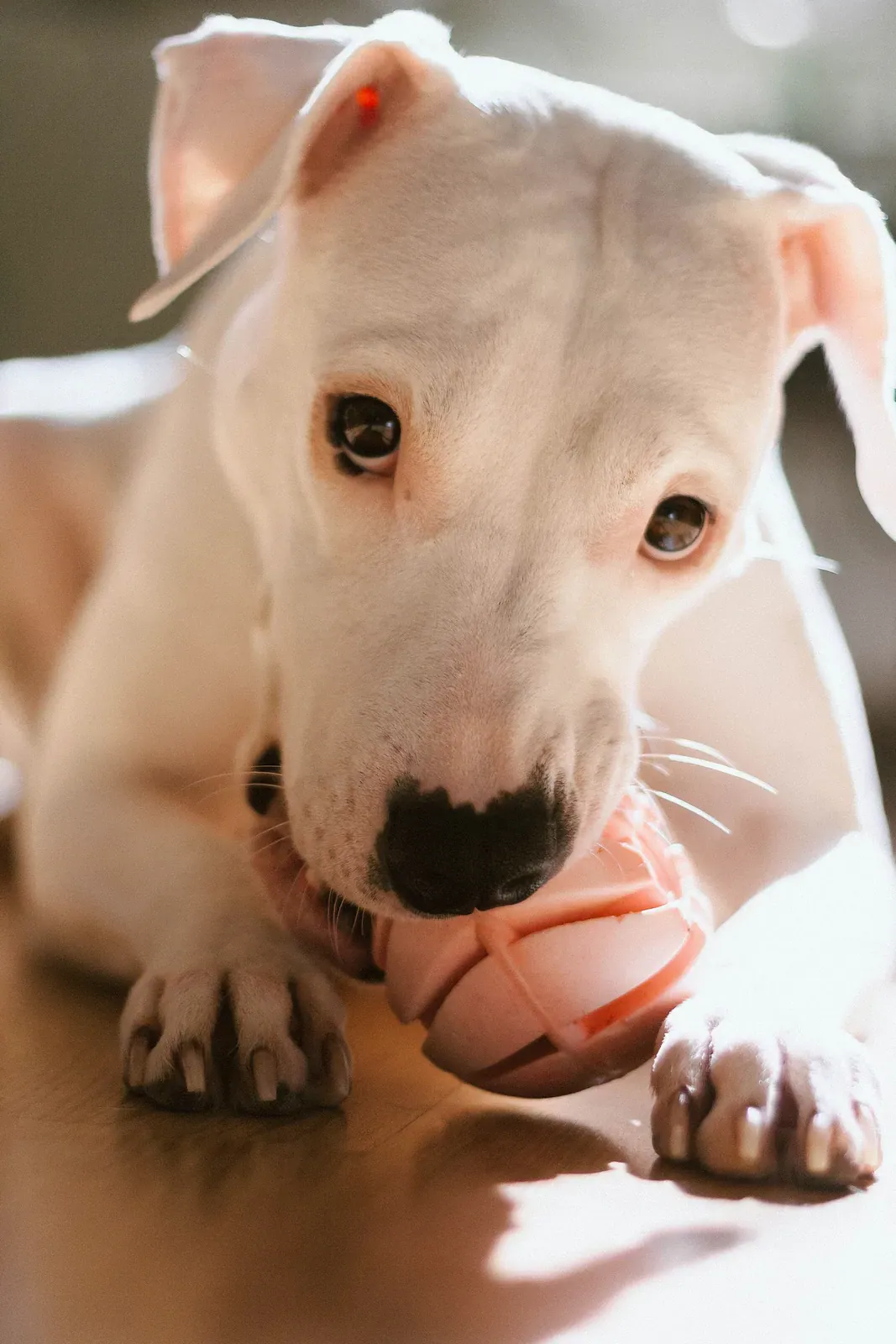
- Short, smooth, white
- Life span
- Atlas data: 10 to 15 years. No -type median found
- Hearing
- About 1 in 4 tested dogs deaf in at least one ear (Strain 2021, 811 dogs)
- Legal status
- Banned type in the UK; listed in New Zealand's Dog Control Act; restricted elsewhere (see below)
Drawn to scale in real centimetres. Its back reaches about 65 cm, mid-thigh; its head about 82 cm, your hip.

Where it sits in the tree
Modern Era · 1914 to today
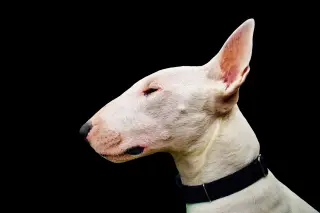
Name and origin
 Related breedBoston Terrier1870 to 1893 · United StatesVictorian Breed Boom
"Dogo" is Spanish for a mastiff or bulldog-type dog, so the name reads as "Argentine mastiff". The breed's home is the province and city of Cordoba in central Argentina,.
The story starts with a different dog. The Viejo Perro de Pelea Cordobes (old fighting dog of Cordoba) was a local fighting type, built on mastiff, bulldog and terrier blood according to this site's data. Dogs of this kind were bred for pit fights, and by the 1920s the type was fading. Antonio Nores Martinez, then a young student who later became a physician, saw the fighting dog's courage and bite as a useful base. His plan was not a fighting dog but a hunting dog with the same grit, which could work in the open country of Argentina.

History
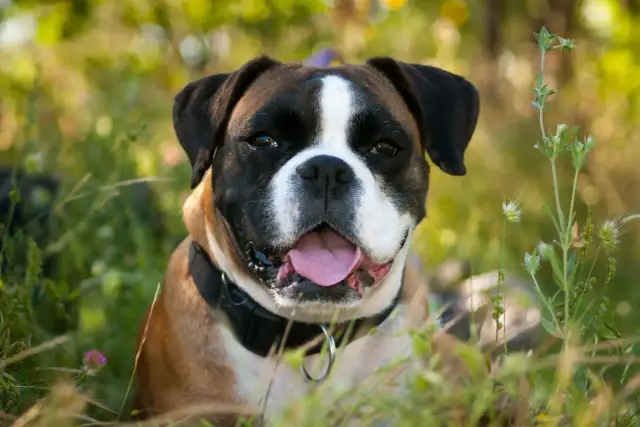 Same eraBoxer1880 to 1904 · GermanyVictorian Breed Boom
The Nores Martinez brothers
Sources agree on the broad outline, and differ on details. Antonio Nores Martinez began the project in 1928 in Cordoba, with his brother Agustin working beside him. Agustin is credited by the FCI history text with the work that led to FCI recognition in 1973, which is why he is described as Antonio's successor. Different sources call the work "started in the 1920s" and "started in 1928"; the year 1928 is the one used in this site's data and in Wikipedia.
Wikipedia's account says Antonio began with a Bull Terrier bitch, strong in fighting ability, bred to a spotted bulldog-type fighting dog from the Cordoba type. He then selected and inbred their offspring, choosing for white coat and rejecting any dog with an undershot jaw. The first crosses therefore came from the fighting dog and the Bull Terrier. By the twelfth generation, the same account says, the dogs bred true.
Which breeds were crossed?
Accounts differ, so the list below is labelled by how well it is supported.
| Breed | What it is said to have added | Support |
|---|---|---|
| Cordoba fighting dog | Fighting courage, the base of the breed | Agreed by all accounts |
| Bull Terrier | White coat, fighting ability | Agreed by Wikipedia and the AKC |
| Pyrenean Mastiff | Calmer temperament, size; added in about the eighth generation | Wikipedia (generation); AKC (temperament) |
| Great Dane (harlequin) | Height | AKC; also in Wikipedia's list |
| Pointer | Scenting ability | AKC only |
| Boxer | Later cross; no early foundation role found | Wikipedia's list; unclear |
| Irish Wolfhound | Speed and size, as later crosses | Wikipedia's list; unclear |
| Dogue de Bordeaux | Later cross | Wikipedia's list; unclear |
| Spanish Mastiff | Later cross | Wikipedia's list; unclear |
Treat the last four rows as uncertain. They appear in lists of the breed's ancestry but no early source naming them as foundation crosses turned up in the searches done for this article. The first rows are the ones with real agreement. Written records of 1920s breeding in Argentina are thin, and many accounts retell the same few documents.
Hunting, first show, recognition
The aim was always hunting. Antonio liked hunting, took the new dogs on trips, and found they would work boar, peccary, puma and other large country predators. The AKC's account credits the Pointer with scenting ability and the Great Dane with height, which fits a dog meant to find, follow and hold large game.
The breed was shown in public on 28 September 1947, at the hunting-dog show of the Buenos Aires Hunters Club, held at the Argentine Rural Society grounds. The Argentine kennel federation (Federacion Cinologica Argentina) recognised it in 1964. In 1973 the FCI accepted the breed, the first and still the only Argentine breed in its list. The AKC added it to the Working Group on 1 January 2020. The UK Kennel Club does not register it, since it is a banned type there.
One source puts the breed's creation in the first half of the 19th century. That conflicts with every other account and looks like an error; this article follows the 1920s dates.
Relatives and DNA
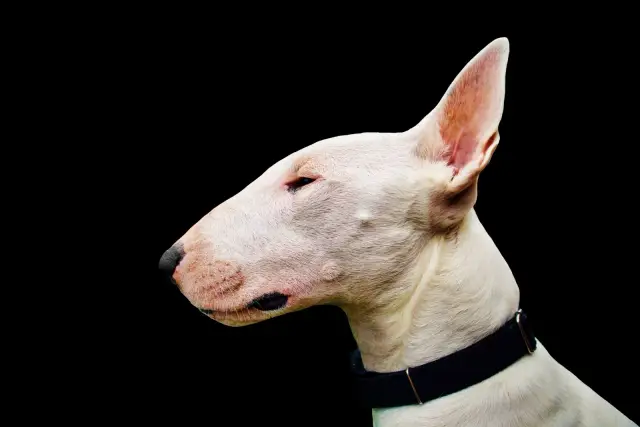 Same familyBull Terrier1850 to 1888 · United KingdomVictorian Breed Boom
This site's breed data lists the Cordoba fighting dog and the Bull Terrier as the main parents of the Dogo Argentino, with the Pyrenean Mastiff as a documented later cross. It places the breed in the European Mastiff family, which is a project lineage label drawn from those parent links. This site's copy of the Parker et al. 2017 study (Cell Reports, 1,346 dogs from 161 breeds, 23 clades) records no shared-DNA links and no for the Dogo Argentino. So there is no genetic confirmation of the history above in the database. The story rests on breeders' accounts.
Close relatives by name:
- Dogue Brasileiro. A Brazilian dog listed as a sibling breed in the atlas data.
- Miniature Bull Terrier and Gull Terrier. Also listed as siblings through the Bull Terrier line.
- Bull Arab. An Australian pig-hunting type, listed as a sibling in atlas data.
The Dogo's closest-resembling working cousins are the Fila Brasileiro and the Presa Canario, although they come from other lines and are not shown as relatives here. They share one thing: all three are on New Zealand's restricted list.
Sister breeds · 4
- Gull Terrier1800 to 1900
- Miniature Bull Terrier1870 to 1939
- Bull Arab1970 to 1990
- Dogue Brasileiro1978 to 2001
The breed standard
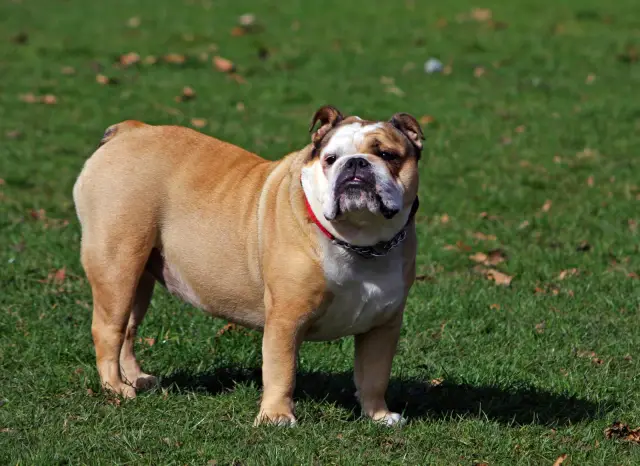 Looks relatedBulldog1835 to 1875 · United KingdomIndustrial Revolution
A is the written ideal for a breed that kennel clubs judge dogs against. The Dogo Argentino has an FCI standard (no. 292), an AKC standard and a UKC standard. The UK Kennel Club has none, since the breed is banned there. FCI figures below come from a secondary source quoting the FCI text; the full FCI document could not be read for this article, so treat the FCI column as "as reported".
| Trait | FCI (no. 292, as reported) | AKC | UKC |
|---|---|---|---|
| Height, dogs | About 60 to 68 cm | 24 to 26.5 in (61 to 67 cm); ideal 25 to 25.5 in | 24.5 to 27 in (62 to 69 cm) |
| Height, bitches | About 60 to 65 cm | 24 to 25.5 in (61 to 65 cm); ideal 24.5 to 25 in | 23.5 to 25.5 in (60 to 65 cm) |
| Weight | About 40 to 45 kg dogs, a little less for bitches | About 88 to 100 lb (40 to 45 kg) dogs, 88 to 95 lb (40 to 43 kg) bitches | Not listed |
| Coat | Short, smooth | Short, completely white | Short; whiter dog preferred |
| Markings | White, selected completely white from the start | One dark mark on the head is allowed in some standards | One dark mark on the head, up to 10% of the head; light ticking allowed |
| Height faults | Not listed | Height outside the range is a disqualification | Not listed |
The standards describe a strong, athletic, muscular dog with a broad, powerful head, a strong neck, deep chest and a level . The picture is of a mastiff-type build moving with a lighter, quick gait. The FCI history text records that the founder selected completely white dogs for breeding.
White coat. All the standards want white. The AKC page describes a "completely white" short coat. The UKC standard lets one dark patch on the head, no more than 10% of its area, and counts a solid patch anywhere else as a disqualification. The detail of the AKC marking rule was not retrieved, so check the full AKC standard. The white coat is tied to the next big issue: hearing.
Temperament
 Related breedBullmastiff1860 to 1924 · United KingdomVictorian Breed Boom
Breed clubs describe the Dogo as courageous, loyal and protective of its family, with a steady calm indoors when exercised. Those traits come from its job: a dog bred to hold dangerous game needed courage, but also had to tolerate a pack of other dogs and the hunters around it. That is why the Pyrenean Mastiff blood, said by the AKC to give calm, is part of the story.
What that means at home, in plain words:
- Strong and confident. An adult weighs 40 to 45 kg and stands about hip height on a person; it is easy to underestimate how hard it can pull on a lead.
- Dog-to-dog. It was bred to work with a pack, but fighting-dog lines carry a history of dog aggression. Early, wide socialisation with other dogs is standard advice from breed groups.
- Prey drive. Bred to chase and hold boar and puma, so cats, rabbits and other small animals running past may trigger it. Evidence on living with small pets is thin and individual dogs vary.
- People. It is described as devoted to its own household and reserved with strangers. A well-socialised dog should read a visitor calmly; an unsocialised one may not.
None of this is a law of the breed. Temperament depends on breeding, early handling and daily life, and the descriptions above are from breed clubs and standards, not from a controlled behaviour study. No named behaviour study for the Dogo Argentino was found for this article, so no bite or aggression figures are given.

Working instincts and training
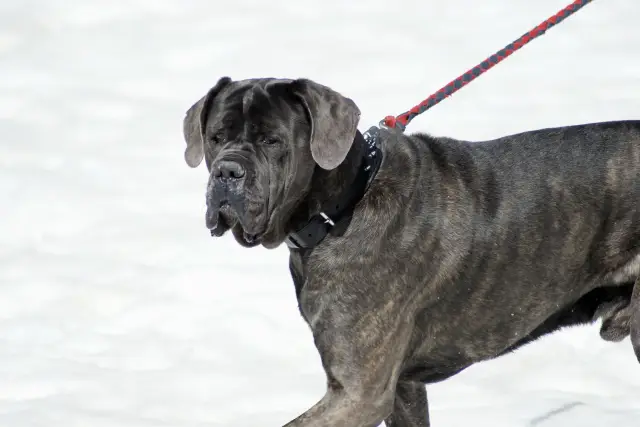 Related breedCane Corso1000 to 1996 · ItalyEarly Middle Ages
The Dogo was built for hunts that last hours and need stamina. Expect a dog that wants to move, follow a scent, and work with its person.
- Exercise. Plan on a long daily walk or run plus real off-lead work in a secure area. Boredom is a typical way a muscular dog turns destructive.
- Training. Start the day the puppy arrives. Short, calm, reward-based sessions work better than force. Because of its strength, lead manners and a solid recall matter early. A trainer who knows molossoid or hunting breeds helps.
- Socialisation. In the first year, meet many people, dogs, surfaces and sounds. The breed's size makes this harder to fix later.
- Hunting today. Hunting is the breed's original purpose, and a regional breed club describes it as the best dog among those used for boar, peccary and puma. Outside hunting countries it is mostly a companion and guard dog.
Health
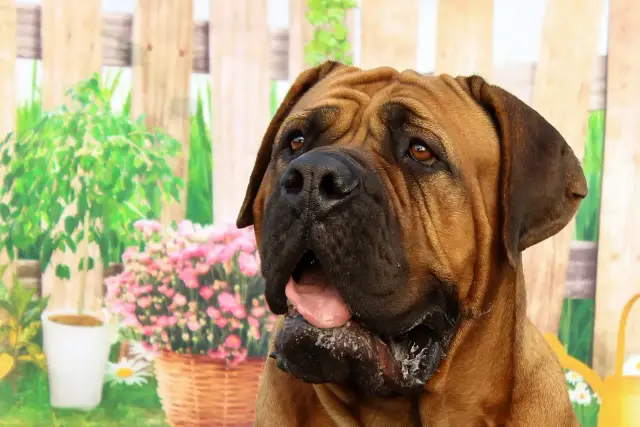 Related breedDogue de Bordeaux1300 to 1896 · FranceLate Middle Ages
Most Dogos live healthy lives. Atlas data gives a life span of 10 to 15 years. No national veterinary-record median was found. This section lists what breeders screen for and what owners can watch for. Only conditions with named studies have figures.
| Condition | What it is | How common | What helps |
|---|---|---|---|
| Congenital sensorineural deafness | The inner ear's hearing cells fail to develop; present from birth, in one ear (unilateral) or both (bilateral) | In 811 US dogs tested by BAER: about 1 in 4 deaf in at least one ear (25.77%), about 1 in 5 in one ear only (20.35%), about 1 in 18 in both (5.43%) (Strain, 2021). In 299 dogs in Argentina: about 27%, about 1 in 6 in one ear, about 1 in 10 in both (Pellegrino et al., 2009) | BAER hearing test of every puppy at about 5 to 8 weeks; do not breed from deaf dogs; ask for results |
| Hip joint that fits loosely and wears early | No breed-specific prevalence found; OFA all-breed average is not a breed figure | Hip scoring of both parents, lean weight, controlled puppy growth | |
| Skin and sun sensitivity | Short white coat and pale skin burn and can develop growths | No breed figure found | Shade, covering up at midday, regular skin checks, vet review of new lumps |
| Weight and joints | Heavy dog on hard surfaces | No breed figure found | Lean body condition, non-slip floors |
Deafness, in plain words
Deafness in the Dogo is one of the best-documented problems of any white-coated breed. It is linked to pigment: the cells that colour the coat and the cells that carry hearing in the inner ear come from the same early cell source. The Strain 2021 paper ("Congenital sensorineural deafness in Dogo Argentino dogs: Prevalence and phenotype associations", 811 dogs) found dogs without a head patch had a higher rate of deafness than dogs with one. It could not test the blue-eye link, since too few dogs had blue eyes. The Pellegrino 2009 report from Argentina, the first for the breed, found 27% of 299 dogs affected, and stressed that unilateral deafness (the majority) is easy to miss. A dog deaf in one ear hears normally enough that owners often notice nothing.
A smaller Polish study (Plonek et al., Acta Veterinaria Hungarica, 2016) found 12 of 32 Dogos deaf. With so few dogs the figure is weak and is not used for the "1 in N" above. A table by the Louisiana State University hearing lab lists 736 Dogos, 26.5% deaf in total, but its author flags the Dogo row as too small to be reliable and it is self-collected.
What this means for a buyer. A BAER test is a painless brain-wave test that vets and some breeders can do from about 5 to 6 weeks. Responsible breeders test every puppy. A bilaterally deaf dog can live well with training (hand signals, vibration, a calm routine), but it needs an owner prepared for it. A unilaterally deaf dog is usually a normal pet, but should not be bred.
Other points
No named study gave a breed-specific figure for hip dysplasia or other joint disease in the Dogo Argentino. An overall OFA analysis put canine hip dysplasia at 15.56% across all breeds, which is not a Dogo number and is not used as one. Breed groups advise hip x-rays as a pre-breeding test. Slow, controlled growth is advice for all large and giant puppies. For the sun-sensitive skin of a short white coat, general vet advice applies.

Breed laws and restrictions
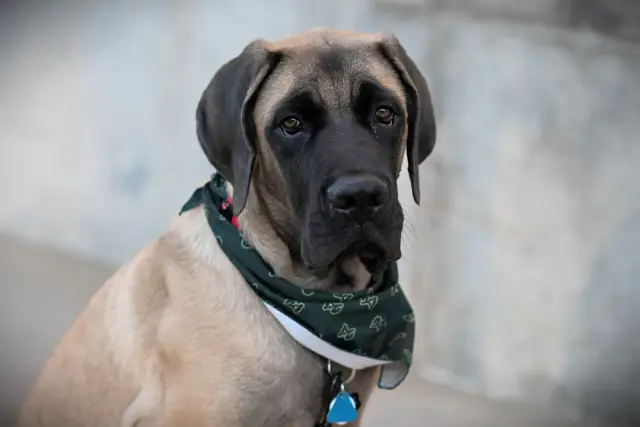 Related breedEnglish Mastiff1300 to 1880 · United KingdomLate Middle Ages
The Dogo Argentino is restricted in several places, and rules change. The notes below are dated to the sources used; check the official page for your country before buying, importing or travelling. An overview by country is in banned dog breeds by country.
| Place | What the sources say | Strength of the source |
|---|---|---|
| United Kingdom (England and Wales) | A banned type under the Dangerous Dogs Act 1991 and the Dangerous Dogs (Designated Types) Order 1991, alongside the Pit Bull Terrier type, Japanese Tosa and Fila Brasileiro. Owning, breeding, selling, exchanging or abandoning one is illegal unless the dog is on the Index of Exempted Dogs. Penalties of up to six months in prison or a fine of up to GBP 5,000 are cited by a local council. A court judges the dog's type by its build and traits, not its papers | Several UK council pages; the official gov.uk page was not read |
| New Zealand | Listed as a breed in Schedule 4 of the Dog Control Act 1996. Import is prohibited (section 30A) and dogs are classed as menacing: leashed and muzzled in public, with neutering required in some cases. The Schedule can be changed by Order in Council | NZLII legislation page and council pages |
| Australia | Sources conflict. One travel source says importing is not permitted; another says there is no nationwide ban but some states restrict ownership | Secondary sources only; verify |
| Denmark, Norway | Banned | Listed by the Danish Veterinary and Food Administration and the Norwegian Food Safety Authority (Mattilsynet) |
| Cyprus, Singapore, Turkey | Often listed as banned | Check the national authority before travelling or moving |
| Spain | Reported to require an owner licence | Single secondary source; not confirmed |
| United States | No national ban; some cities, counties and landlords or insurers restrict it | Secondary source; varies locally |
The calm summary: the Dogo is not a ban in most places, but it is a legal question first. A dog that cannot lawfully be owned, imported or taken to a neighbouring country is not a dog to buy on impulse. Insurance, rental homes and travel are all affected.
Living with a Dogo Argentino
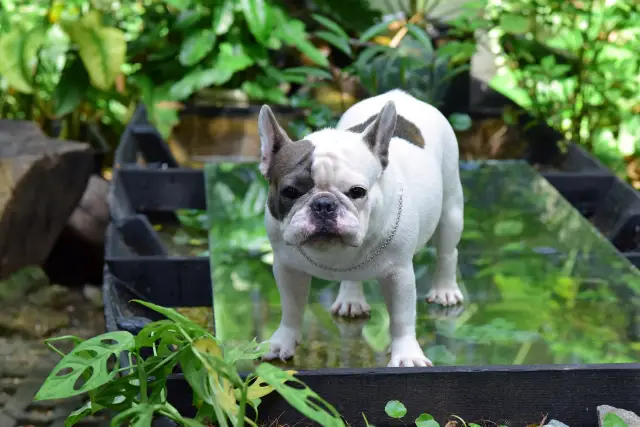 Related breedFrench Bulldog1850 to 1898 · FranceVictorian Breed Boom
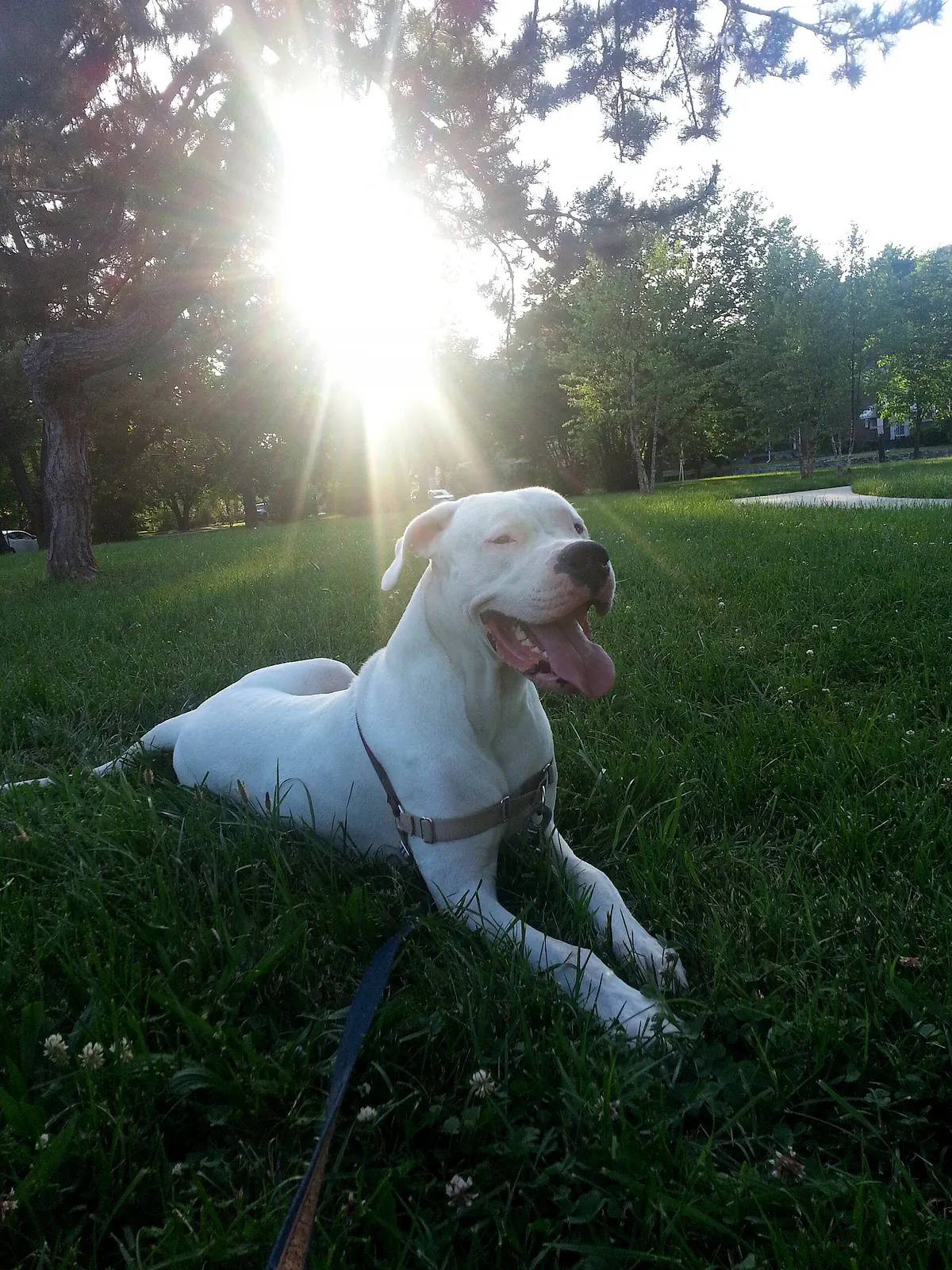 Save
| Daily reality | Rating | Why |
|---|---|---|
| Exercise per day | High | Built for hours of hunting; plan long daily outings and off-lead work |
| Training needs | High | Strong, independent working dog; early training and socialisation |
| Grooming | Low | Short smooth coat; weekly brushing is enough |
| Shedding | Medium | Short white hairs show on everything; no source rates amount |
| Barking | Varies | Depends on the individual and training; no source found |
| Time alone | Poor | Pack-bred, family-bonded; long hours alone are not suited |
| Children | Varies | Big, strong, powerful; calm trained dog and strict supervision |
| Other dogs | Varies | Fighting-dog ancestry; early socialisation, careful introductions |
| Cats and small pets | Poor | Bred to hunt and hold game; evidence is thin but risk is real |
| Flat living | Fair | Calm indoors if exercised, but large and needs outings |
| Heat tolerance | Fair | White short coat; sun-sensitive skin; no source rates it; shade and cool-hour exercise |
| Cold tolerance | Fair | Short coat with little undercoat; no source rates it |
| First-time owner fit | Poor | Strength, legal limits and training needs favour experienced owners |
A great fit if
- You are experienced with large or molossoid breeds, or have a trainer lined up from day one.
- You live where the breed is legal and can show it (papers, insurance, landlord approval).
- You have an active routine with daily long outings and a secure garden.
- You will socialise the puppy widely and keep it that way for life.
Think twice if
- You live in the UK, New Zealand or another place where the breed is banned or restricted.
- You have cats, rabbits or other small pets that live loose in the house.
- You are away most of the day, or want a dog that is easy with every dog it meets.
- You want your first dog, or you cannot handle a strong dog on a lead.
Before you get one
- Health tests. Ask for a BAER hearing result for the puppy and both parents, plus hip scores for both parents. Ask to see original certificates, and ask what the breeder did with deaf puppies.
- Puppy or adult rescue. Breed rescues exist in some countries and place adults whose size and temperament are known. This matters for a strong breed.
- First year. Plan for puppy classes, calm growth-friendly exercise (no heavy running on hard ground while growing), sun care for the white coat and a legal check for travel.
Similar breeds to consider
- Boxer. Strong, playful and legal in far more places, with a short coat and a family-friendly reputation.
- Cane Corso. Italian guardian mastiff, calm with its family, but also a serious training commitment.
- American Bulldog. Athletic, white-and-patched working type, from a different line and with own legal limits.
- Rhodesian Ridgeback. A big-game hunting dog from Africa, athletic and independent, with a calmer indoor manner.

Dogo Argentino fun facts
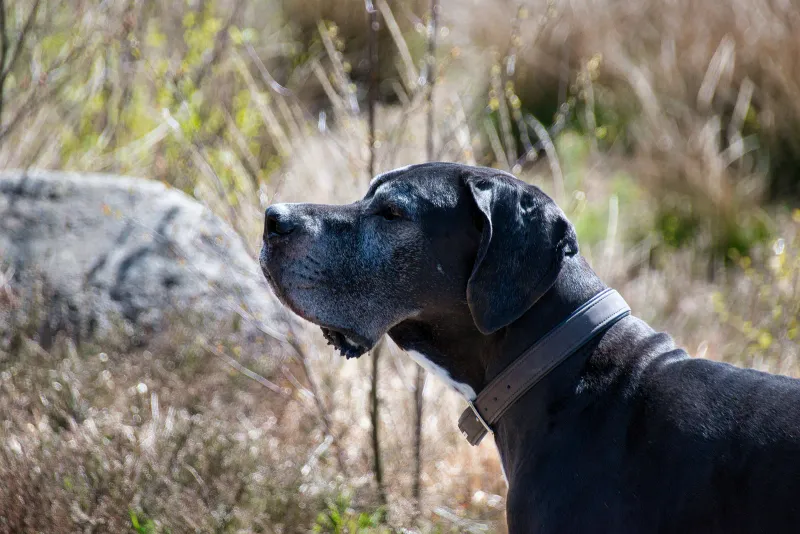 Related breedGreat Dane1600 to 1880 · GermanyEarly Modern Era
- The Dogo Argentino is the only Argentine breed recognised by the FCI, accepted in 1973.
- Its public debut was on 28 September 1947 at a hunting show in Buenos Aires.
- The breed's white coat was chosen by the founder from the start; a white dog is easier to see in dense bush at dusk. That reason is a common explanation but is not documented, so it is a likely reason, not a proven one.
- Roughly 1 in 4 tested Dogos is deaf in at least one ear (Strain 2021), yet most of these dogs are unilaterally deaf and live normal pet lives.
Frequently asked questions
Is the Dogo Argentino banned?
In England and Wales it is a banned type under the Dangerous Dogs Act 1991. It is on New Zealand's Schedule 4 list. Other countries are reported to restrict it; check official sources for yours.
Is the Dogo Argentino a good family dog?
In the right home it can be a loyal companion, with a trained, socialised dog and strict supervision around children. Because of its strength, legal limits and training needs, it is not a first dog.
How big does a Dogo Argentino get?
About 60 to 68 cm at the withers and 40 to 45 kg ( as reported, ). Bitches are a little smaller.
Why are Dogo Argentinos deaf?
The white coat gene is linked to a lack of inner-ear hearing cells. In 811 US dogs about 1 in 4 was deaf in at least one ear (Strain 2021). BAER testing finds it in puppies.
How long do Dogo Argentinos live?
Atlas data gives 10 to 15 years. No veterinary-records median was found.
What was the Dogo Argentino bred for?
Big-game hunting in packs: wild boar, peccary and puma. The founders Antonio and Agustin Nores Martinez started from the Cordoba fighting dog in the 1920s.
Read next
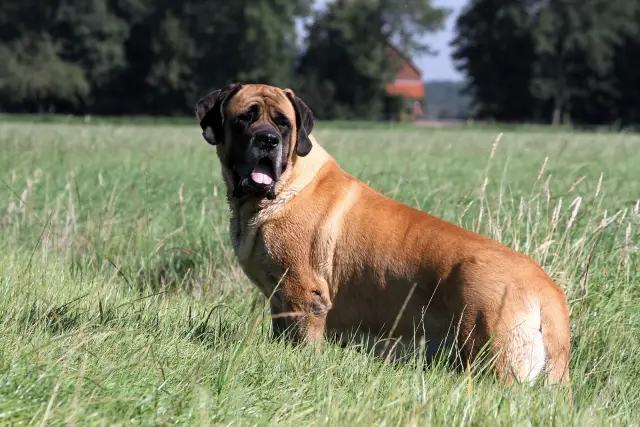 FamilyEuropean MastiffThe whole family
 Adopt a dogDog Shelters in EuropeFind dog shelters in Europe, learn how shelters differ from country to country and why adopting a dog is a good option.
Sources (14)
- Fédération Cynologique Internationale, Dogo Argentino, standard no. 292 (2012 edition) and breed history text.
- American Kennel Club, Dogo Argentino breed standard, breed page and history article; AKC announcement of new breeds from 1 January 2020.
- United Kennel Club, Dogo Argentino breed standard.
- Wikipedia, Dogo Argentino (history, crosses, FCI-quoted figures).
- Encyclopaedia Britannica, Dogo Argentino.
- Modern Molosser, "Antonio Nores Martinez" and "Raul Zeballos of Las Pampas brought first Dogo Argentinos to North America".
- Strain G.M. et al., "Congenital sensorineural deafness in Dogo Argentino dogs: Prevalence and phenotype associations", Veterinary Record, 2021.
- Pellegrino F. et al., "Trastornos de audicion en perros: revision bibliografica y estudio clinico en el Dogo Argentino", Anales de Veterinaria de Murcia, 2009.
- Plonek M. et al., deafness prevalence in dogs, Acta Veterinaria Hungarica, 2016.
- Louisiana State University, Breed-Specific Deafness Prevalence in Dogs (table compiled by G.M. Strain).
- Parker H.G. et al., "Genomic analyses reveal the influence of geographic origin, migration, and hybridization on modern dog breed development", Cell Reports, 2017 (as recorded in this site's breed database).
- Dangerous Dogs Act 1991 and Dangerous Dogs (Designated Types) Order 1991 (UK), via local council guidance (Havant, Renfrewshire, Lincoln).
- Dog Control Act 1996, Schedule 4 and section 30A (New Zealand), via NZLII and council guidance.
- Orthopedic Foundation for Animals, hip dysplasia phenotype scoring and all-breed prevalence analysis.