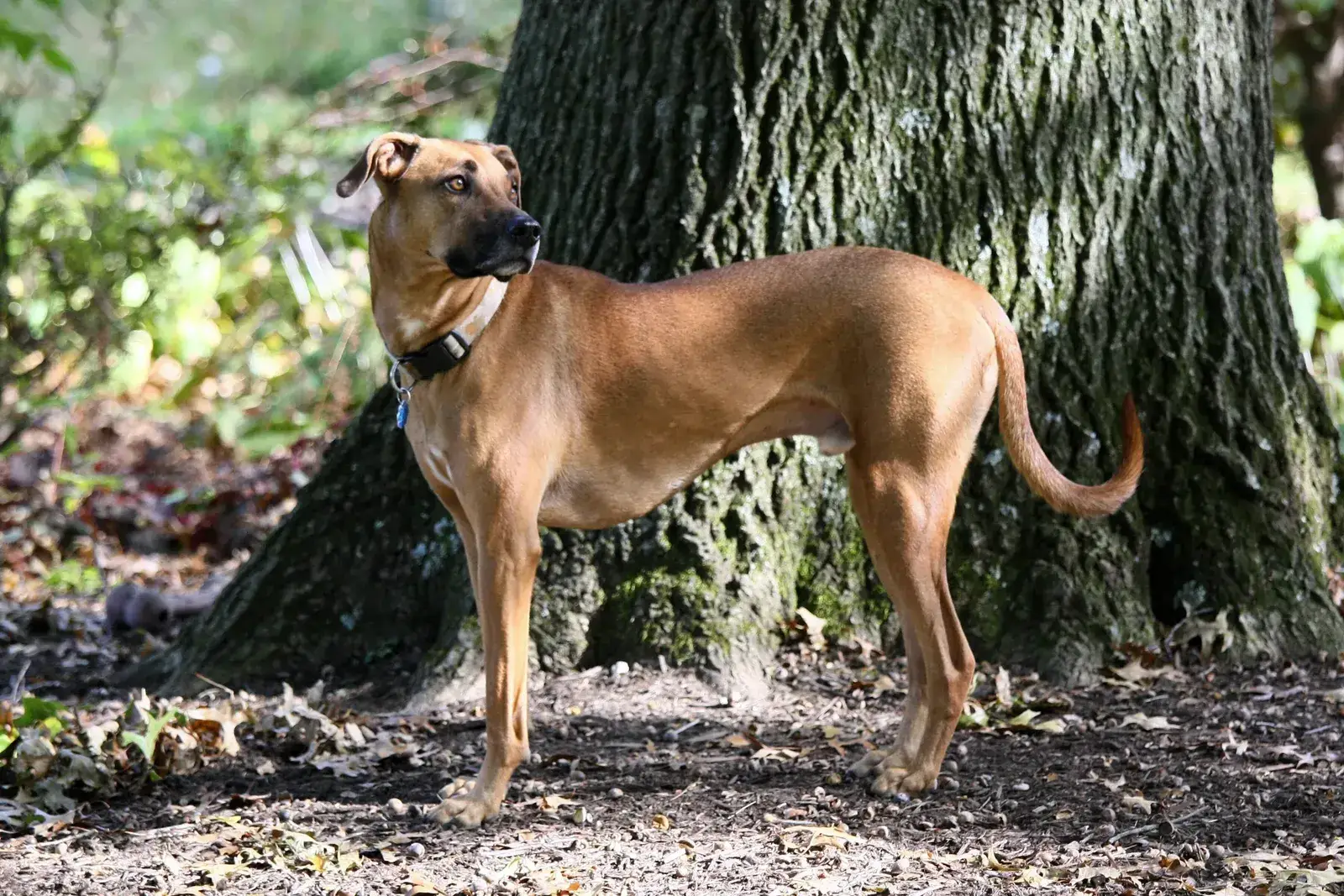
It was an all-round farm and hunting dog: it treed squirrels and raccoons, held wild hogs, moved cattle and guarded the homestead. The United Kennel Club (UKC) recognised it on 1 November 1998. The American Kennel Club () does not recognise it. Its history rests mostly on regional accounts, not written pedigrees, and no breed-specific health study was found, so this article says so where the evidence stops.
Black Mouth Cur quick facts
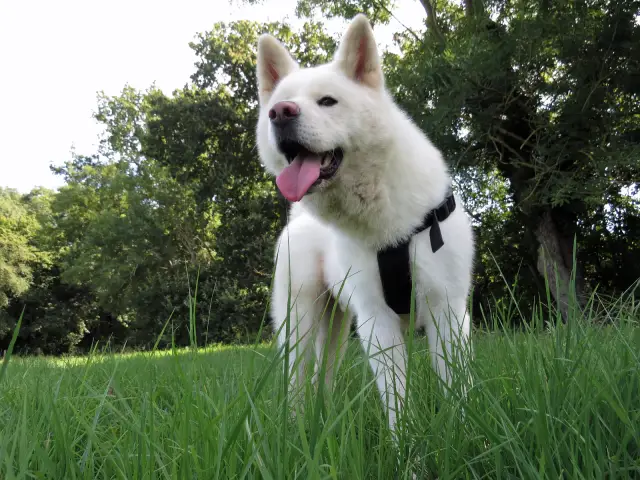 Related breedAkita1600 to 1931 · JapanEarly Modern Era
- Country of origin
- United States (Southern states)
- Period of development
- 1700 to 1900 (atlas data, low confidence)
- Original job
- All-round farm dog: treeing small game, holding hogs, working cattle, guarding the homestead
- Type
- Cur. UKC: recognised 1 November 1998, Scenthound Group (as reported by breed summaries). Not recognised by the AKC, The Kennel Club (UK) or the
- Other names
- Southern Cur, Yellow Black Mouth Cur, Blackmouth Cur
- Size, UKC
- Minimum 46 cm and 18 kg for males, 41 cm and 16 kg for females; no maximum in the standard
- Typical size in practice
- About 41 to 64 cm and 20 to 45 kg (Wikipedia, secondary)
- Life span
- 12 to 16 years (atlas data)
- Family
- American Cur and Feist (an inferred family in our data, not a Parker 2017 DNA )
- Known descendant
- Florida Brown Dog (atlas data)
Drawn to scale in real centimetres. Its back reaches about 44 cm, just below your knee; its head about 55 cm, just above your knee.
Where it sits in the tree
Early Modern Era · 1600 to 1799
Name and origin
 Related breedBernese Mountain Dog1700 to 1907 · SwitzerlandEarly Modern Era
 Save
The name describes the dog. "Black mouth" is the dark muzzle, and "cur" is an old English word for a working mongrel, a dog valued for what it does and not for papers. In the American South the word became a name for a type, the hardy, medium to large farm dog that works close to its owner. Our atlas data records the etymology the same way and gives the origin as the southern states.
Where in the South is not settled. Breed writers point to Tennessee, Mississippi and Alabama, with Texas also mentioned, and most admit that firm records are missing. The atlas data gives a wide window, 1700 to 1900, with low confidence. That window marks the period when records first point to the type, not the birth of a breed.

History
 Same eraBluetick Coonhound1700 to 1945 · United StatesEarly Modern Era
Settlers and their dogs
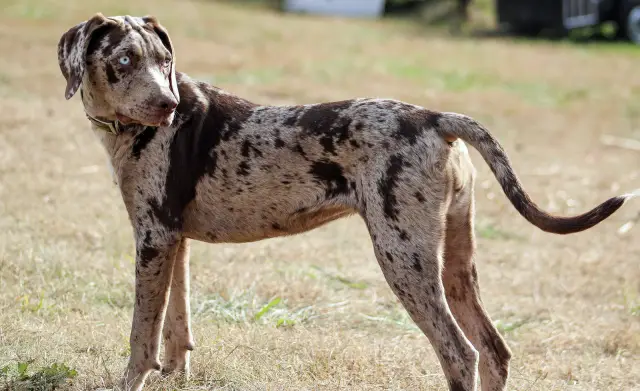
Dogs came with the first European settlers, and the farms of the South needed one dog to do many jobs. Breed accounts describe the Black Mouth Cur as that dog: it hunted squirrel, raccoon, bear and wild boar, moved cattle and guarded the home. The cur type is described in our American Cur and Feist family page, where the Gulf South gave the Black Mouth Cur, the Florida Brown Dog and the Catahoula Leopard Dog.
No studbook from this period exists. Dogs were bred by neighbours for the work they did, which is why regional lines grew up.
Regional lines
 Save
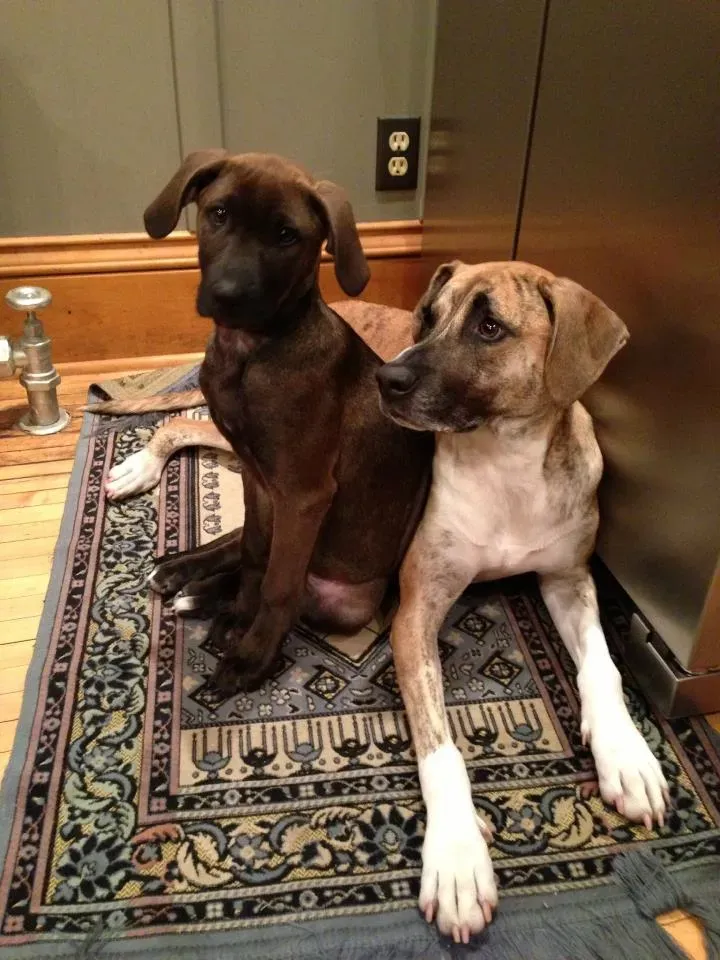
Breed accounts name several lines, among them the Ladner line, the Weatherford Ben line and the Florida lines. One older account says the first dogs to be registered as Ladner Blackmouth Curs were entered with the National Kennel Club in April 1964. That account is secondary, and the date is not documented in registry records, so treat it as undocumented. The origin of the Ladner name is not documented in a primary source.
Registries and the UKC
The Southern Black Mouth Cur Breeders Association is reported, in a summary of the breed, to have formed in 1987 as the first breed-specific club. The association's own records do not confirm this. The UKC recognised the breed on 1 November 1998, according to breed summaries that cite the UKC. The same day is given for the Mountain Cur and Treeing Feist, so the UKC appears to have recognised several cur breeds together.
The AKC does not recognise the Black Mouth Cur. No source covers the AKC Foundation Stock Service for this breed, so no claim is made either way.
Old Yeller
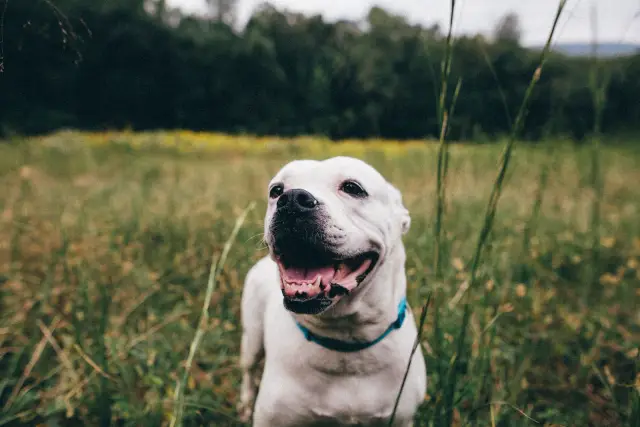
A common claim is that the Black Mouth Cur is the breed of "Old Yeller", the yellow dog in Fred Gipson's 1956 novel. This is a labelled claim, not a fact. Accounts say the novel never names the breed outright, and that the dog in the 1957 Disney film was a retriever and mastiff mix, not a Black Mouth Cur. Some summaries say the film brought the breed its fame, but the UKC recognition came forty years later, so any link between the two is loose. The fair summary is that the yellow Black Mouth Cur fits the book's description, and fans of the breed have adopted the character.
Cur vs hound
 Related breedBoerboel1650 to 1983 · South AfricaEarly Modern Era
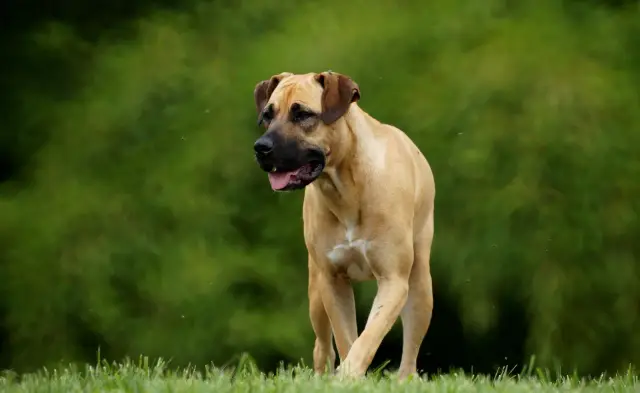
People often ask whether a Black Mouth Cur is a hound. In practice descriptions, a hound follows a scent trail at a distance and gives voice as it goes. A cur works closer to the hunter, trees game, holds it at bay and also works stock. A cur uses sight and sense as well as scent. The UKC lists the Black Mouth Cur in its Scenthound Group, which shows how the line between a cur and a hound blurs, since the UKC grouped many treeing breeds there. This comparison comes from breed descriptions, not a study.
| Point | Cur (such as the Black Mouth Cur) | Hound (such as a coonhound) |
|---|---|---|
| Main job | Several: treeing, holding hogs, cattle, guarding | One main hunting task |
| Works | Close to the hunter | Often at a distance, by scent |
| Around the home | A working farm dog and a guard | Mostly a hunting specialist |
Uses
 Related breedBorder Terrier1700 to 1920 · United KingdomEarly Modern Era
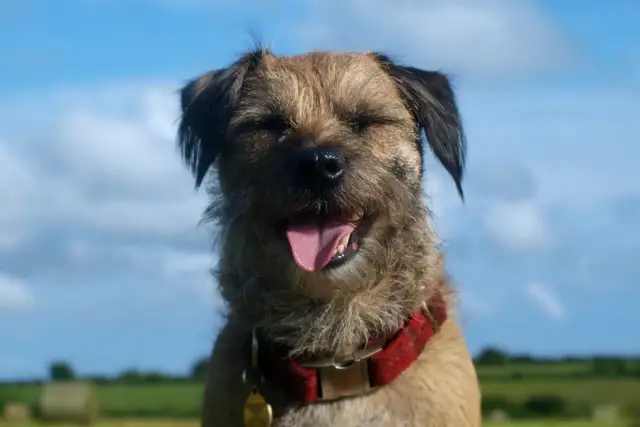
- Squirrel and raccoon. The dog finds game, trees it and barks until the hunter arrives. Breed accounts describe this as a main job.
- Hogs. Curs find, hold and bay wild hogs. This is hard and risky work, and dogs are often hurt.
- Cattle. Black Mouth Curs are described as able to drive and gather cattle on southern farms.
- Guarding. The dog is protective of the home and watchful with strangers.
- Companion. Modern owners keep many as active family dogs and sport dogs.
Relatives and DNA
 Same familyCoton de Tulear1600 to 1970 · MadagascarEarly Modern Era
Our data places the Black Mouth Cur in the American Cur and Feist family. This is not a DNA family: none of these dogs was tested in the Parker et al. (2017) dog breed study, so there are no shared-DNA figures for it. The family is grouped from history, work and land.
The one written relationship is with the Florida Brown Dog, which our data describes as having the Black Mouth Cur as a known contributor (medium confidence).
 Florida Brown DogBlack Mouth Cur is a known contributorFlorida Brown DogBlack Mouth Cur is a known contributor
Other American curs, such as the Mountain Cur, come from the Appalachians. They are cousins by job and region, not proven by genetics.
Descend from it · 1
- Florida Brown DogUnited States
The breed standard
 Looks relatedDachshund1600 to 1888 · GermanyEarly Modern Era
 Save
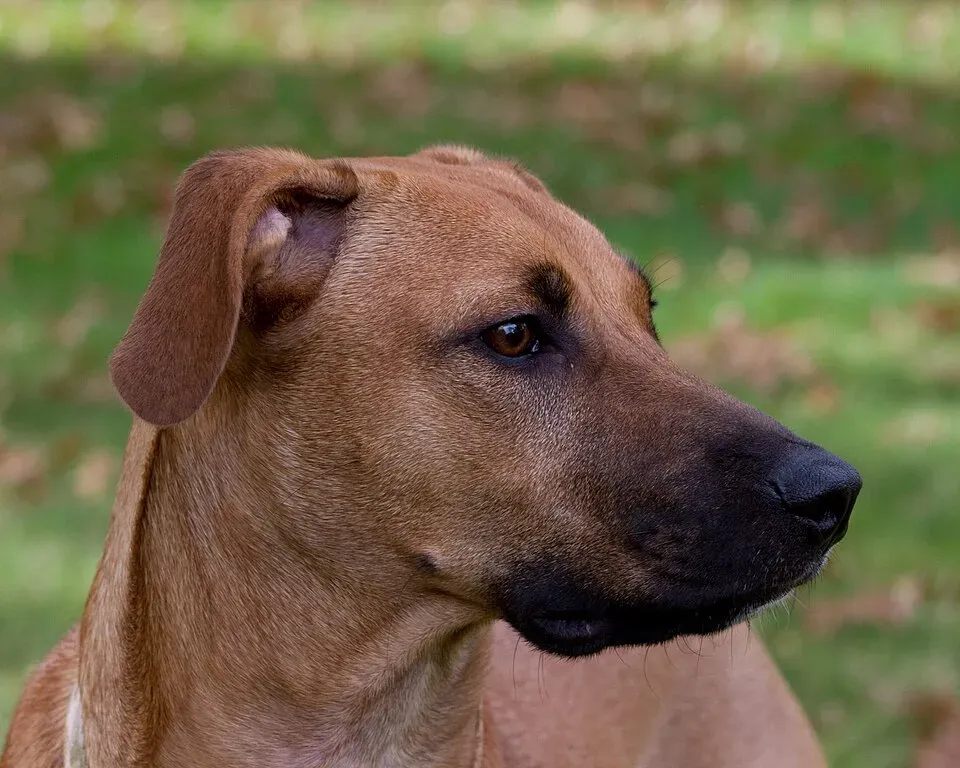
A is the written ideal a kennel club judges dogs against. Only the UKC has a standard here, and it sets minimum sizes without maximums.
| Trait | What the standards say |
|---|---|
| Recognition | UKC: recognised 1 November 1998. AKC, The Kennel Club and FCI: not recognised |
| Height, UKC | At least 46 cm for a mature male and 41 cm for a mature female |
| Weight, UKC | At least 18 kg for a male and 16 kg for a female |
| Condition, UKC | A working dog, shown in hard, muscular condition |
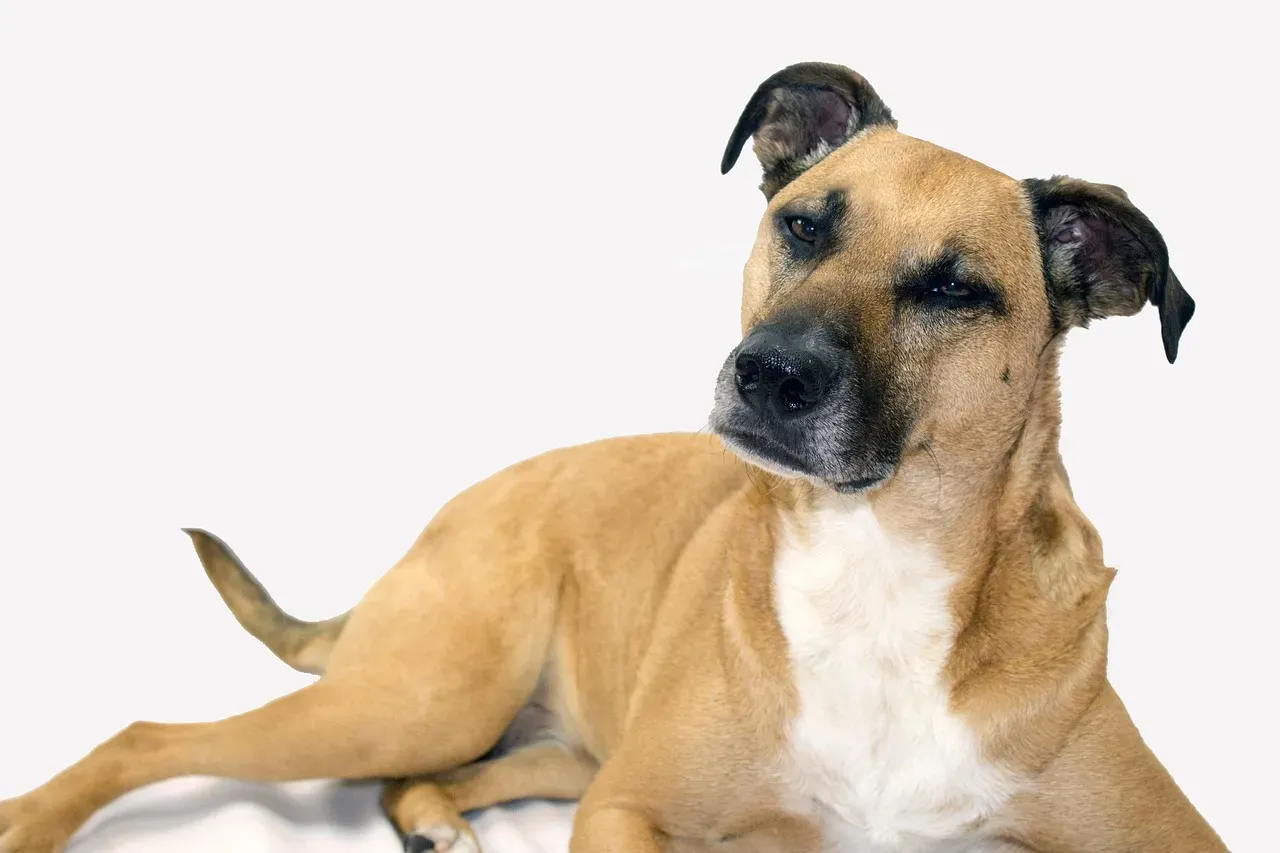
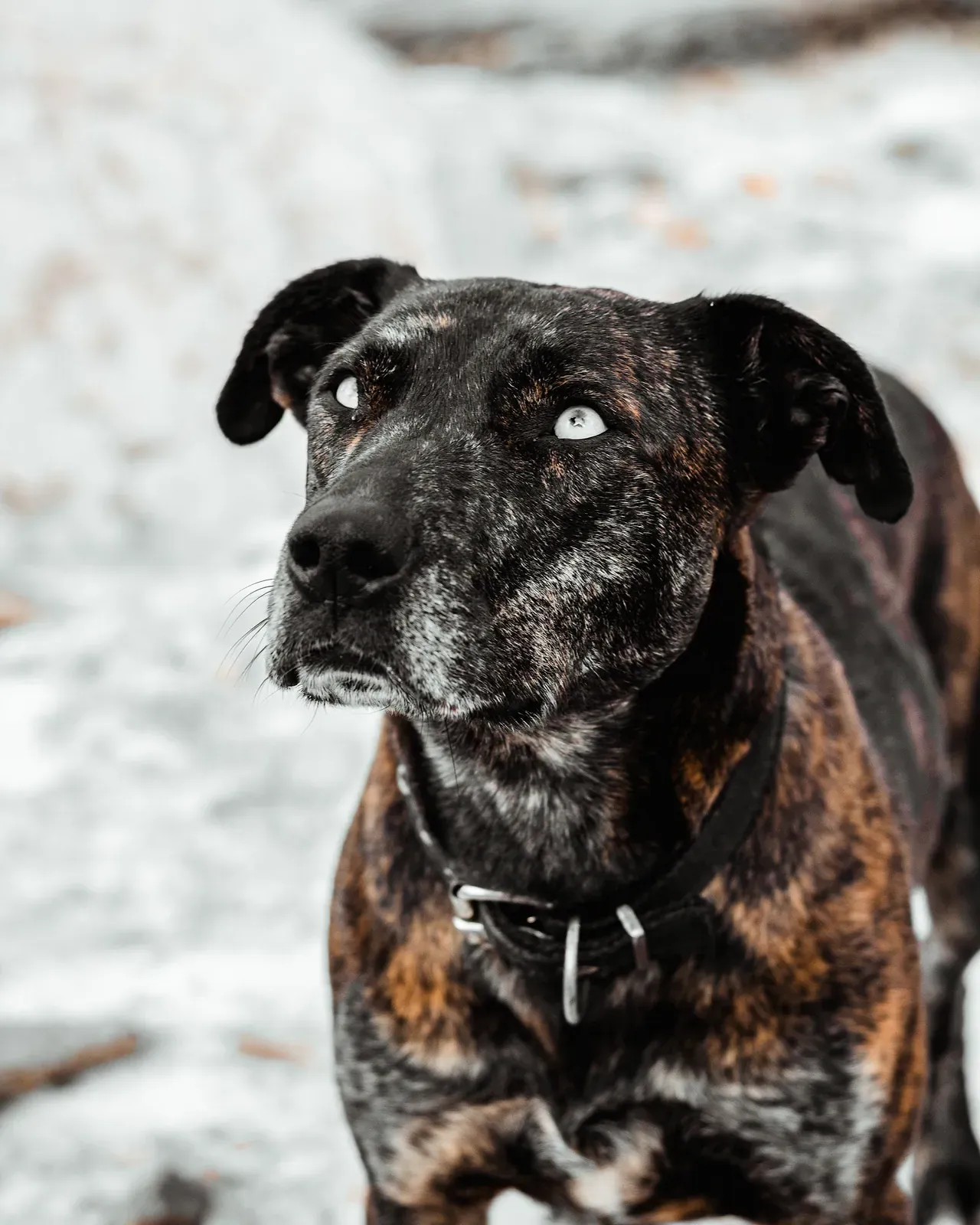
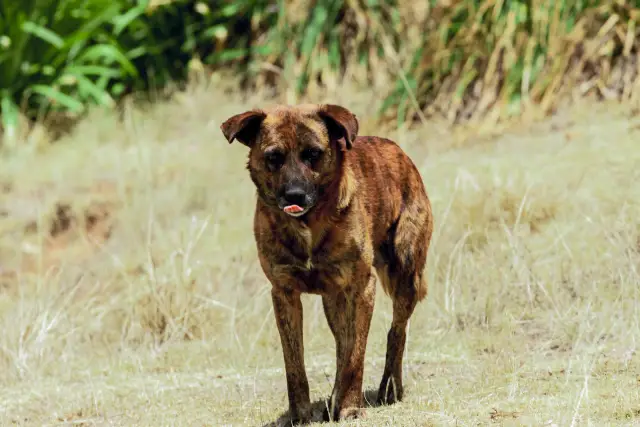
| Coat and colour | Short, flat coat; yellow, brown, brindle and other colours exist in the breed; the exact UKC colour wording is not given here |
Real dogs vary. Wikipedia gives a typical range of 41 to 64 cm and 20 to 45 kg, which is a secondary figure. The wide range shows that the breed is still being bred for work, not for a show ring.
Temperament
 Related breedDalmatian1700 to 1890 · CroatiaEarly Modern Era
 Save
Breed accounts describe a confident, energetic, loyal dog that bonds with one family and is wary of strangers. It is a working dog with a strong chase and tree instinct. This comes from breed descriptions and the standard's wording, not from a behaviour study.
With the family. Black Mouth Curs are described as devoted to their people and often good with children they know. Their size and energy mean young children need supervision.
With other dogs and animals. No study was found. Dogs bred to hold hogs may be strong with other dogs, and the chase instinct makes cats and small pets a risk. Careful early socialisation is the usual advice.
Training. They are quick learners but independent. Short, consistent, reward-based sessions work, and a job such as scent work, tracking, hiking with a pack or dog sports helps channel the drive.

Health
 Related breedGreat Dane1600 to 1880 · GermanyEarly Modern Era
Most Black Mouth Curs live active lives, and the atlas data gives 12 to 16 years. This section lists what breed guides mention. No peer-reviewed study of the breed exists, and no prevalence figure for any condition, so the table says "no figure found" and uses no numbers.
| Condition | What it is | How common | What helps |
|---|---|---|---|
| A loose or misshapen hip joint that can lead to stiffness and arthritis | Listed by breed guides; no figure found | Hip scoring of breeding dogs (for example through the OFA), a lean body weight | |
| A similar joint problem in the elbow | Listed in screening advice; no figure found | Elbow scoring of breeding dogs | |
| Ear infections | Inflamed ears, more likely in dogs that swim and work in wet cover | Mentioned by breed guides; no figure found | Regular ear checks and cleaning as the vet advises |
| Skin problems | Such as mange from mites | Mentioned occasionally; no figure found | Vet care and parasite control |
| Working injuries | Cuts, bites and sprains from hog and brush work | Common in working dogs by nature; no figure found | Conditioning, prompt first aid and vet checks |
Breeders working with this breed are often hunters first, so health testing is not universal. That is why asking for hip and elbow results is a sensible step.

Living with a Black Mouth Cur
 Related breedGreater Swiss Mountain Dog1700 to 1909 · SwitzerlandEarly Modern Era
| Daily reality | Rating | Why |
|---|---|---|
| Exercise per day | High | A hunting and farm working dog; plan on well over an hour plus a task |
| Training needs | High | Smart but independent; needs consistent handling |
| Grooming | Low | Short coat; weekly brushing |
| Shedding | Medium | Short coat that sheds, more in spring and autumn |
| Barking | Medium | Treeing dogs use their voice; varies by dog |
| Time alone | Poor | Bonds closely; bored dogs dig, chew or escape |
| Children | Fair | Often loyal with its own family; size and energy need supervision |
| Other dogs | Varies | Evidence is thin; early socialisation matters |
| Cats and small pets | Poor | Strong chase and tree instinct |
| Flat living | Poor | Large and active; suits a fenced yard and open space |
| Heat tolerance | Good | Short coat and a Southern working history (no source rates it formally) |
| Cold tolerance | Fair | Short coat; no source rates it |
| First-time owner fit | Poor | Strong drive and independence; best for experienced owners |
A great fit if
- You hunt, hike or work land and want a dog that comes along every day.
- You have a secure, fenced yard or a farm.
- You enjoy training and can give the dog a job or sport.
- You have time for socialising a puppy widely and early.
Think twice if
- You work long hours with nobody home.
- You live in a flat or a place without safe off-lead space.
- You keep cats, rabbits or other small pets that must share the dog's space.
- You want a quiet, low-effort companion.
Before you get one
- Health tests to ask a breeder for: hip and elbow scores of both parents.
- Which line: ask whether the dogs come from hunting, farm or companion lines, because drive differs.
- Puppy or adult rescue: Black Mouth Curs are often found in shelters and rescues, sometimes as mixes, so ask about history and temperament.
- First year: expect obedience classes, a secure fence and plenty of exercise.
Similar breeds to consider
 Save
 Save
- Mountain Cur. A fellow cur from the Appalachians, usually smaller and brindle or yellow.
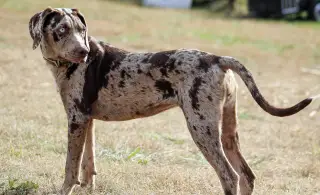
- Catahoula Leopard Dog. A Gulf South cur with a striking coat and stock work.
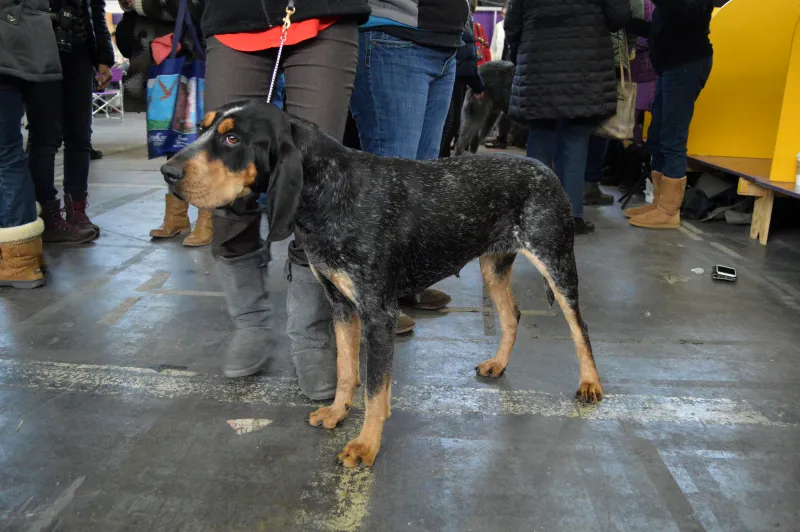
- Treeing Walker Coonhound. A scent-driven hound for those who want a hunter that trails.
- Plott Hound. A tough hunting hound used for big game.

Black Mouth Cur fun facts
 Related breedHavanese1600 to 1991 · CubaEarly Modern Era
- The name comes from the dark muzzle, and "cur" is an old word for a working mongrel.
- The UKC recognised the breed on 1 November 1998, on the same day as other cur breeds.
- The "Old Yeller" link is a popular claim: the novel does not name the breed, and the film dog was not a cur.
- The Florida Brown Dog, a related Southern cur, is described as having the Black Mouth Cur as a known contributor.
Frequently asked questions
What is a Black Mouth Cur?
A large, short-coated Southern American working dog, used for treeing small game, holding hogs, working cattle and guarding the home.
Is the Black Mouth Cur the dog in Old Yeller?
That is a popular claim. The novel does not name the breed, and the 1957 film dog was reported to be a retriever and mastiff mix.
Is the Black Mouth Cur recognised by the AKC?
No. The UKC recognised it on 1 November 1998.
How big is a Black Mouth Cur?
The UKC sets minimums of 46 cm and 18 kg for males and 41 cm and 16 kg for females. Typical dogs range from about 41 to 64 cm and 20 to 45 kg.
How long do Black Mouth Curs live?
The atlas data says 12 to 16 years.
Is a Black Mouth Cur a good family dog?
In an active home with training, space and supervision around children, it can be. It is not a first dog for most families.
Read next
 FamilyAmerican Cur & FeistThe whole family
 Adopt a dogDog Shelters in EuropeFind dog shelters in Europe, learn how shelters differ from country to country and why adopting a dog is a good option.
Sources (10)
- United Kennel Club, Black Mouth Cur breed standard (minimum height and weight, working condition).
- United Kennel Club, Black Mouth Cur breed page (recognition on 1 November 1998 as reported in breed summaries).
- Wikipedia, "Black Mouth Cur" (secondary: typical size range, Old Yeller note, history summary).
- Gipson F., "Old Yeller", 1956, and reports on the 1957 Disney film (as described in breed summaries; not read directly).
- Alderton D., Encyclopedia of Dogs, 2000 (atlas data source, page 133).
- Parker H.G. et al., "Genomic analyses reveal the influence of geographic origin, migration and hybridization on modern dog breed development", Cell Reports, 2017 (the cur breeds were not tested; used for the family note).
- Project family page, American Cur and Feist (regions, UKC dates, Florida Brown Dog relationship).
- Orthopedic Foundation for Animals, hip and elbow screening programme (named as the usual screening route in breed health guides).
- Southern Black Mouth Cur Breeders Association (club date reported in secondary summaries, not confirmed).
- "Blackmouth Cur" (secondary: Ladner line and 1964 registration).