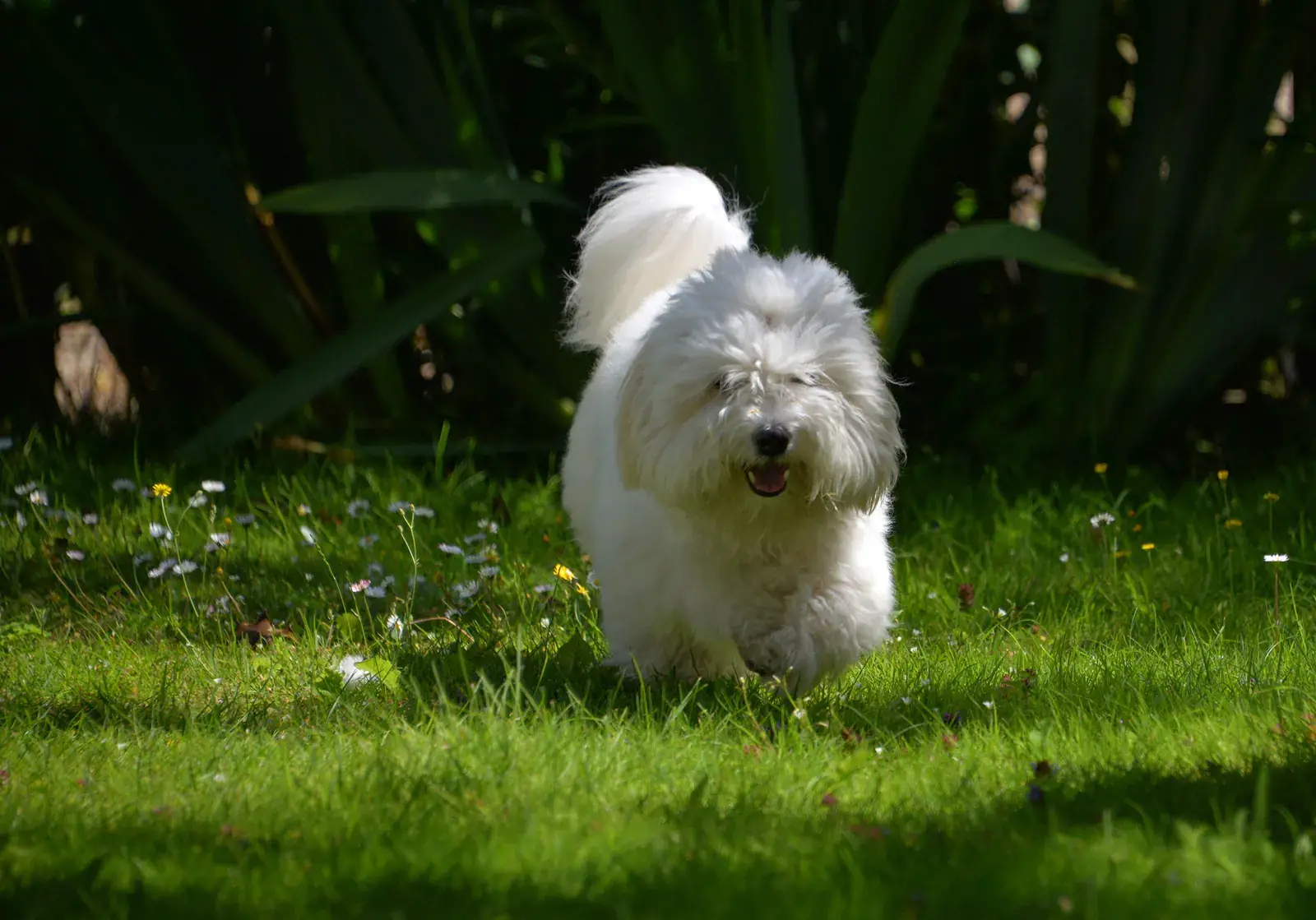
It descends from small white dogs that reached the island's south-west coast centuries ago, and it was long a favourite of the Merina nobility. Today it is a cheerful, people-focused house dog that follows its family from room to room, plays like a clown and is usually friendly with strangers. The coat needs regular brushing, but the dog itself is hardy and long-lived, and the atlas data gives a life span of 14 to 16 years. The FCI, the American Kennel Club and the UK Kennel Club all recognise it.
Coton de Tulear quick facts
 Related breedHavanese1600 to 1991 · CubaEarly Modern Era
- Country of origin
- Madagascar (Toliara region, south-west)
- Period of development
- About 1600 to 1970 (atlas data, medium confidence)
- Original job
- Companion dog of the Malagasy nobility; rat catcher on ships and farms in older accounts
- Type
- Companion and toy dog (FCI Group 9, standard no. 283; Non-Sporting Group; UK Kennel Club Toy Group)
- Height
- FCI: males 26 to 28 cm, females 23 to 25 cm, with a small tolerance
- Weight
- FCI: males 4 to 6 kg, females 3.5 to 5 kg
- Coat
- Soft, cottony, abundant, slightly wavy
- Colour
- White; faint pale grey or tan shading tolerated on the ears and body in the FCI text
- Life span
- 14 to 16 years (atlas data)
- Other names
- Coton, Royal Dog of Madagascar
- DNA family
- Poodle family (Parker et al. 2017, weak support)
- Closest DNA relative
- Pug (18.8 shared)
- Related breeds
- Bichon Frise, Havanese, Bolonka, Maltese
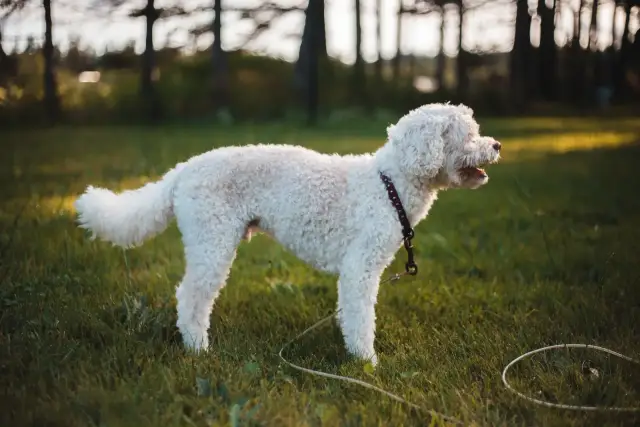
Drawn to scale in real centimetres. Its back reaches about 26 cm, your shin; its head about 32 cm, your shin.
Where it sits in the tree
Early Modern Era · 1600 to 1799


Name and origin
 Related breedLagotto Romagnolo1500 to 1991 · ItalyAge of Exploration
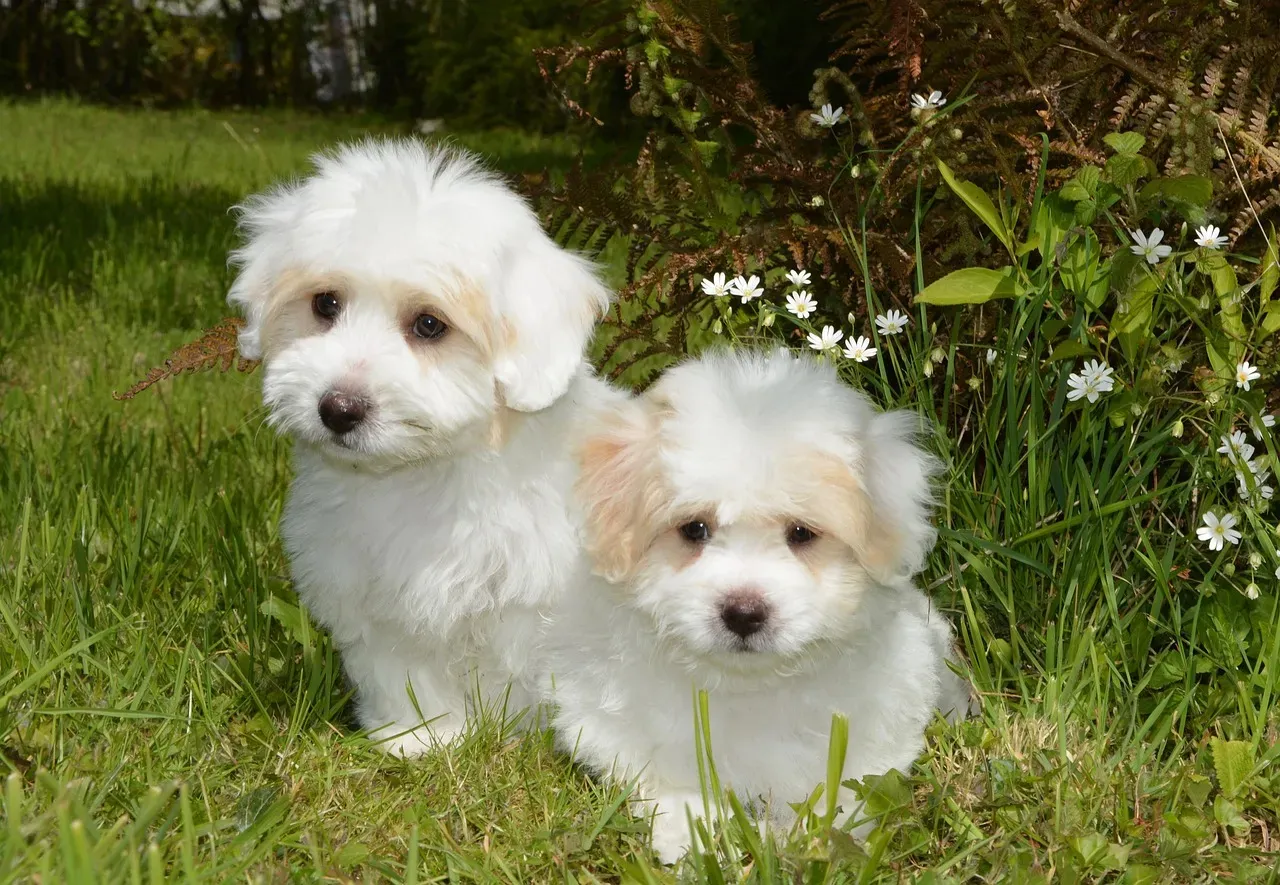
The name is French. Coton means cotton and describes the dry, fluffy texture of the coat, which feels more like cotton wool than like hair. Tulear is the older spelling of Toliara, the port town on Madagascar's south-west coast where the breed was first seen by Europeans and where it took its name. The FCI lists Madagascar as the country of origin, and the dog is closely tied to the island's identity.
The breed sits with the small white dogs of the Bichon type. The atlas data gives the Bichon Frise as its parent line, with medium confidence, and records a belief that the dogs descend from small white dogs from the Canary Island of Tenerife that travelled on ships to the Indian Ocean. The Havanese and the Bolonka are listed as siblings. These ties are historical beliefs, not proven pedigrees, and the story of how the dogs first reached Madagascar has never been documented.
 Save

History
 Same eraPoodle1400 to 1874 · FranceLate Middle Ages
Small white dogs on a trading coast
Madagascar lay on busy sea routes between Africa, Arabia, India and, from the 1500s, Europe. Small white dogs of the bichon type were common on trading ships of the period, valued as companions and as ratters in the hold. The breed's story usually begins here. A popular legend says that a ship was wrecked off the coast and its small white dogs swam ashore, where they bred and mixed with local dogs. This is a legend and has no written record behind it. A more careful reading is that dogs were left or sold at the ports over several generations and that the small white type was then kept and shaped by people on the island.
The royal dog of the Merina
The Merina, the people of the central highlands who built the Kingdom of Madagascar, are named in club histories as the owners who made the Coton a status animal. The sources give different periods for this. Some date the nobility's interest to the 1600s, while the American Kennel Club's breed history places the Merina interest in the 1800s. In both versions the story is the same: the small white dog was kept in noble households, and commoners were not meant to own one. This is how the breed gained the nickname Royal Dog of Madagascar. French settlers later took an interest in the breed too, which carried it into French circles in the colonial period.
A European breed in the 1960s and 1970s
Until the 20th century the Coton was known mainly in Tulear and in the French community there. Breeders in Madagascar and France began to organise the breed, and Louis Petit, president of the Canine Society of Madagascar, applied to the FCI for recognition. The standard was drafted in 1970, and the FCI's publication followed, giving the breed number 283 in Group 9. Some sources give 1970 and others 1971 for the recognition, because the draft and the publication fall in different years.
Abroad
The first Cotons reached the United States in the 1970s, and American clubs began keeping registries soon after. The breed spread slowly, helped by its calm indoor manner and its popularity with owners who wanted a dog that did not shed heavily. Several American and Malagasy breed clubs now exist, and some run their own health programmes (see Health). The American Kennel Club lists the Coton de Tulear in its Non-Sporting Group, and the UK Kennel Club places it in the Toy Group.

Relatives and DNA
 Same familyPortuguese Water Dog1200 to 1938 · PortugalLate Middle Ages
The atlas data places the Coton in the Poodle family, the Parker 2017 DNA that includes the Poodle, the Bichon Frise and the Maltese. The study grouped 161 breeds into 23 clades by shared stretches of DNA. For the Coton, the clade support is marked weak, which means the DNA does not pin the breed firmly to this group the way it does for a breed like the Rottweiler. The Coton is one of the few African-born breeds in the atlas, yet its ancestry looks European and bichon-like.
Parent line (atlas data)
- Bichon Frise. The small white European companion dog. The Coton is believed to descend from the same Mediterranean type. Medium confidence.
Sibling breeds (atlas data)
- Havanese. The national dog of Cuba, another bichon-type companion with a long silky coat.
- Bolonka. A Russian small companion dog of the same bichon pattern.
What does DNA say?
Shared show which breeds share long stretches of identical DNA through common ancestors or crossing. A higher number of shared (Mb) means a more recent link. The study cannot say which breed gave genes to which.
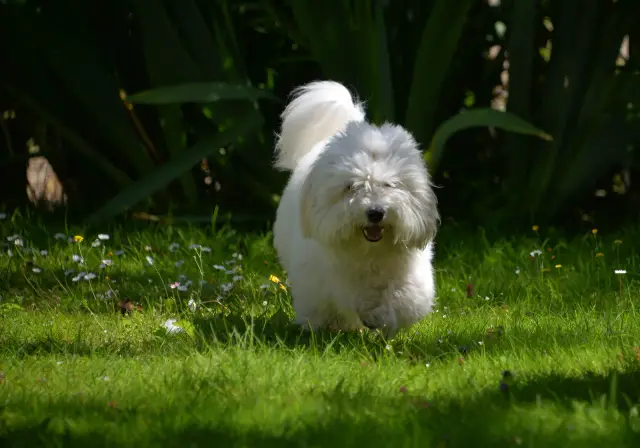


- Coton de Tulear and Pug
- Coton de Tulear and Maltese
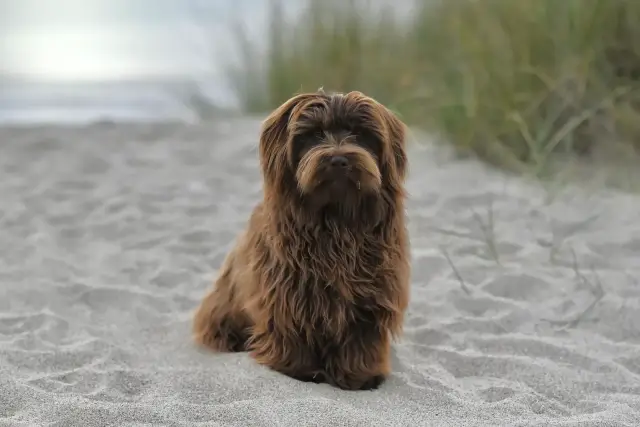
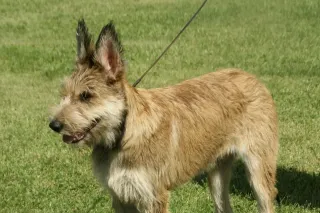
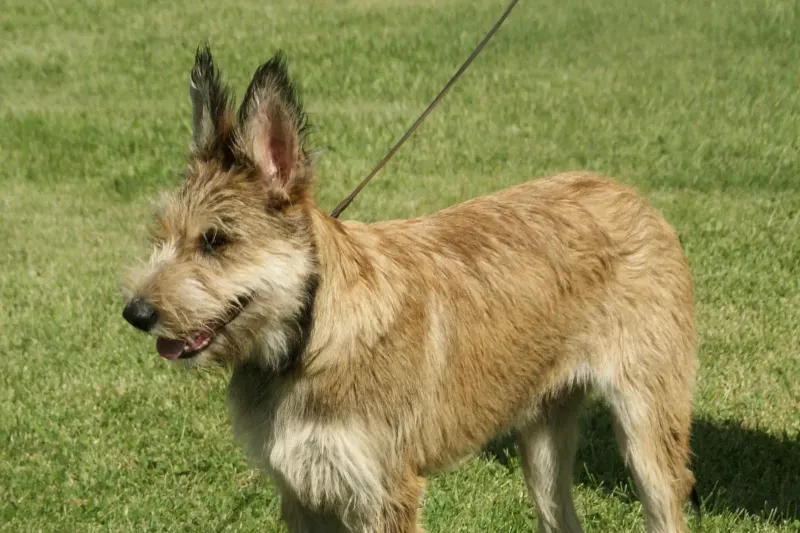 Coton de Tulear and Berger Picard
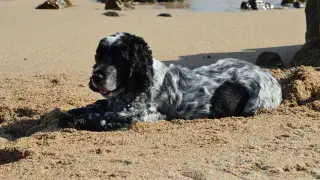
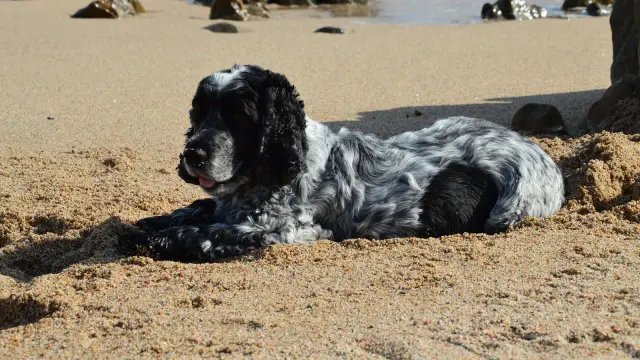
- Coton de Tulear and English Cocker Spaniel
All four numbers are small compared with the values seen between close cousins in other families. The Maltese result fits the bichon idea. The Pug, the Berger Picard and the English Cocker Spaniel are less obvious partners and should be read as traces of shared ancient stock or later crossing, not as direct parents. If you like the Coton's size and nature, the Maltese and the Havanese are the nearest companions in the atlas.
Sister breeds · 2
- Havanese1600 to 1991
- Bolonka1951 to 1966
- Pug18.8 Mb 0.8%
- Maltese16.1 Mb 0.7%
- Berger Picard14.4 Mb 0.6%
- English Cocker Spaniel11.9 Mb 0.5%
Source: Parker et al. 2017. Percent of the whole genome.
The breed standard
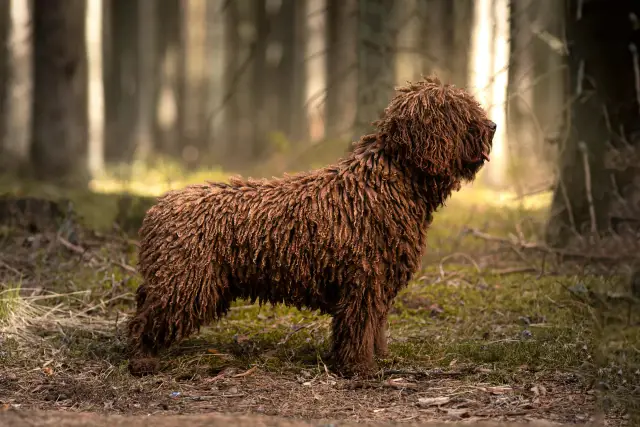 Looks relatedSpanish Water Dog1500 to 1980 · SpainAge of Exploration
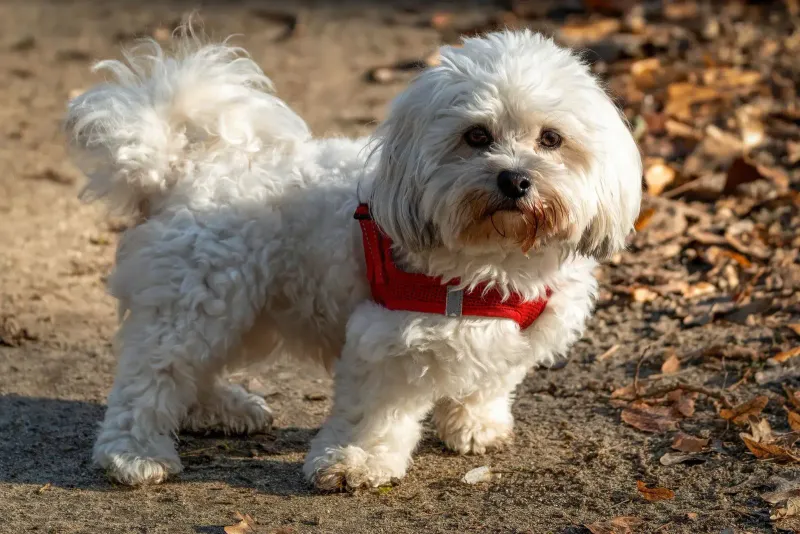
A is the written ideal for a breed that kennel clubs judge dogs against. The FCI standard, number 283, is the reference, and the AKC and the UK Kennel Club describe the same small, slightly longer-than-tall white dog with a cottony coat. The measurements below are from the FCI text.
| Trait | What the standards say |
|---|---|
| Height | FCI: males 26 to 28 cm, females 23 to 25 cm, with a tolerance of 2 cm above and 1 cm below |
| Weight | FCI: males 4 to 6 kg, females 3.5 to 5 kg |
| Coat | FCI: abundant, soft, cottony texture, dry and light, slightly wavy but not curly; the coat may not be brushed into a shape or trimmed for show |
| Colour | FCI: white; pale grey or light tan shadings on the ears are tolerated if they do not change the overall white look; definite black marking is a fault |
| Head | FCI: triangular seen from above, with a medium-length muzzle and a black nose |
| Eyes | FCI: round, dark, with a lively expression and black rims |
| Ears | FCI: set high, triangular, hanging close to the head |
| Tail | FCI: carried curved over the back, covered in long hair |
| Build | FCI: slightly longer than tall, with a strong, level back and a deep chest |
The clubs agree on the overall picture: a small, light, long-coated dog with a distinctive rolling gait and a tail carried over the back. Size is the main point where the written standard needs care. The measurements apply at the withers, and dogs outside the stated size and weight limits are a disqualifying fault in the FCI text.
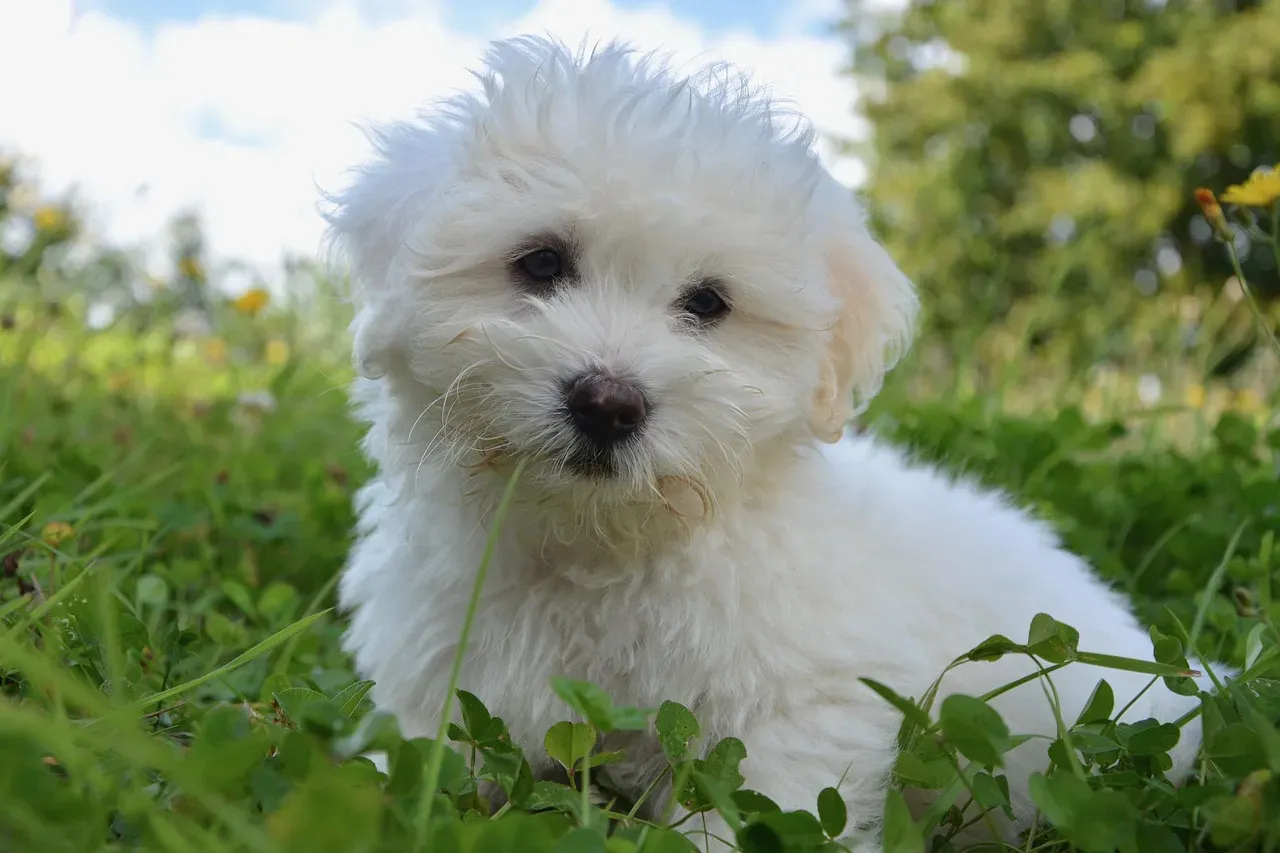
Colour. The pure white coat is the ideal. Some puppies show faint buff or grey shading that fades, and the standards treat light shading as acceptable. Large, definite dark marks are a fault. Because the coat is so pale, tear stains around the eyes are common and are a grooming matter, not a health sign by themselves.
Coat texture. Cotton is the right word. The coat is dry, light and a little wavy, with no stiff guard hairs. It is not a curly poodle coat and not a flat silky one. Show dogs are presented natural, which means brushed out but not scissored into shapes.
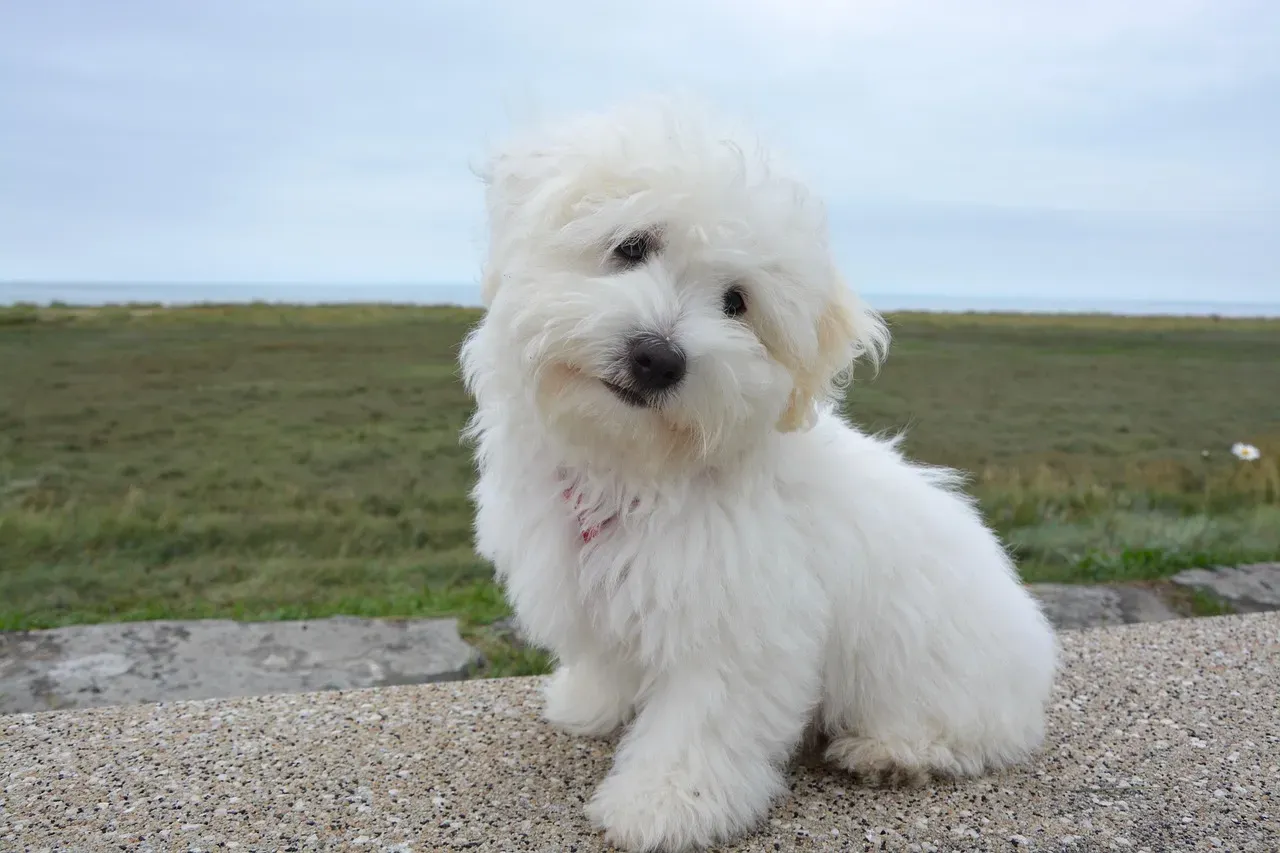

Temperament
 Related breedAkita1600 to 1931 · JapanEarly Modern Era
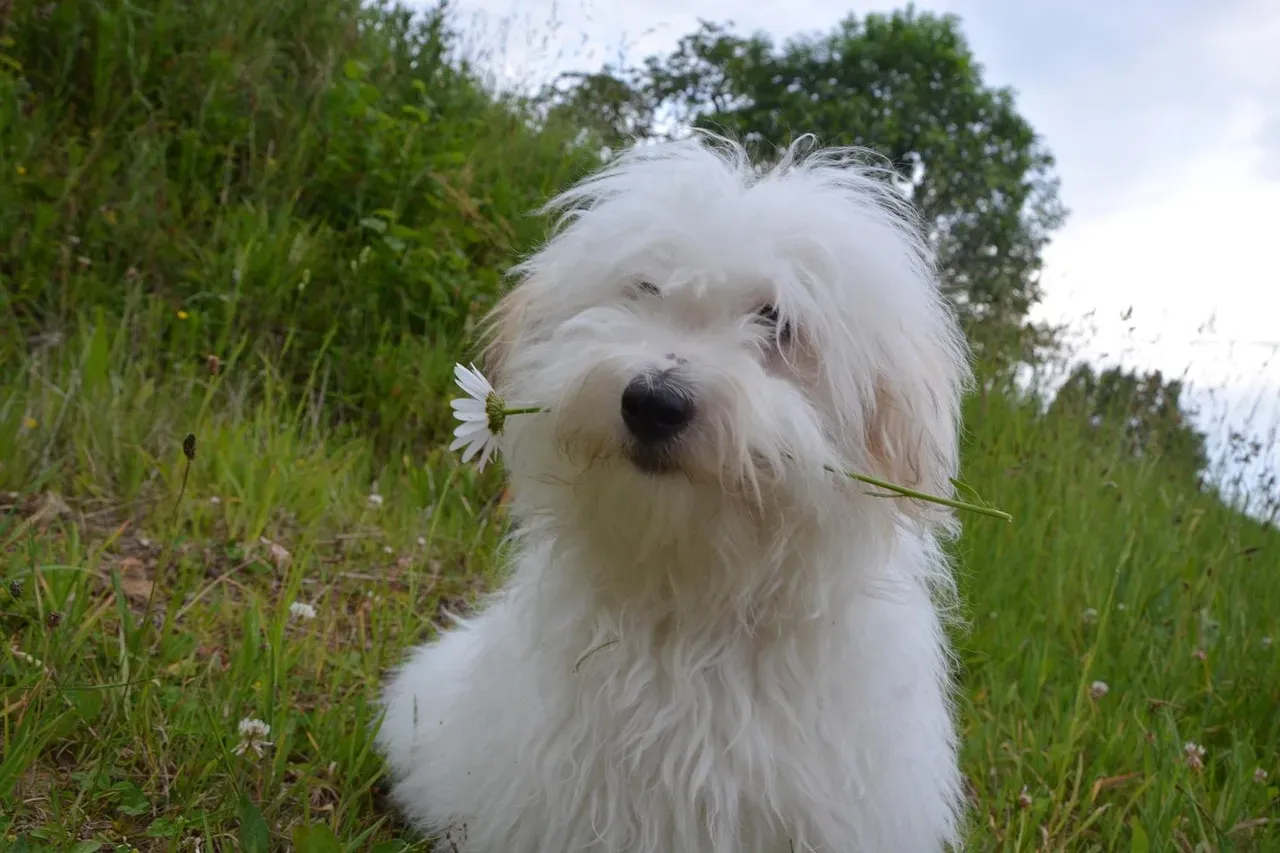
The Coton is known as a happy, affectionate and gentle dog that wants to be near its people. Breed clubs describe it as bright and playful with a funny side: it hops, spins on its hind legs and seems to enjoy an audience. It is usually friendly towards strangers and other dogs, and it has little hunting drive for a dog that once worked on boats and farms.
 Save
Training and exercise
It is a quick learner that likes to please. Short, upbeat sessions with praise and small food rewards work best. Harsh handling does not suit a sensitive dog. It is also a dog that can pick up bad habits if left to follow its own plan, such as barking at passing sounds or begging at the table. Housetraining can take longer than the owner expects, as in many small dogs. Plan for patience and a regular routine.
Exercise needs are moderate. A couple of short walks a day and some play in the house or garden are enough for most adults. Cotons enjoy trick training, scent games and simple agility, and they like having a job. They do not need long runs, and they adapt well to flats if they get their daily outings.
With children and other pets
Club descriptions agree that the Coton is a good match for calm families with respectful children. It is small and light, so very young children should be taught to handle it gently and should not carry it. Most Cotons live happily with other dogs and with cats when introduced early.
Separation and barking
The breed bonds closely with its people, and the same trait makes some Cotons uneasy when left alone for long hours. Gradual practice at short absences and a routine help. Barking is usually modest, but many Cotons will announce visitors.

Health
 Related breedAmerican Bulldog1700 to 1980 · United StatesEarly Modern Era
Most Cotons live long, healthy lives, and the atlas data gives 14 to 16 years. This section lists what breeders screen for and what owners can watch for. Figures are given only where a named study supplies one. Information here is general. Talk to a vet about your own dog.
Health testing by clubs. Breed clubs are the best guide, because the breed is small in number and large studies are few. The American Coton Club requires certified health tests for breeding status: an eye examination for every dog, plus a choice from the Orthopedic Foundation for Animals programme, which includes patella, heart, thyroid and elbow checks. The Malagasy Coton Club asks breeding dogs for a patella examination, a heart examination and bloodwork at one year of age, and a DNA profile. Ask any breeder to show the certificates.
| Condition | What it is | How common | What helps |
|---|---|---|---|
| Patellar luxation | The kneecap slips out of its groove, which can cause skipping steps or lameness | Seen in many small breeds; no published figure for the Coton | Patella exam by a vet before breeding; healthy weight; non-slip floors |
| Heart disease (mitral valve) | The heart valve thickens and leaks, usually in older dogs | Club health programmes screen for it; no published figure | Heart exam by a vet or cardiologist, with a murmur check at routine visits |
| Liver shunt (portosystemic shunt) | A blood vessel bypasses the liver, which can cause poor growth and odd behaviour in a young dog | Named as a breed concern by owners; no published figure | Bile acid blood tests when a vet suspects it; surgery or diet for diagnosed dogs |
| Eye disease (cataract, progressive retinal atrophy) | Clouding of the lens or loss of the retina over time | Screened by eye exam in club programmes; no published figure | Yearly eye examination of breeding dogs |
| Tear staining and ear infections | Brown streaks below the eyes; wax and yeast in hair-lined ears | Common in small white dogs with long hair; no published figure | Face and ear cleaning, keeping ear hair tidy, vet check if the dog scratches |
| Dental disease | Plaque and gum problems | Common in small breeds; no published figure | Tooth brushing, vet dental checks |
Patellar luxation. A study of dogs seen at English primary-care clinics (O'Neill and colleagues, 2016) found the problem more often in small breeds, with the Pomeranian, the Chihuahua and the French Bulldog among the most affected. The Coton was not among the breeds highlighted, and no study gives a figure for it. Grade 1 cases may never need treatment, while higher grades are treated with surgery. A breeder's patella certificate gives the best early indication.
Weight. Body condition matters for a small dog with a long back and light bones. A healthy Coton has ribs that can be felt under a thin cover of flesh. Measured meals and regular walks protect the joints and the heart.

Living with a Coton de Tulear
 Related breedBernese Mountain Dog1700 to 1907 · SwitzerlandEarly Modern Era
| Daily reality | Rating | Why |
|---|---|---|
| Exercise per day | Medium | Two short walks and play are enough for most adults |
| Training needs | Medium | Eager to please; sensitive; housetraining can be slow |
| Grooming | High | Brushing to the skin several times a week; mats form quickly if skipped |
| Shedding | Low | Loose hair is caught in the coat and is removed by brushing |
| Barking | Varies | Usually modest, but many will announce visitors |
| Time alone | Fair | Bonds closely; best with a routine and gradual practice |
| Children | Good | Gentle and playful with respectful children; small and fragile for toddlers |
| Other dogs | Good | Usually sociable with early introductions |
| Cats and small pets | Good | Low prey drive in club descriptions |
| Flat living | Good | Small, calm indoors |
| Heat tolerance | Fair | Long coat; avoid hard exercise in the heat |
| Cold tolerance | Fair | Light coat; small body; a short walk in cold weather is fine |
| First-time owner fit | Good | Friendly and trainable, with a grooming routine to learn |
A great fit if
- You want a small, friendly companion that stays close and enjoys company all day.
- You are happy to brush the coat several times a week or visit a groomer.
- You live in a flat or small house and prefer short walks to long hikes.
- You are home for much of the day or have a plan for company.
Think twice if
- You are away from home for most of the day and cannot arrange company.
- You want a dog that needs no coat care.
- You want a guard dog or a hiking partner for long mountain days.
- You have toddlers who may handle a small dog roughly.
Before you get one
Ask the breeder for certificates by name: a patella examination, a heart examination by a vet or cardiologist, and an eye examination for both parents. Ask how many litters a dog has and how the puppies are raised. The Cotons are rare in many countries, so waiting lists are normal, and breed rescues exist for adult dogs. Expect the first year to bring a lot of play, short training sessions, careful housetraining and a rising amount of coat care as the puppy fluff turns into the adult coat at around a year old.
Similar breeds to consider
- Havanese. A close cousin with a silkier coat and a similar cheerful nature.
- Bichon Frise. A curly white companion with a lively, playful manner.
- Maltese. A smaller, silky white lap dog that sheds little.
- Bolonka. A rarer small companion of the bichon type with a coat in several colours.

Coton de Tulear fun facts
 Related breedBlack Mouth Cur1700 to 1900 · United StatesEarly Modern Era
- Its old nickname, Royal Dog of Madagascar, comes from the belief that only nobles could own one.
- The coat feels dry and light like cotton wool, which is why the French name stuck.
- A well-known breed club story says the first Cotons swam ashore from a shipwreck. It is told as a legend, not as a record.
- The Coton shares 18.8 Mb of DNA with the Pug in the Parker 2017 study, more than with any other breed on the list.
Frequently asked questions
Are Cotons good family dogs?
Yes, in calm homes. They are gentle, playful and sociable, though small children must be taught to handle them softly.
How big is a Coton de Tulear?
The standard gives 26 to 28 cm for males and 23 to 25 cm for females, with a weight of 4 to 6 kg for males and 3.5 to 5 kg for females.
How long do Cotons live?
The atlas data gives 14 to 16 years. No large published study gives a breed-specific average.
Do Cotons shed?
Very little, because loose hair stays in the coat, but it must be brushed out to prevent mats.
Are Cotons hypoallergenic?
No dog breed is allergen-free. The low shedding may help some owners, but allergies depend on the person, so spend time with the breed first.
What is the difference between a Coton and a Havanese?
Both are small bichon-type companions. The Coton is white with a dry, cottony coat and a tail over the back. The Havanese comes in many colours and has a silkier coat.
Read next
Closest DNAPug18.8 Mb sharedSister breedHavanese1600 to 1991 Adopt a dogDog Shelters in EuropeFind dog shelters in Europe, learn how shelters differ from country to country and why adopting a dog is a good option.
Sources (11)
- American Coton Club, health programme and breed history.
- American Kennel Club, Coton de Tulear breed history and breed standard.
- Fédération Cynologique Internationale, Coton de Tulear, standard no. 283.
- Fogle B., The Encyclopedia of the Dog, 2009.
- Malagasy Coton Club, health requirements and history.
- O'Neill D.G. et al., "The epidemiology of patellar luxation in dogs attending primary-care veterinary practices in England", Canine Genetics and Epidemiology, 2016.
- Parker H.G. et al., "Genomic analyses reveal the influence of geographic origin, migration, and hybridization on modern dog breed development", Cell Reports, 2017.
- The Kennel Club (UK), Coton de Tulear breed standard.
- United States Coton de Tulear Club, breed standard and health pages.
- United Kennel Club, Coton de Tulear breed standard.
- Dogs Atlas breed records and Parker 2017 shared-haplotype table (this site).