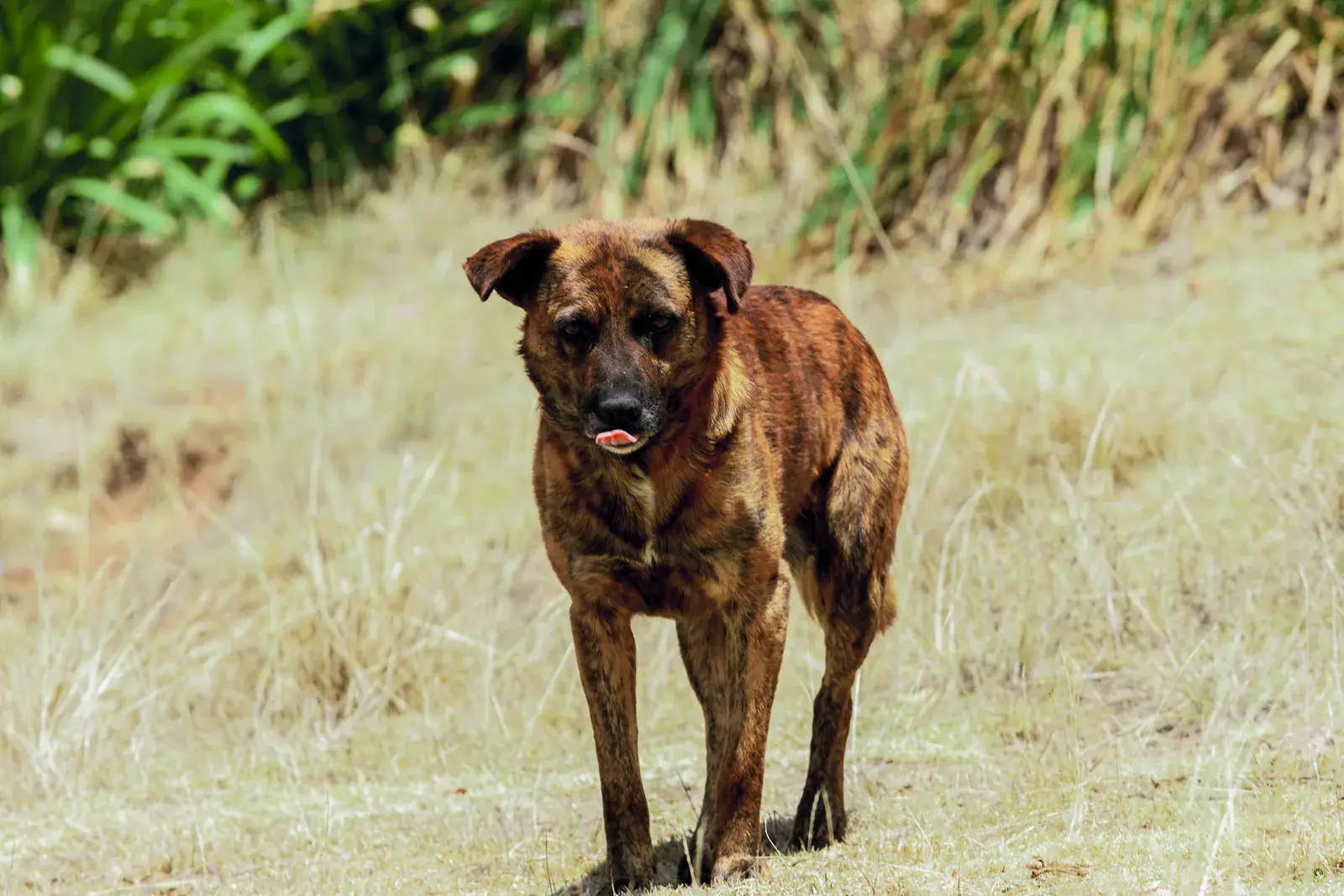
What are the curs and feists?
Curs and feists are the working farm dogs of the American South. A cur is a medium to large all-round dog that trees squirrels and raccoons, holds hogs and cattle, and guards the homestead. A feist is a small, quick, noisy dog bred to chase squirrels up a tree and bark until the hunter arrives. This family holds 12 breeds and types, all from the United States.
 GuideDogs in science and spaceSpace dogs Laika, Belka and Strelka, Pavlov's dogs, Snuppy the clone, the dog genome and scent detection: what dogs did for science, and what it cost them.
This page is different from most family pages in this atlas. It is not a DNA clade from the Parker et al. (2017) dog breed study, because none of these dogs was tested there. It is an inferred family: this atlas grouped them from their shared history, work and land, and filed them under European dogs. Read every tie below as a best estimate. For how the other families were built, see the dog family tree.
Quick facts about the Cur and Feist family
| Fact | Answer |
|---|---|
| Family type | Inferred by the atlas, not a Parker 2017 clade |
| Parent | European dogs |
| Breeds and types in this atlas | 12 (all living) |
| Members DNA-tested in the Parker study | 0 |
| Homeland | Southern and Appalachian United States, plus Texas and Louisiana |
| Sizes | 4 large, 5 medium, 3 small |
| Core job | Treeing squirrels and raccoons, hog and cattle work, farm guard |
| Typical life span | 12 to 16 years for most, 15 to 18 for the Denmark Feist |
| Main registries | United Kennel Club (UKC); American Kennel Club Foundation Stock Service for some |
| Shared story | Settlers' dogs of mixed European stock, kept for work and not for the show ring |
 GuideHow to adopt a dog from a shelter or rescueHow to adopt a dog from a shelter or rescue: the process, costs in general terms, choosing a dog, the first weeks and what if it does not work out.
Family or group: what is the difference?
In this atlas, "family" means a branch of the dog family tree. For most families that branch is a DNA clade from Parker et al. (2017). "Group" is used only for kennel club groups.
 GuideDog hybrids: what dogs can and cannot breed withCan dogs breed with wolves, coyotes, jackals or foxes? Wolfdogs, coydogs, the Sulimov dog and Dogxim explained, with chromosomes and DNA studies.
Here the two ideas split. The UKC places the Mountain Cur in its Scenthound Group, and other members sit in other groups or none. Our "family" is something else: dogs of the same kind of work, from the same region and settlers. None of the 12 was DNA-tested in the Parker study, so all are placed by history. Their closest relatives by DNA are probably other European-descended hunting and herding dogs, but we have no study that proves it. Treat the family as a useful shelf, and not as a proven branch.

Where do they come from?
From the farms and forests of the American South, starting with European settlers.
 GuideDog Clothes: When Dogs Need Coats, and a Short History of Dog FashionDo dogs need coats in winter? When clothes help, when costumes stress a dog, safe fit, reflective gear, and a short history of dog fashion and dog art.
Settlers brought dogs from Britain, France and other parts of Europe from the 1600s onward. The atlas dates most of these breeds from the 1700s or 1800s, with low to medium confidence. Dogs mixed freely, and the ones that survived on a farm were the ones that could work. A cur had to track game, tree it, hold a hog or a steer, and bark at strangers.
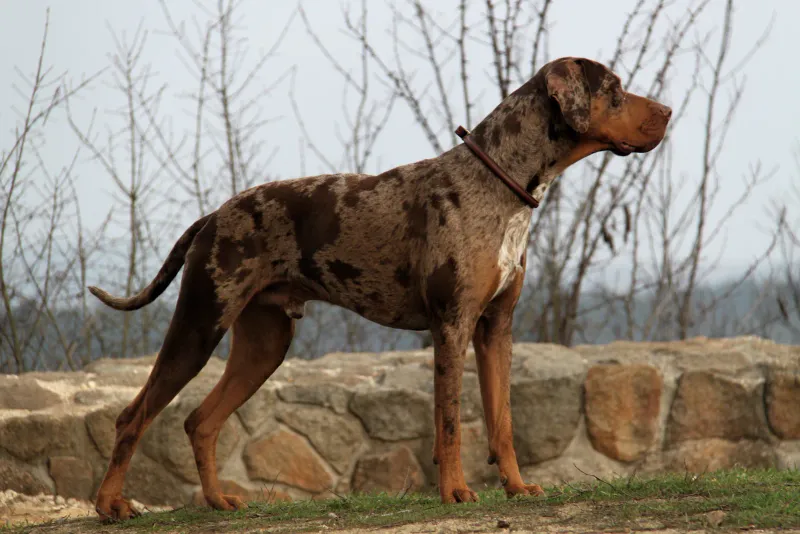
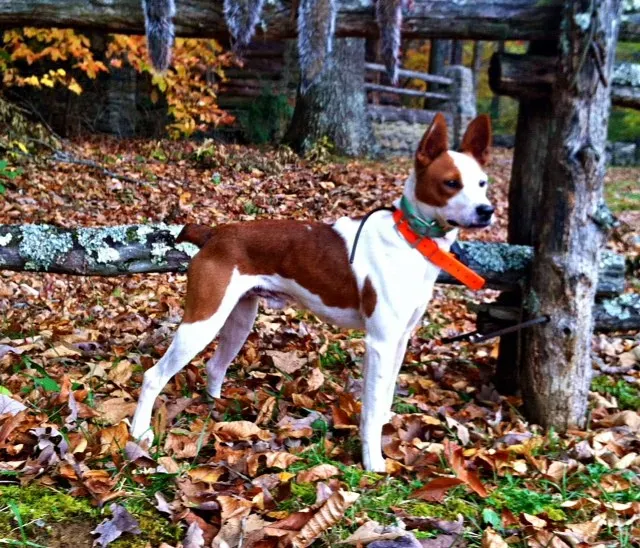
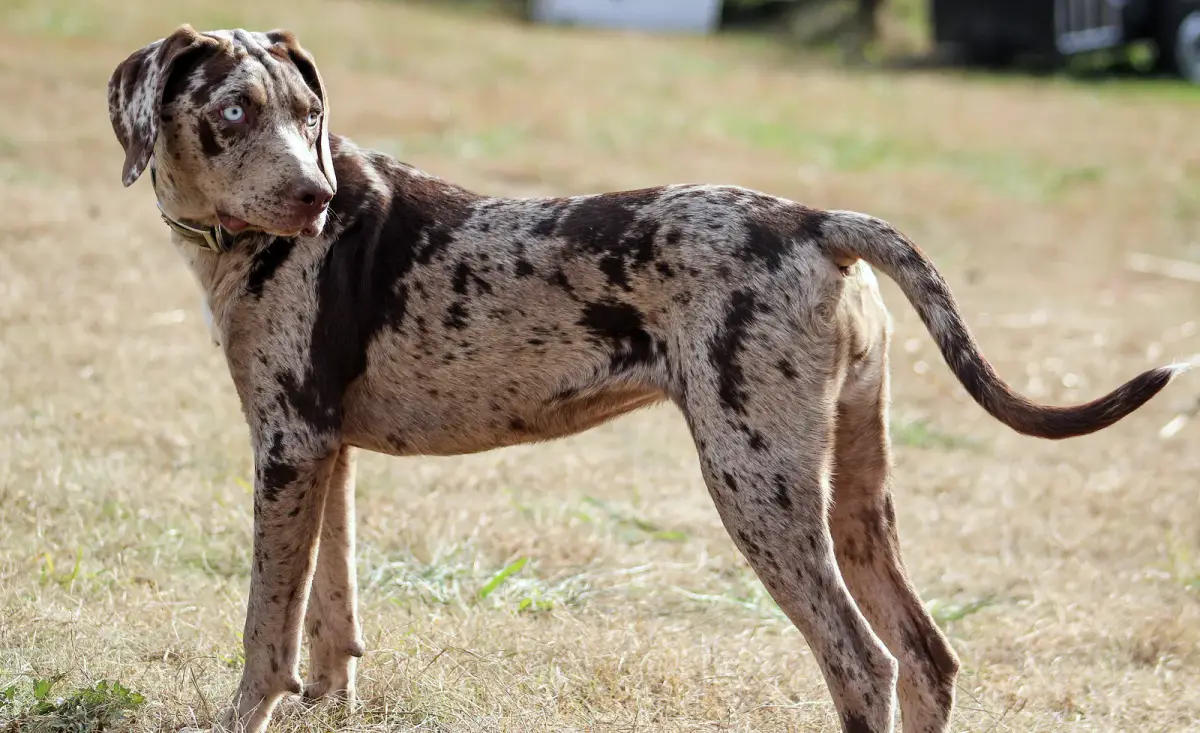
The family lives in three regions. The Appalachians (Kentucky, Tennessee, Virginia, Ohio) gave the Mountain Cur, Mountain Feist, Treeing Tennessee Brindle and Denmark Feist, which came from a Virginia family. The Gulf South gave the Black Mouth Cur, Florida Brown Dog and Catahoula Leopard Dog (Louisiana). Texas gave the Blue Lacy, from ranch work.
One tie is written down. The Catahoula is said to descend from local dogs crossed with Beauceron dogs by French settlers from the mid 1700s, a medium-confidence note. See Continental herder for the Beauceron's own family. The Florida Brown Dog is described as having Black Mouth Cur as a known contributor.
Why are they called curs and feists?
Both words started as insults for ordinary, mixed dogs. They have since become proud names.
 GuideBanned and restricted dog breeds by countryWhich dog breeds are banned or restricted, country by country: UK, Ireland, France, Germany, Denmark, Norway, Spain, Australia and more.
- Cur. A cur is an old English word for a working mongrel. It traces to Middle English "curren", "to growl", and possibly Old Norse "kurra", which also means "to growl". Treat this as likely and not settled.
- Feist. Etymology sources give a surprising origin. The Online Etymology Dictionary says "feist" is short for "fysting curre", a "stinking cur", from the 1520s, built on the old verb "fysten", "to break wind". Merriam-Webster and Webster's Third give a similar account. Our own data says "feist" comes from an old word for a small dog, "fice". The sources do not agree on the deeper root. The dog sense appears in American English by about 1805.
- Treeing. From "to tree", to drive an animal up a tree and hold it there by barking.
- Black Mouth. For the black muzzle, from which the Black Mouth Cur is named.
- Catahoula and leopard. After Catahoula Parish, Louisiana, and for the spotted merle coat.
- Lacy. After the Lacy brothers, who settled in Texas in 1858.
- Stephens Stock. After the Stephens family, who developed it.
- Denmark Feist. After the Denmark family of Virginia, who bred it.
What is the history of curs and feists?
 GuideDog laws by country: tax, insurance and licencesDog tax, compulsory liability insurance, licences, microchips and leash rules in Germany, Austria, Switzerland, Spain, Ireland, the UK, the US and more.
1600s and 1700s: settlers' dogs
Dogs came with the first settlers. The atlas gives 1700 to 1900 for the Black Mouth Cur, Florida Brown Dog and American Leopard Hound, and 1700 onward for the Mountain Cur, Catahoula, Treeing Feist and Mountain Feist, all with low or medium confidence. These dates are the first period when records point to the type, not the birth of a breed.
1800s: families and strains
- 1800s. The Denmark Feist (Virginia, to 1917) and the Treeing Cur (Midwest) are listed from this century.
- 1858. The Lacy brothers settle in Texas, which the atlas gives as the start of the Blue Lacy. Sources spell the brothers' names differently. They are usually listed as Frank, George, Edwin and Harry.
- 1900 onward. The Treeing Tennessee Brindle (1900) and Stephens Stock (1910) are listed from the early 1900s.
1940s and 1950s: a near loss
During World War II many farm families left the countryside for factory work. A breed history says the Mountain Cur was becoming rare by the late 1940s. Breeders formed the Original Mountain Cur Breeders of America, in 1956 or 1957 depending on the source. Hugh Stephens and Carl McConnell later left over a dispute about the breed standard and founded a club for the Stephens Stock. Cur and feist breeds are mostly held together by clubs and hunters, which is why so many separate strains exist.
1979 to 2017: names and registries
- 1979. The Catahoula Leopard Dog became the state dog of Louisiana, on 9 July 1979.
- 1995. The UKC recognised the Catahoula (1 January 1995, per the UKC page).
- 1 November 1998. The UKC recognised the Mountain Cur and the Treeing Feist (UKC pages). Recognition for the Black Mouth Cur and Stephens Stock is also recorded.
- 2005. Texas named the Blue Lacy its state dog. The exact day varies by source (25 May or 18 June 2005).
- 2015. The UKC recognised the Mountain Feist as a separate breed from the Treeing Feist (UKC standard).
Who are the members of the Cur and Feist family?
Here are all 12 breeds. None was DNA-tested in the Parker study, so all are placed by history. "Appeared" is the period in which the breed or type is first documented, and some dates are rough. None has its own article in this atlas yet.
 GuideDogs in Legends and Fairy TalesDogs in folklore and fairy tales: Black Shuck, The Tinderbox, Saint Guinefort, Panhu, Greyfriars Bobby, Barry and Old Drum, with legend and history kept apart.
| Breed | Country | Status | Size | Appeared | DNA-tested |
|---|---|---|---|---|---|
| American Leopard Hound | United States | Living | Large | 1700 to 1900 | By history |
| Black Mouth Cur | United States | Living | Large | 1700 to 1900 | By history |
| Catahoula Leopard Dog | United States | Living | Large | 1700 to 1979 | By history |
| Florida Brown Dog | United States | Living | Large | 1700 to 1900 | By history |
| Mountain Cur | United States | Living | Medium | 1700 to 1957 | By history |
| Mountain Feist | United States | Living | Small | 1700 to 1998 | By history |
| Treeing Feist | United States | Living | Small | 1700 to 1998 | By history |
| Denmark Feist | United States | Living | Small | 1800 to 1917 | By history |
| Treeing Cur | United States | Living | Medium | 1800 to 1998 | By history |
| Blue Lacy | United States | Living | Medium | 1858 to 1900 | By history |
| Treeing Tennessee Brindle | United States | Living | Medium | 1900 to 1995 | By history |
| Stephens Stock | United States | Living | Medium | 1910 to 1998 | By history |
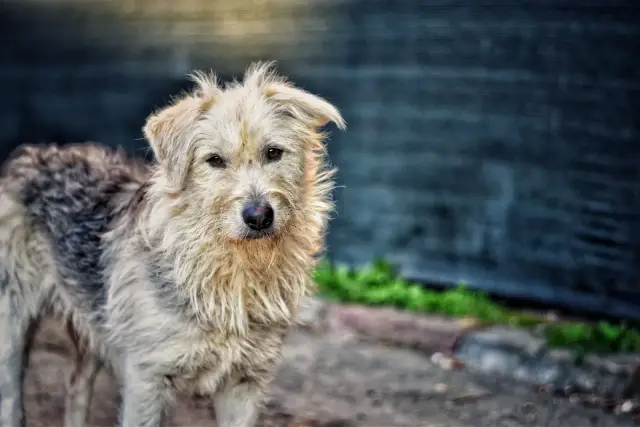
Who descends from whom, and which ties are strongest?
There is no Parker DNA table for this family. The ties we know are from history and breeders' accounts, and the evidence is thinner than for a DNA clade.
 GuideHow to get an assistance dogHow to get a service dog or assistance dog in the USA, UK, Germany, France, Spain, Italy and the Netherlands: accredited schools, waits, owner-training and travel.
| Pair | Evidence | What it tells us |
|---|---|---|
| Catahoula and Beauceron | Medium confidence | French settlers crossed local dogs with Beauceron dogs from the mid 1700s |
| Florida Brown Dog and Black Mouth Cur | Medium confidence | The Black Mouth Cur is a known contributor |
| Mountain Cur, Stephens Stock and Treeing Tennessee Brindle | Club histories | Close in type and region. Clubs split over standards |
| Treeing Feist and Mountain Feist | UKC | Once one breed, split by the UKC in 2015 |
| Treeing Cur and Treeing Feist | Breed sources | Same treeing job at different sizes |
Most curs and feists were bred by hunters for performance, with open records kept by a few families. That makes tracing a line hard. Many names and strains overlap, which makes any one dog's line hard to trace.
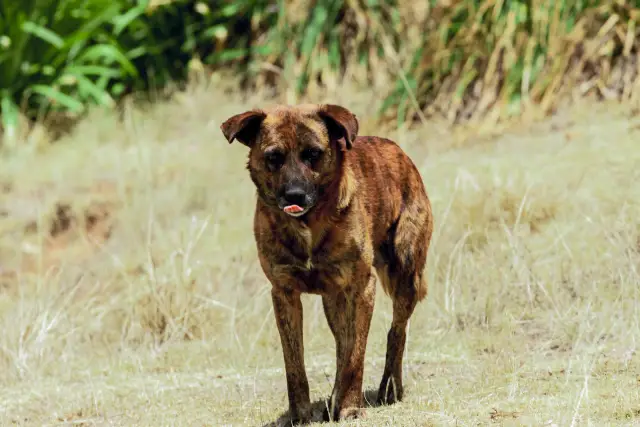 Mountain Cur
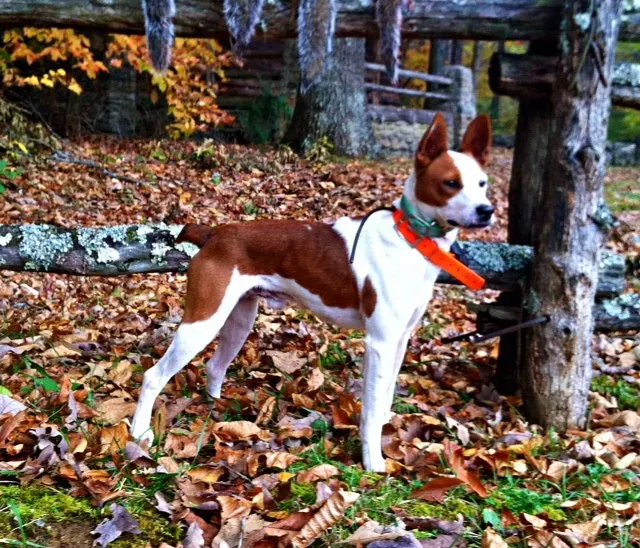 Mountain Feist
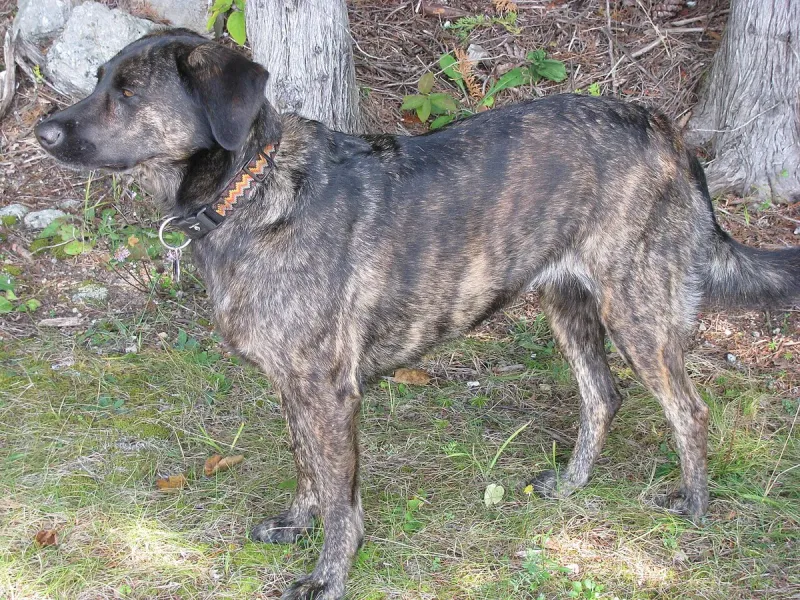 Treeing Tennessee BrindleDDenmark FeistVirginia family
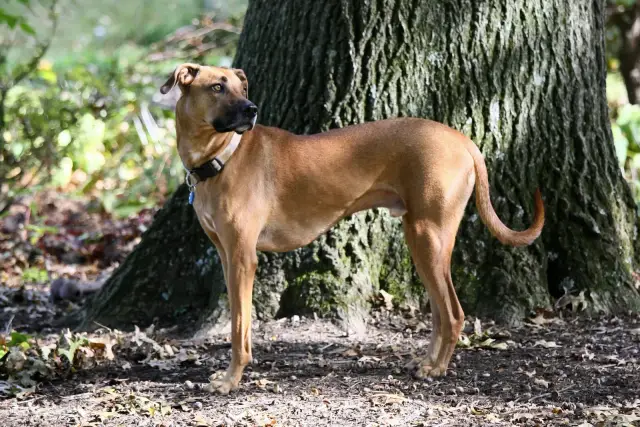 Black Mouth Cur
 Florida Brown DogBlack Mouth Cur contributed
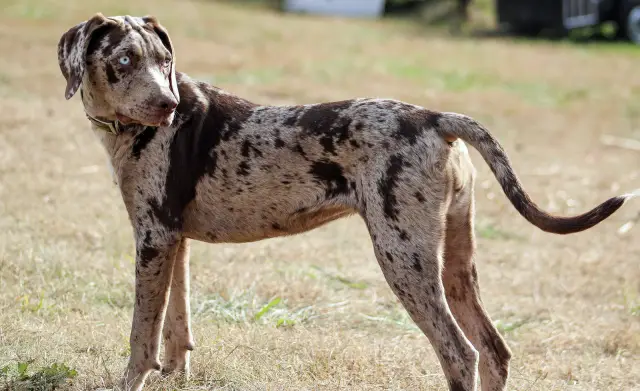 Catahoula Leopard Dogcrossed with the Beauceron
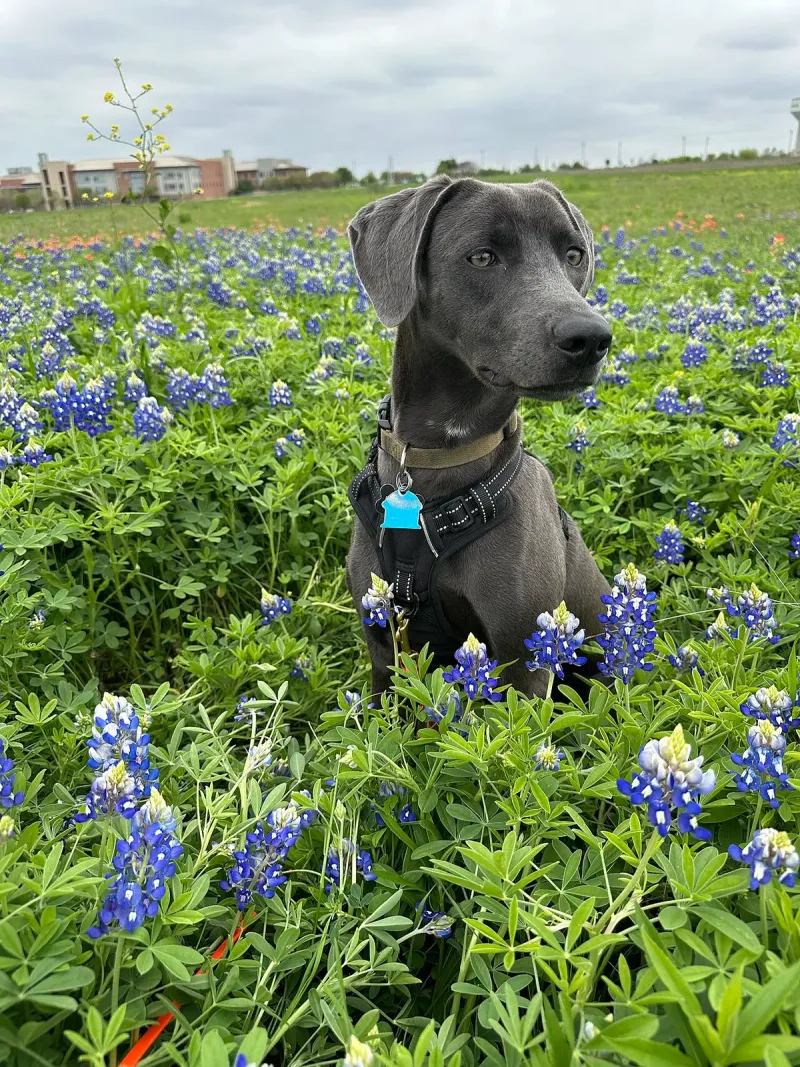 Blue Lacy
 American Leopard Hound
 Treeing FeistTTreeing CurMidwestSStephens StockMountain CurMountain FeistTreeing Tennessee BrindleDDenmark FeistVirginia familyBlack Mouth CurFlorida Brown DogBlack Mouth Cur contributedCatahoula Leopard Dogcrossed with the BeauceronBlue LacyAmerican Leopard HoundTreeing FeistTTreeing CurMidwestSStephens Stock
What do curs and feists have in common?
Work. All of them hunt. Squirrel and raccoon on a tree, wild boar, bear in some regions, and cattle herding. The Mountain Cur is best known for squirrels and raccoons, and the UKC standard says it is also used on other big game. The Black Mouth Cur's recorded work includes squirrel, raccoon, bear and wild boar, plus herding cattle and guarding a homestead.
 GuideIs your dog suited to therapy work?How to make your dog a therapy dog: temperament checklist, first training steps, how Pet Partners, TDI and Pets As Therapy assess dogs, and welfare limits.
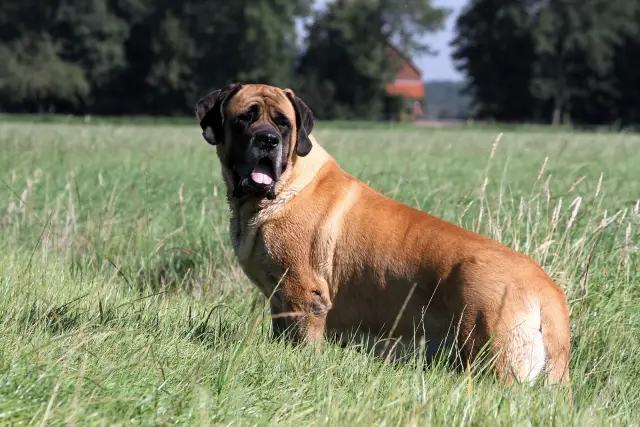
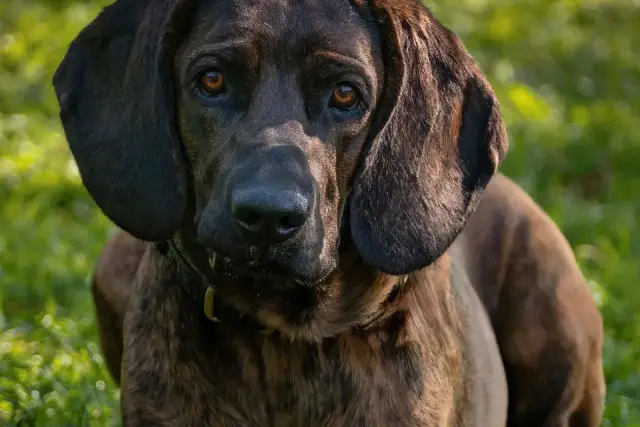
Look. Short coats in yellow, brown, brindle, black, blue and, for the Catahoula, merle. Lean and athletic. Ears are drop or half-drop in most. Feists are about knee height and curs about the height of a medium dog or taller.
Voice. They bark at a tree. A treeing dog is trained to hold the quarry with a steady bark until the hunter arrives. This is a trait that is valued in the field and loud in a flat.
Work before looks. Many of these breeds are bred for hunting ability and not for a written look. The UKC, which started with working hunting dogs, is their main registry. The American Kennel Club holds the Treeing Tennessee Brindle and American Leopard Hound in its Foundation Stock Service, which is a step before full recognition.
Hunting work: trees, hogs and cattle
Squirrels and raccoons: the dog follows a scent trail, finds the tree and barks beneath it. Feists do this at knee height, curs with more weight. Hogs: Black Mouth Curs and Catahoulas are used on wild hogs. One Alabama hunter described in Outdoor Life a pack of 17 Black Mouth Curs and a "rigging" method, where the best scent dogs ride on the front of a truck. Cattle: the Catahoula, Blue Lacy and Black Mouth Cur also moved cattle.
 GuideService, therapy and emotional support dogs: what's the difference?Service dog vs emotional support dog vs therapy dog: the real differences, your rights in the USA and Europe, and why online certificates mean nothing.
A film link. Fred Gipson's novel Old Yeller (1956) and the 1957 film put a "yellow cur" in front of the public. Some say the novel's dog was a Black Mouth Cur, others a Blue Lacy. The novel names a type, not a breed, and the film used a dog of another type, so this is a popular claim and not a record.

What health issues are linked to curs and feists?
Most curs and feists are tough, active dogs that live 12 to 16 years, and some feists reach 15 to 18. They have mostly been bred for work and not for a look, and no breed health programme with published breed-wide figures exists for most of them. So we do not give "about 1 in N" numbers except where a named study gives them.
 GuideDogs in myth around the worldFrom Anubis and Cerberus to Fenrir, Xolotl and the Tiangou: how cultures across the world imagined dogs as guardians, guides and monsters.
| Condition | What it is | How common | What helps |
|---|---|---|---|
| Deafness (Catahoula) | One or both ears do not hear | In a Louisiana State University table of 214 Catahoulas, about 22 in 100 (about 1 in 5) were deaf in both ears and about 17 in 100 were deaf in one ear, so about 2 in 5 had some hearing loss | A hearing test (BAER) for puppies, and choosing breeders who test |
| Double merle and hearing | Pups that inherit the merle gene from both parents | In a study of 153 merle dogs of several breeds (Strain et al., 2009), 10 in 100 double merles were deaf in one ear and 15 in 100 were deaf in both | Never mating two merles; asking the breeder about hearing tests |
| Injuries from hunting work | Cuts, bites from hogs, tick-borne disease, lameness | No figures found | Vet checks, vaccines, tick control, rest after work |
| Weight gain | Extra weight strains joints | No figures found | Measured meals and daily exercise |
| Small gene pools | Some strains rest on a few families | No figures found | Asking breeders about the lines and inbreeding |
LSU's table does not state whether the Catahoulas were merle or had white markings, so it describes the breed as a whole. Hearing loss in merle dogs is linked to white coat patches. Strain and colleagues found that double merles were more likely to be deaf than single merles. A claim often seen online that most white-faced Catahoulas are deaf in one ear is not backed by the LSU table, which shows a lower rate. Hunters treat deafness as manageable. Deaf dogs can be trained by hand signals, though they cannot hear a call in the field.
No published health studies cover the Mountain Cur, Black Mouth Cur, the feists or the other members. That is not proof of good health. It means nobody has counted.
 Save

Which members of the family are extinct?
None of the 12 is listed as extinct, but several are uncommon outside their home region. The Mountain Cur narrowly avoided a decline in the mid 1900s, when farm families moved away from the countryside. Strain names also vanish: a type that is not registered can quietly merge into a neighbour's line.
 Family storyAncient American dogsRead the family's story: origins, members, DNA

Are there surprises in the Cur and Feist family?
- One word, many dogs. "Cur" and "feist" are working types, and not a single breed. One dog can be called by a different name in two registries.
- A rude word turned proud. Feist may come from a Middle English word for a smelly cur, according to etymology sources. Today feist breeders use it with pride.
- State dogs. The Catahoula (Louisiana, 1979) and the Blue Lacy (Texas, 2005) are official state dogs.
- Split in 2015. The Treeing Feist and Mountain Feist were one breed until the UKC split them in 2015.
- Named for families. The Blue Lacy, Stephens Stock and Denmark Feist carry the surnames of the families who bred them.
 Family storyAncient BasalRead the family's story: origins, members, DNA

What does research say about curs and feists?
This is a thin research base. For most members, nobody has studied their DNA or health in a published paper.
 Family storyArctic dogsRead the family's story: origins, members, DNA
- Strain et al. (2009), in the Journal of Veterinary Internal Medicine, tested 153 merle dogs of several breeds and linked double merle to a higher risk of deafness.
- Louisiana State University keeps a breed-by-breed table of hearing results, with 214 Catahoulas.
- Parker et al. (2017) did not test these breeds, which is why this family is inferred.
- Etymology sources (Online Etymology Dictionary, Merriam-Webster) trace feist to a Middle English word for breaking wind.

Which cur or feist suits which owner?
This is an atlas question, not a buyer's guide. Most of these dogs are hunting dogs first, and many do poorly in a flat.
 Family storyAsian SpitzRead the family's story: origins, members, DNA
- Mountain Cur and Stephens Stock. For active owners who hunt, hike or work them, with a fenced yard. They need a job.
- Black Mouth Cur. A bigger, protective all-rounder. Needs training and space. Used for hog work in the South.
- Catahoula Leopard Dog. Strong, headstrong and active. Needs firm and early training and a lot of exercise.
- Treeing Feist and Mountain Feist. Small, bright and loud. Can fit a home with a garden, if the neighbours can live with a barker.
- Blue Lacy. A ranch worker from Texas that is happiest herding or running.
Before choosing a dog from this family, consider breed rescues and shelters, which often hold cur-type dogs. See adopting a dog.

Fun facts about curs and feists
- Louisiana made the Catahoula its state dog in 1979, and Texas made the Blue Lacy its state dog in 2005.
- A treeing dog is judged on holding its quarry with a steady bark until the hunter arrives.
- Denmark Feists live longest, 15 to 18 years.
 Family storyAsian ToyRead the family's story: origins, members, DNA

Related families
- European dogs: the parent of the Cur and Feist family.
- Continental herder: the Beauceron's family, linked to the Catahoula.
- Scent hound: the family that holds the coonhounds and the Beagle, the cur's hunting cousins.
- Terrier: small ratting and hunting dogs, small hunting and ratting dogs.
- Modern crossbreed: another inferred family, built from recent crosses.
- dog family tree: see where every family sits.
 Family storyContinental HerderRead the family's story: origins, members, DNA

Frequently asked questions
What is a cur dog?
A cur is a medium to large all-round hunting and farm dog from the American South, typically used on game, hogs and cattle. The atlas traces the word to "to growl".
What is a feist dog?
A feist is a small, quick dog that trees squirrels. The word may come from an old word for a small, smelly dog, though sources differ.
What is the difference between a cur and a feist?
Mostly size and job. Curs are larger and handle big game, feists are small and focus on squirrels.
Which breeds are in this family?
In the atlas: American Leopard Hound, Black Mouth Cur, Blue Lacy, Catahoula Leopard Dog, Denmark Feist, Florida Brown Dog, Mountain Cur, Mountain Feist, Stephens Stock, Treeing Cur, Treeing Feist and Treeing Tennessee Brindle.
Are curs recognised by kennel clubs?
Several are. The UKC recognises the Mountain Cur, Treeing Feist, Catahoula and others. Some are in the Foundation Stock Service. The Blue Lacy and Florida Brown Dog have no recognition.
Is this a DNA family like the others?
No. It is inferred by the atlas and is not a Parker 2017 clade.
Are curs good family dogs?
Some are loyal with their own family, but they are bred as workers and need exercise, a job and training.
Read next
 Family storyPoodleRead the family's story: origins, members, DNA
 Family storyModern CrossbreedRead the family's story: origins, members, DNA
 Adopt a dogDog Shelters in FranceTen big cities checked, how adoption works, fees in euros
Sources (10)
- Original Mountain Cur Breeders of America and Kemmer Stock history, as summarised in the UKC Mountain Cur breed standard and breed histories.
- United Kennel Club (UKC) breed standards and recognition dates: Mountain Cur (1 November 1998), Treeing Feist (1 November 1998), Mountain Feist (2015), Catahoula Leopard Dog (1995).
- Online Etymology Dictionary, entries "feist" and "feisty"; Merriam-Webster and Webster's Third on "fysting" dogs.
- Strain, G. M., et al. (2009). Prevalence of deafness in dogs heterozygous or homozygous for the merle allele. Journal of Veterinary Internal Medicine, 23(2), 282 to 286.
- Louisiana State University School of Veterinary Medicine, breed-specific deafness prevalence table (G. Strain).
- Texas Legislature resolution naming the Blue Lacy the state dog breed (2005); Louisiana law naming the Catahoula the state dog (1979).
- Outdoor Life, "The Hog Dogs of Alabama" (hog hunting with Black Mouth Curs).
- Gipson, F. (1956). Old Yeller. Harper.
- Parker, H. G., et al. (2017). Genomic analyses reveal the influence of geographic origin, migration, and hybridization on modern dog breed development. Cell Reports, 19(4), 697 to 708.
- Breed records in the atlas data (Dogs Atlas, internal data).