What are European dogs?
European dogs are the largest branch of the dog family tree. The lineage holds 22 breed families in this atlas, and together they cover about 500 breeds and types, living and extinct. Spaniels, retrievers, terriers, scent hounds, mastiffs, herders, poodles, small spitz and many more sit here.
 ArticleThe first known dog on every continentEarliest accepted dog on each continent, from Bonn-Oberkassel to the dingo: dates, sites, how dogs arrived and which breeds carry those first dogs.
The lineage sits inside West Eurasian dogs. It grew from dogs that lived in Europe from the Neolithic, when farming spread across the continent, to the breeds shaped in the last few centuries.

Quick facts about the European dogs lineage
| Fact | Answer |
|---|---|
| Branch type | Lineage (a deep branch above the breed families), living |
| Parent | West Eurasian dogs |
| Grandparent | Domestic dog |
| Child families | 22, listed below |
| Breeds and types under it | 499 in the atlas, by the tree's counts |
| Time in this atlas | About 9,000 to 3,000 years ago (low confidence) |
| Key studies | Bergström 2020 (Science), Botigué 2017 (Nature Communications), Parker 2017 (Cell Reports) |
 GuideBanned and restricted dog breeds by countryWhich dog breeds are banned or restricted, country by country: UK, Ireland, France, Germany, Denmark, Norway, Spain, Australia and more.
What this lineage is
In this atlas a family is a DNA clade of breeds (Parker 2017), and a lineage is a deeper branch above the families. European dogs is a lineage with no breed of its own. It is the place where the breed families meet the older tree.
 GuideDog hybrids: what dogs can and cannot breed withCan dogs breed with wolves, coyotes, jackals or foxes? Wolfdogs, coydogs, the Sulimov dog and Dogxim explained, with chromosomes and DNA studies.
Names for kennel club groups and DNA families do not line up. The "Herding" group of a kennel club spans several families, and a "Toy" group spans several more. DNA says which dogs are cousins. The dog family tree shows the pattern.
 GuideBest dog breeds for familiesBest dog breeds for families, small homes, allergies, first-time owners and seniors, ranked from our breed ratings, with honest limits and a table.GuideDog hybrids: what dogs can and cannot breed withCan dogs breed with wolves, coyotes, jackals or foxes? Wolfdogs, coydogs, the Sulimov dog and Dogxim explained, with chromosomes and DNA studies.
Neolithic farmer dogs
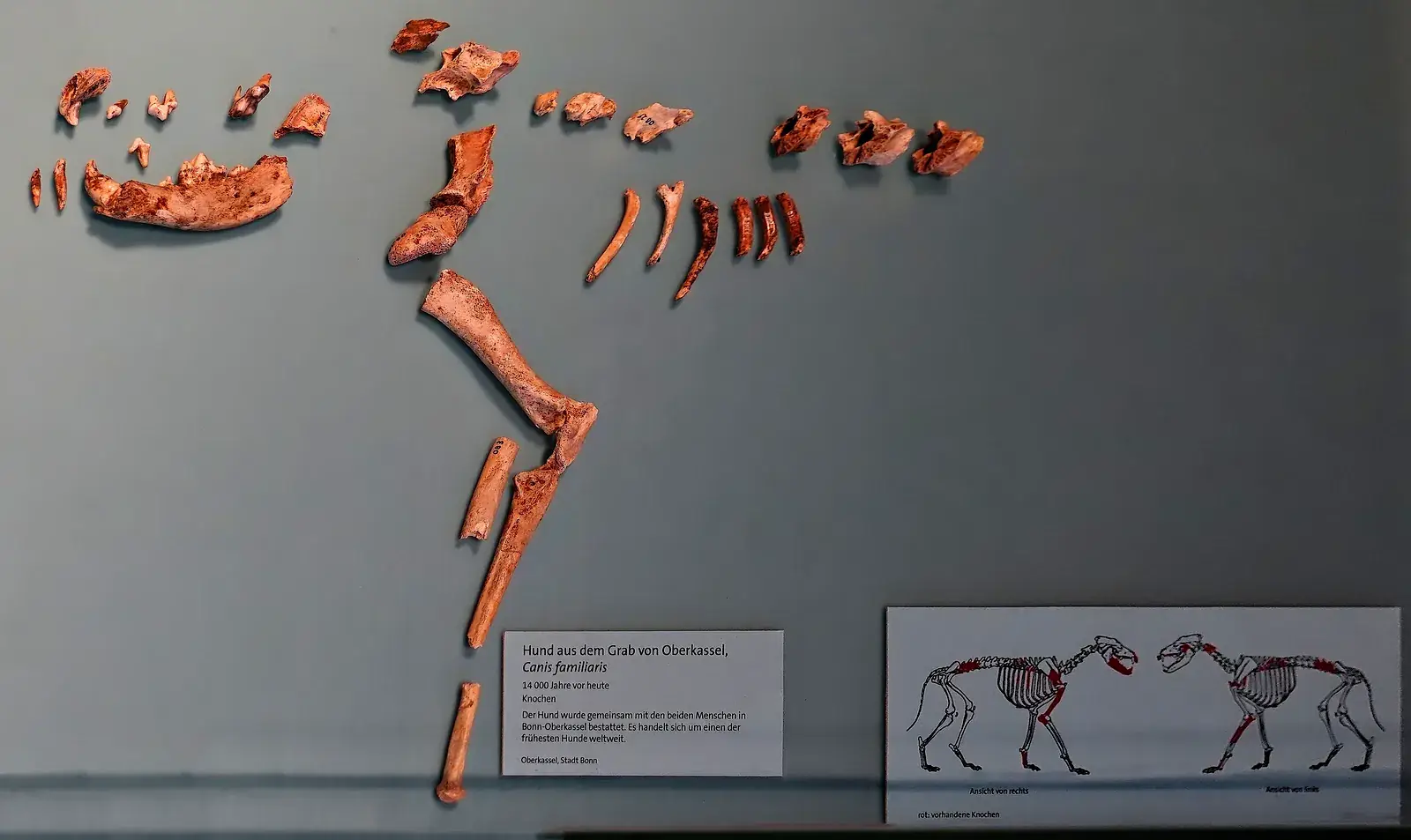
The first Europeans' dogs were hunters' dogs. The oldest sequenced genome in Bergström and colleagues (Science, 2020) is a 10,900-year-old Mesolithic dog from Karelia. The oldest dog that most researchers accept in Europe is the Bonn-Oberkassel dog, buried about 14,200 years ago in Germany with two people.
 GuideDogs of Japan: the native breeds and their storiesJapanese dog breeds explained: the six Nihon Ken, the Chin, Tosa, Japanese Spitz and Terrier, Hachiko, wartime near-extinction, DNA and who they suit.
Early farmers then moved into Europe from the Near East and brought dogs with Levant-related ancestry. That is the Neolithic part of the story, the arrival of farmer dogs. Botigué and colleagues (Nature Communications, 2017) read their ancient European genomes as continuity since the Early Neolithic. Bergström 2020 found that later European dog ancestry turned over almost completely.
A dog from a megalith context at Frälsegården in Sweden, about 5,000 years old, can be modelled as 90 to 100 percent of the ancestry of most modern European dogs. The study says Neolithic dog ancestry was replaced, and the first Europeans' dogs left little trace in the dogs that came after them.
 GuideSmartest dog breeds: what the rankings measure and what they missCoren's smartest dog breeds list, what it measured, what newer dog cognition research says, three kinds of dog intelligence and why smart dogs need work.GuideDogs of Japan: the native breeds and their storiesJapanese dog breeds explained: the six Nihon Ken, the Chin, Tosa, Japanese Spitz and Terrier, Hachiko, wartime near-extinction, DNA and who they suit.
From farmer dogs to breeds
The families grew apart in the last few thousand years, and most breeds took their present shape in the last few centuries. A few steps made the difference.
 GuideDogs in science and spaceSpace dogs Laika, Belka and Strelka, Pavlov's dogs, Snuppy the clone, the dog genome and scent detection: what dogs did for science, and what it cost them.
- Work. Farms, hunts, flocks, ships and mills needed different dogs. Herding, hunting, guarding and ratting split dogs into types.
- Place. Mountains, islands and countries kept some populations apart. The Swiss Alpine dogs and the Hungarian herders are examples.
- Breed clubs. In the 1800s, studbooks and shows fixed types and closed gene pools, and many breeds were built from a handful of dogs.
- Crossing. Many breeds were made by crossing others, and the tree notes where a family has two parents.
Dogs also left Europe. European colonisers brought them to the Americas, where they replaced the native dogs. The New World family hangs here as a result, with a small second link to Ancient American dogs.
 ArticleDog Breed Family Tree: How All Dog Breeds Are RelatedThe dog breed family tree from Ice Age wolves to 29 breed families.GuideDogs in science and spaceSpace dogs Laika, Belka and Strelka, Pavlov's dogs, Snuppy the clone, the dog genome and scent detection: what dogs did for science, and what it cost them.
What branches from here
European dogs have 22 child families in the atlas. Counts are breeds and types, living and extinct, as the tree lists them.
 GuideDog laws by country: tax, insurance and licencesDog tax, compulsory liability insurance, licences, microchips and leash rules in Germany, Austria, Switzerland, Spain, Ireland, the UK, the US and more.
- Scent Hound: 113 hounds that follow a trail by nose.
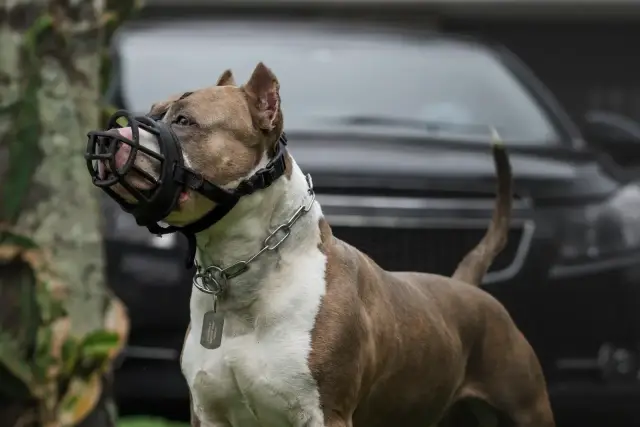
- European Mastiff: 54 mastiffs, bulldogs, bull terriers and bully types.
- Terrier: 49 earth dogs and vermin hunters.
- UK Rural: 44 British herding dogs and a set of sighthounds.
- Continental Herder: 39 shepherd dogs of France, Belgium, Italy and neighbouring countries.
- Pointer Setter: 36 gundogs that point or set game.
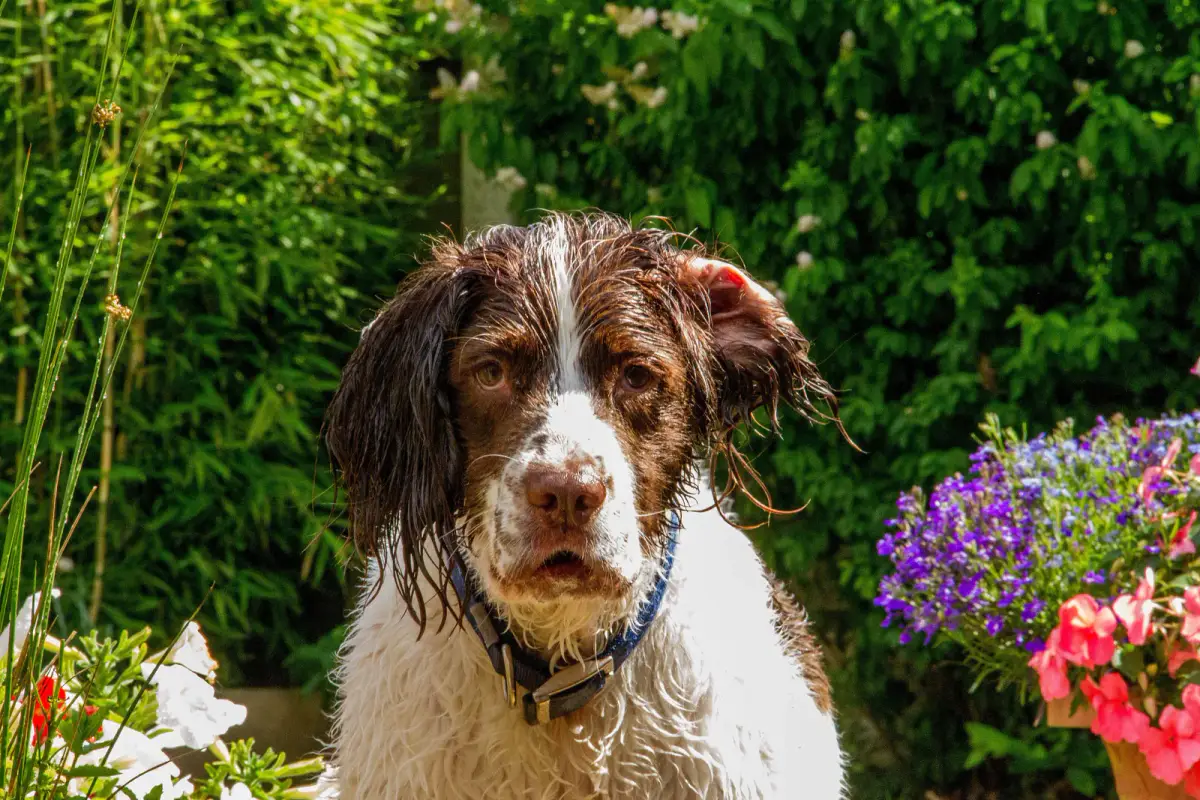
- Spaniel: 27 gundogs that flush game from cover.
- Poodle: 20 curly water dogs and bichons.
- Nordic Spitz: 19 hunting and herding dogs of Scandinavia and Finland.
- New World: 15 dogs of the Americas, hairless and European.
- Pinscher: 14 short-coated German farm and stable dogs.
- American Cur and Feist: 12 working farm dogs of the American South.
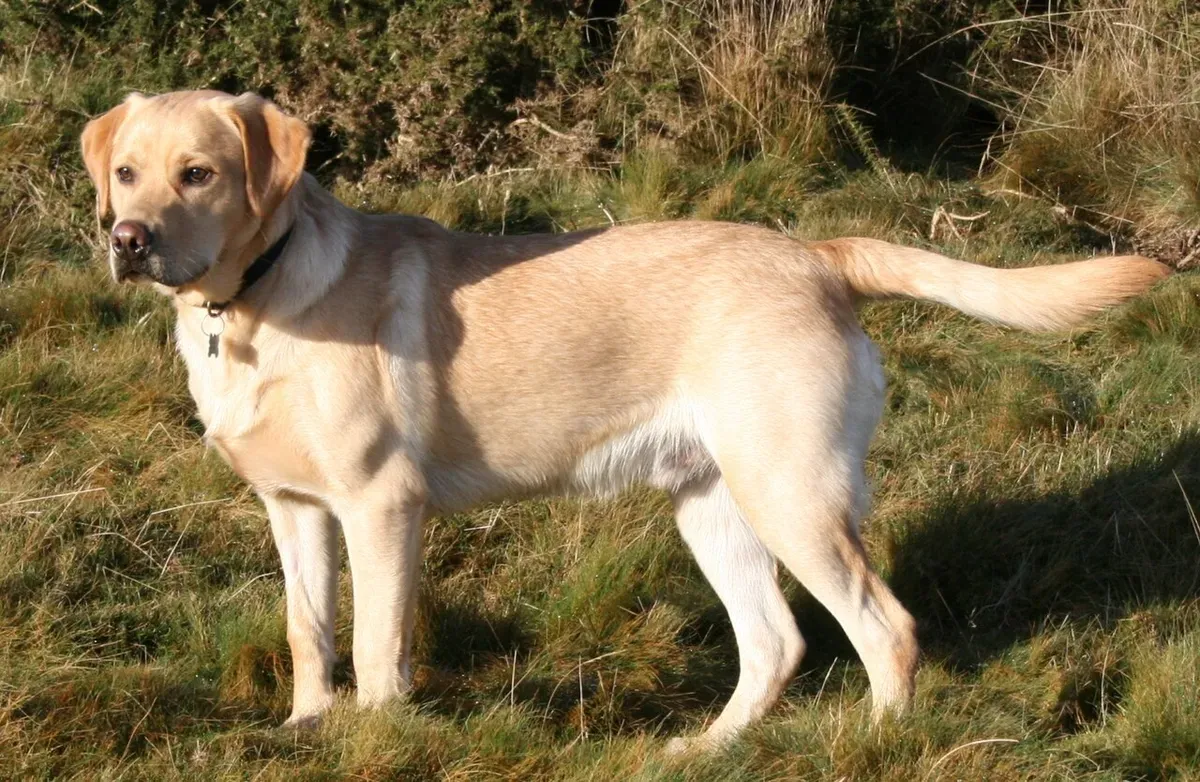
- Retriever: 10 gundogs that fetch shot game.
- Small Spitz: 10 small and medium spitz dogs.
- Modern Crossbreed: 10 designer crossbreeds.
- Alpine: 6 Swiss mountain dogs.
- Toy Spitz: 6 small companions from Belgium and China.
- American Terrier: 4 small American farm terriers.
- Drover: 4 large German and Russian working dogs.
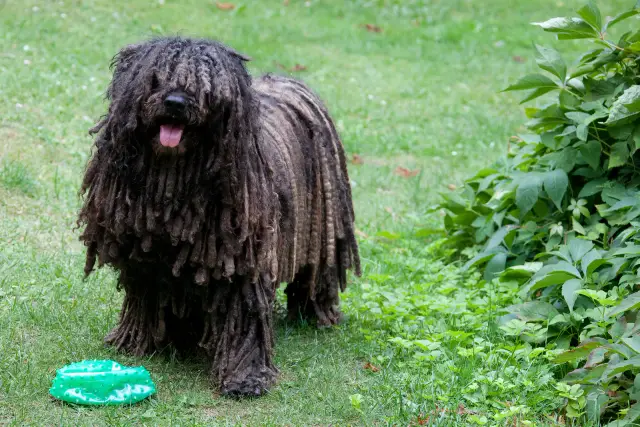
- Hungarian: 3 Hungarian herding dogs.
- Schnauzer: 2 bearded German dogs.
- American Toy: 2 toy dogs, the Chihuahua and the Chinese Crested.
Twenty of these families are DNA clades from Parker and colleagues (2017). Two, the American Cur and Feist and Modern Crossbreed, are inferred by the atlas because none of their members was tested. The Nordic Spitz, Small Spitz and Toy Spitz families show that "spitz" is a look, not a single family.
 Save
 Save
 GuideIs your dog suited to therapy work?How to make your dog a therapy dog: temperament checklist, first training steps, how Pet Partners, TDI and Pets As Therapy assess dogs, and welfare limits.GuideDog laws by country: tax, insurance and licencesDog tax, compulsory liability insurance, licences, microchips and leash rules in Germany, Austria, Switzerland, Spain, Ireland, the UK, the US and more.
What stays outside
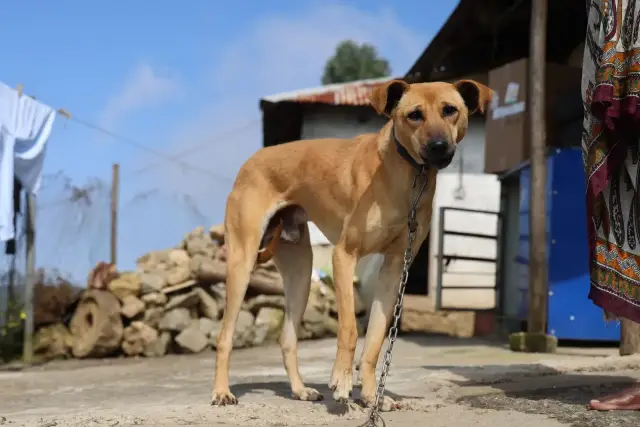
The Mediterranean family, with its sighthounds and flock guardians, hangs directly on West Eurasian dogs, not on European dogs. So does the Levantine and African branch. The Asian and Arctic spitz families belong to East Eurasian dogs.
 GuideDogs in Legends and Fairy TalesDogs in folklore and fairy tales: Black Shuck, The Tinderbox, Saint Guinefort, Panhu, Greyfriars Bobby, Barry and Old Drum, with legend and history kept apart.
 GuideDog Breeds by Country: Which Nations Made the Most?Dog breeds by country: how many breeds each nation produced in the Dogs Atlas data, from the UK and France to Japan, plus national dogs and families.GuideDogs in Legends and Fairy TalesDogs in folklore and fairy tales: Black Shuck, The Tinderbox, Saint Guinefort, Panhu, Greyfriars Bobby, Barry and Old Drum, with legend and history kept apart.
Surprises
- Almost all of the modern European breed families come from one branch, yet kennel clubs spread them across many groups.
- Europe's first dogs are not the main ancestors of its modern dogs.
- The Pug, a Chinese dog, sits in a European family, the Toy Spitz, because of its DNA.
- The German Shepherd sits in the New World family in this atlas, a statistical result.
- The Dobermann carries the word "Pinscher" in the United States, yet sits in the Drover family.
 GuideHow to get an assistance dogHow to get a service dog or assistance dog in the USA, UK, Germany, France, Spain, Italy and the Netherlands: accredited schools, waits, owner-training and travel.
 GuideDog Clothes: When Dogs Need Coats, and a Short History of Dog FashionDo dogs need coats in winter? When clothes help, when costumes stress a dog, safe fit, reflective gear, and a short history of dog fashion and dog art.GuideHow to get an assistance dogHow to get a service dog or assistance dog in the USA, UK, Germany, France, Spain, Italy and the Netherlands: accredited schools, waits, owner-training and travel.
Related pages
- West Eurasian dogs
- Domestic dog
- Levantine and African dogs
- Mediterranean
- East Eurasian dogs
- Dog family tree
- First dogs by continent
 GuideService, therapy and emotional support dogs: what's the difference?Service dog vs emotional support dog vs therapy dog: the real differences, your rights in the USA and Europe, and why online certificates mean nothing.
 GuideHow to adopt a dog from a shelter or rescueHow to adopt a dog from a shelter or rescue: the process, costs in general terms, choosing a dog, the first weeks and what if it does not work out.GuideService, therapy and emotional support dogs: what's the difference?Service dog vs emotional support dog vs therapy dog: the real differences, your rights in the USA and Europe, and why online certificates mean nothing.
FAQ
What are European dogs?
The largest lineage of the dog family tree, holding most Western breed families.
How many dog breeds are European?
About 500 breeds and types, living and extinct, sit under this lineage in the atlas.
Where did European dogs come from?
From Near Eastern dogs brought by early farmers, then through later replacement of older European lines (Bergström 2020).
Are modern breeds descended from ancient European dogs?
In part. Most breeds are recent, and the ancestry they carry goes back thousands of years.
What is the biggest European dog family?
The Scent Hound family, with 113 breeds and types in this atlas.
Do European dogs include the Poodle?
Yes, in the Poodle family.
Read next
 Family storyAncient American dogsRead the family's story: origins, members, DNA
 Family storyWest Eurasian dogsRead the family's story: origins, members, DNA
 Family storyHungarianRead the family's story: origins, members, DNA
Sources (4)
- Bergström, A. et al. (2020). Origins and genetic legacy of prehistoric dogs. Science 370(6516): 557-564.
- Botigué, L.R. et al. (2017). Ancient European dog genomes reveal continuity since the Early Neolithic. Nature Communications 8: 16082.
- Parker, H.G. et al. (2017). Genomic analyses reveal the influence of geographic origin, migration, and hybridization on modern dog breed development. Cell Reports 19(4): 697-708.
- Janssens, L. et al. (2018). A new look at an old dog: Bonn-Oberkassel reconsidered. Journal of Archaeological Science.