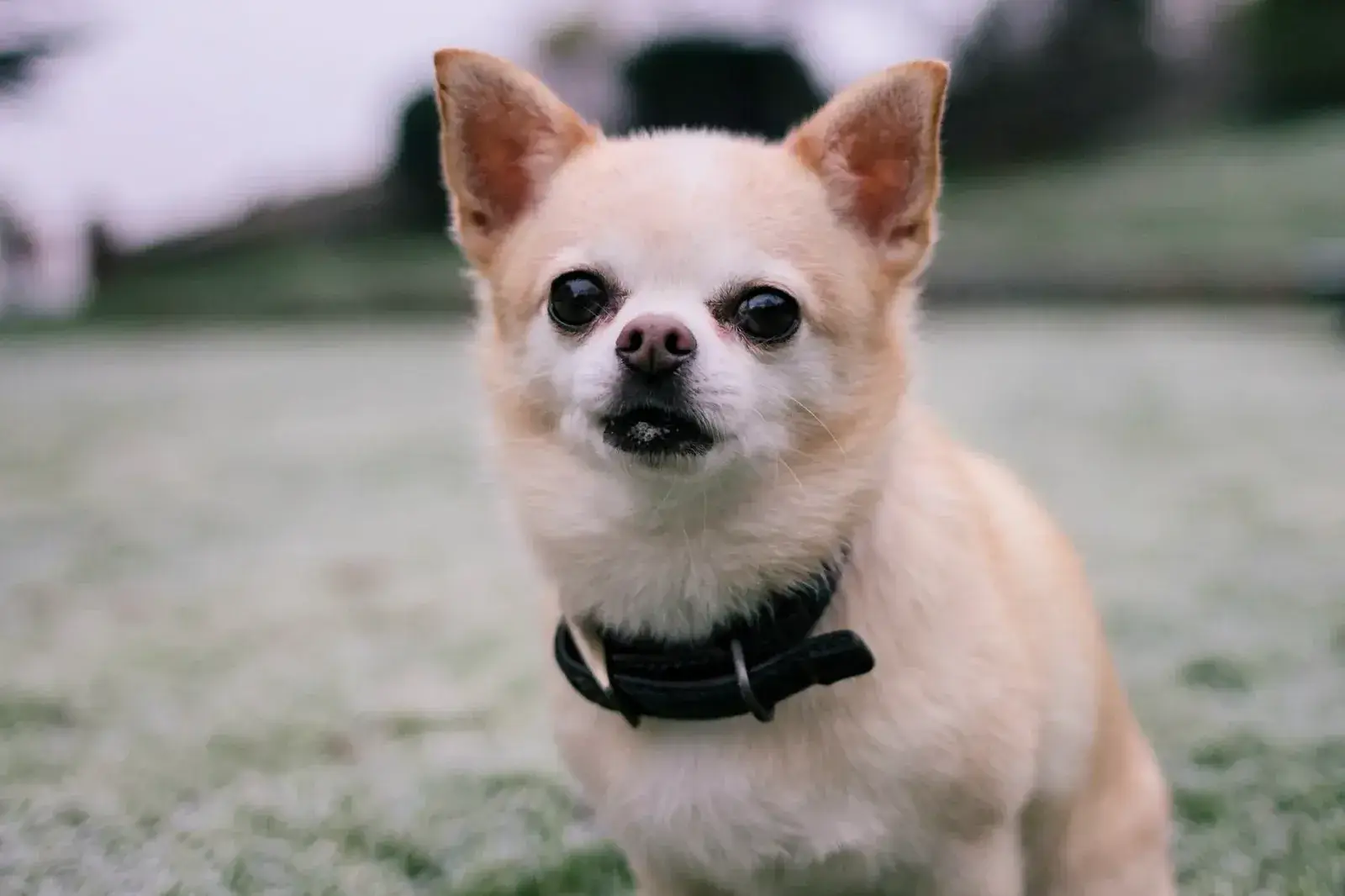
What are the American Toy breeds?
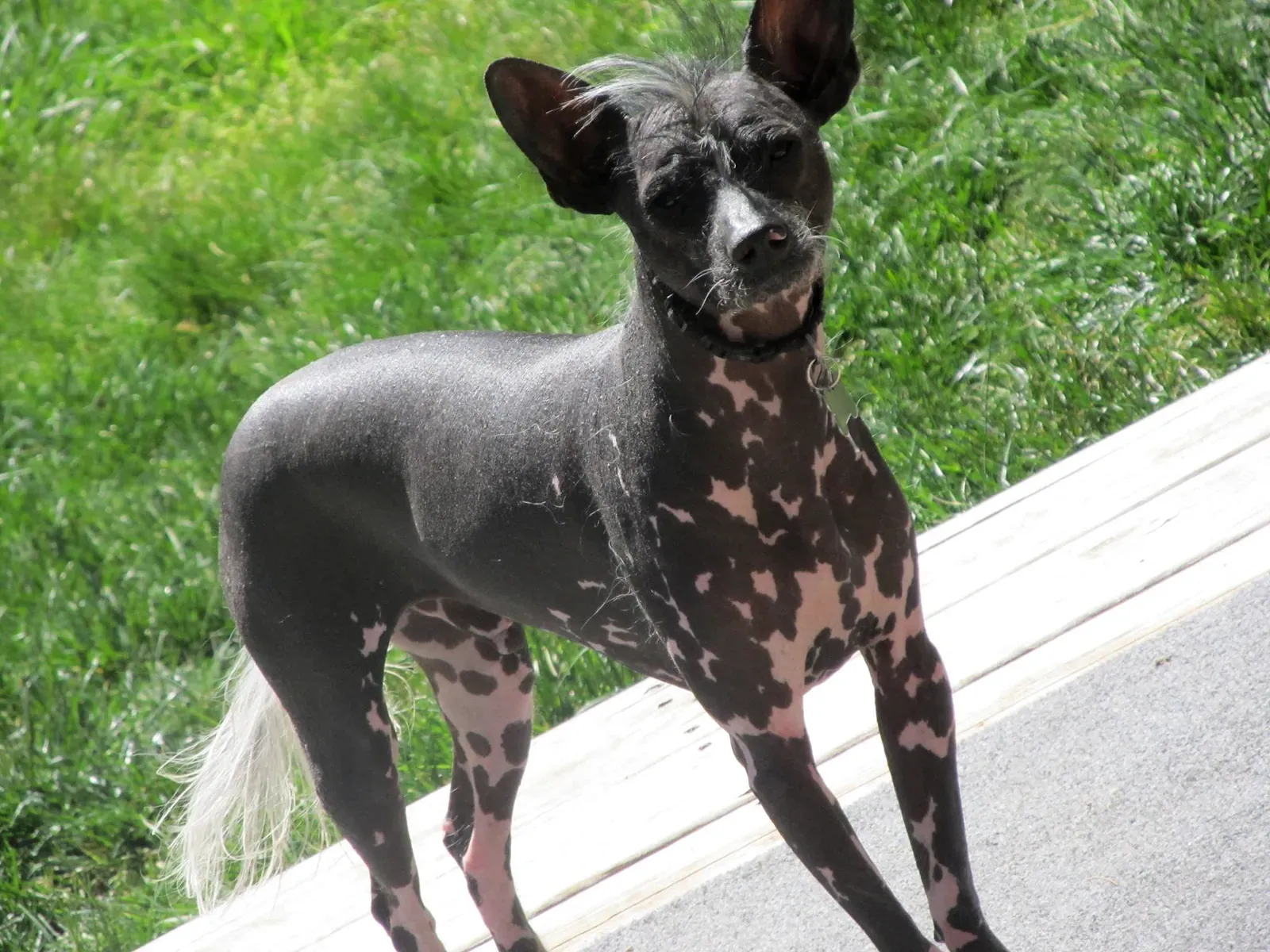
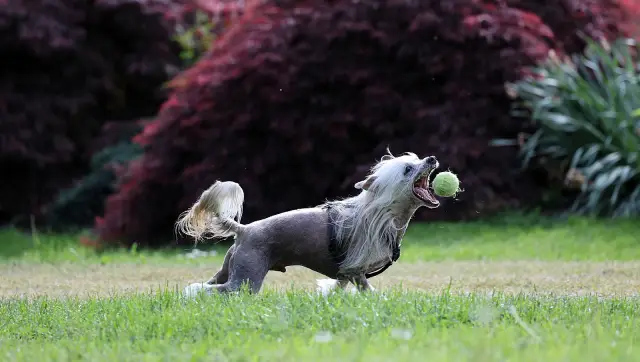
The American Toy family has two breeds: the Chihuahua from Mexico and the Chinese Crested from China. Both are living toy dogs. The pairing looks odd, because one is named for a Mexican state and the other for China.
 Save
 GuideDogs in myth around the worldFrom Anubis and Cerberus to Fenrir, Xolotl and the Tiangou: how cultures across the world imagined dogs as guardians, guides and monsters.
In this atlas a family is a branch of the dog family tree found by comparing DNA. It is not a kennel club group. Both breeds were sampled by Parker et al. (2017) and fall into one clade with strong support. The family name comes from the study's label. The Toy Fox Terrier, another small American dog, is not here: it sits in the American Terrier family.
Quick facts about the American Toy family
| Fact | Answer |
|---|---|
| Family type | Genetic clade (Parker et al. 2017) |
| Parent | European dogs (see the dog family tree) |
| Breeds in this atlas | 2 (both living) |
| Breeds with DNA tested in the study | 2, strong support |
| Homelands | Mexico and China |
| Typical size | Toy (2) |
| Core job | Companion |
| Strongest tie | Chihuahua and Chinese Crested, 23.7 Mb shared |
 GuideDogs of Japan: the native breeds and their storiesJapanese dog breeds explained: the six Nihon Ken, the Chin, Tosa, Japanese Spitz and Terrier, Hachiko, wartime near-extinction, DNA and who they suit.
Family or group: what is the difference?
"Family" in this atlas means a DNA clade. "Group" means a kennel club group. The FCI files both breeds in Group 9, companion and toy dogs, and the AKC lists both in the Toy Group. Here the kennel groups and the DNA agree on the size, but the DNA adds a tie that the names hide.
 GuideDog hybrids: what dogs can and cannot breed withCan dogs breed with wolves, coyotes, jackals or foxes? Wolfdogs, coydogs, the Sulimov dog and Dogxim explained, with chromosomes and DNA studies.
The clade is small. With only two breeds in the study sample, the family tells us they are closer to each other than to any other breed in the tree, not that they share a recent common history.
Where the American Toy family sits in the tree
The parent is European dogs. Its neighbours under European dogs include American Terrier, Pinscher and Toy Spitz. The Chinese Crested also links to the Pekingese in the Asian Toy family (16.2 Mb) and to the Pug (12.0 Mb). For the Mexican side, see the New World family, home of the Xoloitzcuintli.
 GuideIs your dog suited to therapy work?How to make your dog a therapy dog: temperament checklist, first training steps, how Pet Partners, TDI and Pets As Therapy assess dogs, and welfare limits.

Name and origin
- Chihuahua is named for the Mexican state of Chihuahua, where the breed was found in the 19th century.
- Chinese Crested is named for the tufted crest of hair on its head. A coated form is called the Powderpuff.
 GuideBanned and restricted dog breeds by countryWhich dog breeds are banned or restricted, country by country: UK, Ireland, France, Germany, Denmark, Norway, Spain, Australia and more.
History of the American Toy breeds
 GuideLivestock guardian dogs: what they do and who they suitWhat livestock guardian dogs do, how they differ from herding dogs, 40 LGD breeds by country, the DNA evidence, and whether they make good pets.
The Chihuahua: a Mexican story with a European share
The popular account says the Chihuahua descends from the Techichi, a small dog kept by the Toltec and Aztec. This is a tradition, not a pedigree. Small dogs were sold to American visitors in Chihuahua and along the Texas and Arizona border, and the AKC recognised the breed in 1904. The atlas dates the breed between 1850 and 1904 with medium confidence. The Chihuahua article has the full story.
A 2020 analysis of ancient dog genomes estimates that about 4 percent of the Chihuahua genome comes from pre-contact American dogs. That is small but real, and most of the breed's DNA comes from dogs that arrived with Europeans.
The Chinese Crested: a hairless dog with a hazy past
The atlas dates the Chinese Crested between 1500 and 1965, with low confidence. The wide range and the low confidence mean the early record is unclear. We list no parent breeds for it. The only reliable fact on the family tie is the DNA: the Chinese Crested is the closest relative of the Chihuahua in the study, and also shares DNA with the Xoloitzcuintli (13.1 Mb).

The hairless gene
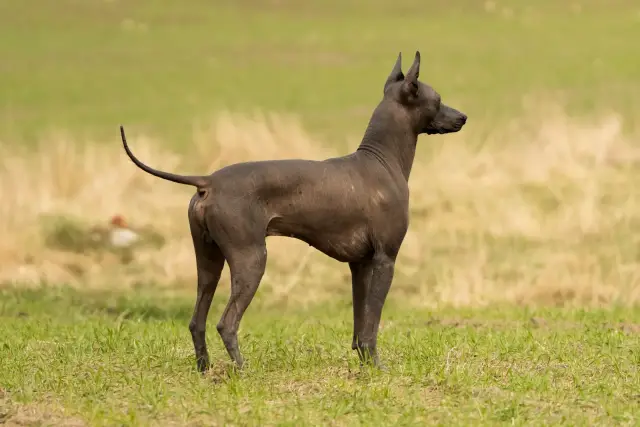
Hairless Chinese Cresteds, Xoloitzcuintli and Peruvian Hairless Dogs share one cause. A 2008 Science paper by Drögemüller and colleagues mapped canine ectodermal dysplasia to a frameshift mutation in the FOXI3 gene, found in all 140 hairless dogs tested and in none of 87 coated dogs, according to coverage from the Broad Institute. The trait is described as semidominant, and the hairless dogs are heterozygous for it. This is not the same change as in the American Hairless Terrier, which has a different, recessive variant.
 GuideDog laws by country: tax, insurance and licencesDog tax, compulsory liability insurance, licences, microchips and leash rules in Germany, Austria, Switzerland, Spain, Ireland, the UK, the US and more.
The study says nothing about the Chihuahua, which has no hairless form in this evidence. So the hairless gene explains a link between the Chinese Crested and the New World hairless dogs, but not why the Chihuahua groups with the Chinese Crested.
Who are the members of the American Toy family?
Both breeds, both tested in the study. "Appeared" is the period in which the breed took shape.
 GuideDogs in Legends and Fairy TalesDogs in folklore and fairy tales: Black Shuck, The Tinderbox, Saint Guinefort, Panhu, Greyfriars Bobby, Barry and Old Drum, with legend and history kept apart.
| Breed | Country | Status | Size | Appeared | DNA-tested |
|---|---|---|---|---|---|
| Chinese Crested Dog | China | Living | Toy | 1500 to 1965 | Yes (Parker 2017) |
| Chihuahua | Mexico | Living | Toy | 1850 to 1904 | Yes (Parker 2017) |
Family tree and DNA ties
The numbers are megabases (Mb, millions of DNA letters) that two breeds share in matching stretches in the Parker study.
 GuideHow to get an assistance dogHow to get a service dog or assistance dog in the USA, UK, Germany, France, Spain, Italy and the Netherlands: accredited schools, waits, owner-training and travel.
| Pair | Shared DNA (Mb) | What it tells us |
|---|---|---|
| Chihuahua and Chinese Crested | 23.7 | The tie that defines the family |
| Chinese Crested and Pekingese | 16.2 | A link to the Asian Toy family |
| Chinese Crested and Xoloitzcuintli | 13.1 | The hairless-dog connection |
| Chinese Crested and Pug | 12.0 | A link to Toy Spitz |
| Chinese Crested and American Eskimo Dog | 10.7 | A weak link to Nordic Spitz |
| Chihuahua and American Hairless Terrier | 10.5 | A weak link to American Terrier |
| Chinese Crested and Toy Manchester Terrier | 10.3 | A weak link to Pinscher |
Source: Parker et al. 2017, Cell Reports, shared haplotypes between 161 breeds (1,346 dogs).
The ties are small, between 10 and 24 Mb. These numbers can arise from shared ancestry or from recent crossing, and the study does not separate them.
What the American Toy breeds share
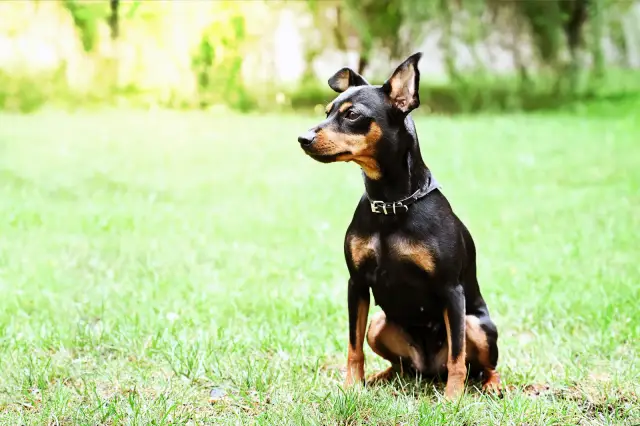
Size. Both are toys, in the toy group of both major kennel organisations.
 GuideService, therapy and emotional support dogs: what's the difference?Service dog vs emotional support dog vs therapy dog: the real differences, your rights in the USA and Europe, and why online certificates mean nothing.
Job. Companions. Neither was bred for farm or field work.
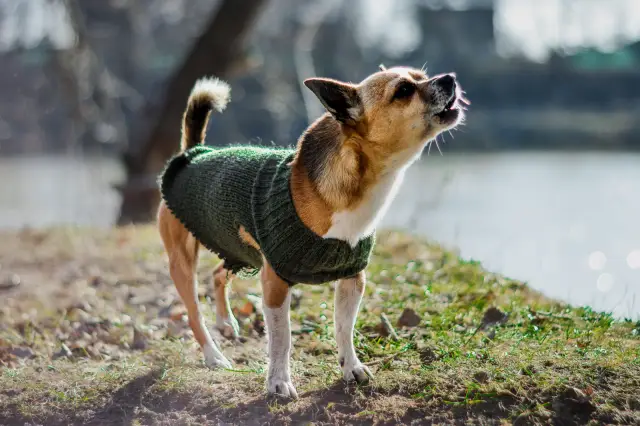
Look. Large, upright ears and a fine-boned body. The Chihuahua comes in smooth and long coats and the Chinese Crested in hairless and powderpuff forms.
Temperament. Companion dogs that bond closely with owners, in breed writing. This is a tendency, not a promise.

Health themes
Most dogs in this family live healthy lives. The best data are for the Chihuahua. No breed-wide prevalence study has been published for the Chinese Crested.
 GuideDogs in science and spaceSpace dogs Laika, Belka and Strelka, Pavlov's dogs, Snuppy the clone, the dog genome and scent detection: what dogs did for science, and what it cost them.
| Condition | What it is | How common | What helps |
|---|---|---|---|
| Dental disease (Chihuahua) | Plaque, gum disease and tooth loss in a small jaw | About 1 in 7 dogs (13.5%) (O'Neill et al. 2020, VetCompass) | Daily brushing, vet dental checks |
| Obesity (Chihuahua) | Extra weight that strains small joints | About 1 in 17 dogs (5.9%) (O'Neill et al. 2020) | Measured meals, regular exercise |
| Retained baby teeth (Chihuahua) | Milk teeth that do not fall out | About 1 in 18 dogs (5.7%) (O'Neill et al. 2020) | Vet check at the teething stage |
| Patellar luxation (Chihuahua) | The kneecap slips out of its groove | 1.3% of all dogs; Chihuahua odds 5.9 times higher than crossbreeds (O'Neill et al. 2016) | Weight control, screening of breeding dogs |
| Chinese Crested | No breed-wide study with prevalence found | Not stated | Ask the breed club which tests apply |
The VetCompass Chihuahua study gave a median life span of about 8.2 years. This number comes from vet records, which include dogs seen because of illness, so many healthy dogs live longer. The atlas lists 8 to 12 years for the Chihuahua and 13 to 18 for the Chinese Crested, which are record ranges, not study results.
 ArticleDog Breed Family Tree: How All Dog Breeds Are RelatedThe dog breed family tree from Ice Age wolves to 29 breed families.GuideDogs in science and spaceSpace dogs Laika, Belka and Strelka, Pavlov's dogs, Snuppy the clone, the dog genome and scent detection: what dogs did for science, and what it cost them.
Extinct members
None.
 GuideHow to adopt a dog from a shelter or rescueHow to adopt a dog from a shelter or rescue: the process, costs in general terms, choosing a dog, the first weeks and what if it does not work out.
 GuideDog Breeds by Country: Which Nations Made the Most?Dog breeds by country: how many breeds each nation produced in the Dogs Atlas data, from the UK and France to Japan, plus national dogs and families.GuideHow to adopt a dog from a shelter or rescueHow to adopt a dog from a shelter or rescue: the process, costs in general terms, choosing a dog, the first weeks and what if it does not work out.
Surprises in the American Toy family
- A Chinese dog in an American family. The label comes from the clade, but the Chinese Crested is from China.
- The Toy Fox Terrier is not here. It is a small American dog, but it sits in the American Terrier family.
- A shared link to a hairless terrier. The Chihuahua shares 10.5 Mb with the American Hairless Terrier, which is not a toy breed in the AKC lists.
- The Chihuahua has some pre-contact ancestry. About 4 percent, in a 2020 analysis.
 Family storyAlpineRead the family's story: origins, members, DNA
Which American Toy breed suits which owner?
This is a guide to type, not a promise for any single dog.
 Family storyAncient American dogsRead the family's story: origins, members, DNA
- Owners who want a tiny, bonded companion. The Chihuahua needs dental care, warmth and gentle handling.
- Owners who want an unusual toy dog. The Chinese Crested needs skin care in the hairless form and coat care in the powderpuff form.
 GuideDog Clothes: When Dogs Need Coats, and a Short History of Dog FashionDo dogs need coats in winter? When clothes help, when costumes stress a dog, safe fit, reflective gear, and a short history of dog fashion and dog art.Family storyAncient American dogsRead the family's story: origins, members, DNA
Fun facts about the American Toy breeds
- The Chihuahua shares 23.7 Mb with the Chinese Crested, its closest relative in the study.
- The Chinese Crested has a coated form called the Powderpuff.
- The AKC recognised the Chihuahua in 1904.
- The FOXI3 hairless gene was reported in 2008.
 Family storyAncient BasalRead the family's story: origins, members, DNA

Related families
- New World: the Xoloitzcuintli, which shares the hairless gene with the Chinese Crested.
- American Terrier: the American Hairless Terrier and Toy Fox Terrier.
- Asian Toy: the Pekingese, which shares 16.2 Mb with the Chinese Crested.
- Toy Spitz: the Pug, which shares 12.0 Mb with the Chinese Crested.
 Family storyArctic dogsRead the family's story: origins, members, DNA

Frequently asked questions
Are the Chihuahua and the Chinese Crested related?
By DNA, yes. They share 23.7 Mb in the Parker study and fall in one clade.
What are the American Toy dog breeds?
In the atlas: the Chihuahua and the Chinese Crested.
Why is a Chinese dog in the American Toy family?
The family name is a label for the DNA clade, and the Chinese Crested falls in it by DNA. The study does not give a history for the tie.
Is the Chihuahua a hairless breed?
No. It comes in smooth and long coats. The hairless gene is in the Chinese Crested, the Xoloitzcuintli and the Peruvian Hairless Dog.
How long do Chihuahuas live?
A UK VetCompass study gave a median of about 8.2 years in vet records. Healthy dogs often live longer.
Read next
 Family storyEuropean dogsRead the family's story: origins, members, DNA
 Family storyAsian ToyRead the family's story: origins, members, DNA
 Family storyTerrierRead the family's story: origins, members, DNA
Sources (8)
- Parker, H. G., et al. (2017). Genomic analyses reveal the influence of geographic origin, migration, and hybridization on modern dog breed development. Cell Reports, 19(4), 697 to 708.
- Drögemüller, C., et al. (2008). A mutation in hairless dogs implicates FOXI3 in ectodermal development. Science.
- Broad Institute, news coverage of the FOXI3 hairless dog study.
- O'Neill, D. G., et al. (2020). Chihuahua demography and disorders under UK primary veterinary care, VetCompass, Royal Veterinary College.
- O'Neill, D. G., et al. (2016). Epidemiology of patellar luxation in dogs attending primary-care veterinary practices in England. Canine Genetics and Epidemiology.
- Ní Leathlobhair, M., et al. (2018). The evolutionary history of dogs in the Americas. Science.
- FCI standards for the Chihuahua (218) and Chinese Crested Dog (288).
- Breed records in the atlas data (Dogs Atlas, internal data).