Who were the ancient American dogs?
Ancient American dogs were the dogs of North and South America before Europeans arrived. They came into the Americas with the first people and lived there for thousands of years. After about 1492 European dogs replaced them so thoroughly that very little of their DNA is left in dogs today.
 GuideIs your dog suited to therapy work?How to make your dog a therapy dog: temperament checklist, first training steps, how Pet Partners, TDI and Pets As Therapy assess dogs, and welfare limits.
In this atlas they are a lineage under Arctic dogs. The tie is Siberia: the first Americans and their dogs came from there. The New World family keeps a small link to this lineage, but most of that family is European.
Quick facts about the Ancient American dogs lineage
| Fact | Answer |
|---|---|
| Branch type | Lineage (a deep branch above the breed families), mostly lost |
| Parent | Arctic dogs |
| Grandparent lineage | East Eurasian dogs |
| Linked family | New World (minor second parent) |
| Time in this atlas | About 13,000 to 8,000 years ago (low confidence) |
| Oldest genetically confirmed American dog | Lawyer's Cave, Alaska, about 10,150 years ago |
| Oldest securely dated burials | Koster and Stilwell II, Illinois, about 10,000 years ago |
| Key studies | Perri 2021 (PNAS), Ní Leathlobhair 2018 (Science), van Asch 2013 |
 GuideDogs in myth around the worldFrom Anubis and Cerberus to Fenrir, Xolotl and the Tiangou: how cultures across the world imagined dogs as guardians, guides and monsters.
How dogs reached the Americas
Perri and colleagues (PNAS, 2021) compared the histories of people and dogs. They propose that dogs were domesticated in Siberia by about 23,000 years ago and entered the Americas with the first people, roughly 15,000 years ago. The people crossed from north-east Asia, and the dogs came with them.
 GuideSmartest dog breeds: what the rankings measure and what they missCoren's smartest dog breeds list, what it measured, what newer dog cognition research says, three kinds of dog intelligence and why smart dogs need work.
Ní Leathlobhair and colleagues (Science, 2018) sequenced 71 mitochondrial genomes and 7 nuclear genomes from ancient dogs of North America and Siberia, spanning about 9,000 years. American dogs formed one lineage that most likely came from Siberia, not from American wolves. That fits the picture that dogs travelled with people rather than being tamed again in the new land.
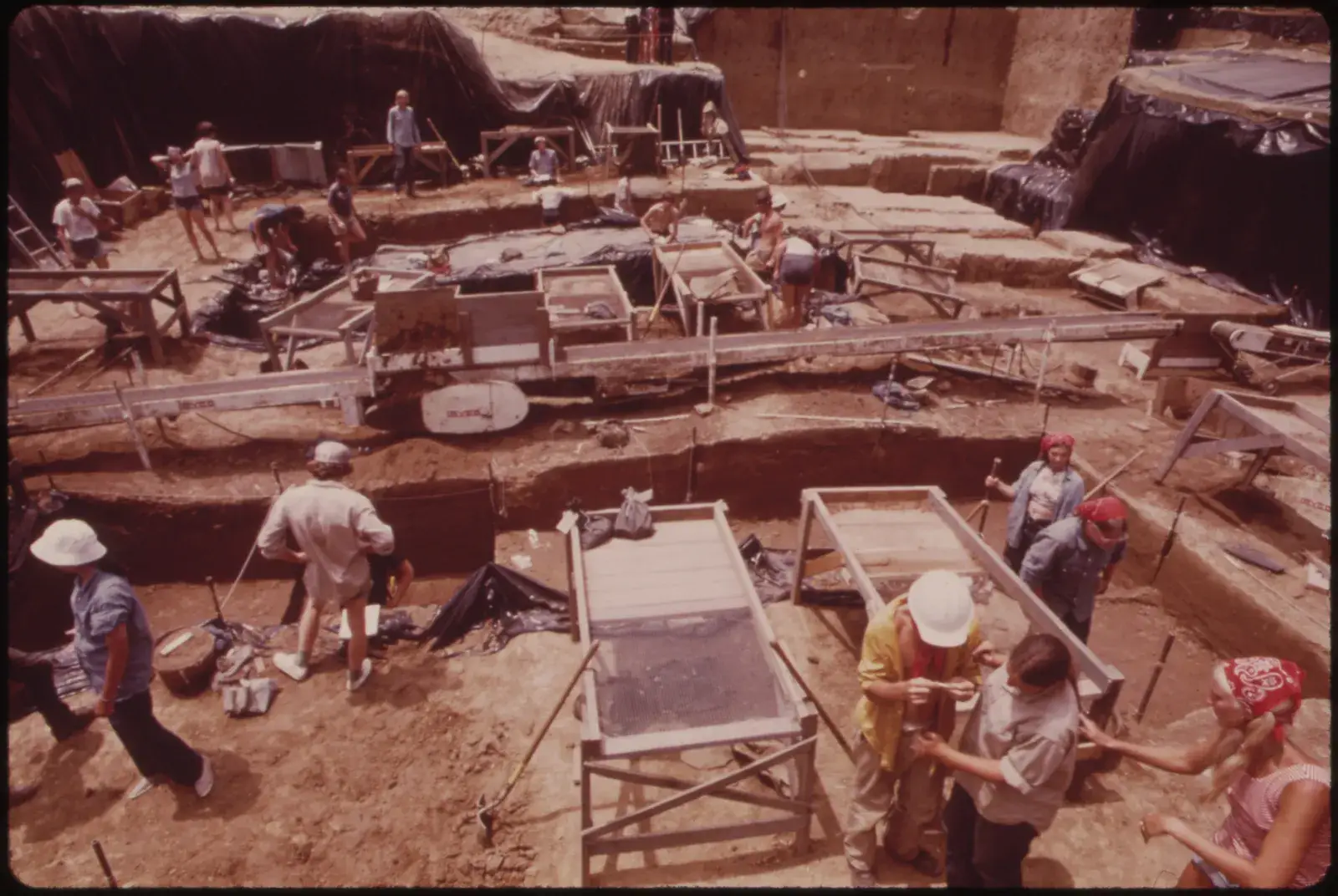
The dates are estimates. The oldest dog bone proven by DNA, a femur from Lawyer's Cave in south-east Alaska, is about 10,150 years old, so the record starts after the likely arrival. For the full list of finds, see first dogs by continent.
What happened after 1492
European ships brought new dogs, and over a few centuries the native lineage almost disappeared. Ní Leathlobhair 2018 reports that pre-contact American dogs left a minimal genetic legacy, and that the old lineage was almost completely replaced. Perri and colleagues report the unique American dog maternal lineage in about 0.5 percent of modern dogs.
 GuideDogs of Japan: the native breeds and their storiesJapanese dog breeds explained: the six Nihon Ken, the Chin, Tosa, Japanese Spitz and Terrier, Hachiko, wartime near-extinction, DNA and who they suit.
The study also found the closest detectable relative of pre-contact American dogs in an odd place: the canine transmissible venereal tumour, a contagious cancer that spreads between dogs. It is a clone of tumour cells from one dog that lived up to 8,000 years ago, and its genome sits next to the old American dogs. The cancer outlived the dog and the lineage it came from.
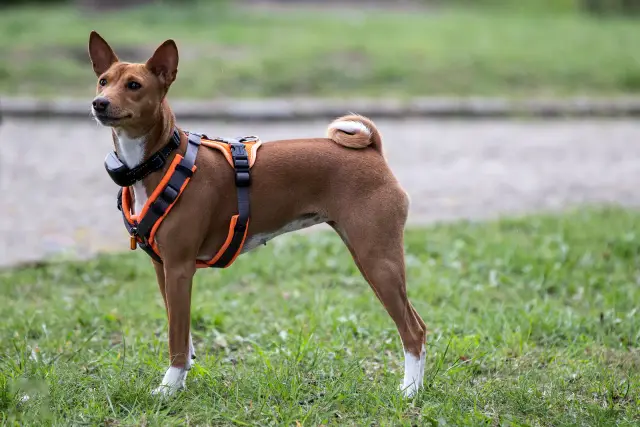
The Xoloitzcuintle and Chihuahua question
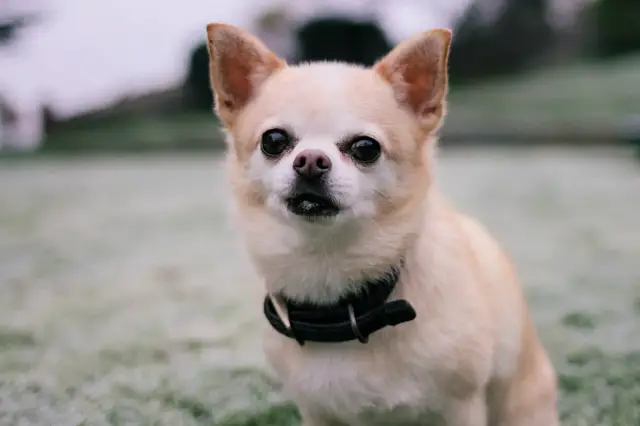
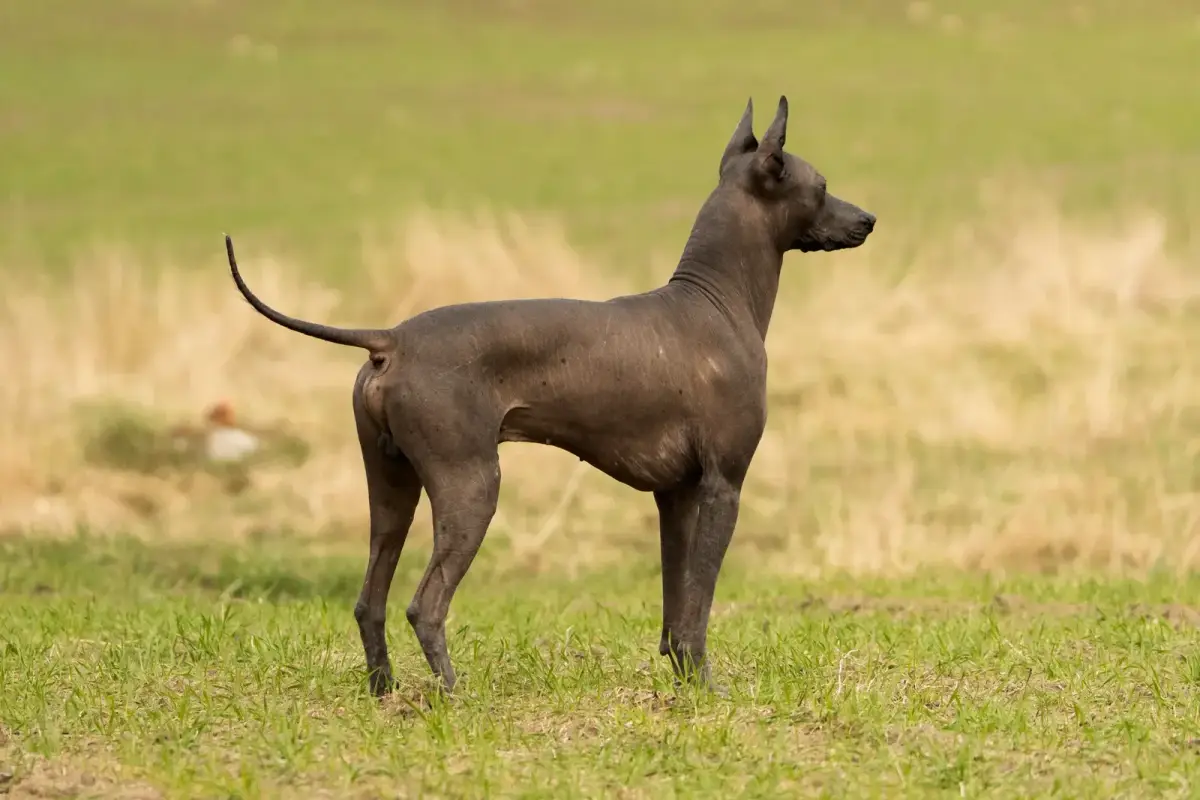
Two breeds are often named as living survivors: the Xoloitzcuintle, the hairless dog of Mexico, and the Chihuahua. The answer depends on which part of the DNA you read.
 GuideDog Breeds by Country: Which Nations Made the Most?Dog breeds by country: how many breeds each nation produced in the Dogs Atlas data, from the UK and France to Japan, plus national dogs and families.
- Maternal DNA. Van Asch and colleagues (Proceedings of the Royal Society B, 2013) found pre-Columbian maternal lineages in Inuit, Eskimo and Greenland dogs, the Chihuahua, the Xoloitzcuintli and the Peruvian hairless dog. The Chihuahua shares a haplotype with ancient Mexican samples. Mitochondrial DNA follows only the mother's line, so it can hide a lot of later mixing.
- Whole genomes. Ní Leathlobhair's nuclear data show a minimal legacy in modern dogs overall. The hairless breeds are the main place where a small pre-contact part may remain, which is why the tree keeps a small second link from New World to this lineage.
Both views can hold at once. A breed can keep a maternal line from the old dogs while most of its nuclear DNA is European. In the tree the Xoloitzcuintle sits in New World, and the Chihuahua sits in American Toy with the Chinese Crested. The family names reflect where breeds cluster, not a verdict that any of them is a copy of a pre-contact dog.
The Arctic dogs are the main exception to the loss. Ní Leathlobhair's data point to the Greenland Dog, the Canadian Eskimo Dog and the Alaskan Malamute as carrying more of the old American signal, though Sinding 2020 shows that much of their ancestry comes from later Siberian dogs.
 Save

What branches from here
Ancient American dogs have one linked branch in the atlas.
 GuideDog hybrids: what dogs can and cannot breed withCan dogs breed with wolves, coyotes, jackals or foxes? Wolfdogs, coydogs, the Sulimov dog and Dogxim explained, with chromosomes and DNA studies.
- New World: 15 breeds and types, from the Xoloitzcuintle and the Peruvian Hairless Dog to the German Shepherd. European dogs are the main parent. Ancient American dogs are a minor second parent.
Most native American dog types are extinct. Several appear in the New World family as lost dogs of the Americas, known from reports and skeletal remains rather than from DNA.
 ArticleThe first known dog on every continentEarliest accepted dog on each continent, from Bonn-Oberkassel to the dingo: dates, sites, how dogs arrived and which breeds carry those first dogs.GuideDog hybrids: what dogs can and cannot breed withCan dogs breed with wolves, coyotes, jackals or foxes? Wolfdogs, coydogs, the Sulimov dog and Dogxim explained, with chromosomes and DNA studies.
Surprises
- Dogs came into the Americas with the first people, and the dogs left almost nothing in dogs today.
- A contagious dog cancer carries the closest living trace of the old American dogs.
- A Chihuahua can carry a pre-Columbian maternal line and still be mostly European by nuclear DNA.
- A dog femur was stored as a bear bone for about 20 years before DNA proved it was a dog.
- The German Shepherd sits in the New World family in this atlas, a statistical result and not a claim that it descends from ancient American dogs.
 GuideBest dog breeds for familiesBest dog breeds for families, small homes, allergies, first-time owners and seniors, ranked from our breed ratings, with honest limits and a table.
 GuideDog Clothes: When Dogs Need Coats, and a Short History of Dog FashionDo dogs need coats in winter? When clothes help, when costumes stress a dog, safe fit, reflective gear, and a short history of dog fashion and dog art.GuideBest dog breeds for familiesBest dog breeds for families, small homes, allergies, first-time owners and seniors, ranked from our breed ratings, with honest limits and a table.
Related pages
- Arctic dogs
- East Eurasian dogs
- Domestic dog
- New World
- American Toy
- Dog family tree
- First dogs by continent
 GuideBanned and restricted dog breeds by countryWhich dog breeds are banned or restricted, country by country: UK, Ireland, France, Germany, Denmark, Norway, Spain, Australia and more.
 ArticleDog Breed Family Tree: How All Dog Breeds Are RelatedThe dog breed family tree from Ice Age wolves to 29 breed families.GuideBanned and restricted dog breeds by countryWhich dog breeds are banned or restricted, country by country: UK, Ireland, France, Germany, Denmark, Norway, Spain, Australia and more.
FAQ
Were there dogs in the Americas before Columbus?
Yes. Dogs arrived with the first people, probably about 15,000 years ago, and lived across the Americas for thousands of years.
Where did American dogs come from?
From Siberia, according to Perri 2021 and Ní Leathlobhair 2018.
What happened to pre-contact American dogs?
After European contact they were mostly replaced. Little of their DNA survives in modern dogs.
Is the Xoloitzcuintle an ancient breed?
The type is old and has Mexican roots, and maternal DNA ties it to pre-contact dogs. Its nuclear DNA is not a simple copy of them.
Is the Chihuahua a pre-Columbian dog?
Maternal DNA links the Chihuahua to ancient Mexican samples (van Asch 2013). Whole-genome work shows little pre-contact ancestry in modern breeds.
Are any American dogs pure descendants of the first dogs?
No study checked here shows one.
Read next
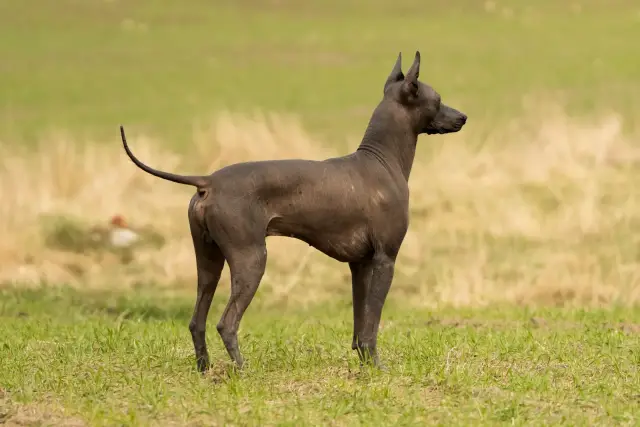 Family storyNew WorldRead the family's story: origins, members, DNA
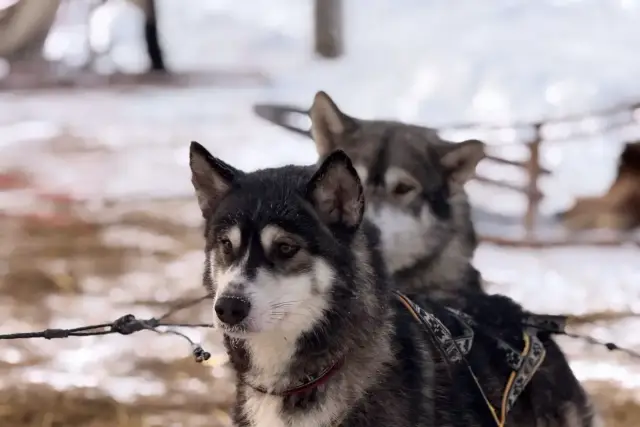 Family storyArctic dogsRead the family's story: origins, members, DNA
 Family storyGrey wolfRead the family's story: origins, members, DNA
Sources (5)
- Perri, A.R. et al. (2021). Dog domestication and the dual dispersal of people and dogs into the Americas. PNAS 118(6).
- Ní Leathlobhair, M. et al. (2018). The evolutionary history of dogs in the Americas. Science 361(6397): 81-85.
- Van Asch, B. et al. (2013). Pre-Columbian origins of Native American dog breeds, with only limited replacement by European dogs, confirmed by mtDNA analysis. Proceedings of the Royal Society B 280(1766).
- Sinding, M.-H.S. et al. (2020). Arctic-adapted dogs emerged at the Pleistocene-Holocene transition. Science 368(6498): 1495-1499.
- Bergström, A. et al. (2020). Origins and genetic legacy of prehistoric dogs. Science 370(6516): 557-564.