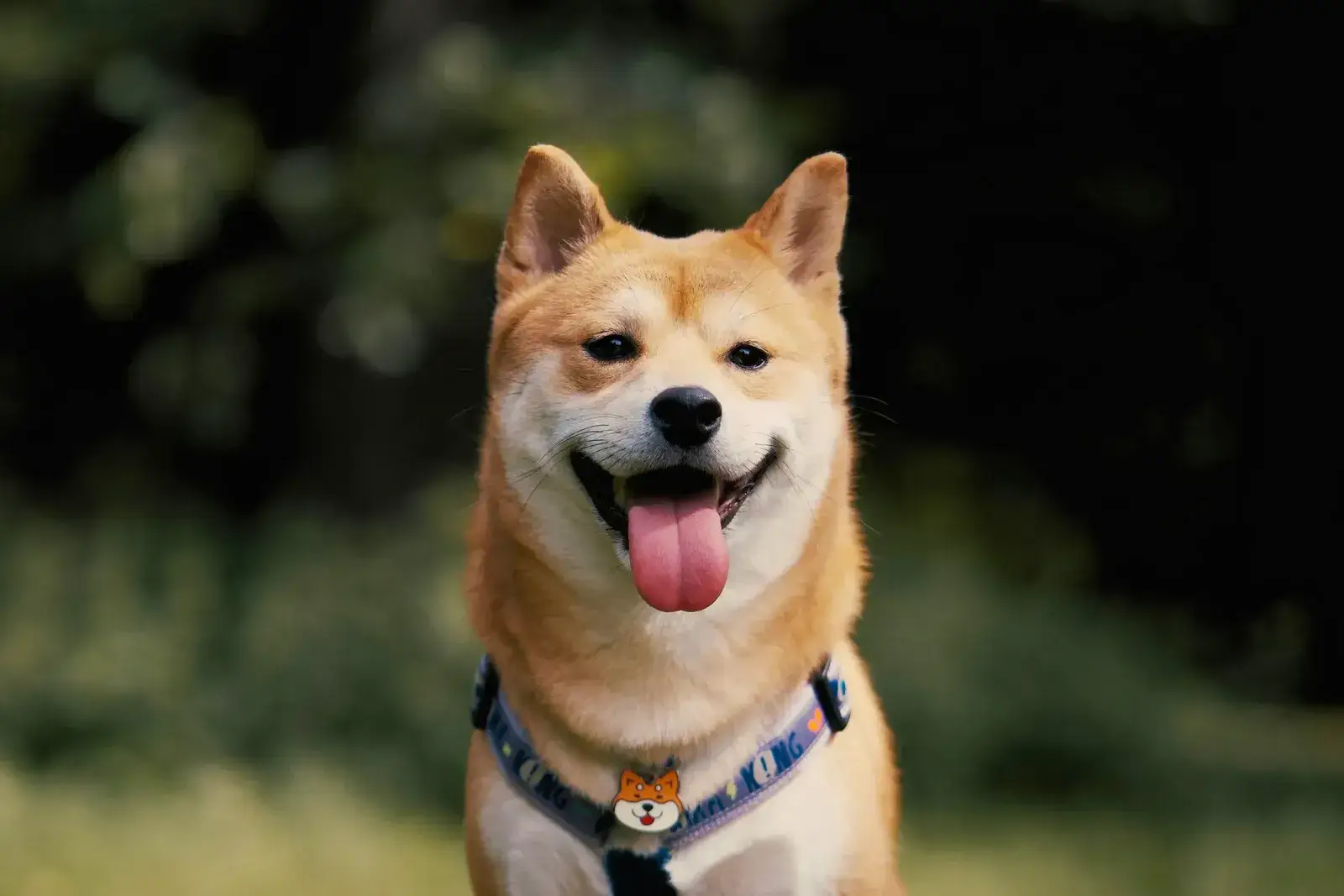
What are the Asian Spitz breeds?
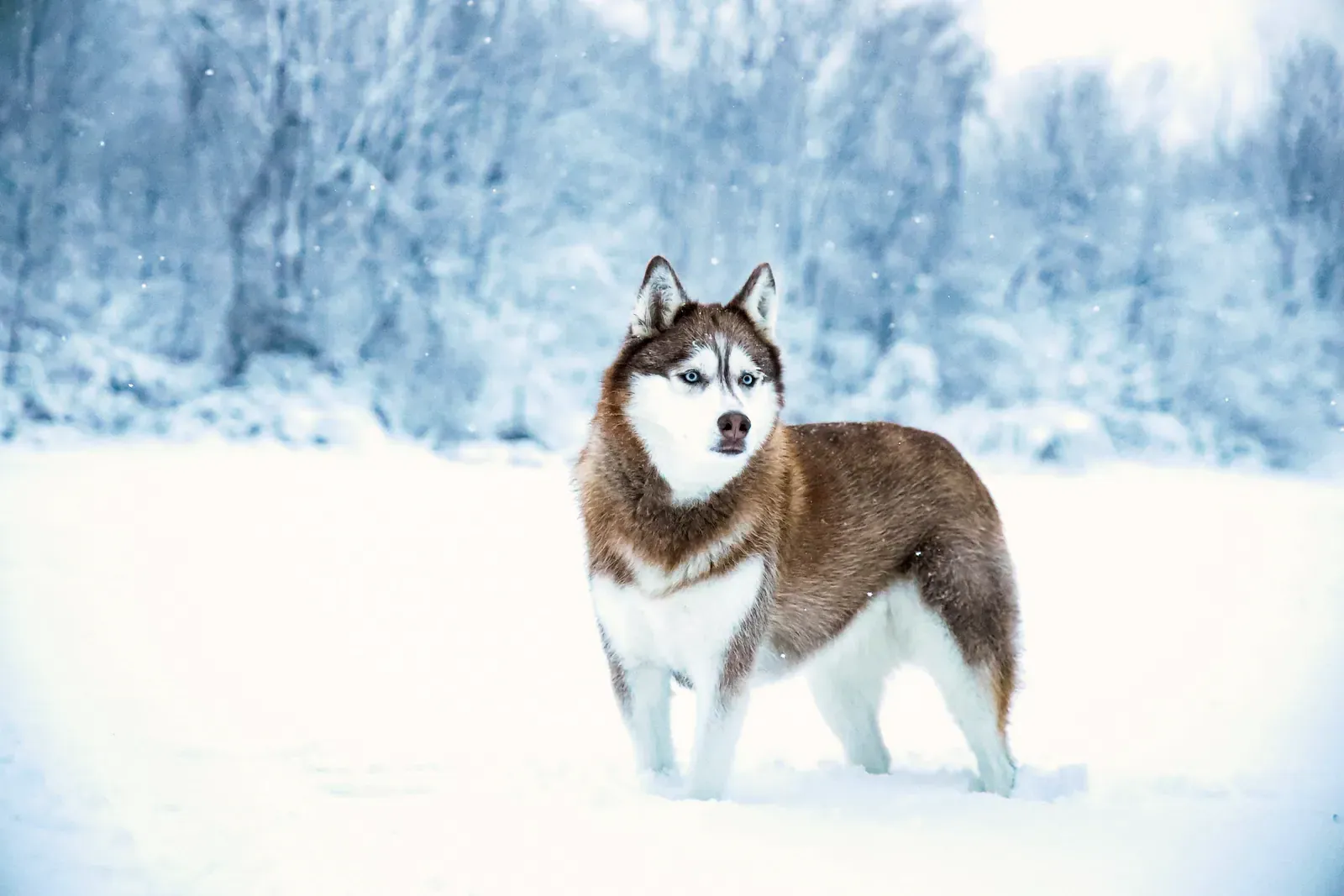
The Asian Spitz family is one of the oldest groups of dogs in the world. It holds the Akita and the Shiba Inu of Japan, the Chow Chow and Shar Pei of China, the Jindo of Korea, and, more surprisingly, the Siberian Husky, the Alaskan Malamute, the Samoyed and the Greenland Dog. In this atlas it covers 39 breeds and types, from Japan to Greenland.
 Save
 GuideDogs of Japan: the native breeds and their storiesJapanese dog breeds explained: the six Nihon Ken, the Chin, Tosa, Japanese Spitz and Terrier, Hachiko, wartime near-extinction, DNA and who they suit.
These dogs look like wolves with curled tails, pricked ears and thick coats. "Spitz" is a general word for that look. But a spitz look does not always mean a spitz family. This page explains who is in the Asian Spitz family by DNA, why it has two parents, and how the dogs are related.
Quick facts about the Asian Spitz family
| Fact | Answer |
|---|---|
| Family type | Genetic clade (Parker et al. 2017) |
| Parents | East Eurasian dogs and Arctic dogs |
| Breeds in this atlas | 39 (38 living, 1 extinct) |
| Breeds with DNA tested in the study | 10, all placed in the Asian Spitz clade with strong support |
| Main homelands | Russia (9), Japan (7), China (6), South Korea (5), United States (4) |
| Typical size | Medium (26 of 39). Also 9 large, 2 giant and 2 small |
| Core jobs | Hunting, sled pulling, herding, guarding |
| Shared look | Thick double coat, curled tail, prick ears, wedge head |
| Shared temperament | Independent, bold, loyal to the family, reserved with strangers |
 ArticleThe first known dog on every continentEarliest accepted dog on each continent, from Bonn-Oberkassel to the dingo: dates, sites, how dogs arrived and which breeds carry those first dogs.
Family or group: what is the difference?
In this atlas, "family" means a DNA clade, a branch of the family tree found by comparing genomes. "Group" is used only for kennel club groups.
 GuideDog Breeds by Country: Which Nations Made the Most?Dog breeds by country: how many breeds each nation produced in the Dogs Atlas data, from the UK and France to Japan, plus national dogs and families.
The two do not line up here. The FCI files the Akita, Shiba, Husky and Samoyed in Group 5, "Spitz and primitive types," but the AKC splits them between the Working Group and the Non-Sporting Group. Ten of our 39 breeds were tested by Parker et al. (2017) and all ten fall in the Asian Spitz clade. The other 29 are placed by history and are best estimates.
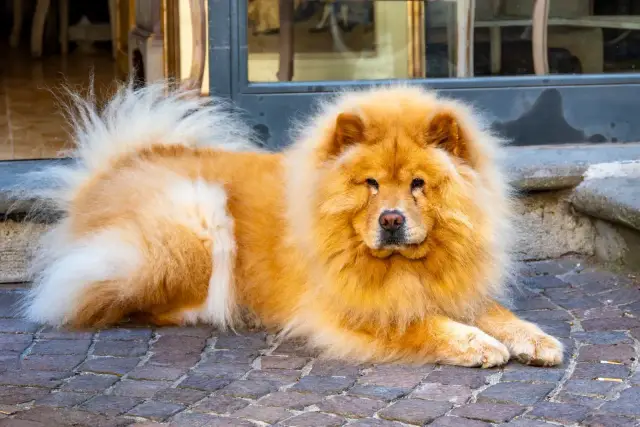
Where do Asian Spitz breeds sit in the family tree?
The atlas gives the family two parents, which is rare. Only 3 of our 38 families have two. The two are East Eurasian dogs and Arctic dogs.
 ArticleDog Breed Family Tree: How All Dog Breeds Are RelatedThe dog breed family tree from Ice Age wolves to 29 breed families.
The reason is that the family is two kinds of dog under one DNA branch:
- The East Asian side. The Nihon Ken of Japan, the Korean breeds, and the Chinese breeds such as the Chow Chow and Shar Pei. They are village and hunting dogs of warm and temperate lands, and DNA studies place them near the base of the dog tree.
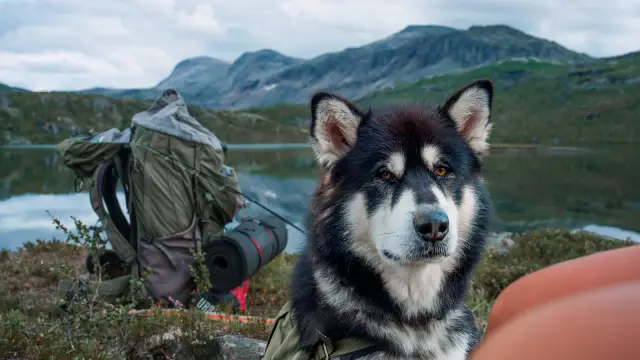
- The Arctic side. The Greenland Dog, Alaskan Malamute, Siberian Husky, Samoyed and the laikas and sled dogs of Siberia. They are working dogs of cold lands.
Parker et al. (2017) put both under a single clade. The atlas records the family under both older roots. The two roots are not far apart: Arctic dogs is itself a branch of East Eurasian dogs, so both parents lead to the same older root. The double placement does not mean any dog had two parent breeds. It means the family sits where the Arctic branch meets the rest of East Eurasia, and it is a bridge between them. For how the larger branches connect, see the dog family tree.
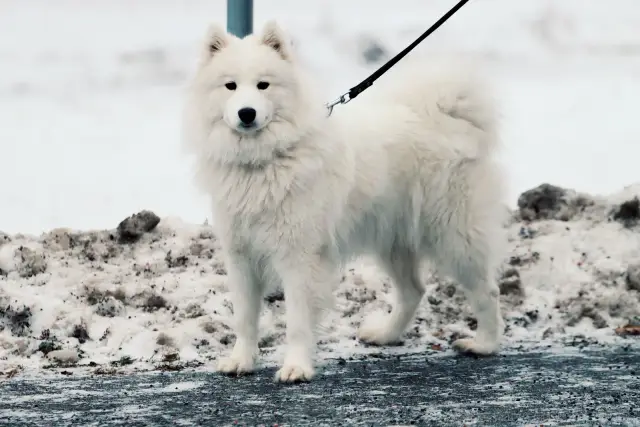
Why is it called Asian Spitz?
"Spitz" is a German word for pointed, for the sharp muzzle and ears. It became a label for northern dogs with a curled tail and thick coat, and eventually for a whole set of breeds. "Asian" here is a label for where the DNA clade seems to come from, and it covers dogs from Siberia and Greenland as well as Japan, Korea and China.
 GuideBest dog breeds for familiesBest dog breeds for families, small homes, allergies, first-time owners and seniors, ranked from our breed ratings, with honest limits and a table.
Many breed names are place names. Akita is a prefecture, Shiba is "brushwood" (or possibly "small"), Samoyed is the Samoyedic peoples, Malamute is the Mahlemut Iñupiat of Alaska, and "husky" is a corruption of "Eskimo." Laika is Russian for "barker," from layat', to bark. Shar Pei is Cantonese for "sand skin," for its bristly coat.
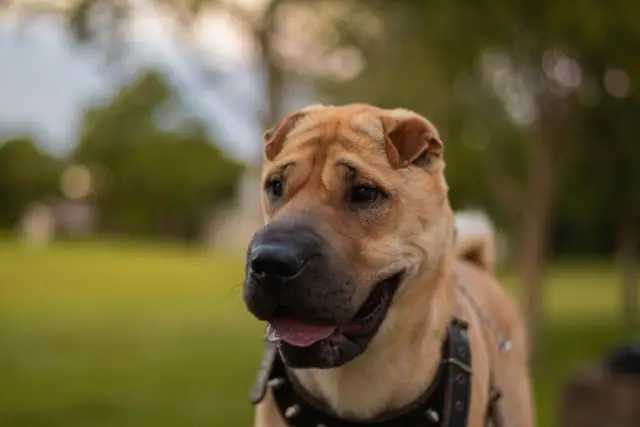
What is the history of the Asian Spitz family?
 GuideDogs in myth around the worldFrom Anubis and Cerberus to Fenrir, Xolotl and the Tiangou: how cultures across the world imagined dogs as guardians, guides and monsters.
Deep roots: before 1000 CE
Dogs reached East Asia very early. A 2017 BMC Genomics study sequenced nine Chow Chows and compared them with 37 other canid genomes. It found the Chow Chow among the most basal dog lineages, grouped with other East Asian breeds such as the Shar Pei and Akita, and dated its origin to about 8,300 years ago. In Japan, work on Jomon dogs, from the hunter-gatherer era, found a mitochondrial lineage that reached the islands between about 11,500 and 9,300 years ago and was later replaced by other lineages carried by incoming people. That work is a preprint and mitochondrial DNA alone shows only the maternal line. It does not show a straight line from Jomon dogs to the Shiba.
On the Arctic side, Sinding et al. (Science, 2020) sequenced a dog of about 9,500 years ago from Zhokhov Island in Siberia, where archaeological evidence suggests sled use. It showed similarity to modern sled dogs, and the authors concluded that the main ancestry of modern sled dogs traces to Siberia. They also found that modern sled dogs carry some DNA from Pleistocene Siberian wolves. The study sequenced 10 Greenland sled dogs, which is why the Greenland Dog is the key sample here.
The atlas dates the earliest breeds in the family to about 1000 BCE (Tibetan Mastiff, Alaskan Malamute, Chukotka Sled Dog and others), based on broad archaeological and historical sources, with a wide margin for error.
1000 to 1900: regional types take shape
- 1000s CE. The Greenland Dog arrives with the Thule Inuit, from 1000. Many Japanese regional dogs, such as the Kai Ken and Kishu, also first appear in records in this century.
- 1200s to 1500s. The Jindo of Korea and the Hokkaido dog of Japan are, along with Pungsan and Fu Quan.
- 1600s. The Akita appears from 1600, a hunting dog of the mountains of Akita.
- 1850s. Indigenous sled dogs of the Mackenzie River in Canada were mixed with European drafting breeds, according to the atlas.
- 1893 to 1896. The Fram expedition of Fridtjof Nansen buys 33 dogs from the Nenets people. Some white pups born aboard are among the Samoyed's foundation stock.
- 1889 to 1912. Ernest Kilburn-Scott brings a Samoyed puppy from Arkhangelsk to England in 1889. The UK Kennel Club recognises the breed in 1912, though sources vary on the exact year.
1900 to 1945: monuments, sleds and a famous dog
- 1908 to 1910. Chukchi dogs are brought to Alaska. They are the progenitors of the Siberian Husky.
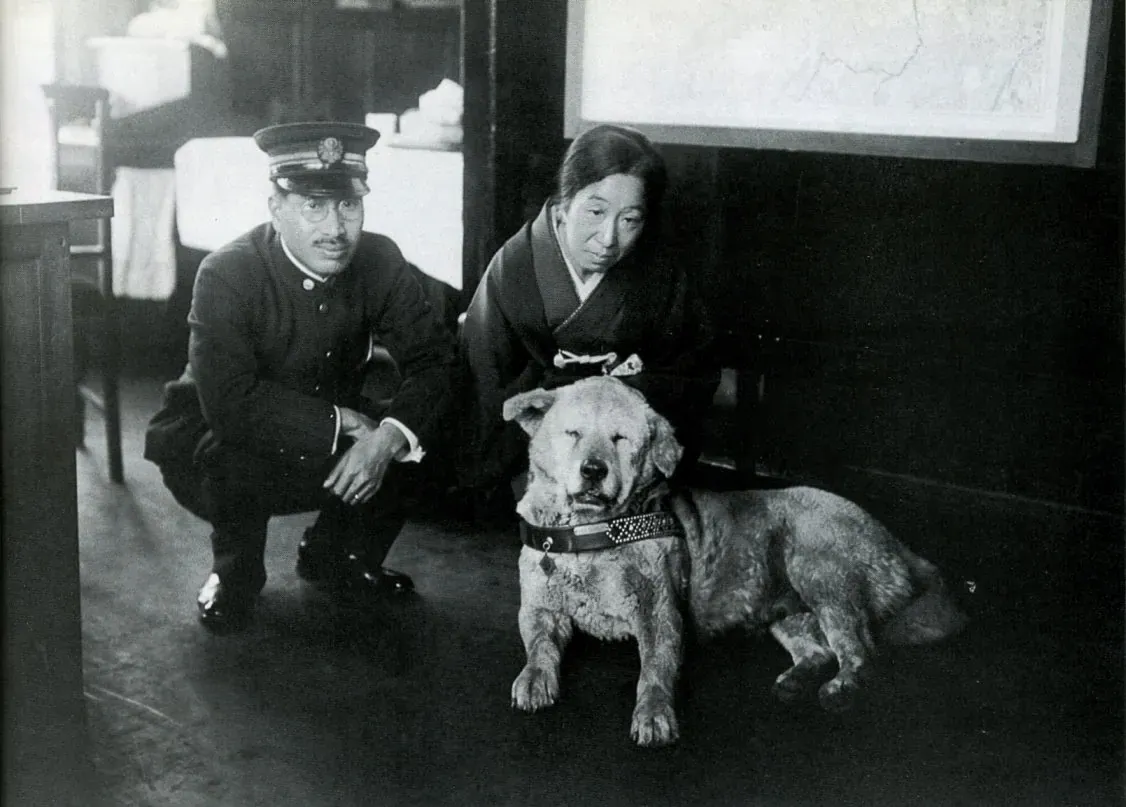
- 1923 to 1935. Hachiko, an Akita, waits at Shibuya Station in Tokyo. A 1932 newspaper article made him famous, and a bronze statue went up in 1934.
- 1925. A relay of sled teams carries diphtheria antitoxin to Nome, Alaska. The Siberian Husky Togo and many other dogs took part.
- 1928. The Nihon Ken Hozonkai (Association for the Preservation of the Japanese Dog) is founded. The Akita is declared a natural monument of Japan in 1931 and the Shiba Inu in December 1936.
- 1935. The AKC recognises the Alaskan Malamute.
1945 to today: near loss and recovery
- World War II. War and disease nearly ended the Japanese breeds, and the Shiba was rebuilt from a few remaining regional lines. The atlas says Alaskan Malamutes dropped to about 30 registered dogs in 1947.
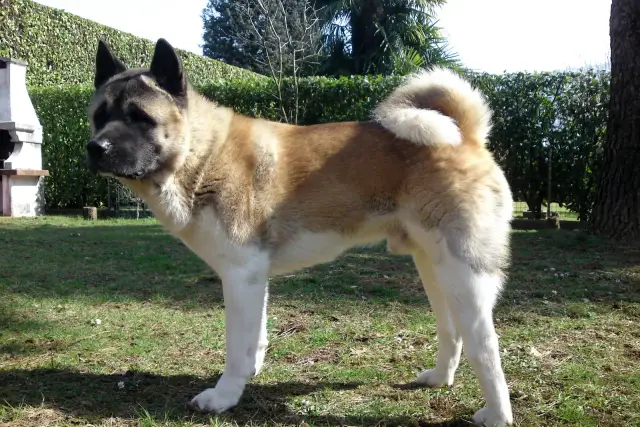
- 1945 to 1956. American soldiers take Akitas home. The American Akita grows apart from the Japanese type. The FCI split the two in 1999.
- 1950 to 1960. The Argentine army breeds a polar sled dog. It is now extinct.
- 1970s. Linda Spurlin builds the Alaskan Klee Kai from the Alaskan Husky, American Eskimo Dog, Siberian Husky and Schipperke.
- Late 1900s and 2000s. Korean breeds such as the Sapsali, Jeju Dog and Donggyeongi are revived or recognised. The Thai Bangkaew (from 1957) and the Hmong Bobtail (to 2018) are among the newest.
Some dates here are rough and come from breed histories.
 Save
Who are the members of the Asian Spitz family?
Here are all 39 breeds and types. The 10 breeds with DNA tested in the study come first. The other 29 are placed by history and are hidden until you choose to show all 39. "Appeared" is the period in which the breed or type is first documented, and some dates are rough. Only the breeds with an article in this atlas are linked.
 GuideDog Clothes: When Dogs Need Coats, and a Short History of Dog FashionDo dogs need coats in winter? When clothes help, when costumes stress a dog, safe fit, reflective gear, and a short history of dog fashion and dog art.
| Breed | Country | Status | Size | Appeared | DNA-tested |
|---|---|---|---|---|---|
| Alaskan Malamute | United States | Living | Large | 1000 BCE to 1900 | Yes (Parker 2017) |
| Tibetan Mastiff | China | Living | Giant | 1000 BCE to 1931 | Yes (Parker 2017) |
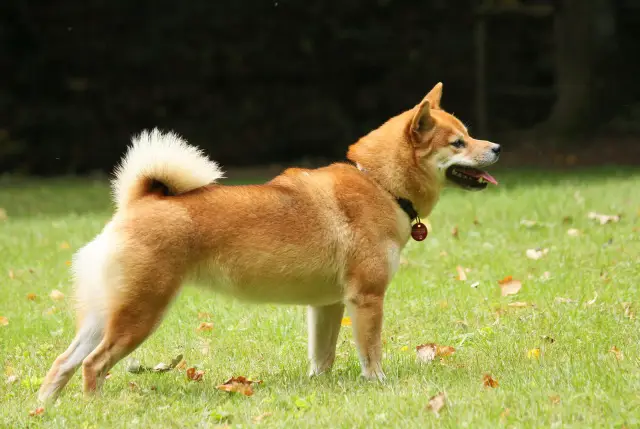
| Shiba Inu | Japan | Living | Small | 300 BCE to 1936 | Yes (Parker 2017) |
| Chow Chow | China | Living | Medium | 200 BCE to 1895 | Yes (Parker 2017) |
| Shar Pei | China | Living | Medium | 200 BCE to 1973 | Yes (Parker 2017) |
| Xigou | China | Living | Medium | 200 BCE to 1990 | Yes (Parker 2017) |
| Samoyed | Russia | Living | Medium | 500 CE to 1912 | Yes (Parker 2017) |
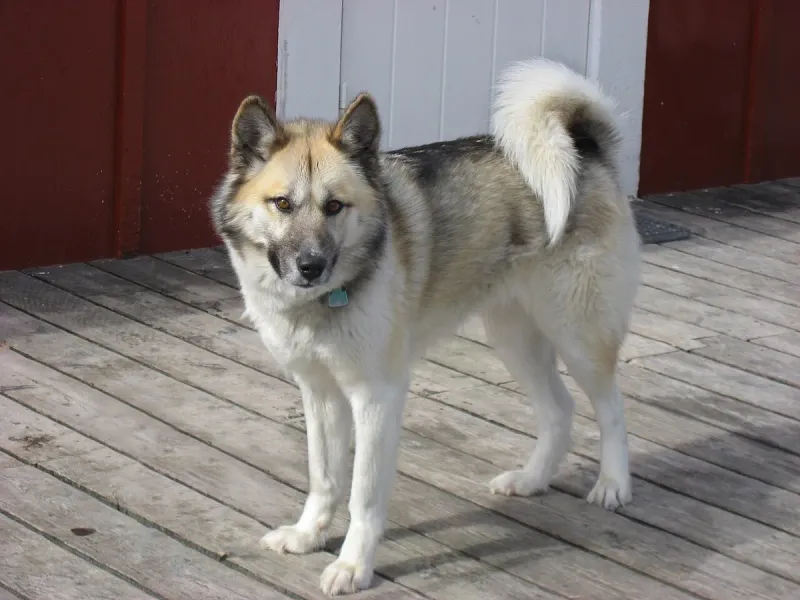
| Greenland Dog | Greenland | Living | Large | 1000 to 1967 | Yes (Parker 2017) |
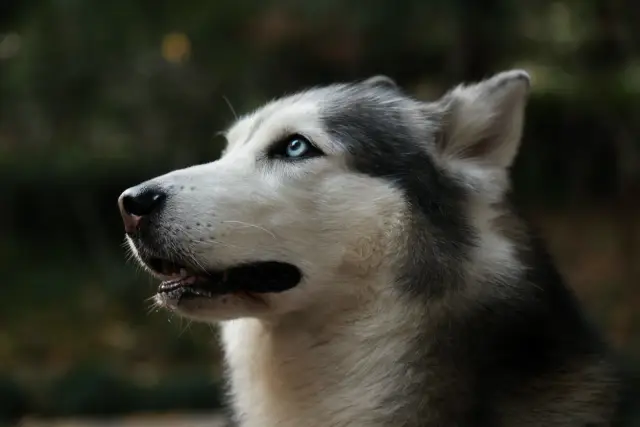
| Siberian Husky | Russia | Living | Medium | 1000 to 1930 | Yes (Parker 2017) |
| Akita | Japan | Living | Large | 1600 to 1931 | Yes (Parker 2017) |
| Chukotka Sled Dog | Russia | Living | Medium | 1000 BCE to 1990 | By history |
| East Siberian Laika | Russia | Living | Large | 1000 BCE to 1949 | By history |
| Kamchatka Sled Dog | Russia | Living | Medium | 1000 BCE to 1900 | By history |
| Nenets Herding Laika | Russia | Living | Medium | 1000 BCE to 1990 | By history |
| Nureongi | South Korea | Living | Medium | 1000 BCE to 1900 | By history |
| Shikoku | Japan | Living | Medium | 300 BCE to 1937 | By history |
| Chongqing Dog | China | Living | Medium | 200 BCE to 1900 | By history |
| Sapsali | South Korea | Living | Medium | 300 CE to 1992 | By history |
| Jeju Dog | South Korea | Living | Medium | 500 CE to 1986 | By history |
| Donggyeongi | South Korea | Living | Medium | 600 CE to 2012 | By history |
| Bắc Hà | Vietnam | Living | Medium | 1000 to 1900 | By history |
| Canadian Eskimo Dog | Canada | Living | Large | 1000 to 1959 | By history |
| Hmong Bobtail Dog | Vietnam | Living | Medium | 1000 to 2018 | By history |
| Kai Ken | Japan | Living | Medium | 1000 to 1934 | By history |
| Kishu | Japan | Living | Medium | 1000 to 1934 | By history |
| Ryukyu | Japan | Living | Medium | 1000 to 1990 | By history |
| Sakhalin Husky | Russia | Living | Large | 1000 to 1900 | By history |
| West Siberian Laika | Russia | Living | Medium | 1000 to 1947 | By history |
| Yakutian Laika | Russia | Living | Medium | 1000 to 2019 | By history |
| Hokkaido | Japan | Living | Medium | 1100 to 1937 | By history |
| Jindo | South Korea | Living | Medium | 1200 to 1962 | By history |
| Fu Quan | China | Living | Medium | 1500 to 1990 | By history |
| Pungsan | North Korea | Living | Large | 1500 to 1956 | By history |
| Mackenzie River Husky | Canada | Living | Large | 1850 to 1900 | By history |
| Alaskan Husky | United States | Living | Medium | 1900 to 1950 | By history |
| American Akita | United States | Living | Giant | 1945 to 1956 | By history |
| Argentine Polar Dog | Argentina | Extinct | Large | 1950 to 1960 | By history |
| Thai Bangkaew Dog | Thailand | Living | Medium | 1957 to 1998 | By history |
| Alaskan Klee Kai | United States | Living | Small | 1970 to 1988 | By history |
Who descends from whom, and which ties are strongest?
Two kinds of evidence are used here. One is written history: what breeders say they crossed. The other is DNA, in megabases (Mb), millions of DNA letters in matching stretches. A larger number means a closer shared ancestry, though it can also reflect a recent split or a shared crossing.
 GuideDog hybrids: what dogs can and cannot breed withCan dogs breed with wolves, coyotes, jackals or foxes? Wolfdogs, coydogs, the Sulimov dog and Dogxim explained, with chromosomes and DNA studies.
The strongest ties in the Asian Spitz family, from the Parker study as recorded:
| Pair | Shared DNA (Mb) | What it tells us |
|---|---|---|
| Alaskan Malamute and Greenland Dog | 282.7 | The closest pair in the family, two Arctic freight dogs |
| Chow Chow and Eurasier | 178.6 | The Eurasier was made in the 1960s using the Chow Chow |
| Greenland Dog and Siberian Husky | 116.3 | Arctic sled dogs |
| Alaskan Malamute and Siberian Husky | 99.3 | Alaskan sled dogs that share Arctic roots |
| Greenland Dog and Chinook | 74.0 | The Chinook has Arctic sled dog in its background |
| Samoyed and Eurasier | 58.5 | The Eurasier has Samoyed in it |
| Chow Chow and Shar Pei | 14.8 | Two Chinese breeds near the base of the tree |
| Shiba Inu and Japanese Chin | 17.1 | A link across the Asian Toy family |
| Akita and Shiba Inu | 13.1 | Both Japanese, but not close in the study |
Source: Parker et al. 2017, Cell Reports, shared haplotypes between 161 breeds (1,346 dogs).
The Chow Chow and Eurasier figure is not a sign of an old link inside this family. It comes from a recent breed that borrowed from it. The Eurasier belongs to Small Spitz, and the Chinook to New World.
The surprise is the Akita and Shiba Inu, the two best-known Japanese dogs. They share only 13.1 Mb in the study, less than either shares with the Japanese Chin (13.9 and 17.1 Mb). The atlas records a very different recent history for the Akita: outcrosses to the Tosa fighting dog in the early 1900s and to German Shepherds during World War II, both at medium confidence. The Shiba Inu was kept as a small hunting dog and rebuilt from a few regional lines. The Akita's two outside parents are in other families, European Mastiff (Tosa) and New World (German Shepherd). The Parker study reports shared stretches but not their direction.
Inside the family, the written record gives these lines:
- The Siberian Husky descends from the Chukotka Sled Dog (medium confidence), and the Samoyed from the Nenets Herding Laika.
- The Alaskan Husky is a working mix, not a breed. Most lines carry Siberian Husky blood, and Malamute, Mackenzie River Husky, Greenland Dog and Samoyed are listed as parents at lower confidence.
- The Alaskan Klee Kai comes from the Alaskan Husky, with American Eskimo Dog, Siberian Husky and Schipperke, all at high confidence.
- The American Akita is a variety of the Akita.
- The Argentine Polar Dog came from Malamute, Husky, Greenland Dog and Samoyed crosses with Spitz stock.
- The Xigou of China is thought, at low confidence, to trace to Saluki imports along the Silk Road.
- The Nihon Ken are linked as sister breeds: Akita, Shiba Inu, Shikoku, Kai Ken, Kishu and Hokkaido.
What do Asian Spitz breeds have in common?
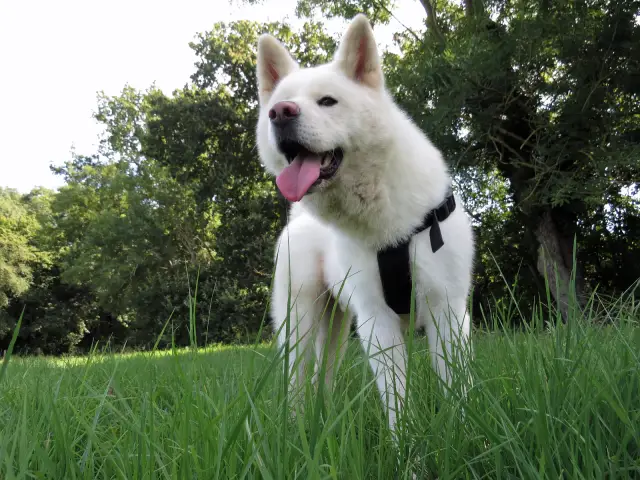
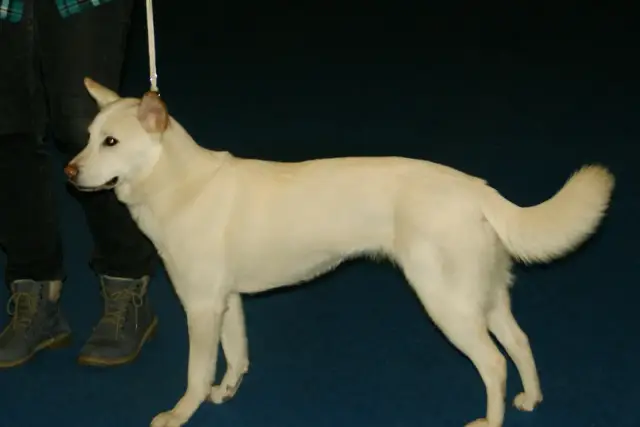
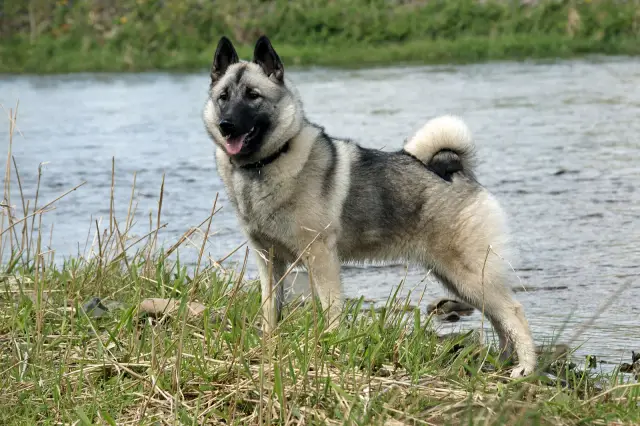
Coat. A thick double coat, with a dense soft undercoat and a harsher outer coat. The Arctic breeds shed heavily twice a year. The Chow Chow has a famous mane and the Shar Pei a short, bristly coat, which is the exception.
 GuideSmartest dog breeds: what the rankings measure and what they missCoren's smartest dog breeds list, what it measured, what newer dog cognition research says, three kinds of dog intelligence and why smart dogs need work.
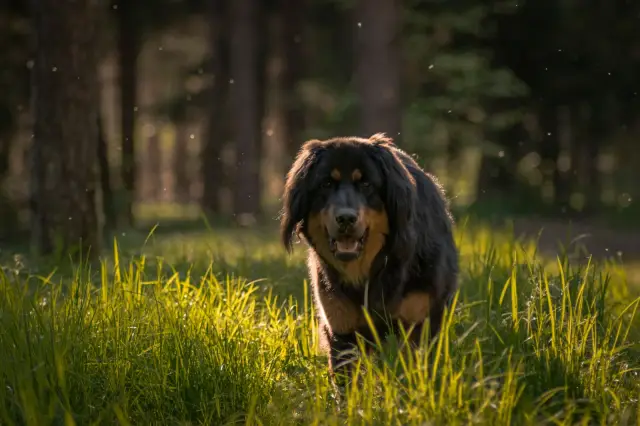
Build. A wedge-shaped head, pricked triangular ears (the Chow Chow and Shar Pei are small-eared and folded), and a tail carried curled over the back. Most are medium. Sizes run from the small Shiba and Alaskan Klee Kai to the giant Tibetan Mastiff and American Akita.
Hunting and working style. The Japanese and Korean dogs hunt by sight and scent, often flushing small game or holding big game at bay. The Arctic dogs pull sleds, and the laikas hunt and herd. All can be very independent.
Temperament. Loyal to the family, reserved with strangers, strong-willed and often aloof with other dogs. They tend to be clean, quiet in some breeds and vocal in others, and they need firm and patient training. This is a general tendency, not a promise, and each dog differs.
What health issues are linked to the Asian Spitz family?
Most dogs in this family live healthy lives. Health depends on the breed, not on the family, so only a few well-documented examples are given.
 GuideBanned and restricted dog breeds by countryWhich dog breeds are banned or restricted, country by country: UK, Ireland, France, Germany, Denmark, Norway, Spain, Australia and more.
- Familial Shar Pei fever. A copy-number change upstream of the gene HAS2 makes the thick, wrinkled skin of the Shar Pei and is linked to a periodic fever syndrome (Olsson et al. 2011, PLoS Genetics). The more copies, the higher the risk of fever episodes. No breed-wide percentage has been published.
- Polyneuropathy in Alaskan Malamutes. A Gly98Val change in the NDRG1 gene causes an early-onset nerve disease, with signs usually between 7 and 20 months (Bruun et al. 2013, PLoS ONE). A DNA test exists, so breeders can avoid risky matings.
- Cataracts in northern breeds. A recent genetic study linked common variants in the CPT1A gene to cataracts in Siberian Huskies, Samoyeds and some other northern breeds. The authors reported it did not appear in Alaskan Malamutes. Eye exams are recommended.
- Autoimmune problems in the Akita. Akitas are reported to have a Vogt-Koyanagi-Harada-like eye and skin disease and sebaceous adenitis. No breed-wide figure has been published. See the Akita article.
Ask a vet or the breed club about the specific breed's known conditions before choosing a puppy.
Which Asian Spitz breeds are extinct?
One of the 39 is extinct.
 GuideIs your dog suited to therapy work?How to make your dog a therapy dog: temperament checklist, first training steps, how Pet Partners, TDI and Pets As Therapy assess dogs, and welfare limits.
- Argentine Polar Dog: a large sled dog bred by the Argentine army for polar bases from about 1950 to 1960, from Malamute, Husky, Greenland Dog and Samoyed crosses. It is listed here by history, not by DNA.
Several breeds in the family are rare and some are at risk, such as the Nihon Ken after the war, but they are living.
Are there surprises in the Asian Spitz family?
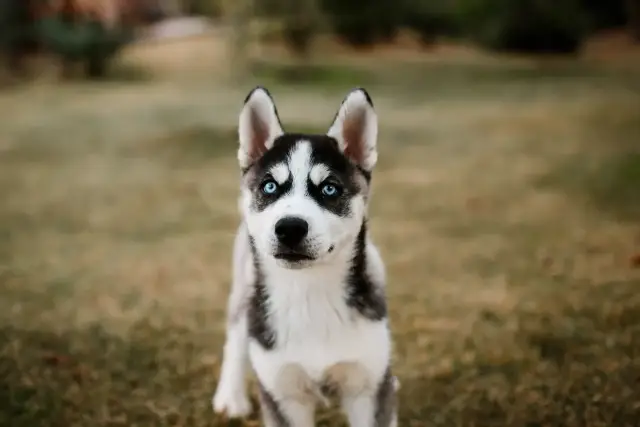
- The Tibetan Mastiff is here. In the Parker study it clusters with the Asian Spitz, not with the mastiffs of Europe. Its name says "mastiff," but its DNA says spitz.
- Siberian Husky and Chow Chow are in the same family. One is a sled dog of the Arctic and the other a lion-like dog of China. That is why this family has two parents.
- Akita and Shiba Inu are not close. They share only 13.1 Mb, and the Akita has outside blood.
- The Eurasier is not here. It was made partly from the Chow Chow and Samoyed and sits in Small Spitz.
- The American Eskimo Dog is not here. Despite its name, the atlas puts it in Nordic Spitz, and it is one of the Klee Kai's parent breeds.
- Amundsen's lead dogs were Greenland dogs, not Samoyeds. Popular articles say otherwise, but historians of the expedition record Greenland dogs. We treat the Samoyed claim as a legend.
 GuideDogs in Legends and Fairy TalesDogs in folklore and fairy tales: Black Shuck, The Tinderbox, Saint Guinefort, Panhu, Greyfriars Bobby, Barry and Old Drum, with legend and history kept apart.
What does research say about Asian Spitz breeds?
The key paper is Parker et al., "Genomic analyses reveal the influence of geographic origin, migration, and hybridization on modern dog breed development," Cell Reports, 2017. It built a family tree of 161 breeds from 1,346 dogs. Ten of our 39 breeds were in the study. The other 29 follow written history, and these assignments are best estimates that could shift when more breeds are sequenced.
 GuideDog laws by country: tax, insurance and licencesDog tax, compulsory liability insurance, licences, microchips and leash rules in Germany, Austria, Switzerland, Spain, Ireland, the UK, the US and more.
Two other kinds of research matter. Ancient DNA, such as Sinding et al. (Science, 2020), reads old bones and shows that sled dog ancestry reaches back over 9,000 years in Siberia. Whole-genome studies of single breeds, such as the Chow Chow paper (BMC Genomics, 2017), place East Asian breeds near the base of the tree. Origins are still debated, and different studies point to different regions for the first dogs.
Which Asian Spitz breed suits which owner?
This is a guide to temperament, not a promise for any single dog.
 GuideDogs in science and spaceSpace dogs Laika, Belka and Strelka, Pavlov's dogs, Snuppy the clone, the dog genome and scent detection: what dogs did for science, and what it cost them.
- Experienced owners who like independence. The Akita, Shiba Inu, Jindo and Chow Chow reward patient, consistent handling. They are not eager to please.
- Cold-weather and endurance sports. The Siberian Husky, Alaskan Malamute and Alaskan Husky are made for pulling and running. They need many hours of exercise and secure fences.
- Families who want a friendly white dog. The Samoyed is more people-focused than most of the family but needs daily brushing.
- Smaller homes. The Shiba Inu and Alaskan Klee Kai are the small types. All still need daily walks.
- First-time owners. Most of this family is a hard first dog. A calm, well-bred Samoyed or an adult from a rescue is usually easier than a Husky or Akita.
- Allergy-minded owners. All shed heavily at least once a year, and no dog is allergen-free.
Fun facts about Asian Spitz breeds
- Hachiko waited at Shibuya Station for about nine years after his owner died.
- The Shiba was declared a Japanese natural monument in December 1936, and the Akita in 1931.
- The Alaskan Malamute and Greenland Dog share 282.7 Mb, the highest link in the family.
- "Laika" means "barker" in Russian. It is the name of a whole set of Siberian hunting and herding dogs.
- Shar Pei means "sand skin" in Cantonese.
- The Tibetan Mastiff's Tibetan name is said to mean "door dog" or "tied dog."
- The Siberian Husky Togo ran the longest leg of the 1925 serum run.
 GuideHow to adopt a dog from a shelter or rescueHow to adopt a dog from a shelter or rescue: the process, costs in general terms, choosing a dog, the first weeks and what if it does not work out.
Related families
- East Eurasian dogs: one parent of the family.
- Arctic dogs: the other parent.
- Asian toy: the Japanese Chin, Shih Tzu and Pekingese, with a DNA link to the Akita and Shiba.
- Nordic Spitz: European spitz such as the American Eskimo Dog.
- Small Spitz: the Eurasier, made partly from the Chow Chow and Samoyed.
- Dingo and Pacific: dogs of the Pacific, another child of East Eurasian dogs.
 GuideLivestock guardian dogs: what they do and who they suitWhat livestock guardian dogs do, how they differ from herding dogs, 40 LGD breeds by country, the DNA evidence, and whether they make good pets.
Frequently asked questions
What are the main types of Asian Spitz breeds?
The Japanese Nihon Ken (Akita, Shiba, Shikoku, Kai Ken, Kishu, Hokkaido), the Korean breeds (Jindo, Pungsan, Sapsali, Jeju Dog), the Chinese breeds (Chow Chow, Shar Pei, Xigou), and the Arctic and Siberian sled dogs and laikas.
Are the Akita and Shiba Inu related?
Yes, but not closely in the 2017 study. Both are Japanese, and they share 13.1 Mb.
Are Huskies and Malamutes the same?
No. They are different breeds that share Arctic roots, with 99.3 Mb in the study. The Malamute is larger and from Alaska, and the Siberian Husky is lighter and from Chukotka.
Are Chow Chows and Shar Peis related?
Yes. Both are Chinese breeds from near the base of the tree and share 14.8 Mb.
Are these dogs good with children?
It depends on the breed and the individual. Most need early training and supervision with small children.
How long do they live?
It depends on the breed. In the atlas the Akita is listed at 10 to 13 years.
Read next
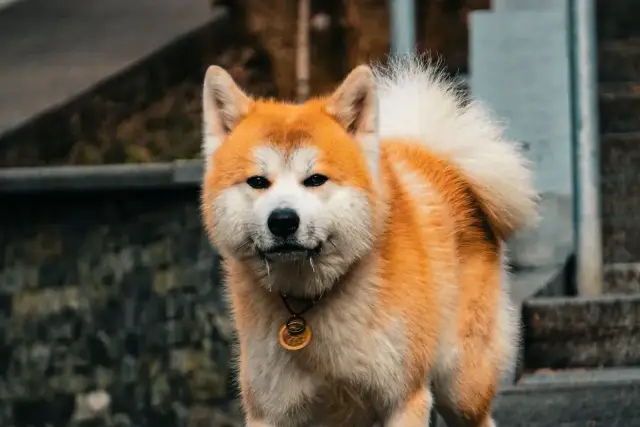 Family storyEast Eurasian dogsRead the family's story: origins, members, DNA
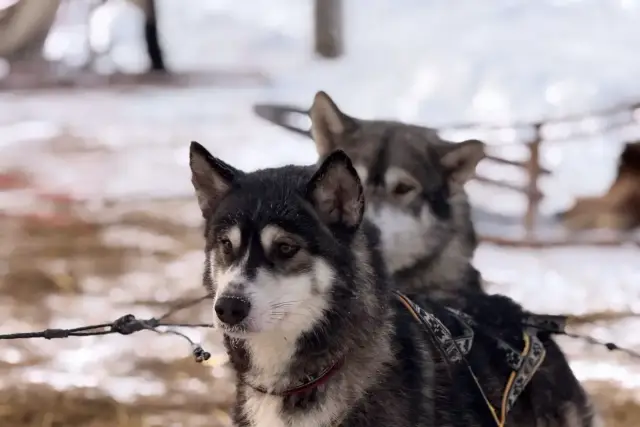 Family storyArctic dogsRead the family's story: origins, members, DNA
 Family storyAncient American dogsRead the family's story: origins, members, DNA
Sources (10)
- Parker, H. G., et al. (2017). Genomic analyses reveal the influence of geographic origin, migration, and hybridization on modern dog breed development. Cell Reports, 19(4), 697 to 708.
- Sinding, M.-H. S., et al. (2020). Arctic-adapted dogs emerged at the Pleistocene-Holocene transition. Science, 368, 1495 to 1499.
- The origin of Chow Chows in the light of the East Asian breeds. BMC Genomics (2017).
- Genome analysis of the Jomon dogs reveals the oldest domestic dog lineage in Eastern Eurasia. bioRxiv preprint (2023).
- Olsson, M., et al. (2011). A novel unstable duplication upstream of HAS2 predisposes to a breed-defining skin phenotype and a periodic fever syndrome in Chinese Shar-Pei dogs. PLoS Genetics.
- Bruun, C. S., et al. (2013). A Gly98Val mutation in the N-Myc downstream regulated gene 1 (NDRG1) in Alaskan Malamutes with polyneuropathy. PLoS ONE.
- Common variants in the CPT1A gene are associated with cataracts in Northern breeds of domestic dog (2025).
- Nihon Ken Hozonkai (Association for the Preservation of the Japanese Dog), history of the native breeds.
- Fédération Cynologique Internationale, Group 5 breed standards. American Kennel Club and The Kennel Club (UK), breed histories.
- Breed records in the atlas data (Dogs Atlas, internal data).