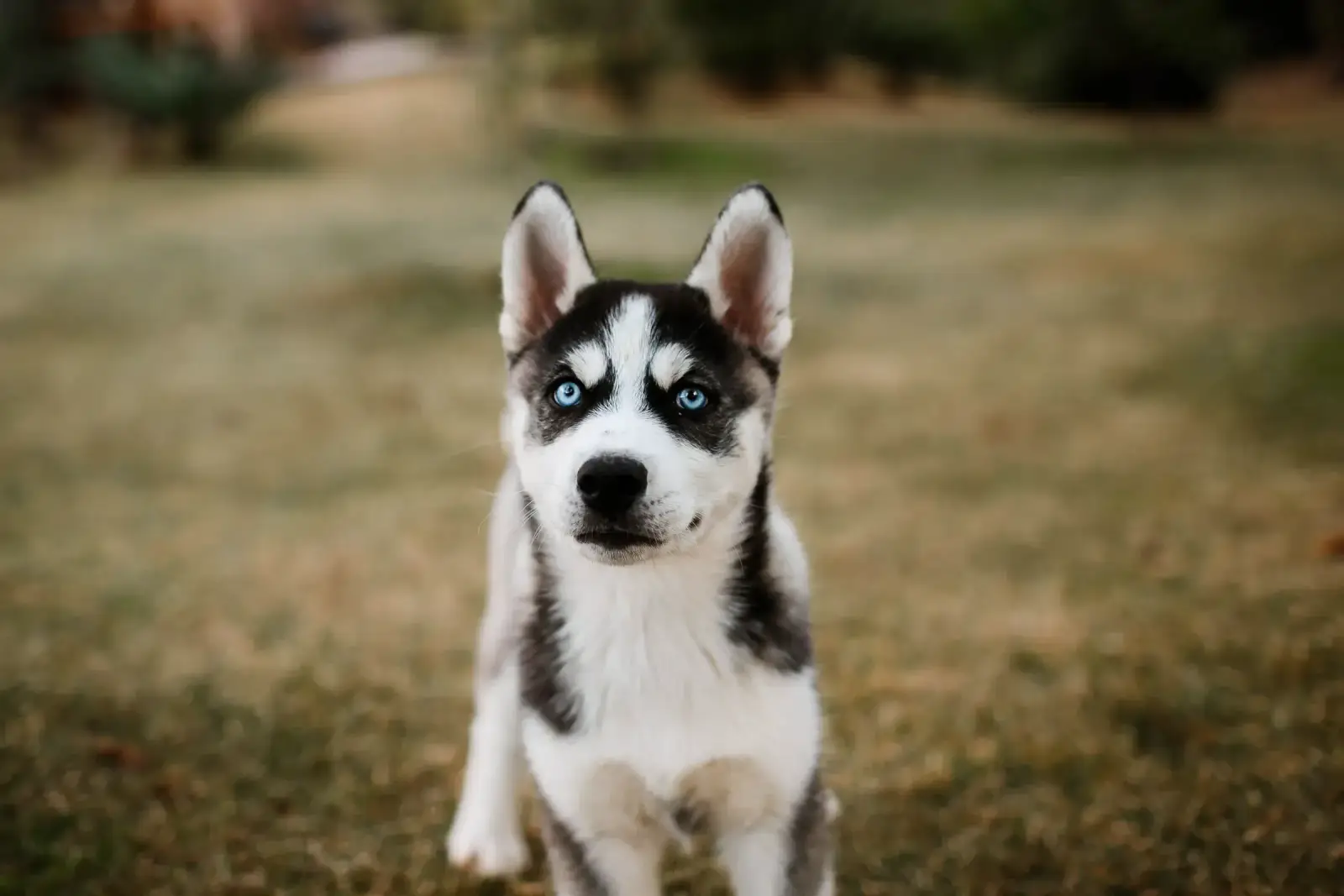
It was built in Alaska from the 1970s onward, so it is a very young breed, and it was kept within a small circle of breeders until 1988. It comes in three sizes (toy, miniature and standard), a thick double coat, a mask on the face and a curled tail. It is bright, watchful, talkative and often reserved with strangers. This profile covers where the breed came from, how the sizes work, what the standards say, what is known about its health and who it suits.
Alaskan Klee Kai quick facts
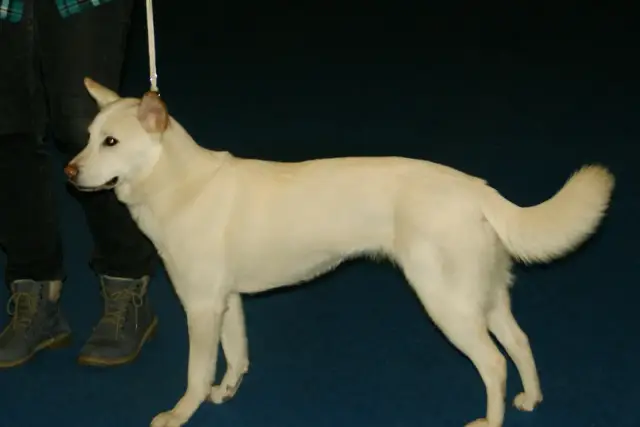 Related breedJindo1200 to 1962 · South KoreaLate Middle Ages
- Country of origin
- United States (Alaska)
- Period of development
- 1970 to 1988 (atlas data); a handful of breeders, with the breed opened to the public in 1988
- Original job
- Companion dog, bred for a small Husky-like pet
- Type
- Spitz. Not in the . UKC recognised (1997); Foundation Stock Service from 2020
- Height
- UKC sizes: toy up to 33 cm, miniature over 33 to 38 cm, standard over 38 to 43 cm. AKC standard: 30 to 43 cm
- Weight
- Not fixed by the UKC; proportional to height. Roughly 4 kg for toys to about 10 kg for standards
- Coat
- Double coat, thick, medium length; plush outer coat over a soft undercoat
- Colour
- Black and white, grey and white, red and white, and all white; a face mask is part of the look
- Life span
- Atlas data: 12 to 16 years
- Exercise
- Moderate to high: daily walks and play, more for standards
- DNA family
- Asian Spitz in the atlas data (Parker et al. 2017 sample the Siberian Husky and Malamute, not the Klee Kai itself)
- Other names
- Klee Kai, Miniature Alaskan Husky
Drawn to scale in real centimetres. Its back reaches about 37 cm, just below your knee; its head about 47 cm, your knee.
Where it sits in the tree
Modern Era · 1914 to today
Name and origin
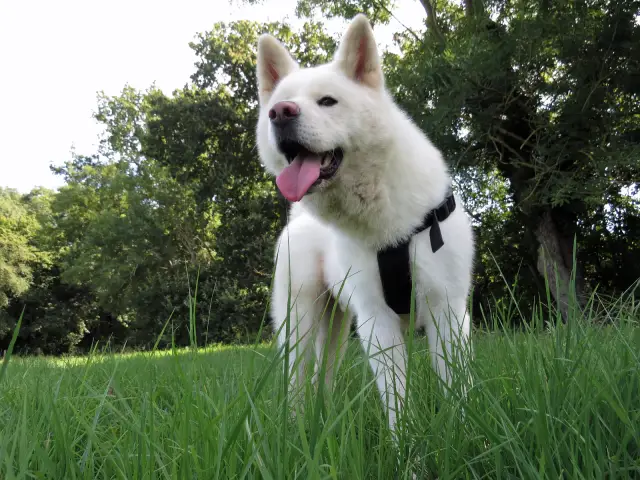
 Related breedSamoyed500 CE to 1912 · RussiaEarly Middle Ages
"Klee Kai" is said to come from an Inuit expression for "little dog". The early dogs were simply called Klee Kai, and the word "Alaskan" was added later to point to the home state.
The breed has one clear founder, Linda Spurlin of Wasilla, Alaska. By her own account, kept on the history pages of the breed's original club, the start of the breed was a small, Husky-looking dog she met on a family trip to Oklahoma in the early 1970s. That dog, named Curious, was the seed of a plan to make a companion dog that looked like a sled dog but fitted in a house.
Is the Klee Kai a mini Husky?
In looks yes, in origin no. The Klee Kai is its own breed. The Siberian Husky is one ingredient and a minor one in the atlas data. For the real mini-Husky comparison, see the section on Siberian Huskies below.

History
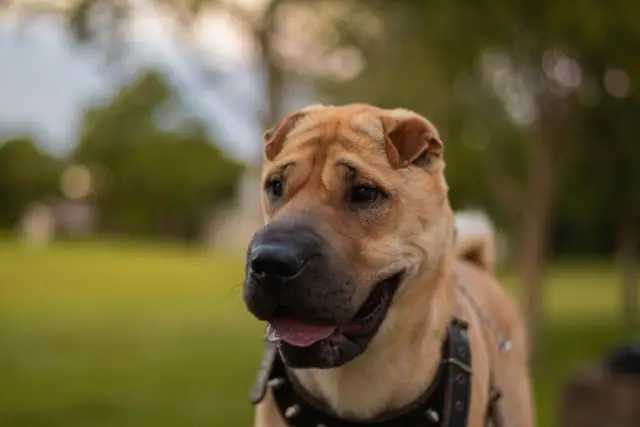 Same eraShar Pei200 BCE to 1973 · ChinaAncient World
1970s: a small Husky look in Wasilla
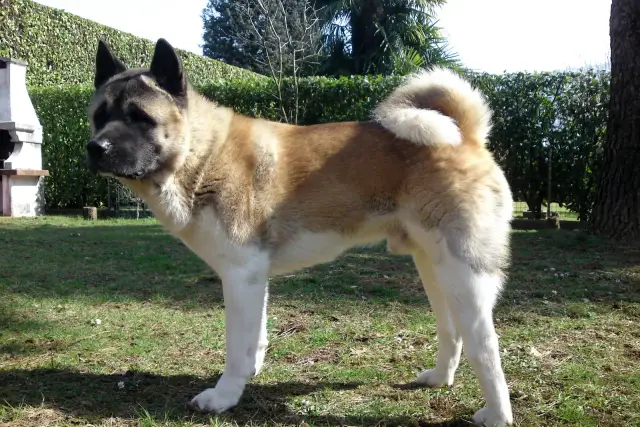
Spurlin started breeding the dog from Curious in the 1970s. Accounts say that she and her husband worked with Alaskan Huskies and Siberian Huskies, and that the American Eskimo Dog and the Schipperke were added to bring down the size and fix the type. The atlas data records Alaskan Husky as the base, with the American Eskimo Dog in a slightly larger share than the Siberian Husky, plus some Schipperke. Exact proportions are not documented, because the early breeding records are family records, not a public .
1988: the breed goes public
For about a decade the dogs stayed in Spurlin's kennel and with a few friends. In 1988 the breed was opened up to the public. The original breed club, the Alaskan Klee Kai Association of America (AKKAOA), wrote the 1993 standard, which gave weight ranges; later revisions changed this so that weight only has to be in proportion to height.
1995 to 1997: registries
The American Rare Breed Association (ARBA) recognised the Klee Kai in 1995, and the United Kennel Club (UKC) added it on 1 January 1997. The UKC is the main registry for the breed today.
2020 to 2025: the AKC
The American Kennel Club accepted the Alaskan Klee Kai into its Foundation Stock Service in October 2020. Several breed sources say it moved on to the AKC Miscellaneous Class in June 2025, the step before full recognition. AKC status is changing, so check the AKC list for the present position.
Why the breed is so young
Most herding or hunting breeds are hundreds of years old. The Klee Kai is a designed companion, built to a picture in a breeder's head, and a breed this young has a small gene pool. That is the main reason its health data are thin and why testing matters (see Health).
Relatives and DNA
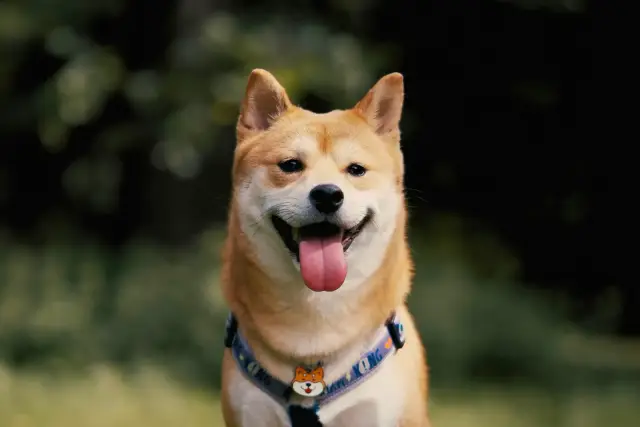
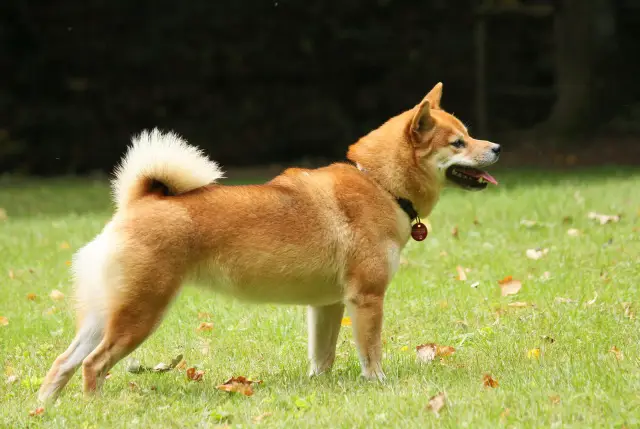 Same familyShiba Inu300 BCE to 1936 · JapanAncient World
The atlas data puts the Klee Kai in the Asian Spitz family, the group of spitz dogs from northern and eastern Eurasia that includes the Siberian Husky and the Malamute. Parker and colleagues compared 161 breeds in their 2017 study in Cell Reports. The Klee Kai itself was not among the sampled breeds, so there are no shared-DNA figures for it. The family placement rests on its recorded breeding. To see where Asian Spitz sits among all 29 families, open the dog breed family tree.
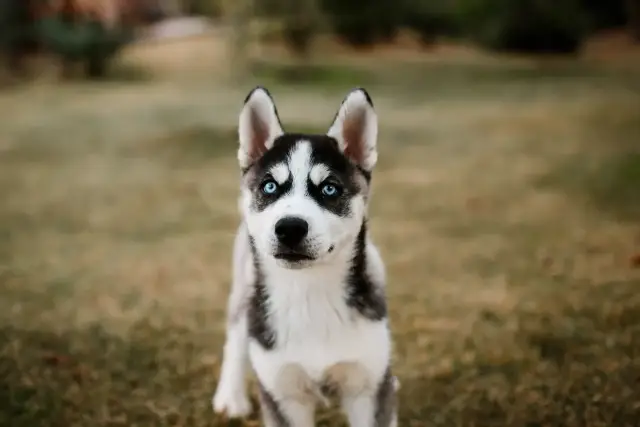 Alaskan Klee Kaicrossed with the American Eskimo Dog, Siberian Husky and Schipperke
- Alaskan Husky. The working sled dog that is the base of the line. It is a type, not a standardised breed.
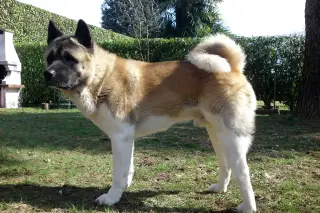
- American Eskimo Dog. A white spitz that brought small size and a plush coat.
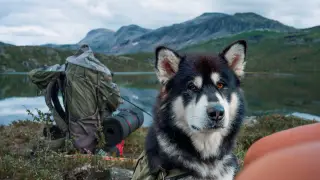
- Siberian Husky. Gave the mask, the colours and the sled-dog look.
- Schipperke. A small black Belgian spitz, added in a small share.
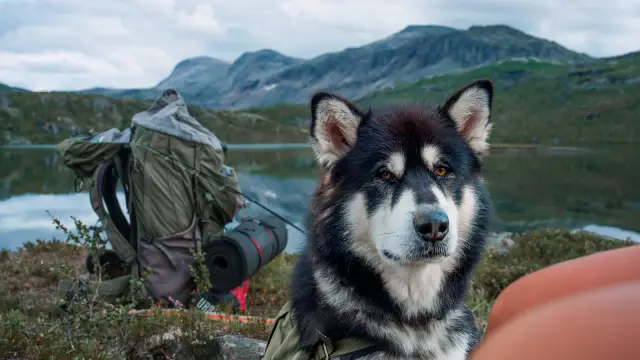
The deeper ancestors in the atlas data include the Alaskan Malamute, the Greenland Dog, the Samoyed and the German Spitz, which sit behind the parent breeds.
The breed standard
 Looks relatedSiberian Husky1000 to 1930 · RussiaEarly Middle Ages
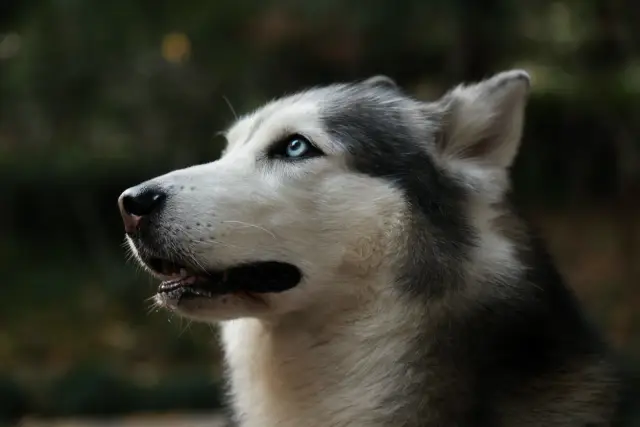
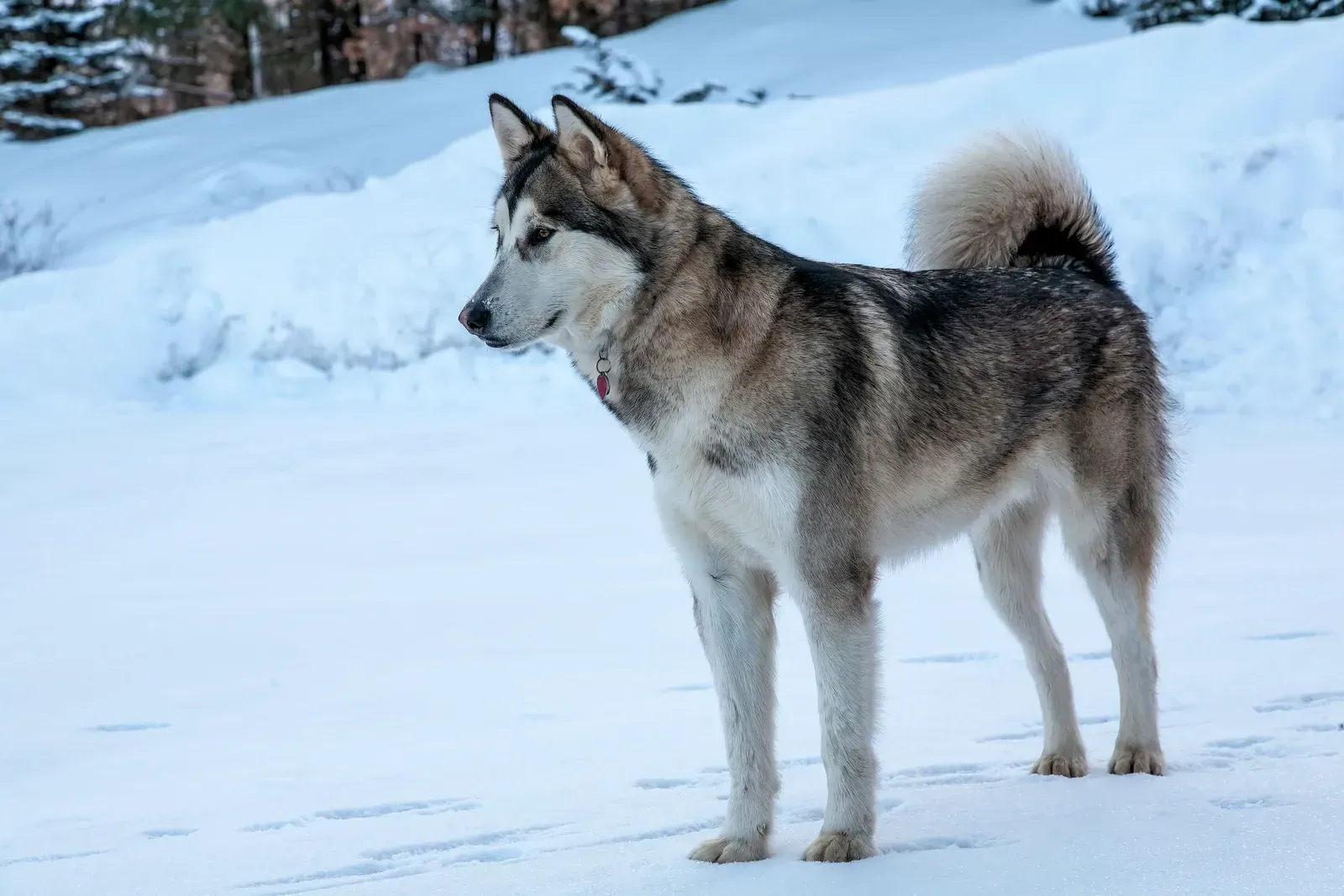
The UKC and the AKC standards describe a small, agile dog that is a little longer than tall, with a wedge-shaped head, upright triangular ears, a thick coat and a tail curled over the back. The UKC divides the breed by height.
| Trait | What the standards say |
|---|---|
| Height | UKC: toy up to 33 cm (13 inches), miniature over 33 up to 38 cm (15 inches), standard over 38 up to 43 cm (17 inches), at the withers. AKC: 30 to 43 cm, with dogs over 17.5 inches (44 cm) disqualified |
| Weight | UKC: in proportion to height, no fixed range. Breed guides usually give about 4 kg for toys up to about 10 kg for standards |
| Build | UKC and AKC: slightly longer than tall, athletic, light-boned, with a balanced, agile look |
| Coat | UKC and AKC: double coat of medium length, a harsh outer coat with a dense soft undercoat; no trimming |
| Colour | UKC and AKC: black and white, grey and white, red and white, or solid white; clear markings; a facial mask is expected in the coloured dogs |
| Head | UKC and AKC: wedge-shaped, with a mask; expression alert and intelligent |
| Ears | UKC and AKC: erect, triangular, set high |
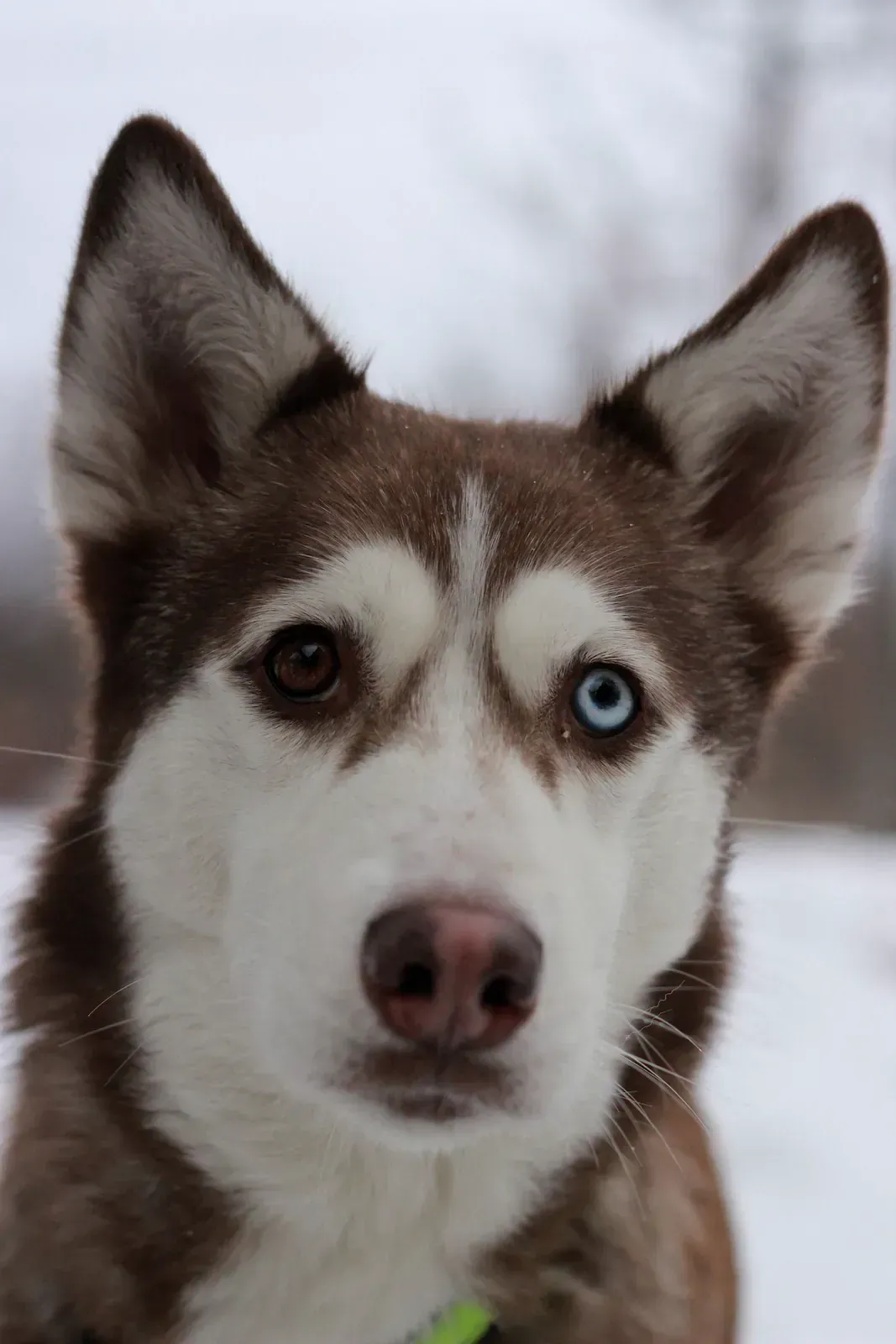
| Eyes | UKC and AKC: almond-shaped; brown, blue, amber or one of each (a "bi-eyed" dog) are all allowed |
| Tail | UKC and AKC: curled over the back |
 Save
How the sizes work. The three sizes are one breed, not three. A litter can contain more than one size, and size is read at maturity. Toys are the smallest and often the most delicate, while standards are the sturdiest and the most active.
Eye colour. Blue, brown and mixed eyes are all accepted, and many Klee Kai have one of each.
Temperament
 Related breedTibetan Mastiff1000 BCE to 1931 · ChinaAncient World
The Klee Kai is an alert, quick, watchful dog with a long memory. Most are close to one or two people and reserved or aloof with strangers. They do not usually greet visitors with open arms, and a young dog needs lots of calm, early exposure to people and places to avoid becoming shy.
Aloof and watchful. Breed sources describe the Klee Kai as wary with strangers and cat-like in its manners. It often watches new people or objects from a distance before it decides. This is typical of the breed and not a fault, but it means more careful socialising than the average small dog.
Vocal. The breed is talkative. It has a high-pitched bark and a range of yips, howls and "talking" sounds. Neighbours and flat walls matter.
Smart and independent. It learns fast and has opinions. See the smartest dog breeds for how trainability and independence differ. Short, varied, treat-based sessions work better than long drills.
Prey drive. A spitz heritage means many Klee Kai chase small animals and birds. A fenced garden is a safer bet than an open field, and a recall off lead can be unreliable.
With children and other pets. Most are fine with calm older children. Toy sizes are fragile, and a small child can hurt one by accident. Cats are often fine if they grow up together, though the chase instinct is there.
Escape artists
Husky-like dogs are known for digging, jumping and slipping through gaps. Digging under and climbing over fences is common. A closed, secure yard is advised.

Klee Kai vs Siberian Husky
 Related breedAmerican Bully1980 to 2004 · United StatesModern Era
| Point | Alaskan Klee Kai | Siberian Husky |
|---|---|---|
| Size | 30 to 43 cm; about 4 to 10 kg | 51 to 60 cm; 16 to 27 kg |
| Job | Companion | Sled dog |
| Exercise | Moderate to high | Very high |
| Strangers | Usually reserved | Usually friendly |
| Barking | Vocal, high pitch | Howls more than barks |
| Origin | Alaska, 1970s | Chukchi Peninsula, centuries old |
The two look alike, but a Klee Kai is a house dog first. A Husky is a working team dog, and needs several times the exercise. The Alaskan Malamute is the heavy freight type of the same region and is far larger again, about 38 kg for dogs.
Health
 Related breedBlack Russian Terrier1949 to 1984 · RussiaModern Era
The Klee Kai is generally a long-lived small dog, and the atlas data gives 12 to 16 years. A young breed with a small gene pool carries a few known problems, and there are not many published studies with figures. Where no figure has been published, the table says so.
| Condition | What it is | How common | What helps |
|---|---|---|---|
| Factor VII deficiency | An inherited clotting disorder; some dogs bleed too easily, while others have no signs | No published figure for the breed. Reported in a bleeding Klee Kai and its family, and in unrelated healthy dogs (Kaae, Callan and Brooks, 2007). Autosomal | A DNA test exists; breed clubs ask for it in breeding dogs. Tell the vet before surgery |
| Liver shunt (hepatoportal shunt) | A blood vessel that bypasses the liver, so blood is not cleaned | No published figure. UC Davis lists it as a notable tendency in the breed | Ask the breeder about shunts in the line; a young dog that is small, stunted or odd after eating should be checked |
| Patent ductus arteriosus | A heart vessel that should close after birth stays open | No published figure. Listed among heart problems in small breeds | Heart check at the first vet visit; surgery fixes it in many dogs |
| Patellar luxation | A kneecap that slips out of place | No published figure. Common in small breeds in general | Vet check of the knees; keep the dog lean |
| Cryptorchidism and umbilical hernia | An undescended testicle; a small gap in the belly wall | No published figure. Listed by UC Davis | A vet check of puppies; ask about the pedigree |
| Eye disease | Cataract and other lens or retinal changes | No published figure | Eye exam of breeding dogs |
The UC Davis genetics laboratory notes that these conditions involve complex genetics and are not simple single-gene traits, apart from factor VII deficiency, which has a test. Because the sources are limited, treat "about 1 in N" figures from random websites with caution. A good breeder shows test results, not just assurances.
Lifespan. Twelve to sixteen years is the typical range. There is no large published survey, so it is a range, not a measured median.
Dental care. Small dogs with small mouths often collect tartar. Brushing and regular dental checks help.

Living with an Alaskan Klee Kai
 Related breedCavalier King Charles Spaniel1926 to 1945 · United KingdomModern Era
| Daily reality | Rating | Why |
|---|---|---|
| Exercise per day | Medium to high | An hour of walking and play; standards want more |
| Training needs | Medium | Smart but independent; needs patience |
| Grooming | Medium | Brushing two or three times a week, daily in the moult |
| Shedding | High | Heavy double coat; blows its coat twice a year |
| Barking | High | Talkative and vocal |
| Time alone | Poor | Bonds closely; bored dogs dig and chew |
| Children | Varies | Fine with calm kids; toys are fragile |
| Other dogs | Good | Often fine, especially if raised together |
| Cats and small pets | Varies | Prey drive; depends on the dog |
| Flat living | Fair | Possible with good exercise; noise is the issue |
| Heat tolerance | Poor | Thick coat; avoid hot hours |
| Cold tolerance | Good | Built for it |
| First-time owner fit | Fair | Easy size, but a strong-minded dog |
A great fit if
- You like the Husky look and cannot take a 25 kg dog.
- You will spend time on training and on getting a young dog used to strangers.
- You have a secure garden or a plan for safe exercise.
- You can live with a vocal dog and a thick coat of hair on everything.
Think twice if
- You want a dog that loves every visitor.
- You work long hours away from home.
- You live in a thin-walled flat and neighbours mind noise.
- You expect a toy dog to be happy as a handbag pet.
Before you get one
- Health tests. Ask for the factor VII DNA test result for both parents and for an eye exam. Ask about liver shunts, heart problems and knees in the line.
- Waiting lists. Responsible breeders are few and puppies often have a wait. Be wary of very cheap "mini Huskies".
- Rescue. Some adult Klee Kai are re-homed, and an adult shows its temperament.
- Registry. The UKC and ARBA are the main registries; the AKC lists it in its Foundation Stock Service.
 Save

Alaskan Klee Kai fun facts
 Related breedCavapoo1990 to 2000 · United StatesModern Era
- "Klee Kai" is said to come from an Inuit phrase for "little dog".
- The breed began with one small Husky-like dog met on a family trip to Oklahoma in the early 1970s.
- The breed stayed private until 1988.
- Eyes can be blue, brown or one of each.
- The UKC divides it into toy, miniature and standard sizes, 33 cm, 38 cm and 43 cm at the top.
Frequently asked questions
Is an Alaskan Klee Kai a good family dog?
It can be, in a home with older, calm children and time for training. It is often reserved with strangers and can be vocal. Toy sizes are fragile around small children.
How big does an Alaskan Klee Kai get?
The UKC gives toy up to 33 cm, miniature over 33 to 38 cm and standard over 38 to 43 cm. Weight runs from about 4 kg to about 10 kg.
How long do Klee Kai live?
Atlas data gives 12 to 16 years. No large survey has measured the median.
Does the Klee Kai shed a lot?
Yes. It has a thick double coat and sheds all year, with heavy seasonal moults. It needs brushing a few times a week.
Is a Klee Kai the same as a miniature Husky?
No. It is a separate breed made from Alaskan Husky, American Eskimo Dog, Siberian Husky and Schipperke. The look is similar but the size and job are not.
Can a Klee Kai live in an apartment?
Yes, if it gets daily exercise and the barking is managed. Thin walls and neighbours can be the problem.
What health problems do Klee Kai have?
Factor VII deficiency (a DNA test exists), liver shunts, patent ductus arteriosus and kneecap problems are the ones named in breed sources.
Read next
FamilyAsian SpitzThe whole family Adopt a dogDog Shelters in EuropeFind dog shelters in Europe, learn how shelters differ from country to country and why adopting a dog is a good option.
Sources (11)
- United Kennel Club, Alaskan Klee Kai breed standard and breed page.
- American Kennel Club, Alaskan Klee Kai breed standard (revised 2022) and Foundation Stock Service listing.
- Alaskan Klee Kai Association of America (AKKAOA), history pages and known health concerns.
- Alaskan Klee Kai Club of America, breed history and AKC status notes.
- American Rare Breed Association, Alaskan Klee Kai recognition.
- Kaae J.A., Callan M.B. and Brooks M.B., "Hereditary Factor VII Deficiency in the Alaskan Klee Kai Dog", Journal of Veterinary Internal Medicine, 2007.
- University of California Davis Veterinary Genetics Laboratory, Alaskan Klee Kai breed health summary, 2019.
- Parker H.G. et al., "Genomic analyses reveal the influence of geographic origin, migration, and hybridization on modern dog breed development", Cell Reports, 2017.
- Fogle B., The New Encyclopedia of the Dog, 2009.
- Showsight magazine, Alaskan Klee Kai Club of America breed feature (AKC Foundation Stock Service, October 2020).
- Pure Dog Talk podcast, Alaskan Klee Kai and the move to the AKC Miscellaneous Class.