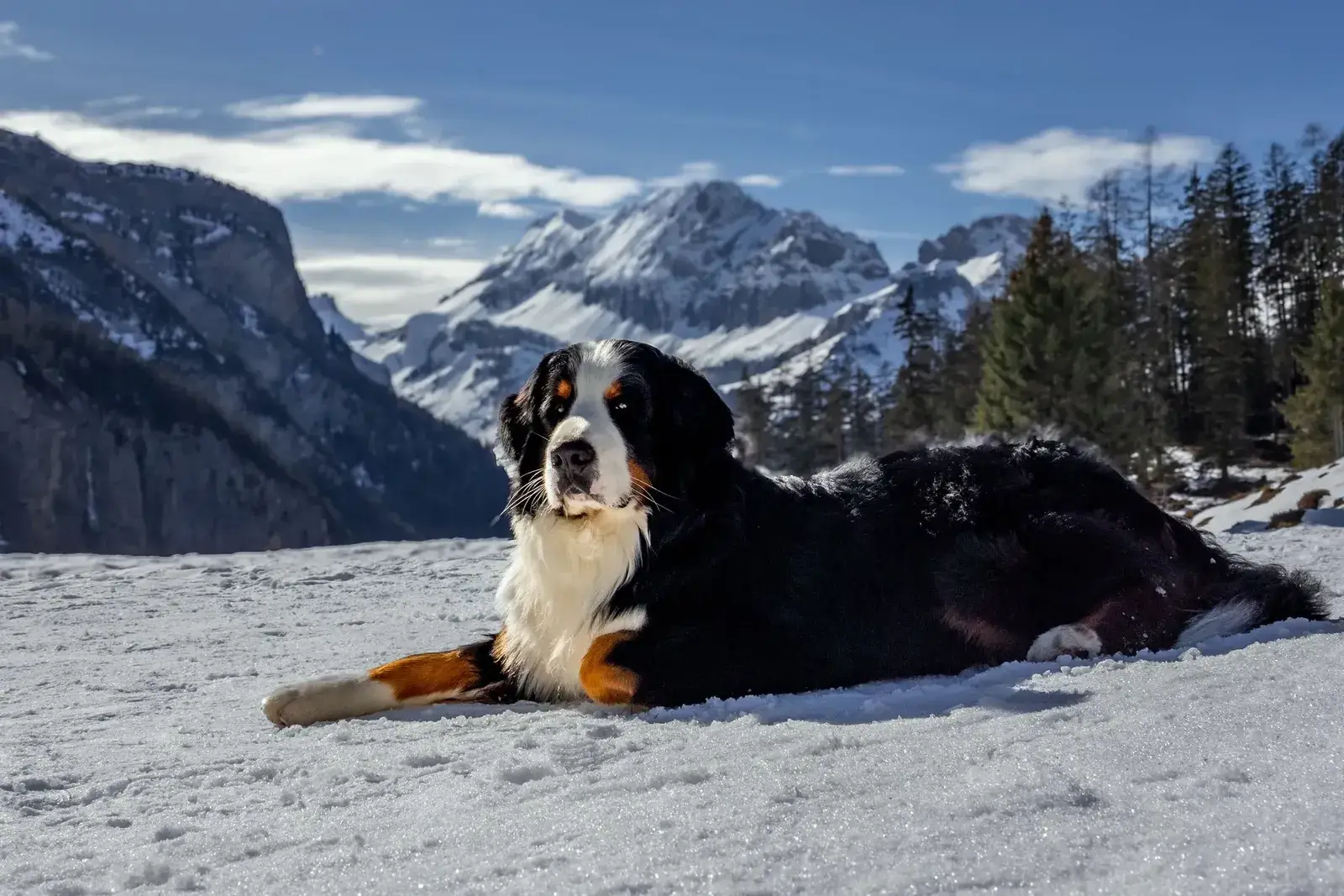
What are the Alpine breeds?
The Alpine family is a small group of six dogs from Switzerland: the St. Bernard, Bernese Mountain Dog, Greater Swiss Mountain Dog, Appenzeller Sennenhund, Entlebucher Mountain Dog and the extinct Alpine Mastiff. Five are living and one is gone. Four of them are the Sennenhunde, the Swiss herdsman's dogs. All were farm, drover or mountain dogs before they were companions.
 GuideDogs in Legends and Fairy TalesDogs in folklore and fairy tales: Black Shuck, The Tinderbox, Saint Guinefort, Panhu, Greyfriars Bobby, Barry and Old Drum, with legend and history kept apart.
In this atlas a family is a branch of the dog family tree found by comparing DNA. It is not the same as a kennel club group. The family is small and tightly Swiss, so it is a good place to see how one mountain country shaped giant dogs.
Quick facts about the Alpine family
| Fact | Answer |
|---|---|
| Family type | Genetic clade (Parker et al. 2017) |
| Parent | European dogs (see the dog family tree) |
| Breeds in this atlas | 6 (5 living, 1 extinct) |
| Breeds with DNA tested in the study | 3, all with strong support |
| Homeland | Switzerland (all 6) |
| Typical size | Giant (4 of 6), medium (2 of 6) |
| Core jobs | Farm guard, cattle driver, cart dog, mountain rescue |
| Largest tie in the family | Bernese and Greater Swiss, 91.7 Mb shared |
 GuideBanned and restricted dog breeds by countryWhich dog breeds are banned or restricted, country by country: UK, Ireland, France, Germany, Denmark, Norway, Spain, Australia and more.
Family or group: what is the difference?
In this atlas, "family" means a DNA clade. "Group" is used only for kennel club groups. The FCI puts all five living breeds in Group 2, together with pinschers, schnauzers and mastiffs. The AKC sorts them into its Working Group, and the Appenzeller sits in the Foundation Stock Service, its list for breeds not yet fully recognised.
 ArticleDog Breed Family Tree: How All Dog Breeds Are RelatedThe dog breed family tree from Ice Age wolves to 29 breed families.
Three breeds were tested by Parker et al. (2017) and form one clade with strong support: the St. Bernard, Bernese and Greater Swiss. The Appenzeller and Entlebucher were not tested. They are here by history, as the other two Sennenhunde. The Alpine Mastiff is extinct and also placed by history.
Where the Alpine family sits in the tree
The parent in the atlas data is European dogs, a broad branch for dogs of western and central Europe. The nearest big neighbour is the European Mastiff family. The St. Bernard shares 37.1 Mb with the English Mastiff and 19.3 Mb with the Great Dane, and the Greater Swiss shares 18.4 Mb with the Rottweiler, a Drover breed.
 GuideDog Breeds by Country: Which Nations Made the Most?Dog breeds by country: how many breeds each nation produced in the Dogs Atlas data, from the UK and France to Japan, plus national dogs and families.
Names and meanings
- Sennenhund is German for "herdsman's dog". Senn is an Alpine herdsman or dairyman.
- St. Bernard is named for the Great St Bernard Pass and its hospice, which honours Bernard of Menthon.
- Bernese is for the canton of Bern, Appenzeller for Appenzell and Entlebucher for the Entlebuch valley in the canton of Lucerne.
- Greater Swiss translates Grosser Schweizer Sennenhund.
- Alpine Mastiff is named for the Alps. Mastiff comes from Old French mastin.
 GuideIs your dog suited to therapy work?How to make your dog a therapy dog: temperament checklist, first training steps, how Pet Partners, TDI and Pets As Therapy assess dogs, and welfare limits.
History of the Alpine breeds
 GuideSmartest dog breeds: what the rankings measure and what they missCoren's smartest dog breeds list, what it measured, what newer dog cognition research says, three kinds of dog intelligence and why smart dogs need work.
Before 1850: farm dogs and hospice dogs
Swiss farms kept big, strong dogs that guarded the yard, drove cattle and pulled small carts. These were working dogs without pedigrees. Some writers link the type to Roman mastiffs, but this is disputed, and the Alps had few Roman roads or towns.
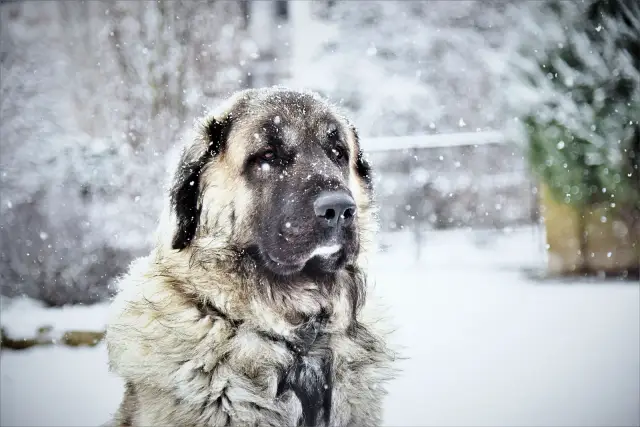
The St. Bernard has the best-known early story. Accounts say dogs reached the Great St Bernard hospice as watchdogs around the 1660s. A dog called Barry served there from about 1800 to 1812, and sources credit him with saving more than 40 people. The barrel of brandy under the chin is a later image, not a documented habit. The monks are also said to have crossed their dogs with Newfoundlands to get a warmer coat. Sources date this to 1830 or the 1850s, and say the long coats collected ice and were dropped.
1850 to 1914: studbooks and Albert Heim
The breeder Heinrich Schumacher began planned breeding outside the hospice from 1855. In 1880 the name St. Bernard was agreed for the hospice dogs, and the breed entered the Swiss Stud Book in 1884. Sources disagree on whether the standard dates from 1884 or 1888.
The other breeds were rescued later. The Appenzeller was described by Friedrich von Tschudi in 1853, and eight were entered in a class at the 1898 Winterthur show. At the 1908 jubilee show in Langenthal, two short-haired dogs were shown to the geologist Albert Heim, who saw in them the old large mountain dog. The Swiss Kennel Club recognised the Greater Swiss in 1909. The Bernese was shown at Bern from about 1902 and a breed club followed in 1907. The Entlebucher was recognised later, one source says in 1926. Accounts of who did the saving differ, but all agree the dogs were nearly lost to machines and roads.
1914 to today: export
The Greater Swiss reached the United States in 1968 and was fully recognised by the AKC in 1995. The Entlebucher was recognised by the AKC in 2011. The Bernese entered the AKC stud book in 1937. The Alpine Mastiff is a lost type, dated roughly 1000 to 1800 with low confidence.
Who are the members of the Alpine family?
All 6 breeds in the atlas data. The three with DNA tested in the study come first. "Appeared" is the period in which the breed took shape, as best the atlas records can say.
 GuideDogs in science and spaceSpace dogs Laika, Belka and Strelka, Pavlov's dogs, Snuppy the clone, the dog genome and scent detection: what dogs did for science, and what it cost them.
| Breed | Country | Status | Size | Appeared | DNA-tested |
|---|---|---|---|---|---|
| St. Bernard | Switzerland | Living | Giant | 1650 to 1884 | Yes (Parker 2017) |
| Bernese Mountain Dog | Switzerland | Living | Giant | 1700 to 1907 | Yes (Parker 2017) |
| Greater Swiss Mountain Dog | Switzerland | Living | Giant | 1700 to 1909 | Yes (Parker 2017) |
| Alpine Mastiff | Switzerland | Extinct | Giant | 1000 to 1800 | By history |
| Appenzeller Sennenhund | Switzerland | Living | Medium | 1800 to 1898 | By history |
| Entlebucher Mountain Dog | Switzerland | Living | Medium | 1800 to 1913 | By history |

Family tree and DNA ties
Two kinds of evidence are used: written history, and DNA, measured as megabases (Mb, millions of DNA letters) that two breeds share in matching stretches.
 See alsoLeonberger1846 to 1895 · GermanyIndustrial Revolution
| Pair | Shared DNA (Mb) | What it tells us |
|---|---|---|
| Bernese and Greater Swiss | 91.7 | The closest pair, two tricolour Swiss farm dogs |
| Greater Swiss and St. Bernard | 57.5 | A real tie within the family |
| St. Bernard and Leonberger | 44.7 | The Leonberger is a Mediterranean-family breed made with the St. Bernard |
| St. Bernard and English Mastiff | 37.1 | The mastiff side of the St. Bernard |
| Bernese and St. Bernard | 34.7 | Weaker than Bernese and Greater Swiss |
Source: Parker et al. 2017, Cell Reports, shared haplotypes between 161 breeds (1,346 dogs).
The pattern is simple. The Bernese and Greater Swiss are near twins, and the St. Bernard sits a step away with its own mastiff and Newfoundland ties. In the written record, the St. Bernard has one recorded parent, the Newfoundland (medium confidence). The atlas data lists the St. Bernard as an ancestor of the Leonberger, Tosa and Chinook.
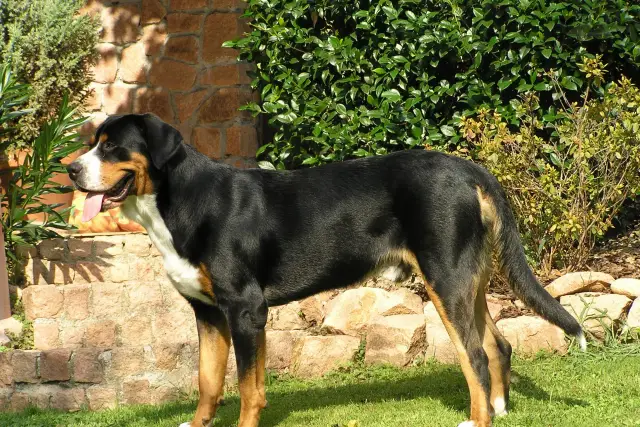
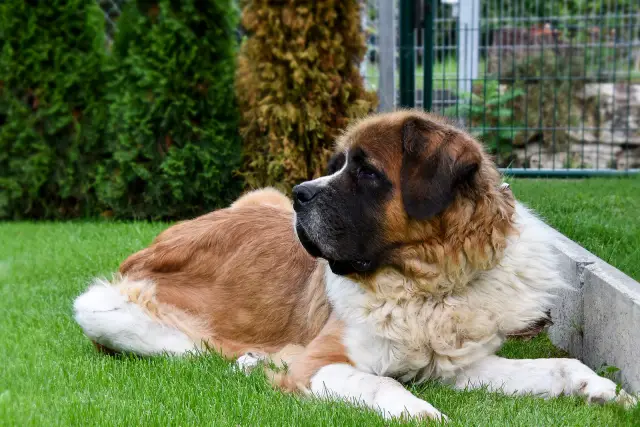
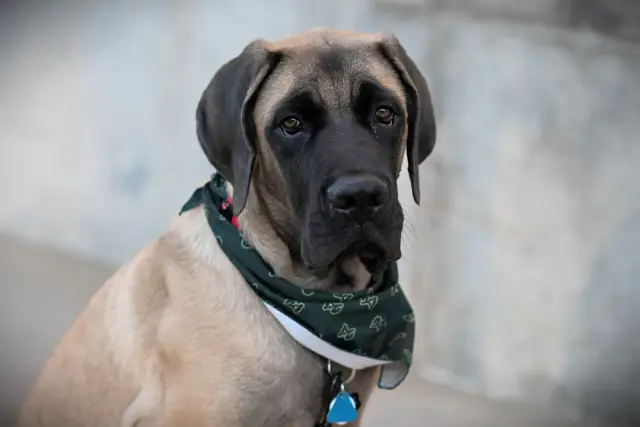
- Bernese and Greater Swiss
- Greater Swiss and St. Bernard
- St. Bernard and Leonberger
- St. Bernard and English Mastiff
- Bernese and St. Bernard
What the Alpine breeds share
Size. Four of six are giant by the atlas records. The Appenzeller and Entlebucher are medium.
 GuideHow to get an assistance dogHow to get a service dog or assistance dog in the USA, UK, Germany, France, Spain, Italy and the Netherlands: accredited schools, waits, owner-training and travel.
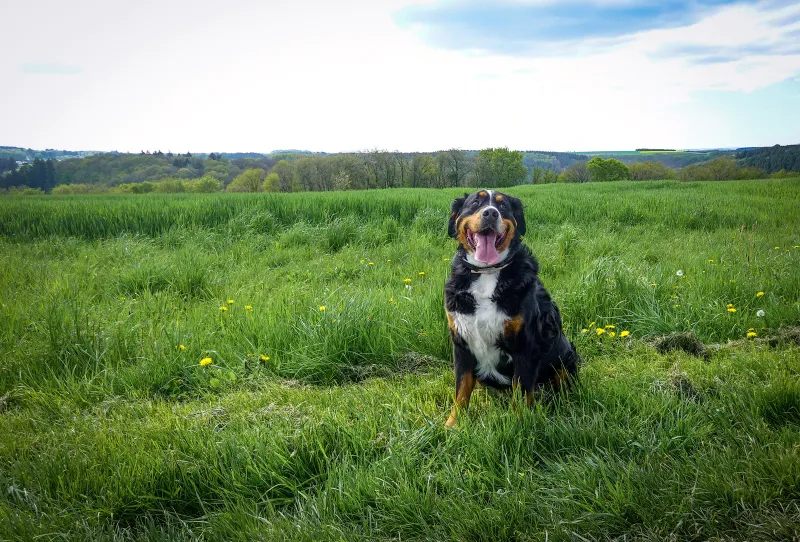
Coat. The Bernese has a long tricolour coat. The Greater Swiss and Entlebucher have short double coats with the same black, rust and white pattern. The St. Bernard comes in both short and long coats.
Job. Drovers, guards and carting dogs that worked in cold, steep country. Carting is still a dog sport.
Temperament. Breed writing describes steady, people-loving working dogs. This is a tendency, not a promise for any single dog.
Health themes
Most dogs in this family live healthy lives. Health depends on the breed, not the family. The best-documented case is the Bernese Mountain Dog, and the others have little published prevalence data in the sources used.
 GuideService, therapy and emotional support dogs: what's the difference?Service dog vs emotional support dog vs therapy dog: the real differences, your rights in the USA and Europe, and why online certificates mean nothing.
| Condition | What it is | How common | What helps |
|---|---|---|---|
| Cancer, especially histiocytic sarcoma (Bernese) | Tumours, including one of immune cells that the breed gets more than most | Cancer was the cause of death in about 6 in 10 dogs with a known cause (222 of 381) in a Swiss study (Klopfenstein et al. 2016) | Regular vet checks, quick attention to lumps, breeders who track cancer in their lines |
| Short life for the size (Bernese) | Giant breeds live fewer years than small ones | Median 8.4 years in the same Swiss study | Lean weight, regular check-ups |
| Hip and elbow dysplasia | Loose joints that lead to arthritis | Seen more often than in many breeds (Bernese); no figures for the rest in the sources used | Hip and elbow scoring of both parents, lean body, controlled exercise while growing |
| Bloat (gastric twisting) | The stomach fills with gas and may twist | About 2 in 100 Bernese deaths in the Swiss study; no figures for the rest | Smaller meals, no hard exercise around meals, emergency vet care |
The Appenzeller and Entlebucher have longer life spans in the atlas records (12 to 15 and 11 to 13 years). These are record ranges, not study results.
 Related familyContinental HerderRead the family's story: origins, members, DNAGuideService, therapy and emotional support dogs: what's the difference?Service dog vs emotional support dog vs therapy dog: the real differences, your rights in the USA and Europe, and why online certificates mean nothing.
Which Alpine breeds are extinct?
One of the six is extinct.
 GuideHow to adopt a dog from a shelter or rescueHow to adopt a dog from a shelter or rescue: the process, costs in general terms, choosing a dog, the first weeks and what if it does not work out.
- Alpine Mastiff (Switzerland, about 1000 to 1800, low confidence): a large mountain mastiff and ancestor of the St. Bernard in the atlas data. It is placed here by history, not DNA.
Which Alpine breed suits which owner?
This is a guide to type, not a promise for any dog.
 GuideDogs in myth around the worldFrom Anubis and Cerberus to Fenrir, Xolotl and the Tiangou: how cultures across the world imagined dogs as guardians, guides and monsters.
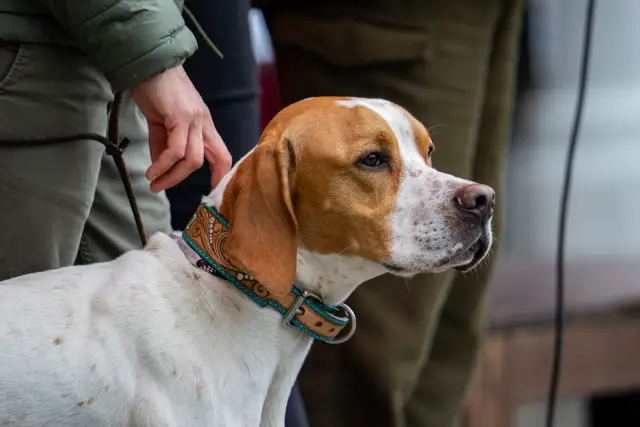
- Family wanting a calm giant. The Bernese Mountain Dog is friendly and steady, and its short life span is part of the deal.
- Owners with a big garden and cool climate. The St. Bernard and Greater Swiss are heavy dogs that dislike heat.
- Active owners who want a smaller dog. The Appenzeller and Entlebucher are medium, quick and herding-minded.
 GuideBest dog breeds for familiesBest dog breeds for families, small homes, allergies, first-time owners and seniors, ranked from our breed ratings, with honest limits and a table.GuideDogs in myth around the worldFrom Anubis and Cerberus to Fenrir, Xolotl and the Tiangou: how cultures across the world imagined dogs as guardians, guides and monsters.
Fun facts about the Alpine breeds
- Barry, the best-known hospice dog, served about 1800 to 1812, and sources credit him with saving more than 40 people.
- The brandy barrel is a myth from later art.
- All six breeds are Swiss, so the family is the only one in the atlas data with a single country.
- The Greater Swiss was recognised in 1909 after a show-ring find in 1908.
 GuideDogs of Japan: the native breeds and their storiesJapanese dog breeds explained: the six Nihon Ken, the Chin, Tosa, Japanese Spitz and Terrier, Hachiko, wartime near-extinction, DNA and who they suit.
 GuideDog Clothes: When Dogs Need Coats, and a Short History of Dog FashionDo dogs need coats in winter? When clothes help, when costumes stress a dog, safe fit, reflective gear, and a short history of dog fashion and dog art.GuideDogs of Japan: the native breeds and their storiesJapanese dog breeds explained: the six Nihon Ken, the Chin, Tosa, Japanese Spitz and Terrier, Hachiko, wartime near-extinction, DNA and who they suit.
Related families
- European Mastiff: close neighbour, source of the St. Bernard's mastiff DNA.
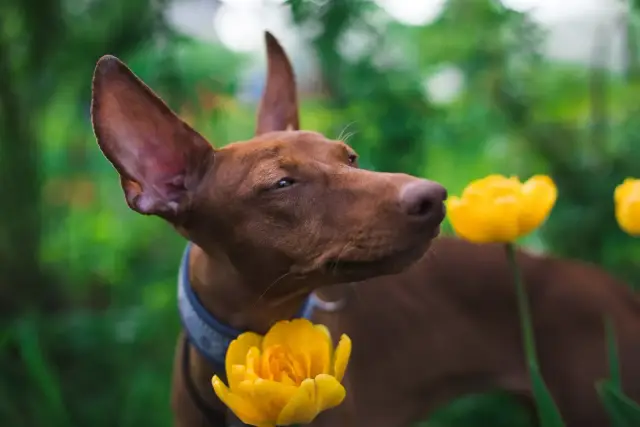
- Mediterranean: home of the Leonberger, made with the St. Bernard.
- Retriever: the Newfoundland crossed with the St. Bernard.
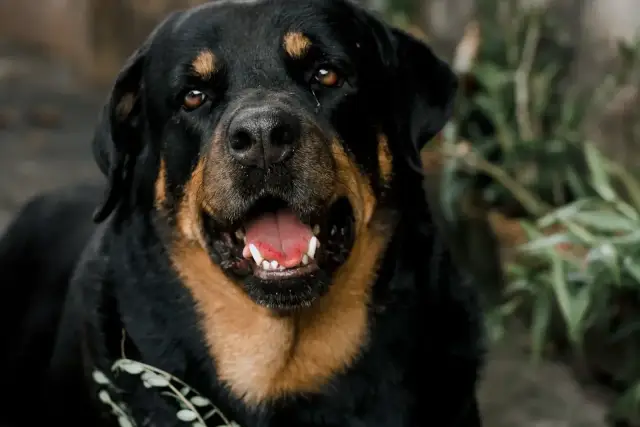
- Drover: the Rottweiler, which shares DNA with the Greater Swiss.
 ArticleThe first known dog on every continentEarliest accepted dog on each continent, from Bonn-Oberkassel to the dingo: dates, sites, how dogs arrived and which breeds carry those first dogs.
 GuideDog laws by country: tax, insurance and licencesDog tax, compulsory liability insurance, licences, microchips and leash rules in Germany, Austria, Switzerland, Spain, Ireland, the UK, the US and more.ArticleThe first known dog on every continentEarliest accepted dog on each continent, from Bonn-Oberkassel to the dingo: dates, sites, how dogs arrived and which breeds carry those first dogs.
Frequently asked questions
What are the Swiss mountain dog breeds?
Four Sennenhunde: the Bernese, Greater Swiss, Appenzeller and Entlebucher. The St. Bernard is Swiss and a mountain dog, but is not counted as a Sennenhund.
Is the Bernese related to the Greater Swiss?
Yes, closely. They share 91.7 Mb, the highest value in the family.
Is a St. Bernard a Sennenhund?
No. It comes from the hospice at the Great St Bernard Pass, not a farm, and it is a mastiff type with a Newfoundland cross.
Did St. Bernards carry barrels?
No sources document it. It comes from later art.
How long do Bernese live?
The median was 8.4 years in the Swiss study by Klopfenstein et al. (2016).
Read next
 Family storyDroverRead the family's story: origins, members, DNA
 Family storyMediterraneanRead the family's story: origins, members, DNA
 Family storyRetrieverRead the family's story: origins, members, DNA
Sources (9)
- Parker, H. G., et al. (2017). Genomic analyses reveal the influence of geographic origin, migration, and hybridization on modern dog breed development. Cell Reports, 19(4), 697 to 708.
- Klopfenstein, M., et al. (2016). Life expectancy and causes of death in Bernese mountain dogs in Switzerland. BMC Veterinary Research.
- FCI standards for the St. Bernard (61), Greater Swiss Mountain Dog (58), Appenzeller Sennenhund (46) and Entlebucher (47).
- Greater Swiss Mountain Dog Club of America, breed history (1908 Langenthal show, 1909 recognition).
- Swedish Kennel Club (SKK), standard text for the Appenzeller Sennenhund.
- American Kennel Club, Sennenhund breed pages.
- Showsight Magazine, history of the Saint Bernard.
- Wikipedia, Barry (dog) and Swiss mountain dog, checked against the sources above.
- Breed records in the atlas data (Dogs Atlas, internal data).