What are West Eurasian dogs?
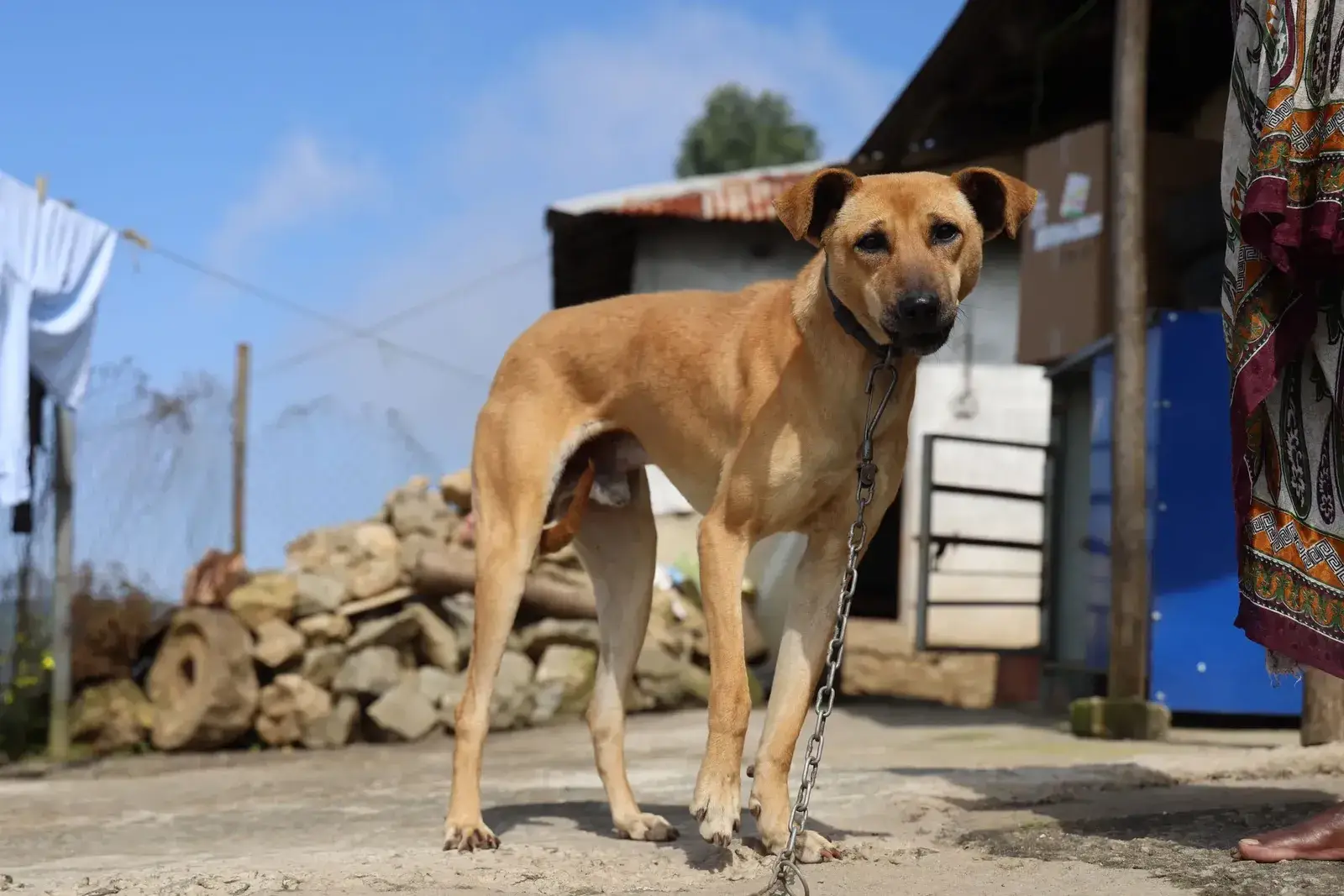
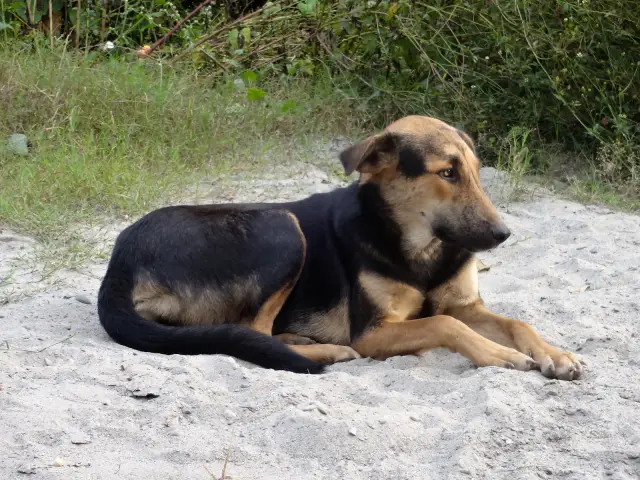
West Eurasian dogs are the western half of the dog family tree. The lineage covers the dogs of the Near East and Europe, from the puppy buried with a person at Ain Mallaha about 12,000 years ago to the Labrador Retriever and the Poodle. It is a lineage, not a breed: a deep branch of DNA that most Western breeds descend from.
 GuideDogs in science and spaceSpace dogs Laika, Belka and Strelka, Pavlov's dogs, Snuppy the clone, the dog genome and scent detection: what dogs did for science, and what it cost them.
The other big half is East Eurasian dogs. Both come from the domestic dog root, and both hold branches that grew into many modern breed families.
Quick facts about the West Eurasian lineage
| Fact | Answer |
|---|---|
| Branch type | Lineage (a deep branch above the breed families), living |
| Parent | Domestic dog |
| Sister lineage | East Eurasian dogs |
| Child branches | European dogs, Levantine and African dogs |
| Child family | Mediterranean (hangs directly on this lineage) |
| Time in this atlas | About 20,000 to 9,000 years ago (low confidence) |
| Key studies | Bergström 2020 (Science), Botigué 2017 (Nature Communications), Bergström 2022 (Nature) |
 GuideDogs in Legends and Fairy TalesDogs in folklore and fairy tales: Black Shuck, The Tinderbox, Saint Guinefort, Panhu, Greyfriars Bobby, Barry and Old Drum, with legend and history kept apart.
What this lineage is
In this atlas a family is a DNA clade of breeds (Parker 2017), and a lineage is a deeper branch above the families. West Eurasian dogs hold two lineages and one family: European dogs, Levantine and African dogs, and the Mediterranean family of sighthounds and flock guardians.
 GuideDog Breeds by Country: Which Nations Made the Most?Dog breeds by country: how many breeds each nation produced in the Dogs Atlas data, from the UK and France to Japan, plus national dogs and families.
The lineage name is about ancestry, not about where each breed is kept today. A dog bred in North America can sit here because its ancestors came from Europe. The dog family tree shows how the pieces connect.
 GuideHow to adopt a dog from a shelter or rescueHow to adopt a dog from a shelter or rescue: the process, costs in general terms, choosing a dog, the first weeks and what if it does not work out.GuideDog Breeds by Country: Which Nations Made the Most?Dog breeds by country: how many breeds each nation produced in the Dogs Atlas data, from the UK and France to Japan, plus national dogs and families.
The Near Eastern roots
The oldest Near Eastern evidence is the Natufian burial at Ain Mallaha, in northern Israel, about 12,000 years ago. An old adult was buried with a puppy beneath the left hand. Sources call it a dog puppy, and some leave open whether it was a young wolf. It shows that people in the region treated young canids as companions before farming.
 GuideLivestock guardian dogs: what they do and who they suitWhat livestock guardian dogs do, how they differ from herding dogs, 40 LGD breeds by country, the DNA evidence, and whether they make good pets.
The DNA record from the Near East is thinner than the burial record. Bergström and colleagues (Science, 2020) report a Levant dog of about 7,000 years ago among the five deep lineages they could trace by 11,000 years ago. That dog is the best-known ancient anchor for the Near Eastern part of the western branch.
A second source of Near Eastern ancestry comes from wolves. Bergström and colleagues (Nature, 2022) found that dogs of the Near East and Africa draw up to half of their ancestry from a population linked to southwest Eurasian wolves, in addition to the main line shared with dogs elsewhere. None of the ancient wolf genomes they studied was a direct match for that source.
 GuideSmartest dog breeds: what the rankings measure and what they missCoren's smartest dog breeds list, what it measured, what newer dog cognition research says, three kinds of dog intelligence and why smart dogs need work.GuideLivestock guardian dogs: what they do and who they suitWhat livestock guardian dogs do, how they differ from herding dogs, 40 LGD breeds by country, the DNA evidence, and whether they make good pets.
Europe: replaced more than once
The oldest sequenced genome in the 2020 study is a 10,900-year-old Mesolithic dog from Karelia, in north-eastern Europe. It belongs to the early European line. Early farmers then brought Levant-related dog ancestry into Europe along with their crops. Botigué and colleagues (Nature Communications, 2017) read the Neolithic data as showing continuity since the Early Neolithic in Europe. Bergström 2020 saw a different pattern in the same period: a "near-complete turnover" of Neolithic European dog ancestry in later times.
 GuideDog Clothes: When Dogs Need Coats, and a Short History of Dog FashionDo dogs need coats in winter? When clothes help, when costumes stress a dog, safe fit, reflective gear, and a short history of dog fashion and dog art.
A dog from a megalith context at Frälsegården in Sweden, about 5,000 years old, can be modelled as 90 to 100 percent of the ancestry of most modern European dogs. The first Europeans' dogs left little trace. The Bonn-Oberkassel dog, buried about 14,200 years ago in Germany, is the oldest dog that most researchers accept, but today's European breeds do not trace to it.
Steppe pastoralists later left a clear mark on dogs of both halves of Eurasia (Bergström 2020), which blurs the line between west and east in the Bronze Age.
 ArticleDog Breed Family Tree: How All Dog Breeds Are RelatedThe dog breed family tree from Ice Age wolves to 29 breed families.GuideDog Clothes: When Dogs Need Coats, and a Short History of Dog FashionDo dogs need coats in winter? When clothes help, when costumes stress a dog, safe fit, reflective gear, and a short history of dog fashion and dog art.
The three child branches
Each child branch has its own page.
 GuideBanned and restricted dog breeds by countryWhich dog breeds are banned or restricted, country by country: UK, Ireland, France, Germany, Denmark, Norway, Spain, Australia and more.
- European dogs: the large branch, holding most Western breed families.
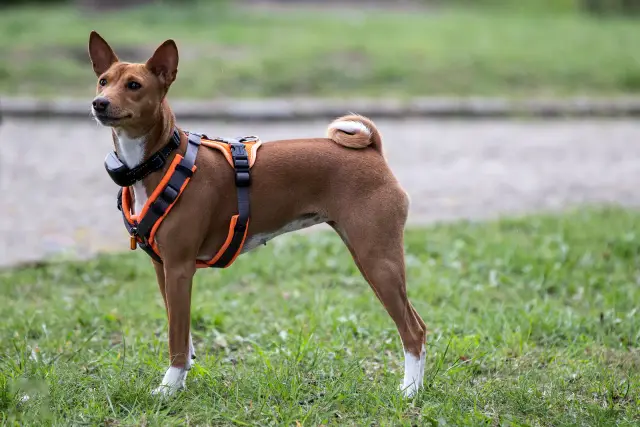
- Levantine and African dogs: the branch based on Levant-related ancestry in African dogs, with the Basenji in the Ancient Basal family.
- Mediterranean: sighthounds and flock guardians of southern Europe, the Middle East and Africa. The family holds 71 breeds and types, but only 13 were DNA-tested in Parker 2017, so most of it is placed by history.
 ArticleThe first known dog on every continentEarliest accepted dog on each continent, from Bonn-Oberkassel to the dingo: dates, sites, how dogs arrived and which breeds carry those first dogs.GuideBanned and restricted dog breeds by countryWhich dog breeds are banned or restricted, country by country: UK, Ireland, France, Germany, Denmark, Norway, Spain, Australia and more.
What branches from here
West Eurasian dogs have these child branches in the atlas.
 GuideDog laws by country: tax, insurance and licencesDog tax, compulsory liability insurance, licences, microchips and leash rules in Germany, Austria, Switzerland, Spain, Ireland, the UK, the US and more.
- European dogs: 22 breed families, from spaniels and retrievers to scent hounds and terriers.
- Levantine and African dogs: the African branch of the western lineage.
- Mediterranean: hounds and guardians of the southern rim.
 GuideHow to get an assistance dogHow to get a service dog or assistance dog in the USA, UK, Germany, France, Spain, Italy and the Netherlands: accredited schools, waits, owner-training and travel.GuideDog laws by country: tax, insurance and licencesDog tax, compulsory liability insurance, licences, microchips and leash rules in Germany, Austria, Switzerland, Spain, Ireland, the UK, the US and more.
A tree for breeds, not a map
The tree is a grouping by breed DNA and project inference, and one caution applies. The African sighthounds sit in the Mediterranean family, yet genetic ancestry of African dogs points to the Levantine branch. The atlas keeps both as sister branches.
 GuideDogs in myth around the worldFrom Anubis and Cerberus to Fenrir, Xolotl and the Tiangou: how cultures across the world imagined dogs as guardians, guides and monsters.
 GuideService, therapy and emotional support dogs: what's the difference?Service dog vs emotional support dog vs therapy dog: the real differences, your rights in the USA and Europe, and why online certificates mean nothing.GuideDogs in myth around the worldFrom Anubis and Cerberus to Fenrir, Xolotl and the Tiangou: how cultures across the world imagined dogs as guardians, guides and monsters.
Surprises
- Today's European breeds do not descend from Europe's oldest dogs, because the old lines were replaced.
- A 7,000-year-old dog from the Levant helps explain the ancestry of dogs in Africa.
- Dogs of the Near East and Africa carry up to half of their ancestry from a second wolf source.
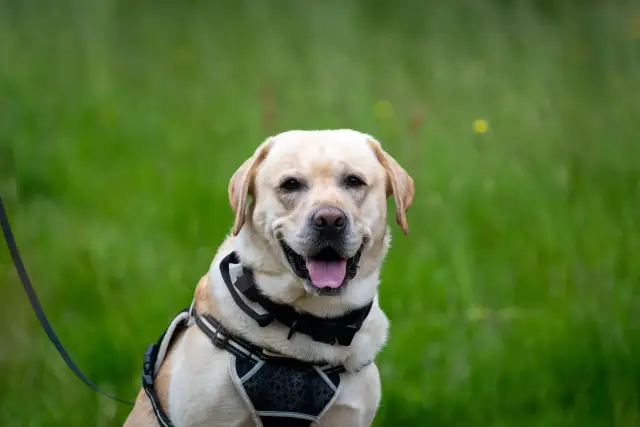
- The Labrador, the Poodle and the Saluki all sit in the West Eurasian lineage, though their branches split thousands of years ago.
 GuideDogs of Japan: the native breeds and their storiesJapanese dog breeds explained: the six Nihon Ken, the Chin, Tosa, Japanese Spitz and Terrier, Hachiko, wartime near-extinction, DNA and who they suit.
 GuideIs your dog suited to therapy work?How to make your dog a therapy dog: temperament checklist, first training steps, how Pet Partners, TDI and Pets As Therapy assess dogs, and welfare limits.GuideDogs of Japan: the native breeds and their storiesJapanese dog breeds explained: the six Nihon Ken, the Chin, Tosa, Japanese Spitz and Terrier, Hachiko, wartime near-extinction, DNA and who they suit.
Related pages
- Domestic dog
- East Eurasian dogs
- European dogs
- Levantine and African dogs
- Mediterranean
- Dog family tree
- First dogs by continent
 GuideDog hybrids: what dogs can and cannot breed withCan dogs breed with wolves, coyotes, jackals or foxes? Wolfdogs, coydogs, the Sulimov dog and Dogxim explained, with chromosomes and DNA studies.
 GuideBest dog breeds for familiesBest dog breeds for families, small homes, allergies, first-time owners and seniors, ranked from our breed ratings, with honest limits and a table.GuideDog hybrids: what dogs can and cannot breed withCan dogs breed with wolves, coyotes, jackals or foxes? Wolfdogs, coydogs, the Sulimov dog and Dogxim explained, with chromosomes and DNA studies.
FAQ
What are West Eurasian dogs?
A deep lineage of the dog family tree. It holds the dogs of the Near East and Europe and most Western breeds.
Which breeds are West Eurasian?
Breeds in the European dogs, Levantine and African dogs and Mediterranean groups. Examples include the Basenji, Labrador Retriever, Poodle and Saluki.
How old is the lineage?
Bergström 2020 places the east and west split at roughly 17,000 to 24,000 years ago, with wide error. The atlas low-confidence dates run from about 20,000 to 9,000 years ago.
Were Europe's first dogs the ancestors of European breeds?
Mostly not. Bergström 2020 found a near-complete turnover of Neolithic European dog ancestry, though Botigué 2017 argued for continuity.
Where did the Natufian dog live?
At Ain Mallaha, also called Eynan, in northern Israel, about 12,000 years ago.
Read next
 Family storyLevantine and African dogsRead the family's story: origins, members, DNA
 Family storyAncient BasalRead the family's story: origins, members, DNAFamily storyEuropean dogsRead the family's story: origins, members, DNA
Sources (5)
- Bergström, A. et al. (2020). Origins and genetic legacy of prehistoric dogs. Science 370(6516): 557-564.
- Bergström, A. et al. (2022). Grey wolf genomic history reveals a dual ancestry of dogs. Nature 607: 313-320.
- Botigué, L.R. et al. (2017). Ancient European dog genomes reveal continuity since the Early Neolithic. Nature Communications 8: 16082.
- Janssens, L. et al. (2018). A new look at an old dog: Bonn-Oberkassel reconsidered. Journal of Archaeological Science.
- Parker, H.G. et al. (2017). Genomic analyses reveal the influence of geographic origin, migration, and hybridization on modern dog breed development. Cell Reports 19(4): 697-708.