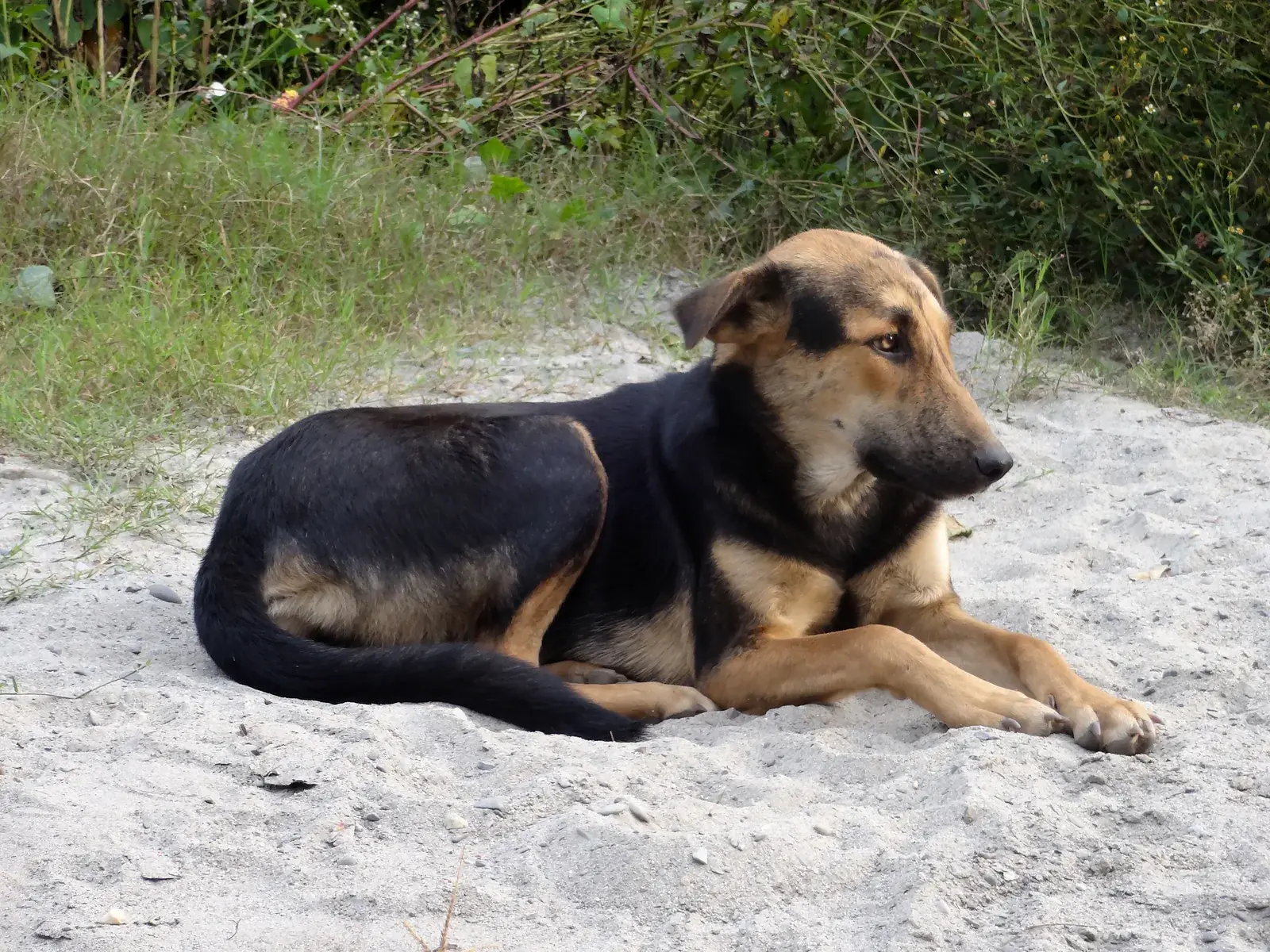
What are pariah and village dogs?
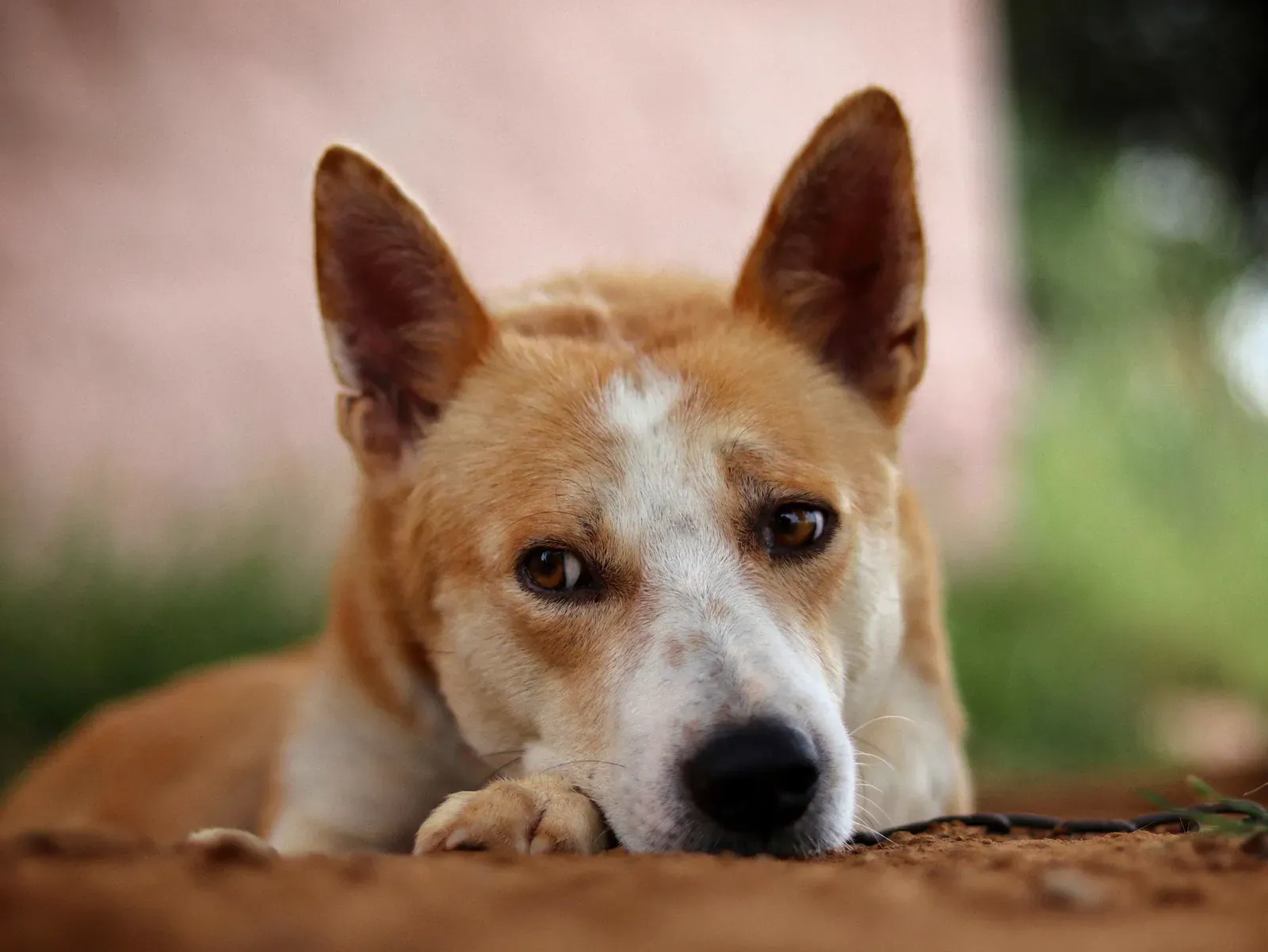
A village dog is a dog that lives in and around human settlements without being bred for a standard. It breeds freely, finds much of its own food and may or may not have an owner. A pariah dog is an older English word for the same kind of dog, and the word is explained below. Village dogs are not a breed. They are the main population of dogs on Earth, and most of the dog breeds we know were built from dogs like them.
 GuideService, therapy and emotional support dogs: what's the difference?Service dog vs emotional support dog vs therapy dog: the real differences, your rights in the USA and Europe, and why online certificates mean nothing.
This family collects 25 breeds and types that grew out of village dogs and are still close to them: the Canaan Dog of Israel, the Africanis of southern Africa, the Indian pariah dog, the Carolina Dog of the southern United States, the ridgebacks of Thailand and Vietnam and many more. Be clear about one thing: this family is inferred by the atlas. No breed in it was DNA-tested in the key breed study, and it is not a Parker et al. clade. This page explains who is here, why, and what is known.
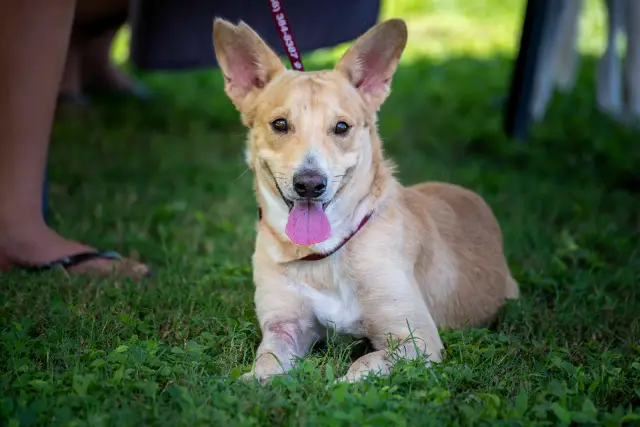
Quick facts about the Pariah and Village Dog family
| Fact | Answer |
|---|---|
| Family type | Inferred by this atlas, not a DNA clade |
| Parent | Domestic dog (the root of the tree) |
| Breeds in this atlas | 25 (24 living, 1 extinct) |
| Breeds with DNA tested in the study | None |
| Main homelands | China (5), Greece (2), India (2), Vietnam (2), the Philippines (2) |
| Typical size | Medium (19 of 25). Also 3 small and 3 large |
| Types of dog | 18 pariah or village, 3 guard dogs, 2 companions, 1 herding dog, 1 sighthound |
| Recognised by a kennel club | 10 of 25, often only nationally |
| Shared look | Mostly medium and lean. No single standard across the family |
 Family storyAlpineRead the family's story: origins, members, DNA

Family or group: what is the difference?
In this atlas, "family" always means a DNA clade, a branch of the family tree found by comparing genomes. "Group" is used only for kennel club groups such as the FCI "Spitz and primitive types".
 Family storyAmerican Cur & FeistRead the family's story: origins, members, DNA
This family is the exception to the rule. It is not a DNA clade at all. The atlas drew it to hold landraces that fit no tested branch, and so none of its 25 rows are DNA-tested. Every placement here is by history, region and type. The members table below says "By history" for all of them. That is honest but weaker than a genome result, and a future study may split the family or move breeds into others.
How was this family drawn?
Parker et al. (Cell Reports, 2017) sampled 161 breeds, sorted into 23 clades. Breeds are the samples. Village dogs were not, because the study was about breed development. Many landraces and village-type dogs are therefore missing from the tree, and a tree with a gap marked "unknown" would be less useful than one with a labelled guess.
 Family storyAmerican TerrierRead the family's story: origins, members, DNA
So this family works as a shelf for regional landraces that look like village dogs and descend, as far as we can tell, from local free-ranging populations rather than from a European breed. Four things hold it together:
- Origin. Each began as a local dog of a village, island or forest, not a bred show line.
- Shape. Most are medium and lean.
- Status. Most are landraces, standardised late or not at all.
- No DNA. None was in the breed study.
See the dog family tree for how this family sits beside the tested ones.

Why are they called "pariah" dogs?
"Pariah" comes into English from the Tamil word paraiyar, the name of a community in South India. English-speaking colonists in India used it for people at the bottom of the caste order and then, more loosely, for any outcast. The same word was applied to the stray dogs of Indian towns, and "pye dog" (from Hindi pāhī, "outsider") was a sister term. The dog sense came first in a loose way, for any stray, and later naturalists used "pariah dog" for the village type.
 Family storyAmerican ToyRead the family's story: origins, members, DNA
Today the word is old fashioned and carries a sting, especially for people from the community the word comes from, and community leaders have argued over it. This atlas keeps "pariah" in the family name because people search for it and because standard references use it. When it can, it says "village dog" or "free-ranging dog" instead. In India the dogs are often called desi (local) dogs, a plainer and kinder name.

Which dogs does the family include?
The atlas gives the family three layers.
 Family storyAncient American dogsRead the family's story: origins, members, DNA
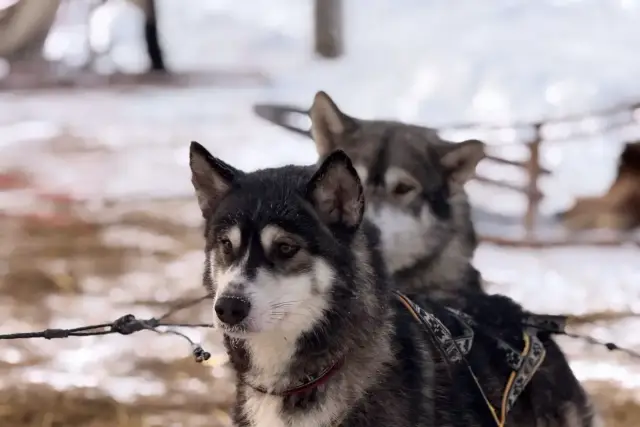
- True village dogs and landraces. Indian pariah dog, Africanis, Askal, Jonangi, Lai, Sinhala Hound, Taiwan Dog, Tang Dog, Xiasi Dog, Telomian, Philippine Forest Dog, Kintamani, Phu Quoc Ridgeback, Thai Ridgeback, Alopekis, Carolina Dog, Canaan Dog and Abyssinian Sand Terrier.
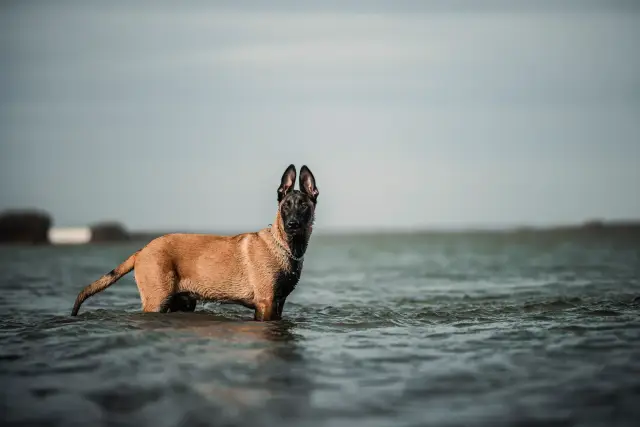
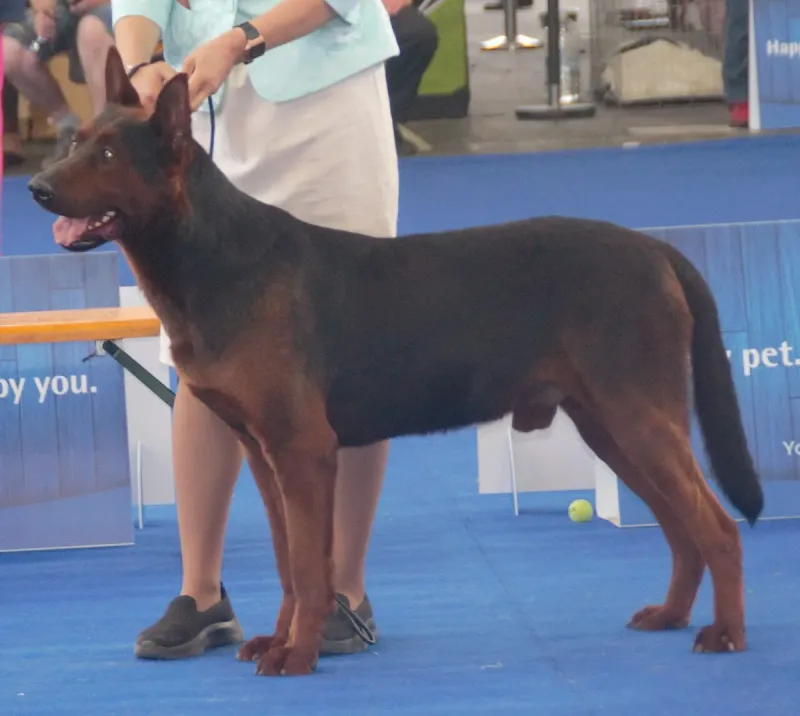
- Related regional dogs. The Laizhou Hong, Langqing and Mojee guard dogs of China, the Lobito Herreno herding dog of El Hierro, the Sarail Hound of Bangladesh, and the small Greek Kokoni.
- A recreation. The Bohemian Spotted Dog, recreated in the 1950s.
What is the history of village dogs?
Dates come from our breed records. Many are rough estimates, and the oldest ones mean "very old" rather than a dated find.
 Family storyAncient BasalRead the family's story: origins, members, DNA
Before 1000 BCE: dogs at the edge of camps
- Deep past. Dogs first lived near human camps and began to depend on people. When and where that began is argued, and the key studies disagree (see the research section).
- 10,000 BCE. The atlas gives this as the earliest date for the Indian pariah dog. It stands for deep antiquity, not a dated find.
- 8000 BCE. The Taiwan Dog is dated here in the same loose way.
- 2000 BCE. The Canaan Dog is dated to about this time. That comes from the idea that it is a dog of the ancient Levant, an art and place-name claim.
1000 BCE to 1000 CE: island and forest dogs
- From about 1000 BCE. The Askal, Lai, Philippine Forest Dog and Carolina Dog appear as local dogs of their regions. The Carolina Dog date is a claim that it descends from dogs that came with people to North America long ago. Genetic support is debated.
- 300 CE. The Africanis is dated from about this time, linked to the movement of farming peoples in southern Africa. This is a historical claim.
- 618 CE. The Tang Dog is named for the Tang dynasty, and the atlas dates it to its start.
- 500 BCE and 500 CE. The Sinhala Hound and Phu Quoc Ridgeback (both from about 500 BCE) and the Telomian (from about 500 CE) are first documented.
1000 to 1900: regional types
- 1000 to 1800. The Abyssinian Sand Terrier is a small village-type dog described by Europeans in Ethiopia and Egypt. It is the extinct member.
- 1800s. The Laizhou Hong is bred in Shandong from local dogs and Western breeds, including the Great Dane, German Shepherd and Rottweiler, brought by German expatriates (medium confidence).
- From 1500. Island types such as the Lobito Herreno of El Hierro are recorded.
1900 to today: rescue and standards
- 1934 onward. The Canaan Dog was developed in the British Mandate of Palestine by breeders working from camp dogs of local Bedouin. This is from breed histories.
- 1950s. The Bohemian Spotted Dog is recreated in Czechoslovakia.
- 1970s. Free-ranging dogs in the American South are described and named as the Carolina Dog.
- 1990s onward. Kennel clubs begin to register landraces. The Africanis name was coined in the 1990s, the FCI recognises the Taiwan Dog, and the Thai Ridgeback and Kintamani gain recognition (Kintamani provisionally).
Some details above are from breed histories and club pages, not from stud books checked for this page.
 Save

Who are the members of the Pariah and Village Dog family?
Here are all 25 breeds. None has DNA tested in the study, so all are placed by history, and all rows are shown. "Appeared" is the period in which the breed or type is first documented, and some dates are rough. Only the breeds with an article in this atlas are linked.
 Family storyArctic dogsRead the family's story: origins, members, DNA
| Breed | Country | Status | Size | Appeared | DNA-tested |
|---|---|---|---|---|---|
| Indian Pariah Dog | India | Living | Medium | 10000 BCE to 1900 | By history |
| Taiwan Dog | Taiwan | Living | Medium | 8000 BCE to 2011 | By history |
| Canaan Dog | Israel | Living | Medium | 2000 BCE to 1966 | By history |
| Askal | Philippines | Living | Medium | 1000 BCE to 1900 | By history |
| Carolina Dog | United States | Living | Medium | 1000 BCE to 1990 | By history |
| Lài | Vietnam | Living | Medium | 1000 BCE to 1900 | By history |
| Philippine Forest Dog | Philippines | Living | Medium | 1000 BCE to 2023 | By history |
| Alopekis | Greece | Living | Small | 500 BCE to 1900 | By history |
| Kokoni | Greece | Living | Small | 500 BCE to 2004 | By history |
| Phu Quoc Ridgeback | Vietnam | Living | Medium | 500 BCE to 1990 | By history |
| Sinhala Hound | Sri Lanka | Living | Medium | 500 BCE to 1900 | By history |
| Africanis | South Africa | Living | Medium | 300 CE to 1000 | By history |
| Telomian | Malaysia | Living | Medium | 500 CE to 1963 | By history |
| Xiasi Dog | China | Living | Medium | 500 CE to 1990 | By history |
| Tang Dog | China | Living | Medium | 618 CE to 1990 | By history |
| Abyssinian Sand Terrier | Ethiopia, Egypt | Extinct | Small | 1000 to 1800 | By history |
| Jonangi | India | Living | Medium | 1000 to 1900 | By history |
| Kintamani | Indonesia | Living | Medium | 1000 to 2019 | By history |
| Langqing | China | Living | Large | 1000 to 2000 | By history |
| Lobito Herreño | Spain | Living | Medium | 1500 to 2013 | By history |
| Thai Ridgeback | Thailand | Living | Medium | 1600 to 1993 | By history |
| Sarail Hound | Bangladesh | Living | Medium | 1800 to 1990 | By history |
| Laizhou Hong | China | Living | Large | 1900 to 1980 | By history |
| Bohemian Spotted Dog | Czech Republic | Living | Medium | 1950 to 1960 | By history |
| Mojee | China | Living | Large | 1950 to 2000 | By history |

How many village dogs are there?
Most dogs on Earth are not pets in the Western sense. Hughes and Macdonald (Biological Conservation, 2013) put the world's dog population at over 700 million, and noted that the figure is crude because only a small sample of regions has surveys. A widely repeated claim says about three in four dogs roam free. That share traces to a 2011 animal-welfare report, not to a precise count, so read it as a rough guide.
 Family storyAsian SpitzRead the family's story: origins, members, DNA
Two cautions apply. A "free-roaming" dog is not always ownerless: many are owned and simply allowed out. And "village dog" is not "stray": a village dog may live its whole life in one settlement, fed by the households.

What does DNA say about village dogs?
Village dogs are the best window we have on dog history, because they have not been shaped by breed clubs.
 Family storyAsian ToyRead the family's story: origins, members, DNA
- Africa. Boyko et al. (PNAS, 2009) sampled 318 village dogs from Egypt, Uganda and Namibia. They found that African village dogs are a mosaic of indigenous dogs and dogs with non-native breed ancestry. Pharaoh Hounds and Rhodesian Ridgebacks clustered with non-native rather than indigenous African dogs.
- Worldwide. Shannon et al. (PNAS, 2015) used genomic data from 549 village dogs and argued that dogs were domesticated in Central Asia, near present-day Nepal and Mongolia. They saw a mix of European and local ancestry in African dogs. The claim has been challenged (Wang et al., PNAS, 2016, with a published reply), so it is a leading idea, not settled.
- Y chromosomes. Brown et al. (PLoS ONE, 2011), working with village dogs from the Middle East and Southeast Asia, reported that dogs in the two regions formed separate male-line groups, suggesting long local roots.
No peer-reviewed genetic study of the Canaan Dog, Indian pariah dog or Carolina Dog is known, so their ancient-origin stories are labelled as claims.

Who descends from whom, and which ties are strongest?
There is no DNA table for this family, because no member was in the breed study. The atlas hold only written history.
 Family storyContinental HerderRead the family's story: origins, members, DNA
- Laizhou Hong: from the Langqing and Xigou, local dogs of Shandong (medium confidence), with Western breeds added.
- Mojee: said to be German Shepherd crossed with northern Chinese native dogs and wolves (low confidence, dating unclear).
- Sarail Hound: believed to derive from the Saluki and other Middle Eastern sighthounds (low confidence).
- Bakharwal (in the Mediterranean family): said to come from the Tibetan Mastiff crossed with the Indian pariah dog (low confidence).
In all four cases the village dog is the local base, and a named breed gave the build or size. That pattern is the family in miniature: a local dog is the raw material, and breeds are what people made of it.
 Laizhou HongLangqing and Xigou, plus Western breedsMMojeeGerman Shepherd and wolves
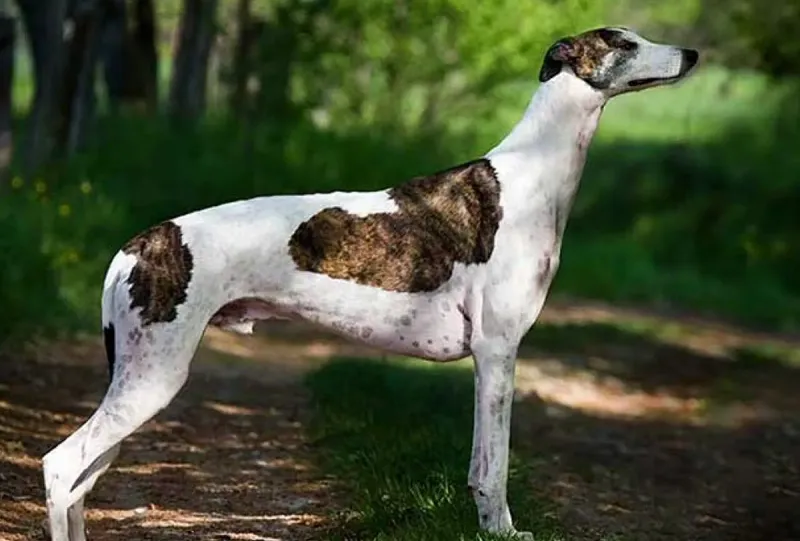 Sarail HoundSaluki and other sighthounds
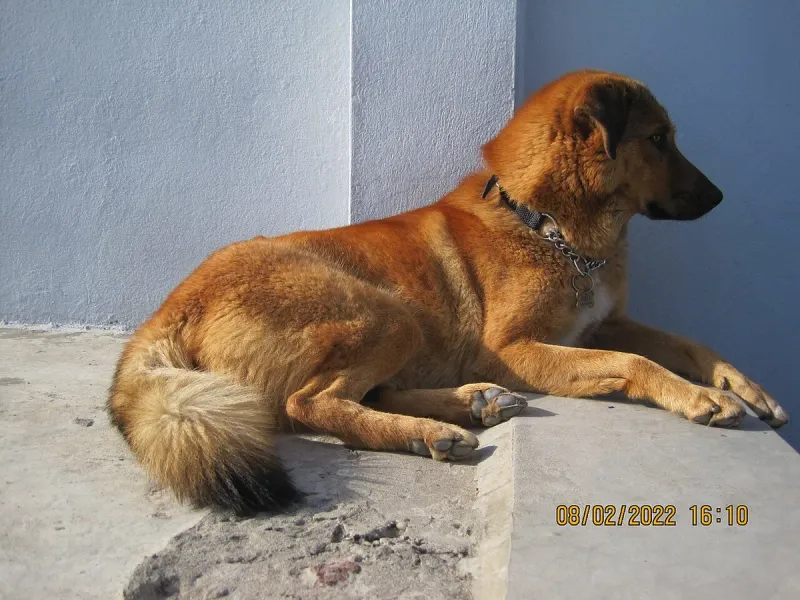 BakharwalTibetan MastiffLaizhou HongLangqing and Xigou, plus Western breedsMMojeeGerman Shepherd and wolvesSarail HoundSaluki and other sighthoundsBakharwalTibetan Mastiff

What do pariah and village dogs have in common?
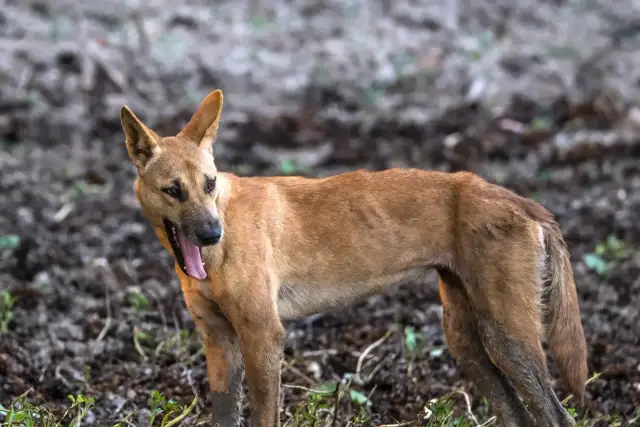
Build. Mostly medium (19 of 25) and lean, with little uniformity. Climate and work, not a show standard, shaped most of them.
 Family storyDingo & PacificRead the family's story: origins, members, DNA
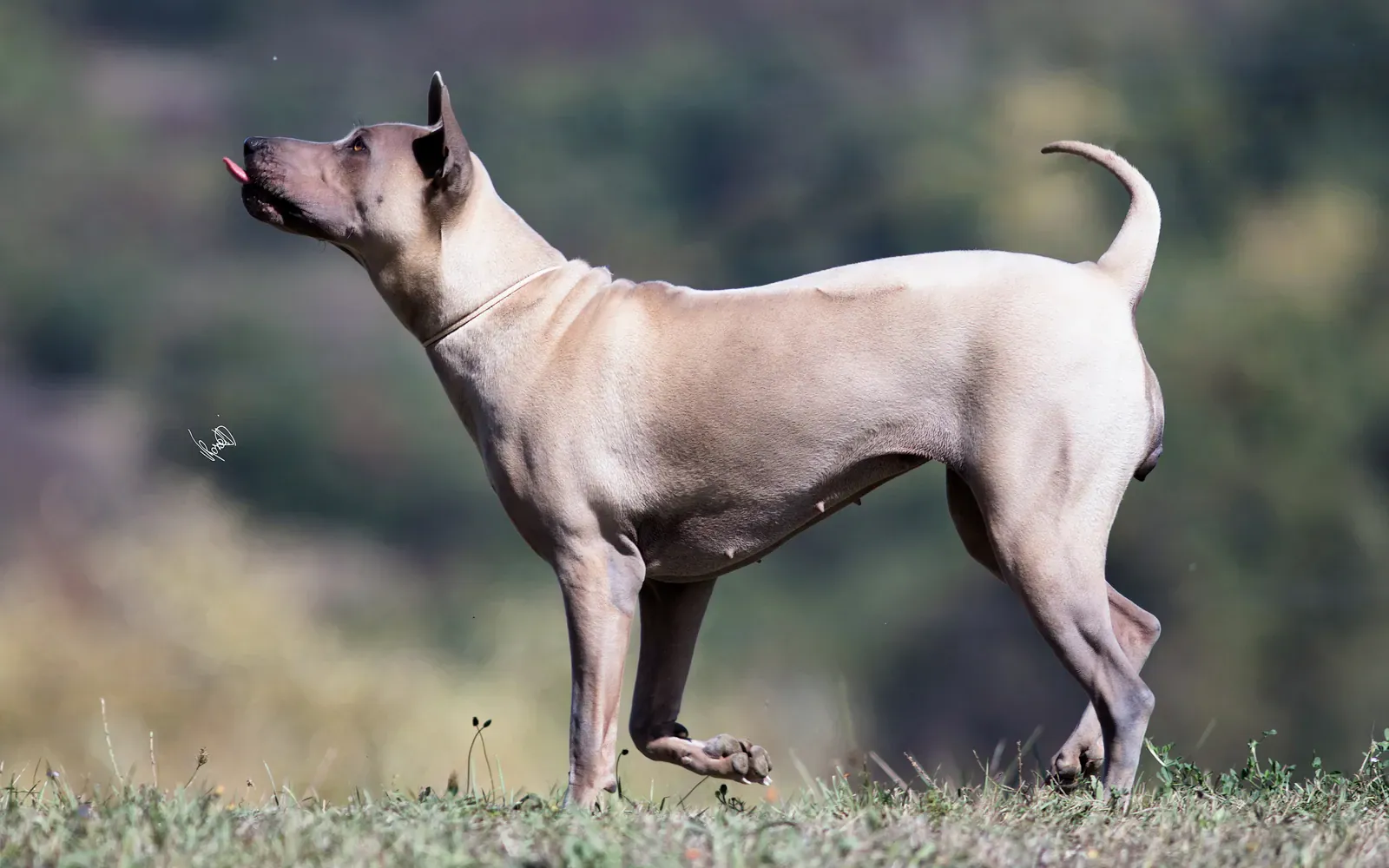
Coat and colour. Coats vary with climate. Some members are famous for a feature: a ridge of reversed hair on the back in the Thai and Phu Quoc Ridgebacks, or a spotted coat in the Bohemian Spotted Dog.
Hardiness. Landraces have lived without veterinary care for a long time. Many are described as hardy, but the claim is general and not backed by a breed-level study.
Temperament. Alert, wary with strangers, attached to a few people and quick to learn local rules. Many Canaan Dogs and Africanis are described as watchful, and young village-type dogs often need patient socialisation. This is a general tendency, not a promise, and each dog differs.

What health issues are linked to these dogs?
Most village-type dogs live healthy lives, and their gene pools are broad, so single inherited diseases are less common than in closed breeds. Health depends on the breed or the individual dog. Little breed-level health research exists, so figures are scarce.
 Family storyDomestic dogRead the family's story: origins, members, DNA
| Condition | What it is | How common | What helps |
|---|---|---|---|
| Rabies | A serious viral disease passed by bites, mostly from dogs | Hampson et al. (PLoS Neglected Tropical Diseases, 2015) estimated about 59,000 human deaths a year worldwide from dog-mediated rabies | Vaccination of dogs and prompt treatment after a bite. The study says mass dog vaccination controls it |
| Parasites and tick-borne disease | Fleas, ticks and worms are common in dogs that live outdoors | No family-wide figure found | Regular parasite control and a vet check, especially for newly adopted dogs |
| Dermoid sinus in ridged dogs | A skin tube sometimes linked to the ridge | Known in ridged dogs; no prevalence figure found | Ask the breeder or vet to check puppies |
| Joint and eye problems | Common in many dogs | No family-wide figure found | Vet checks, lean weight |
Rabies in village dogs is the clearest public health issue connected with this family, but the risk lies in unvaccinated dogs, not in any breed. A vaccinated, owned dog is not a rabies risk to its people.
 Save

Which Pariah and Village Dog breeds are extinct?
One of the 25 is extinct.
 Family storyDroverRead the family's story: origins, members, DNA
- Abyssinian Sand Terrier: a small village-type dog described by Europeans in Ethiopia and Egypt, recorded between 1000 and 1800. It is listed by history only, and what it really was remains uncertain.

Are there surprises in this family?
- Most dogs in the world are village dogs. The breeds in the show ring are the exception.
- The Canaan Dog has a kennel club standard. It is recognised by the FCI, AKC and UK Kennel Club, yet it started as a free-ranging dog.
- Chinese guard dogs are village dogs plus European breeds. The Laizhou Hong has Great Dane, German Shepherd and Rottweiler in its history.
- A recreation sits here. The Bohemian Spotted Dog was rebuilt in the 1950s.
- The Sarail Hound is said to come from the Saluki. That makes a sighthound a village dog,.
- The word "pariah" is a Tamil caste name. It entered English through India.
 Family storyEast Eurasian dogsRead the family's story: origins, members, DNA

What does research say about these dogs?
The key tree paper is Parker et al., "Genomic analyses reveal the influence of geographic origin, migration, and hybridization on modern dog breed development," Cell Reports, 2017. It sampled breeds, so none of our 25 landraces is in it. For village dogs themselves, see Boyko et al. (2009), Shannon et al. (2015) and Brown et al. (2011), described above.
Family storyEuropean dogsRead the family's story: origins, members, DNAThe atlas family is therefore a working label. If a future study samples these landraces, this family may be split or merged.

Which pariah or village dog suits which owner?
This is a guide to temperament, not a promise for any single dog.
 Family storyEuropean MastiffRead the family's story: origins, members, DNA
- A first dog. Adult village-type dogs from rescue can be easy, but they vary a lot. Ask the rescue about the dog's history and meet it first.
- An active home. The Thai Ridgeback, Africanis and Canaan Dog suit active owners who can give daily work.
- A watchful dog. The Canaan Dog and Africanis tend to be alert guardians and need early socialisation.
- Warm climates. Short-coated southern landraces suit warm homes and may need a coat in cold weather.
- Rare breeds. The Kintamani, Taiwan Dog and Philippine Forest Dog are hard to find outside home regions. Local rescues and breed clubs there are the place to ask.

Fun facts about village dogs
- Hughes and Macdonald (2013) put the world's dogs at over 700 million.
- The Africanis name was coined in the 1990s from "Africa" and the Latin canis, dog.
- The Alopekis is named from Greek alōpēx, "fox".
- The Kokoni's name is a Greek word for a small dog.
- The Philippine Forest Dog's Tagalog name, asong gubat, means "forest dog".
- The Askal's name is short for asong kalye, "street dog".
 Family storyGrey wolfRead the family's story: origins, members, DNA

Related families
- Domestic dog: the parent, the root of the whole tree.
- East Eurasian dogs: a sibling branch with many Asian landraces.
- West Eurasian dogs: a sibling branch, parent of the Mediterranean family.
- Mediterranean: home of the Bakharwal and the Saluki behind the Sarail Hound.
- Asian spitz: the Xigou, behind the Laizhou Hong.
- Wolfdog hybrid: the wolf-crossed dogs, including the Mojee story.
 Family storyHungarianRead the family's story: origins, members, DNA
Frequently asked questions
What is a pariah dog?
An older English term for a free-ranging village dog, from the Tamil word paraiyar. Many people now say village dog or desi dog.
How many village dogs are there?
The world has over 700 million dogs (Hughes and Macdonald 2013), and a widely repeated estimate says about three in four roam free. Both numbers are rough.
Is a pariah dog a breed?
Not in the show-ring sense. It is a type or that formed without a standard, though some, like the Canaan Dog, now have one.
Is the Canaan Dog a pariah dog?
By origin, yes. It was developed from local camp dogs and is now a recognised breed.
Are the dogs in this family DNA-tested?
None was in the breed study. The family is inferred by this atlas.
Where did dogs come from?
Shannon et al. (2015) argued for Central Asia, based on village dogs, but this is debated.
Are village dogs healthy?
Often, though they may carry parasites and rabies if unvaccinated. See the health section.
Read next
 Family storyLevantine and African dogsRead the family's story: origins, members, DNA
 Family storyMediterraneanRead the family's story: origins, members, DNA
 Family storyUK RuralRead the family's story: origins, members, DNA
Sources (9)
- Parker, H. G., et al. (2017). Genomic analyses reveal the influence of geographic origin, migration, and hybridization on modern dog breed development. Cell Reports, 19(4), 697 to 708.
- Boyko, A. R., et al. (2009). Complex population structure in African village dogs and its implications for inferring dog domestication history. PNAS, 106(33), 13903 to 13908.
- Shannon, L. M., et al. (2015). Genetic structure in village dogs reveals a Central Asian domestication origin. PNAS, 112(44), 13639 to 13644.
- Wang, G.-D., et al. (2016). Questioning the evidence for a Central Asian domestication origin of dogs. PNAS; and the reply by Shannon et al. (2016).
- Brown, S. K., et al. (2011). Phylogenetic distinctiveness of Middle Eastern and Southeast Asian village dog Y chromosomes illuminates dog origins. PLoS ONE.
- Hughes, J., and Macdonald, D. W. (2013). A review of the interactions between free-roaming domestic dogs and wildlife. Biological Conservation, 157, 341 to 351.
- Hampson, K., et al. (2015). Estimating the global burden of endemic canine rabies. PLoS Neglected Tropical Diseases, 9(4), e0003709.
- FCI, AKC, UKC and The Kennel Club (UK) breed pages for the Canaan Dog, Thai Ridgeback, Taiwan Dog and Kintamani.
- Breed records in the atlas data (Dogs Atlas, internal data).