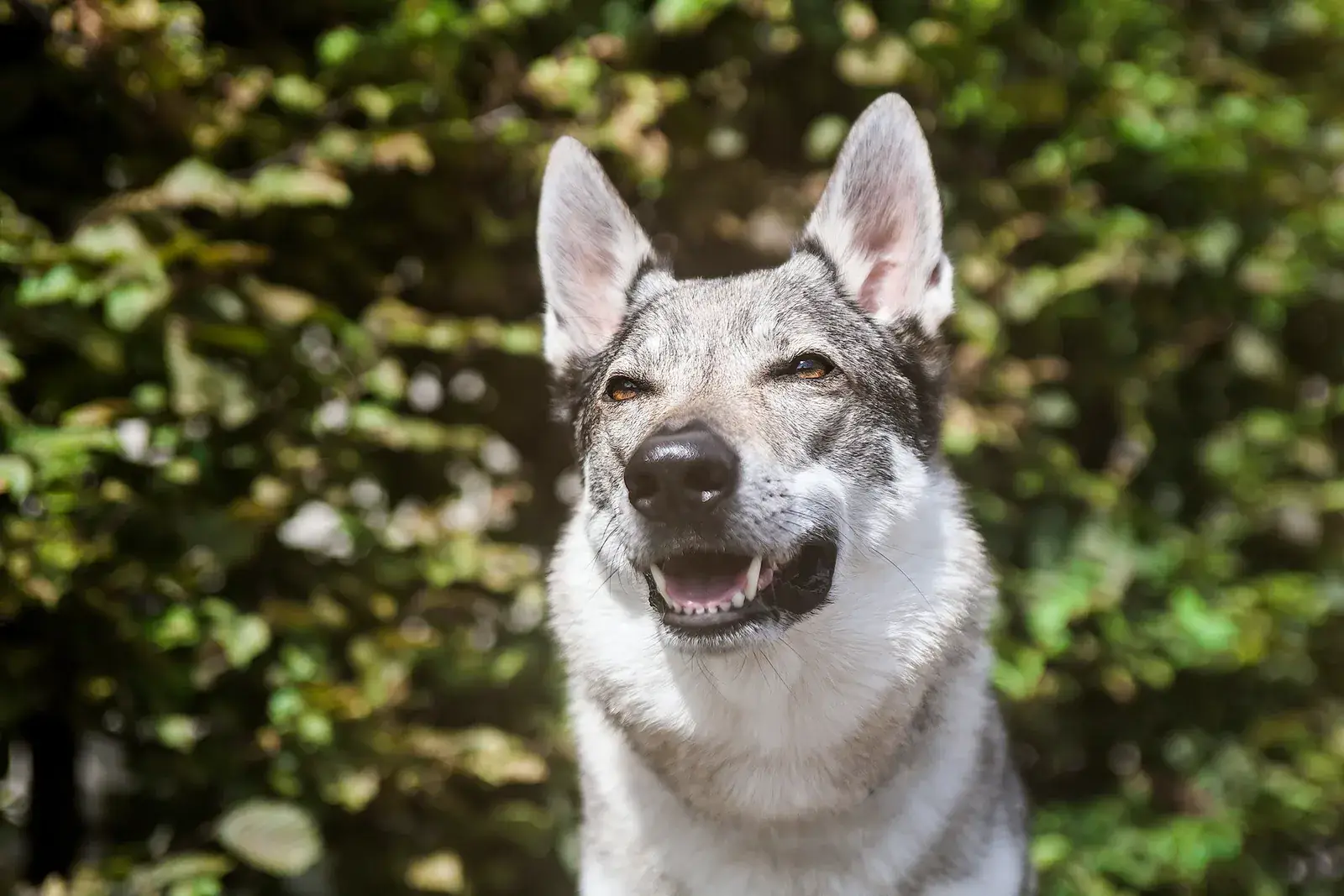
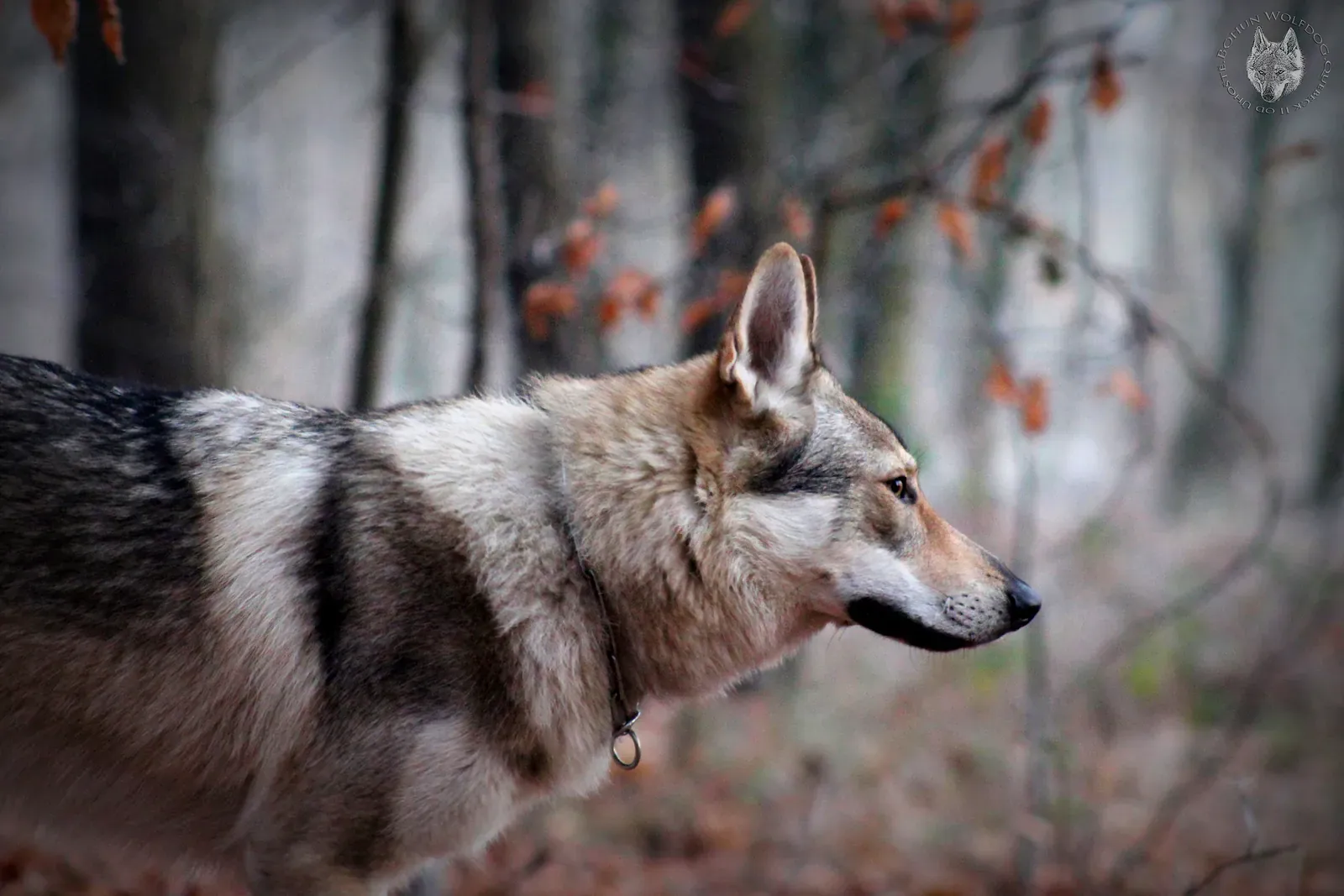
It began in 1955 as an experiment for the Czechoslovak army led by Karel Hartl, and it is now a fully recognised dog breed (FCI No. 332). It is not a wolf and not a first-generation hybrid: breeders stopped crossing in wolves in 1983, and every dog today descends from those early crosses bred on as a dog. Even so, it is a demanding breed. Owner surveys describe more fear of strangers and less trainability than in German Shepherds and Labradors, and some places regulate wolf hybrids, so this article is honest about both the appeal and the limits.
Czechoslovakian Wolfdog quick facts
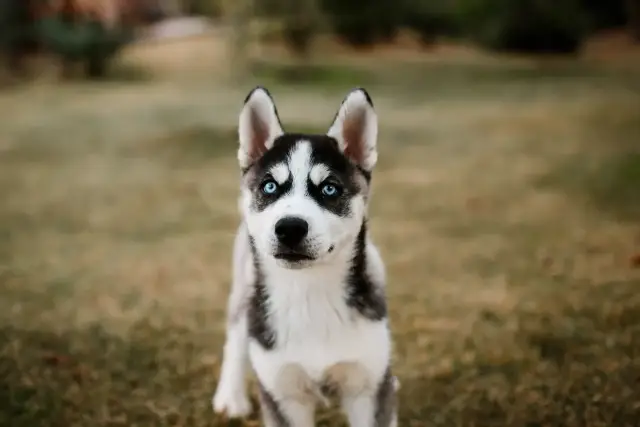 Related breedAlaskan Klee Kai1970 to 1988 · United StatesModern Era
- Country of origin
- Czechoslovakia, now Slovakia and the Czech Republic (national breed in both)
- Period of development
- 1955 to 1999 (atlas data, high confidence)
- Original job
- Border patrol and army tracking work in Czechoslovakia
- Type
- Wolfdog; FCI Group 1 (Sheepdogs and Cattledogs), No. 332
- Other names
- Czechoslovakian Vlcak, Ceskoslovensky Vlcak, CSV
- Recognised by
- FCI (definitive); Foundation Stock Service (our data)
- Size, FCI
- At least 65 cm and 26 kg for males, at least 60 cm and 20 kg for females (Wikipedia, secondary)
- Colour
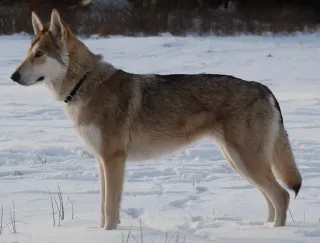
- Yellowish-grey to silver-grey with a light mask, or dark grey with a light mask
- Life span
- 12 to 16 years (atlas data)
- Family
- Wolfdog Hybrid (inferred by the atlas, not a Parker 2017 DNA )
Drawn to scale in real centimetres. Its back reaches about 63 cm, mid-thigh; its head about 79 cm, your hip.
Where it sits in the tree
Modern Era · 1914 to today
Name and origin
 Related breedAmerican Akita1945 to 1956 · United StatesModern Era
 Save
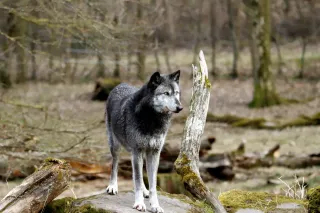
The name is Czech and Slovak for "Czechoslovakian wolf-dog". "Vlcak" means a wolf-like dog, from "vlk", wolf. The country it names, Czechoslovakia, split in 1993; the breed was then assigned to Slovakia, and it is a national breed in both Slovakia and the Czech Republic. Our atlas data records the name's origin in these terms: German Shepherds crossed with Carpathian wolves in Czechoslovakia.

History
 Same eraAmerican Bully1980 to 2004 · United StatesModern Era
The army experiment
The project began in 1955 under Karel Hartl, a colonel and dog breeder with the Czechoslovak army. The aim was a working dog with the stamina, sense of smell and hardiness of the wolf, to patrol the border. The army ordered the work. Sources differ a little on early dates, and one gives 1950 as the start, which conflicts with the 1955 date most accounts use.
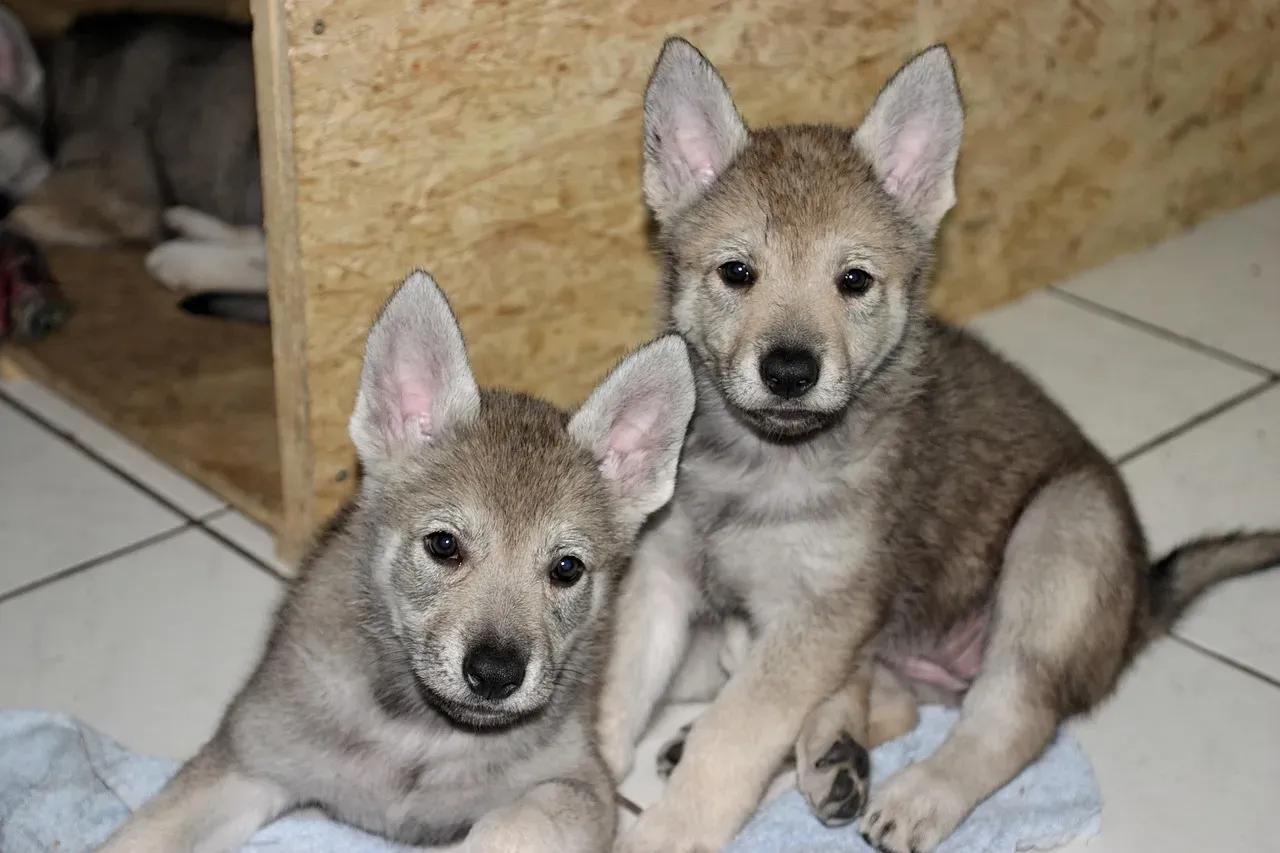
The best-known foundation story is that of a Carpathian she-wolf named Brita and a German Shepherd male named Cezar z Brezoveho haja. Brita is said to have refused to mate and to have attacked every stud dog chosen for her until Cezar entered her enclosure. The first litter was born on 26 May 1958. Hartl kept pairing the hybrids with German Shepherds, and further wolf pairings followed. A 2018 genomic paper dates additional wolf crosses to 1960, 1968, 1974 and 1983, and the last wolf cross-breeding is usually given as 1983.
From experiment to breed
 Save
By the mid 1960s the idea had grown from a military experiment into a plan for a new breed. Czechoslovak breeders' associations recognised it nationally in 1982 (this date is flagged as uncited on Wikipedia, so treat it as less certain). The FCI recognised the breed provisionally in 1989 and fully in 1999. Our atlas data uses the date range 1955 to 1999 for the breed's appearance, which fits.
After Czechoslovakia split, the breed was assigned to Slovakia. It has since spread across Europe, and the AKC lists it in its Foundation Stock Service.
Relatives and DNA
 Same familyCavalier King Charles Spaniel1926 to 1945 · United KingdomModern Era
Our data gives the German Shepherd as the one named dog parent. The wolf parent is not in our breed index. No Parker et al. (2017) shared-DNA figures exist for this breed, so we show no DNA web chart.
A 2018 BMC Genomics study (170k SNP markers) found the breed genetically distinct from both its parent populations and found levels from long homozygous stretches that were relatively high, consistent with the few founders used. A later paper described the breed as apparently resilient to inbreeding, possibly because the hybrid origin kept variation high. The two pictures disagree, so the safest reading is that the breed started from few founders and that breeders should watch relatedness.
The same family holds the Dutch Saarloos Wolfdog, which shares the Czechoslovakian's German Shepherd and wolf roots. Our data lists the East European Shepherd and the Lupo Italiano as other siblings.
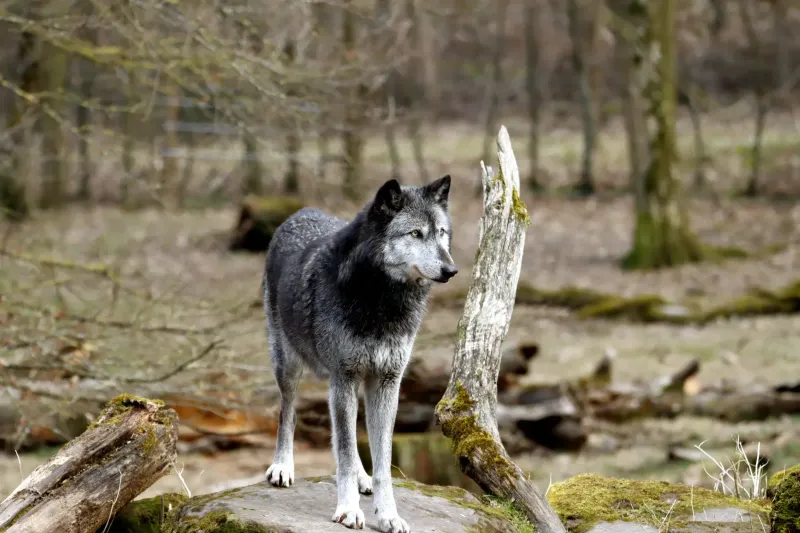
 Czechoslovakian Wolfdogcrossed with the Carpathian wolf from 1955
For the wider story of wolf-dog crosses see our guide to dog hybrids and the Wolfdog Hybrid family page.
Sister breeds · 9
- East European Shepherd1930 to 1964
- White Shepherd1933 to 1969
- Saarloos Wolfdog1935 to 1975
- Mojee1950 to 2000
- Kunming Wolfdog1953 to 2007
- Lupo Italiano1960 to 1990
- Shiloh Shepherd1974 to 1990
- King Shepherd1990 to 1995
- Calupoh1994 to 1999
The breed standard
 Looks relatedCavapoo1990 to 2000 · United StatesModern Era
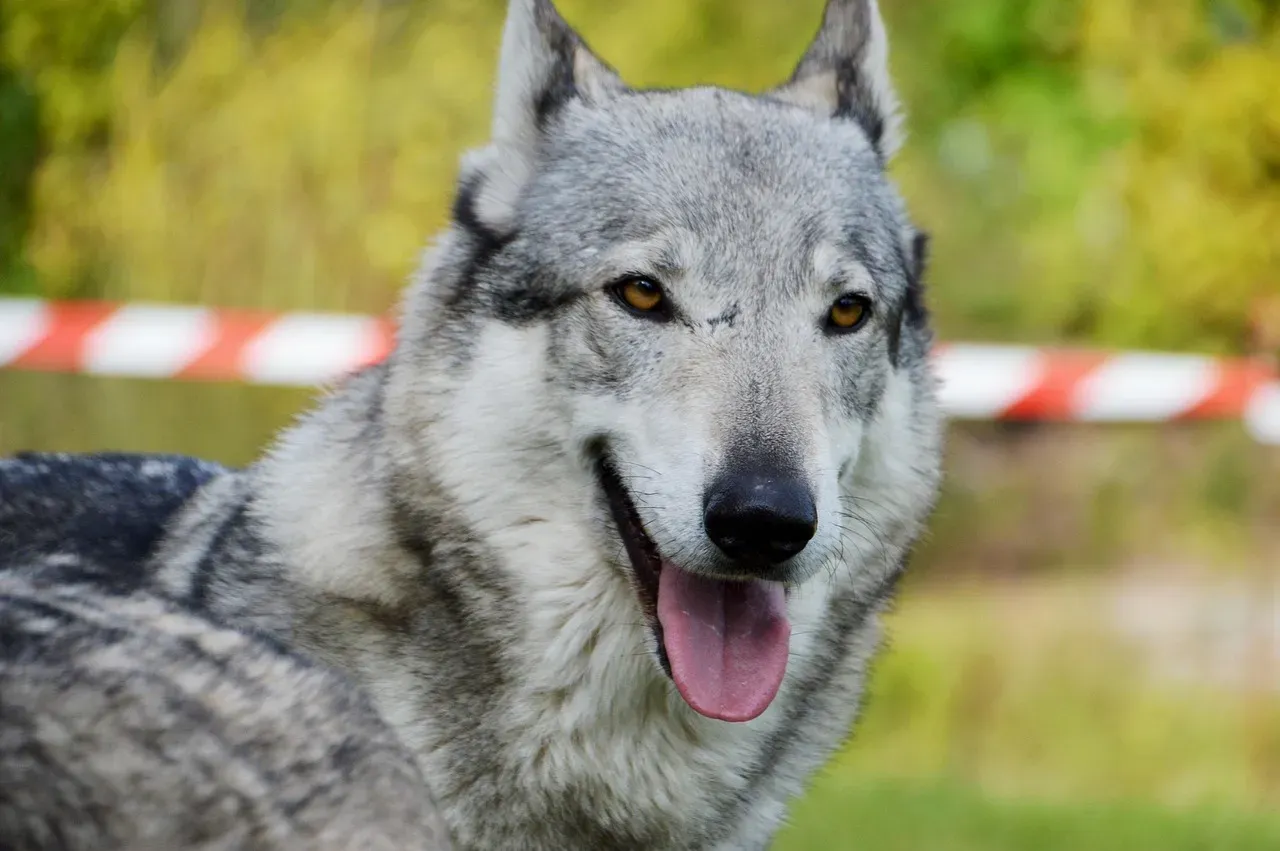 Save
A is the written ideal a kennel club judges dogs against. The FCI standard (No. 332) sets minimum sizes, not maximums.
| Trait | What the standards say |
|---|---|
| Recognition | FCI definitive, Group 1; AKC Foundation Stock Service |
| Height, FCI | At least 65 cm for males and 60 cm for females at the withers (Wikipedia, secondary) |
| Weight, FCI | At least 26 kg for males and 20 kg for females (Wikipedia, secondary) |
| Colour, FCI | Yellowish-grey to silver-grey with a light mask; dark grey is also accepted, with a light mask and light hair on the underside of the neck and forechest |
| Type | Lean, strong, wolf-like build; a breeder forum notes the standard says "above average" size, not a maximum |
Real dogs vary. Details of head, coat and gait are left out.
Temperament
 Related breedCockapoo1950 to 1960 · United StatesModern Era
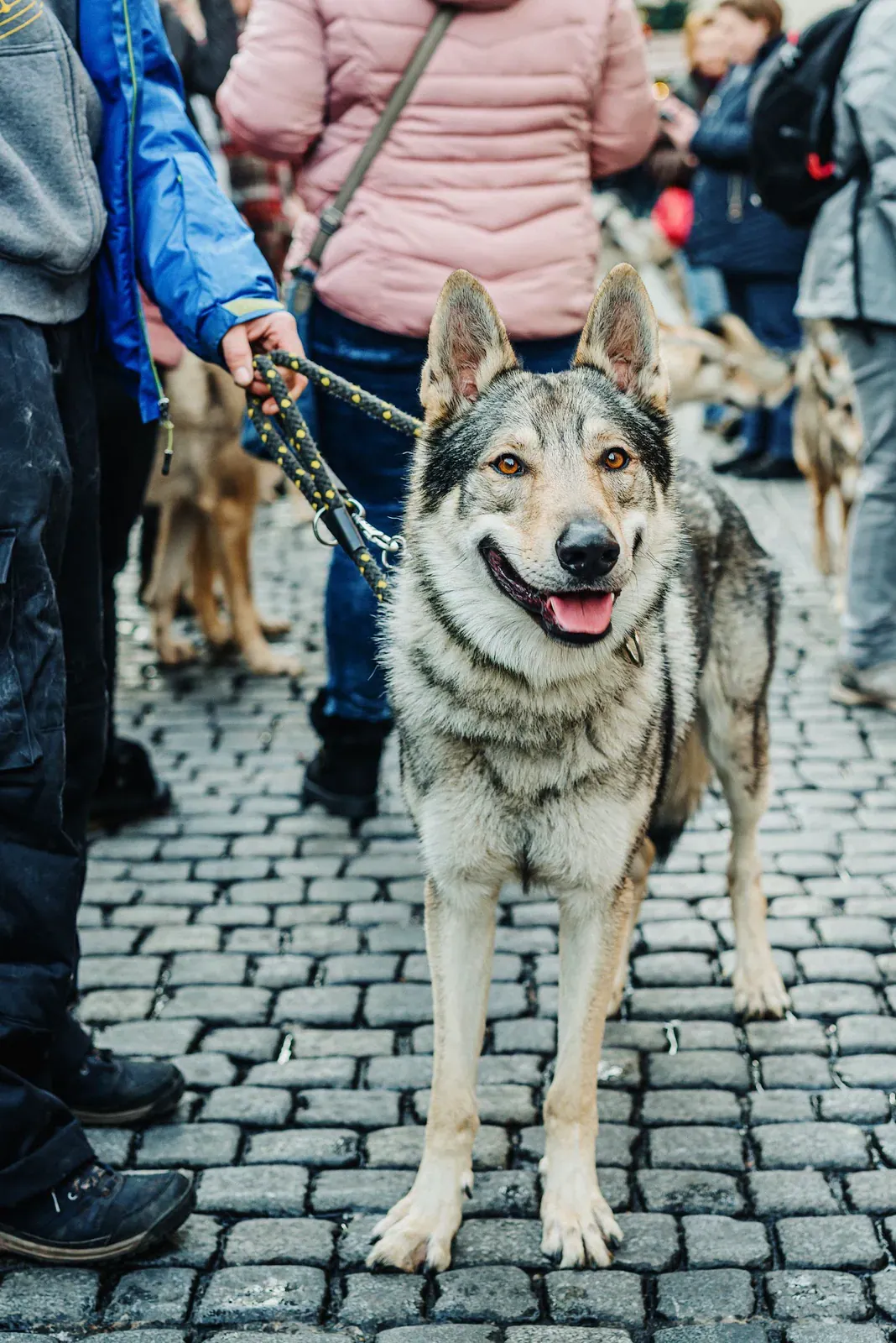 Save
The strongest evidence is a 2021 study in Applied Animal Behaviour Science (Sommese et al.), based on questionnaires from 1,420 owners in Italy and the Czech Republic, which compared Czechoslovakian Wolfdogs with German Shepherds and Labradors. The wolfdogs scored higher for fear of strangers and for separation-related behaviour and lower for trainability than both comparison breeds. The authors concluded that the breed looks more wolf-like in some traits and more like modern breeds in others. Owners also reported that training reduced aggression, fear of strangers and non-social stimuli, and chasing. The data are owner reports, not direct tests, and the two countries differed in some ratings, which the authors link to breeding, socialisation and training methods.
Breed profiles agree on the broad picture: very loyal to the family, reserved or suspicious with strangers, wary of new things, with a strong flight instinct and a need for a pack. They are described as hard to train with repetition and better with varied, purposeful work. Sources advise experienced owners. One database rates the breed as not recommended with other dogs and better with supervision around children, but these are summary ratings, not studies.
An honest, calm reading: this is not a dangerous wolf, and it is not an easy dog. It is a sensitive, energetic, social dog that needs early socialisation, consistent handling and company every day.

Health
 Related breedDogo Argentino1928 to 1973 · ArgentinaModern Era
Most Czechoslovakian Wolfdogs live long, active lives, and atlas data gives 12 to 16 years. The breed has few studies, so this section lists the named findings and says plainly where numbers are missing.
| Condition | What it is | How common | What helps |
|---|---|---|---|
| Pituitary dwarfism (LHX3) | A hormone problem that stunts growth and can affect the coat; the same 7 base pair deletion in LHX3 as in German Shepherd dwarfs | A 2014 study found about 1 in 5 healthy breeding Czechoslovakian Wolfdogs (21%) carried one copy, in a small sample (4 affected dogs and 200 healthy dogs across breeds) | DNA test before breeding; never breed two |
| Atlanto-axial problems with dwarfism | Abnormal positioning of the dens axis and incomplete ossification near the top of the spine, seen in dwarfs and able to press on the spinal cord (three dwarf wolfdogs studied) | Only seen in affected dwarfs | Avoid breeding dwarfs; vet checks for neck pain |
| A slowly progressing spinal cord disease in older dogs, linked to the SOD1 E40K variant | A Slovak study reported an allele frequency of about 0.25 in its sample (population not confirmed as this breed alone) | DM DNA test before breeding | |
| Hip and | Joint malformations that can lead to arthritis | No named prevalence figure found | Hip and elbow evaluation of breeding dogs; lean weight |
| Inbreeding | Few founders; high homozygosity in one study | See History and DNA | Ask the breeder about relatedness |
The AKC lists the tests its national breed club recommends for the breed: hip evaluation, elbow evaluation, a degenerative myelopathy DNA test and a DNA repository entry, with eye and cardiac checks also listed. These are recommendations, not rules.

Wolf content and legal notes
 Related breedGoldendoodle1969 to 1992 · United StatesModern Era
Breeders, buyers and press often ask how much wolf is in a Czechoslovakian Wolfdog. No source gives a single measured figure for the breed today. What is known: the foundation was one German Shepherd male and one Carpathian she-wolf, with more wolf crosses until 1983, and a 2018 genomic study found the breed genetically distinct from both. It is bred as a dog, registered as a dog breed, and sold as a dog, not as a hybrid.
Law is a different question, and it is local. A 2020 study in Biological Conservation found wolf-dog hybridisation in 21 of 28 European countries it received information from, and found that EU nature law does not explicitly name hybridisation, with poor and uncoordinated enforcement in most countries. Rules on owning wolf hybrids, where they exist, are set by countries, states and cities, and some regulate by generation from the wolf. In 2021 to 2022 an Alaska wildlife board proposal asked that the Czechoslovakian Vlcak be treated as a dog breed, not a wolf hybrid, so owners would need no permit; the outcome is not confirmed. The point of these examples is that the breed's status can be contested in a given place. Before you buy, ask your local authority how it classifies the breed, and check whether insurance and landlords accept it. This article is general and is not legal advice.
Living with a Czechoslovakian Wolfdog
 Related breedLabradoodle1988 to 1989 · AustraliaModern Era
| Daily reality | Rating | Why |
|---|---|---|
| Exercise per day | High | Bred for border patrol stamina; needs long, varied outings |
| Training needs | High | Owner studies report lower trainability; needs purposeful, varied work |
| Grooming | Medium | Dense seasonal coat; heavy moult twice a year |
| Shedding | High | Seasonal coat blow |
| Barking | Medium | Varies by dog; no source rates it |
| Time alone | Poor | Owner study reports more separation-related behaviour |
| Children | Fair | Loyal to its own family; wary and strong, so supervise |
| Other dogs | Varies | Evidence is thin; databases advise caution |
| Cats and small pets | Poor | Strong chase and prey drive in a wolf-derived breed (no study rates it) |
| Flat living | Poor | Needs space, a secure fence and a lot of outings |
| Heat tolerance | Fair | Dense double coat; keep cool in summer |
| Cold tolerance | Good | Wolf-derived coat |
| First-time owner fit | Poor | More fear of strangers and lower trainability than the German Shepherd |
A great fit if
- You are an experienced owner of large, independent working dogs.
- You hike, trek or run daily and can take the dog along.
- You can socialise a puppy widely and calmly for the first year.
- You have a secure fence of good height and a home with someone around much of the day.
Think twice if
- You want an easy, obedient first dog.
- You are away at work most of the day.
- You keep cats or small pets, or you have a very busy household with frequent visitors.
- You live somewhere that regulates wolf hybrids and has not clarified where the breed sits.
Before you get one
- Health tests to ask a breeder for: LHX3 pituitary dwarfism DNA result, degenerative myelopathy DNA result, hip and elbow scores of both parents, and a view of the pedigree and relatedness.
- Legal check: ask your local authority how the breed is classified before the puppy is booked.
- Puppy or adult rescue: national breed clubs run rehoming; an adult with known behaviour can be safer for a first wolfdog household.
- First year: expect heavy socialisation, lots of exercise and patient, varied training.
Similar breeds to consider
- German Shepherd. The foundation breed: more trainable, easier to find and widely used in work.
- Saarloos Wolfdog. A Dutch wolfdog sharing the same family, usually more reserved and also needing an experienced owner.
- East European Shepherd. A big working shepherd without the wolf crossing.

Czechoslovakian Wolfdog fun facts
 Related breedMaltipoo1990 to 2000 · United StatesModern Era
- The first litter was born on 26 May 1958, from the she-wolf Brita and the shepherd Cezar z Brezoveho haja.
- The last wolf cross was in 1983, so every dog today comes from breeding dogs to dogs.
- The FCI recognised the breed provisionally in 1989 and fully in 1999.
- Czechoslovakian and Saarloos wolfdog dwarfs carry the same LHX3 deletion as German Shepherd dwarfs.
Frequently asked questions
What is a Czechoslovakian Wolfdog?
A large, wolf-like working dog bred from German Shepherds and Carpathian wolves, started by Karel Hartl in 1955 and recognised by the in 1999.
Is a Czechoslovakian Wolfdog part wolf?
The breed began with a Carpathian wolf and German Shepherd, and wolf crosses continued until 1983. Today it is bred as a dog breed; no source gives a measured wolf percentage.
Is the Czechoslovakian Wolfdog a good pet?
Only for experienced owners. A 2021 owner survey found more stranger fear, more separation-related behaviour and less trainability than German Shepherds and Labradors.
How big is a Czechoslovakian Wolfdog?
At least 65 cm and 26 kg for males and at least 60 cm and 20 kg for females, per the FCI standard as summarised by Wikipedia.
Are wolfdogs legal to own?
It depends on where you live. Some places regulate wolf hybrids, and the breed's classification can be contested, so check with your local authority.
How long do Czechoslovakian Wolfdogs live?
Atlas data says 12 to 16 years. There is no named breed lifespan study.
Read next
 FamilyWolfdog HybridThe whole family
 GuideDogs in science and spaceSpace dogs Laika, Belka and Strelka, Pavlov's dogs, Snuppy the clone, the dog genome and scent detection: what dogs did for science, and what it cost them.
Sources (14)
- Fédération Cynologique Internationale, Czechoslovakian Wolfdog standard No. 332 (group, recognition; full text not retrieved).
- Wikipedia, "Czechoslovakian Wolfdog" (secondary: minimum heights and weights, history, Hartl, Brita and Cezar, national and FCI recognition dates).
- Radio Prague International, article on the breed's history (secondary: history context).
- Sommese A. et al., study comparing Czechoslovakian Wolfdogs, German Shepherds and Labrador Retrievers, Applied Animal Behaviour Science, 2021 (1,420 owners).
- "Wolf outside, dog inside? The genomic make-up of the Czechoslovakian Wolfdog", BMC Genomics, 2018 (170k SNPs, inbreeding, distinctness).
- Later genetic diversity paper on Saarloos and Czechoslovakian Wolfdogs, 2024 (resilience to inbreeding, wolf cross dates).
- Study of LHX3 pituitary dwarfism in Saarloos and Czechoslovakian Wolfdogs, 2014, via the OMIA record (7 base pair deletion, 21% carriers among breeding dogs).
- Atlanto-axial malformation and instability in dogs with pituitary dwarfism due to an LHX3 mutation (three Czechoslovakian Wolfdogs and one German Shepherd).
- American Kennel Club, health testing page for the Czechoslovakian Vlciak (national club recommendations).
- Slovak study of the SOD1 E40K variant in the Slovak population (allele frequency about 0.25).
- "European agreements for nature conservation need to explicitly address wolf-dog hybridisation", Biological Conservation, 2020 (21 of 28 countries).
- Alaska Board of Game proposal 238, 2021 to 2022 (classification of the Czechoslovakian Vlcak; outcome not confirmed).
- Fogle B., The New Encyclopedia of the Dog, 2009 (atlas data source, page 330).
- Project family page, Wolfdog Hybrid family (relationships and siblings).