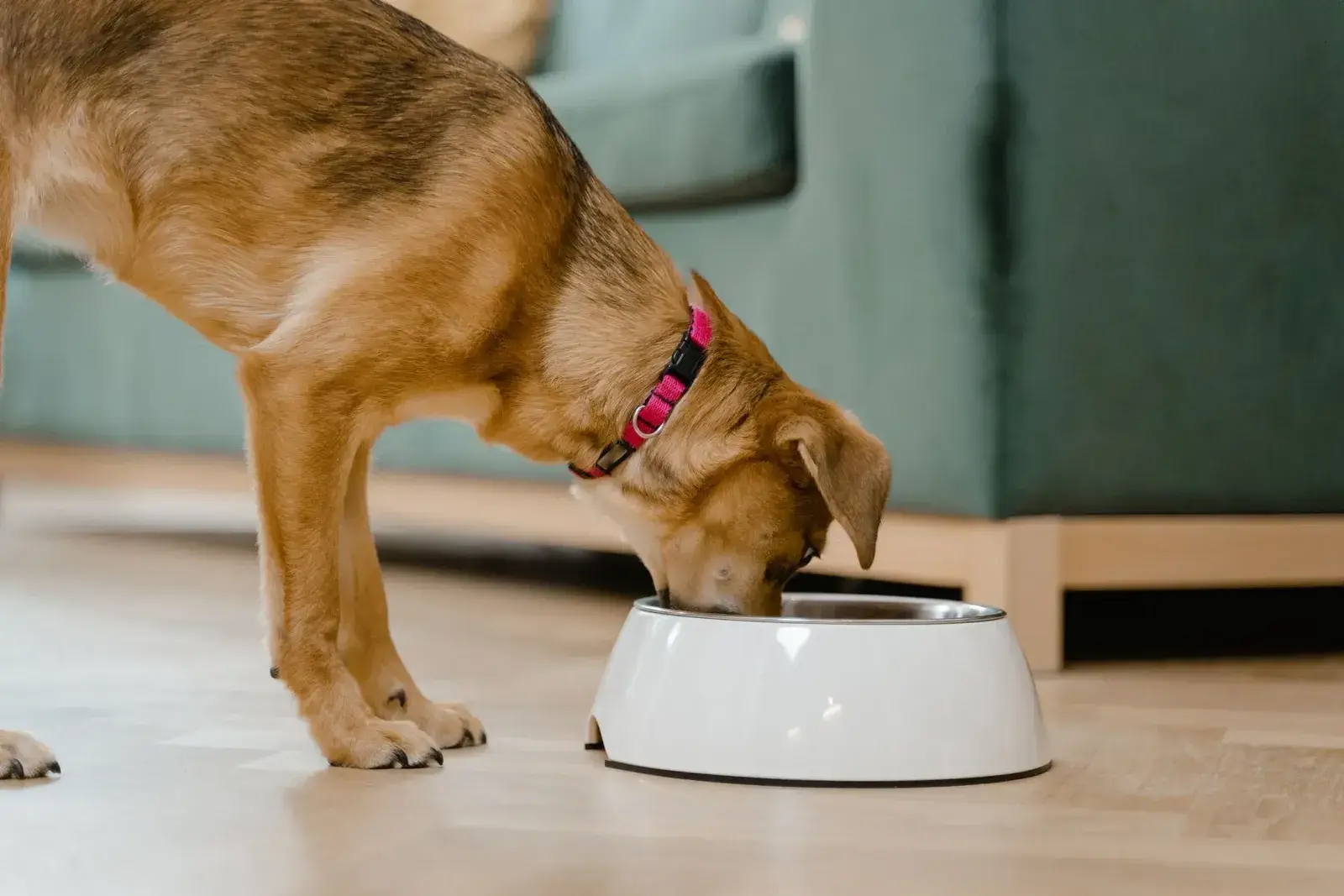
A dog that stops drinking, or stops eating and seems unwell, needs attention sooner. Not drinking is the more urgent of the two, because dehydration builds faster than hunger harms. This guide starts with the emergency signs, then covers causes, puppies and small dogs, home care and when to call a vet. It is general information. Your vet knows your dog and decides what is right.
Is this an emergency?
Call a vet or an emergency clinic now if your dog is not eating or drinking and also has:
 GuideMy Dog Keeps Licking His Paws: Causes and What HelpsDog licking paws all the time: allergies, parasites, injury, yeast and boredom.
- Vomiting or diarrhoea. Fluid loss on top of no drinking dehydrates a dog fast. See dog vomiting and dog diarrhoea.
- Retching with nothing coming up, or a swollen belly. PDSA and the Merck Veterinary Manual list these as signs of a twisted stomach (GDV), which is an emergency.
- Lethargy, weakness, or collapse, or a dog that will not get up.
- Pale, white, or dry, tacky gums, or sunken eyes.
- Trouble breathing, heavy panting, or heavy drooling.
- Signs of pain: crying, hunching, guarding the belly, or not wanting to be touched.
- A possible toxin or swallowed object. Phone the vet or a poison helpline (for example the ASPCA Animal Poison Control Center in the US).
- A puppy, a toy-breed dog, or a dog with diabetes or another long-term condition.
- Not drinking at all for a day, or drinking far more or less than normal.
If you are unsure, phone the clinic. They would rather answer a call than see a dog that waited too long.
Not eating versus not drinking
Merck lists vomiting or diarrhoea lasting more than 24 hours as a reason to see a vet. Other veterinary pet-health sources commonly suggest calling when a healthy adult has not eaten for 24 to 48 hours, and sooner for puppies. Time limits vary between sources and cases, so a phone call to your vet is the safest guide. If other signs are present, do not wait.
 GuideMy Dog Is Panting a Lot: Normal or Worrying?Dog panting heavily? Normal vs worrying panting, heatstroke signs and cooling steps, pain, anxiety, Cushing's disease, and when to see a vet.
| Not eating | Not drinking | |
|---|---|---|
| Urgency | Depends on the dog and other signs | Higher: dehydration builds within about a day |
| Healthy adult, otherwise bright | Often can wait a short time, but call early if it passes 24 hours | Call a vet the same day |
| Puppy, toy breed, senior, diabetic | Call much sooner, within hours | Call at once |
| With vomiting or diarrhoea | Call the same day | Emergency |
 GuideMy Dog Stepped on a Bee: What to DoDog stung by a bee or wasp: emergency signs of an allergic reaction, safe first aid, what not to give, and when to see a vet.GuideMy Dog Is Panting a Lot: Normal or Worrying?Dog panting heavily? Normal vs worrying panting, heatstroke signs and cooling steps, pain, anxiety, Cushing's disease, and when to see a vet.
Puppies and small dogs
Puppies and toy breeds have small energy reserves. Low blood sugar and dehydration can develop faster than in a large adult, so a missed meal or two in a puppy matters more. Call a vet the same day if a puppy skips food, especially with vomiting, diarrhoea or lethargy. PDSA describes parvovirus, causing severe vomiting, diarrhoea and dehydration, as a particular risk for unvaccinated puppies under six months.
 GuideMy Dog Injured His Paw: First Aid and When to See a VetDog paw injury: cut pads, torn nails, grass seeds, hot pavement burns and limping.
 GuideMy Dog Is Coughing: Causes and When to See a VetDog coughing, honking or hacking? Emergency signs, kennel cough, collapsing trachea, heart cough, what to do at home and when to see a vet.GuideMy Dog Injured His Paw: First Aid and When to See a VetDog paw injury: cut pads, torn nails, grass seeds, hot pavement burns and limping.
Common causes
Remember, a dog that refuses dry food but eats treats and table scraps is often picky, not ill. A dog that refuses everything is a different story.
 GuideMy Dog's Eye Is Red: Causes and When to See a VetRed, weepy or squinting dog eye? Emergency signs, common causes like conjunctivitis and ulcers, what to do at home, what to avoid, and when to see a vet.
- Illness. Stomach upsets, infections, kidney or liver disease, pancreatitis, fever and many other conditions reduce appetite. Vets use an examination and tests.
- Pain. Arthritis, injuries, or belly pain can make a dog go off food.
- Dental trouble. A broken tooth, gum disease or a mouth sore makes chewing hurt. Dogs may approach the bowl, then walk away, or drop food.
- Stress. Moving house, travel, boarding, a new baby or pet, or a change in routine.
- A new home. Many newly adopted dogs eat little for the first day or two. See adopting a dog for settling in.
- Heat cycle. Some females eat less during heat. See dog heat cycle.
- Hot weather. Dogs often eat less in the heat. Provide shade and water, and watch for heat stress.
- Medicines and vaccines. Appetite can dip for a day or so after some.
- Food changes. A new food, or too many treats and scraps, can make a dog pick at the bowl or refuse meals.
- Something eaten. Spoiled food, a swallowed object or a toxin. See can dogs eat.
- Older age or long-term conditions.
 GuideMy Dog Has Diarrhea: What Should I Do?Dog diarrhea: emergency signs, common causes, safe home care, what not to give, and when to see a vet.GuideMy Dog's Eye Is Red: Causes and When to See a VetRed, weepy or squinting dog eye? Emergency signs, common causes like conjunctivitis and ulcers, what to do at home, what to avoid, and when to see a vet.
What you can do at home
Home steps suit an adult dog that is bright, drinking, and has skipped one or two meals with no other signs.
 GuideDog Runny Nose: Causes, Discharge Colours and Vet SignsDog nose leaking or sneezing? Clear vs coloured discharge, nosebleed emergencies, causes like allergies and grass seeds, home care, and when to see a vet.
- Water first. Keep fresh water in several places. Try a clean, wide bowl. Some dogs prefer a different spot.
- Quiet and calm. Reduce stress, keep to a routine, and give a peaceful place to eat.
- Offer the usual food in smaller portions. Warming it slightly can make it smell stronger. Ask your vet about plain, bland additions.
- Do not fuss or pile on treats. Too many scraps can make picky eating worse.
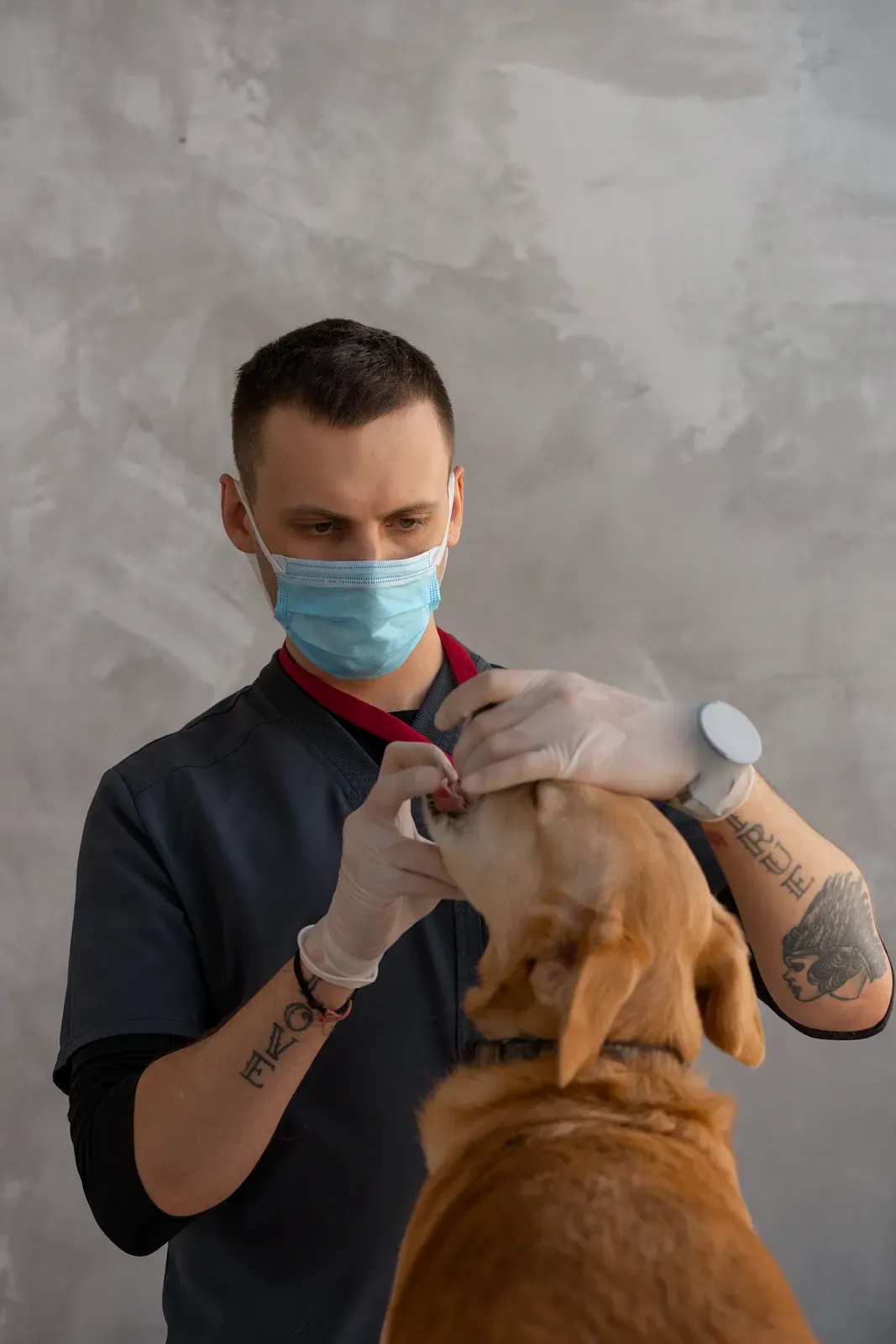
- Check the mouth gently for broken teeth, red gums or something stuck.
- Note the details: what your dog ate and drank, stool, urine, energy, and anything unusual. Take photos or a video.
- Weigh your dog if you can, so the vet can see changes.
 Save
 GuideMy Dog Keeps Shaking His Head: Ear Infection GuideDog shaking head, scratching ears or smelly ears? Ear infection signs, causes, ear haematoma, emergency signs, what to do and what to avoid.GuideDog Runny Nose: Causes, Discharge Colours and Vet SignsDog nose leaking or sneezing? Clear vs coloured discharge, nosebleed emergencies, causes like allergies and grass seeds, home care, and when to see a vet.
What not to do
- Do not force-feed or force water into a dog's mouth. It can cause choking.
- No human medicines, appetite stimulants or supplements unless a vet prescribes them.
- Do not switch food repeatedly hoping something works. It upsets the gut.
- Do not wait it out if your dog is not drinking, is a puppy, or shows any emergency sign.
- No home remedies without checking with a vet.
 GuideMy Dog Keeps Scratching: Causes and When to See a VetDog scratching non-stop? Emergency signs, fleas, allergies, mites, skin infections, food allergy, what to do at home and when to see a vet.
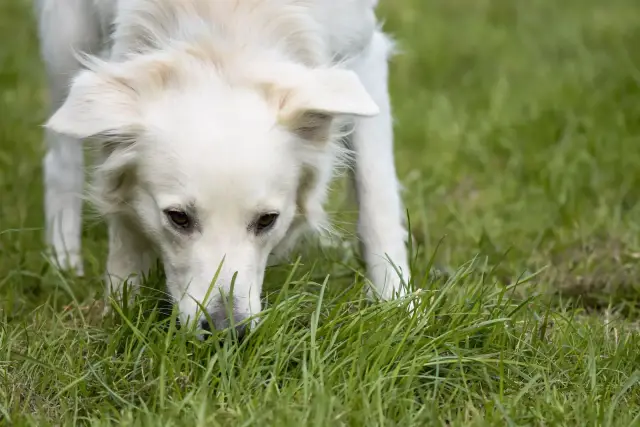 GuideWhy Does My Dog Eat Grass? What Studies SayDog eating grass? What a large owner survey found, why dogs do it, when it is normal, when to worry (vomiting, lawn chemicals, toxic plants), what to do.GuideMy Dog Keeps Scratching: Causes and When to See a VetDog scratching non-stop? Emergency signs, fleas, allergies, mites, skin infections, food allergy, what to do at home and when to see a vet.
When to see a vet
Call or book a visit if:
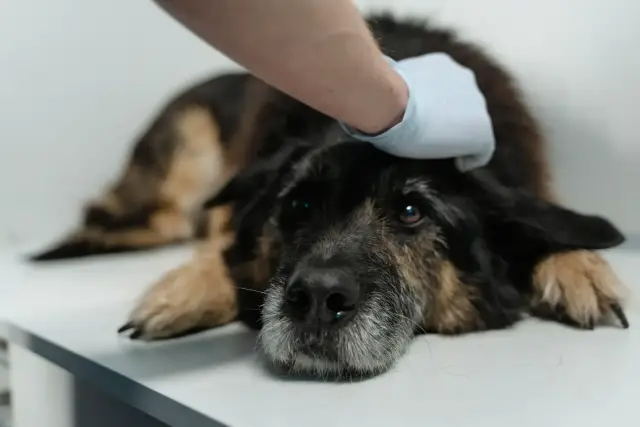 GuideMy Dog Is Vomiting: Causes and What to DoDog throwing up? Vomiting vs regurgitation, emergency signs like bloat, common causes, safe home care, what not to do, and when to see a vet.
- Your dog is not drinking, or is drinking much more or less than usual.
- A healthy adult has refused food for 24 hours with other signs, or for about 48 hours without any (a common veterinary rule of thumb, not a fixed limit).
- A puppy, toy breed, senior or diabetic dog skips meals. Call within hours.
- Vomiting, diarrhoea, lethargy, weight loss, drooling, belly pain or breathing changes appear.
- Appetite has been poor for several days or keeps returning.
- You suspect a toxin, swallowed object or dental pain.
Bring the notes you made, any medicine names, and a recent list of foods and treats.
 GuideMy Dog Is Lethargic: Causes and When to Call a VetDog tired, weak or not himself? Normal tiredness vs lethargy, emergency signs, common causes, what to note for the vet and what to avoid.GuideMy Dog Is Vomiting: Causes and What to DoDog throwing up? Vomiting vs regurgitation, emergency signs like bloat, common causes, safe home care, what not to do, and when to see a vet.
FAQ
How long can a dog go without eating?
A healthy adult can cope for a short time, but vets generally advise a call by 24 to 48 hours, and sooner with any other signs. Puppies need help within hours.
How long can a dog go without water?
Not long. Dehydration can start within about a day, so a dog that is not drinking needs a vet the same day.
My dog is not eating but drinking. Should I worry?
Less urgent than the opposite, but watch for lethargy, vomiting or pain. Call if it lasts beyond a day or two, or sooner for puppies and small dogs.
My dog is eating but not drinking?
Call a vet the same day. This is unusual and can signal illness.
Why is my dog not eating after a move or adoption?
Stress is common. A calm routine helps. Call a vet if appetite does not return in a couple of days.
Can a dog in heat stop eating?
Some do. It should be brief. Call a vet if it lasts or she seems unwell.
Should I hand-feed my dog?
Small amounts offered gently are fine. Never force food into the mouth.
Read next
 Family storyAlpineRead the family's story: origins, members, DNA
 Family storyAmerican Cur & FeistRead the family's story: origins, members, DNA
 Family storyAmerican TerrierRead the family's story: origins, members, DNA
Sources (4)
- Merck Veterinary Manual, "When to See a Veterinarian" table and gastric dilation and volvulus in small animals.
- PDSA, parvovirus in dogs and puppies fact sheet, and Dog Vomiting pet health hub page.
- ASPCA Animal Poison Control Center (poison helpline for suspected toxins).
- Veterinary pet-health articles on appetite loss in dogs (timing rules of thumb; these vary between sources).