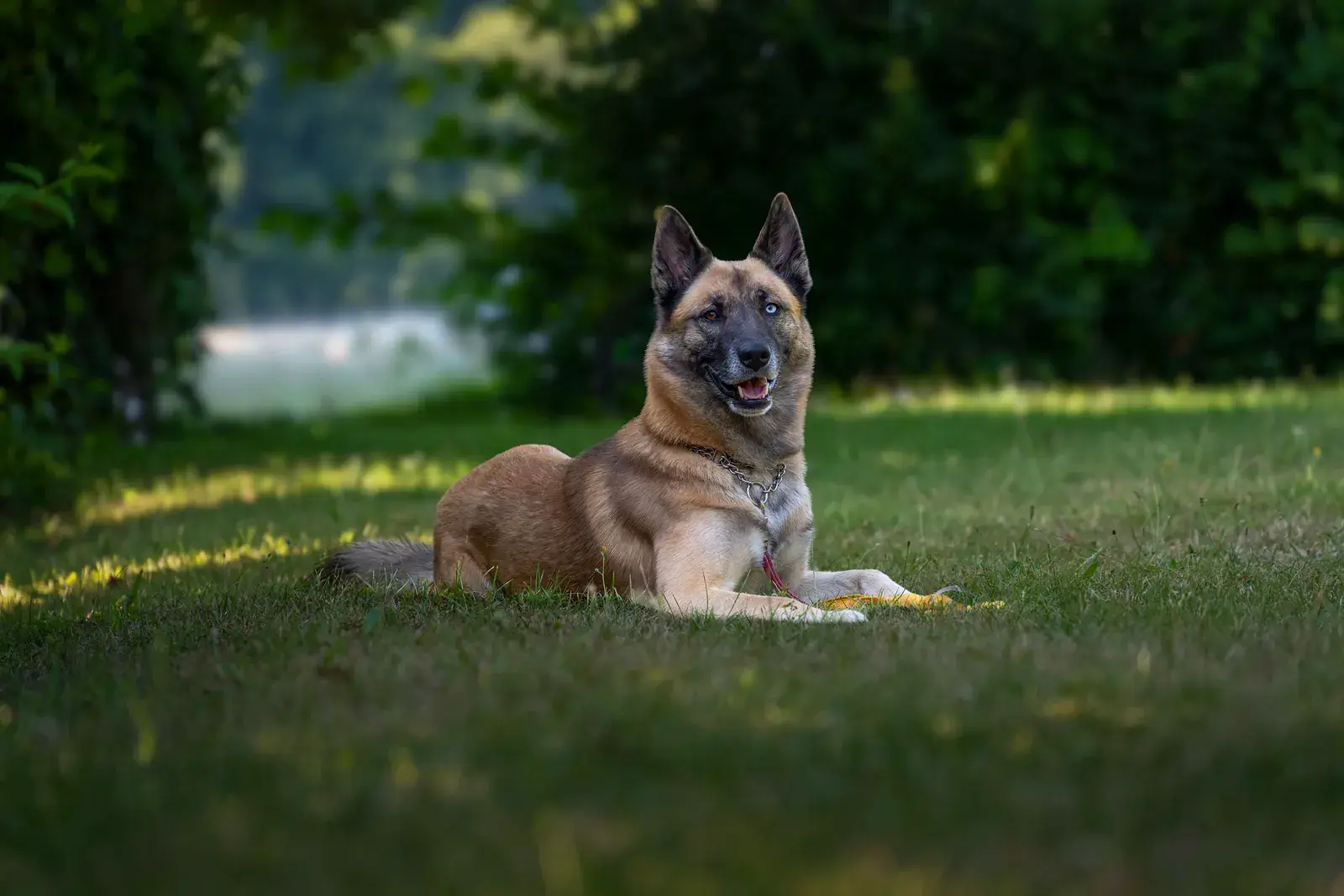
The Fédération Cynologique Internationale (FCI) counts all four as one breed. The American Kennel Club (AKC) lists them as separate breeds. This page covers the Groenendael, Tervuren and Laekenois in detail; the Malinois has its own page, Belgian Malinois. All four are alert, driven, loyal dogs that need work for the mind as much as exercise for the legs. The best-studied health issue in the Groenendael and Tervuren is epilepsy, and a Danish study found about 1 in 10 dogs affected.
Belgian Shepherd quick facts
 Related breedAmerican Cocker Spaniel1870 to 1946 · United StatesVictorian Breed Boom
- Closest DNA relatives
- Between the varieties, then Berger Picard, Bouvier des Flandres and Briard
- Country of origin
- Belgium
- Period of development
- 1891 to 1901 (atlas data, high confidence); the Club de Chien Berger Belge was founded in 1891
- Original job
- Herding and guarding sheep; later police, military, messenger and companion work
- Type
- Herding dog. FCI: Group 1, Sheepdogs, standard no. 15. AKC: Herding Group. UK Kennel Club: Pastoral Group
- Varieties
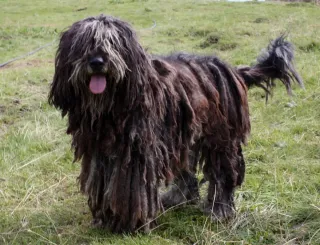
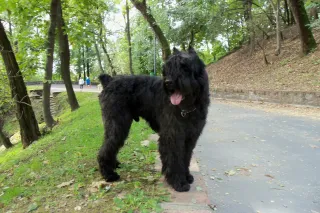
- Groenendael (long, black), Tervuren (long, fawn with black overlay), Laekenois (rough, fawn), Malinois (short, fawn)
- Other names
- Chien de Berger Belge; Belgian Sheepdog (the AKC name for the Groenendael)
- Height
- FCI (secondary copy of the text): about 62 cm dogs, 58 cm bitches. AKC Tervuren and Laekenois: ideal 61 to 66 cm dogs, 56 to 61 cm bitches
- Life span
- Atlas data: 12 to 14 years for the Groenendael and Tervuren, 10 to 12 for the Laekenois
- DNA family
- Continental Herder (Parker et al. 2017, atlas data)
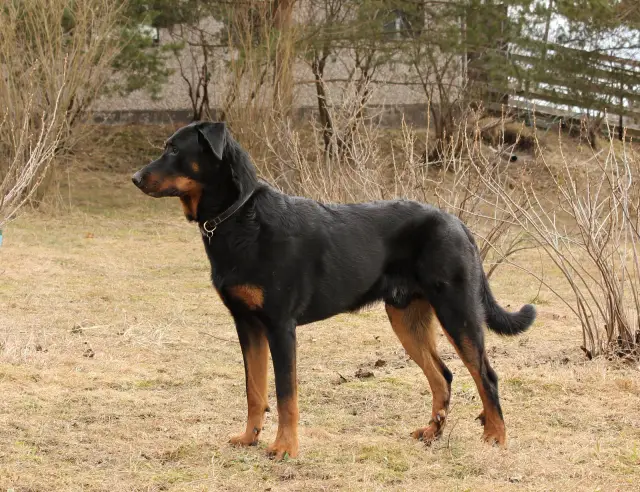
Drawn to scale in real centimetres. Its back reaches about 61 cm, just above your knee; its head about 77 cm, your hip.
Where it sits in the tree
Victorian Breed Boom · 1850 to 1913
Name and origin
 Related breedAmerican Eskimo Dog1900 to 1917 · United StatesVictorian Breed Boom
"Belgian Shepherd" is the umbrella name for the Chien de Berger Belge, literally the Belgian shepherd dog. The three varieties on this page are named after places near Brussels, a naming habit that goes back to the years when breeders in each district built their own type of dog.
- Groenendael is named after the Château de Groenendael, the home of the breeder Nicolas Rose.
- Tervuren (also spelled Tervueren) is named after the village of Tervuren, where the early breeder M.F. Corbeel lived.
- Laekenois is named after the royal estate of Laeken, and the Kennel Club (UK) says the dogs were favoured by Queen Marie Henriette.
- Malinois is named after the city of Malines (Mechelen); see the Belgian Malinois page.
Outside the United States, the whole group is simply "Belgian Shepherd", often with the variety in brackets, for example "Belgian Shepherd Dog (Groenendael)". In the United States the Groenendael is called the Belgian Sheepdog.
One breed or four?
The answer depends on the registry.
- FCI: one breed, standard no. 15, with four varieties (Groenendael, Laekenois, Malinois, Tervueren). Most national clubs follow the FCI, including the Belgian Société Royale Saint-Hubert, according to the sources found.
- AKC: four separate breeds. The AKC page on the Belgian breeds says it recognised the varieties as four separate breeds in 1959: Belgian Sheepdog, Belgian Malinois, Belgian Tervuren and Belgian Laekenois, all in the Herding Group. Before that, in 1912, it had registered the coat varieties as one breed, the Belgian Sheepdog. The Laekenois joined the AKC register later than the other three (AKC article on its newest breed).
- United Kennel Club (UKC): one breed, Belgian Shepherd Dog.
- UK Kennel Club: lists the breeds in the Pastoral Group. Its page for the Malinois describes all four varieties by coat and colour. Whether the Kennel Club counts them as one breed or four is not stated here.
The split has a practical effect. Groenendael litters in Europe can contain Tervuren-coloured puppies; in most of the world those can be registered as Tervurens, while under the AKC they would be disqualified from registration (a point from one breed-health report, so confirm it with a club before relying on it).

History
 Same eraAmerican Pit Bull Terrier1850 to 1898 · United StatesVictorian Breed Boom
Before the breed: Belgian farm dogs
In the second half of the 19th century, Belgium was full of herding dogs that were bred for work and not for looks. Shepherds crossed their dogs with neighbours' dogs, and the coat, colour and size varied from farm to farm. Dog shows and the new kennel clubs of the 1880s gave breeders a reason to ask which of these dogs were one type.
1891: Professor Reul and the Cureghem gathering
The Club de Chien Berger Belge was formed in 1891 to save and define the type. Professor Adolphe Reul of the Cureghem Veterinary School led the survey. Dogs NZ gives the club's founding date as 29 September 1891 in Brussels and says Reul gathered 117 dogs at Cureghem later that year. Other sources say "over 100" dogs, so the exact number varies by source. From that survey the club wrote a first standard, which recognised one breed with several coat varieties. A secondary source says the four varieties known today were specified in a standard of 1956, and the atlas data lists the main establishing period as 1891 to 1901.
Groenendael: the black dog from a château
Nicolas Rose owned the Château de Groenendael near Brussels and bred black long-haired shepherds there. Dates vary by source: Wikipedia and several breed guides say about 1885, while others put the key breeding work in 1893. Both dates are given in the sources found, and this page does not pick between them. The foundation pair is usually given as Petite, a black long-haired bitch owned by Rose, and Piccard d'Uccle, a dog belonging to a shepherd called Beernaert. Rose had first wanted to call the variety "Rose", which was judged confusing for a black dog, so it took the château's name. The atlas data notes that the Schipperke and the Groenendael both derive from the old black shepherd of Leuven, the Leuvenaar.
Tervuren: the brewer's dogs
The AKC says M.F. Corbeel, a brewer in the village of Tervuren, used his dog Tom to pull his beer cart by day and guard the brewery at night. Corbeel mated Tom to his bitch Poes, and the AKC describes that pair as the foundation of the modern Tervuren. A fawn Tervuren named Milsart is described as the breed's first Belgian show champion, in 1907.
Laekenois: the rough-coated royal estate dog
The Laekenois is the rarest of the four varieties. Sources link it to the royal estate at Laeken, where shepherds grazed sheep and Queen Marie Henriette liked to watch the dogs at work. Its wiry coat set it apart from the other three. It has always been the least numerous variety, which is why its health and DNA data are thin (see the Relatives and DNA section).
Two wars
Numbers dropped sharply in both world wars. In World War I (1914 to 1918) the Belgian Army used the dogs as sentries, messengers and draft dogs, and sources say Groenendaels also found wounded soldiers. After World War II the Tervuren was almost recreated, according to the AKC, from long-haired puppies born to Malinois parents. That history fits the DNA figures below, where the Tervuren and Malinois share more than the Groenendael and Malinois do.
Jobs today
The Kennel Club (UK) notes the breed's versatility as a service dog, widely used by police and armed forces. The Malinois is the variety most seen in this work. The Groenendael, Tervuren and Laekenois are kept as companions, show dogs and sport and herding dogs. No source gives participation numbers for herding trials, so this page gives none.
Relatives and DNA
 Same familyAmerican Staffordshire Terrier1850 to 1936 · United StatesVictorian Breed Boom
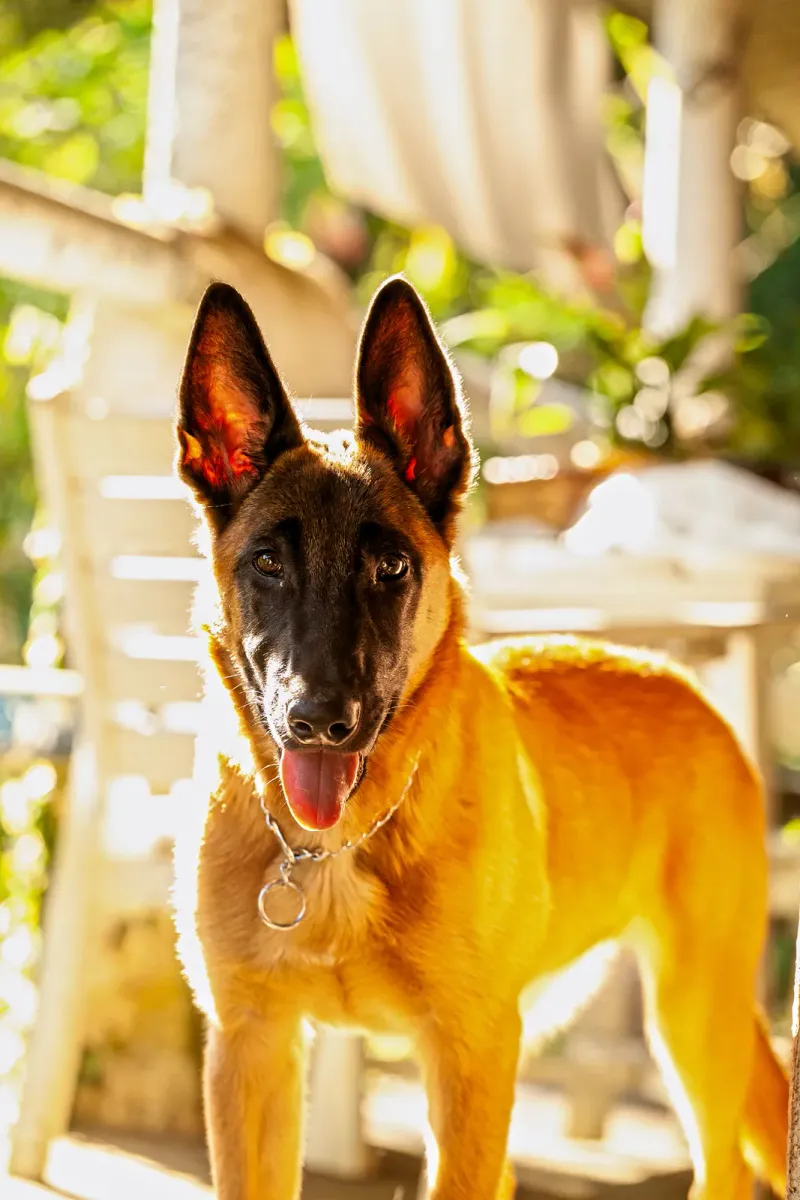
The atlas data puts all four varieties in the Continental Herder family, a group of herding breeds from western Europe that Parker et al. (2017) found to share a common origin. The sister breeds named in the data are the Dutch Shepherd, Bouvier des Ardennes and German Shepherd, all with medium confidence from the same Western European herding type.
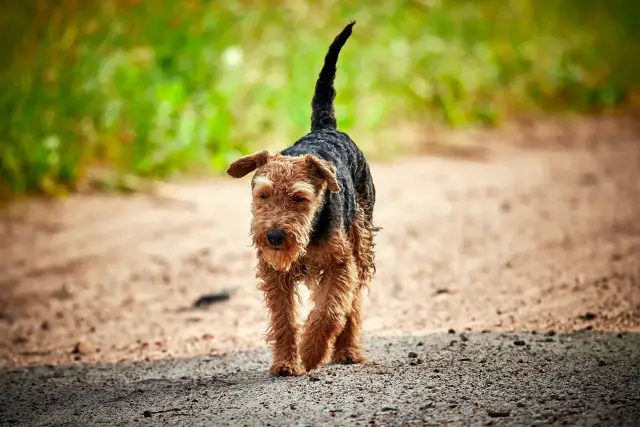
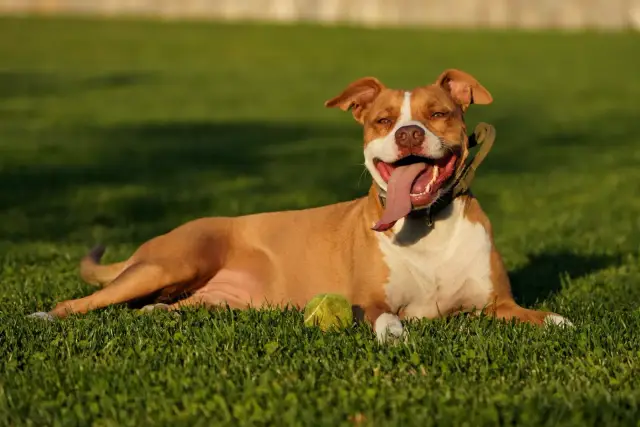
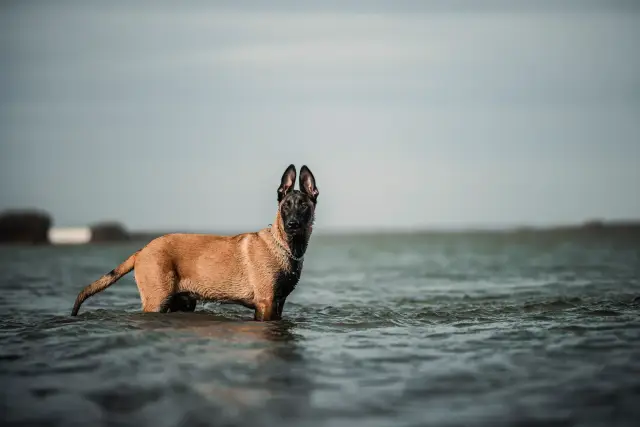
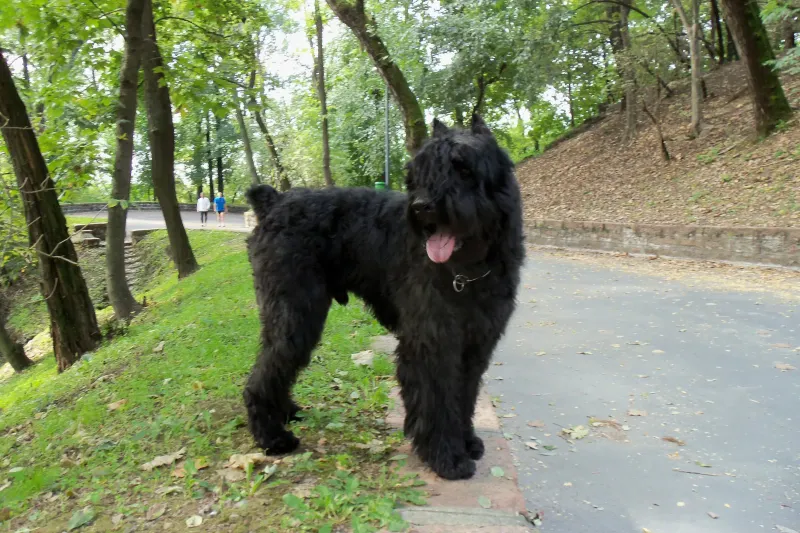
In the Parker et al. (2017) data used by this site, the Groenendael and Tervuren are by far the closest pair (278.2 Mb of shared DNA). Each shares less with the Malinois (76.3 Mb for the Groenendael, 88.4 Mb for the Tervuren). After that come the Berger Picard, Bouvier des Flandres and Briard, at 10 to 26 Mb. The Laekenois has no DNA figures in this data set, so no DNA claim is made about it.
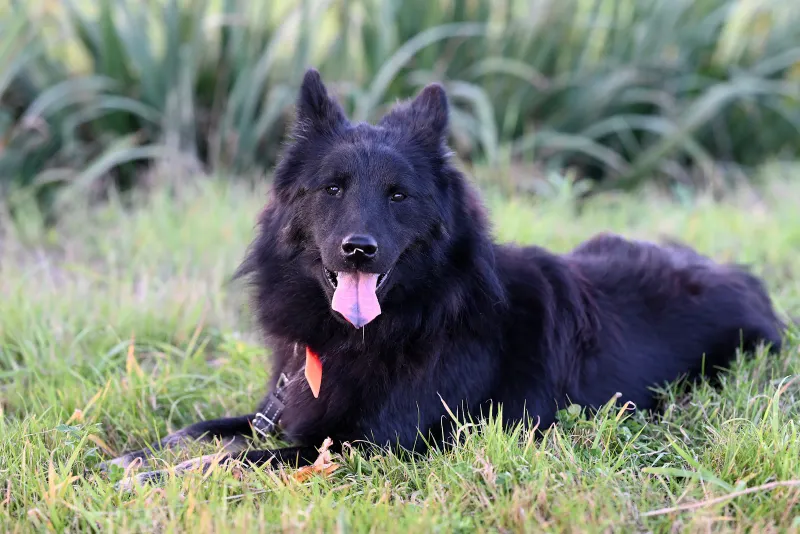
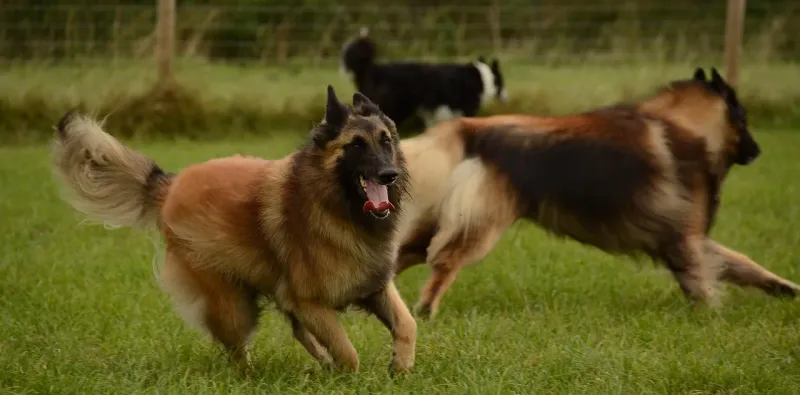 Groenendael and Tervuren
- Tervuren and Malinois
- Groenendael and Malinois
- Tervuren and Bouvier des Flandres
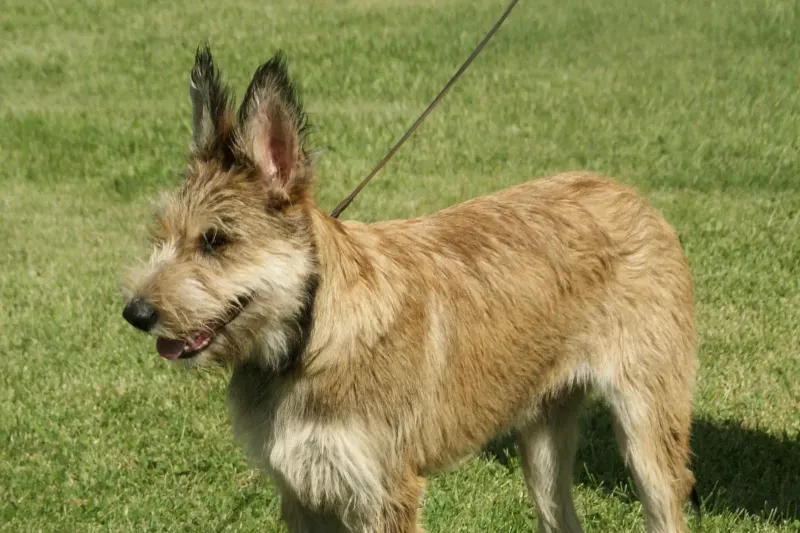 Groenendael and Berger Picard
The varieties are listed in the atlas data as variants of one breed, and the data names no other descendants for the Groenendael, Tervuren or Laekenois.
Groenendaellong, blackTervurenlong, fawn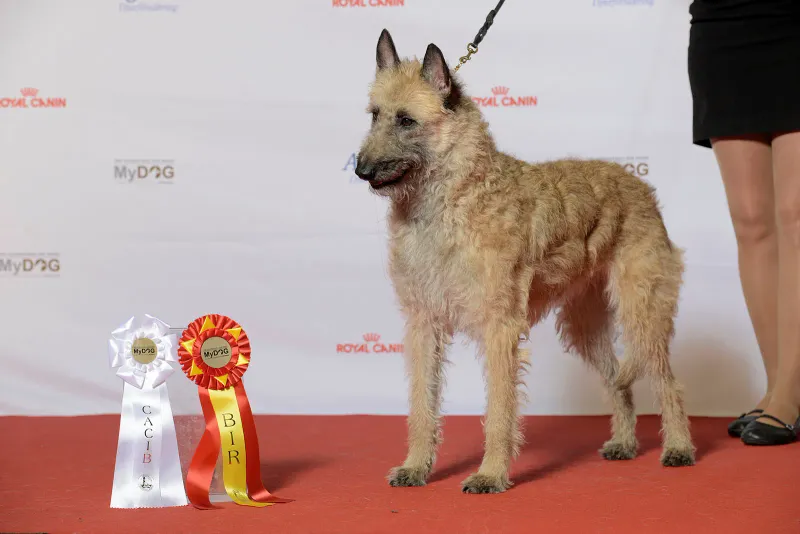 Laekenoisrough, fawnMalinoisshort, fawn
The same data shows other breeds as offshoots of the Belgian Shepherd, such as the Chinook and the Pastor Garafiano, but those are project-data links and are not covered here.
Sister breeds · 3
- Bouvier des Ardennes1800 to 1923
- Dutch Shepherd1850 to 1898
- German Shepherd1899
Descend from it · 6
- Pastor GarafianoSpain
- Belgian MalinoisBelgium
- Belgian TervurenBelgium
- GroenendaelBelgium
- LaekenoisBelgium
- ChinookUnited States
The breed standard
 Looks relatedAustralian Kelpie1870 to 1902 · AustraliaVictorian Breed Boom
A is the written ideal for a breed that kennel clubs judge dogs against. The Belgian Shepherd standard asks for a dog that is elegant yet strong, square in outline, and carries its head high.
| Trait | What the standards say |
|---|---|
| Group | FCI: Group 1, Sheepdogs, standard no. 15 (definitive). AKC: Herding Group. UK Kennel Club: Pastoral Group |
| Height, FCI | Desired about 62 cm dogs and 58 cm bitches, tolerance 2 cm under to 4 cm over (from a secondary copy of the text, older date) |
| Height, AKC Tervuren | Ideal 24 to 26 in (61 to 66 cm) dogs, 22 to 24 in (56 to 61 cm) bitches. Disqualified: dogs under 23 in or over 26.5 in; bitches under 21 in or over 24.5 in |
| Height, AKC Laekenois | Ideal 24 to 26 in dogs, 22 to 24 in bitches. Disqualified: dogs under 23 in or over 27 in; bitches under 20.5 in or over 25 in |
| Weight | Not part of the AKC standards. Breed summaries: about 25 to 30 kg dogs, 20 to 25 kg bitches (Wikipedia, secondary) |
| Coat, Groenendael | Long, black, with a dense undercoat |
| Coat, Tervuren | Long, fawn to grey with a black overlay and black mask |
| Coat, Laekenois | Rough and tousled, fawn with traces of black overlay, mainly on the muzzle and tail |
| Coat, Malinois | Short, fawn with black overlay and black mask |
| Coat, all varieties | Abundant and close, with a woolly undercoat. Length, direction and appearance separate the varieties |
The current AKC text for the Belgian Sheepdog (Groenendael) and the current UK Kennel Club figures are not given, so those rows are left out rather than guessed. Breed-guide figures for the Groenendael run from 22 to 26 in, but they are not from a standard.
Coat care by variety. The long coats of the Groenendael and Tervuren need regular brushing, with extra work in the seasonal moult. The Laekenois's rough coat is described as harsh and wiry; it needs less brushing but benefits from hand work with the guidance of a breeder. This is general guidance from breed guides and not from a source with figures.
Temperament
 Related breedBasset Hound1860 to 1885 · United KingdomVictorian Breed Boom
The Belgian Shepherd varieties are described as alert, watchful, protective and highly trainable. The Purina breed pages describe the Laekenois as a naturally protective dog that needs early socialisation, and the same advice runs through the standards and breed guides for the Groenendael and Tervuren. These are working-minded dogs, so a quiet life in an unstimulating yard is the usual route to boredom problems, such as barking and pacing. Many owners add dog sport, scent work or herding classes.
Three points owners meet again and again:
- Sensitive and people-focused. The Belgian Shepherd tends to bond closely with its family and does not do well left alone for long hours.
- Protective, needs socialisation. Careful early exposure to people, places and other dogs lets a protective dog learn what is normal.
- Energy comes in waves. A varied hour beats a long monotone walk, and the Tervuren and Groenendael are often calmer indoors once they have had it.
Temperament varies between lines and individuals. Show lines and working lines can differ, and the Malinois is generally the most intense of the four.
Health
 Related breedBoston Terrier1870 to 1893 · United StatesVictorian Breed Boom
Most Belgian Shepherds live long, active lives; the atlas data gives 12 to 14 years for the Groenendael and Tervuren and 10 to 12 for the Laekenois. This section lists what breeders screen for and what owners can watch for. Good prevalence figures exist for one condition, epilepsy, and none turned up for the others, so the table says "no figure found" and does not invent one.
| Condition | What it is | How common | What helps |
|---|---|---|---|
| Epilepsy (Groenendael and Tervuren) | Repeated seizures with no other cause found; the usual type in the breed is focal seizures that spread to the whole body | About 1 in 10 in Danish dogs born 1995 to 2004 (Berendt et al. 2008, 9.5%); about 1 in 6 in a 1997 study of US Tervuren records (17%) | Ask breeders about seizures in the pedigree; report to the breed club health survey; see a vet at the first seizure |
| A loose or misshapen hip joint | Listed as a known risk by breed guides; no figure found for these varieties | Hip scores (the UK Kennel Club lists a hip scheme as a priority for the breed); healthy weight | |
| Abnormal elbow joint development | Listed by breed guides; no figure found | Elbow scores; avoid hard impact exercise while the puppy is growing | |
| Inherited eye conditions | Progressive retinal atrophy and early cataracts | Listed by breed guides; no figure found | Annual eye tests of breeding dogs |
| Allergies | Skin and ear flare-ups | Reported by breed guides; no figure found | Vet advice; diet and parasite control |
Epilepsy in detail. Berendt and colleagues (Acta Veterinaria Scandinavica, 2008) contacted the owners of all 1,248 Groenendael and Tervuren dogs born in Denmark from 1995 to 2004 and registered with the Danish Kennel Club, then validated positive replies by phone interview. They estimated the prevalence at 9.5%, or about 1 in 10 dogs. The 49 epileptic dogs found among the 516 interviewed owners' dogs split almost evenly between the two varieties (25 Groenendael, 24 Tervuren). The average age at first seizure was 3.3 years, with a range of 0.5 to 8 years, and the most common type was focal seizures with secondary generalisation (53.1%).
A 1997 study of US Tervuren records reported 17% in a population of 997 dogs, 170 of them epileptic, from a different period and set of dogs, so the two figures are not directly comparable. A Danish family study from the University of Copenhagen group reported that 66 of 199 dogs in one extended pedigree had epilepsy (33%) and described a simple Mendelian inheritance pattern. The family figure comes from a selected family and is not a breed-wide rate.
None of this says a Belgian Shepherd will become epileptic: most do not. It says to ask breeders about seizures in close relatives and to prefer lines where a health survey is open.
Hip dysplasia and other conditions. A 2008 Veterinary Record study used Belgian screening data to estimate hip and elbow dysplasia in Belgian dog breeds, but the Belgian Shepherd numbers were not in the abstract found, so none are quoted here.
 Ticks and fleasTicks and fleas on dogs: how to check, remove and prevent themTicks and fleas on dogs: how to tell them apart, check your dog, remove a tick safely, break the flea life cycle and prevent both.
 GuidesPractical guidesBehaviour, training, health and adoptionRelated breedBoston Terrier1870 to 1893 · United StatesVictorian Breed Boom
Living with a Belgian Shepherd
 Related breedBoxer1880 to 1904 · GermanyVictorian Breed Boom
| Daily reality | Rating | Why |
|---|---|---|
| Exercise per day | High | Working-bred herding dogs; plan an hour or more plus mental work (breed guides; project type "herding dog") |
| Training needs | High | Quick learners that need firm, kind, consistent training and early socialisation (breed guides) |
| Grooming | Medium | Long coats (Groenendael, Tervuren) need regular brushing; Laekenois coat needs hand care |
| Shedding | High | Dense double coats with seasonal moults (FCI text: woolly undercoat) |
| Barking | Medium | Alert watchdogs; varies by individual and boredom |
| Time alone | Poor | Close bonds with the family; long hours alone are not a good match |
| Children | Fair | Usually good with family children they know; protective, so supervise play (varies) |
| Other dogs | Fair | Needs socialisation from puppyhood; varies |
| Cats and small pets | Varies | Herding instincts may lead to chasing; evidence is thin |
| Flat living | Poor | High exercise and company needs; a yard and daily outings fit better |
| Heat tolerance | Fair | Dense coat; no source rates it, so avoid midday exercise in hot weather |
| Cold tolerance | Good | Thick double coat |
| First-time owner fit | Fair | Trainable but demanding; best for owners who have the time and will take classes |
A great fit if
- You want a sport or working partner and will train most days.
- You are home often and can include the dog in daily life.
- You enjoy grooming and have a yard or access to open space.
- You can invest in early socialisation and classes.
Think twice if
- You work long hours away from home with no dog care.
- You want a low-energy dog for a small flat.
- You do not enjoy training or brushing.
- You want a dog that welcomes every visitor.
Before you get one
- Health tests to ask a breeder for: hip score, elbow score, annual eye test, and for the Groenendael and Tervuren, a seizure history of close relatives (ask for a written summary).
- Puppy or adult rescue: breed rescues exist for the Belgian Shepherd and its varieties, and some adults are already trained.
- First year: expect plenty of socialisation, short training sessions and a coat that moults twice a year.
- Rarity: the Laekenois is rare, so be ready to wait for a litter or travel.
Similar breeds to consider
- Belgian Malinois. The short-coated variety, more intense and used heavily in police and military work.
- German Shepherd. A related herding breed with a large club and working scene.
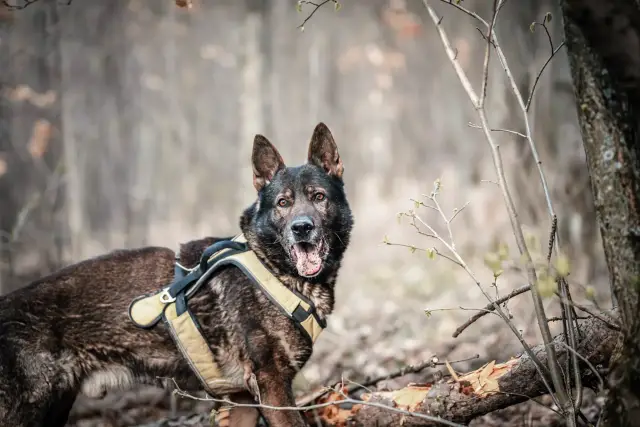
- Dutch Shepherd. Another Western European herder with a short or rough coat.
- Bouvier des Flandres. A Belgian herding and guarding breed with a rough coat.

Belgian Shepherd fun facts
 Related breedBrittany1850 to 1907 · FranceVictorian Breed Boom
- The first Belgian Shepherd survey in 1891 gathered 117 dogs at the Cureghem Veterinary School, according to Dogs NZ.
- The Groenendael was almost named "Rose", after its breeder, before the château's name was chosen.
- A brewer's cart dog named Tom is credited as one of the foundation dogs of the Tervuren.
- The AKC registered all Belgian coat varieties as the Belgian Sheepdog in 1912 and split them into separate breeds in 1959.
Frequently asked questions
Are Groenendael, Tervuren and Laekenois the same breed?
To the , yes: they are varieties of the Belgian Shepherd, along with the Malinois. The registers them as separate breeds.
What is the difference between a Groenendael and a Tervuren?
Mainly coat colour. Both are long-haired, the Groenendael is black and the Tervuren is fawn to grey with a black overlay and mask. They are the closest pair genetically (278.2 shared, Parker et al. 2017).
How big is a Belgian Shepherd?
The FCI figure is about 62 cm for dogs and 58 cm for bitches (secondary copy). The AKC ideal for the Tervuren and Laekenois is 24 to 26 inches for males and 22 to 24 inches for females.
How long do Belgian Shepherds live?
Atlas data: 12 to 14 years for the Groenendael and Tervuren, and 10 to 12 for the Laekenois.
Do Belgian Shepherds get epilepsy?
Some do. A Danish study of Groenendael and Tervuren found about 1 in 10 dogs affected (9.5%). Ask breeders about seizures in the pedigree.
Is the Belgian Shepherd a good family dog?
In an active family that offers training and company, yes. It is protective and needs early socialisation, so it suits families who can put in the work.
Read next
 Sister breedDutch Shepherd1850 to 1898
 FamilyContinental HerderThe whole family
 Adopt a dogDog Shelters in EuropeFind dog shelters in Europe, learn how shelters differ from country to country and why adopting a dog is a good option.
Sources (16)
- American Kennel Club, "Meet the Belgian breeds" and its Belgian Tervuren history and facts articles.
- American Kennel Club, article on the newest recognised breed, the Belgian Laekenois.
- American Kennel Club, Belgian Tervuren and Belgian Laekenois breed standards (as reproduced in Showsight Magazine and the AKC breed PDF).
- Berendt M. et al., "Prevalence and characteristics of epilepsy in the Belgian shepherd variants Groenendael and Tervueren born in Denmark 1995 to 2004", Acta Veterinaria Scandinavica, 2008.
- University of Copenhagen group, "Focal epilepsy in the Belgian shepherd: evidence for simple Mendelian inheritance" (Danish family study).
- Dawlish Chronicles, "1914: Belgium's Dogs of War".
- Dogs NSW, Belgian Shepherd Dog (Groenendael) and (Malinois) breed pages.
- Dogs NZ, Belgian Shepherd (Malinois) breed information.
- Fédération Cynologique Internationale, breed nomenclature pages for the Belgian Shepherd Dog (standard no. 15) and the Laekenois.
- Fédération Cynologique Internationale, standard no. 15 as reproduced by Zooclub (secondary copy, older text).
- Fogle B., The New Encyclopedia of the Dog, 2009 (atlas data source).
- Parker H.G. et al., "Genomic analyses reveal the influence of geographic origin, migration and hybridization on modern dog breed development", Cell Reports, 2017.
- The Kennel Club (UK), Belgian Shepherd Dog (Malinois) breed page.
- United Kennel Club, Belgian Shepherd Dog breed information.
- Wikipedia, Belgian Shepherd (secondary, for dates and weights).
- Purina (UK and NZ), Belgian Shepherd Dog Groenendael and Laekenois breed pages.