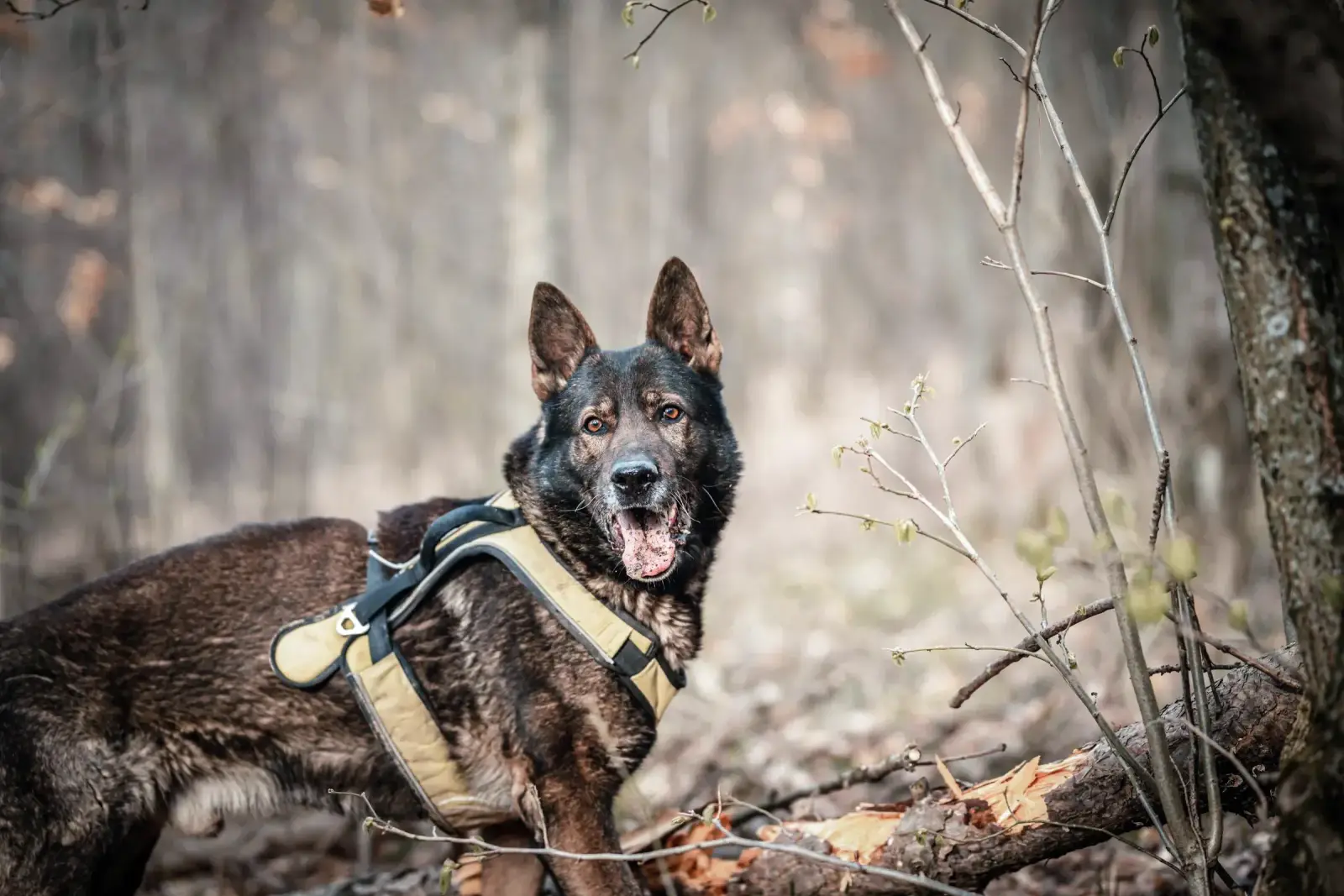
It was a farm all-rounder before it was a sport and police dog: it herded sheep, guarded the yard and pulled small carts. It comes in three coat types (short, long and rough), always in a brindle pattern. It is quick, loyal, trainable and demanding, and it is often compared with the Belgian Malinois and the German Shepherd. This profile covers where the breed came from, what the standards say, how it differs from its better-known cousins, what is known about its health and who should and should not take one home.
Dutch Shepherd quick facts
 Related breedAmerican Cocker Spaniel1870 to 1946 · United StatesVictorian Breed Boom
- Country of origin
- Netherlands
- Period of development
- 1850 to 1898 (atlas data); first standard dated 12 June 1898
- Original job
- Herding and guarding sheep, general farm work
- Type
- Herding dog. FCI: Group 1, Sheepdogs and Cattledogs, no. 223. UK Kennel Club: Pastoral Group. : Miscellaneous Class, on the path to the Herding Group (status has changed in recent years)
- Height
- FCI: 57 to 62 cm for dogs, 55 to 60 cm for bitches
- Weight
- Not set in the standard. Adults are commonly about 23 to 32 kg
- Coat
- Short (smooth), long, or rough (wire)
- Colour
- Brindle only: gold or silver brindle base
- Life span
- Atlas data: 11 to 14 years
- Exercise
- High: well over an hour a day plus mental work
- DNA family
- Continental Herder
- Closest relatives
- Belgian Shepherd, German Shepherd (atlas data)
- Other names
- Hollandse Herdershond, Dutch Shepherd Dog
Drawn to scale in real centimetres. Its back reaches about 59 cm, just above your knee; its head about 74 cm, mid-thigh.
Where it sits in the tree
Victorian Breed Boom · 1850 to 1913
Name and origin
 Related breedAmerican Eskimo Dog1900 to 1917 · United StatesVictorian Breed Boom
"Hollandse Herdershond" means Dutch shepherd dog in Dutch. The name "Holland" here stands for the Netherlands as a whole, and the breed was found on farms across the country. The atlas data gives the name's meaning as the farm herding dog of the Netherlands.
The dogs that became the breed were regional farm shepherd dogs of different coats and colours. Dutch shepherds used them to move flocks along roads and heaths, to keep sheep off crops and to guard the farm. They also did general work, such as watching the yard and pulling a milk cart. The breed was fixed from this farm stock in the second half of the 19th century.

History
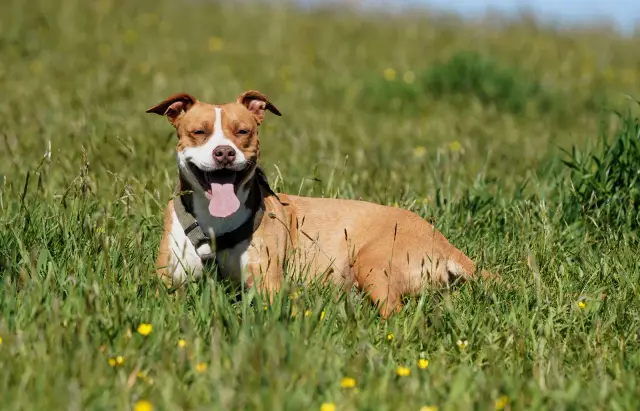 Same eraAmerican Pit Bull Terrier1850 to 1898 · United StatesVictorian Breed Boom
Before the standard
In the 19th century the Netherlands, like Belgium and Germany, had many types of shepherd dog. They were bred for work, not for show, and looked different from district to district. The atlas data places the breed's appearance between 1850 and 1898, the period when local shepherd dogs were being sorted into recognisable types across Western Europe.
1898: the first standard
The FCI standard states that the breed's first standard is dated 12 June 1898. This is the earliest firm date for the Dutch Shepherd as a defined breed. It is in the same decade as the first German Shepherd standard and a few years after the Belgian shepherd clubs began their work.
Three coats and the brindle rule
The breed has three coat varieties: short, long and rough. Brindle is the only colour. One secondary source says that around 1960 the standard was limited to the three brindle coat types so that the Dutch Shepherd could be told apart from its Belgian neighbours. That date is not in the FCI text, so treat it as a reported detail.
Decline and revival
Sheep herding declined as farming changed, and the breed lost its main job. Several sources report that numbers fell sharply in the 20th century, and that a small group of breeders rebuilt the breed. The short-haired Dutch Shepherd is the most common today.
Police and sport work
Today the Dutch Shepherd is best known as a working dog. In the Netherlands, police-dog and trial work is run through bodies such as the KNPV (Royal Dutch Police Dog Association), where Dutch Shepherds and Malinois both compete. Elsewhere the breed does police, search, detection and sport work, and is used in agility, tracking, obedience and herding trials. Numbers outside the Netherlands remain small.
Clubs and recognition
The FCI lists the breed as Hollandse Herdershond, no. 223, in Group 1, with the Netherlands as the country of origin. The UK Kennel Club places it in the Pastoral Group. The United Kennel Club has recognised it for many years. The AKC status has moved over time; it is listed in the Miscellaneous Class, the step before full recognition in the Herding Group, and owners in the US should check the current AKC list.
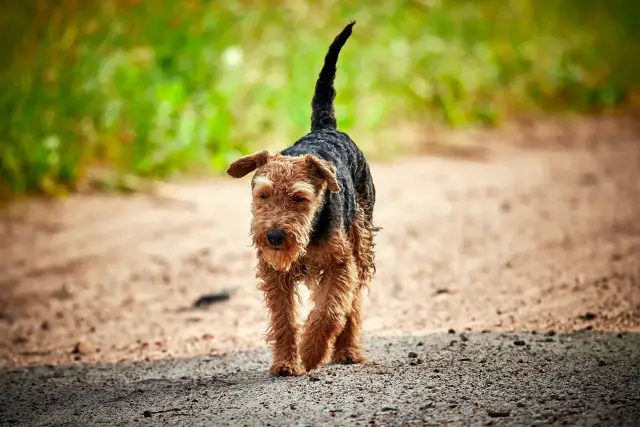
Relatives and DNA
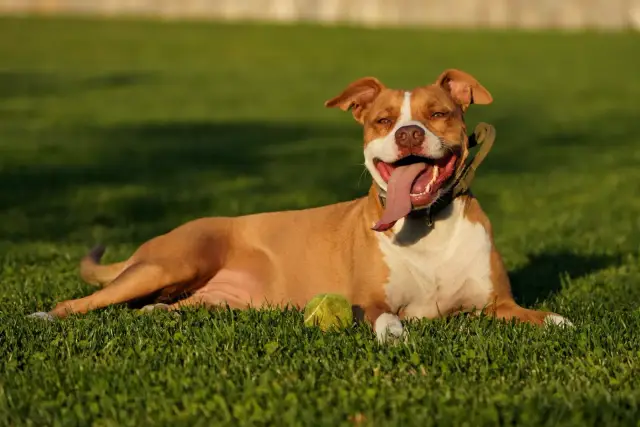 Same familyAmerican Staffordshire Terrier1850 to 1936 · United StatesVictorian Breed Boom
The atlas data places the Dutch Shepherd in the Continental Herder family. The 2017 Parker et al. study (Cell Reports, 161 breeds) found that herding breeds from Western Europe share a common origin. The Dutch Shepherd's named sister breeds in the atlas data are the Belgian Shepherd and the German Shepherd, which come from the same pool of northern European shepherd types. No shared-DNA figures in are recorded for it, so there are no numbers to quote. To see where the family sits among all 29, open the dog breed family tree.
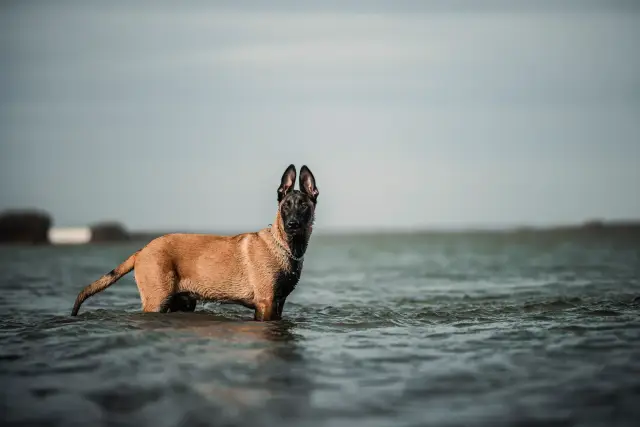
Dutch Shepherd vs Belgian Malinois
The two are the most confused pair in the herding world.
Both are high-drive working dogs and both need experienced owners. The Malinois has a stronger name in police and military work. Many owners find the Dutch Shepherd a little less sharp, but this is a general impression, not a measured difference.
Dutch Shepherd vs German Shepherd
The German Shepherd is heavier and in most lines a little calmer, with a sloping and a much larger worldwide population. The Dutch Shepherd is lighter, brindle, and rarer, and has less of the exaggerated rear angulation seen in some German Shepherd show lines. Both work well in training, and both need a job.
Sister breeds · 2
- Belgian Shepherd1891 to 1901
- German Shepherd1899
| Point | Dutch Shepherd | Belgian Malinois |
|---|---|---|
| Colour | Brindle only | Fawn to mahogany with a black mask and overlay |
| Coat types | Short, long, rough | Short only (the other Belgian varieties differ) |
| Height | 55 to 62 cm | About 58 to 62 cm (FCI ideals) |
| Build | Sturdy, medium-boned | Lighter, elegant |
| Temperament | Intense, often a little steadier | Intense, very driven and sensitive |
| Origin | Netherlands, 1898 standard | Belgium (Mechelen), 1891 to 1892 |
The breed standard
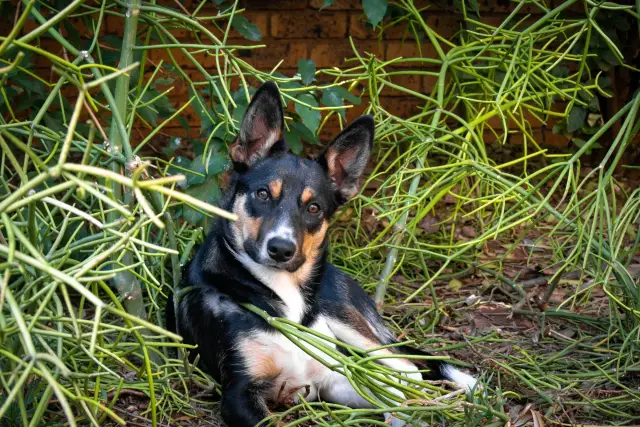 Looks relatedAustralian Kelpie1870 to 1902 · AustraliaVictorian Breed Boom
The FCI standard (no. 223) describes a well-proportioned, medium-large dog of lean, strong build, alert and intelligent in expression.
| Trait | What the standards say |
|---|---|
| Height | FCI: 57 to 62 cm for dogs and 55 to 60 cm for bitches at the withers |
| Build | FCI: medium-large, muscular, rectangular outline, with strong bones and a lean, dry look |
| Coat | FCI: three varieties. Short: hard, close, with a woolly undercoat. Long: straight, long and harsh, with no curl. Rough: wiry, tousled coat with a dense undercoat, with a moustache and eyebrows |
| Colour | FCI: brindle only, on a gold or silver ground; black mask allowed |
| Head | FCI: elongated, with moderate stop, dry skin, strong jaws |
| Ears | FCI: small, set high, carried erect |
| Eyes | FCI: medium, dark, almond-shaped |
| Tail | FCI: long, carried low at rest and raised when alert |
Brindle. The brindle is a pattern of dark stripes over a lighter ground, in gold or silver. It is the single colour accepted and the easiest way to tell the breed from a Malinois at a glance.
Coat care. Short coats need weekly brushing and heavy brushing during the spring and autumn moult. Long coats need more. The rough coat is usually hand-stripped once or twice a year to keep its texture, although practice varies.
Temperament
 Related breedBasset Hound1860 to 1885 · United KingdomVictorian Breed Boom
The Dutch Shepherd is a fast-learning, loyal, watchful working dog. In a good home it is a close and affectionate partner; in a poor fit it is a restless dog that makes its own work. See the smartest dog breeds for how this kind of trainability compares.
Drive and energy. It was bred for a long day of work and it has the engine for one. Breed sources agree it needs an hour or more of exercise each day plus real mental work, such as tracking, obedience, agility, nose work or herding.
Loyal and reserved. Most are devoted to their household and wary with strangers. They are protective without being, in a well-bred dog, aggressive.
Sensitive to handling. Like the other herders, a Dutch Shepherd learns fast from both good and bad experience. Reward-based, consistent training suits it.
With children and pets. Many do well with children they grow up with. The herding habit of nipping and circling can be a problem with small children and fast-moving pets. Early socialisation helps.
Mental load. A dull day can lead to chewing, digging and barking. Twenty minutes of focused training can tire the dog more than a long plain walk.
Training tips
- Start early. Puppy classes and calm exposure to people, dogs and places in the first months.
- Teach an off switch. Settling on a mat and waiting at doors are skills it needs to be taught.
- Give it a job. Scent games, tracking, agility, herding or obedience.
- Keep it kind. Reward-based methods; harsh methods tend to backfire in sensitive working breeds.
Health
 Related breedBoston Terrier1870 to 1893 · United StatesVictorian Breed Boom
The Dutch Shepherd is a fairly healthy working breed with a small population. The atlas data gives 11 to 14 years. There is little published breed-specific research, so most figures are not available. Where no figure exists, the table says so.
| Condition | What it is | How common | What helps |
|---|---|---|---|
| A loose or poorly shaped hip joint that can lead to arthritis | No published figure for the Dutch Shepherd. In the German Shepherd, a related breed, a literature review gave a very wide range of 10 to 46% across countries | Hip scoring of both parents, lean weight, controlled exercise while growing | |
| Elbow dysplasia | Abnormal elbow development causing front-leg lameness | No published figure | Elbow scoring of both parents; vet check if a young dog limps |
| Allergies and skin problems | Itching, ear infections and skin flare-ups | No published figure | Vet diagnosis, regular ear checks |
| Eye disease | Inherited changes of the retina or lens | No published figure | Annual eye test of breeding dogs |
| Injuries from athletic work | Cruciate tears, sprains, toe and back strain | No published figure | Fitness, warm-up, lean weight, sensible surfaces |
A study of radiographs from Belgian, Dutch and German vets (PubMed 24069350) found that the share of dysplastic dogs varied widely between breeds, from 16.7% to 71.4%, and much more in dogs with a clinical complaint than in dogs from breeding programmes. The Dutch Shepherd is not singled out in the figures quoted here, so they show the range across breeds, not a Dutch Shepherd rate.
Screening. Ask the breeder for hip and elbow scores of both parents and for the club's health-test requirements. In the Netherlands, the breed club sets rules for breeding dogs.
Lifespan. The 11 to 14 year range is a typical range, not a measured median. No large breed-specific study of age at death has been published.
 Ticks and fleasTicks and fleas on dogs: how to check, remove and prevent themTicks and fleas on dogs: how to tell them apart, check your dog, remove a tick safely, break the flea life cycle and prevent both.
 GuidesPractical guidesBehaviour, training, health and adoptionRelated breedBoston Terrier1870 to 1893 · United StatesVictorian Breed Boom
Living with a Dutch Shepherd
 Related breedBoxer1880 to 1904 · GermanyVictorian Breed Boom
| Daily reality | Rating | Why |
|---|---|---|
| Exercise per day | High | An hour or more plus training |
| Training needs | High | Fast learner that needs structure and a consistent handler |
| Grooming | Low to medium | Short coat: weekly brush; long and rough coats need more |
| Shedding | Medium to high | Seasonal moults |
| Barking | Medium | Alert; worse when bored |
| Time alone | Poor | Needs company and activity |
| Children | Varies | Loyal; herding habits need supervision |
| Other dogs | Varies | Often fine with early socialising |
| Cats and small pets | Varies | Herding and chase instinct |
| Flat living | Poor | Only with a very committed exercise plan |
| Heat tolerance | Fair | Keep hard work to cooler hours |
| Cold tolerance | Good | Dense undercoat |
| First-time owner fit | Poor | Best with experienced, active handlers |
A great fit if
- You have experience with herding or working breeds, or a trainer lined up.
- You want a sport partner for tracking, agility, obedience or similar, several days a week.
- You work from home or can include the dog in most of your day.
- You like the idea of a rarer breed and will wait for a well-bred puppy.
Think twice if
- You want a quiet, easy family pet.
- You are away for long hours.
- You live in a small flat with little outdoor space.
- You want a Malinois-style dog but with an easier temperament and assume the Dutch Shepherd will be one.
Before you get one
- Health tests. Ask for hip and elbow scores and eye tests for both parents.
- Line matters. Working and sport lines are more driven than show lines. Ask what the dogs are bred for.
- Rare breed. Puppies are few outside the Netherlands, and a wait is normal. Be wary of "Dutch Shepherd" puppies that are crosses sold under the name.
- First year. Plan puppy classes, safe socialising and calm exercise while the joints grow.
Similar breeds to consider
- Belgian Malinois. The nearest in work and drive, lighter and more intense.
- German Shepherd. Heavier, often calmer, and far easier to find.
- Belgian Shepherd. The four Belgian varieties, with long-haired choices.
- Australian Shepherd. A herder with high energy, usually softer with strangers.

Dutch Shepherd fun facts
 Related breedBrittany1850 to 1907 · FranceVictorian Breed Boom
- "Hollandse Herdershond" is the dog's official name in the FCI list.
- The first standard is dated 12 June 1898.
- Only brindle is accepted, in gold or silver.
- It comes in short, long and rough coats, which makes it unusual among shepherd dogs.
- The short-haired type is the most common today.
Frequently asked questions
Is a Dutch Shepherd a good family dog?
It can be for an active family that gives it work and training. It is loyal with its people but intense, and its herding habits need supervision around small children.
How big is a Dutch Shepherd?
The gives 57 to 62 cm for dogs and 55 to 60 cm for bitches. Adults commonly weigh about 23 to 32 kg.
How long do Dutch Shepherds live?
Atlas data gives 11 to 14 years. No large study of age at death exists.
What is the difference between a Dutch Shepherd and a Belgian Malinois?
The Dutch Shepherd is brindle, in three coat types, and a little sturdier. The Malinois is fawn with a black mask, short-coated and lighter.
Do Dutch Shepherds shed?
Yes. The short coat sheds moderately all year and heavily in two seasonal moults. Long and rough coats need more grooming.
Are Dutch Shepherds easy to train?
They learn fast, but they need a consistent, experienced handler and reward-based methods.
What health problems do Dutch Shepherds have?
Hip and , allergies, eye disease and sport injuries are the ones to screen for. There is little breed-specific data.
Read next
 Sister breedBelgian Shepherd1891 to 1901
 FamilyContinental HerderThe whole family
 Adopt a dogDog Shelters in the NetherlandsFive big cities checked, how adoption works, chip and registration
Sources (11)
- Fédération Cynologique Internationale, Hollandse Herdershond (Dutch Shepherd Dog), standard no. 223.
- Nederlandse Herdershonden Club, breed standard translation and breed history.
- United Kennel Club, Dutch Shepherd breed standard.
- American Kennel Club, Miscellaneous Class and Herding Group breed lists.
- UK Kennel Club, Dutch Shepherd Dog breed page (Pastoral Group).
- Parker H.G. et al., "Genomic analyses reveal the influence of geographic origin, migration, and hybridization on modern dog breed development", Cell Reports, 2017.
- Fogle B., The New Encyclopedia of the Dog, 2009.
- Prevalence of nine genetic disorders in a dog population from Belgium, the Netherlands and Germany, PubMed 24069350.
- Utrecht University and Wageningen University research on hip and elbow dysplasia in Dutch pure-bred dogs, 2014.
- Literature review of hip dysplasia in German Shepherds and Rottweilers.
- Showsight magazine, Dutch Shepherd breed features.