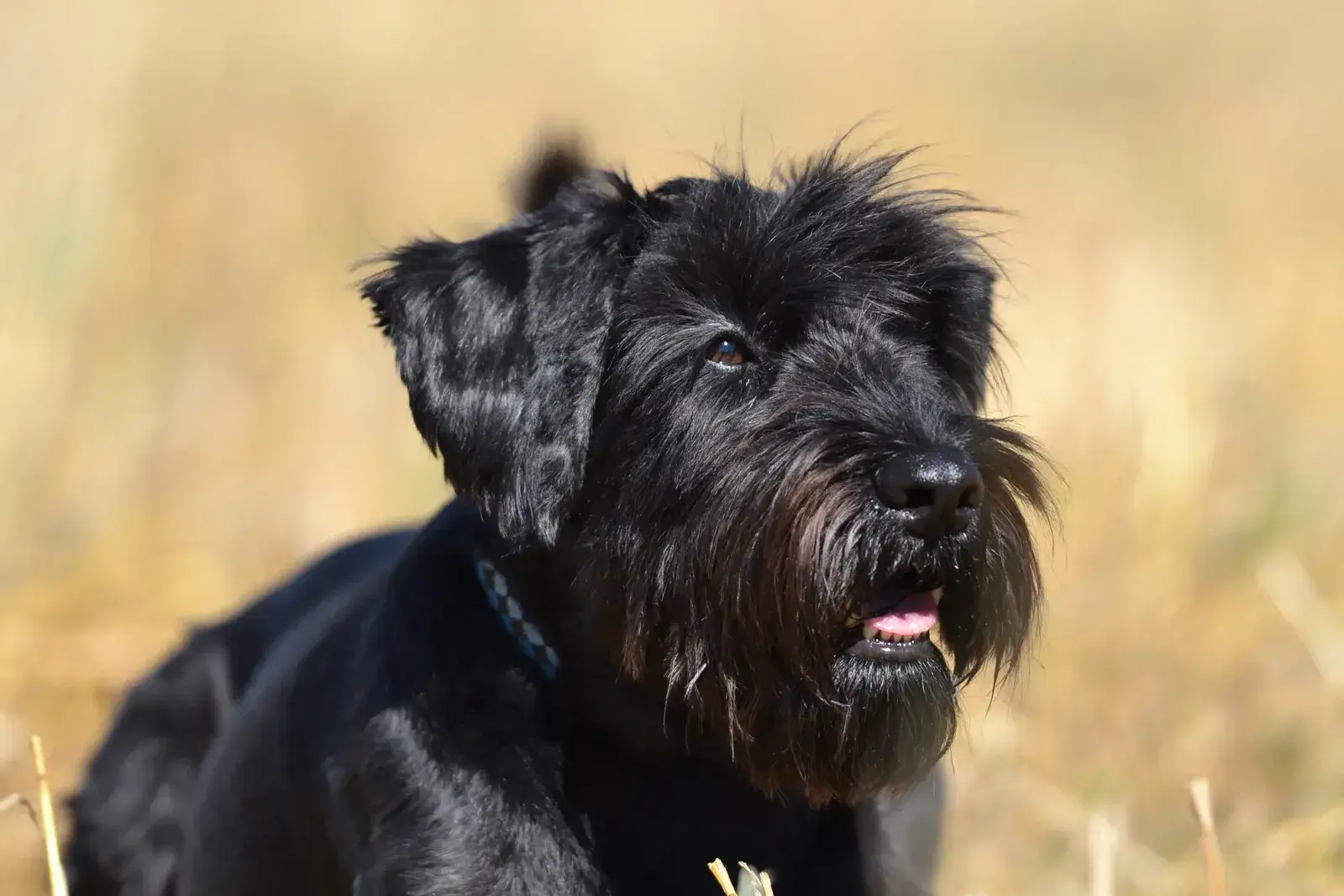
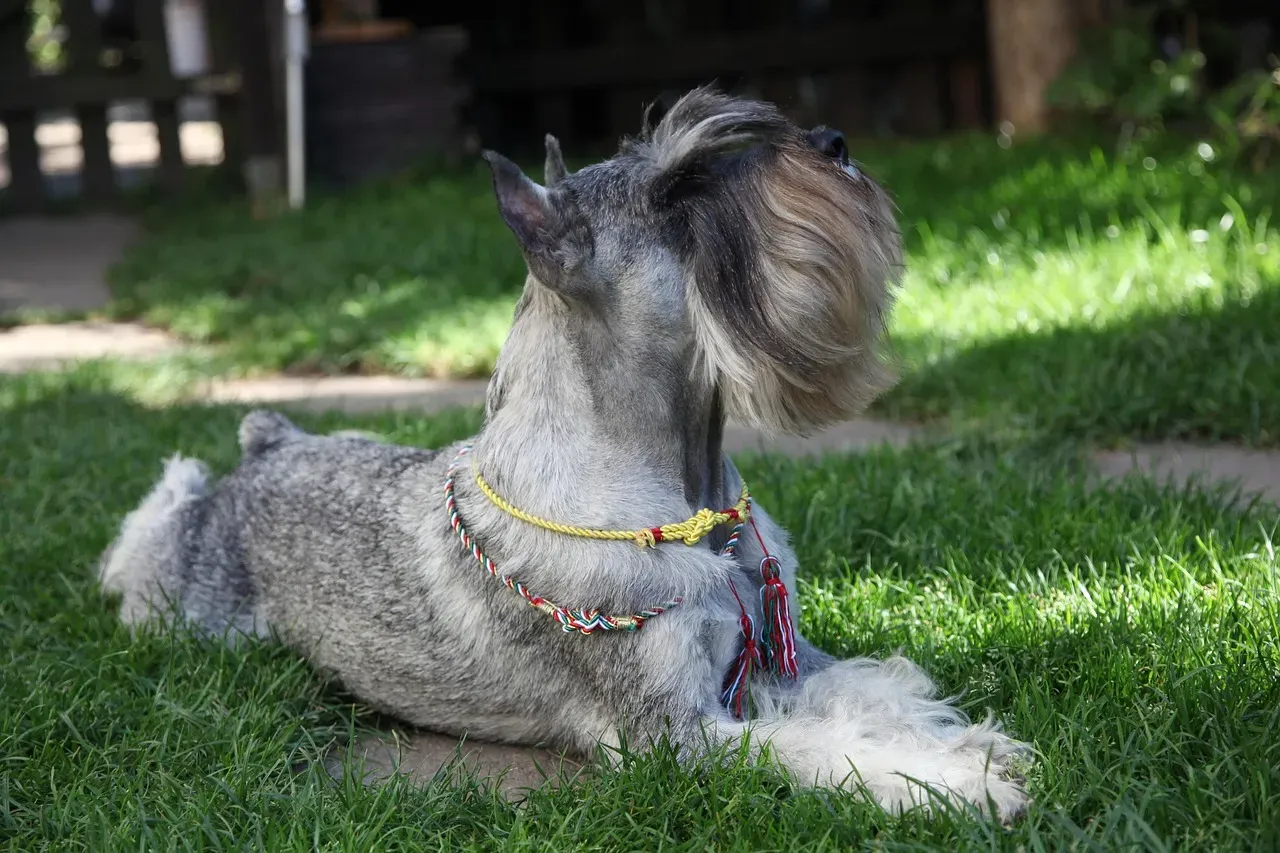
When people search for "schnauzer" they usually mean one of three dogs of the same type in three sizes: the small Miniature Schnauzer, the medium Standard Schnauzer (Mittelschnauzer in German) and the large Giant Schnauzer. The Standard stands about 45 to 50 cm tall and weighs 14 to 20 kg, with a bearded muzzle, bushy eyebrows and a hard, wiry coat in pepper and salt or black. It was bred to guard the farmyard, kill rats and pull its weight on the road, and it is alert, clever and loyal. It suits active owners who will train it and keep up with coat care.
Standard Schnauzer quick facts
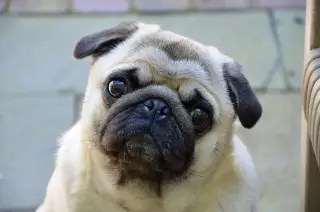
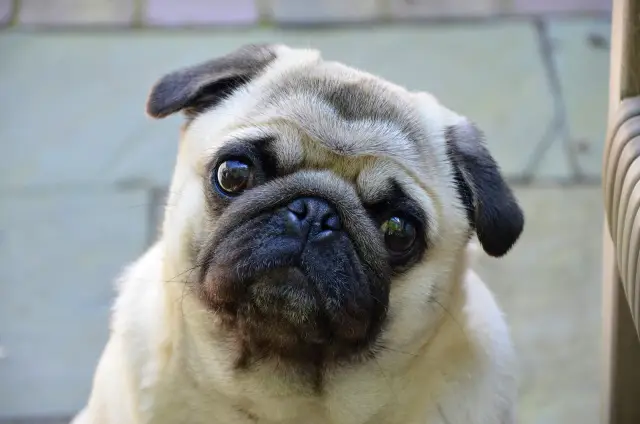 Related breedPug400 BCE to 1885 · ChinaAncient World
- Country of origin
- Germany (Württemberg and Bavaria)
- Period of development
- Farm dog roots from the Middle Ages; shown as "Schnautzer" in 1879 (atlas data: 1400 to 1880)
- Original job
- Farm and stable guard, ratter, cart and drover's companion
- Group
- FCI Group 2 (Pinscher and Schnauzer, Molossoid and Swiss Mountain and Cattledogs), standard no. 182; AKC Working Group; UK Kennel Club recognised
- Height
- 45 to 50 cm (FCI)
- Weight
- 14 to 20 kg (FCI)
- Coat
- Hard, wiry outer coat over a soft undercoat
- Colours
- Pepper and salt, pure black
- Life span
- Atlas data: 13 to 16 years
- DNA family
- Schnauzer (Parker et al. 2017)
- Closest DNA relative
- Miniature Schnauzer, then Giant Schnauzer
- Other names
- Mittelschnauzer, Schnauzer, Wire-haired Pinscher (old name)
Drawn to scale in real centimetres. Its back reaches about 47 cm, your knee; its head about 60 cm, just above your knee.
Where it sits in the tree
Late Middle Ages · 1200 to 1499
Name and origin
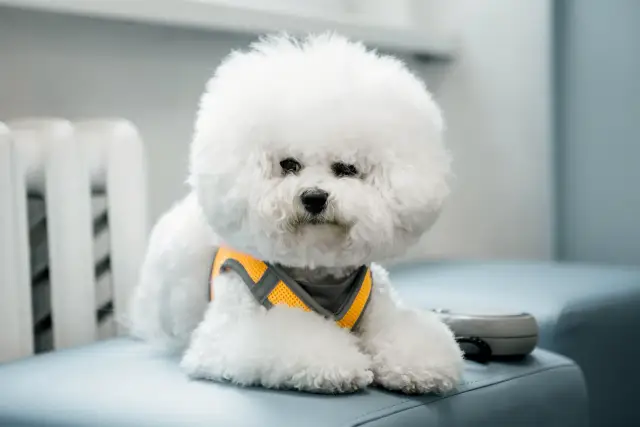 Related breedBichon Frisé1300 to 1933 · Belgium, FranceLate Middle Ages
The name
"Schnauzer" comes from German Schnauze, "snout" or "muzzle", with the ending -er meaning "the one with the snout". It describes the bearded face. The atlas data gives the FCI's own official name for this breed as plain "Schnauzer", and the German name Mittelschnauzer means "medium Schnauzer". The name is first tied to a dog called "Schnautzer", shown at the third international dog show of the Verein zur Veredelung der Hunderassen in Hanover in 1879, which won the class for Wire-haired Pinschers. One account says its owner was C. Berger from Württemberg. Whether the breed took its name from that one dog is unclear, and a Showsight article places the first show in Hamburg instead of Hanover, so the sources disagree on the details. The old name Wire-haired Pinscher was replaced by Schnauzer in the in 1917.
One breed, three sizes
Here is the quick guide to what "Schnauzer" means, because the three sizes are separate breeds in the kennel clubs and have separate standards:
- Miniature Schnauzer. The small one, 30 to 35 cm. Developed from small Standard Schnauzers (medium confidence in the atlas data) and possibly with other breeds. The FCI lists it as no. 183, and the AKC puts it in the Terrier Group.
- Standard Schnauzer. The medium one, 45 to 50 cm. The original dog and the parent of the other two. FCI no. 182, AKC Working Group.
- Giant Schnauzer. The large one, 60 to 70 cm. A larger version of the Standard, bred up for droving and guarding. FCI no. 181, AKC Working Group.
They share the bearded face, the wiry coat and the squarish build. They differ in size, in the jobs they were bred for and in the details of health and behaviour, so facts about one should not be copied across to another. This article covers the Standard.
A southern German farm dog
Dogs of this type lived on farms and in towns across southern Germany. They were kept in stables and farmyards, where they killed rats and mice, guarded the property, and travelled with carts and carriages. The harsh coat protected the skin from brambles, weather and the bites of rats. The farmers cared about work, not pedigree, so records of the early dogs do not exist. Everything before the 1870s is reconstruction.
Legends about old paintings
Some breed writers say that Schnauzer-like dogs appear in old European art, and one source argues that the dog in some works by Albrecht Dürer ages from picture to picture, which suggests Dürer owned a Standard Schnauzer. This is an interpretation of paintings and not a documented fact. The Rembrandt claim that sometimes appears next to it has no solid evidence behind it. Treat both as legends: they show that wire-coated, bearded farm dogs existed in the German lands for centuries, and nothing more.

History
 Same eraBorzoi1200 to 1650 · RussiaLate Middle Ages
From Wire-haired Pinscher to Schnauzer
Before the 1870s, German dog people did not separate the smooth-coated Pinscher and the wire-coated Schnauzer type. The atlas data records that both types could turn up in the same litter, and that the Standard Schnauzer shares a with the German Pinscher. Breeders started to select for the wire coat and the beard, and the type was shown at German exhibitions as the Wire-haired Pinscher. The 1879 Hanover show is the first record of the dog that gave the breed its new name.
Clubs and standards
German fanciers formed the Pinscher Klub in Cologne in 1895, according to breed histories. After a 1918 merger with a Bavarian Schnauzer club it became the Pinscher-Schnauzer Klub, which took that name in 1921 according to Wikipedia. The dates in different sources differ by a year or two, so treat the sequence as firm and the exact years as approximate. The club kept the studbook and the standards for both breeds.
Stable, cart and farm
Through the 19th century the Standard Schnauzer worked in the places where it started. It guarded the cart, the stable and the barn, and it kept down rats. Its size helped: it was big enough to make a poacher or thief think twice, and small enough to live in a farmhouse or town yard. Small dogs of this type were later selected to make the Miniature Schnauzer, and the largest were used to make the Giant Schnauzer, so the Standard became the middle size in a family.
The Standard in other countries
The Standard Schnauzer is far less common than the Miniature outside Germany. The AKC places it in the Working Group, while it places the Miniature in the Terrier Group, even though the two are the same type in different sizes. This is the club's decision about each dog's job and size, and it does not reflect any difference in DNA. The FCI keeps all three in Group 2. This article does not give registration numbers or a popularity ranking because we have no verified figure.
Three clubs, three homes
| Club | Group |
|---|---|
| FCI | Group 2: Pinscher and Schnauzer, Molossoid and Swiss Mountain and Cattledogs (no. 182) |
| AKC | Working Group |
| UK Kennel Club | Recognised breed |
Relatives and DNA
 Same familyCardigan Welsh Corgi1200 to 1934 · United KingdomLate Middle Ages
The atlas data places the Standard Schnauzer at the base of its small family. It lists the Miniature Schnauzer and the Giant Schnauzer as its direct descendants, and the Black Russian Terrier as a further descendant through the Giant. The German Pinscher is its sister breed.
Confidence matters here. The atlas data rates the Miniature link as medium confidence and the Giant link as low, because the older records are thin and both are reconstructions. DNA backs up the idea that the three belong together. Parker and colleagues (Cell Reports, 2017) analysed 1,346 dogs from 161 breeds and placed the Standard Schnauzer in the "Schnauzer" clade with strong support. They measured shared , which are long stretches of identical DNA inherited from common ancestors. The more () two breeds share, the closer their shared ancestry or the likelier a past cross. The study cannot show in which direction genes flowed.
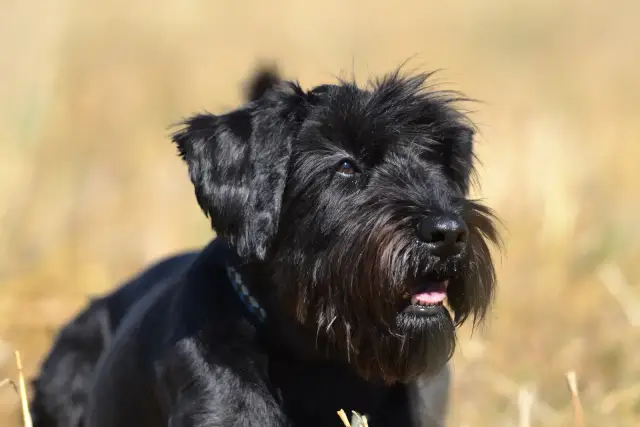
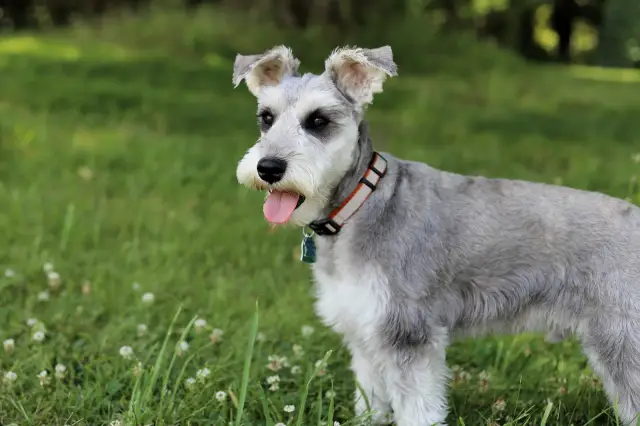
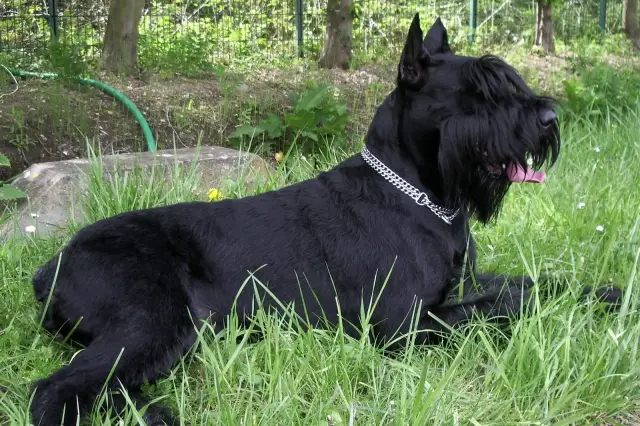
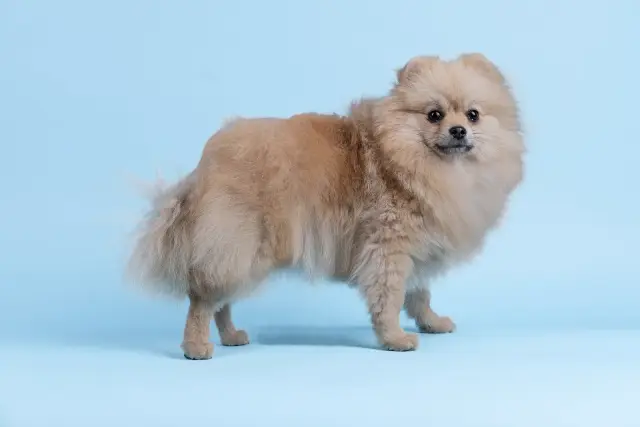
- Standard Schnauzer and Miniature Schnauzer
- Standard Schnauzer and Giant Schnauzer
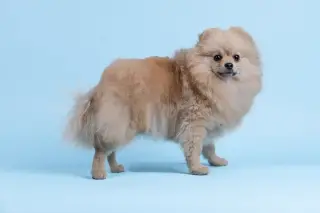
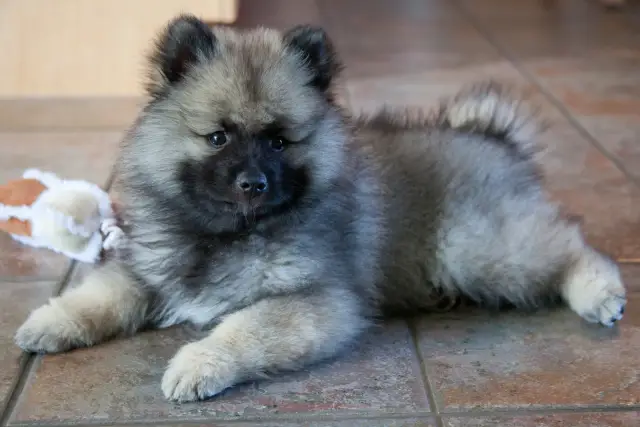
- Standard Schnauzer and Pomeranian
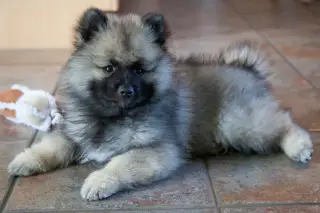
- Standard Schnauzer and Keeshond
- Standard Schnauzer and Pug
The top two rows fit the family story. The Pomeranian, Keeshond and Pug are less obvious. They show some shared ancestry in the study's sample, and they do not mean those breeds were used to build the Schnauzers.
Sister breeds · 1
- German Pinscher1700 to 1884
Descend from it · 2
- Giant SchnauzerGermany
- Miniature SchnauzerGermany
- Miniature Schnauzer28.3 Mb 1.2%
- Giant Schnauzer24.2 Mb 1.0%
- Pomeranian12.9 Mb 0.5%
- Keeshond10.5 Mb 0.4%
- Pug10.5 Mb 0.4%
Source: Parker et al. 2017. Percent of the whole genome.
| Breedwith Standard Schnauzer | with Standard Schnauzer (Mb)Shared DNA (Mb) |
|---|---|
| Miniature Schnauzer | 28.3 |
| Giant Schnauzer | 24.2 |
| Pomeranian | 12.9 |
| Keeshond | 10.5 |
| Pug | 10.5 |
Source: Parker et al. 2017, Cell Reports, shared haplotypes between 161 breeds (1,346 dogs).
The breed standard
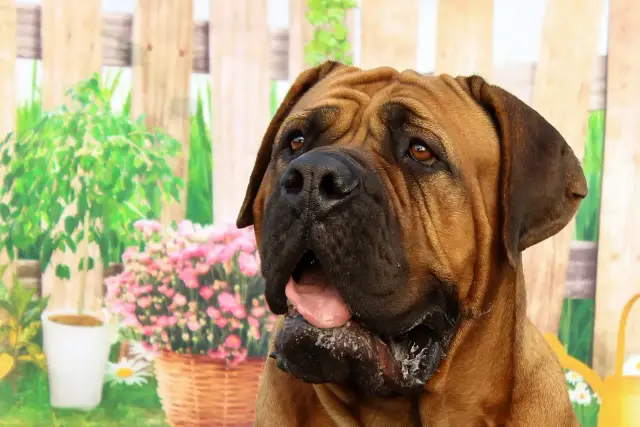 Looks relatedDogue de Bordeaux1300 to 1896 · FranceLate Middle Ages
A is the written ideal that a kennel club judges dogs against. It describes size, coat, colour, head and build. Clubs write their own versions, so details differ. The word "Standard" in the name marks the normal, middle size of the Schnauzer, not a measure of quality.
| Trait | What the standards say |
|---|---|
| Height at withers | FCI: 45 to 50 cm for dogs and bitches. AKC: dogs 18.5 to 19.5 inches (about 47 to 49.5 cm), bitches 17.5 to 18.5 inches (about 44.5 to 47 cm) |
| Weight | FCI: 14 to 20 kg. AKC: no weight set in the standard |
| Coat | FCI and AKC: hard, wiry outer coat over a dense undercoat; harsh to the touch |
| Colours | FCI: pepper and salt; pure black with black undercoat. AKC: pepper and salt in any shade; solid black. Markings other than those are a fault |
| Head | FCI and AKC: strong, rectangular, with a bearded muzzle and bushy eyebrows |
| Ears | FCI and AKC: set high, folded forward; the AKC also describes cropped ears where cropping is legal |
| Build | FCI and AKC: sturdy, square-built, with a straight back and strong legs |
The UK Kennel Club column is left out because we hold no verified measurements for it. The AKC figures come from breed reference summaries and not from the club's own page, so check the current standard before you show a dog.
Colours. Pepper and salt is a mix of black and white banded hairs that gives the grey look, with a darker face mask. The FCI standard accepts shades from dark iron grey to silver grey. A black trace or a black saddle on a pepper and salt dog is a fault. Pure black dogs need a black undercoat as well.
Size in practice. The FCI and AKC ranges are close: the top of the FCI range is 50 cm and the AKC maximum is about 49.5 cm. In the FCI text, a dog over or under the range by up to 1 cm is a fault, and a clumsy or light build is a serious fault.
Temperament
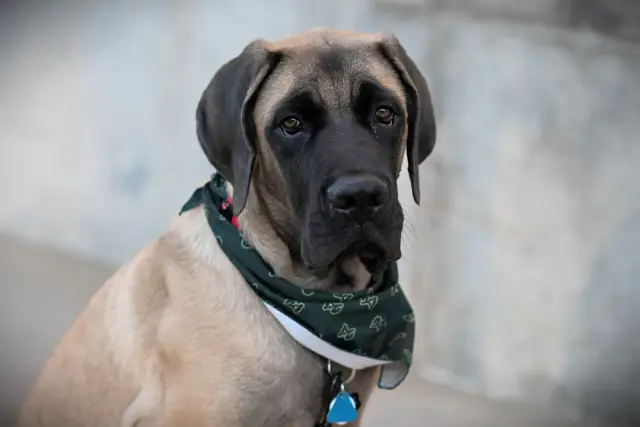 Related breedEnglish Mastiff1300 to 1880 · United KingdomLate Middle Ages
The Standard Schnauzer is alert, clever and loyal to its family. It was a guard dog before it was a companion, and that shows. Most dogs are watchful with strangers and take time to warm up, and they are playful and affectionate with the people they know. Breed clubs describe the dog as spirited, reliable and fearless, with an instinct to protect the home.
It sits between the other two Schnauzers. It has the terrier-like alertness and sharpness of the Miniature, in a body big enough to need real exercise. It lacks the weight and power of the Giant, which makes it easier to manage for many owners. Dogs vary a lot, and early socialisation matters as much as breeding.
Behaviour and daily needs
- Barking. Bred to warn, so many dogs bark at visitors and noises. A quiet cue taught early helps.
- Prey drive. Rats were the job. Mice, hamsters, rabbits and sometimes cats can trigger the chase, so management and training are needed.
- Exercise. A working-farm dog needs a real daily outlet: long walks, runs, games and training sessions. Breed clubs describe an energetic dog, but we hold no verified hours figure.
- Training. Quick to learn and often strong-willed. Short, varied, reward-based sessions work better than drilling. It can get bored and decide to do things its own way.
- Grooming. The wiry coat needs brushing several times a week. It is trimmed or hand stripped at intervals, commonly every few months for a working-type coat; the exact interval varies by owner and style. The beard collects food and water and needs wiping.
 Save

Health
 Related breedJindo1200 to 1962 · South KoreaLate Middle Ages
Most Standard Schnauzers live long, healthy lives. The atlas data gives a life span of 13 to 16 years. The conditions below are the ones breeders screen for and owners can watch for. Nothing below means that your dog will develop any of it.
The best breed-specific source is a health survey by the Standard Schnauzer Club of America, run from 2002 to 2007 and covering around 1,450 dogs. A preliminary report says only about 1 percent of the surveyed dogs had serious health problems, and it names and inherited eye disease as the two main hereditary concerns. That is about 1 in 100 dogs. The figure comes from a preliminary report as summarised in the club's own newsletter, so treat it as a rough guide. The club requires that breeding stock be tested for hips and eyes.
A large UK Kennel Club survey of purebred dogs (Adams et al., Journal of Small Animal Practice, 2010) pooled 169 breeds, and the abstract gives no Standard Schnauzer breakdown, so we do not use its figures here.
| Condition | What it is | How common | What helps |
|---|---|---|---|
| Hip dysplasia | A poorly fitting hip joint that can wear early and cause stiffness or lameness | Named by the club survey as a main hereditary concern. No published study gives a reliable figure for this breed | Hip scoring of both parents, healthy weight, avoiding over-exercise in puppies |
| Inherited eye disease | Includes cataracts and progressive retinal atrophy, which change vision | Named by the club survey as a main hereditary concern. No published figure | Annual eye certification of breeding dogs, eye checks at the vet |
| Hypothyroidism | A slow thyroid that can cause weight gain, tiredness and coat changes | Listed in a 2017 thesis on schnauzer genetic health. No published figure for this breed | Blood test at the vet, daily tablet if needed |
| Urinary stones | Mineral stones in the bladder that cause straining or blood in the urine | Listed in the same thesis. No published figure | Plenty of water, quick vet check if the dog strains, diet advice |
| Overweight | Extra body fat that strains the joints | No published figure for this breed | Measured meals, regular exercise, body condition checks |
Health data for the Miniature Schnauzer, such as its high rate of pancreatitis and high blood fats, belong to that breed. We have no figure showing the same for the Standard, so we do not apply it.

Living with a Standard Schnauzer
 Related breedKomondor1200 to 1920 · HungaryLate Middle Ages
| Daily reality | Rating | Why |
|---|---|---|
| Exercise per day | High | A working farm dog that needs long walks, runs and games every day |
| Training needs | High | Clever and strong-willed; needs steady, early training and socialisation |
| Grooming | High | Brushing weekly and regular trimming or hand stripping; beard cleaning daily |
| Shedding | Low | Wiry coat sheds little, but dead hair stays in the coat until stripped. Varies |
| Barking | High | Bred to warn; many dogs bark at visitors and noises |
| Time alone | Fair | Loyal and people-focused; needs gradual training to stay alone |
| Children | Good | Sturdy and playful with its own family. Supervise young children with any dog |
| Other dogs | Fair | Often fine when socialised, but can be bold with strange dogs. Varies |
| Cats and small pets | Fair | Ratter instinct. Varies by dog |
| Flat living | Fair | Possible with enough exercise, but barking needs management |
| Heat tolerance | Fair | Dense coat; take care in hot weather. No breed study found |
| Cold tolerance | Good | Wiry double coat; dry the wet beard and legs |
| First-time owner fit | Fair | Manageable size, but the dog needs training, exercise and grooming |
A great fit if
- You want a medium dog that joins runs, hikes and training classes.
- You like a watchful dog that guards the home and does not need to be big.
- You will book regular coat care or learn to hand strip.
- You can give a clever dog daily jobs and games.
Think twice if
- You want a quiet dog or live where barking is a problem.
- You keep small pets that a ratter instinct could put at risk.
- You want a no-grooming dog.
- You are away for long hours with no plan for company.
Before you get one
- Health tests to ask a breeder for. Hip scores for both parents and a current eye certificate for both parents. Ask your national breed club which tests it advises.
- Puppy or adult rescue. Breed rescues exist in some countries. An adult dog's temperament and coat care are already visible.
- First year. Plan for socialisation, house training, alone training and a first trim. Expect a bold, mouthy adolescent phase.
Similar breeds to consider
- Miniature Schnauzer. The same type in a small body, with a more terrier-like temperament and more grooming per kilogram.
- Giant Schnauzer. The largest Schnauzer, with more power and a stronger need for an experienced owner.
- German Pinscher. A smooth-coated sister breed with much less grooming.
- Airedale Terrier. A wire-coated, bearded terrier of similar size, with a less reserved nature.

Fun facts
 Related breedPoodle1400 to 1874 · FranceLate Middle Ages
- A dog called "Schnautzer" won a Wire-haired Pinscher class in Hanover in 1879, and the breed later took the name.
- The Standard Schnauzer is the original, and the small and large Schnauzers were developed from it.
- The Standard is in the Working Group at the AKC, while the Miniature is in the Terrier Group.
- The Black Russian Terrier, a Soviet breed, traces back to the Giant Schnauzer, which traces back to the Standard.
Frequently asked questions
What is the difference between Miniature, Standard and Giant Schnauzers?
Size, mostly. The Miniature is 30 to 35 cm, the Standard 45 to 50 cm and the Giant 60 to 70 cm (). The Standard is the original dog, and the others were developed from it. They are three breeds with separate standards.
How big does a Standard Schnauzer get?
45 to 50 cm at the withers and 14 to 20 kg under the FCI standard.
How long do Standard Schnauzers live?
Atlas data gives 13 to 16 years. No large published study gives a median for this breed.
Do Standard Schnauzers shed?
Very little, because of the wiry coat, but they need regular brushing and trimming.
Are Standard Schnauzers good family dogs?
Often yes, with a family that trains them and gives them exercise. They are loyal and playful, but they bark and guard, so supervision with children and with visitors is wise.
What colours does a Standard Schnauzer come in?
Pepper and salt and pure black are the two accepted colours at the FCI and the .
Read next
Closest DNAMiniature Schnauzer28.3 Mb sharedFamilySchnauzerThe whole family Adopt a dogDog Shelters in GermanyTen big cities checked, how adoption works, what it costs
Sources (13)
- Adams V.J. et al., "Methods and mortality results of a health survey of purebred dogs in the UK", Journal of Small Animal Practice, 2010 (pooled data, no breed figure used).
- American Kennel Club, Standard Schnauzer breed standard and breed history pages.
- Fédération Cynologique Internationale, Schnauzer, standard no. 182 (2007 text, later editions).
- Fogle B., The Encyclopedia of the Dog, 2009 (as listed in the atlas data).
- Parker H.G. et al., "Genomic analyses reveal the influence of geographic origin, migration, and hybridization on modern dog breed development", Cell Reports, 2017.
- Showsight Magazine, Standard Schnauzer history articles.
- Standard Schnauzer Club of America, health survey 2002 to 2007, preliminary report (as summarised in AMSC newsletter, 2009).
- The Kennel Club (UK), Standard Schnauzer breed information.
- United Kennel Club, Standard Schnauzer breed standard.
- Wikipedia, "Standard Schnauzer" (used for dates and summaries, checked against the other sources listed).
- Sources on schnauzer genetic health, 2017 thesis (hypothyroidism and urolithiasis, as cited by breed-health summaries).
- National Purebred Dog Day, "A Schnauzer Named Schnauzer" (name story).
- Dogs Atlas breed records and Parker 2017 shared-haplotype table (this site).